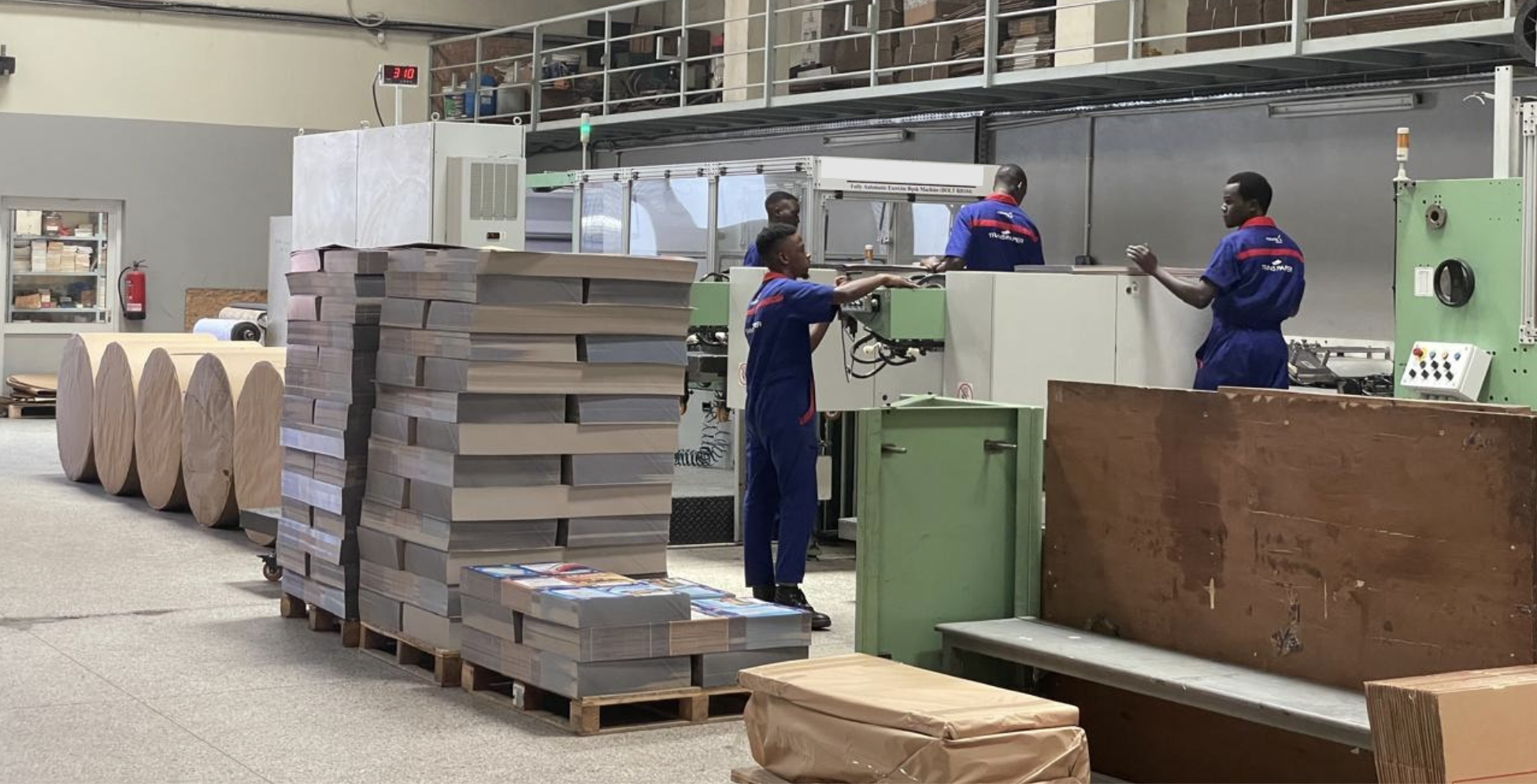
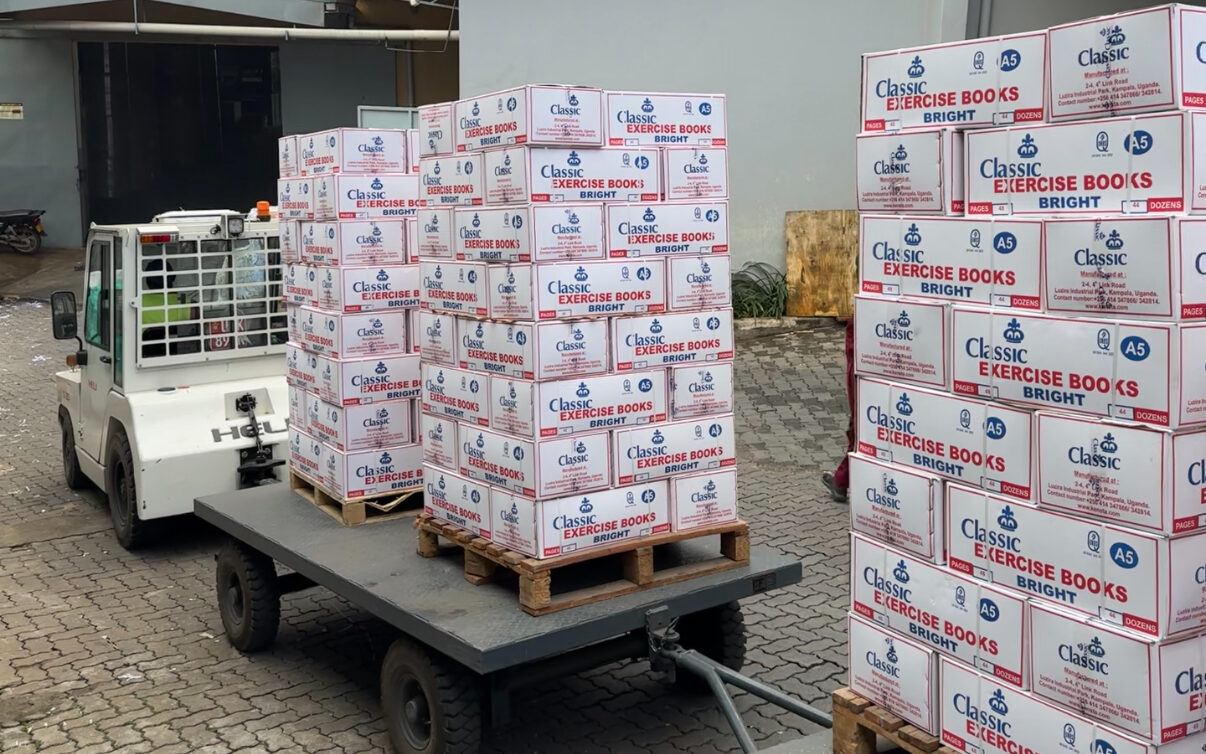
Norfund is investing in Kinetic Holdings Limited (Kensta), a family-owned business and a leading manufacturer and distributor of stationery products, such as exercise books, across East Africa.
The investment will support the construction of a new production facility in Uganda dedicated to the manufacturing of sanitary pads.
This investment is expected to generate new employment opportunities and improve access to affordable period products for women and girls. In addition to delivering strong development impact, the investment is anticipated to yield a sustainable financial return.
“Lack of access to menstrual hygiene products prevent girls and women from attending school and participating equally in society alongside boys and men. Improving access to affordable products is an important contribution to gender equality. Furthermore, it is an investment that creates jobs which are crucial for poverty reduction,”
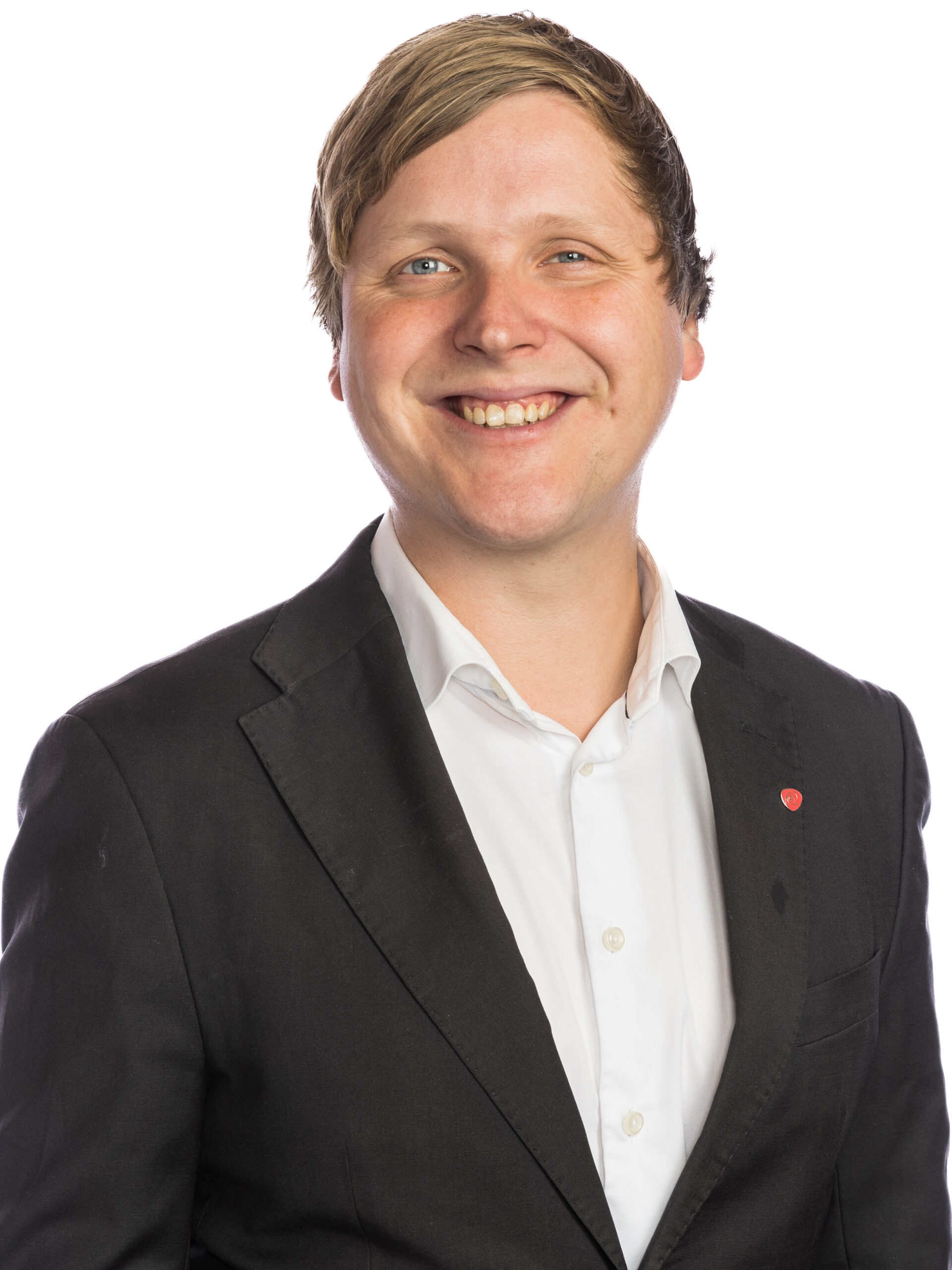
Minister of International Development Åsmund Aukrust.
Period poverty is widespread in Uganda, where many girls and women lack access to safe and affordable period products, causing them to miss out on school and work, and face social stigma and health challenges during menstruation.
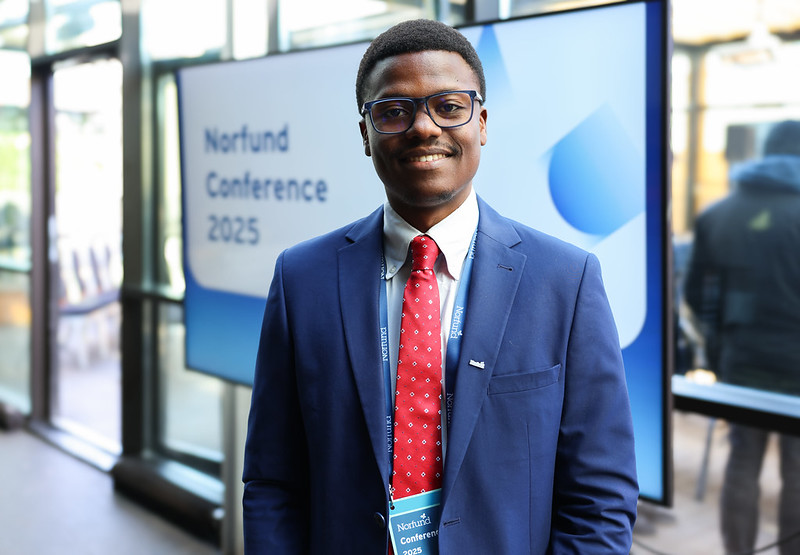
“By investing in Kinetic Holdings, Norfund is helping scale a local solution to a widespread challenge, period poverty, that hinders education and dignity for millions of girls and women. Supporting the local manufacture of sanitary pads is a tangible step towards inclusive development and economic empowerment,”
Donald Muchiri Kariuki, Investment Manager at Norfund.
Kensta, a family-owned business with over 60 years of experience, has significantly expanded its manufacturing footprint since 2017. Leveraging its established vendor relationships and distribution networks for stationery products, the company plans to distribute sanitary pads efficiently across the region. With operations in Uganda, Kenya, and Tanzania, Kensta is well-positioned to meet the rising demand for hygiene products in East Africa.
“This investment marks a transformative chapter for our company. With Norfund’s involvement, we will accelerate our growth strategy, enhance our operational capabilities, and continue to provide exceptional service to our clients. We look forward to expanding our reach and impact in the regional market.”
Case study: Empowering Kenyan communities through off-grid energy solutions
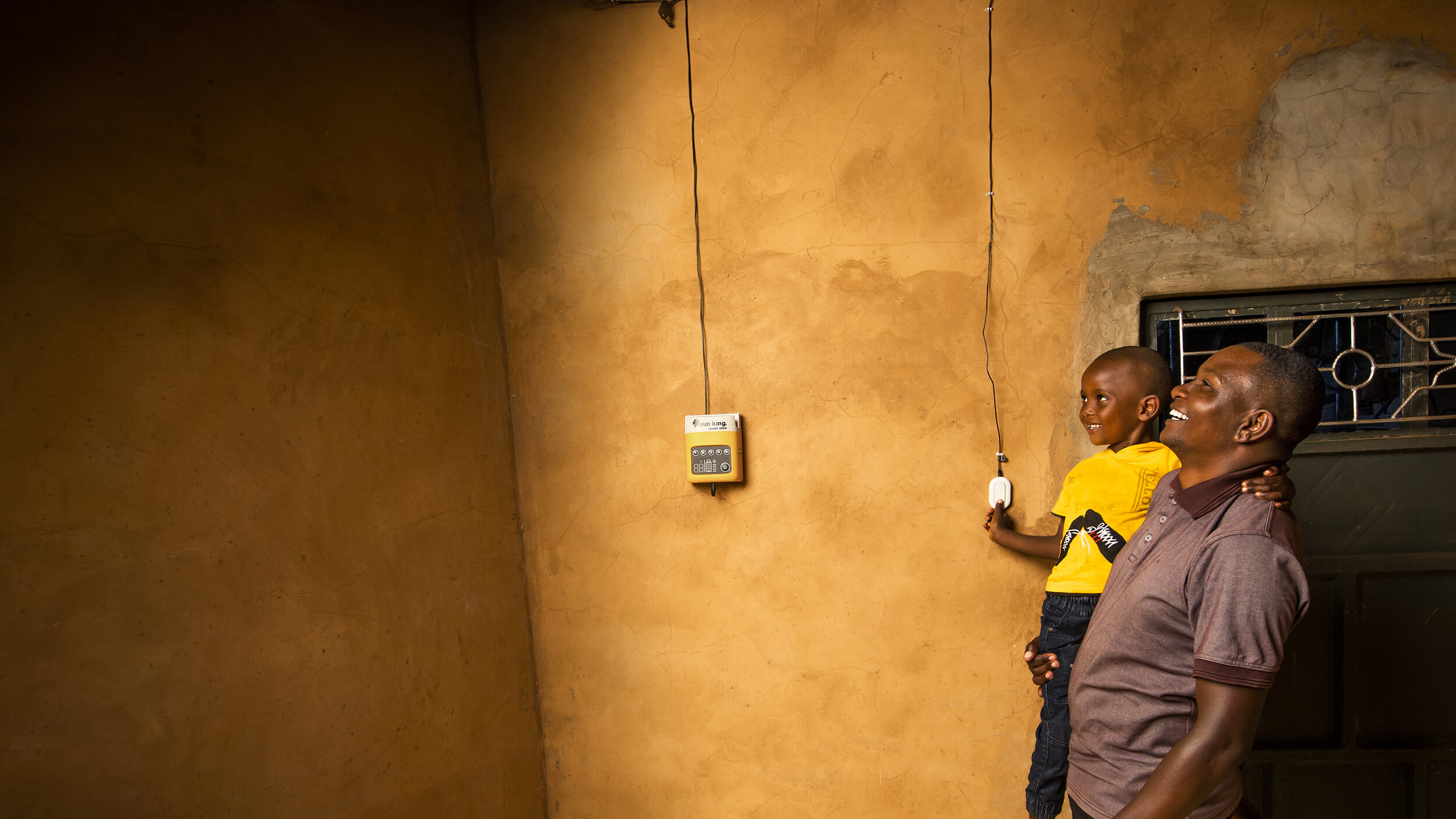
Access to energy is a fundamental cornerstone for development in emerging economies, acting as a catalyst for economic growth and a precondition for poverty alleviation (Eberhard & Dyson, 2020). Reliable and affordable energy sources fuel industry, light up homes, power schools, and ensure that healthcare facilities can operate effectively.
Photo: Sun King
Energy access also enhances business productivity, enables communication and trade, and improves social outcomes (Eberhard & Dyson, 2020). Increased access to electricity is particularly transformative in rural areas, supporting agricultural productivity and better market access (Falchetta, 2021). However, despite global progress, about 750 million people still lack access to electricity, with 80% of this population residing in sub-Saharan Africa (World Energy Outlook, 2024).
Investment context
Kenya exemplifies both the opportunities and challenges of expanding energy access. Although the country has experienced significant macroeconomic growth over the past decade, driven by sectors such as agriculture, manufacturing, and services, approximately 12 million people, primarily in rural areas, still lack access to electricity.
The extension of the national grid to remote areas is often financially unviable due to high costs and sparse populations. Consequently, rural households continue to rely heavily on polluting fuels such as firewood, charcoal, and kerosene, contributing to severe health risks from indoor air pollution. Off-grid solutions, such as solar home systems, are increasingly critical in bridging the energy gap in these regions. They provide affordable, sustainable electricity access that powers essential appliances, improves household productivity, and enhances the quality of life without the need for expensive grid infrastructure.
Photo: Sun King
Sun King
Sun King powers millions of Kenyan homes and businesses with solar home systems, lanterns, and inverters, bringing clean energy to communities across the country. In Kenya, a key success factor has been the widespread use of mobile money, which simplifies payments and increases accessibility. Approximately half of Sun King’s registered pay-as-you-go customers in Kenya are women.
PAYGo model driving energy access and financial confidence
In Africa, 350 million adults, mainly women, youth under 25, and informal workers, remain unbanked. Limited access to credit and high upfront costs prevent many low-income households from adopting solar energy, leaving them reliant on expensive, polluting fuels like kerosene and diesel, which consume up to 10% of household income.
Although solar is a cheaper long-term alternative, most households cannot afford to pay the full cost upfront. Traditional lenders often exclude informal workers, and microfinance institutions rarely offer asset financing, leaving a gap that Sun King’s pay-as-you-go (PAYGo) model fills.
PAYGo makes clean energy affordable and accessible by allowing households to pay in small, flexible daily or weekly instalments after a modest down payment. Local agents introduce the systems, and a central credit team assesses eligibility via phone. Once approved, customers activate the product immediately and make payments via mobile money.
If a customer misses payments, the system is temporarily disabled but can be reactivated without penalty when payments resume. Retrieval of the system only occurs after prolonged default. Full ownership of the system by the customer is granted after completing all payments, typically over 6 to 24 months. Customers who can pay in full upfront may do so and own the product from the start.
The model also supports energy access upgrades. Customers who begin with an entry-level system can unlock financing for larger setups, such as more lights, TVs, or AC units, once they demonstrate consistent payment behaviour. This gradual approach helps build creditworthiness and financial confidence.
Photo: Sun King
Norfund’s involvement
Norfund has played an active role in financing Sun King through multiple debt facilities at both the group (holding company) level and in Kenya. In 2019, we provided a USD-denominated loan to support the group’s expansion of its product outreach. This loan was refinanced in 2021 into a Kenyan Shilling-denominated debt facility dedicated to Sun King Kenya, aligning financing with the company’s local operations.
In 2023, Norfund participated in a Kenyan Shilling-denominated sustainable securitization transaction for Sun King Kenya. Securitization is a financial process where a company bundles its income-generating assets, such as loans or receivables, and sells them to investors as securities, providing immediate capital while investors earn returns from borrower repayments.
Because Sun King’s customers pay in local currency, the company faces foreign exchange risks, particularly from the depreciation of the Kenyan Shilling against the US dollar. To mitigate this risk, the 2023 transaction was structured entirely in Kenyan Shillings, ensuring both loan disbursements and repayments occur in local currency. The transaction was arranged in collaboration with a lender group including Citi Bank (as arranger), Standard Bank, ABSA, BII, FMO, and the Trade and Development Bank. This financing structure enabled Sun King to free up capital and further expand its product reach in Kenya. Importantly, the participation of Development Finance Institutions (DFIs) with their vast sectoral experience provided comfort to commercial banks to participate in and make the transaction possible. Sun King’s goal is to improve the quality of life for households and create business opportunities across Africa by expanding access to electricity. Norfund’s involvement aligns with our strategy to provide capital to companies delivering off-grid energy solutions to underserved households and businesses.
Additionality assessment
The 2023 debt transaction to Sun King was considered additional in several key respects. Although it involved a partial refinancing of our initial involvement, the investment was financially additional because the company was able to attract commercial lenders into a new industry (off grid solar) and under a new capital structure (securitization) in the local market, on back of the participation from the DFI’s. This challenge stemmed from Kenya’s status as a capital-constrained and higher-risk market for financing. Furthermore, the investment was financially additional because it targeted underserved customer segments and supported a sector with significant development capital needs. Lastly, it helped in deepening the financial markets by encouraging local commercial banks to participate in new capital structures like securitization.
In terms of value additionality, our contribution beyond financing, we were already engaged in a business support initiative aimed at empowering female area business managers and sales agents. Additionally, we imposed enhanced requirements to strengthen Sun King’s environmental and social (E&S) standards and supported its alignment with industry-leading GOGLA Consumer Protection Principles, against which Sun King has successfully undergone a third-party assessment. The 2023 transaction was therefore deemed value-additional through our active role in the investment and our efforts to promote improved social and environmental practices.
Additionality
Additionality is a central part of Norfund’s mandate and informs our investment decisions. The Norfund Act and Norfund Statutes specify that Norfund shall contribute “to establish viable, profitable undertakings that would not otherwise be initiated because of the high risk involved”.
Norfund is financially additional in cases where private sector partners are unable to obtain financing from capital markets for a specific activity at the necessary terms and/or scale, or where we mobilize finance from the private sector that would otherwise not have been invested.
Norfund is value additional when offering non-financial value, e.g. by providing or catalyzing knowledge and expertise, take actions to improve social or environmental standards or fostering good corporate governance.
Risk assessment
During the 2023 due diligence, several risk factors were identified, leading to an overall medium risk rating for the project.
One key risk for Sun King is the potential for customers to default on their payments, which could affect the company’s ability to meet its obligations to lenders. This is a common challenge for businesses that rely on customer payments. However, Sun King mitigates this risk through its network of agents and internal credit assessment process, who conduct assessments at the time of purchase and follow up on payments to ensure better repayment rates.
There are several factors that could contribute to payment defaults. One significant concern is climate change, which could negatively affect household incomes. For example, extreme weather events such as droughts may force households to reprioritize spending, focusing on essential needs like food, which could lead to widespread payment defaults.
Photo: Sun King
Another substantial risk stems from Sun King’s dependence on foreign exchange in its supply chain. The company imports products while earning revenue in Kenyan Shillings, making it vulnerable to currency depreciation. A decline in the value of the Kenyan Shilling could reduce expected revenues, potentially forcing Sun King Kenya to increase prices on new products, making them less affordable for low-income households. To mitigate this risk, the 2023 debt transaction was structured in local currency, ensuring more predictable repayments for Sun King.
Additionally, as with many projects that involve a large workforce operating remotely, Sun King faces risks related to employee safety and wellbeing. The company employs a significant number of agents who travel extensively, primarily by road, to find new customers and follow up with existing ones. Given this, road safety was identified as a major hazard, requiring further monitoring and mitigation efforts.
Sun King’s contribution to employment
Sun King’s operational structure
Sun King operates through a well-defined structure that ensures efficiency and scalability. The operational structure includes:
Country Managers and Store Employees: Ensure smooth supply chain operations and stock management.
Regional and Zonal Business Managers: Oversee broader regional operations, ensuring alignment with the company’s goals.
Area Business Managers (ABMs): Manage local operations and agent performance.
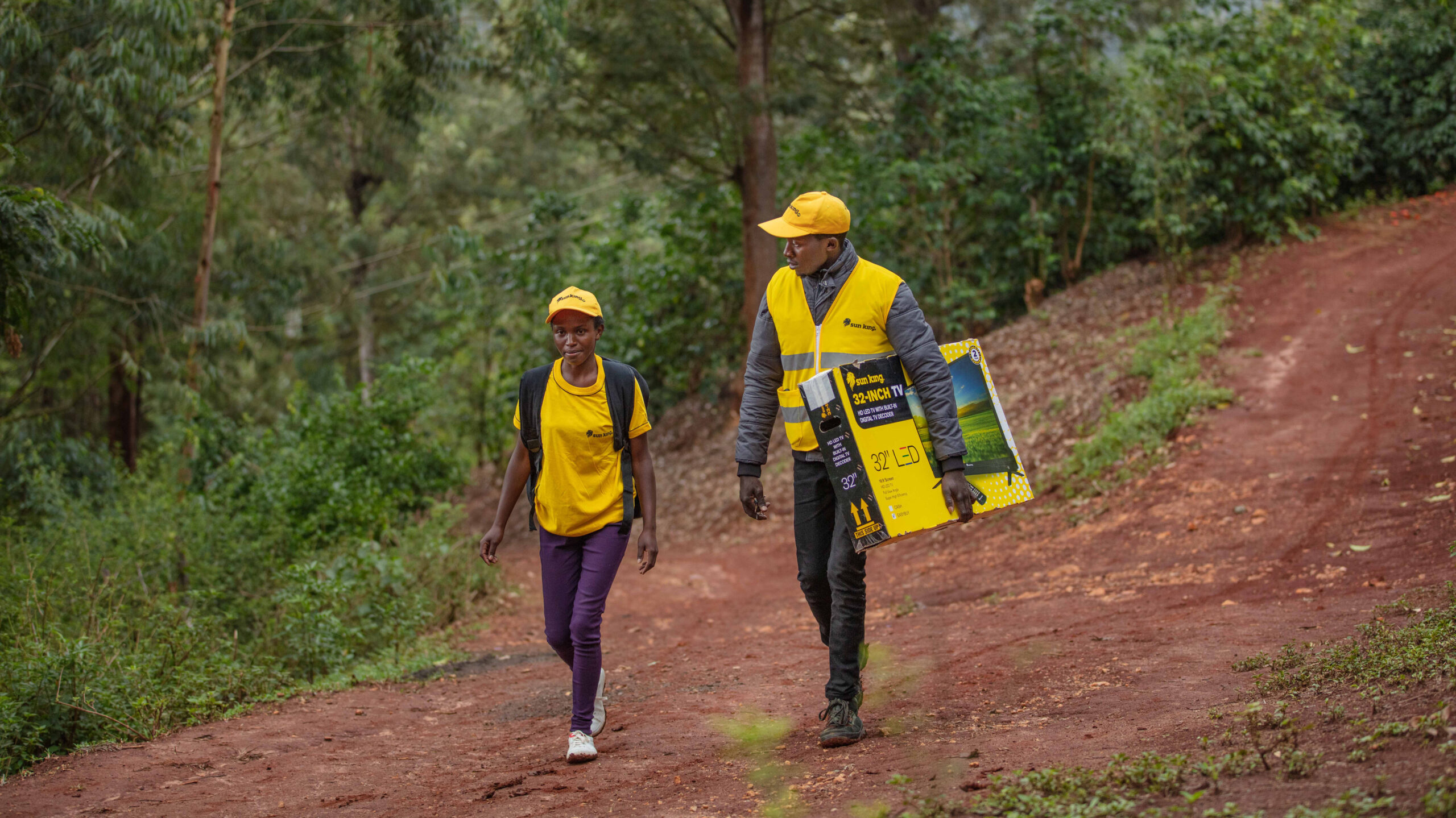
Agents: Approximately 13,000 agents across Kenya, responsible for direct sales and customer follow-ups.
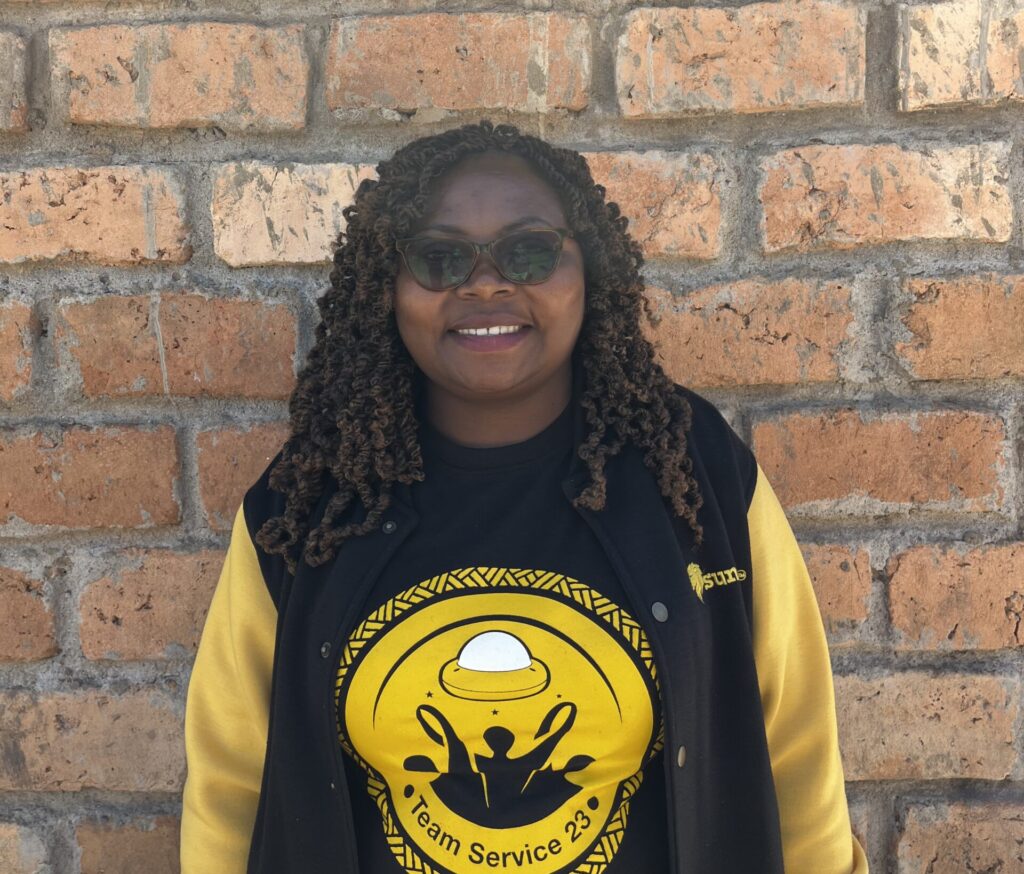
Peninah – Area Business manager for Sun King
Peninah began her career at Sun King as an agent, quickly establishing herself as one of the most valuable in the area within just three months. Her strong performance earned her a promotion to Area Business Manager, where she now oversees 75 agents. She has also enrolled in the company’s health insurance plan and appreciates the opportunities Sun King provide.
The use of agents
The Sun King business model is based heavily on the use of agents, who access local communities to both find and follow up with customers, often in rural areas. Sun King provides meaningful income opportunities for over 30,500 African sales agents, and over 13, 000 of these are contracted in Kenya.
Sales agents visit prospective and existing customers frequently to market Sun King’s products, ensure continuity of payments, support after-sales services and answer relevant questions. Working in their own communities, this network of agents helps keep the revenue they generate in the communities they live and work in.
As part of our investment in Sun King in 2023, one of the loan agreement requirements was for the company to hire a dedicated environmental and social specialist to specifically oversee and improve the welfare of these agents. Following the investment, this specialist was hired and is now actively working on various initiatives to enhance agent welfare.
Sales agents: Key insights
Through their role, these agents or Energy Officers earn an average of $108 per month from Sun King
Roughly half of all Energy Officers possess a primary education or less
Though solar and sales roles are often viewed as male jobs in these communities, 46% of Sun King Energy Officers are women
Sun King’s agents operate on a commission-based payment structure. The commission-based structure allows the agents the flexibility to work when they wish, to combine it with other employment and to easily resign if given other employment opportunities. This flexibility allows many individuals who wouldn’t otherwise be able to take on a full-time job, for cultural, family, or other reasons, to access meaningful income-generating opportunities. On the flip side, the commission-based structure allows less predictability of income than a permanent employment contract would allow.
This flexibility is important for Sun King, as payments to agents naturally go down when sales volumes decrease. Even if the agents are not included in the standard benefit schemes Sun King has taken significant steps to improve their safety and working conditions. As agents frequently travel as part of their job, road safety, risk assessments, mitigation plans and emergency support have been key concerns for the company.
Photo: Sun King
To address health-related risks, Sun King introduced a health insurance scheme, with the cost deducted from agents’ earnings. However, as participation in the scheme is voluntary, only a minority of agents have opted in. Although some agents have their own insurance plans, Sun King has provided training and informational sessions to raise awareness of the benefits of health coverage, to encourage greater enrollment in their scheme.
In addition to health insurance, Sun King has implemented an app-based service that allows agents to quickly report any issues encountered in the field. The system provides real-time location tracking, enabling the office team to respond quickly in case of emergencies.
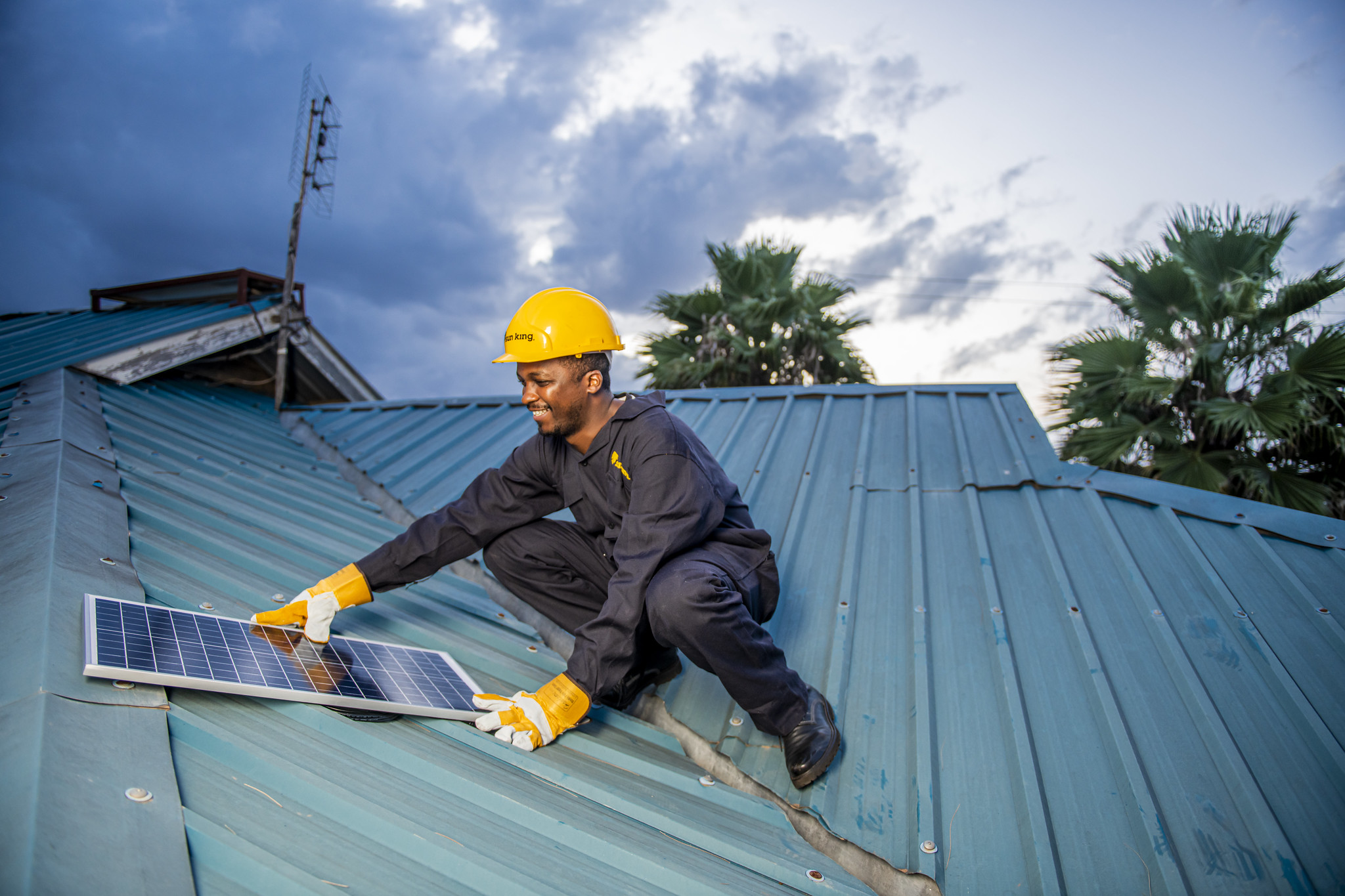
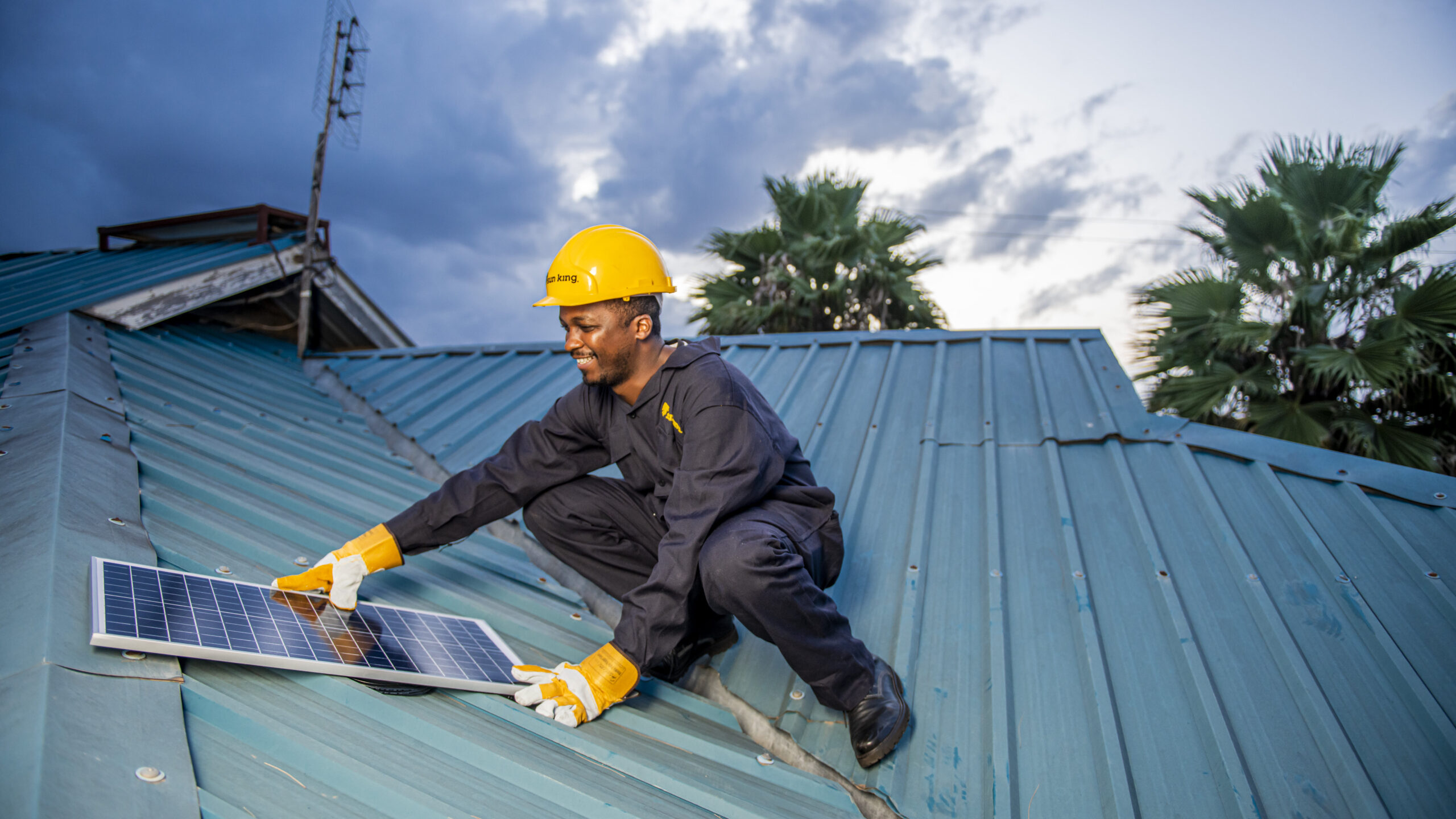
Further efforts to improve agent safety focus on their work installing solar home systems. Sun King has taken measures to ensure agents have the necessary protective clothing and equipment, particularly when working at heights, such as installing solar panels on rooftops. These initiatives collectively aim to enhance the safety, predictability, and overall well-being of Sun King’s agent workforce.
Use of Norfund’s business support facility
In 2022, Sun King launched an internal initiative called Equal Voices to improve gender balance across the organization, with a particular focus on sales teams and managerial roles. The program was designed to support two key segments of female employees: (1) to foster peer networks and build the confidence of female area business managers, and (2) to upskill and mentor high-performing women in junior sales roles with leadership potential.
To support the rollout and impact of Equal Voices, Sun King partnered with Norfund through its Business Support facility. This collaboration enabled the company to deliver a structured series of workshops and mentoring sessions for women employees across its sales operations.
“Equal voices has helped me in many ways in building my career and helping me overcome my fears,”
Participant in equal voices program
The results were highly positive. Participants reported increased confidence in their roles and greater comfort engaging with senior leadership. This, in turn, enhanced their performance and contribution at work. Given the program’s success, Sun King is now in the process of making Equal Voices a permanent fixture within its employee development strategy alongside ensuring the necessary safeguards to ensure gender protection.
Photo: Sun King
Customer stories
To observe the effect of increased access to off-grid energy solutions, visits to households and businesses who purchased Sun Kings´ products were conducted by two Norfund staff in 2024. The visits were facilitated through collaboration with Sun Kings employees and their access to customers.
Impact on households
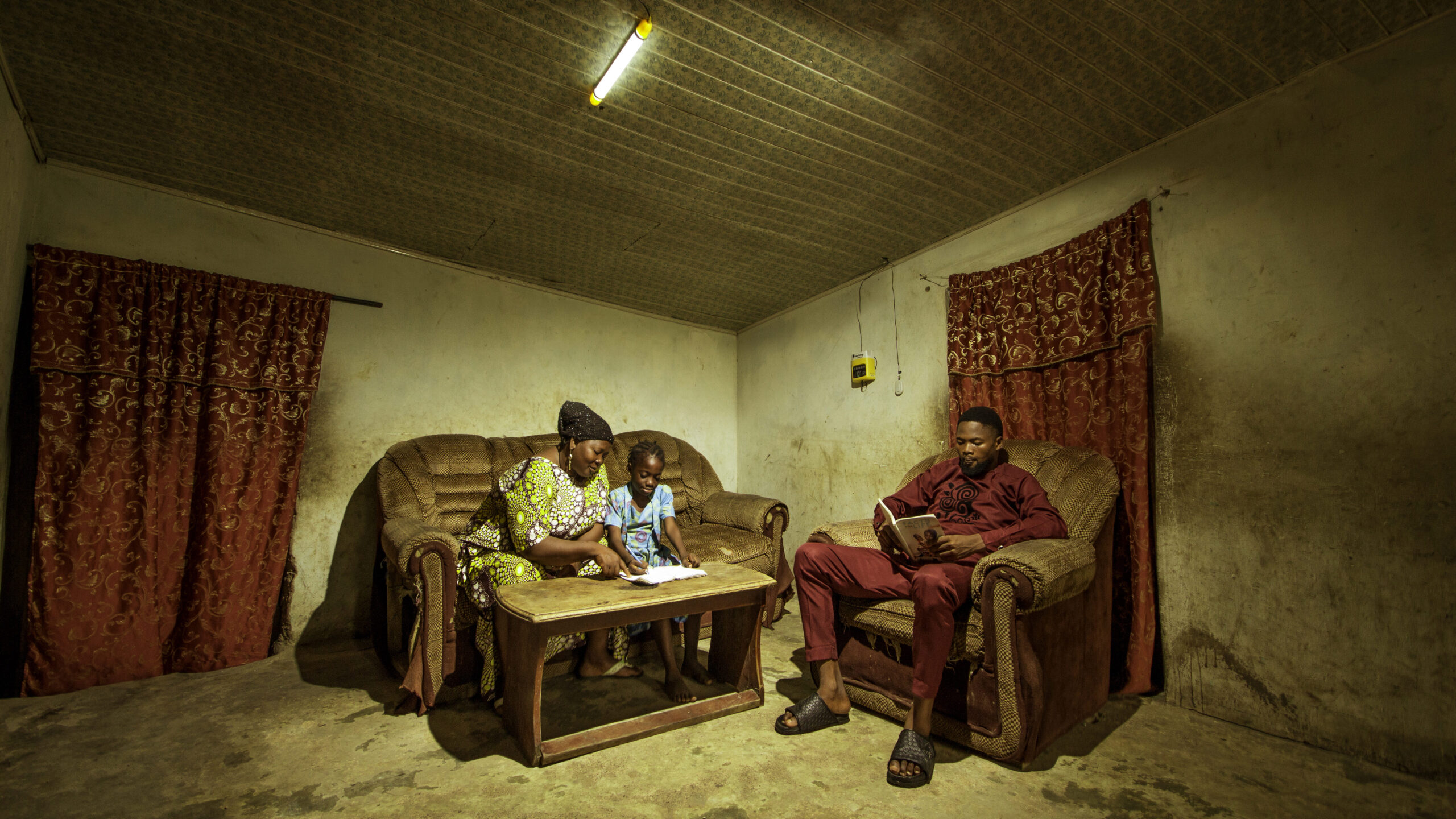
Household visits provided valuable insights into the tangible impact of off-grid solar products on daily life. Several families highlighted the ability to perform tasks more efficiently and enjoy greater flexibility within their homes, such as being able to occupy separate rooms after dark, something that was previously challenging due to limited lighting.
Before adopting solar-powered solutions, most of the visited households relied on kerosene lamps, which not only posed health and safety risks due to indoor air pollution and fire hazards but were also costly to operate. As a result, families often restricted their use, limiting their access to lighting.
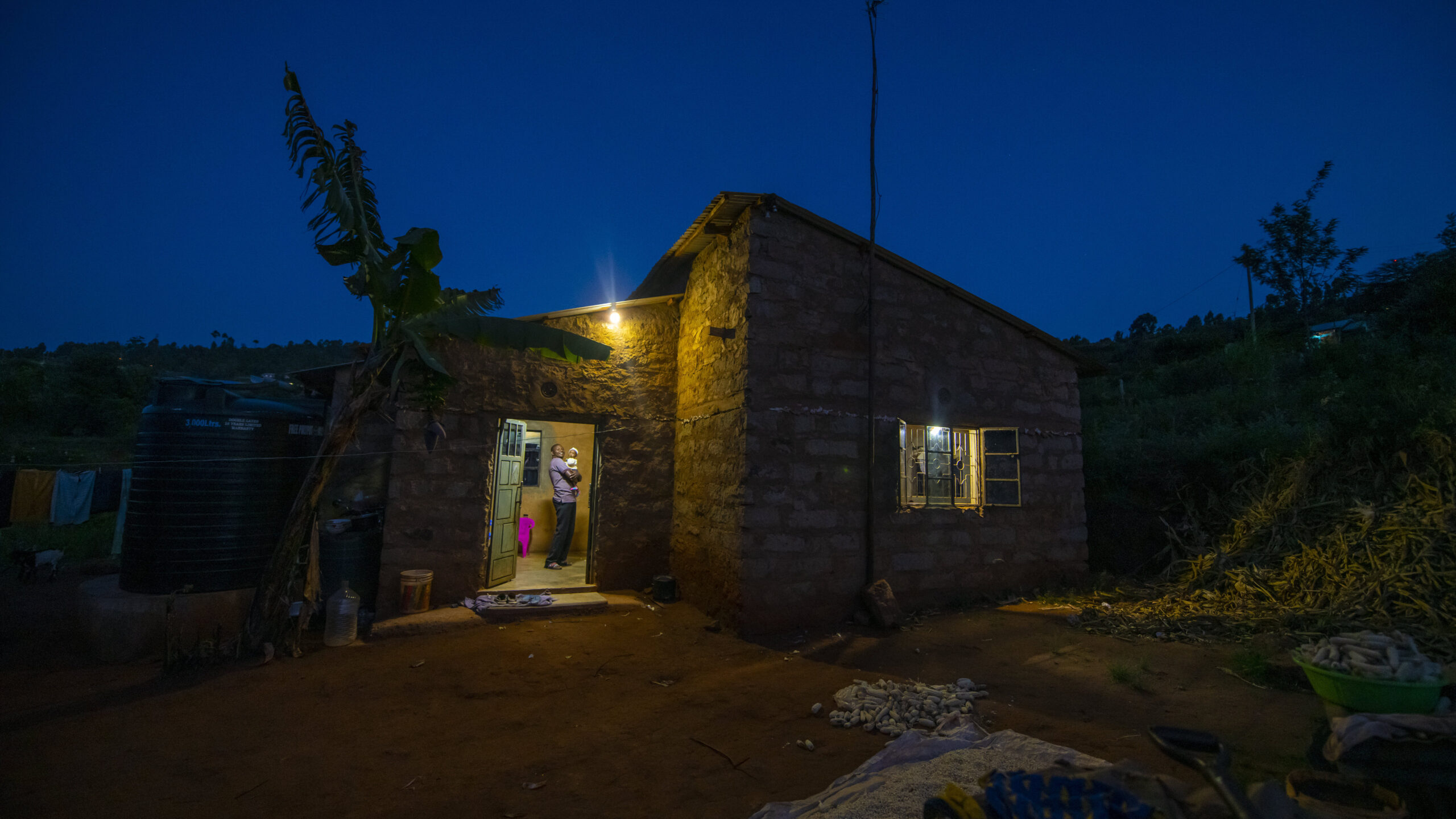
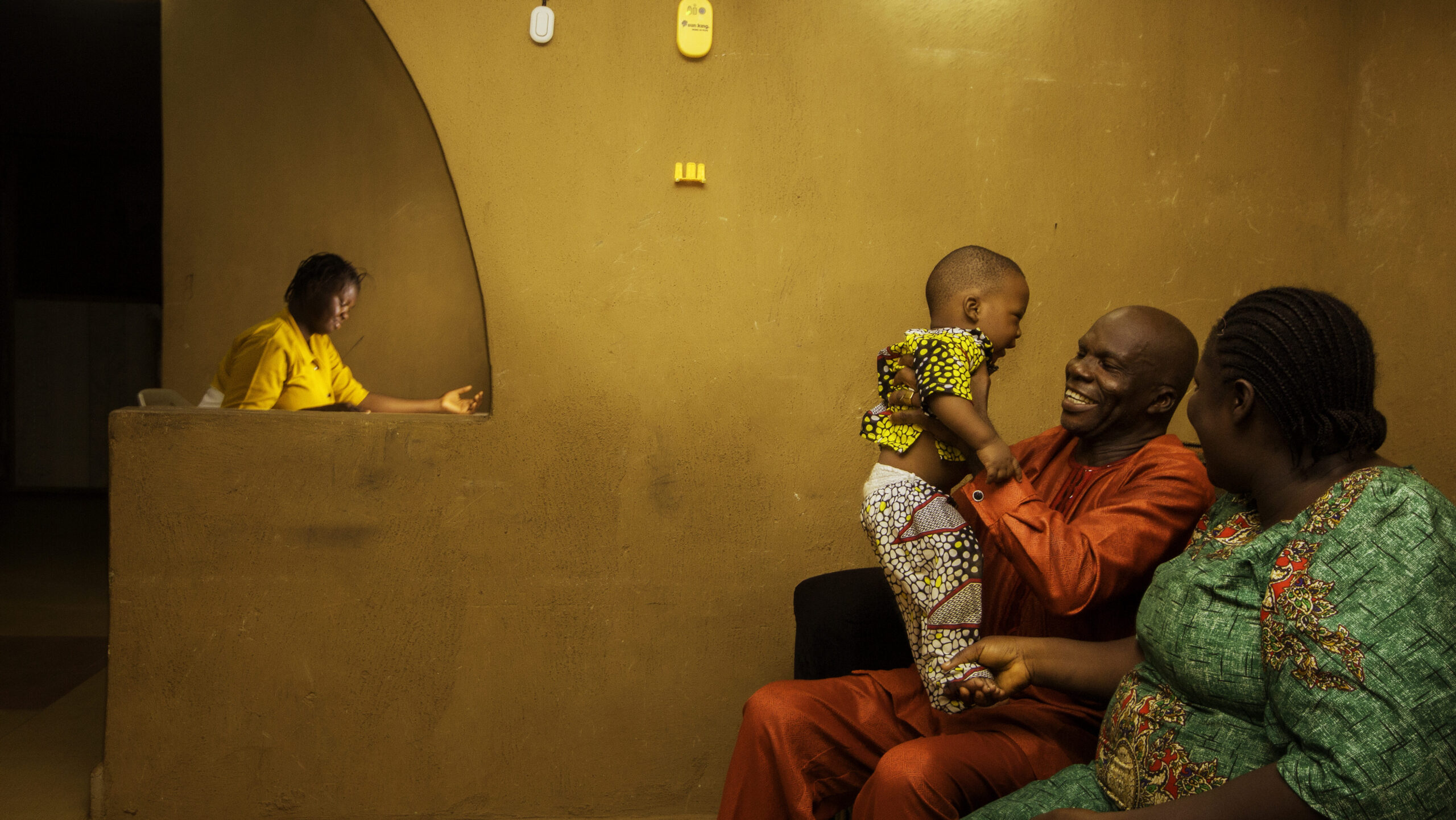
By replacing kerosene lamps with solar-powered alternatives, the households have significantly improved their access to electricity. Several parents emphasized how this transition has positively impacted their children’s ability to study in the evenings, ultimately supporting better educational outcomes. Additionally, the shift to cleaner and more affordable energy has enhanced overall quality of life, making their homes safer, healthier, and more functional.
Phyiles
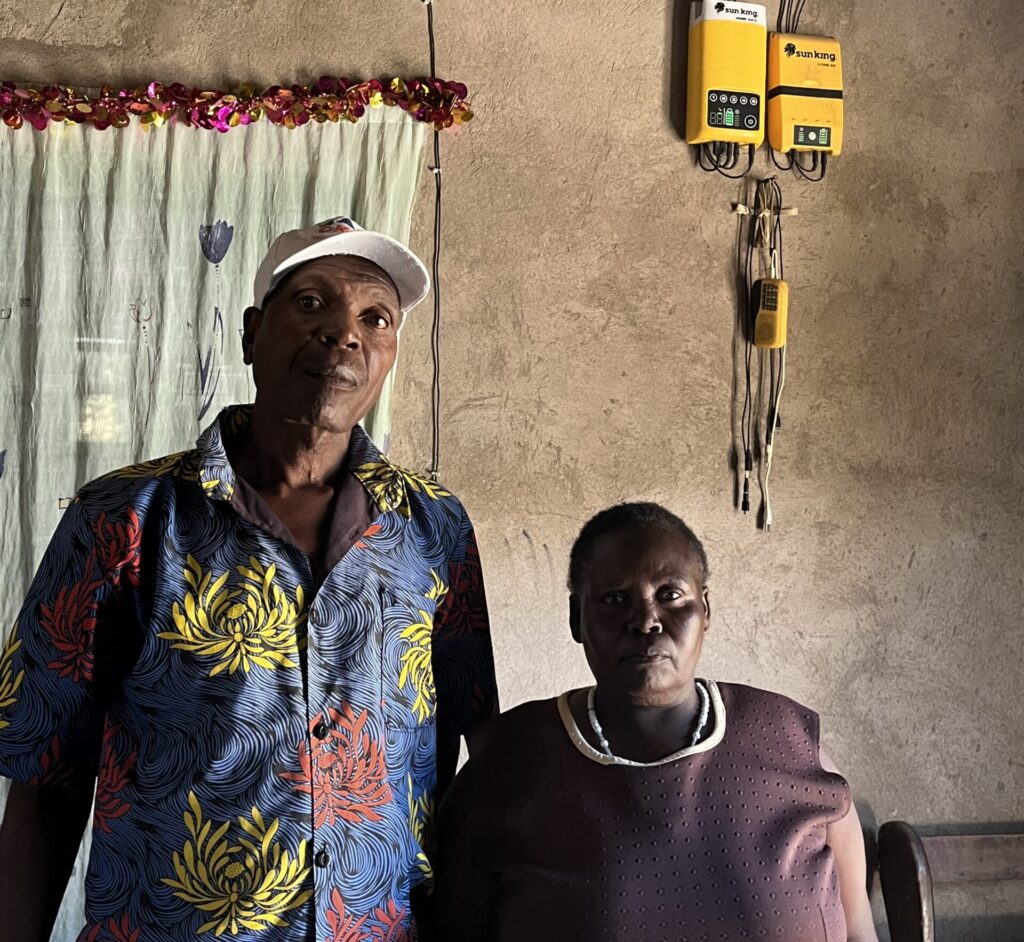
Phyiles lives in rural Kenya, with six children and her husband. Phyiles reported significant improvements in the families’ daily lives after adopting a solar home system from Sun King. With access to multiple solar-powered lamps, their household has experienced greater convenience and flexibility in their evening activities.
One of their children, who recently entered secondary school, has particularly benefited from the extended study hours made possible by reliable lighting. Previously constrained by limited access to light, the family now enjoys improved quality time together, no longer restricted by the need to gather around a single source of light. The parents highlight that the transition to solar energy has not only enhanced their productivity but also improved their overall home environment, fostering a more comfortable family life, where it is easier to be together as a family.
Gladys
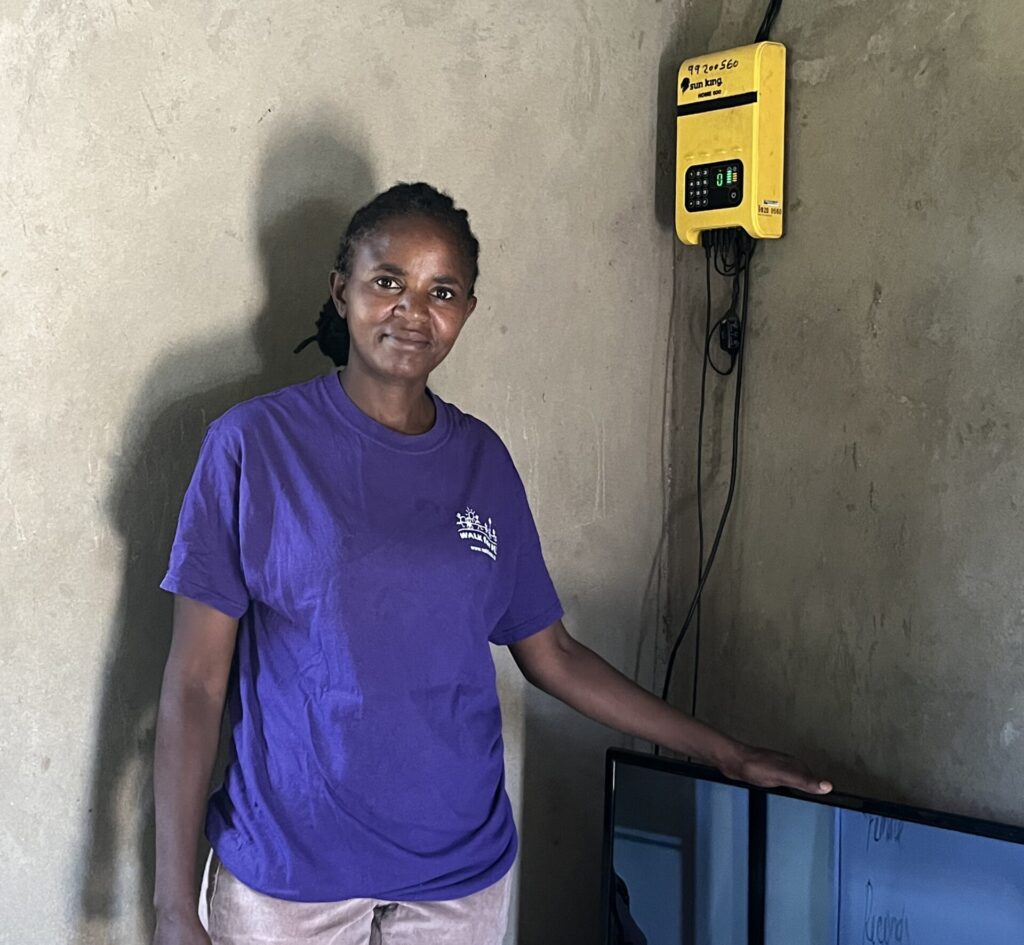
Gladys’s household, made up of six members, previously depended on a single kerosene lamp for all activities after dark. This limitation not only made household chores more challenging but also restricted the family’s ability to use different rooms in the home.
With the installation of Sun King’s solar system, the family now benefits from multiple light sources, greatly enhancing their daily routines. The children can study for longer hours, improving their academic performance, while the family enjoys greater flexibility in their homes, as they now can use multiple rooms at the same time. In addition to the tube lights , Gladys had also purchased a TV from Sun King. This enables the household to stay informed and entertained through television programs, which she testifies enriches their quality of life.
Francis
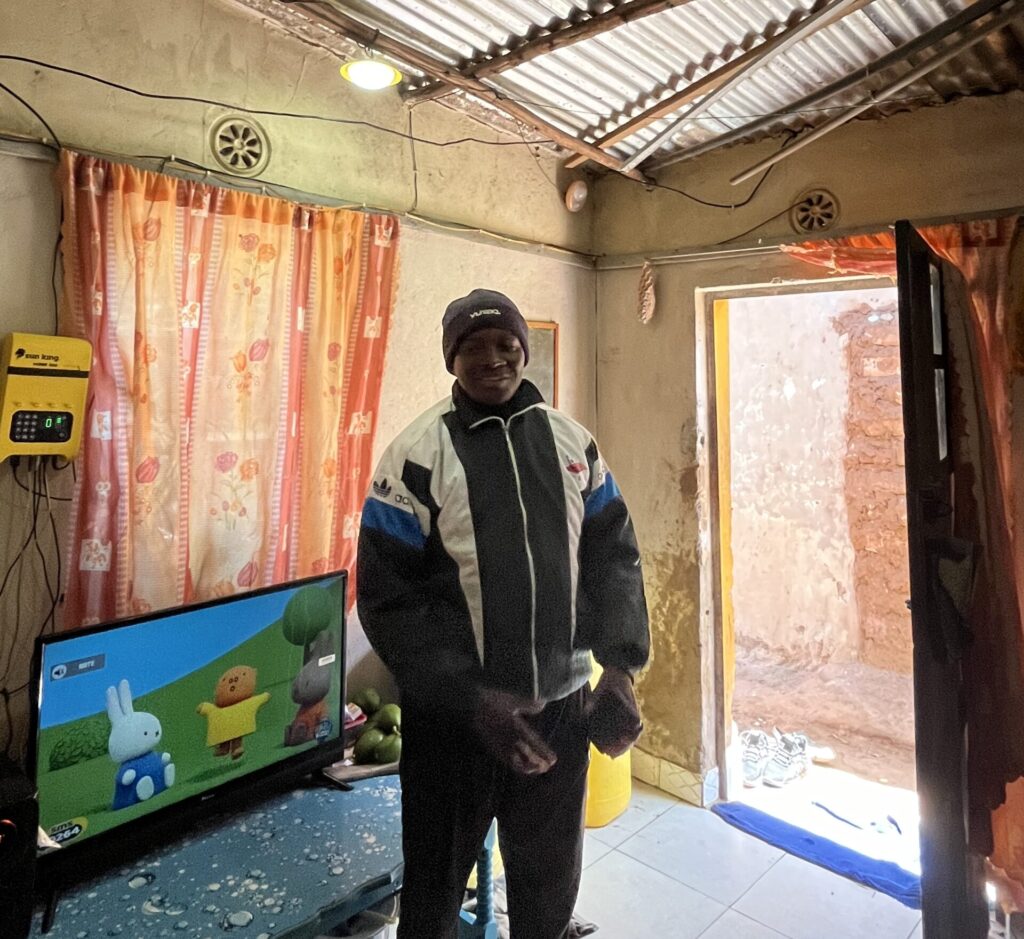
Francis, a father of a toddler, has experienced an improvement in the daily lives of the family after switching to Sun King’s solar system with six tube lights, replacing their unreliable car battery-powered light they previously used.
The family has invested in both the light bulb system and a sun powered TV system. With consistent and reliable lighting and the entertainment from the TV, the mother in the family highlights the benefit of being able to complete household chores without interruptions, while the child remains engaged and entertained by the television. This shift frees up time for the mother, that is now able to perform tasks simultaneously as taking care of the child.
A common experience among all the households visited was their previous reliance on costly and pollutive energy solutions. Each household now enjoys significantly greater access to reliable lighting and entertainment, allowing them to use their homes in a new way.
Additionally, Sun King’s pay-as-you-go model allows the families to make small, manageable payments over time, ultimately leading to full ownership of the solar home system. Several customers emphasized that this financing approach not only made solar energy more accessible but also boosted their confidence. The ability to gradually invest in and expand their energy system has empowered them, reinforcing their belief that they can continue improving their homes and quality of life over time.
Sun King tracks household outcomes resulting from its products. According to the company, its offerings contribute to the following household impacts across all regions in which it operates.
97
%
report improved quality of life, citing lower energy costs, more study time, and longer hours of work made possible
23
million
households provided with access to electricity
64
%
report improved health outcomes after switching from kerosene lamps
8.2
million dollars
saved by households in energy costs by replacing kerosene lamps and candles
Impact on businesses
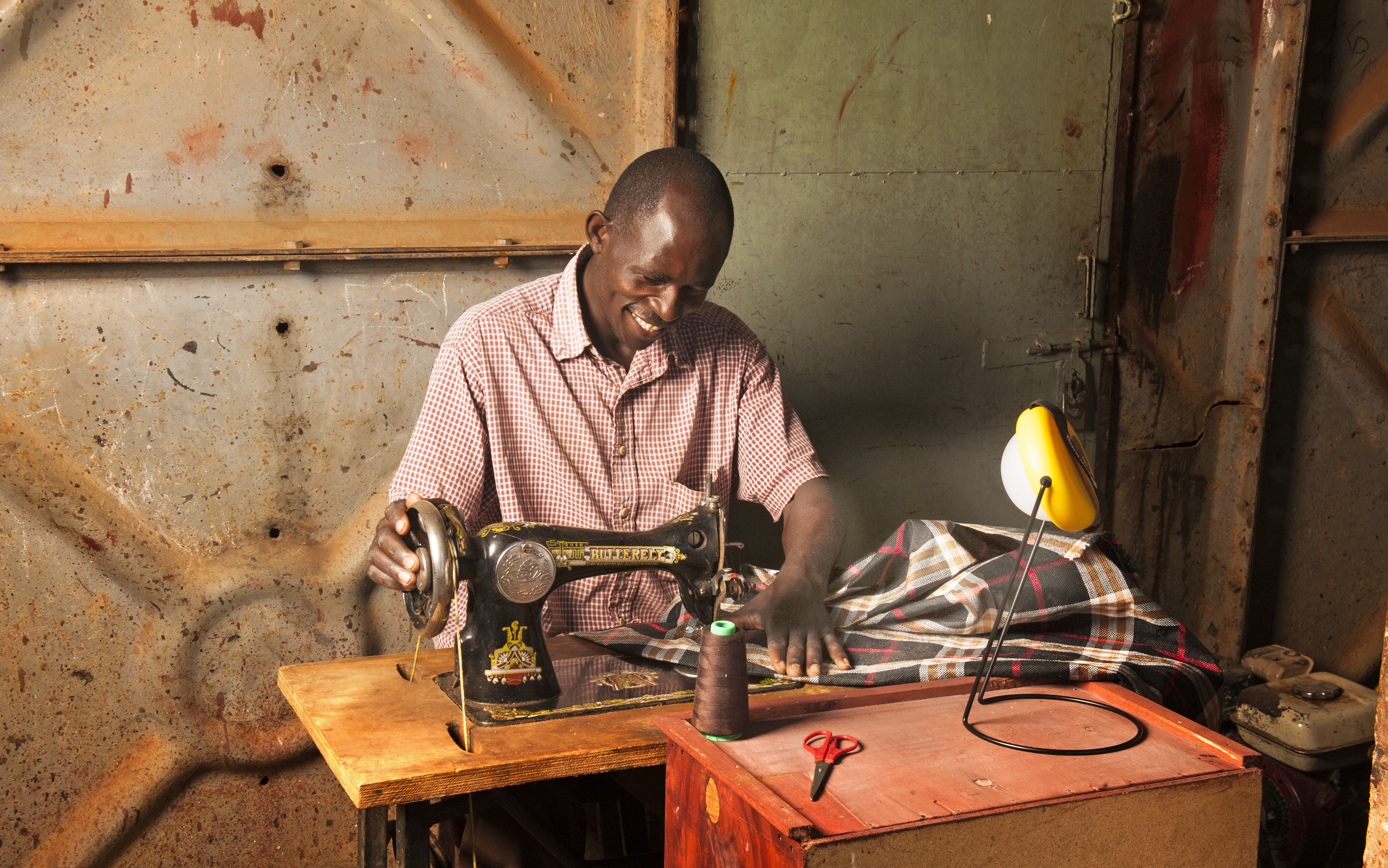
Many businesses have adopted Sun King’s products to secure reliable electricity access and mitigate the negative effects of power outages. A recent Sun King study, based on self-reported data from their clients, shows that about 12 % of their customers use their products for productive use. By ensuring uninterrupted operations, these solar solutions contribute to increased productivity and higher revenues. Over time, this enhanced business stability is expected to drive growth, leading to expanded operations and the creation of new employment opportunities.
Local bar
A small bar in Machakos, which previously relied on candles for lighting, recently transitioned to Sun King’s solar lighting system. This shift has eliminated safety hazards from dangerous and pollutive use of candles, reduced operating costs, and enabled the bar to extend its business hours, attracting more customers.
Since the installation of Sun King’s products, the bar’s employe has observed a noticeable increase in sales. If this positive trend continues, the business may soon need to hire an additional employee, highlighting the potential for solar energy to drive both business growth and job creation.
Development effects and theory of change
Since the start, Sun King Kenya has provided services to millions of households. In 2023 alone they provided over a million new products to customers in Kenya. Of this, over 220 000 were new solar home systems to households that had previously not had such access, and 870 000 units were other accessories such as lanterns and solar-powered fans.
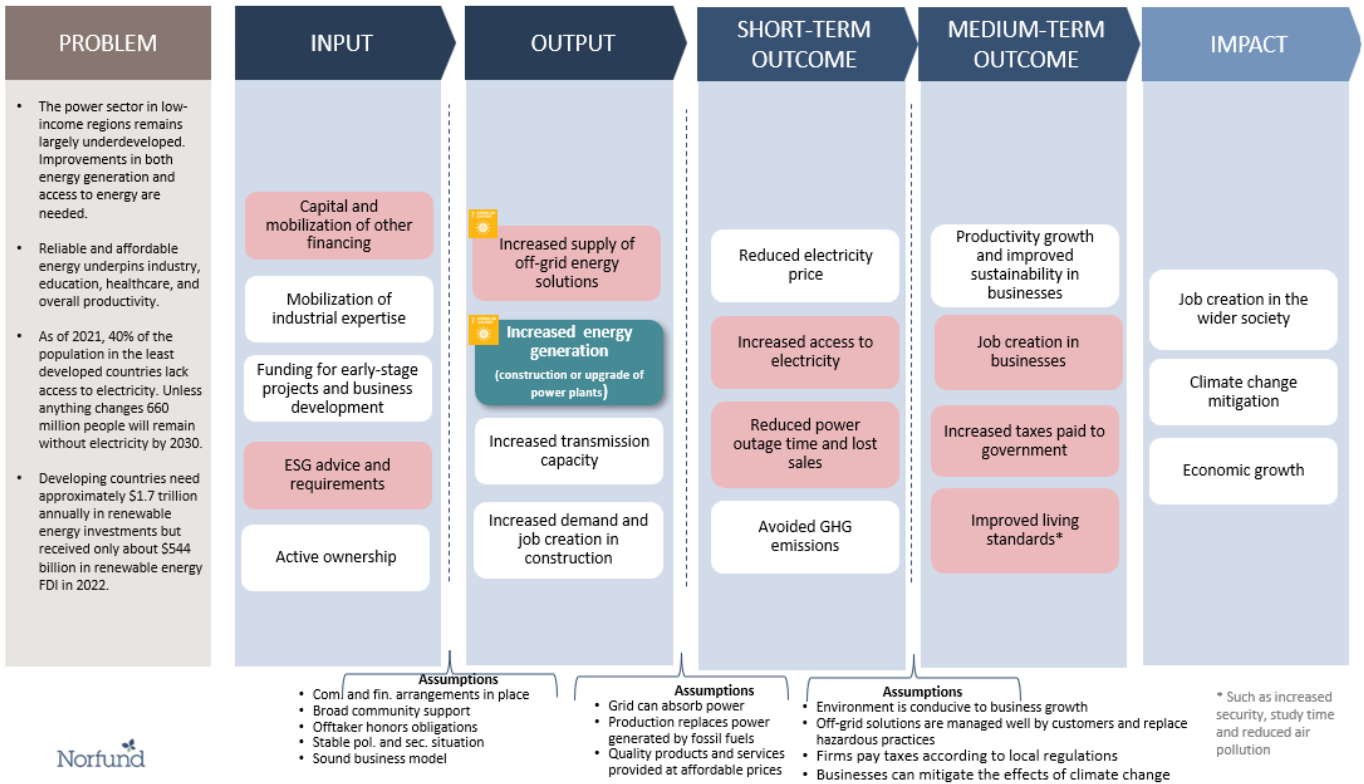
Norfund has theories of change for each of its investment areas, describing how our inputs are expected to lead to certain outputs, outcomes and in the end a desired set of impact goals. The theory of change is a comprehensive framework that outlines how and why a desired change is expected to happen in a particular context. The input is what Norfund provides as an investor, while the output is monitored during annual reporting. The outcomes are generally measured through case studies and other in-depth analysis on a case-to-case basis. The expected long-term outcomes and impacts are demonstrated through literature. In the below figure, the elements that are particularly relevant to Sun King are highlighted in red.
Norfund’s theory of change for Renewable Energy investments under the Development Mandate1
The expansion of off-grid energy solutions is expected to bring multiple benefits, including greater electricity access, reduced power outages, improved living standards, job creation, and increased tax revenues for the government. As part of our household and business visits to Sun King’s customers, we were able to observe some of these anticipated outcomes.
All three households we visited had purchased Sun King’s products and reported significantly improved access to electricity. This, in turn, has enhanced their quality of life in several ways, such as enabling children to study for longer hours, reducing reliance on costly and hazardous alternative energy sources, and improving overall household convenience.
The business we visited also demonstrated notable benefits from off-grid energy access. With more reliable electricity, the business was able to extend its operating hours, leading to increased sales and higher profitability. This expansion underscores how improved energy access can directly contribute to economic growth at the micro-level.
While visits to the households and the business did not provide direct evidence of increased tax contributions or job creation within the small, observed sample, it is anticipated, based on literature and experiences, that these benefits will materialize over time. Reliable electricity fosters productivity growth by reducing costs related to power outages and costly backup solutions, enabling businesses to scale, facilitating job creation. Additionally, access to electricity enhances educational outcomes by allowing students to study for extended periods, ultimately contributing to a more skilled workforce in the long run.
While the immediate effects of off-grid energy access are clear in terms of improved electricity availability and business performance, its broader economic impact, such as increased employment and tax contributions, is likely to emerge in the longer run.
Photo: Sun King
Conclusion and next steps for Sun King
Since its establishment, Sun King has demonstrated a strong ability to adapt its business model to changing conditions and the diverse needs of different countries. The company has expanded its reach, bringing electricity to more remote areas, and diversified its product offerings to include solar lanterns, entry-level solar home systems, solar systems with TVs, mobile phones, and solar-powered AC systems. This growth has been underpinned by a focus on market trends, competitor analysis, and extensive product piloting, which ensure financial predictability while maintaining affordability for customers.
Sun King’s operations in Kenya illustrate the transformative potential of sustainable energy solutions. With support from Norfund, Sun King has expanded its reach, improved the quality of life for millions of households and businesses, and fostered economic development. The positive impacts observed during our visits underscore the importance of continued support for such initiatives to ensure long-term prosperity and environmental sustainability for Kenyan communities.
Looking ahead, Sun King aims to replicate its success in Kenya across multiple other countries. To achieve this, it will be crucial to maintain access to local currency financing, enabling continued expansion and predictable repayment schemes. Ongoing adaptability, strong market analysis, and customer-centered innovation will remain essential as Sun King pursues its broader mission of delivering affordable solar energy solutions to underserved populations.
Case study: Kenhardt solar and battery project
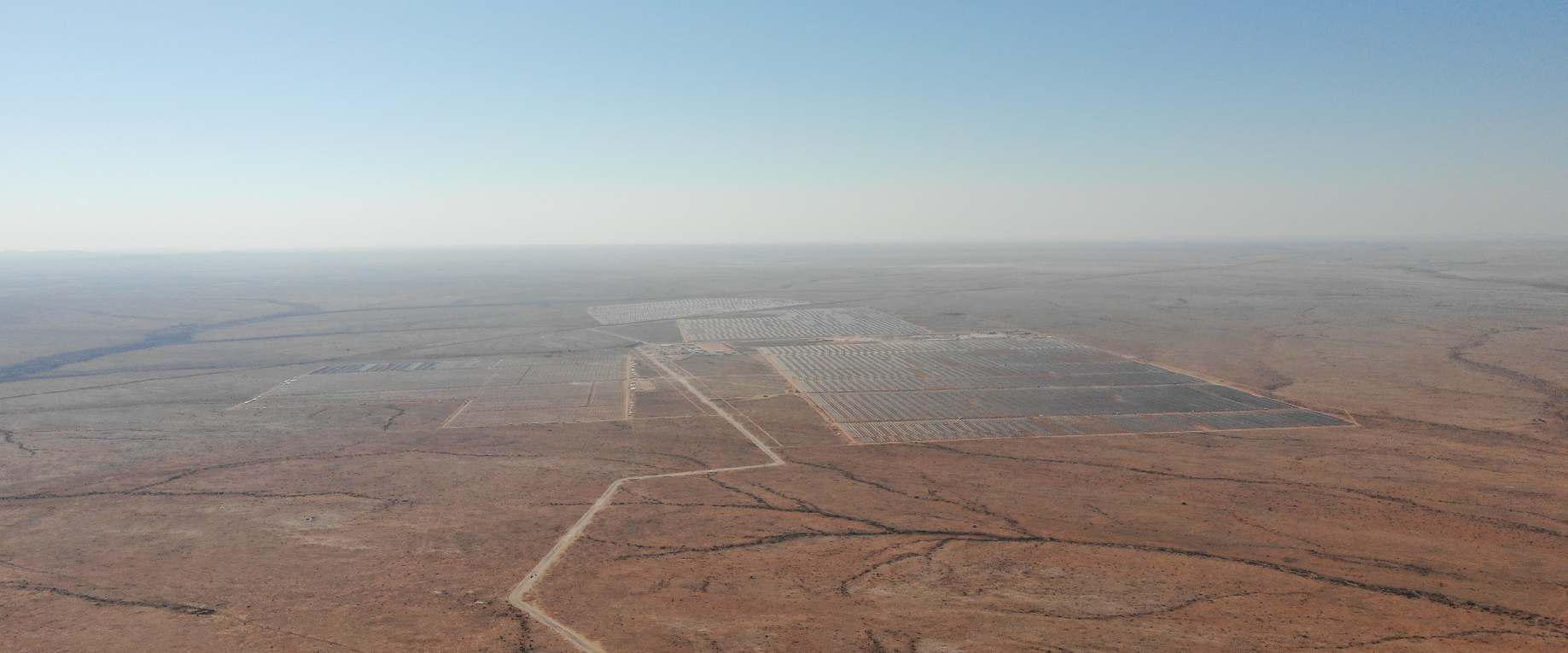
The Kenhardt project, with a capacity of 540 MW of solar power and 225 MW/1,140 MWh of battery storage, stands as one of the largest hybrid solar and battery storage facilities globally. The project was awarded to a consortium of Scatec and H1 Capital under South Africa’s technology-agnostic Risk Mitigation Independent Power Producer Procurement Programme (RMI4P) launched in 2020.
Norfund’s investment was designed to help boost the supply of renewable energy in South Africa, thereby reducing greenhouse gas emissions and supporting a more reliable power grid. This project serves as a compelling example of how battery storage can help solar power play an even more important role within a renewable energy system in developing countries.
Investment context for the Climate Investment Fund
Emerging markets are essential to meeting the goals of the Paris Agreement as they account for 34% of global GHG emissions (excl. China) and their emissions are expected to rise significantly due to population and economic growth. It is estimated that emerging markets will need more than USD 1 trillion investment per year to achieve net zero by 205012. This is more than six times the current investment of USD 150 bn.
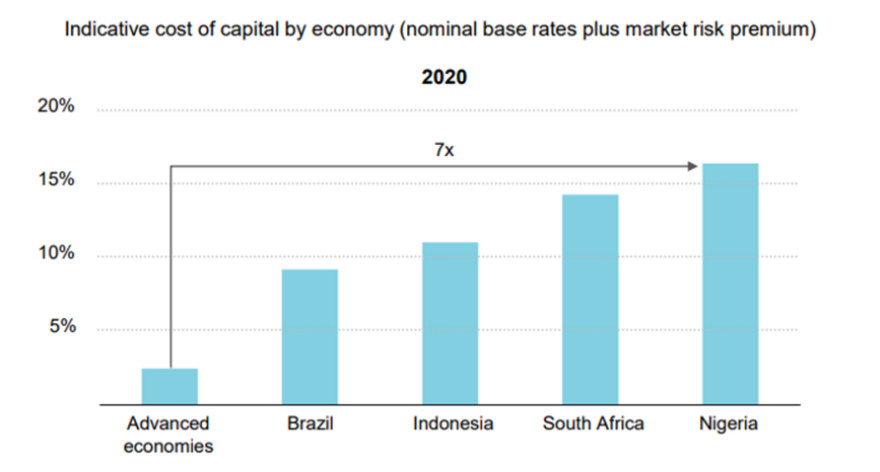
The cost of capital in emerging markets (EMs) is significantly higher than in developing countries, driven by high country risk premiums. Cost of capital is key to the competitiveness of renewable energy projects as the upfront capital expense is typically higher than fossil projects. In EMs the cost of capital can be more than 7X higher than in developed countries, especially driven by high country risk premium3. Access to capital at more competitive terms is therefore key to replacing planned and existing coal power and fossil fuels with renewable energy. Without this, it will not be possible to achieve the phenomenal scale up in investment required to deliver on global climate goals.
Source: IEA
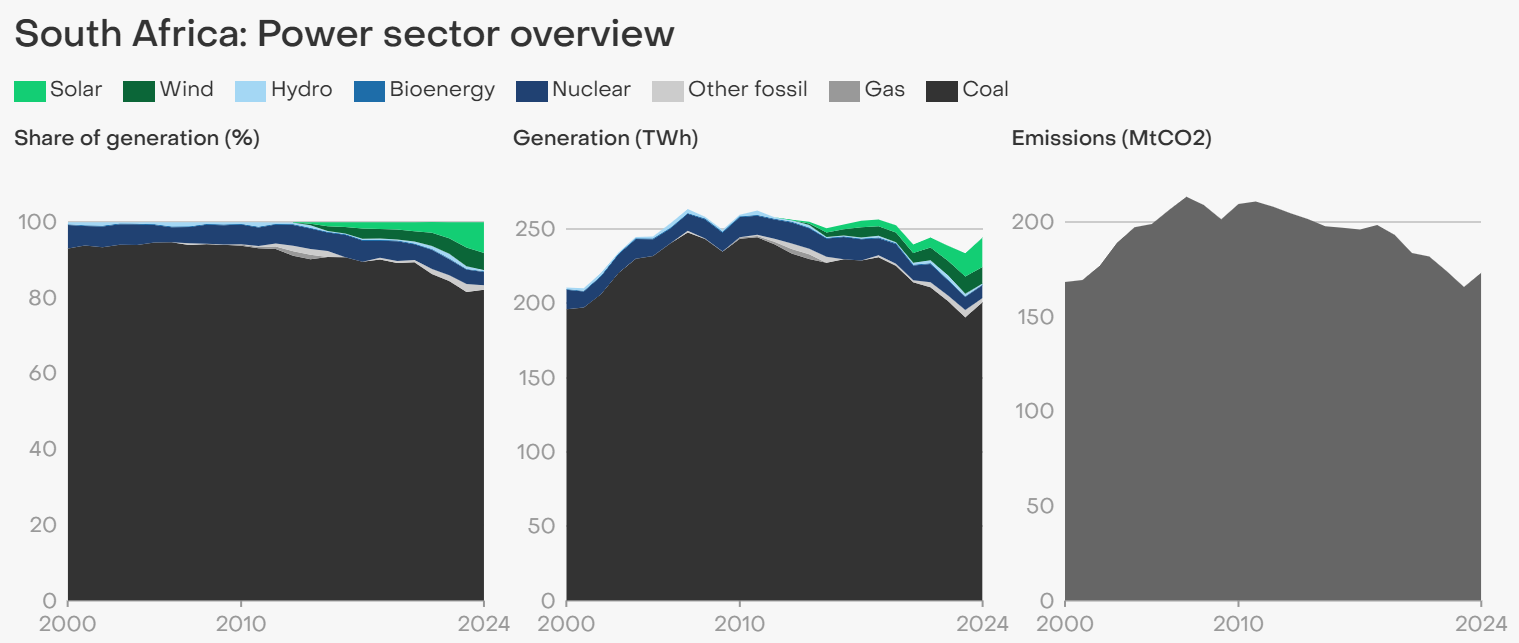
The challenging South African power sector
The South African power sector has been facing significant challenges. The country’s power generation and distribution infrastructure, primarily managed by the state-owned utility Eskom, has been grappling with lack of reliable capacity due to issues of aging coal-fired infrastructure, lack of maintenance, and financial instability. Frequent planned power outages, often referred to as “load shedding,” used to be a common occurrence, leading to disruptions in daily life and significant economic impacts: Reduced productivity and financial losses for businesses, increased costs because of the need for expensive backup power solutions like generators, investment uncertainty and job losses were some of the consequences. In fact, a study commissioned by ESKOM, found that a one percentage point increase in load shedding was associated with a 0.4 percentage point drop in GDP growth. The estimated total cost of load shedding between 2007 and 2019 was approximately $2.41 billion, which is roughly the impact of the financial crisis in 2008/9 4.
The South African government has taken steps to address these challenges, including efforts to diversify the energy mix by incorporating renewable energy sources such as wind and solar power. South Africa, the world’s 12th largest emitter of greenhouse gas emissions 5, aims for 33% renewable electricity by 20306 to transition towards a more sustainable energy mix and reducing the country’s carbon footprint.
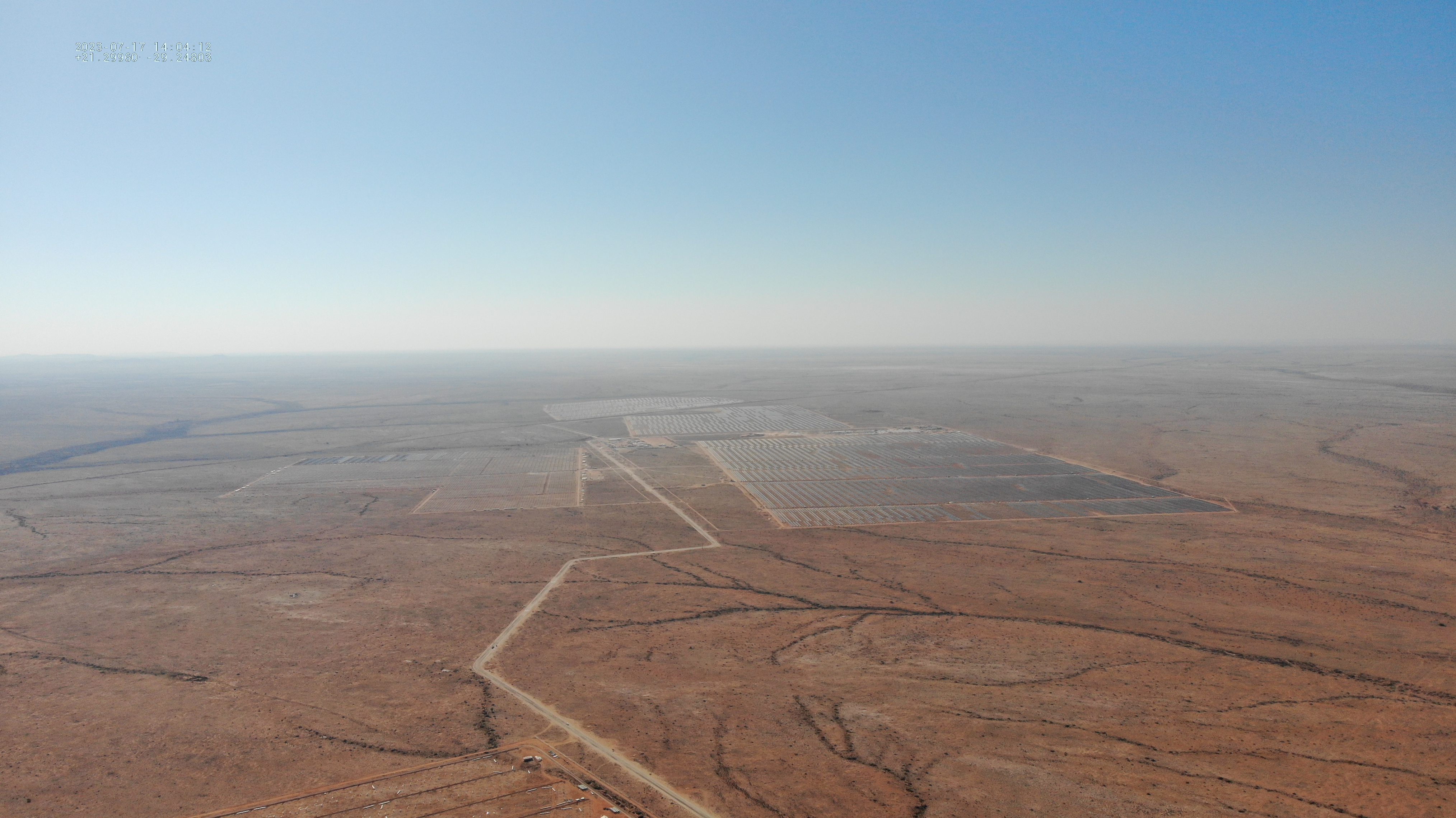
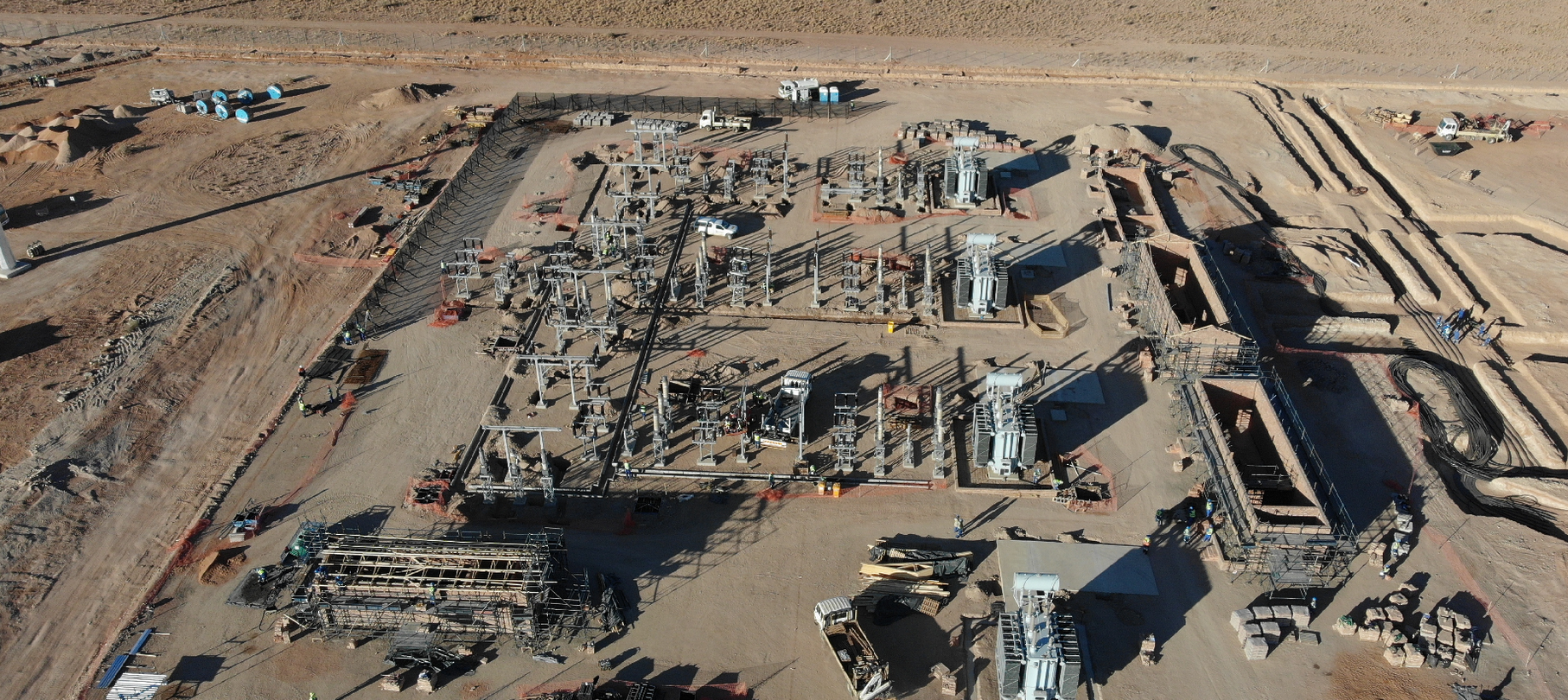
The Kenhardt project is a 540 MWp solar power plus 1,140 MWh battery project developed by Scatec and H1 Capital in South Africa. The project was awarded in 2022 after some delays and became operational in December 2023.
The project was bid under the Risk Mitigation Independent Power Producer Procurement Program (RMI4P), which differs from the standard renewable procurement program in South Africa in that RMI4P was set up as an emergency procurement round designed to meet the short-term electricity supply gap and aims mainly to reduce the use of expensive diesel-based peaking electrical generators. The program was technology agnostic but required that the projects were able to dispatch power to the grid between the hours of 05:00 and 21:30.
Photo: Norfund
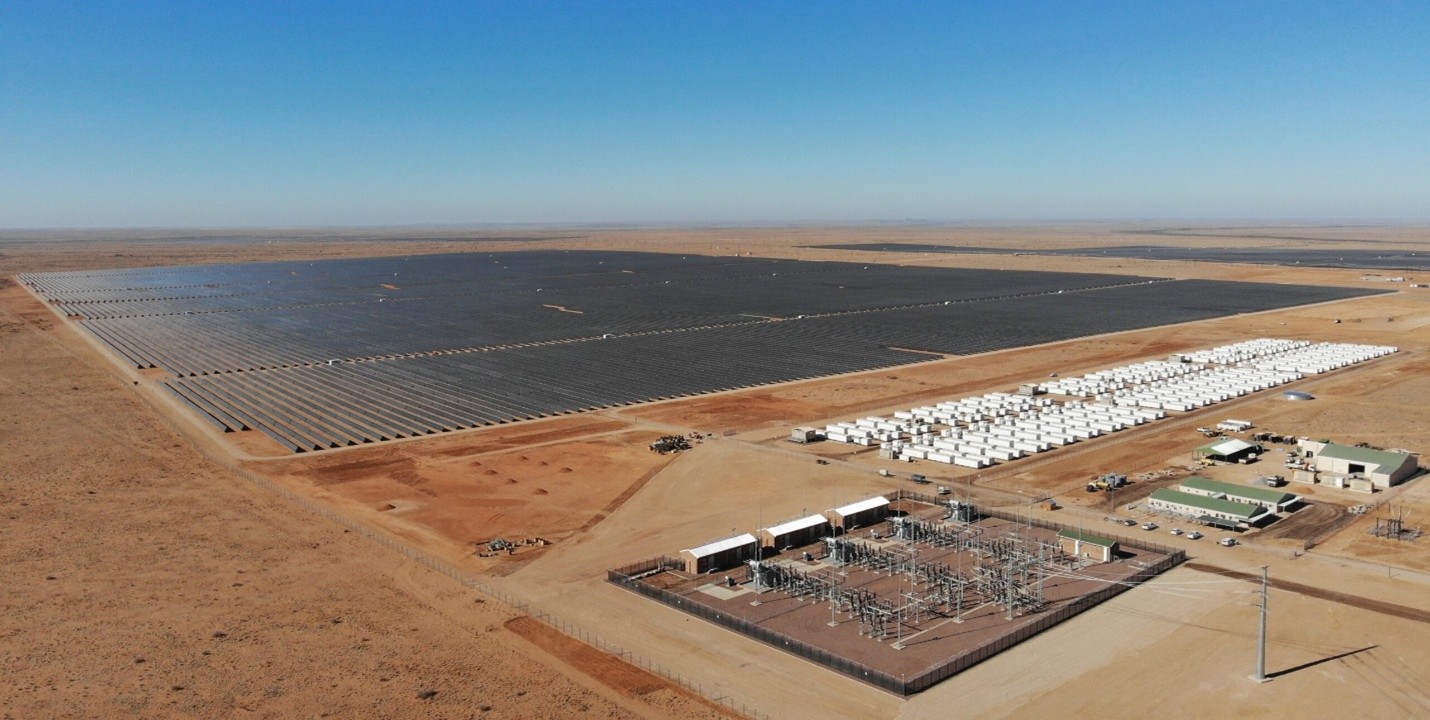
Distinguished as the only fully renewable solution among the contenders, the Kenhardt project surpassed fossil-fueled alternatives in the competitive bidding process. By day, solar panels supply electricity to the grid while simultaneously charging the expansive Battery Energy Storage System (BESS). When sunlight fades, the plant delivers power by drawing from the battery, ensuring a consistent supply to meet contractual obligations during non-solar hours.
The project has been awarded a 20-year power-purchase agreement (PPA) with Eskom. This project receives a fixed monthly payment for availability within the agreed timeframe. Scatec is turn-key EPC contractor and is together with H1 responsible for operations and maintenance.
Shareholders
Scatec: 51% of the Kenhardt project
H1 Capital: 49% of the Kenhardt project
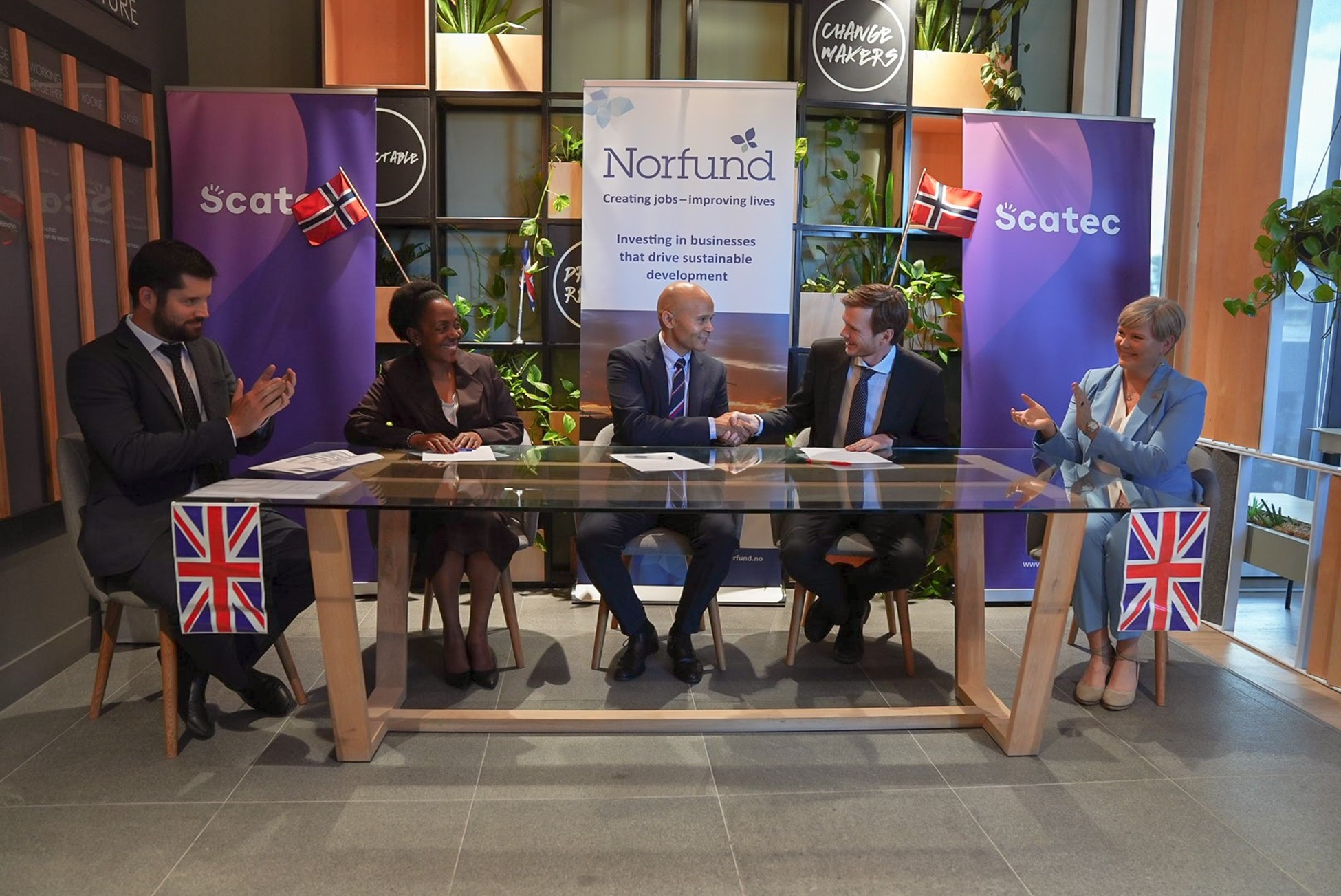
Norfund, BII and IDC financed part of H1’s stake in the project through a mezzanine loan. Norfund also has an equity holding in H1 Capital since 2021. H1 Capital is a BEE company that owns and invests in renewable energy projects throughout South Africa.
In addition, there is a lending consortium with Standard Bank as the lead senior lender, and BII. The total capex is approximately USD 1 billion.
Photo: Norfund
Norfund’s role and additionality
Norfund contributed as an investor in the project, providing equity financing to a Black Economic Empowerment (BEE) investor and supporting the South African government’s ambitious renewable energy program. This involvement addressed a gap in available financing, as local banks and financers faced exposure and capacity constraints as well as low appetite for greenfield project development, including relatively new battery technology, due to the risk involved. Norfund’s participation also supported objectives such as local job creation, skills transfer, and technology development, complementing the government’s efforts to increase both power supply and local black ownership within the renewable energy sector.
Broad-Based Black Economic Empowerment (BEE)
BEE is a South African government policy that aims to advance economic opportunities for previously disadvantaged Black South Africans. The South African government require a minimum of 49% local black ownership in the renewable energy procurement program.
Securing proper environmental and social standards
Both local regulations and the IFC Performance Standards for Environmental and Social Sustainability guided Norfund’s assessment of E&S risks and mitigating actions. An independent assessment was conducted to evaluate the project’s environmental and social risks, as well as to review Scatec’s systems and policies for managing these risks. This independent assessment complemented Scatec’s own risk assessments and action plans, government-mandated studies and permits, and additional expert evaluations addressing topics such as cultural heritage, human rights, geohydrology, traffic impacts, and ecological considerations. This resulted in an Environmental and Social Action Plan (ESAP) with follow-up monitoring.
Photo: H1
Health and safety
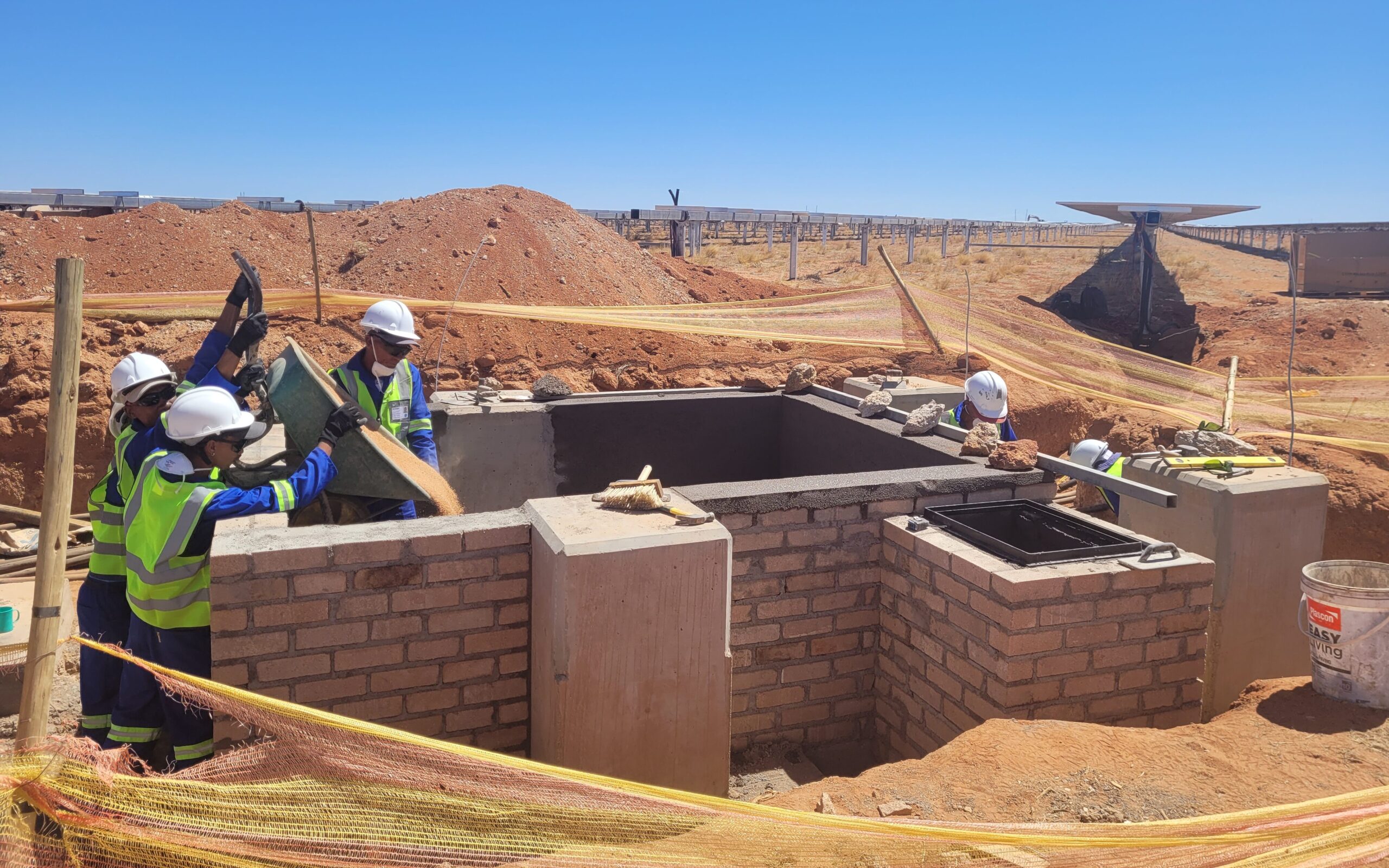
Throughout the construction phase, traffic-related incidents represented the primary concern due to the significant daily movement of personnel—approximately 40 buses and 50 to 60 external trucks traversed the site each day, often in conditions challenged by dust and limited visibility. To mitigate these risks, the project implemented a comprehensive driver training program, all transport vehicles were fitted with tracking devices to monitor driver behavior, a dedicated observer was appointed to monitor and report any incidents, alongside the enforcement of strict speed limits.
Other critical risks included occupational health and safety incidents affecting construction workers, as well as broader community concerns arising from the influx of job seekers. These included potential transport accidents within the local area and community-worker interactions related to public health issues, such as HIV and Gender-Based Violence and Harassment (GBVH). To further align with international best practices on GBVH, the project conducted a GBVH risk assessment and specific actions were implemented, including community and employee GBVH awareness training.
Community relations and social risks
The power plant is located in a remote region of South Africa, where many households have low incomes. As of 2024, the provincial unemployment rate reached 27.4 percent, with nearly half the local population living below the poverty line. Residents face ongoing social challenges such as substance abuse, violence, and limited access to essential services. Low educational attainment further restricts employment opportunities. Despite these obstacles, the !Kheis community demonstrates an entrepreneurial spirit, as seen by the engagement of local businesses contracted for various project services.
Drawing on its extensive experience constructing solar power plants in the area, Scatec retained the same management team for this project’s construction phase. Previous projects highlighted the critical importance of strong community relations, which led to the appointment of dedicated HR and Industrial Relations managers, as well as Community Liaison Officer.
Photo: H1
A comprehensive stakeholder engagement plan was developed, outlining strategies to foster and maintain positive relationships with all stakeholders, including mechanisms for addressing grievances. A transparent and inclusive process for workforce recruitment during construction was key to creating positive outcomes for local residents (in the !Kheis municipality as well as the town of Kenhardt). This commitment to fairness also extended to selecting local suppliers for goods and services, with particular care given to ensuring equitable opportunities across different municipalities, and for the benefit of as many suppliers as possible, to avoid social discord.
South African government regulations of national Power Purchase Agreements (PPAs) require the new renewable energy projects to design and implement socioeconomic development projects in nearby communities. For the Kenhardt project, these initiatives have included supporting municipal soup kitchens, organizing sports tournaments, providing food to schools, and helping with water purification efforts. Access to clean water remains a major concern in the region, and although not required by law, the project also provided generators to power pumps that distribute water locally.
Environmental considerations and biodiversity
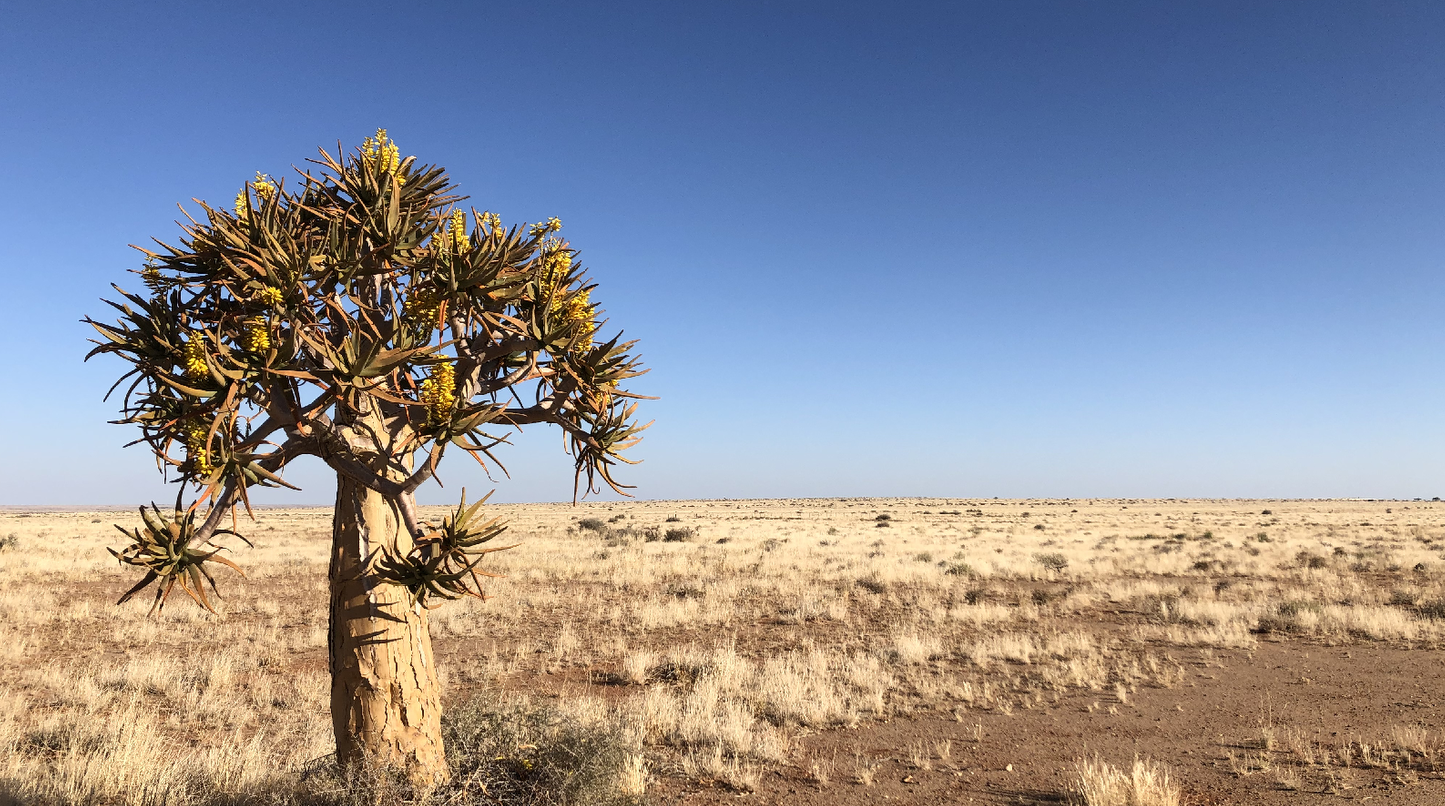
The power plant occupies a large expanse of land in a remote area. During site selection, Scatec undertook a thorough process to avoid identify, assess and ecologically sensitive zones. The vegetation includes both endemic Namaqualand Broken Veld, as well as Bushmanland Arid Grassland, which is widespread in South Africa and not classified as threatened. Species of nationally protected plants, such as the “Quiver Tree”, classified as vulnerable, were present on the site. To avoid and mitigate impact on biodiversity, these plants were either left undisturbed within the project boundaries or carefully relocated just outside the area.
Water needs for the project, such as cleaning solar panels, are met by sourcing water from the local municipality via tanker trucks. This water originates from the Orange River, ensuring that groundwater resources are not depleted.
Positive impacts locally and globally
The Kenhardt project avoids greenhouse gas emissions by replacing diesel peaking power, while also providing more electricity and stability to the grid, enabling job creation and economic growth. At the local level, the project contributes to job creation, both on-site and in the supply chain, supports skills development, and strong female representation in the workforce.
Avoided emissions
For projects under the Climate Investment Fund, Norfund estimates the expected avoided emissions before the investment decision, as well as annually when the project is operational. The avoided emissions are estimated by using a national emission factor which considers today’s energy mix combined with expected future new build as an estimation of what energy mix the power plant in will substitute. The methodology is IFI’s Methodological Approach for the Common Default Grid Emission Factor Dataset, which is commonly used among financial institutions, Multilateral Development Banks and Development Finance Institutions.
Ex-ante avoided emissions: The contracted electricity from the power plant was estimated to avoid 870,000 tonnes CO2e annually when operational.
Actual production and avoided emissions: The project produces around 900 GWh electricity annually. In 2024, the estimated avoided emissions were around 900,000 tonnes CO2e.
Photo: H1
Job creation and increased income
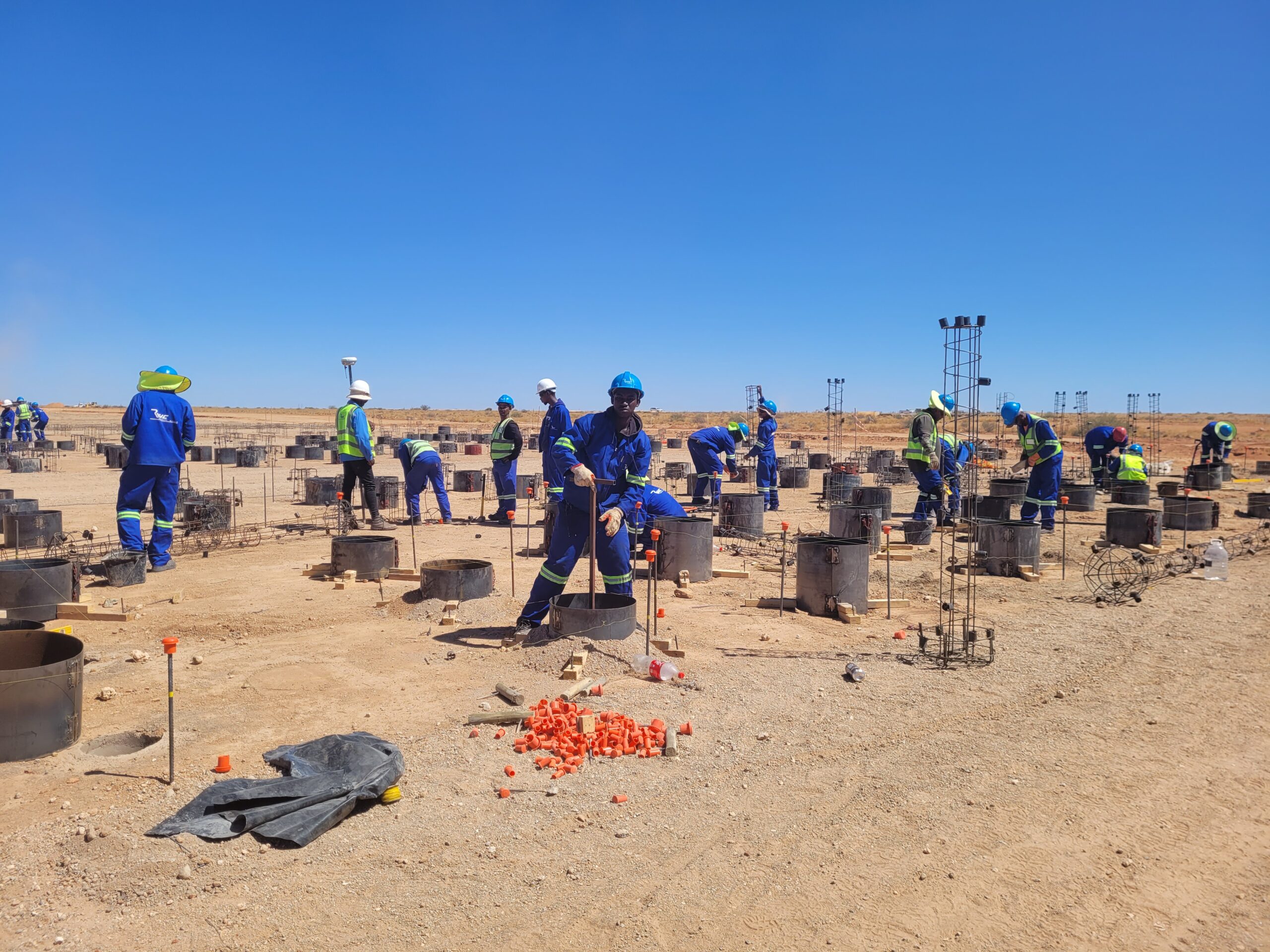
Local hiring and skills development is an important part of developing energy projects. Job opportunities were announced in various channels in the “Kheis municipality area and most workers were from this or neighboring areas. Throughout the construction phase, more than 3,100 individuals took on a wide range of onsite tasks. Creating a project labor agreement was key to set fair employment standards, including guidelines for work conditions, and health and safety for all workers.
Upskilling opportunities were provided to select workers who received specialized heavy machinery training, a valuable skill that can be transferred to future projects and other industries. Participation in this training was determined through an application process.
In addition to direct employment, numerous local small and medium-sized enterprises (SMEs) were contracted for essential services, such as bush clearing before construction, facility cleaning, backfilling, concrete supply, fencing, and transportation. In awarding these contracts, evaluators considered not just the technical qualifications of the businesses, but also their geographic location, ensuring a fair and equitable distribution of opportunities among all participating communities, as outlined in the E&S section above.
Transitioning from construction to ongoing operations and maintenance is a critical phase, as the workforce required decreases significantly. The project now provides permanent employment to around 100-120 people, of which 37%-39% women.
The main job creation impact of power projects is created through their effects on the wider economy: better, more reliable energy supplies, and fewer and shorter outages are helping to foster job creation and economic growth as new businesses are established, and productivity improves.
Strong female presence
Traditionally, construction work has been a male-dominated field. However, the Kenhardt project stood out for its notable inclusion of women. Throughout the project, 489 women—representing 13% of the workforce—were employed. Women-led businesses secured an impressive 48% of all subcontracting opportunities, spanning electrical work, operations and maintenance (O&M), and mechanical services7. Several factors contributed to this strong female presence: high local unemployment and poverty encouraged more women to apply, and mandatory substance testing during recruitment saw a greater proportion of women passing, making them strong candidates. Additionally, a centralized procurement process gave all registered SMEs equal access to contracts, ensuring that women-led enterprises could compete on equal terms with their male counterparts.
Photo: Norfund
Exit to recycle funds
The project started commercial operations in December 2023. Norfund’s strategy is to contribute to the construction of new renewable capacity, and when the project has proven to be successful (i.e. construction completed and commercial operations commenced), the project is considered to have lower risk and is more suitable for mainstream capital. Norfund can then recycle the funds for new projects. The process for Norfund’s exit from the H1 equity financing has commenced off the back of the project having largely been de-risked and will see Norfund exit its direct exposure to the Kenhardt project by September 2025.
Interviews with construction workers
Coreen, construction worker: “I’m a woman, I like this kind of work”
Coreen is involved in constructing the plant by installing cables. She expresses happiness with her new position, having previously worked as a caregiver for older adults. Seeking to expand her skills, she decided to apply for a construction job. The workdays begin early, as none of the workers stay on site overnight. Instead, they commute by company bus—Coreen’s daily journey takes two hours each way.
Marrick – construction worker
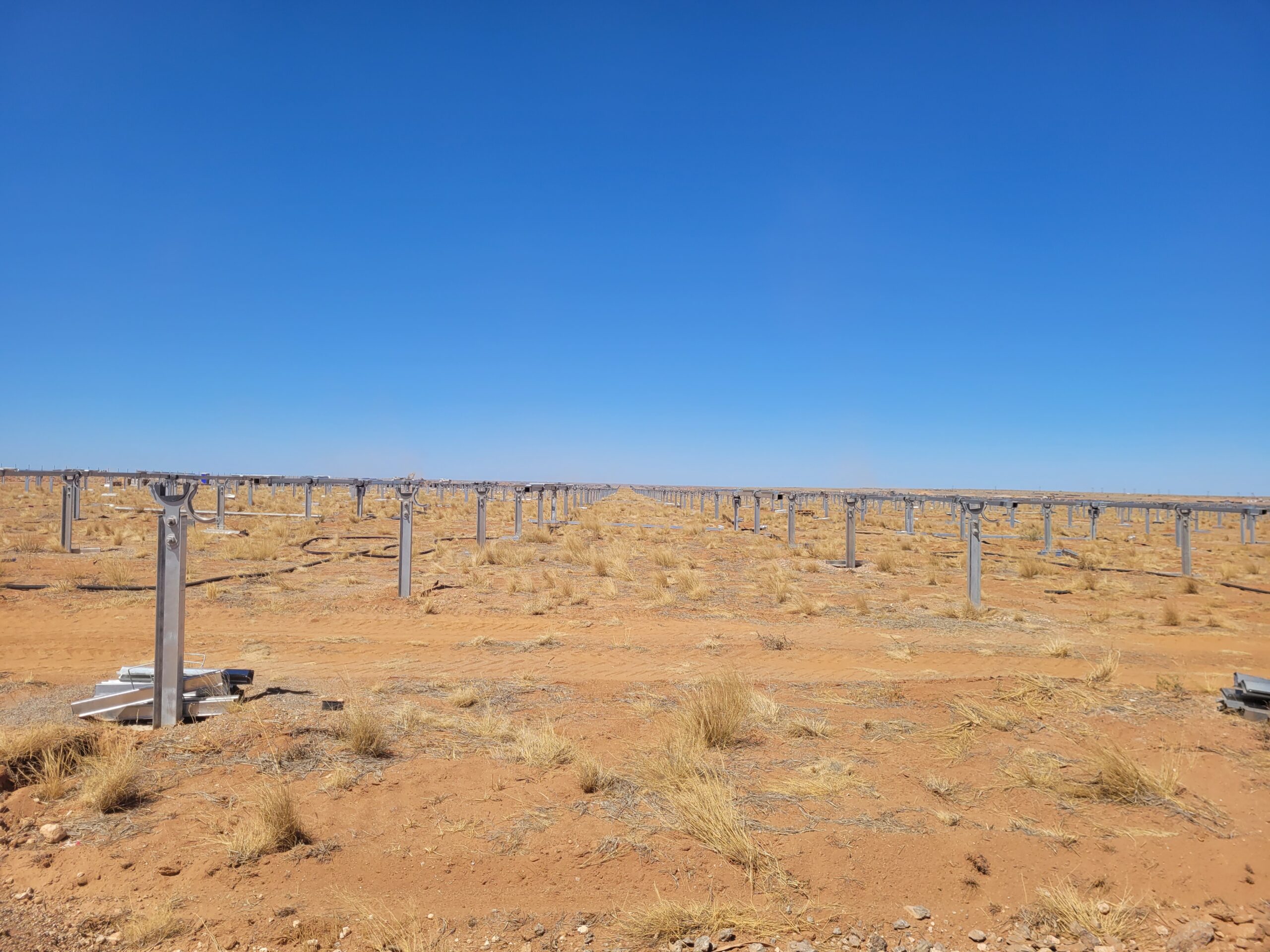
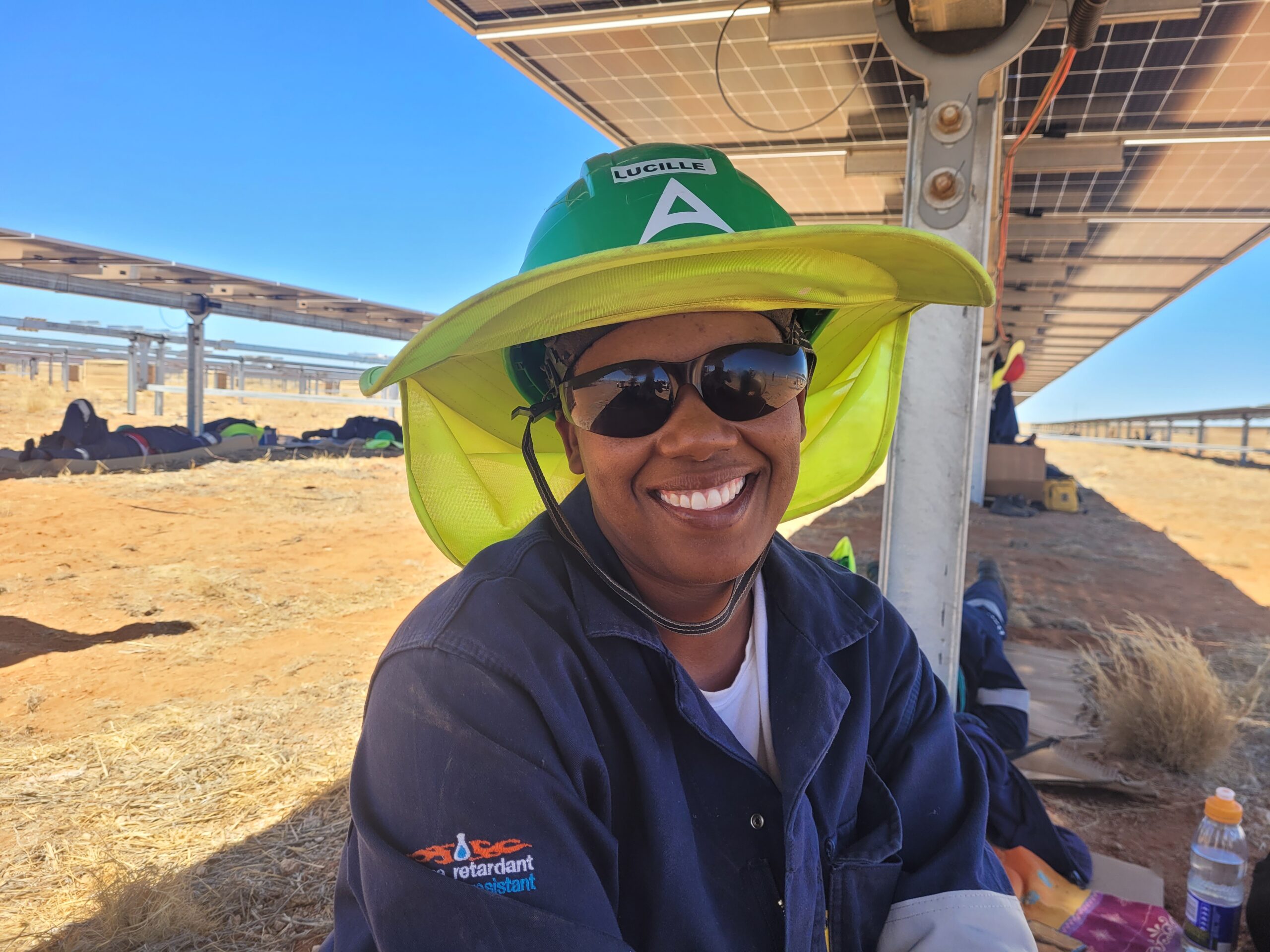
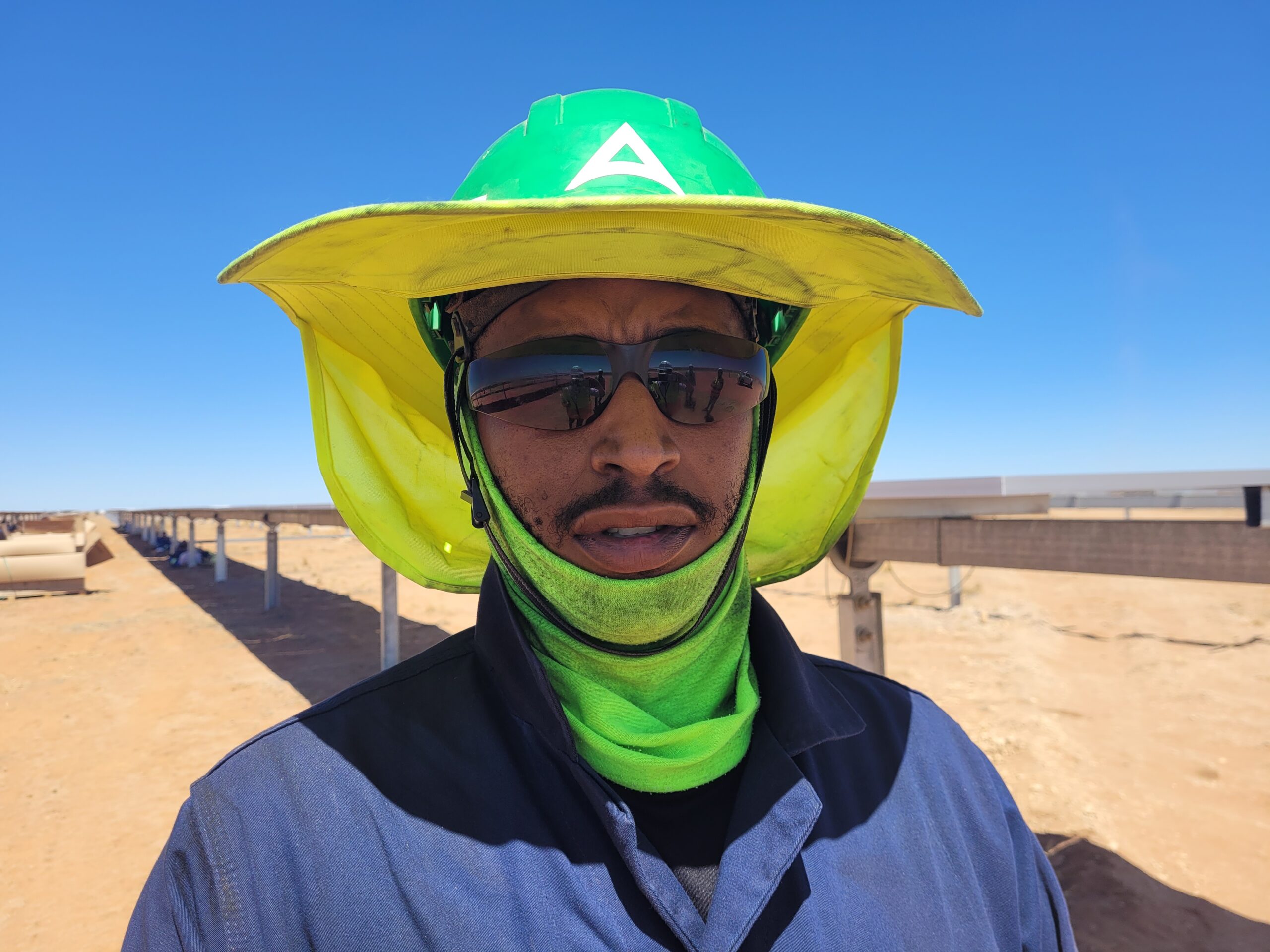
Marrick is employed by one of the project’s contractors, where he too is responsible for cable installation. At the project’s peak, over 3,000 workers were active on-site, assembling nearly one million solar panels. During the height of summer, temperatures soared to as high as 50°C, adding to the demanding conditions faced by the workforce. The workers were supplied with water and areas with shade.
Africa’s largest battery energy storage project reaches commercial close
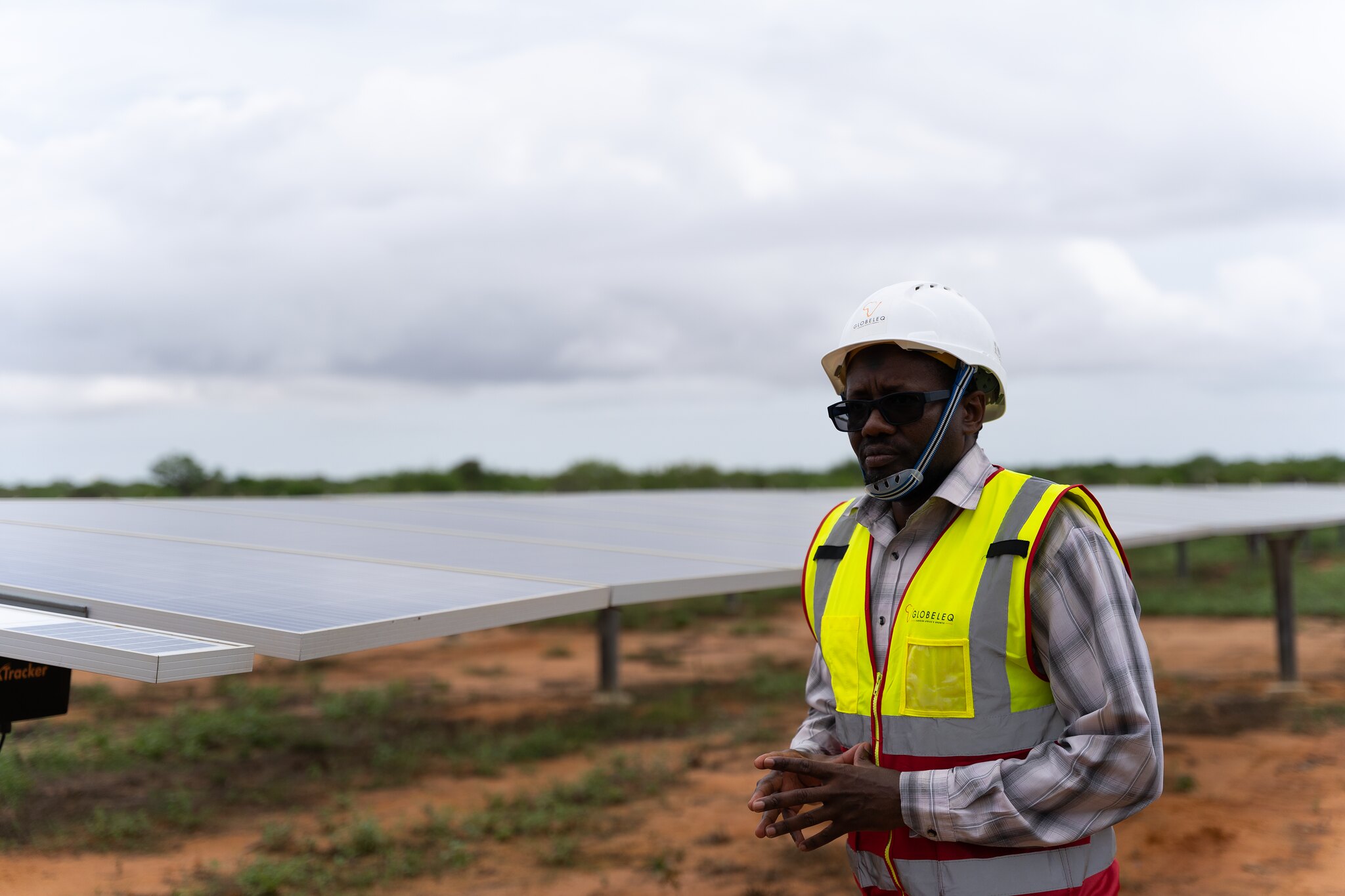
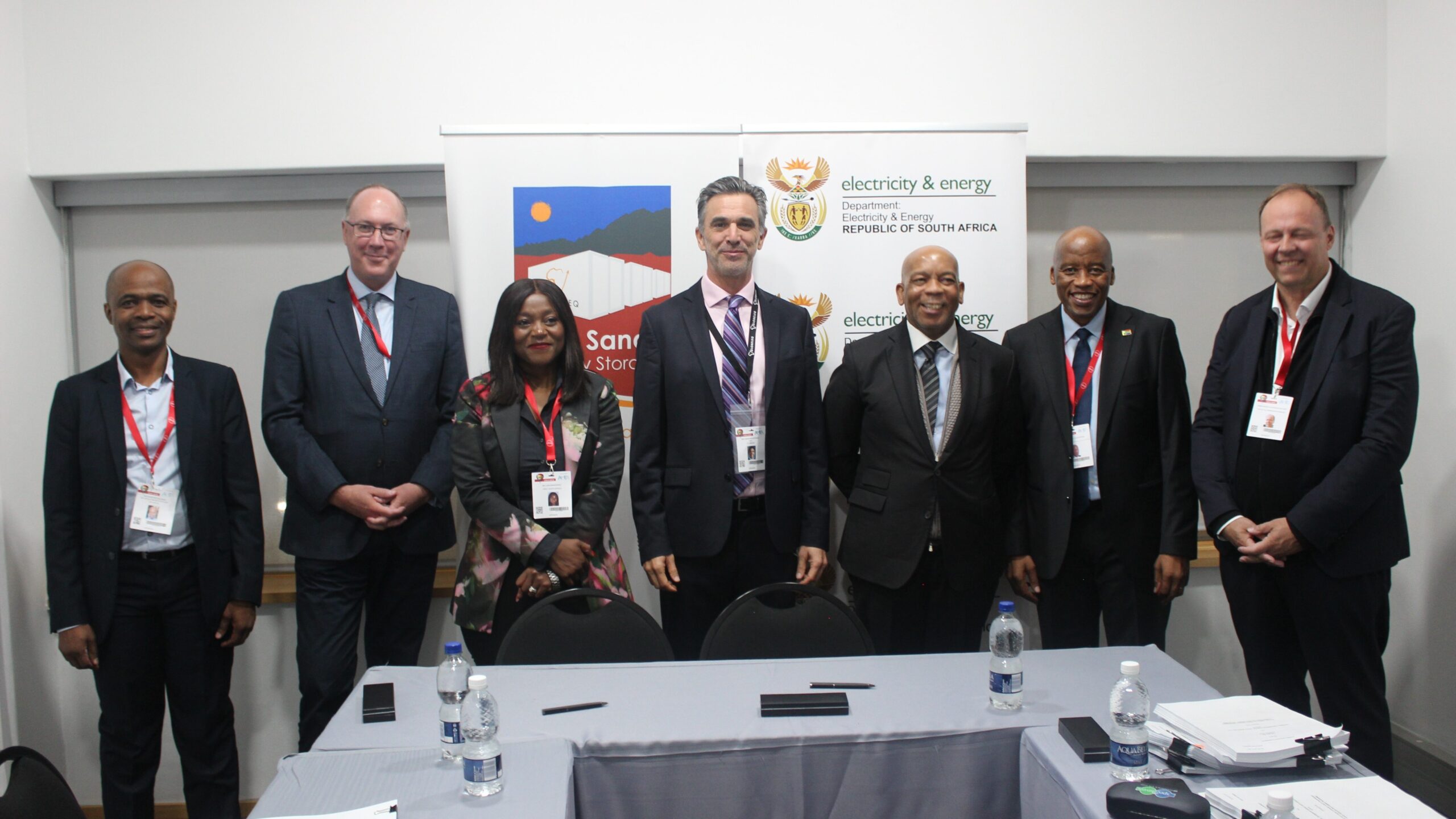
Globeleq, which is 30% owned by Norfund, has in partnership with African Rainbow Energy, announced the commercial close of the 153 MW/612 MWh Red Sands battery energy storage project (Red Sands BESS) in South Africa.
This project, located in the Northern Cape, is the largest standalone battery energy storage system in Africa to reach this milestone.
The Red Sands BESS will enhance South Africa’s energy infrastructure by storing energy during off-peak times and releasing it during peak demand periods, providing essential grid stability and support.
Jonathan Hoffman, CEO of Globeleq, stated, “Commercial close on the Red Sands BESS is a landmark moment for Globeleq and for battery storage in Africa.”
Mr. Gjermund Sæther, the Norwegian Ambassador to South Africa is pleased with this news:
“The Red Sands battery storage project’s successful commercial close highlights the importance of international cooperation and public-private partnerships in tackling energy security and promoting a sustainable energy future. Both in terms of energy security, affordability and climate concerns, this project is a milestone. Norway is one of the largest investors in renewable energy in South Africa through Globeleq, Norfund and private companies. The strong partnership between Norway and a democratic South Africa, dating back to our support for the liberation struggle, continues to evolve into the future.”
Norfund increases investment in user-friendly mobile payments in Africa
Norfund participates in a EUR 117 million debt raise to support Wave Mobile Money’s growth in Africa, alongside British International Investment (BII), Finnfund, and lead arranger Rand Merchant Bank (RMB).
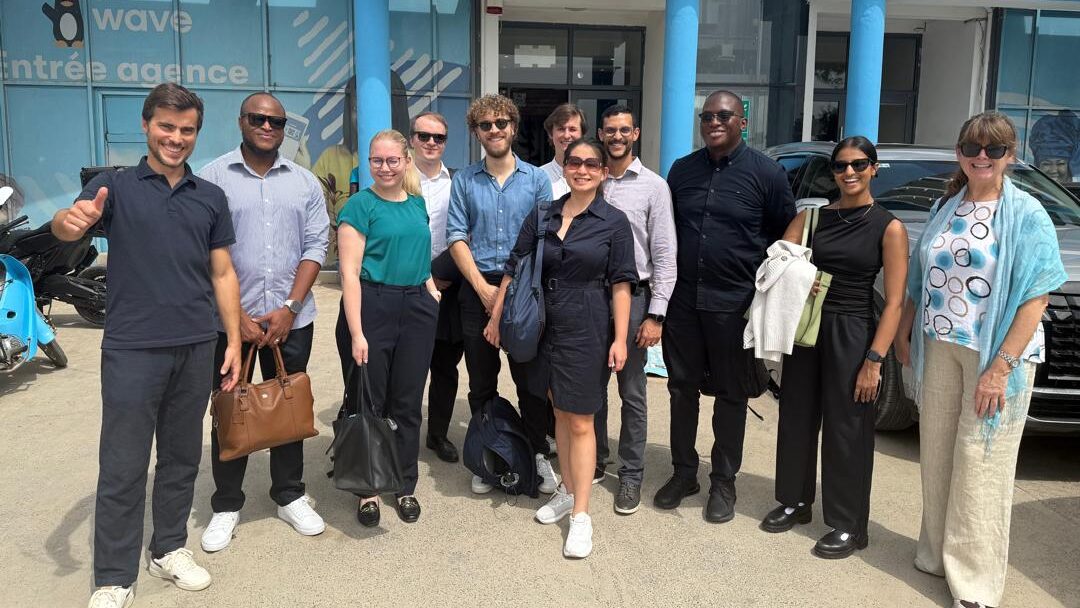
Investors RMB, BII, Finnfund, and Norfund visited Wave HQ in Dakar, Senegal.
The facility will support Wave’s continued expansion of affordable and user-friendly mobile financial services across West Africa and into new frontier markets.
Wave is a mobile money app that provides individuals and small businesses with a secure, affordable alternative to cash—enabling them to save, transfer money, pay bills, and access essential financial services. For many users, it serves as a first step into the formal financial system, helping to build financial identity and improve productivity.
“This new loan marks Norfund’s second investment in Wave, following our initial funding in 2022. Since then, Wave has demonstrated scalable and sustainable growth across its core markets. Its mobile-first model has been instrumental in expanding financial access for low-income individuals and small businesses—many of whom are entering the formal financial system for the first time,”
Marianne Halvorsen, Investment Director at Norfund
The new capital will strengthen Wave’s working capital position and accelerate its expansion across eight markets, including Senegal, Côte d’Ivoire, and Gambia, while enabling further reach into underserved fragile states such as Burkina Faso, Mali, and Niger.
“Since launching our Fintech Investment Strategy in 2022, we have expanded our portfolio to include digital-first companies driving financial inclusion across payments, embedded finance, digital lending, neobanking, and insurtech,”
Kathy Chang, Investment Manager at Norfund
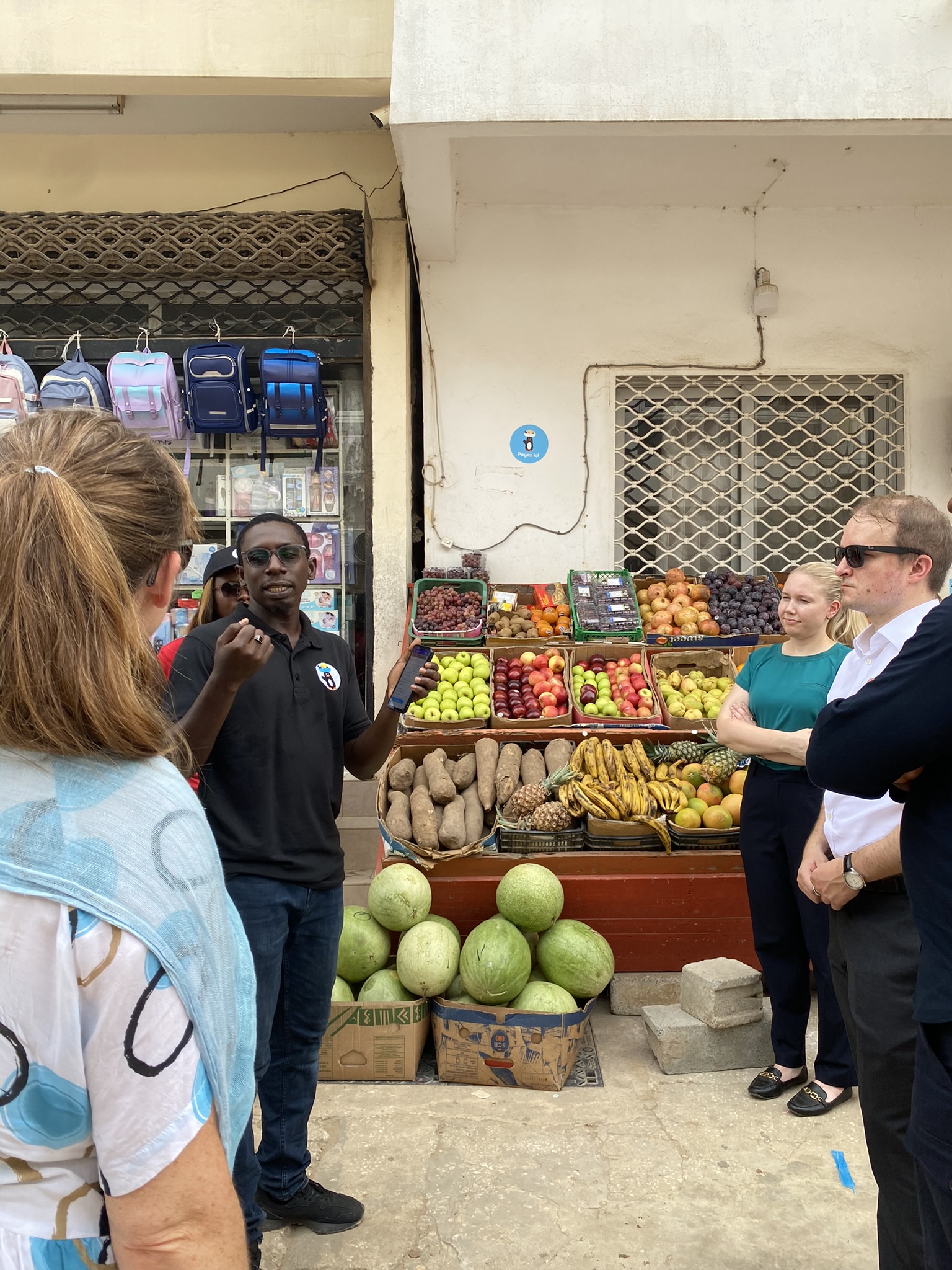
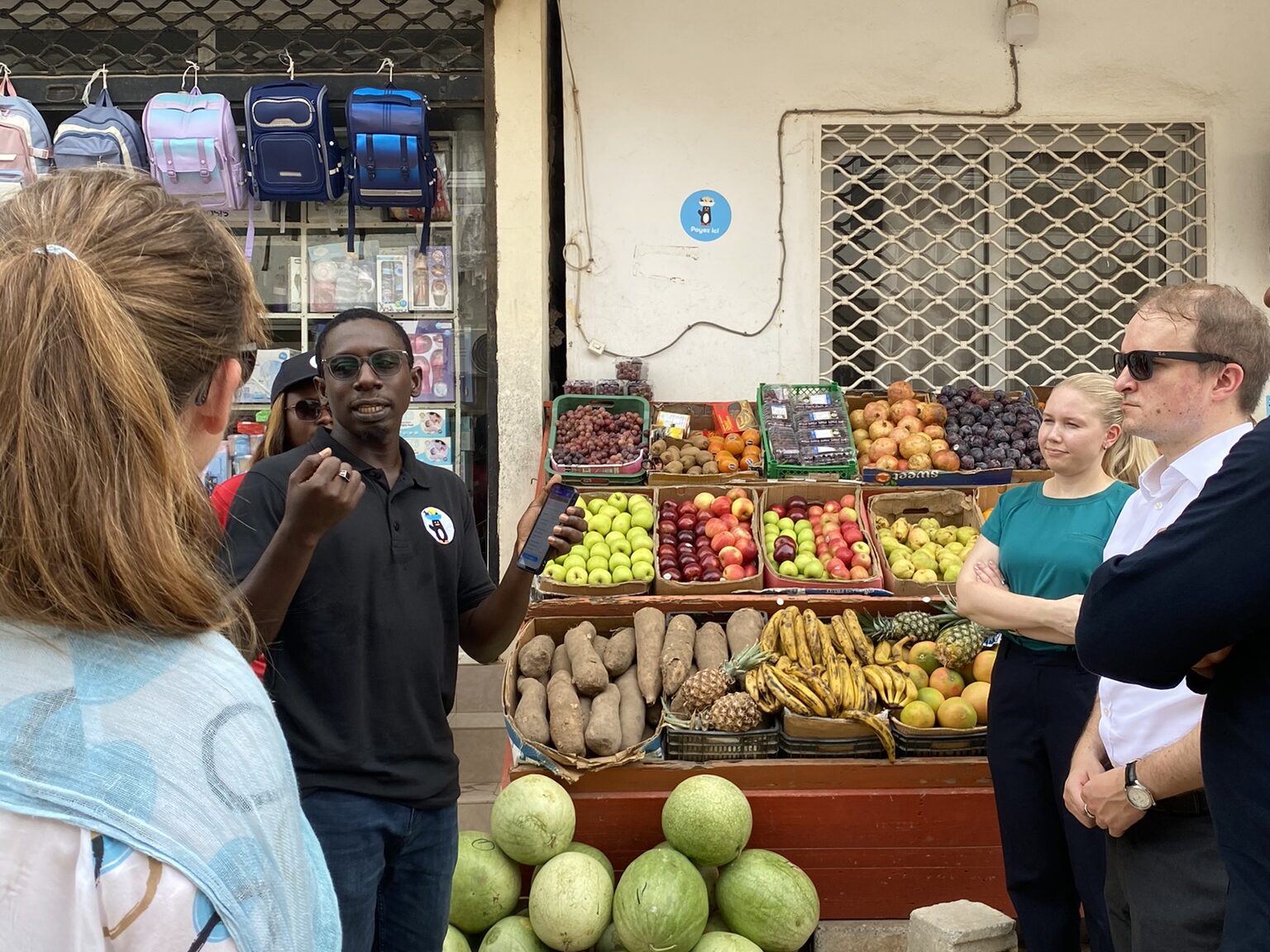
Wave is widely used i small shops, such as in this vegetable shop in Dakar, Senegal.
Norfund typically provides direct investments of USD 5–20 million in high-quality fintech companies that are either profitable or have a clear path to profitability, primarily from Series A stage and beyond. Since establishing the FinTech Investment Strategy, Norfund has invested in Wave Money, Lula Lend,Amartha, Funding Societies, AwanTunai and earlier this year also in, OmniRetail in Nigeria.
Annual report 2024: Record growth in jobs, financial inclusion, and taxes
Norfund’s annual report for 2024 shows that the companies Norfund has invested in are delivering record numbers of new jobs, financial inclusion, and increased tax revenues, through profitable investments.
“Work for all is job number one for the Labour Party, and the figures from the annual report once again show that Norfund’s investments in developing companies that create new jobs and pay taxes, effectively contribute to combating poverty while mobilizing private capital,”
says Åsmund Aukrust, Minister of International Development.
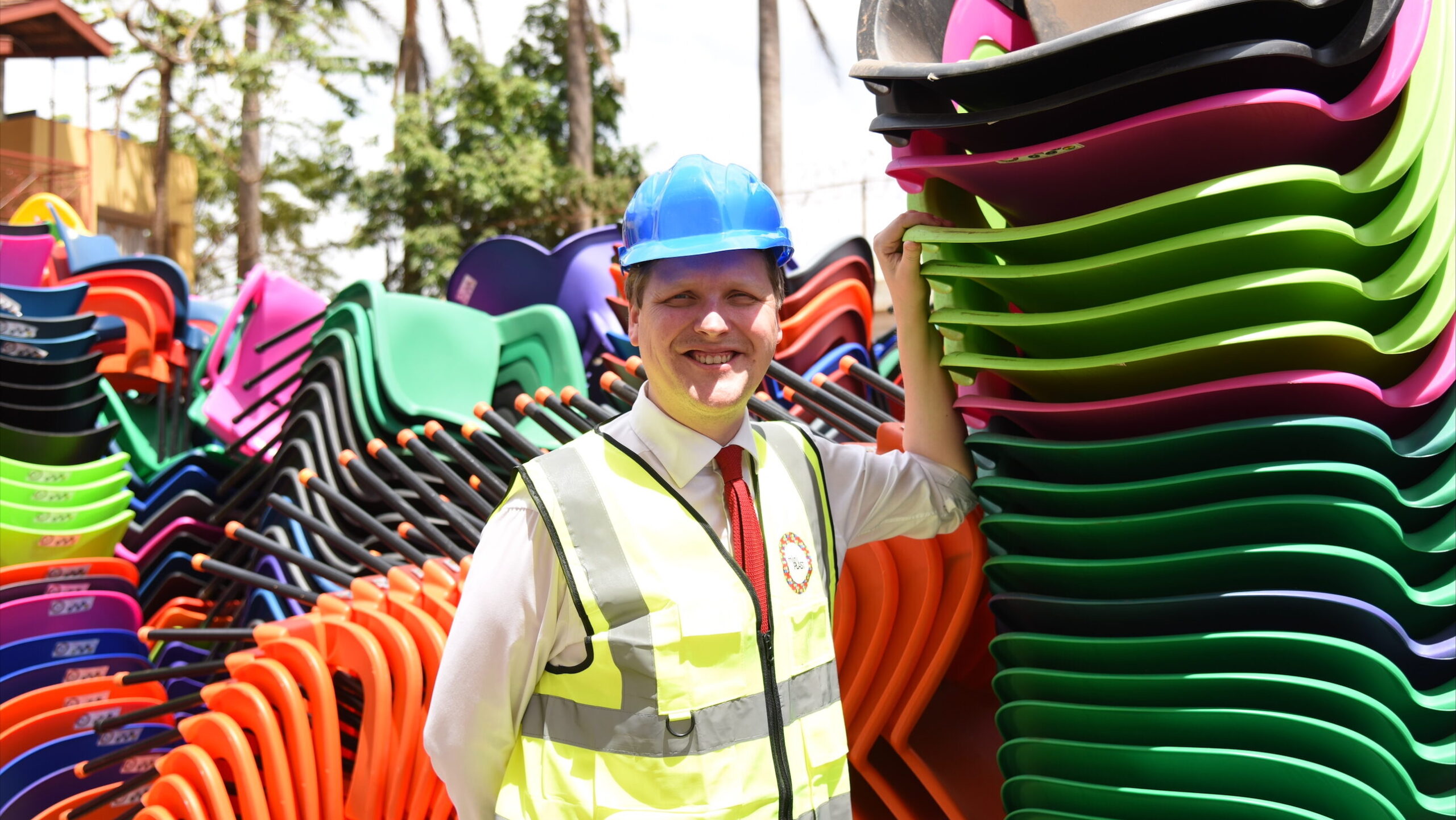
Minister Aukrust visiting Norfund investee Miniplast in Ghana this year.
Norfund invested a record-high NOK 7.7 billion in 2024 and mobilized an additional NOK 7.8 billion in private capital (attributed according to OECD Methodology). The fund’s operating costs were 1 percent of the committed portfolio.
Record-high 41,400 new direct jobs
At the end of 2024, a total of 712,000 people were employed in the companies in which Norfund is invested. Figures from companies the fund has invested in and received reports from for two consecutive years show a net increase in new jobs of a record-high 41,400 (8 percent) from 2023 to 2024. In 2023, the corresponding figure was 37,200. Over 477,000 of the jobs were in Africa, and 192,000 were in least developed countries (LDCs).
“Paid work is the way out of poverty, and contributing to the creation of more jobs and mobilizing private capital will become even more important in the face of aid cuts and the risk of a slowdown in the global economy,”
says Tellef Thorleifsson, CEO of Norfund.
Record-high 14.6 million new clients served by portfolio financial institutions
Access to financial services is a prerequisite for businesses to develop and create jobs. Banks and other financial institutions are therefore one of Norfund’s most important investment areas. In 2024, a record-high 14.6 million new customers were served by the companies Norfund has invested in (which also reported in 2023).
“Just as local banks have played a key role in developing Norwegian businesses, low-income countries depend on financial institutions that give small and medium-sized enterprises the opportunity to invest and create new jobs,” says Thorleifsson.
Similarly, access to energy is crucial for businesses and communities to develop. In 2024, 750,000 new households gained access to renewable energy through companies in Norfund’s portfolio. This is an increase from 420,000 households in 2023. During the year, Norfund helped finance 3,315 MW of new renewable power capacity.
Taxes paid equivalent to ¾ of Norwegian aid
In 2024, NOK 41.2 billion was paid in taxes and fees by Norfund’s investees. This corresponds to 74% of total Norwegian aid in 2024. From the end of 2023 to the end of 2024, the total taxes and fees paid by companies that reported both years increased by a record-high NOK 5.4 billion. The increase alone corresponds to twice the amount Norfund received from the state budget for investments in 2024.
“Increased tax revenue is the sustainable way for governments in poor countries to offer basic services such as education and healthcare and become independent of aid,” says Thorleifsson.
Facts and figures from the report
Norfund is a state-owned company under the Ministry of Foreign Affairs, established in 1997 through the Norfund Act, to “establish viable, profitable businesses that would not otherwise be initiated due to high risk.” Norfund invests on commercial terms as a responsible minority investor in collaboration with partners.
Norfund now has three investment mandates:
A development mandate aimed at creating jobs and improving lives by investing in businesses that drive sustainable development in four investment areas: renewable energy, financial inclusion, scalable enterprises, and green infrastructure.
A climate mandate, managed through the Climate Investment Fund since 2022, aimed at investing in the transition to net zero in emerging economies.
A Ukraine mandate established in December 2024 aimed at supporting Ukraine’s reconstruction and building a resilient economy.
In recent years, Norfund has annually received NOK 1.68 billion for the fund’s development mandate and NOK 1 billion for the Climate Investment Fund. In December 2024, Norfund received NOK 250 million for a new Ukraine mandate.
In 2024, Norfund invested a record-high NOK 7.7 billion, almost three times the amount transferred over the state budget, as a result of freed-up funds from returns and divestments.
Norfund’s total committed portfolio of NOK 43.2 billion at the end of the year is invested directly in 245 companies and indirectly in 1,050 companies through funds and platforms.
In 2024, Norfund made 27 new investments and 24 follow-up investments.
53% of Norfund’s new investments under the development mandate in 2024 went to Africa, and 63% of Norfund’s total committed portfolio was in Africa at the end of the year.
34% of Norfund’s portfolio is committed to companies in the world’s least developed countries (LDCs).
Norfund’s investments through the Climate Investment Fund have so far been invested in projects that will avoid 17.6 million tons of CO2 annually, equivalent to 40% of Norway’s annual emissions.
The total return on Norfund’s investments was 8.4% in investment currency (19.6% in NOK) in 2024. The average return since inception has been 5.2% in investment currency (8.7% in NOK).
The Climate Investment Fund has had an average annual return of 14.4% in investment currency (19% in NOK) since its inception.
Climate Investment Fund makes its first exit
The Climate Investment Fund is selling its stake in a power line project in India, marking its first exit since its establishment in 2022.
As climate change intensifies, smallholder farmers are caught in a vicious cycle of low productivity and environmental degradation. The Climate Smart Fund offers a promising model that addresses poverty alleviation alongside climate mitigation and adaptation, equipping farmers with the tools they need to thrive sustainably.
Anne-Beate Tvinnereim
Development Minister of Norway
speaking from COP 29
Konexa har en innovativ forretningsmodell, og vi er glade for å kunne bidra til Nigerias langsiktige sosiale og økonomiske utvikling med denne investeringen.
Birgit Edlefsen
Birgit Edlefsen
speaking from SVP, Norfund
>
“By selling when we are no longer needed and recycling the capital, we achieve more climate impact,”
Bjørnar Baugerud
Head of the Climate Investment Fund
Managed by Norfund, the Climate Investment Fund was set up in 2022 to help avoid greenhouse gas emissions through profitable investments in renewable energy in developing countries with high emissions. Three years later, the fund is making its first exit from a project.
Connected 2.5 GW of wind power in India
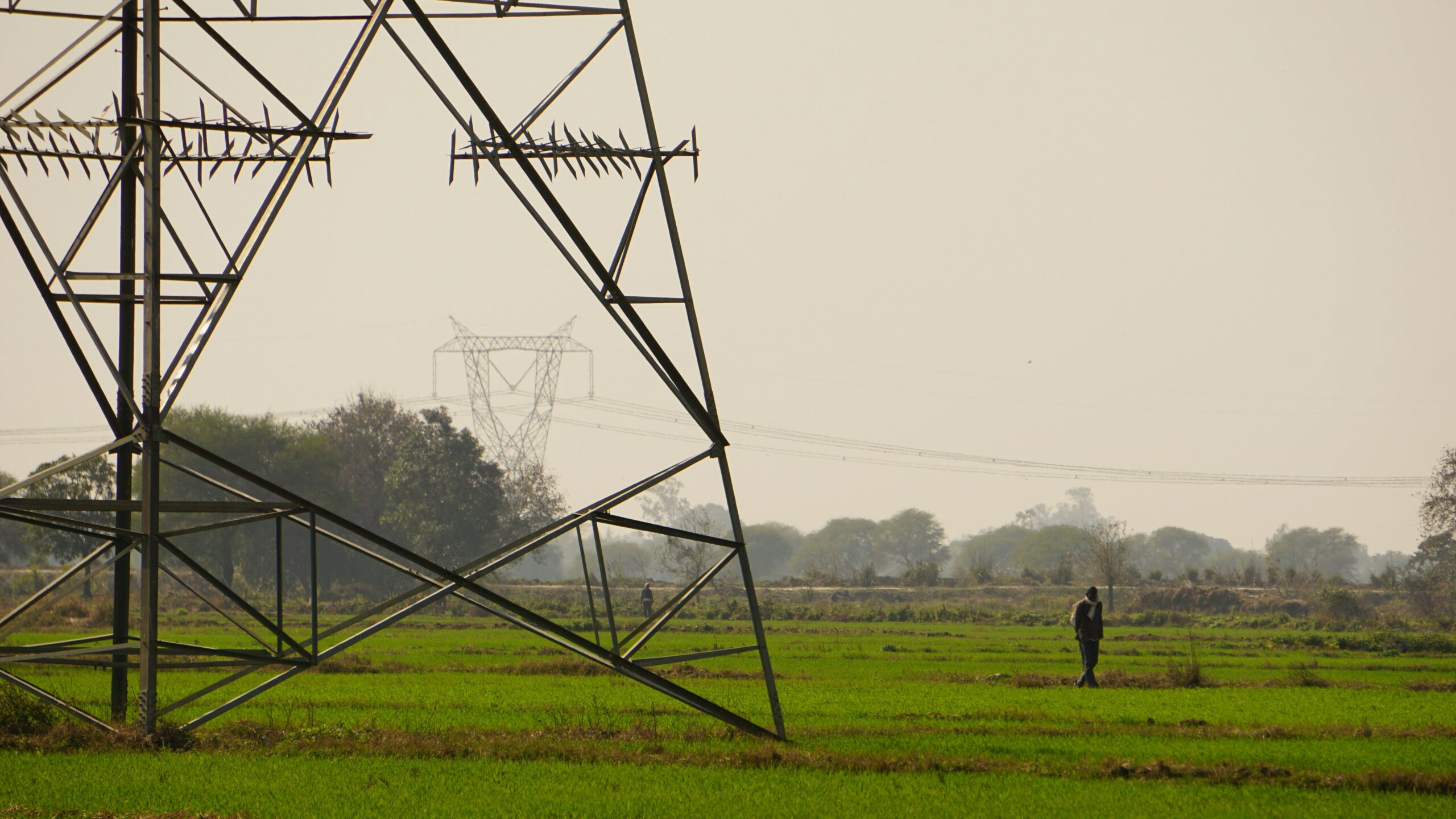
In partnership with the Indian company ReNew Power, Norfund and Norway’s largest pension company KLP invested 900 million rupees (109 million NOK) in a power line project in the Koppal district of southern India in December 2022. The project was completed in October 2023.
“Through the investment, we have helped connect 2.5 GW of developed wind power to the national grid, enough to meet the needs of 7 million Indian households,” says Bjørnar Baugerud, head of the Climate Investment Fund at Norfund.
According to the Central Electricity Authority (CEA) in India, the country will need 170,000 kilometers of transmission lines and 47 GW of energy storage capacity (BESS) over the next eight years to phase in increased renewable power production.
Photo credit: Shruti Singh. Location: Uttar Pradesh, India.
Recycling with returns ensures efficient use of public capital
According to its mandate, the Climate Investment Fund is to “reinvest earned and freed-up funds from its investments.”
“As soon as we are no longer needed as an investor in a project, we will seek to sell to private entities so we can reuse the money and contribute more to avoiding emissions,” says Baugerud.
Investing to scale renewable energy infrastructure in Nigeria
Konexa, Climate Fund Managers and Norfund have signed a Development Funding Agreement to support the next phases of Konexa’s renewable energy expansion in Nigeria.
The agreement will enable the development of a solar PV plant and new and strengthened grid infrastructure to connect two Nigerian Breweries Plc sites in Lagos and Enugu State to renewable electricity supply. The project is expected to offset approximately 30,000 tonnes of CO₂ emissions annually, support 100 construction jobs, and create 35 permanent roles.
The partners will jointly invest USD 3.6 million, with Climate Fund Managers contributing 50%, and Norfund and Konexa each contributing 25%. Together, these commitments are expected to unlock approximately USD 80 million in further investments for construction at financial close, expected in the second half of 2025. Norfund`s investment is done through the Frontier Facility, which is used for projects with a higher risk than the rest of the portfolio.
“This partnership reflects Norfund’s commitment to scale renewable energy infrastructure in Nigeria and to contribute to long-term social, environmental and economic impact. We see Konexa’s business model as an innovative and impactful solution, addressing the country`s sector challenges. We are excited to join forces with Konexa and CFM,” says Birgit Edlefsen, Senior Vice President, Renewable Energy at Norfund.
Nigeria has faced decades of under-investment in renewable energy generation and grid infrastructure. In 2022, 75 % of the electricity generation came from natural gas, and only 0.3 % from solar, according to the IEA. As a result, access to reliable electricity remains limited, and many businesses rely on expensive, polluting diesel and gas generators. The government’s Vision 30:30:30 aims to increase renewable energy to 30 % of total electricity generation by 2030.
New fintech investmentdrives financial inclusion in West Africa
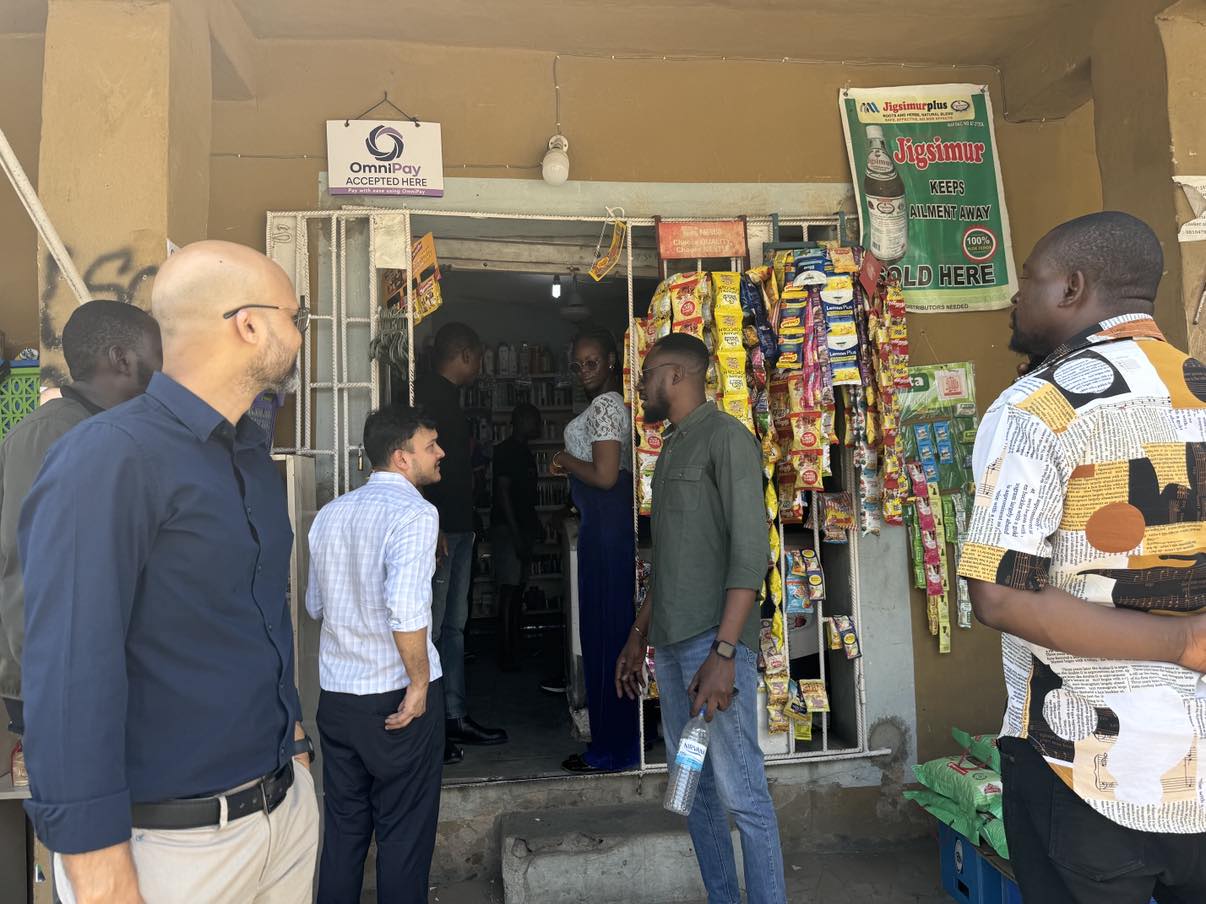
Norfund has made its first direct equity investment in African fintech through OmniRetail, a Nigerian technology platform that provides small shops in Nigeria, Ghana, and Côte d’Ivoire with access to credit, fast product delivery, and digital payment solutions.
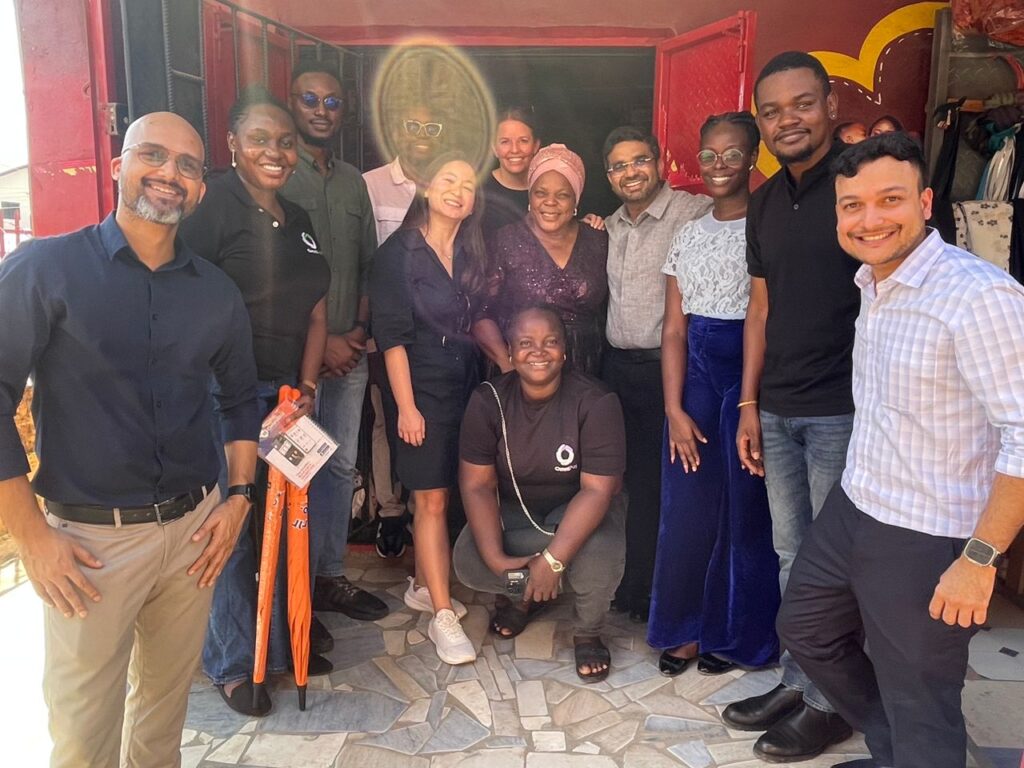
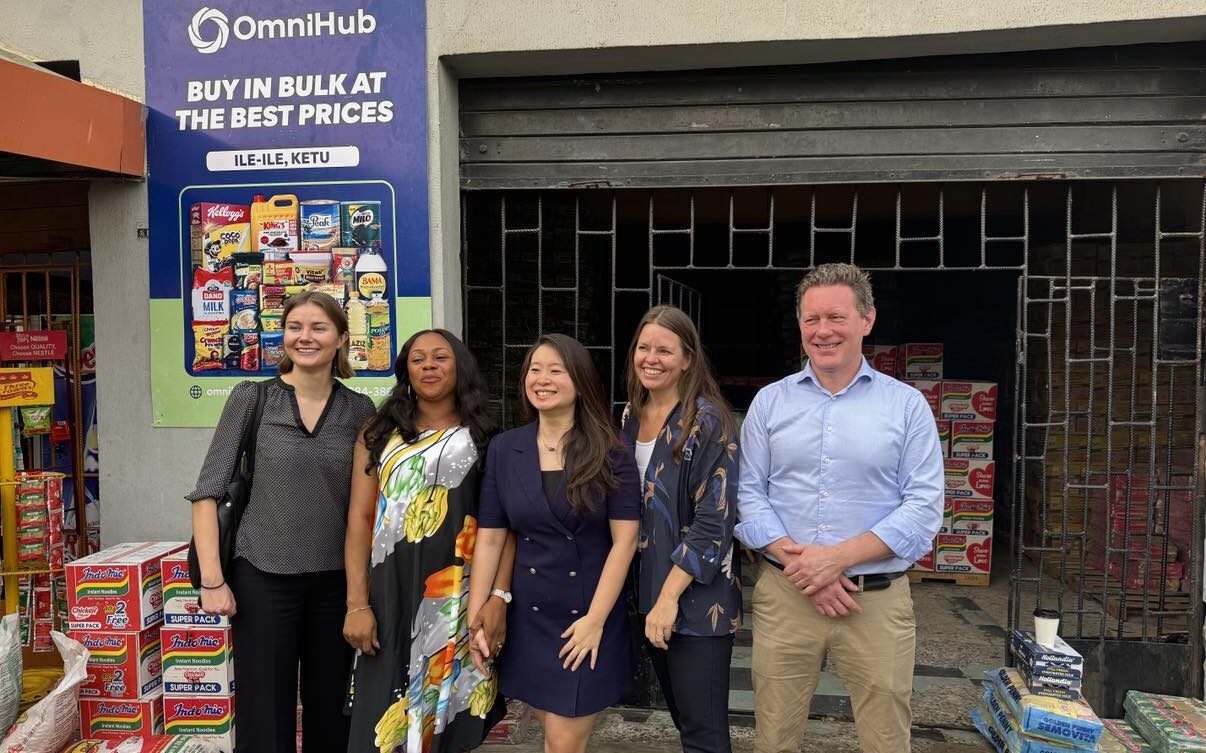
Norfund and the leadership team at Omni visit one of the many female distributors who source their goods through the Omni platform.
“Fintech is an effective tool for increasing access to working capital for small businesses in Africa, which are often underserved by traditional banks,” says Cathrine Conradi, Investment Director at Norfund. “By leveraging technology, companies like Omni can reach and serve their customers at a much lower cost. They use alternative data, such as order history, to assess the creditworthiness of clients who do not have access to bank accounts.”
Building an ecosystem around small shops
OmniRetail has established a digital commerce network connecting more than 150,000 suppliers, distributors, retailers, and logistics partners across 12 cities in Nigeria, Ghana, and Côte d’Ivoire. The platform enables digital procurement of everyday goods, including delivery and financing.
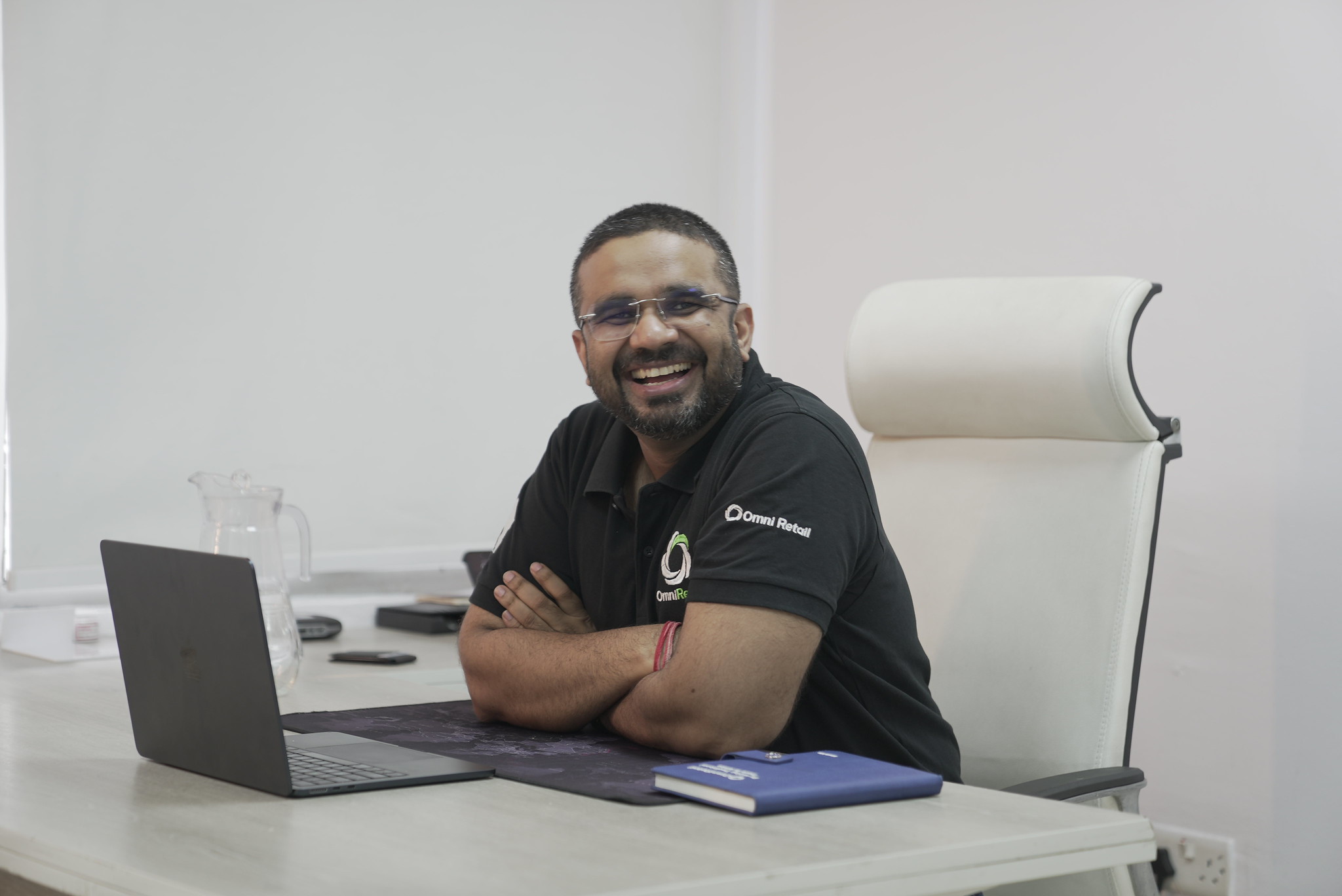
“We started by providing access to goods – now we’re building an entire financial ecosystem around the shops,” says Deepankar Rustagi, CEO at OmniRetail.
Traditional banks often require collateral for loans—something most small shops cannot provide. Many operate without formal accounting, credit scores, or even bank accounts. What they do have, however, are mobile phones and access to “mobile money,” a solution similar to Vipps. OmniRetail enables shops to order, pay for, and receive goods digitally, eliminating the need to close the store to buy inventory at the market. Credit is offered exclusively for product purchases, ensuring that financing is directed solely toward income-generating activities.
Thanks to machine learning–based credit assessments and close customer engagement, the company has a default rate of less than 0.5 percent—significantly lower than that of traditional bank loans to the same target group.
– A targeted solution for financial inclusion
Nigeria, Africa’s largest economy, is a key market for small businesses. More than 95 percent of the country’s enterprises are small, accounting for over 80 percent of employment and nearly half of GDP. With a population of 240 million expected to surpass 400 million by 2050, Nigeria is set to become the world’s third most populous country.
One in ten small and medium-sized enterprises in Nigeria cite lack of access to financing as their biggest barrier to growth. Fintech can play a crucial role in promoting financial inclusion in markets where capital is expensive and difficult to obtain.
Photo credit: OmniRetail
OmniRetail represents a new generation of fintech companies that combine technology and finance to reach small players in the informal market. The company’s model is based on embedded finance—financial services integrated directly into the value chain and the platforms that shops already use.
Reducing risk in challenging markets
Norfund is participating in a USD 20 million investment round and is the first development finance institution to invest in OmniRetail. By coming in early, Norfund helps mobilize private and institutional capital—not only for OmniRetail, but also for the broader segment and region. Increased equity from an investor like Norfund also strengthens the company’s ability to secure local debt financing.
“With Norfund’s support, we can scale more quickly and strengthen the entire retail value chain—through digitalisation and targeted financing that improves the daily lives of our customers,” says Rustagi.
“This is exactly the kind of investment we aim to do more of: targeted, measurable, and firmly rooted in the local context. We strongly believe that fintech will be key to achieving Norfund’s ambition of increasing access to affordable finance in our markets,” says Conradi.
Investing in Renewable Energy for Mobile Coverage in Mali
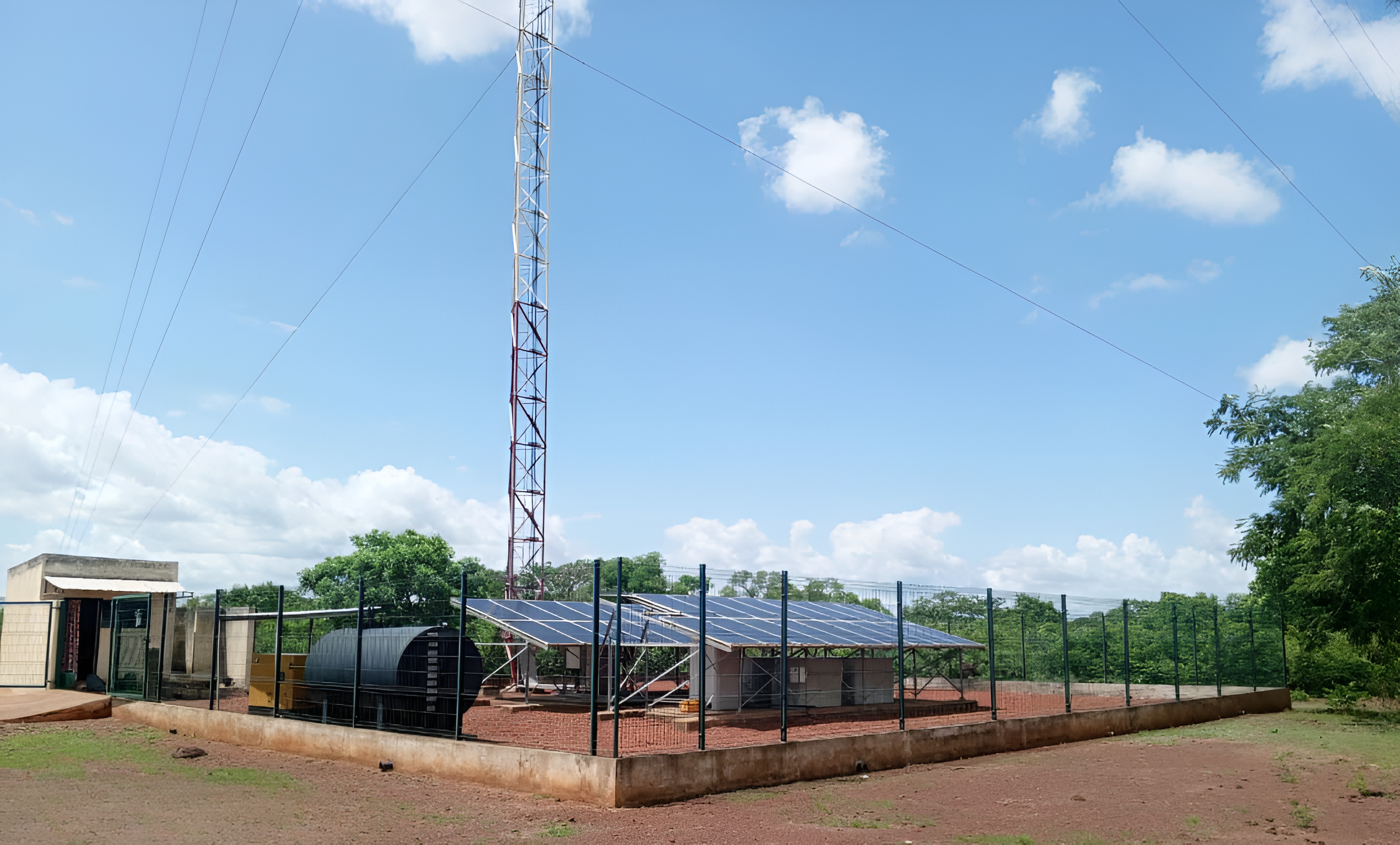
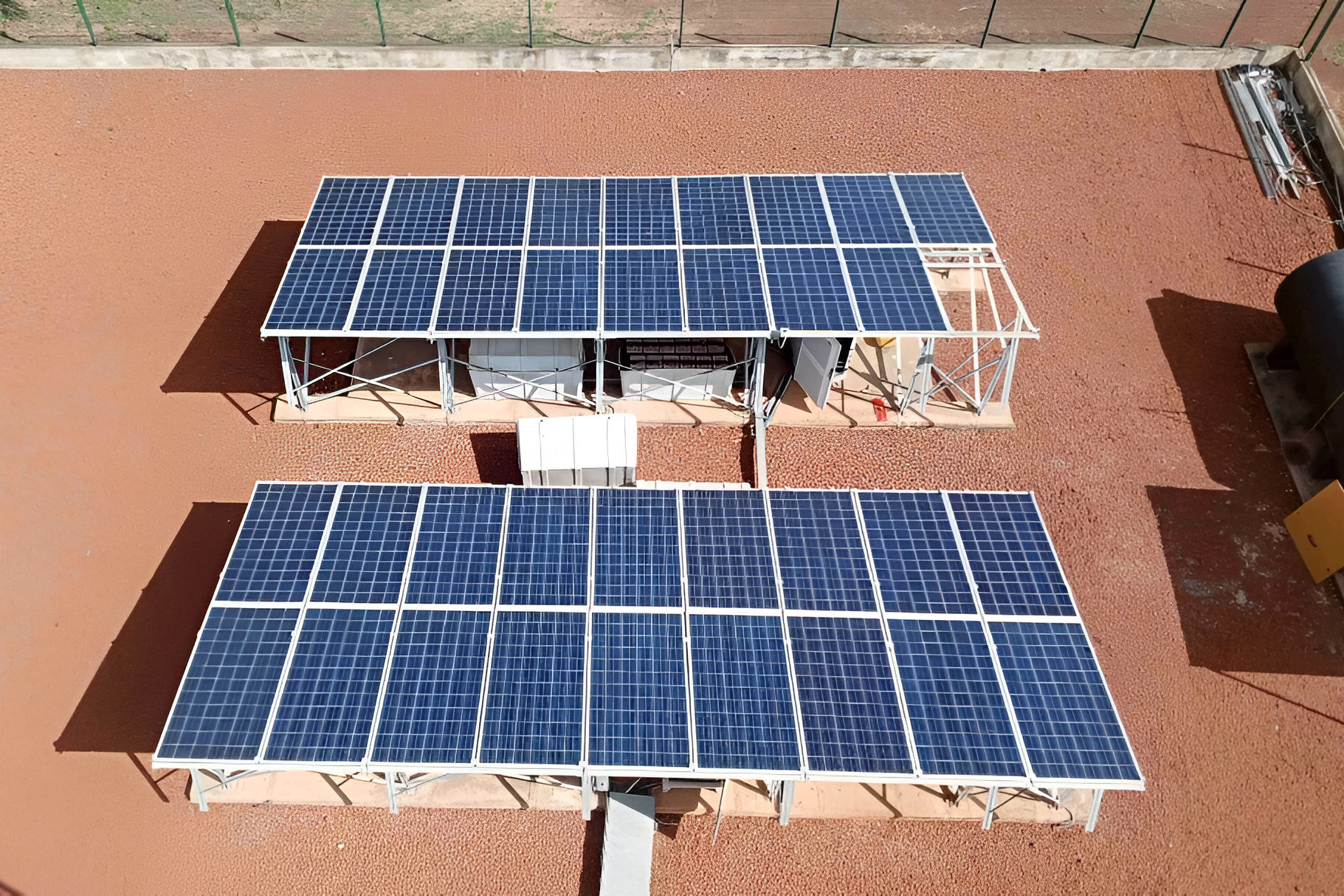
Norfund is investing 166 million NOK in the company CREI to provide 2876 mobile towers in Mali with stable solar energy.
Photo credit: CREI Mali
Mobile coverage plays a central role in most people’s daily lives and is an important prerequisite for business activities even in some of the world’s least developed countries. To have mobile coverage, one must be near a mobile tower, and mobile towers need power to provide stable mobile coverage.
In countries like Mali, which has been affected by armed conflict for over a decade, mobile coverage cannot be taken for granted. At the same time, it is crucial to get information and communicate with people and services that are not in the same place as you.
“This investment underscores Norfund’s dedication to promoting renewable energy solutions in fragile states, bolstering economic resilience, and developing essential infrastructure in challenging environments. By backing CREI in Mali, we aim to foster conditions conducive to economic growth, job creation, and enhanced stability in the region,” says Birgit Edlefsen, SVP at Norfund.
CREI already provides power to mobile towers in other vulnerable states like South Sudan and the Central African Republic. However, this will be the company’s largest project to date.
The solution that CREI will build for mobile towers across the country consists of solar panels combined with batteries, so that the towers have power even when the sun is not shining. Diesel will also continue to play a minor role as backup.
Strengthening telecom infrastructure is an important prerequisite for economic growth and digital inclusion.
“By using a combination of solar and battery, we not only contribute to extended and more stable coverage in both rural and urban areas in Mali but also to economic growth and local job creation, as part of Mali’s digital transformation,” says Kadri El Hakim, CEO at CREI.
“This investment is a milestone in the development of renewable energy solutions in the telecom sector in Mali. It will contribute to cleaner, cheaper, and more reliable power supply,” says Thibault Neveu, co-founder of the FEI fund and CEO of the fund manager Cygnum Capital.