Ukraine Investment Fund
The Norwegian government has given Norfund a mandate to invest in Ukraine through a dedicated Ukraine Investment Fund under the Nansen Programme, supporting the country’s reconstruction and building a resilient economy.
Russia’s invasion has caused massive destruction across Ukraine, damaging or destroying critical infrastructure, energy systems, homes and industry. The fund channels capital into businesses and infrastructure projects that are key to rebuilding the country and its long-term growth, projects that would likely not be financed under normal market conditions because of the high risk.
EUR 90 million has already been transferred to the fund. From 2027 to 2030, the Norwegian government will allocate a further EUR 350 million, giving Norfund the long-term predictability needed to invest in Ukrainian businesses together with existing and new partners.
Aim
The purpose of the Ukraine mandate is to contribute to the development of sustainable business activities and job creation in Ukraine. The fund aims to support investments that would not otherwise be undertaken due to the high risk in Ukraine. The Ukraine Investment Fund is also intended to mobilize private capital by encouraging private investors to invest alongside the fund or be inspired by its activities.
Norfund’s value proposition
- Patient capital: Norfund is a long term investor and we support our portfolio companies to succeed also after we exit.
- Sector expertise: With 25 years of investment experience we have deep knowledge in our preferred investment areas.
- Agile and nimble: Norfund is a lean organization, with unbureaucratic decision processes and are able to cooperate in a agile way.
- Serious long-term commitment: Norfund is a reputable and professional investor and we are backing the recovery of Ukraine from a long term perspective
Investment approach
Norfund is a commercial investor, and financial returns is a precondition for our investment. Companies only survive if they are profitable over time, so profitability is essential for the creation of sustainable jobs and lasting development effects. Delivering positive returns is also important for Norfund to be catalytic, mobilizing private investors to invest with us – or inspired by us. We aim to exit our investments when we are no longer needed, enabling us to recycle the capital into new investment opportunities.
Applicable to all projects in all sectors
- Investment size: USD 5-50 million, ideally USD 15-25 million
- Debt: Maximum 40% of the capital (equity + debt) in the company
- Equity: Maximum shareholding of 35%
- Secondary capital: part buy-out only done on exceptional basis
- Domicile and focus of company activity: Investee company may be domiciled outside of, but funds should be deployed in Ukraine
- Business Integrity: Satisfies Know-Your-Customer and Anti-Money-Laundering requirements
- Environmental and Social: Broadly aligned with IFC Performance Standards; activity not listed on European Development Finance Institutions Exclusion List; and comply with Norfund’s Fossile Fuel Standard
- Sponsor: A company or person(s) with demonstrated competence and track record in the relevant sector, financial strength, and with meaningful “skin in the game” (e.g. ownership)
- Clear business plan: based on competitive positioning and growth opportunities
Typical renewable energy projects
- Project size: Utility scale (30MW+), or smaller distributed assets with strong fundamentals
- Technology: Bankable and proven technology (PV, onshore wind, BESS)
- Capital structure: bankable financing plan with appropriate leverage
- Project maturity: preferably ready-to-build or late-stage development
- Offtake: revenue visibility
- EPC & construction: credible contractor and risk allocation
- Grid access: confirmed interconnection, assessed curtailment / grid risk
- Operations: proven track record, credible operations & maintenance setup
- Resource: independently validated and realistic production assumptions
- Permitting & land: permits secured or advanced, land rights clear
- Environment, Social and Governance risks understood and manageable
Typical manufacturing and agribusiness
- Company size: growth stage; usually with growing EBITDA of 5 mUSD
- Technology: Value-added processing/manufacturing, not just primary production
- Economics: Cost competitive unit economics, or clear differentiation
Typical banks
- Market share: Top 5-20 banks in the country
- Total equity: above 50 mUSD
- Healthy financials: capital adequacy, asset quality, liquidity, profitability and risk
- Adherence to local regulatory requirements
- Use of funds: Growth capital must go towards increasing the loan book
Priority sectors


 July 6, 2026
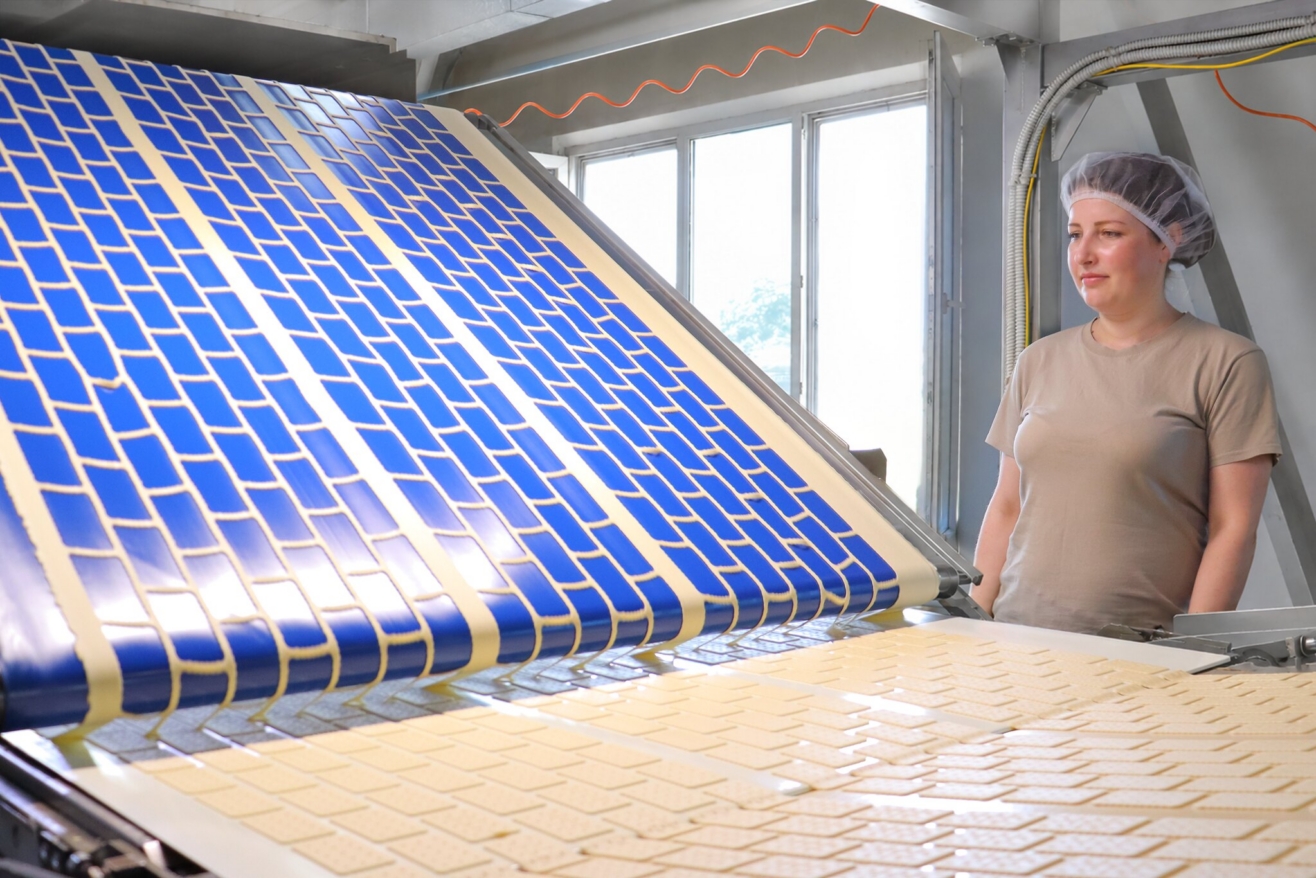
Investing in Ukrainian biscuit manufacturer Yarych
 January 20, 2026
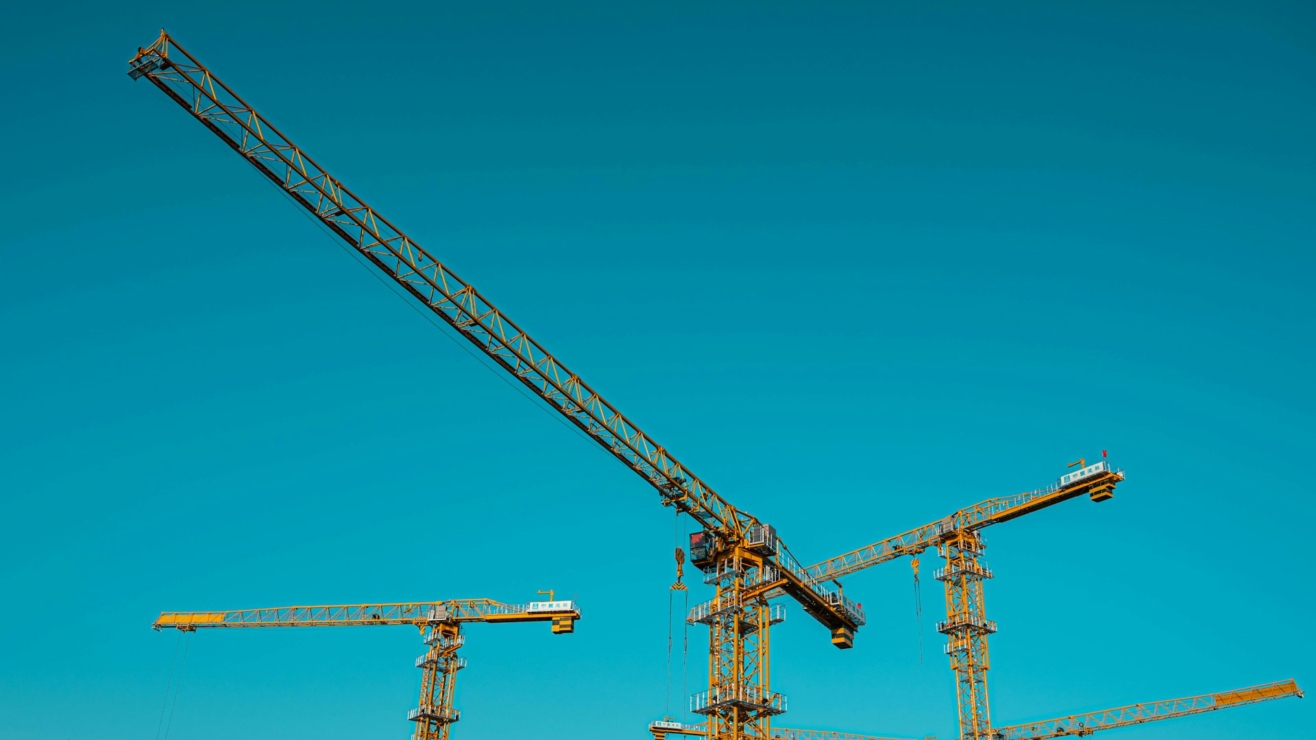
Investing to strengthen Ukraine’s energy security
 November 19, 2025