Strong financial returns from investments in jobs and climate

Norfund’s investments in developing countries aimed at creating jobs and avoiding greenhouse gas emissions have delivered average annual returns of 5.1 percent and 14.4 percent, respectively, according to new figures*.

“Good returns are key to fighting both poverty and the climate crisis,” says Tellef Thorleifsson, CEO of Norfund.

Norfund, the Norwegian government’s investment fund for developing countries, has since 1997 invested in businesses that create jobs to help reduce poverty. Despite operating in some of the world’s most challenging markets, the fund’s development mandate has delivered an average annual return of 5.1 percent in investment currency—or 8.6 percent in NOK—since inception.

“At a time when one third of aid risks disappearing, mobilising private capital has become even more critical to closing the investment gap and fighting poverty. To attract meaningful private capital, we must demonstrate that investors can achieve reasonable returns,” says Tellef Thorleifsson, CEO at Norfund.
High returns reflect demand for climate capital

Since 2022, Norfund has also managed the Climate Investment Fund, which seeks to accelerate the global energy transition by investing in renewable energy in developing countries with rapidly growing fossil power production. The fund has so far generated an average return of 14.4 percent in investment currency, or 19 percent in NOK.

“These returns reflect the fact that demand for capital in these markets far exceeds supply, especially for the type of equity investments we provide,” Thorleifsson explains.

The Climate Investment Fund’s portfolio of NOK 5.5 billion supports projects expected to avoid 17.6 million tonnes of CO₂ emissions annually—more than one third of Norway’s total annual emissions.
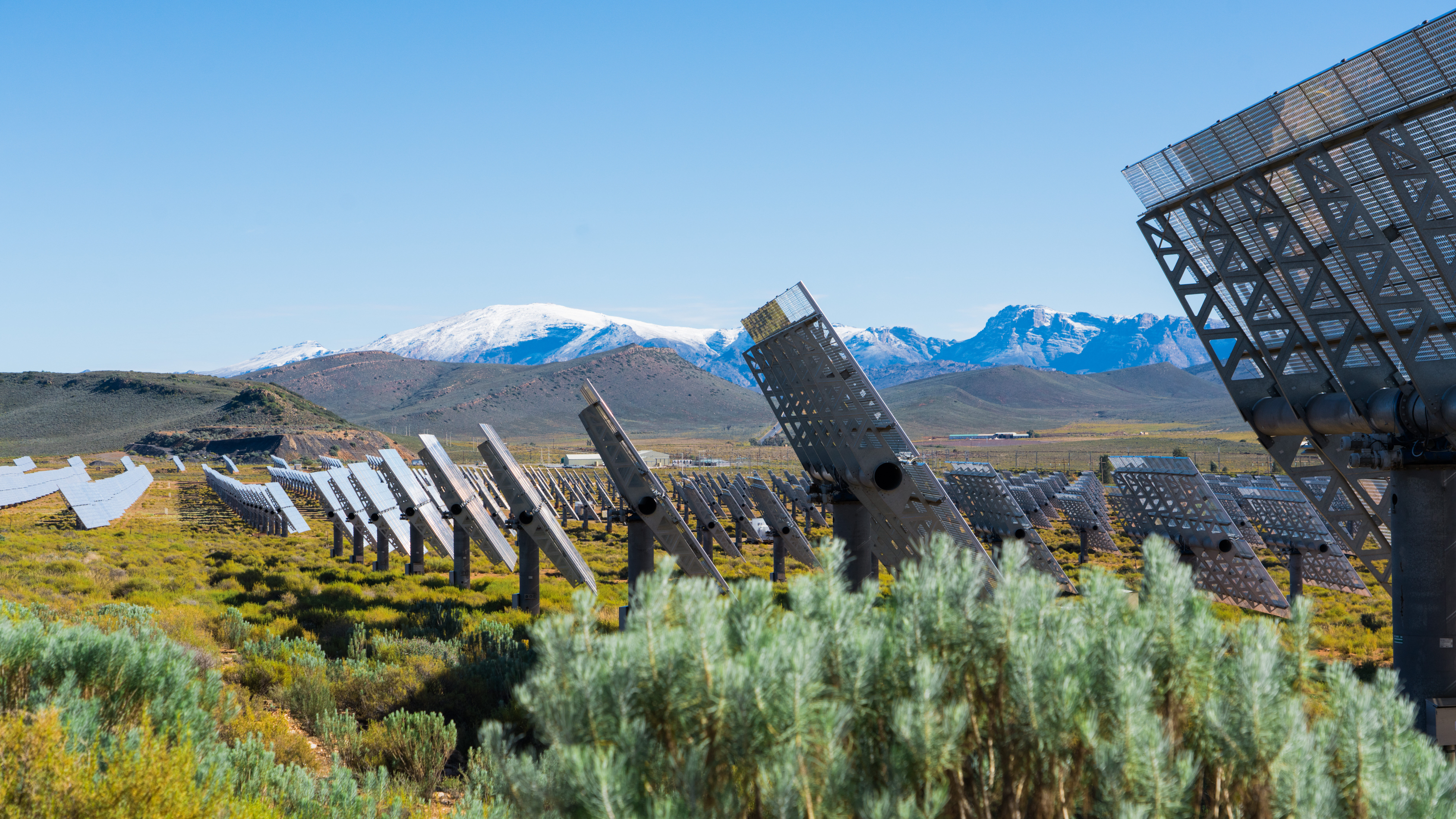
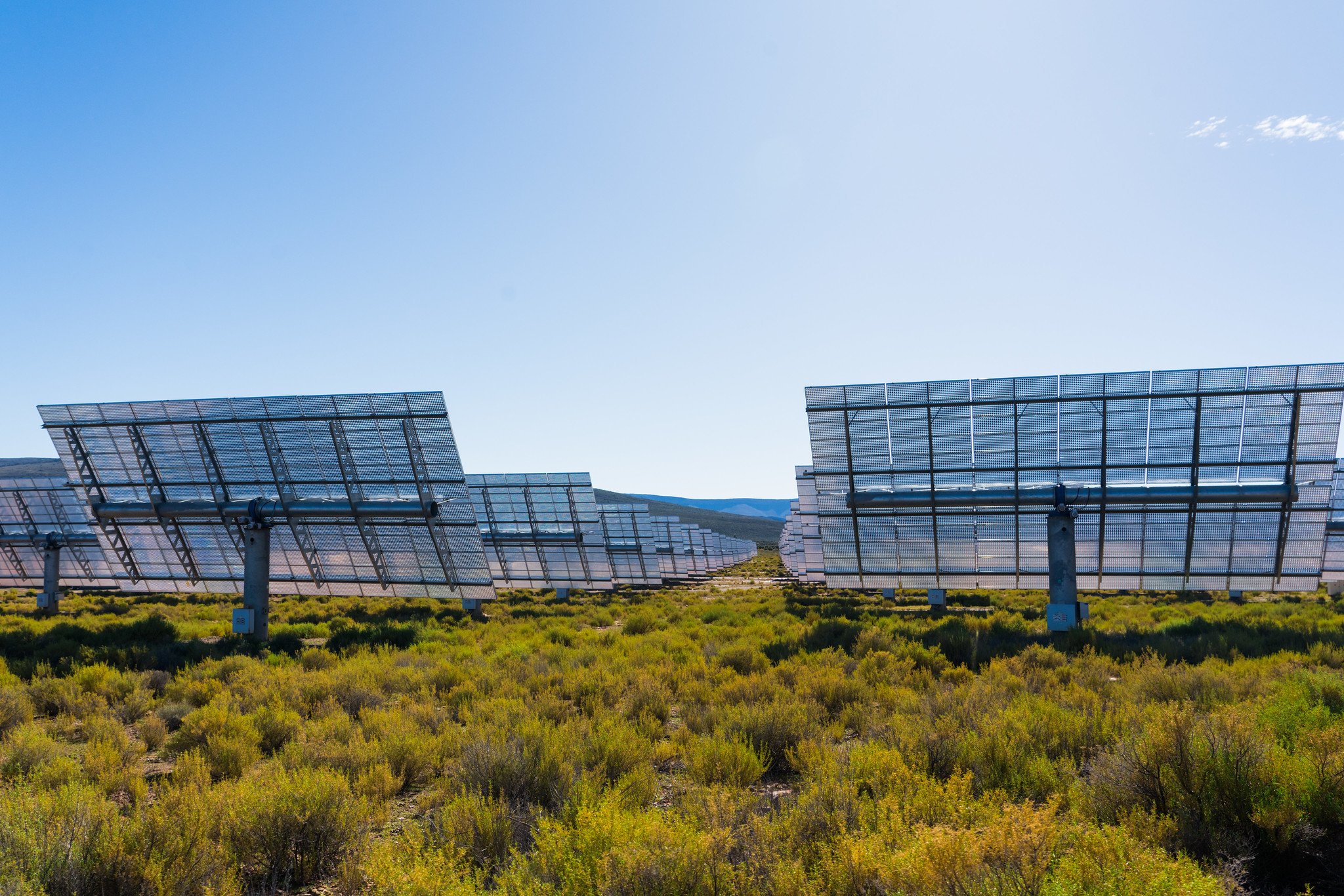
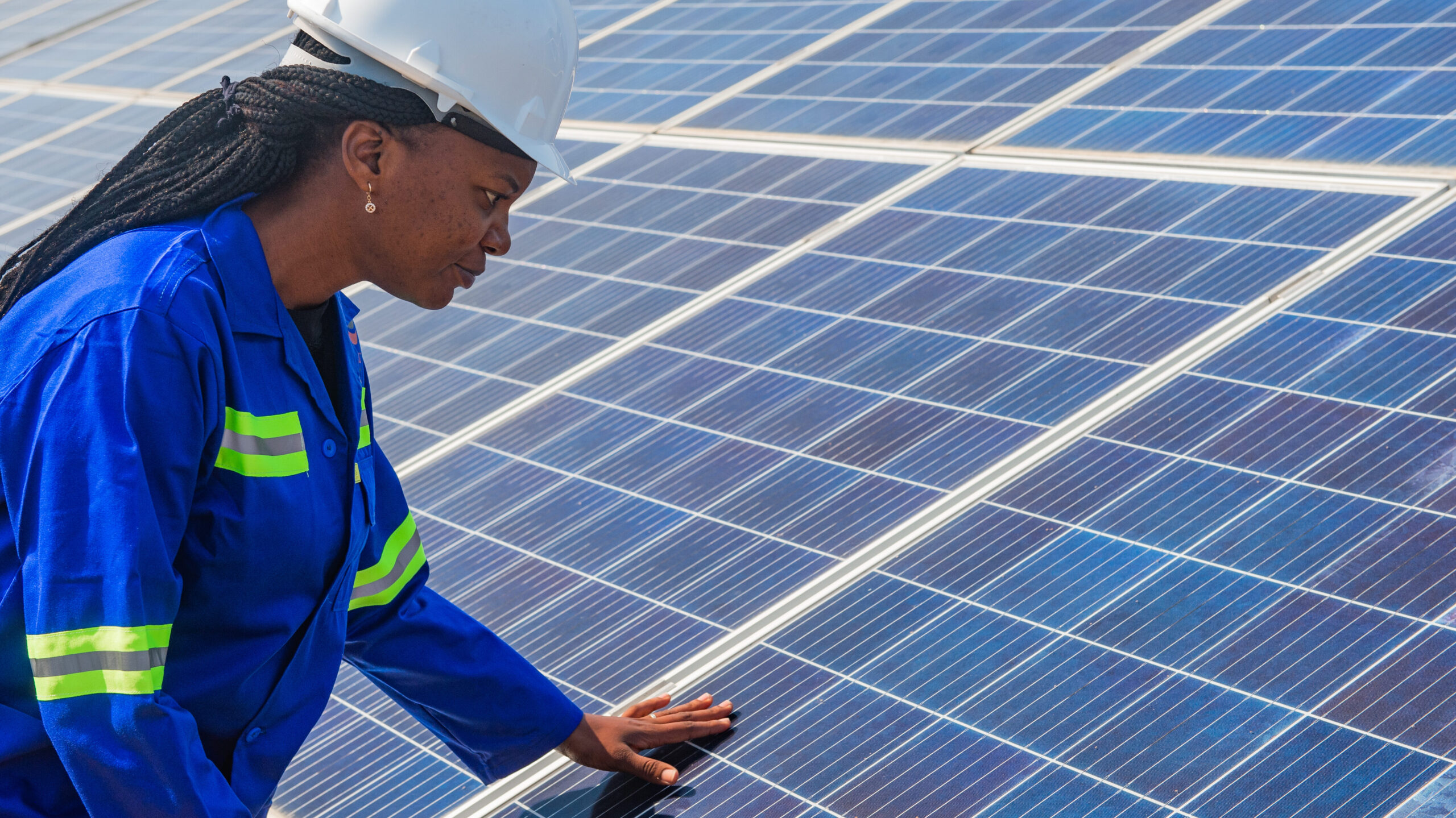
CPV1 plant in Touws River, South Africa. Photo credit: Pele Energy Group.

Efficient operations and capital recycling

Norfund also works to keep total management costs low. For 2024, total costs amount to just 0.99 percent of committed capital.

“Reasonable returns and low costs allow us to deliver effective contributions to both poverty reduction and climate mitigation,” says Thorleifsson.

Since 2022, Norfund has received NOK 1.68 billion annually for its development mandate and NOK 1 billion for the Climate Investment Fund. Just before Christmas, Norfund also received NOK 250 million earmarked for investments in Ukraine. In 2024, Norfund invested NOK 7.7 billion—up NOK 1.2 billion from 2023.

“Returns and exits enable us to invest nearly three times what we receive from the state, but the needs are growing even faster,” says Thorleifsson.

*For 2024 alone, Norfund’s development mandate yielded an 8.3 percent return in investment currency (19.7 percent in NOK), while the Climate Investment Fund delivered 9.3 percent (18.2 percent in NOK).
Business Support Annual Report 2024

Funded by the Norwegian Ministry of Foreign Affairs, Business Support strengthens the development effects of Norfund’s investments through tailored technical assistance.

Investing in high-impact SME fund in Africa’s least developed countries

We are pleased to announce our $7.5 million investment in Inside Equity Fund II L.P., a private equity fund dedicated to supporting small and medium-sized enterprises in some of the most underfinanced and least developed markets in Southeast Africa.

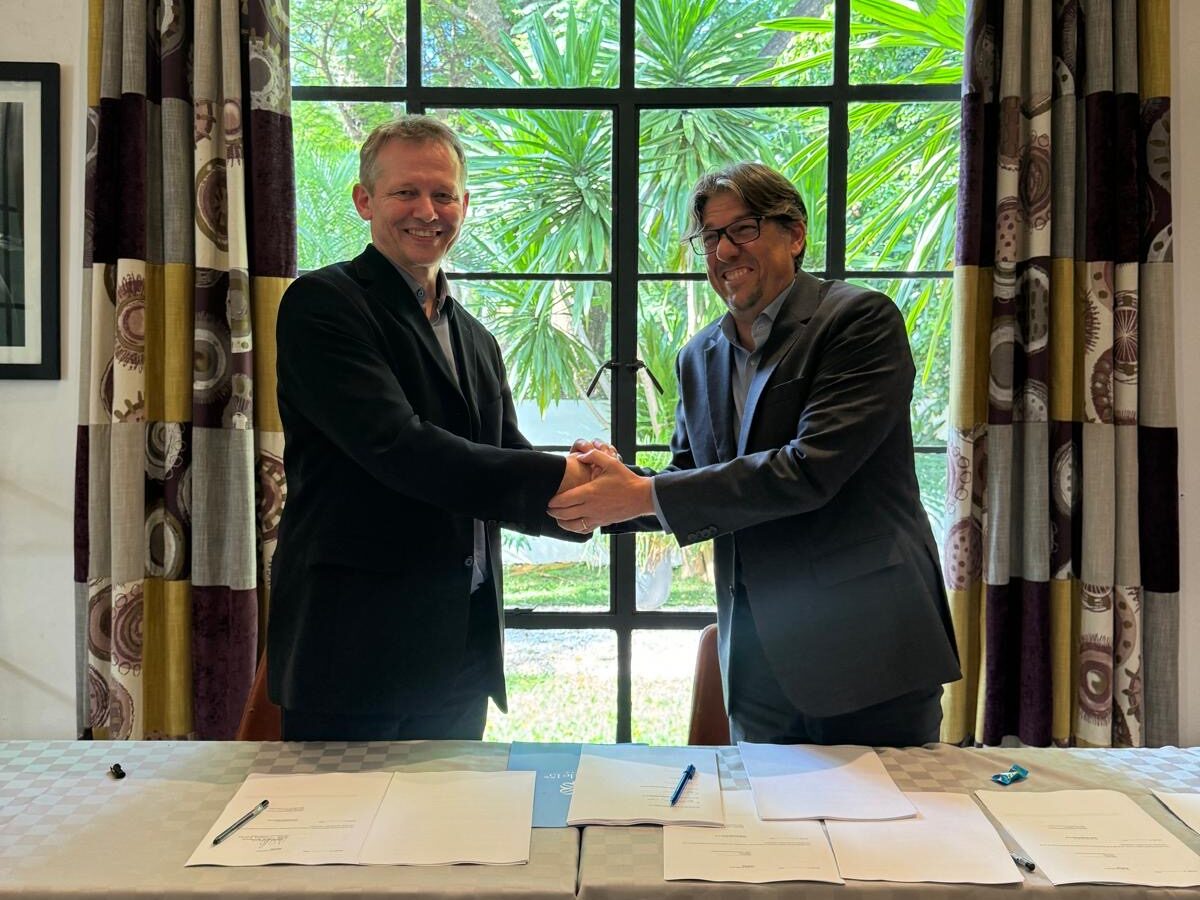
Vegard Halvorsen, Investment Director at Norfund, and Jérôme Lagesse, Managing Partner in IEF, at the signing ceremony in Lusaka, Zambia.

This investment brings the fund’s total capital to at least $62 million, strengthening its ability to provide long-term financing to businesses that drive job creation, waste reduction, access to clean energy, and gender equality.

Financing gap for SMEs

Access to finance remains one of the biggest barriers for SMEs in Africa’s least developed countries. Many businesses with strong strategic and growth potential struggle to secure the capital needed to scale, particularly in high-risk markets where private equity funding is scarce.

Inside Equity Fund II addresses this gap by targeting one of the most challenging SME segments, providing financing to businesses that can drive economic transformation. The fund prioritizes sectors that contribute to sustainable development, such as recycling, renewable energy, and sustainable construction, fostering both economic and environmental progress.

Expanding across the region

The fund will initially invest in Madagascar, Zambia, and Mauritius, potentially with opportunities for expansion into Mozambique and Tanzania—countries where SME growth is equally critical to economic resilience.

This partnership builds on the success of Inside Capital Partners’ first fund, which supported high-impact businesses across the region. Our investment was formalized in Lusaka, Zambia, reinforcing our commitment to financing SMEs that strengthen local economies and create opportunities in underserved communities.

Photo credit: Inside Equity Fund I.

“At Inside, we view investment as a powerful catalyst for transformation. By welcoming Norfund as a Limited Partner, we are deepening our commitment to sustainable growth in Africa’s most underfinanced markets and leveraging our collective expertise to drive meaningful change. Together, we are channeling capital into high-impact SMEs, creating lasting economic opportunities and advancing sustainable development across the region.” explains Jérôme Lagesse, Managing Partner at Inside.

We look forward to seeing Inside Capital Partners continue its important work, driving economic growth and sustainable impact in Africa’s least developed countries.

The SME financing gap

Madagascar: SMEs provide 80% of employment but face a $1.2 billion financing gap.

Zambia: SMEs contribute 50% to GDP and 60% of employment, yet the financing gap stands at $2 billion.

Mauritius: SMEs account for 40% of GDP and 55% of the workforce, with a $500 million financing gap.

33 million USD to boost food resilience in South Africa

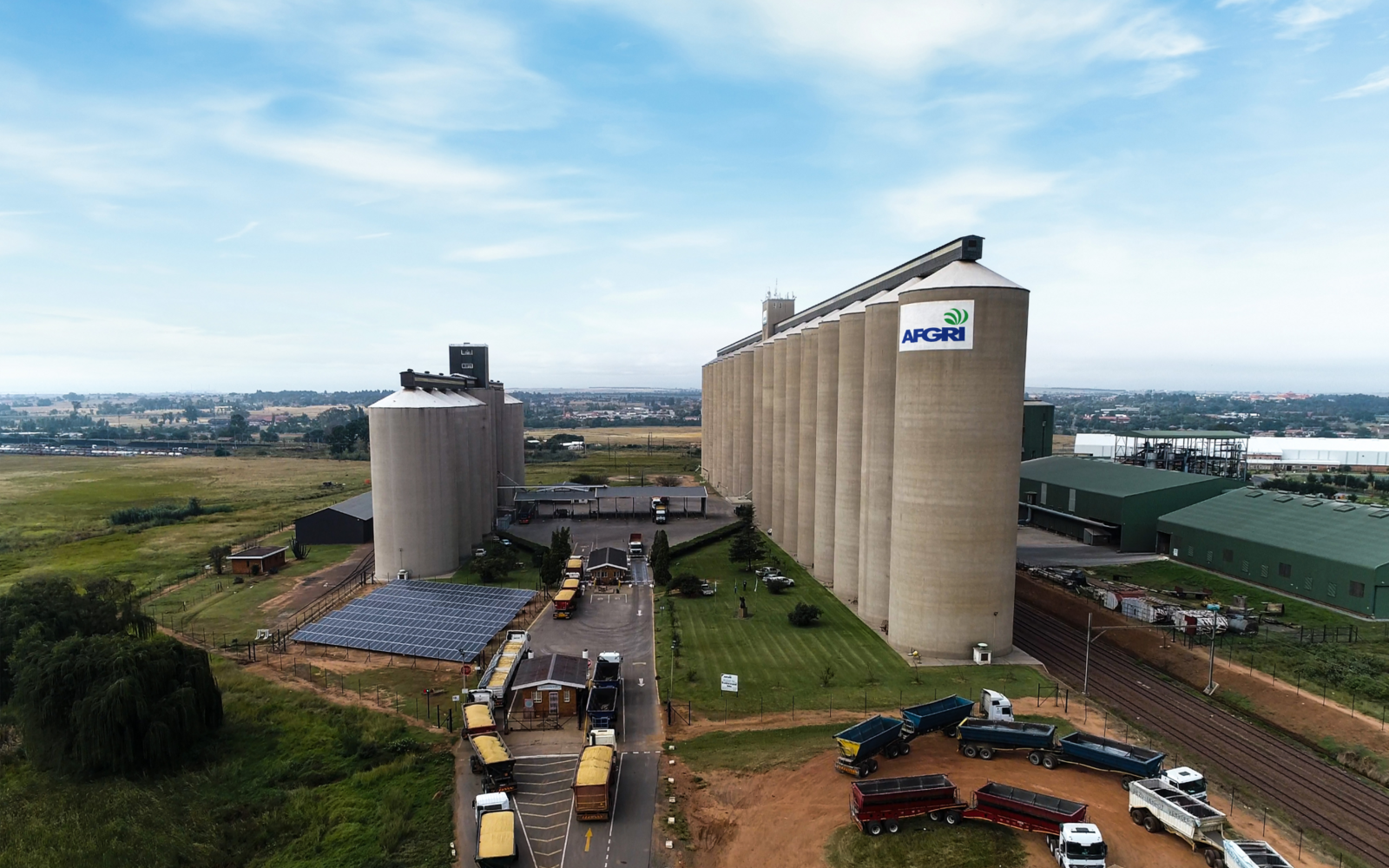
Norfund is providing strategic funding to the AFGRI Group (“AFGRI”), a leading agricultural services company in South Africa, to enhance agricultural productivity, create jobs, and improve food resilience.

Photo credit: Afgri

The strategic funding of 600 million ZAR (approximately 33 million USD / 350 million NOK), will support AFGRI in financing capital expenditures, working capital, and farmer financing.

Impacting tens of thousands of lives

The AFGRI operations support approximately one-third of South Africa’s farmers with a comprehensive range of services, including grain management, agricultural machinery, retail, food processing, animal feed, milling, farmer financing, and insurance.

In 2024 alone, AFGRI supported, both directly and indirectly, nearly 60,000 beneficiaries, aided 121 schools, and created close to 500 jobs, contributing to a workforce that now totals 4,000 employees.

“Agriculture is the backbone of GDP growth, exports, and food security in South Africa. A well-functioning sector is essential for a thriving economy, and this company plays an important role in ensuring its strength and long-term sustainability,” says Simen Berger Øby, SVP at Norfund.

Expanding across Africa

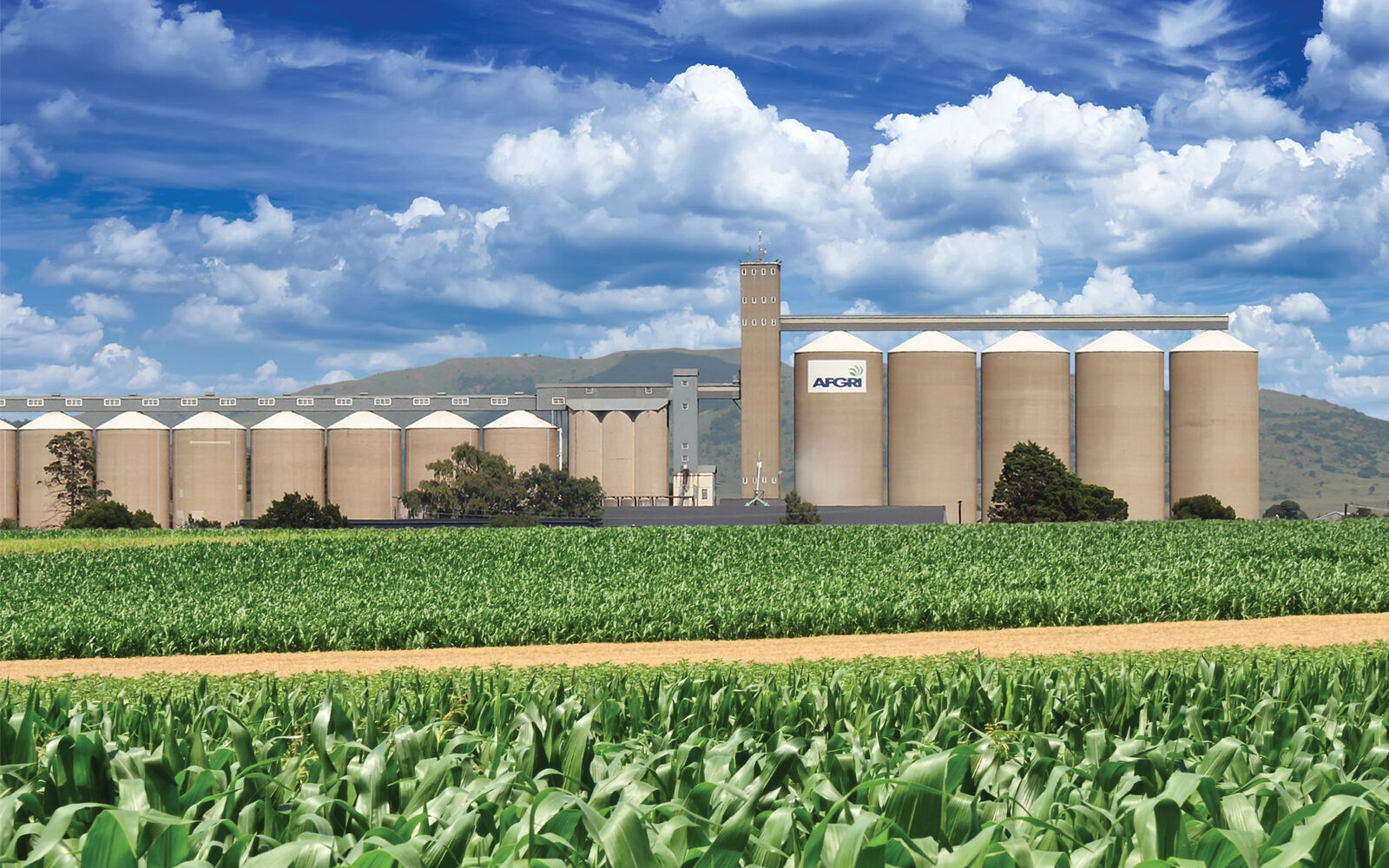
AFGRI has historically been active on the African continent for many years and is once again expanding into selected African markets outside of South Africa. By adapting its strategy to mitigate climate challenges, the company is reinforcing long-term sustainability in an increasingly volatile agricultural sector.

Photo credit: Afgri

“We are committed to ensuring farmers have the resources they need to thrive, and with this strategic funding, we can expand our support, drive innovation, and secure the country’s food supply for the future,” says Norman Celliers, CEO of AFGRI.

Plastic recycling creates jobs and gives women opportunities in Ghana 

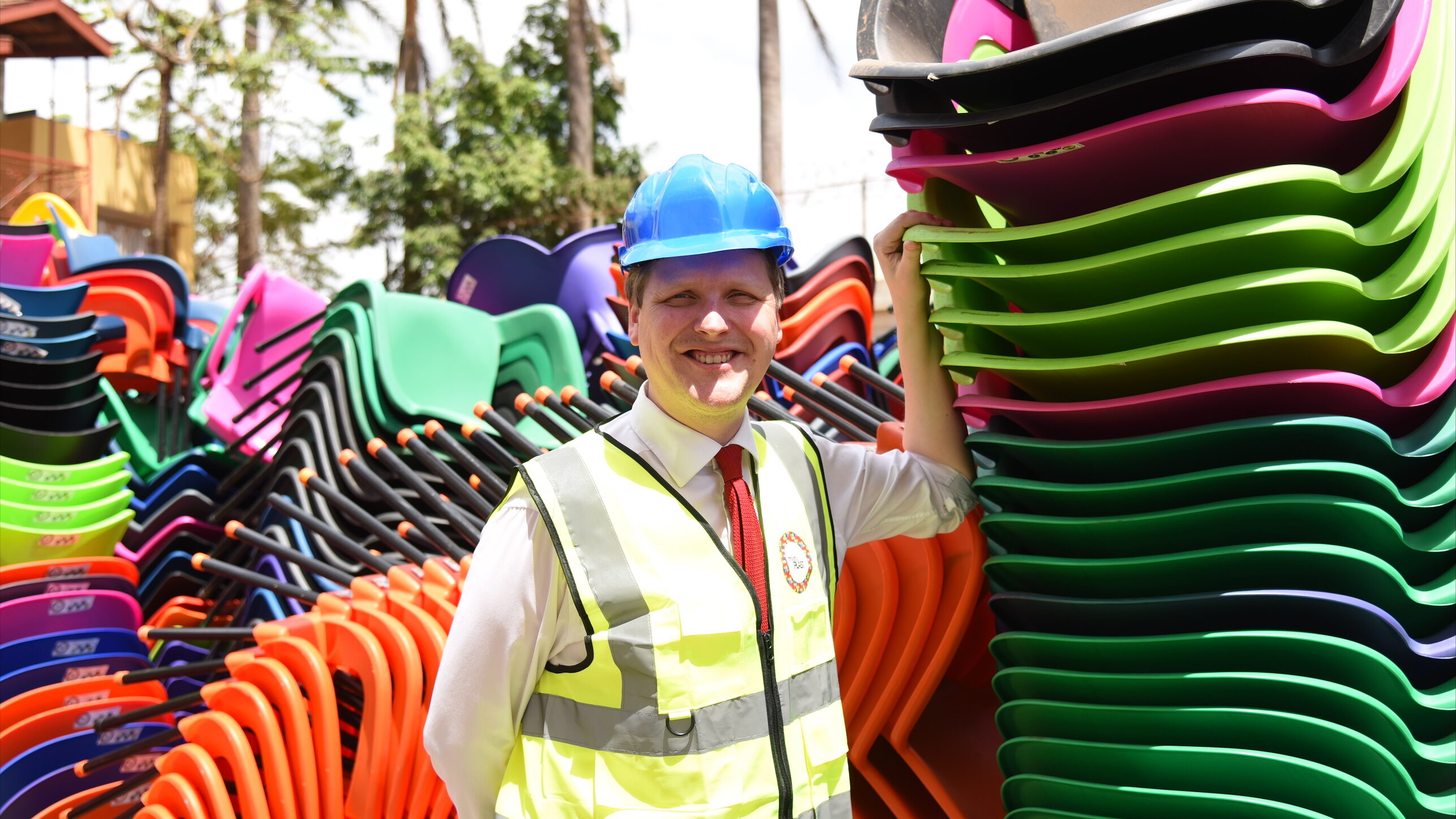
2,5 years after Norfund’s investment in Miniplast in Ghana, the company has doubled the amount of plastic recycled, created 700 new jobs and more than tripled the share of women in the workforce. 

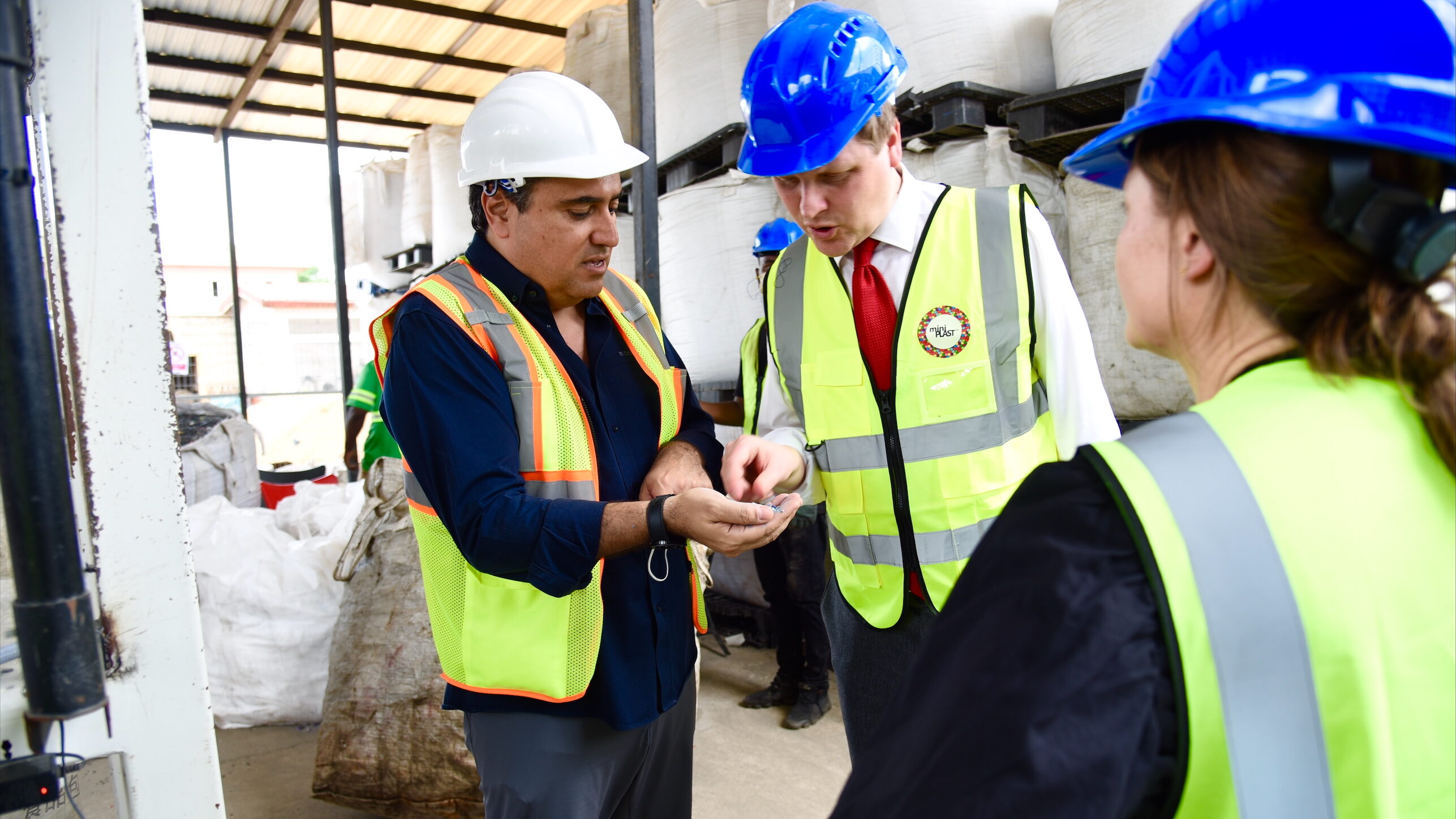
Åsmund Aukrust, Norway’s Minister of Development, visiting Miniplast 18th of March 2025.

«The investment in Miniplast showcases how we can attain multiple goals simultaneously. It is an inspiring example of how contributing to solving a significant environmental challenge through private initiatives, can also contribute to creating jobs and give more opportunities for women, which is an important goal for Norway”, said Åsmund Aukrust, Norway’s Minister of International Development, visiting the company in Ghana 18th March. 

In July 2023 Norfund announced a USD 10.5 million investment in Miniplast Ghana Ltd, a leading plastics manufacturer based in Accra. The capital has gone to purchasing new machinery to increase the company’s capacity to use more locally sourced recycled materials to substitute imported plastic resins. 

“At the end of 2023, we had 980 employees, of which 909 were men and 71 were women. Today we have 1700 employees of which more than 500 are women”, says Nadim Ghanem, CEO of Miniplast. 

Nadim Ghanem and Åsmund Aukrust.

Poverty in Ghana had been on a downward trend since the 1990s but went on the rise after the COVID-19 pandemic. Weak economic growth and high inflation—particularly in food prices—have worsened living standards, pushing more people into poverty (World Bank). 

“Having a job to go to and an income to live on is the way out of poverty for most people, whether in Norway or here in Ghana. Work for all is definitely “job number one” also in the Government’s efforts to fighting poverty at a global level,” says Minister Aukrust. 

“Having a job making ends meet, is key to ending poverty all over the world. As people and companies are paying taxes, more resources can be put towards basic services such as health and education, making countries fend for their own people – the ultimate goal for international development”, said Minister Aukrust. 

The minister is pleased to see how Miniplast has increased the share of women in the workforce.  

“There will be no sustainable development if only half of the population is involved. Thus, gender equality and women’s inclusion in the workforce are essential to combat poverty,” said Aukrust.  

Proving functioning models to fight plastic pollution

More than 171 trillion pieces of plastic are estimated to be floating in the world’s oceans and could further nearly triple by 2040. Establishing systems for collection of plastic waste is however complicated even in high-income countries. It is even more challenging in countries where waste regulation and producer responsibility are often lacking. 

“Plastic recycling is necessary for the environment and obviously the right thing to do, but It is only viable here in Africa when it is economically viable”, says Nadim Ghanem, CEO of Miniplast. 

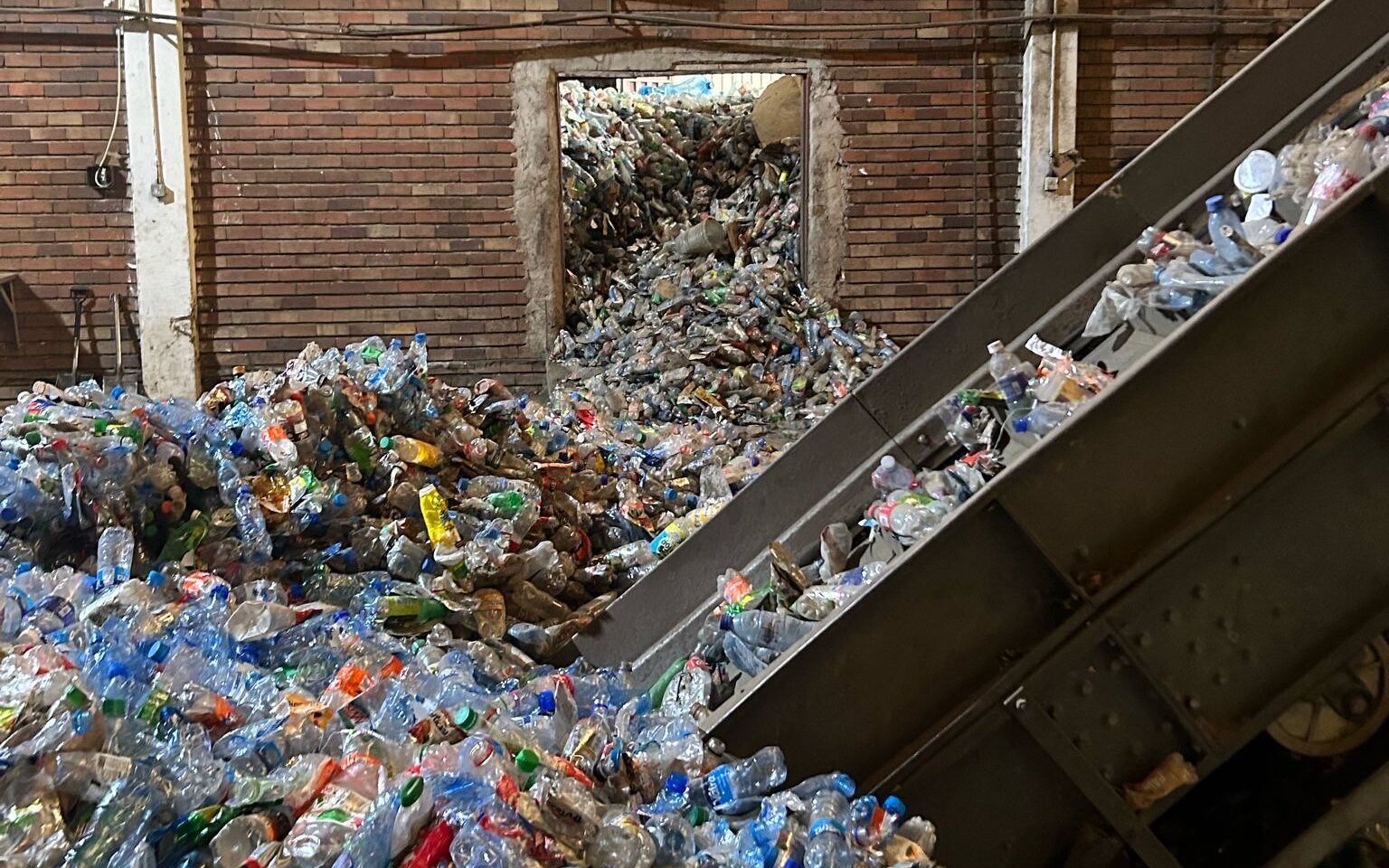
Since Norfund’s investment, Miniplast has almost doubled the amount of recycled plastic in the production of new products from 800 tons in 2023 to 1500 tons in 2025 per month.  

“The contributions of this investment may seem small compared to the overwhelming challenge of plastic pollution. However, by showcasing a functioning model like Miniplast, we believe we can enable the development of an industry and the promotion of a culture of waste management, while creating a large number of jobs, says Obafemi Awobokun, project manager for Miniplast in Norfund. 

Increased standards on health, environment and safety

In partnership with Norfund, Miniplast has developed its capacity within health, environment and safety, and the company was recently certified as having world-class systems for Quality Management, Occupational Health and Safety Management, Environmental Management, and Food Safety Management (ISO 14001:2015, ISO 45001:2018, FSSC 22000 in 2024, in addition to ISO 9001).   

“The certifications reflect Miniplast’s commitment to making a positive contribution to both the environment and society, but we would not have achieved this without our partnership with Norfund. We are confident that the development will support Miniplast in acquiring new customers, entering new markets, and developing new business lines”, says Nadim Ghanem, CEO of Miniplast. 

Investment in new South African energy platform to avoid 1.9 million tons of CO2

The Climate Investment Fund is investing in a new South African platform for renewable energy, operated by Pele Green Energy Group. The capital will finance projects that will avoid 1.9 million tons of CO2.

Photo credit: Pele Green Energy

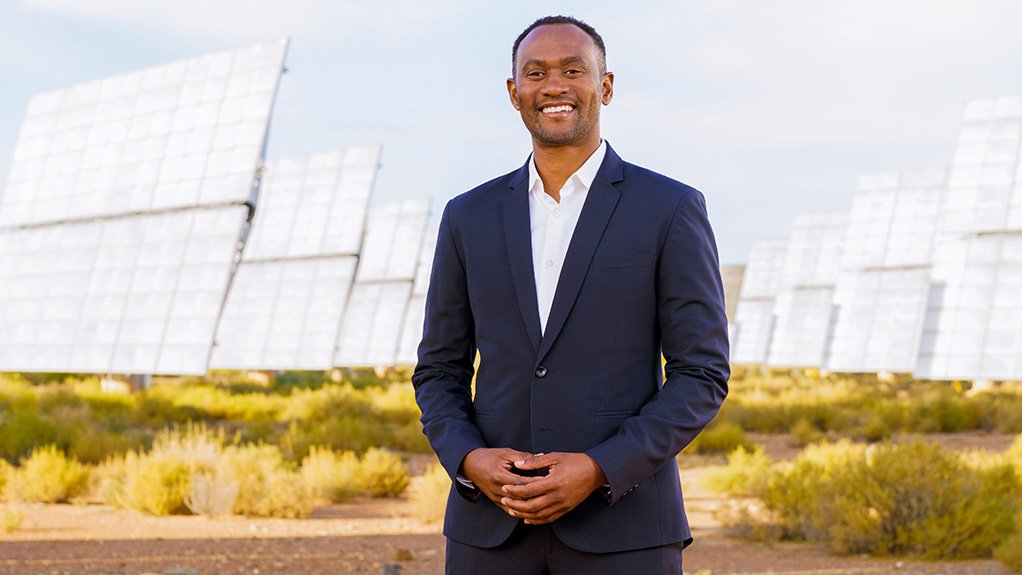
Pele Green Energy Group is a South African Black Economic Empowerment (BEE) infrastructure company, founded by five young entrepreneurs in 2009. The group develops, owns, builds, and operates renewable energy projects. As of today, they have 980 MW in operation, 670 MW under construction, and a further pipeline of more than 5 GW under development.

The Climate Investment Fund, managed by Norfund, is partnering with Nedbank, one of South Africa’s largest banks, to invest a total of R575 Million (350 million NOK) to scale up the company’s investments in renewable energy.

Avoids equivalent of 4% of Norway’s emissions

“We see this investment as a significant contribution to meeting South Africa’s growing energy needs while avoiding large scale emissions,” says Bjørnar Baugerud, head of the Climate Investment Fund at Norfund.

The projects the investment will help finance are estimated to avoid emissions of 1.9 million tons of CO2 per year. This alone corresponds to 4% of Norway’s annual emissions – or more than the emissions from Equinor’s refinery at Mongstad, the largest source of emissions in Norway.

“This is a brilliant example of how effective the Climate Investment Fund is in accelerating the global energy transition and limiting climate change, which affects the poorest the hardest,” says Minister of International Development Åsmund Aukrust.

Aukrust refers to an independent evaluation of Norfund and the Climate Investment Fund’s energy investments presented last week, which showed very effective results.

Focuses on energy for businesses and battery storage

Norfund first invested in Pele Green Energy in 2023, and the investment of approximately 400 million NOK has contributed to the construction of a portfolio of large solar and wind power plants. The company now needs more capital to finance further growth, which is planned within projects that deliver energy directly to businesses (C&I), investments in battery storage, and government tenders for larger renewable projects.

“This transaction is a game-changer for the Pele Energy Group and the broader renewable energy sector,” said Gqi Raoleka, CEO of Pele Energy Group. “Having Nedbank and Norfund as strategic partners in our capital structure reflects their strong belief in our vision and capabilities. This backing enables us to accelerate project development, scale impact, secure new opportunities, and drive sustainable energy solutions that will have a lasting impact on Africa’s energy future.”

South Africa has been severely affected by power rationing in recent years, and last week this reached its highest level in over a year after several power plants failed.

As the world’s 14th largest emitter of greenhouse gases, South Africa’s energy sector is heavily dominated by coal power, which accounts for almost 90 percent of the energy supply.

Norfund commits $20 Million to boost solar energy and job creation in Colombia  

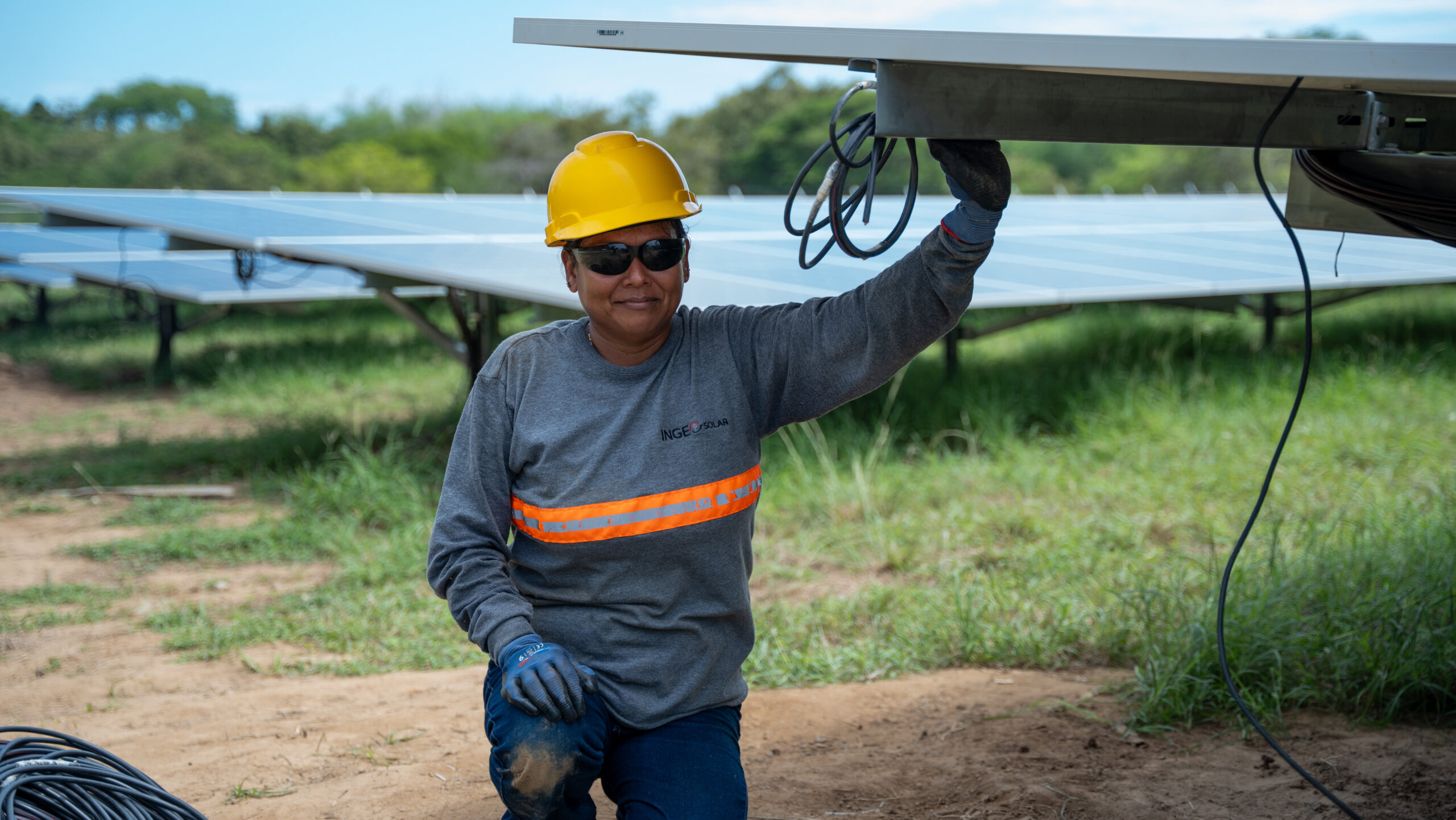
Norfund has increased its investment in Erco Energía with a USD $20 million subordinated loan. The total investment of USD $50 million will create jobs and provide electricity through developing and constructing solar projects in Colombia.  

Photo credit: Erco Energía

Norfund’s investment also plays a catalytic role by attracting a leading national financial institution to provide senior debt financing, further expanding Erco Energía’s access to capital, which is a critical barrier to reach net zero emissions in the region by 2050.   

64% of Colombia’s electricity comes from hydro power, and droughts and more unstable weather as a result of climate change, means a more diverse energy mix is important also for energy security. According to Colombia’s energy plans, the share of solar energy in the energy mix is projected to range between 10% and 21% by 2037, while it only accounted for 1.2% of electricity generation in 2023.    

“Since before our initial investment the team and achievements of Erco have impressed us. We are excited to increase the number of jobs and access to renewable energy through this investment”

Arnoldo Morice, Senior Investment Manager in Norfund

With over 12 years of experience in the sector, Erco Energía has played a key role in integrating renewable, cost-efficient, and digital energy solutions in Colombia. To date, the company has developed projects totaling over 323 MW from small to bigger scale, and it is targeting 1 GW of installed capacity by 2030.  

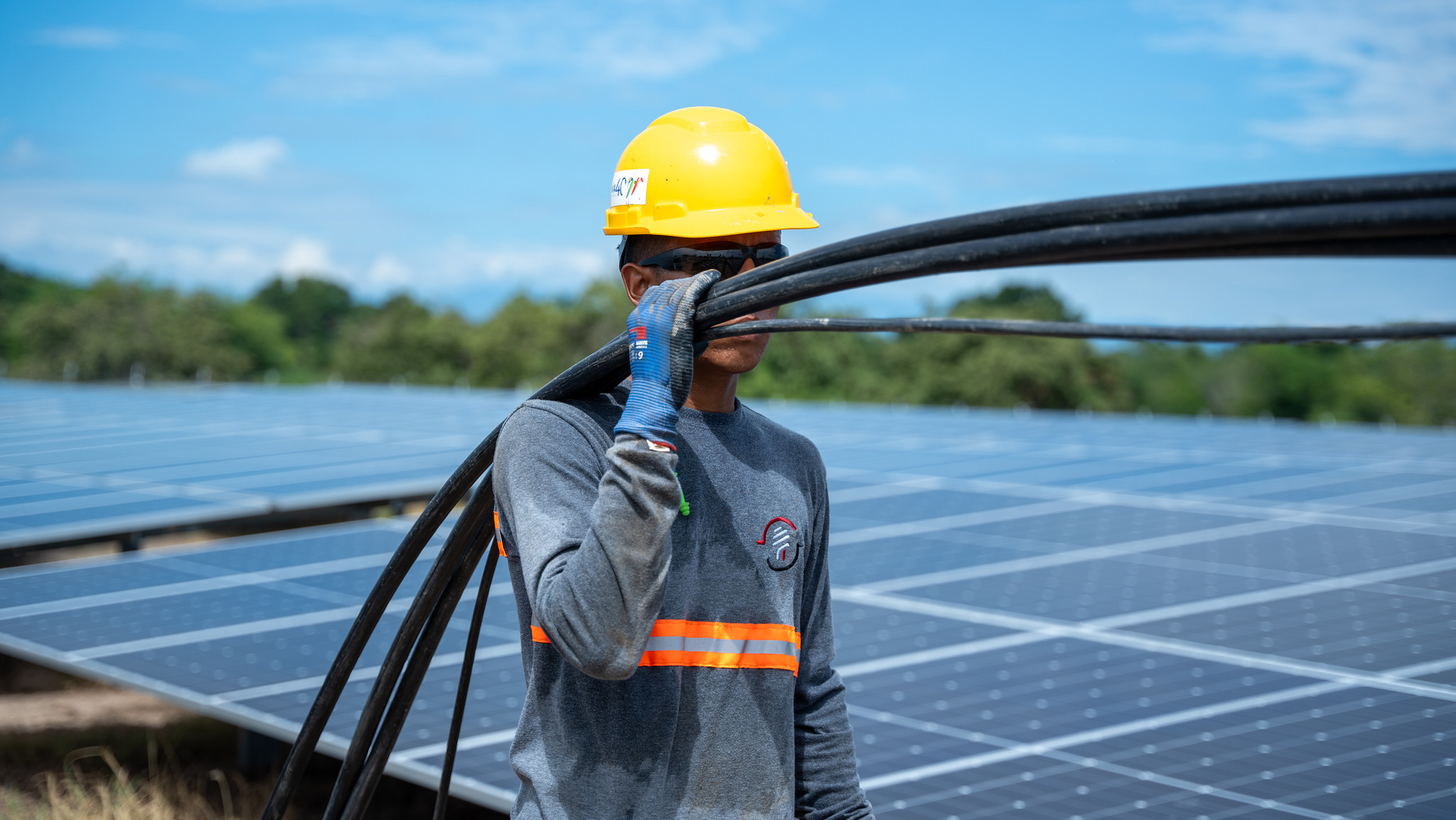
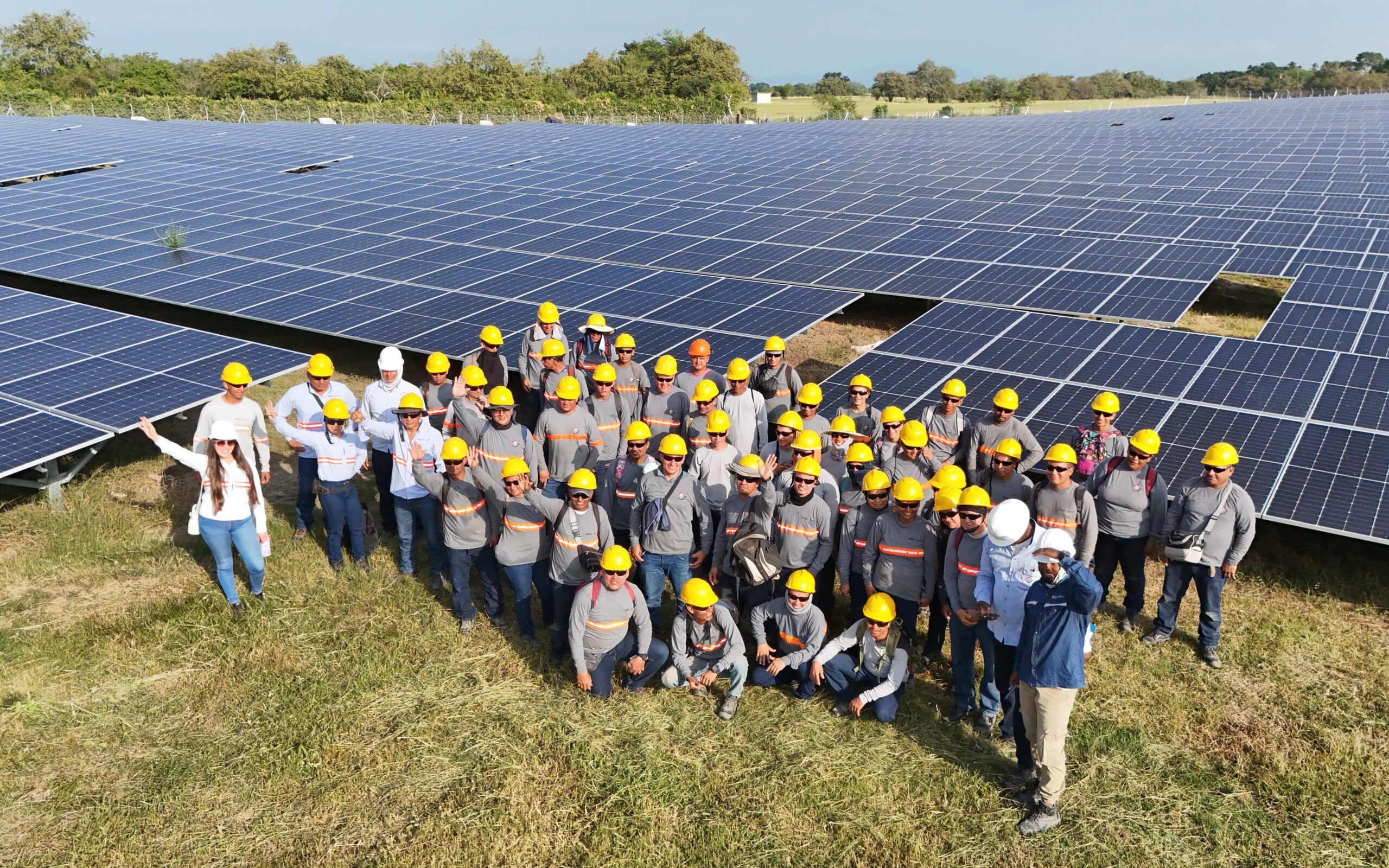
Since 2023, Erco has increased the number of permanent positions with 613 and provided more than 2000 temporary jobs. To make sure the communities nearby the facilities benefit, local workers have been given specialized training in construction and maintenance.   

Photo credit: Erco Energía

“A well-executed social engagement strategy transforms solar projects from being just energy investments into catalysts for community growth and empowerment. By ensuring alignment with local needs and aspirations, developers can achieve greater acceptance, long-term project sustainability, and a positive social and environmental legacy.” says Luis Fernando Gómez, Chief Financial Officer of Erco.   

In the projects in Guamo, Numbana, Rokra and La Martina the company has identified key stakeholders and explained each development phase, highlighting benefits, addressing concerns, and encouraging active community participation. Projects such as integrating natural vegetation control with livestock, donating solar-powered streetlights for safer roads, and providing school kits and tablets to students have contributed to secure local support.   


Evaluation of Norfund’s energy investments shows effective results

An independent evaluation of Norfund’s energy investments shows that they have delivered good and sustainable results.

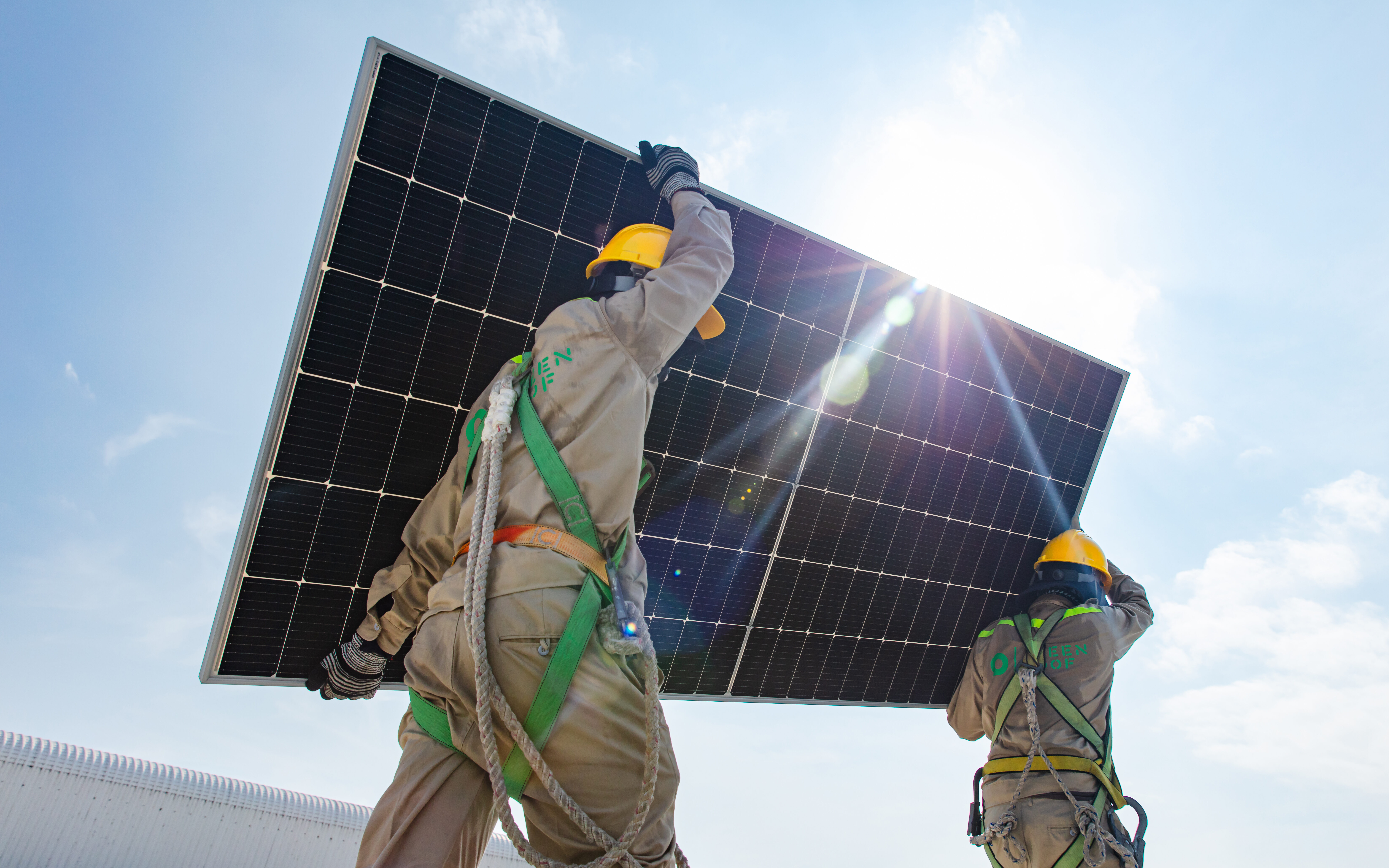
Photo credit: Green Roof

“We are pleased that such a comprehensive review confirms that Norfund’s energy investments have effectively delivered on access to energy and avoided emissions,” says Tellef Thorleifsson, CEO of Norfund.

The evaluation was conducted by KPMG on behalf of the Department for the Evaluation of Norwegian Development Cooperation, which was recently moved from Norad to Norec. The report covers investments in renewable energy under Norfund’s development mandate during the period 2015–2023, and under the Climate Investment Fund managed by Norfund from 2022–2023.

“I am pleased that the report shows that our focus on economic sustainability in the projects and efficiency in our own operations are important contributions to the good results,”

Tellef Thorleifsson

The report shows that Norfund’s investments have contributed to increased electricity production, improved access to renewable energy, and avoided greenhouse gas emissions in developing countries. In the years covered by the evaluation, Norfund contributed to financing more than 11 GW of new electricity production and enabled over 7 million households to gain access to electricity.

Recommends raising the targets for the Climate Investment Fund

It is estimated that the Climate Investment Fund’s investments will contribute to initiating energy production that will annually avoid 14.7 million tonnes of CO2, equivalent to 31% of Norwegian emissions in 2023. This is already more than the target Norfund had set for the period until 2026. The evaluation therefore recommends raising the target.

“We are pleased that the evaluation concludes that Norfund delivers results in line with the state’s goals for our mandates,” says Thorleifsson.

Already underway with the recommendation to invest in transmission

The evaluation also includes proposals for adjustments, including investing more in the power grid to reduce bottlenecks in energy development.

“The recommendation is in line with our own analyses, and we are already underway with investments in the power grid under both of our mandates,” says Thorleifsson. 

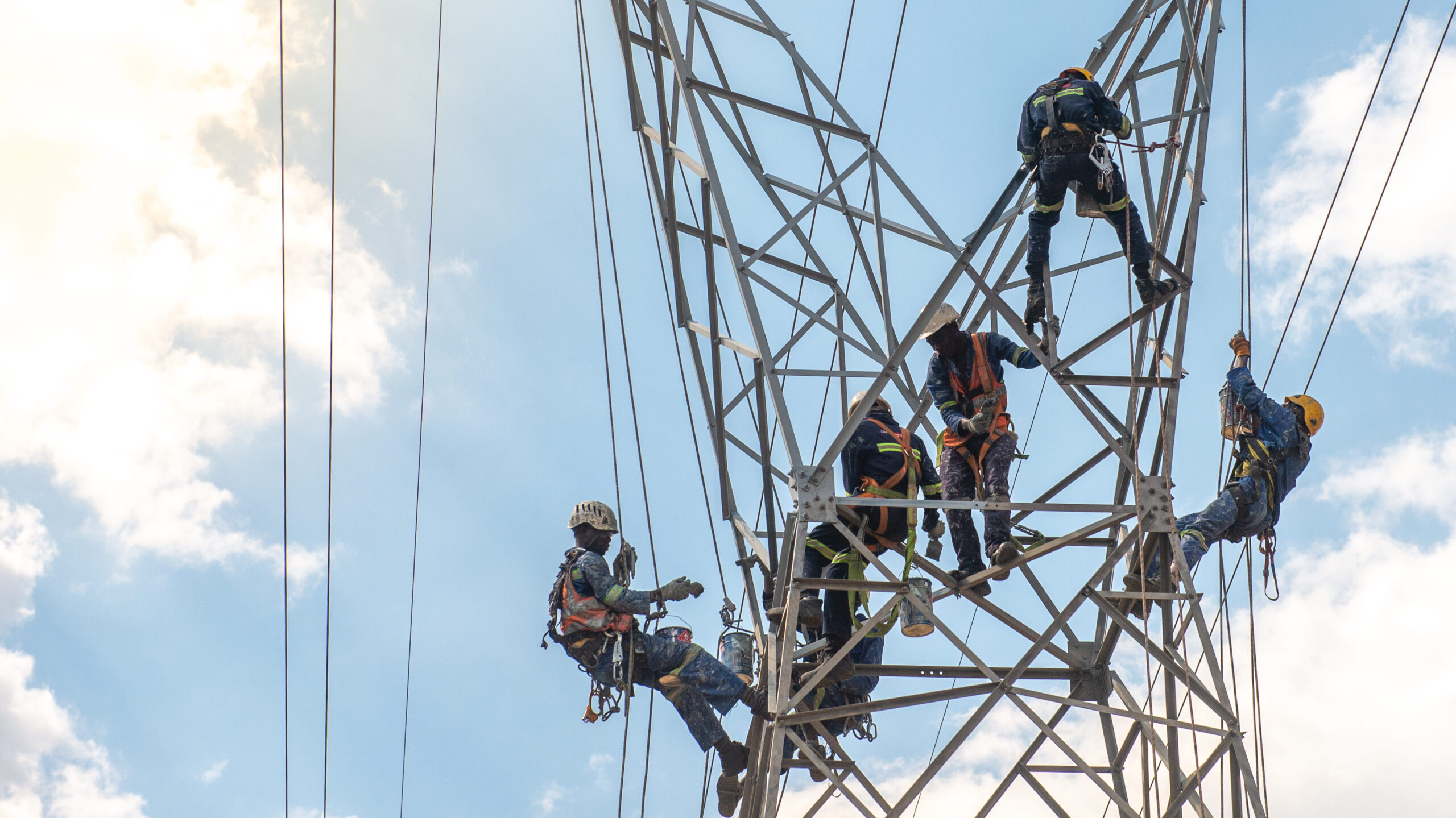
Photo credit: Copperbelt Energy Corporation

He refers to recent investments in Zambia and India, but also points out that many of Norfund’s prioritized countries under the development mandate do not allow private investments in power grids.

Under the Climate Investment Fund, Norfund has made several significant investments in power grids. However, there is a challenge: no standard exists for calculating the climate impact of these.

“There is no doubt that there will be no energy transition without transmission, and we know that the climate impact of connecting more renewable energy to the grid through investments in power grids is significant, but for now, they are not included in the numbers we report for avoided emissions,” says Thorleifsson.

Expanding financial inclusion in Bangladesh

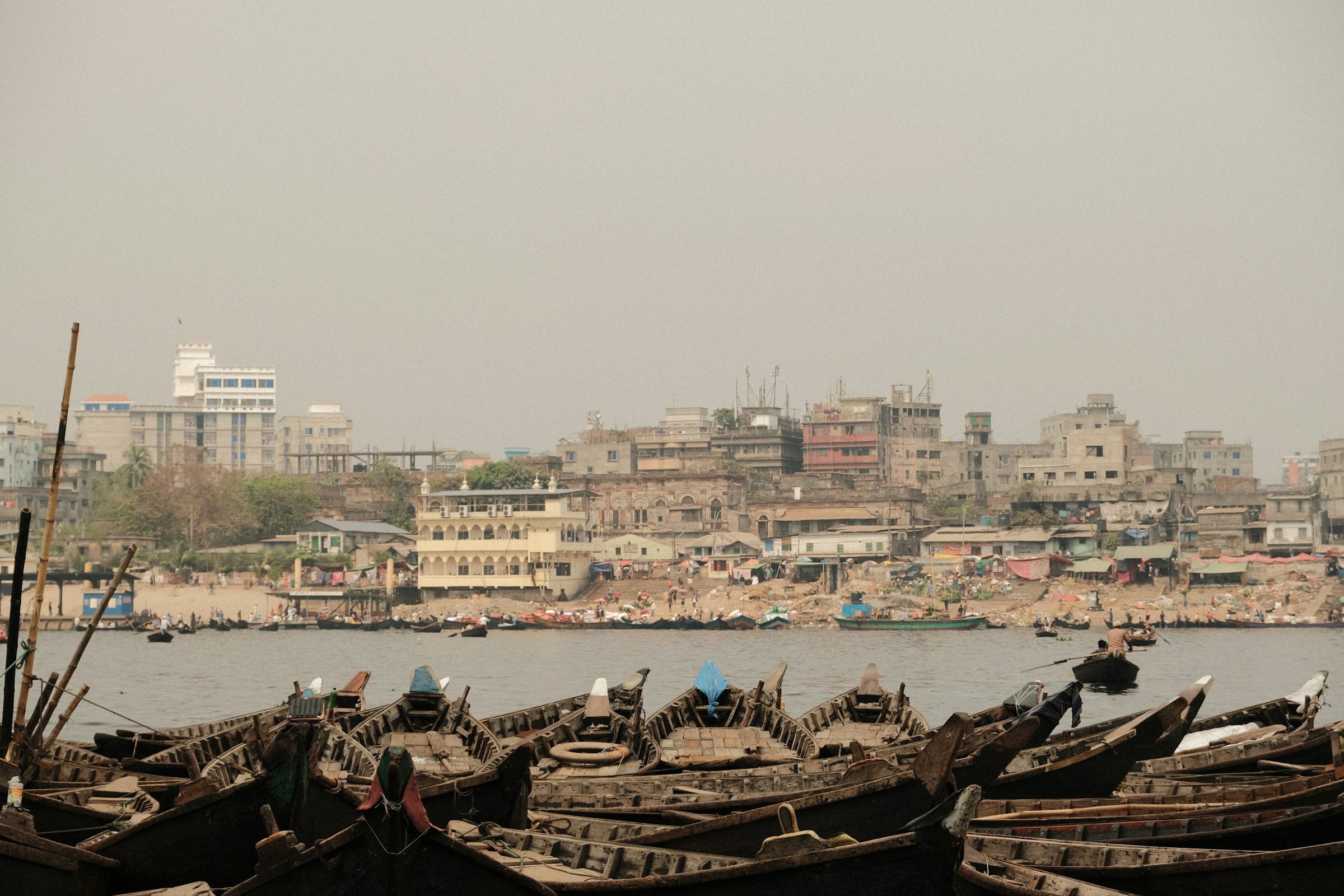
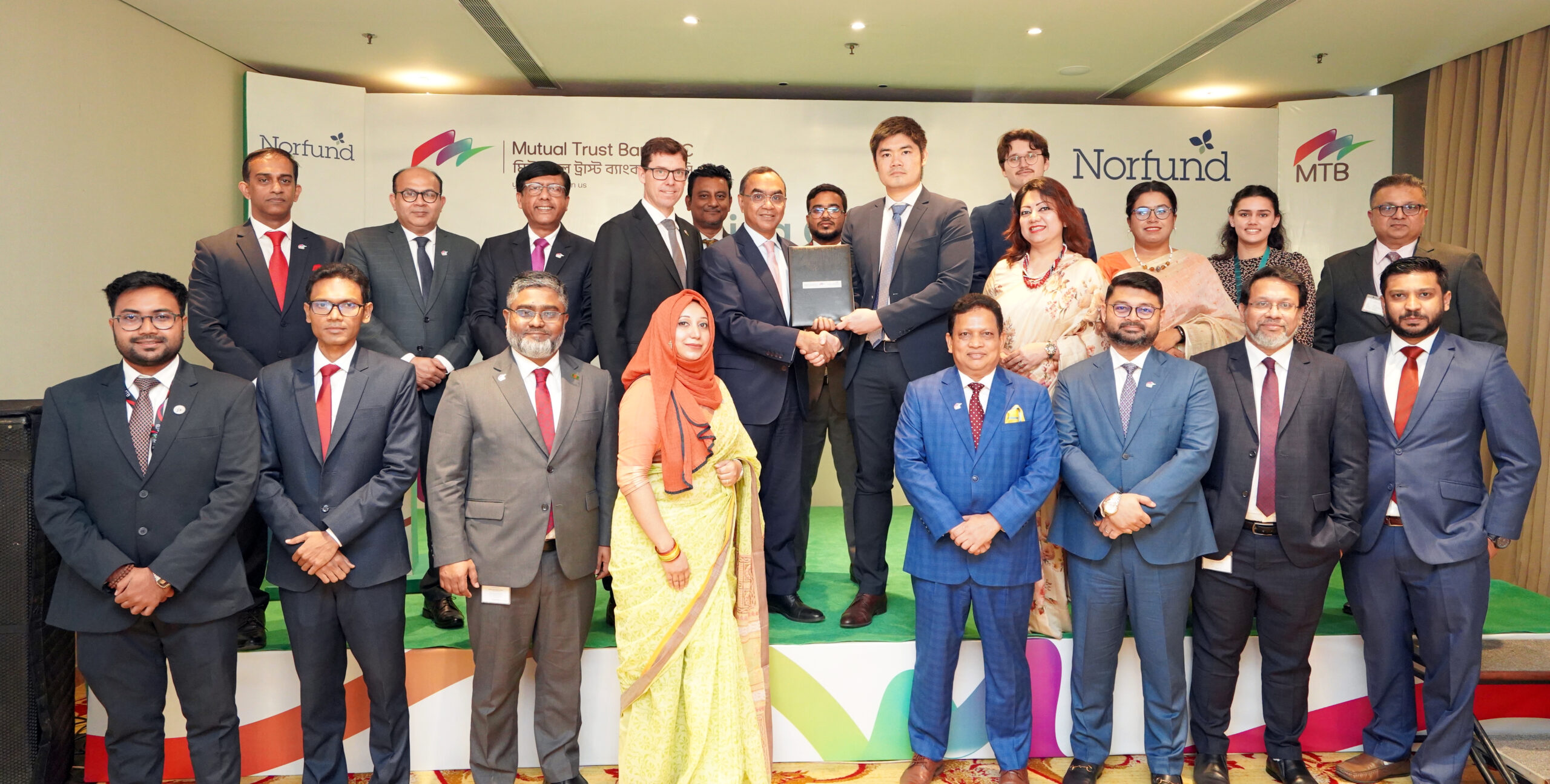
We are strengthening our long-term partnership with Mutual Trust Bank PLC through a USD 25 million term loan, improving access to finance for SMEs and women-led enterprises in Bangladesh.

MTB has been recognized for its commitment to financial inclusion, receiving awards for its support to SMEs and women entrepreneurs. With a nationwide presence and a strong digital banking network, the bank plays a crucial role in expanding access to financial services across both urban and rural areas.

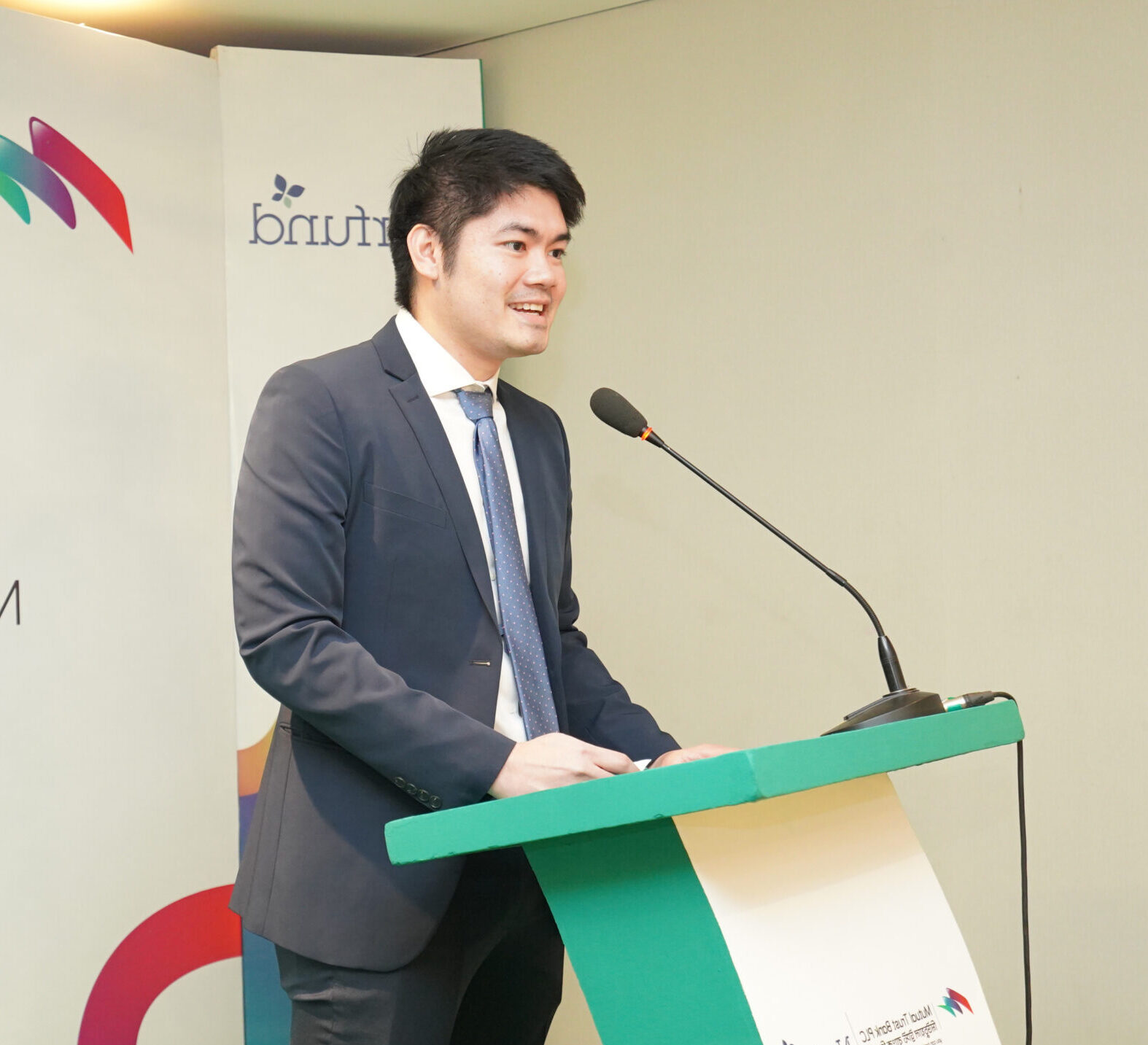
“The loan aims to enhance financial inclusion in the country, particularly for underserved SMEs and micro-enterprises. This demonstrates our confidence in our partnership with MTB during this transitional period for the country and underscores our commitment to our mission and long-term vision with MTB,”

Max Saweera Rachawong, Investment Manager at Norfund

While Bangladesh has made significant strides in financial inclusion, challenges remain. As of the latest data, 44 percent of women and 63 percent of men have access to formal financial services, highlighting the ongoing need for targeted efforts to close the gender gap and ensure broader financial access. Through this collaboration, Norfund aims to promote inclusive economic growth and reduce the financial inclusion gender gap in Bangladesh.

18 % growth in Norfund investments in 2024

Norfund increased its investments by NOK 1.2 billion in 2024, reaching a total of NOK 7.7 billion.

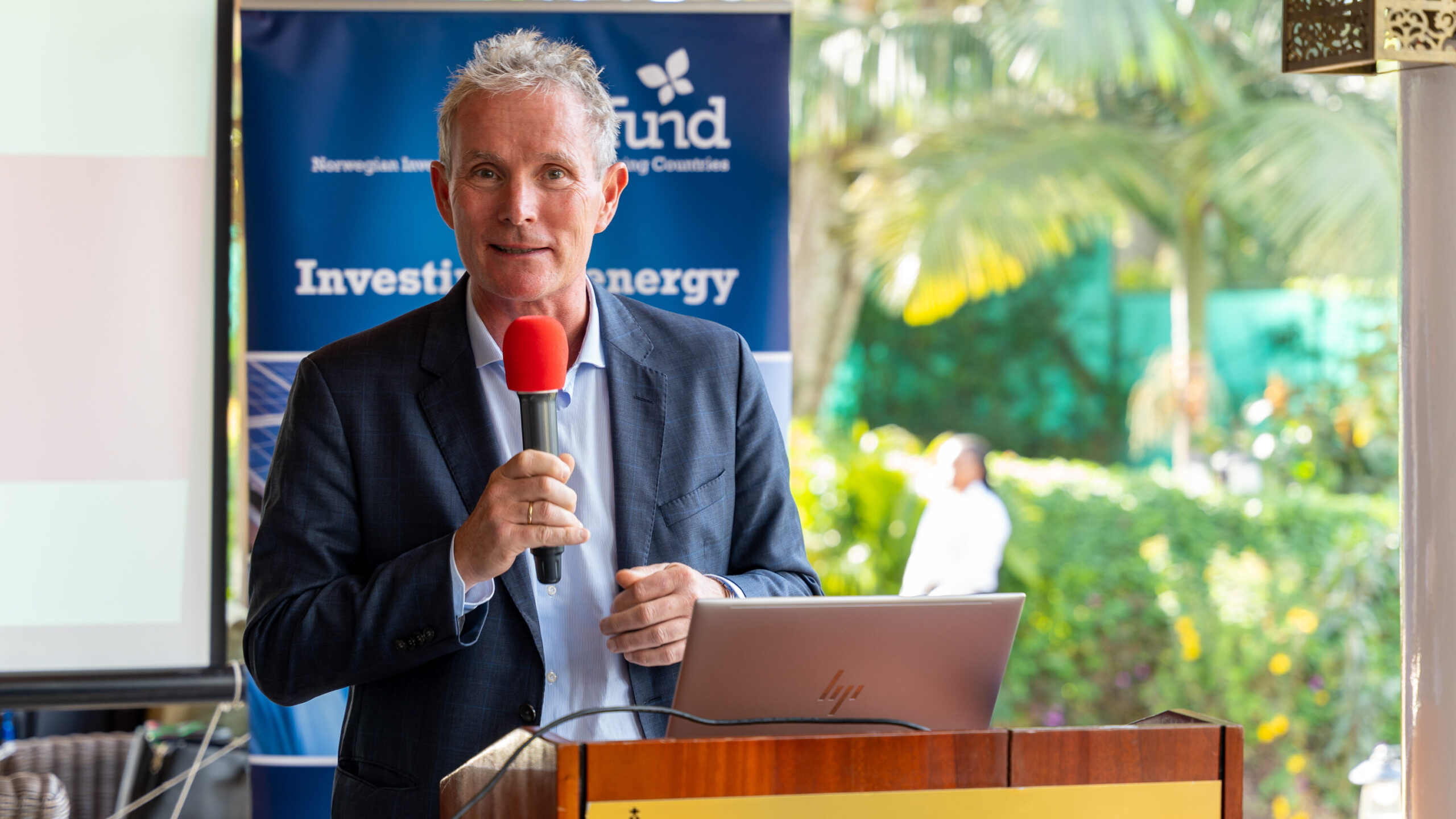
Norfund’s CEO, Tellef Thorleifsson, in Nairobi.

“Returns from profitable businesses allow us to invest nearly three times as much as we receive from the government, but the needs are growing even faster,” says Tellef Thorleifsson, CEO of Norfund.

Global foreign direct investment in developing countries declined for the second consecutive year, falling by 2 percent in 2023 compared to the previous year, according to UNCTAD.

“The need for capital to create jobs that reduce poverty and accelerate the energy transition is immense. I am very pleased that Norfund contributes to reducing inequality through investments that consistently prove to be profitable,”

Åsmund Aukrust, Minister of International Development

Investing three times the capital received from the state

Since 2022, Norfund has annually received NOK 1.68 billion for its development mandate and NOK 1 billion for the Climate Investment Fund. Just before Christmas, Norfund also received an additional NOK 250 million for investments in Ukraine. However, returns and divestments mean that Norfund’s investments now amount to nearly three times the allocations from the state budget.

“By investing in companies, banks, and energy projects, we mobilize private capital and contribute to combating poverty and climate change in an effective and scalable way. When we exit investments after a few years, we leave behind sustainable businesses and can reinvest the same funds,” says Thorleifsson.

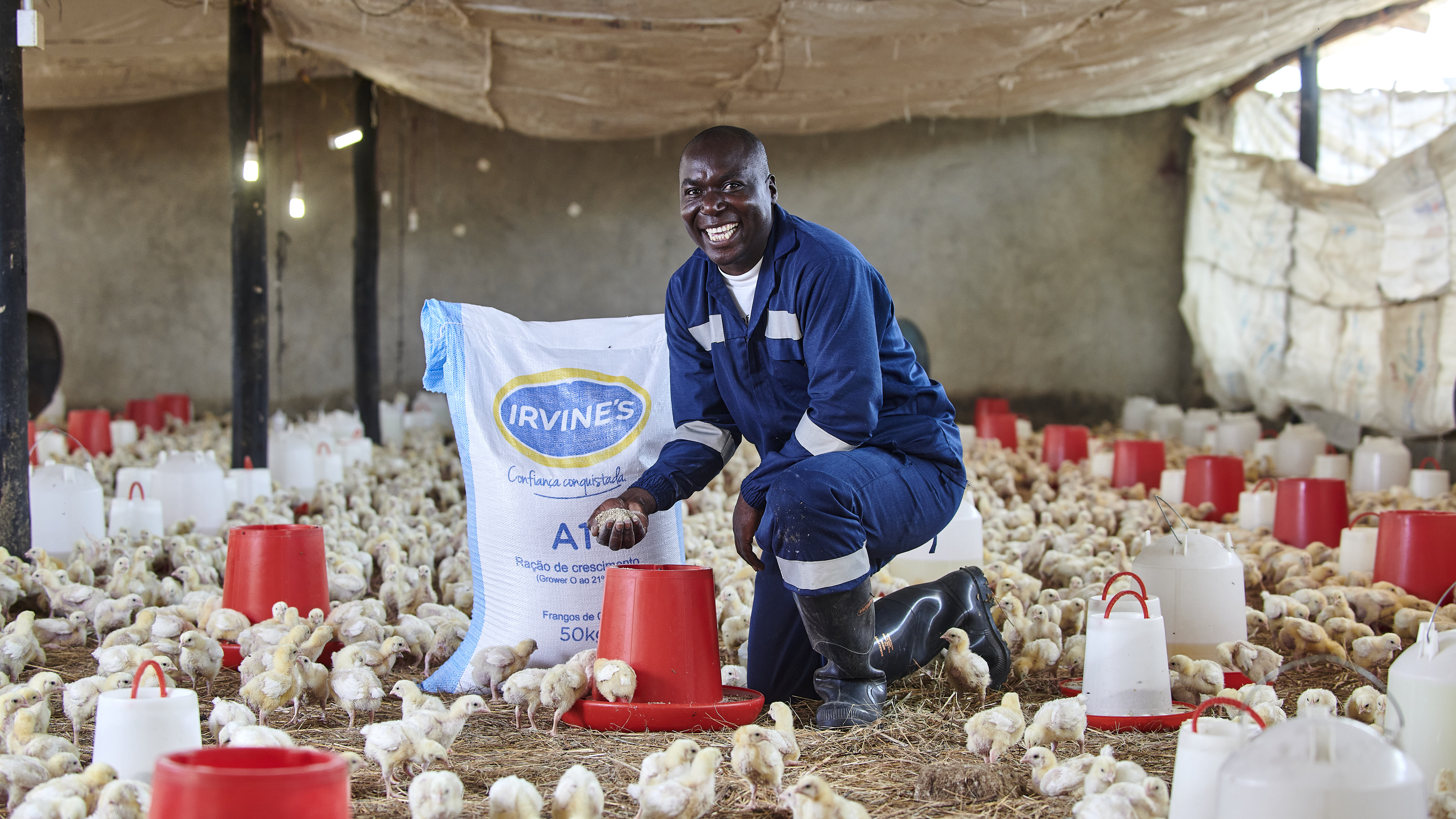
Photo credit: Irvine’s

Norfund’s investments have seen steady growth despite challenging years marked by the pandemic, inflation, and debt crises. Investments grew by 20 percent in 2020, 10 percent in 2021, and another 20 percent in 2022. While 2023 remained at the same level as the previous year, investments rose again in 2024, with an 18 percent increase.

Through the Climate Investment Fund, which Norfund has managed since 2022 with the aim of reducing emissions in developing countries, Norfund invested NOK 1.7 billion in renewable energy last year. Additionally, NOK 1.6 billion was invested in the renewable energy sector under the development mandate, targeting job creation and poverty reduction. Under the development mandate, Norfund also invested NOK 2.6 billion in companies promoting financial inclusion, NOK 1 billion in agribusiness and industrial companies, NOK 590 million in local and regional funds that invest directly in companies, and NOK 230 million in green infrastructure.

Photo credit: Copperbelt Energy Corporation

In 2024, 45 percent of Norfund’s investments went to Africa, 39 percent to Asia, and 16 percent to Latin America.

“Our experience shows that while investing in our markets can be challenging, it is possible to make profitable investments. Private investors often overestimate the risks. By investing and mobilizing private capital, we help correct this market failure,” says Thorleifsson.