Norfund entering plastic recycling in Nigeria and Ghana

Norfund is making its first two direct investments in plastic recycling in Africa in Nigeria and Ghana. “By showcasing functioning models, we can enable the development of an industry that is crucial in tackling the challenges of plastic pollution while creating a large number of jobs,” says Carl Johan Wahlund, Investment Director for Green Infrastructure at Norfund. 
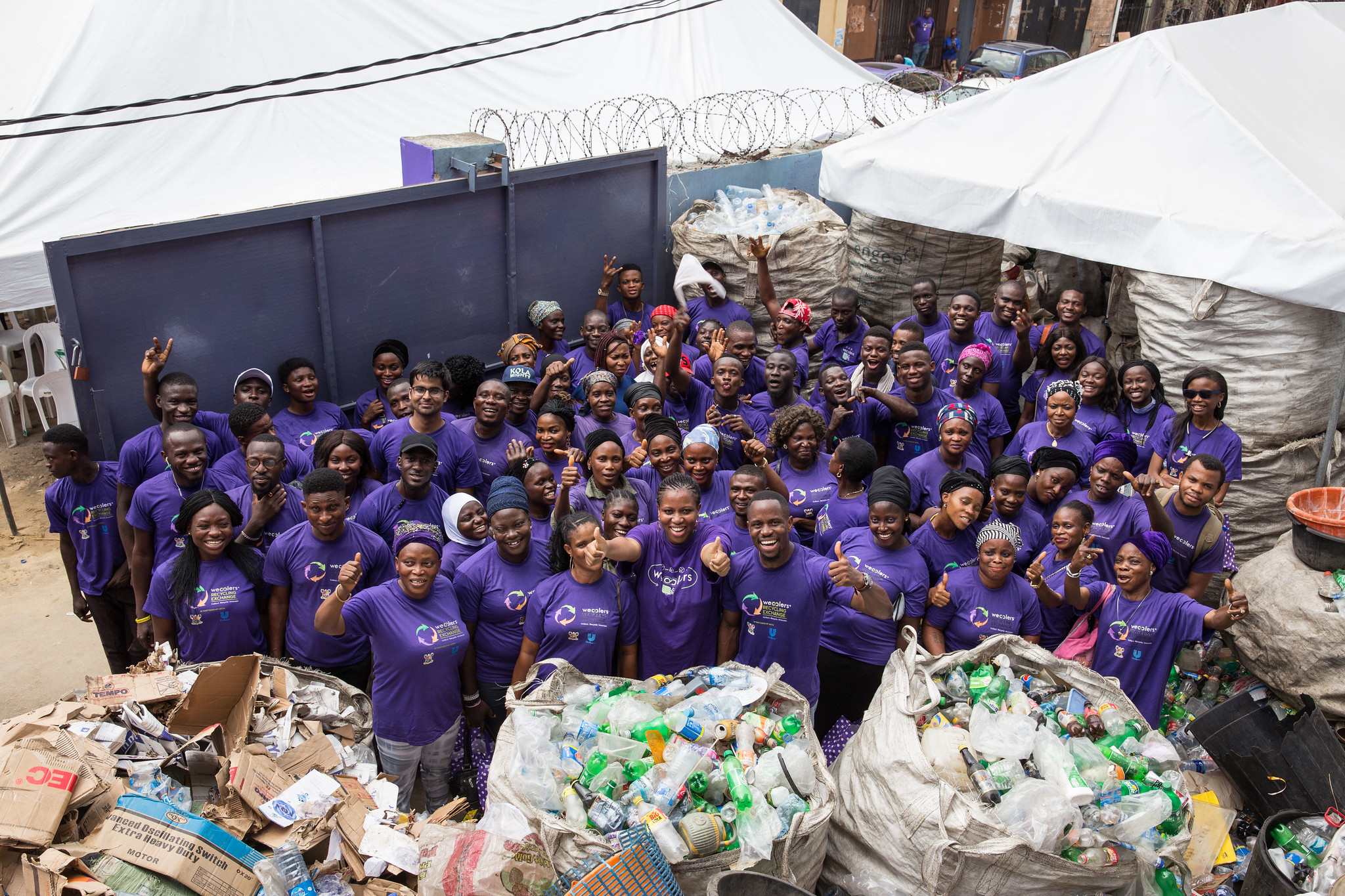
WeCyclers founders and employees pose for a photograph at their headquarters after being announced winner of the King Baudouin Foundation African Development Prize 2018-19 at the company’s headquarters on Wednesday 20th March 2019 in Lagos Island, Lagos, Nigeria.

Norfund has committed EUR 2 million as a convertible loan to Wecyclers Nigeria Limited, a recycling company based in Lagos. At the same time, Norfund is announcing a USD 10.5 million investment in Miniplast Ghana Ltd, a leading plastics manufacturer based in Accra, to support its recycling capacity. 

  • The investment in Wecyclers will finance a new plant for the recycling of PET-bottles for use in new bottles locally and in Europe. The plant will be located in Ogun state in Nigeria and have a capacity of 12 000 ton per year. See separate press release here
  • Norfund’s investment in Miniplast will go towards purchasing new manufacturing equipment and machinery to increase the company’s recycling capacity to 1,700 tonnes a month, increasing further the use of locally sourced recycled materials to substitute imported plastic resins and reducing production costs. See separate press release here

More than 171 trillion pieces of plastic are now estimated to be floating in the world’s oceans, an increase from 16 trillion pieces in 2005, and it could further nearly triple by 2040. Systems for collection of plastic is crucial in tackling plastic pollution. Establishing these with incentives and a commercially sound model across the value chain is however complicated even in many high-income countries, and still more challenging in developing countries, where waste regulation and enforcement of extended producer responsibility is lacking. 

“Wecyclers has managed to establish a model in one of the more difficult areas of the world, with its own collection both directly from households and via kiosks and franchises, combined with a close collaboration with a European plastic producer which will serve to ensure that both the process and the output quality meets highest international standards”, says Carl Johan Wahlund, who heads Norfund’s Green Infrastructure investment area, which has a dedicated focus on waste and water. 
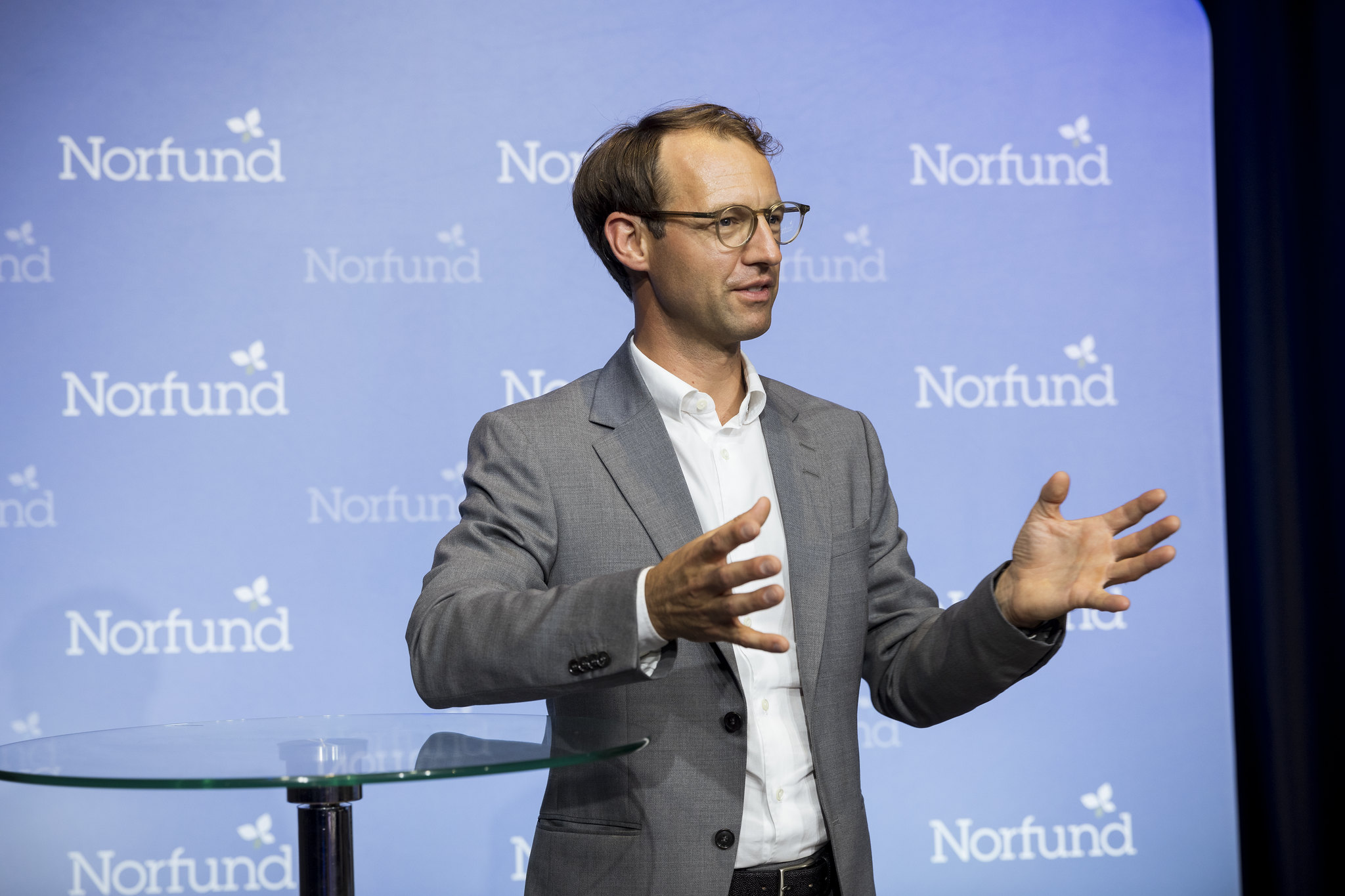
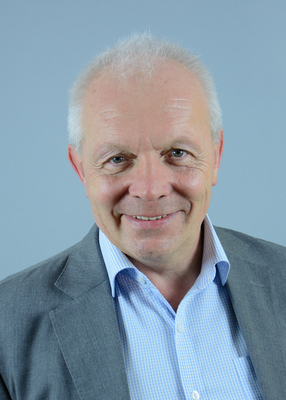
Carl Johan Wahlund

In 2020, Miniplast established an in-house plastics recycling business that uses locally sourced plastic waste. These recycled plastics are then used by the company in the manufacturing of its finished products, as well as sold to third parties. The factory was also the first to install solar power delivered by Empower New Energy, another Norfund investee. 

“Supporting local manufacturing and recycling initiatives will help create many decent jobs not only at Miniplast, but across the entire plastics value chain”

Obafemi Awobokun, project manager for Miniplast in Norfund

The investment in Miniplast is expected to create more than 850 jobs across the plastics value chain. 

“While the contributions of these two investments may seem small compared to the overwhelming challenge of plastic pollution, by showcasing a functioning model, they enable the development of an industry and the promotion of a culture of waste management. They will be Norfund’s first of many planned investments into the sector”, says Wahlund. 


About Miniplast 

Miniplast Ghana Ltd is a leading plastics manufacturing company in Ghana and the West African sub-region. Established in 1988, Miniplast specializes in injection moulding and blow moulding, with its key offerings being products made from High/Low Density Polyethylene (H/LDPE), Polypropylene (PP) and PET Plastics. This includes industrial packaging solutions (packaging containers for many classes of products, bottles, jerrycans, paint and detergent buckets, pails, etc.), plastic furniture, and other household products (bowls, plates, buckets, basins). Headquartered in Accra, Miniplast has a current production capacity of 41 tonnes of plastic per day, and directly employs over 650+ people whilst indirectly employing over 200 more. The Company also has waste collection and grinding hubs in Kumasi and Tamale.  

About Wecyclers 

Wecyclers is a for-profit social enterprise that promotes environmental sustainability, socioeconomic development, and community health by providing convenient recycling services in densely populated urban neighbourhoods. Wecyclers addresses the challenge of urban waste, gives households a chance to generate value from their waste and provides a reliable supply of raw material to the local recycling industry. 
Norfund invests in OH Ecosystems to create jobs in cocoa processing in Nigeria

Through an investment of USD 12 million in OH Ecosystems Ltd (“Eco”), Norfund, the Norwegian Investment Fund for developing countries, aims to create local jobs in Nigeria, while contributing to addressing some of the challenges in the cocoa value chain.

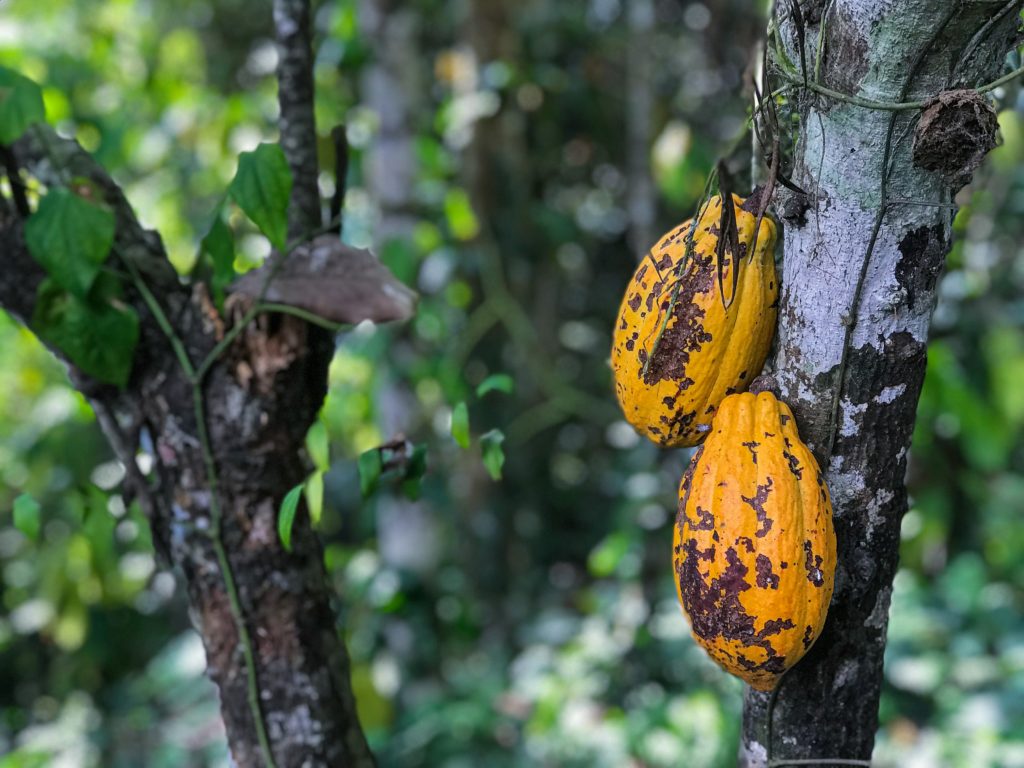
Photo: Kyle Hinkson/Unsplash

OH Ecosystems Ltd (“Eco”) builds and operates cocoa processing and confectionery businesses on the African continent. Eco has successfully acquired a majority stake in FTN Cocoa Processors PLC (“FTN”)—a publicly traded company based in Ibadan, Nigeria.  With 20,000 metric tons of installed capacity, FTN transforms cocoa beans into semi-finished products (cocoa liquor, butter and powder) for commercialization to global and local clients. Prior to this investment, FTN had been dormant and underutilised for several years.

Norfund’s investment will upgrade FTN’s operating facilities and extend its reach to produce and sell additional products into the cocoa supply chain.  Eco is supported by established leaders in the global cocoa chain including Niche Cocoa Industry Ltd, Africa’s largest indigenous cocoa processor who will serve as technical partner.

Increasing the share of cocoa processed locally  

At 4 million metric tons per year, West Africa produces more than 75% of the world’s cocoa. In 2021, Nigeria produced 290,000MTs, ranking 4th behind Cote d’Ivoire, Ghana, and Cameroon. Unfortunately, more than 70% of West Africa’s cocoa is exported as raw material with no value-add. Norfund’s investment directly supports the increase of local, value-added transformation leading to quality job creation, local tax revenues, and foreign exchange for West Africa’s cocoa producing countries. The investment furthers Norfund’s strategy to help create sustainable, scalable businesses in Sub-Saharan Africa that promote value-add production at origin.

Increasing the share of raw materials that are processed locally can create a large number of jobs that give the fast-growing population of Nigeria the opportunity to work their way out of poverty, and we are confident that this investment can contribute to this

Obafemi Awobokun, Investment Manager at Norfund

“We are thankful for Norfund’s partnership as we focus on building out value-add production in Nigeria.  Having partners who are aligned over the long-term on both the financial and social impact of our work is extremely important.  Together, we can contribute to Nigeria’s agricultural manufacturing with a focus on financial sustainability for farmers in the value chain” says Nathaniel Durant, Managing Director of Eco.

“This is a strategic alliance come through that will help FTN sew up her pursuit of conversion of cocoa beans, job creation, contribution to the economic diversification goals of the government, delivering value to stakeholders and actualising the vision of being a global player” says Akin Laoye, Managing Director of FTN.

Norfund’s investment will help create both technical and non-technical employment directly for 600 people and indirectly for more than 1500 across the cocoa value chain.  The investment also contributes towards the Nigerian government’s efforts to diversify export revenues by reducing its reliance on oil and gas.

Contributing to tackle challenges in the value chain

The cocoa sector faces challenges related to working conditions and the use of child labour, as well as environmental concerns. Norfund is committed to supporting companies that seek to operate in a sustainable manner, in sectors with challenging dynamics. As part of the partnership, Norfund will support Eco’s efforts in establishing a sustainable supply chain through its farmer empowerment programme dubbed ‘EcoWise’. The programme seeks to address farmer poverty, which is one of the root causes of child and forced labour in the cocoa value chain.

Eco has partnered with industry experts to establish a farmer-focused program that ensures fair compensation, improved extension services, and training for farmers working with Eco’s operating units. The program has been previously piloted in Ghana.

“The cocoa sector is a very important one for Nigeria and West Africa, and could be a key one in the push to diversify Nigeria’s revenue sources. By partnering with this management team which has deep sector experience in West Africa, a strong technical partner, local investors and current owners, we aim to contribute positively to this effort. This investment also presents us the opportunity to partner with these stakeholders to increase local processing of cocoa beans and thus capture more of the value chain dollars at origin, to create jobs and to positively impact the fight against child and forced labour and deforestation in this important value chain”

Naana Winful Fynn, Regional Director for West Africa for Norfund

Climate Fund and KLP invest in large Indian wind power plant 

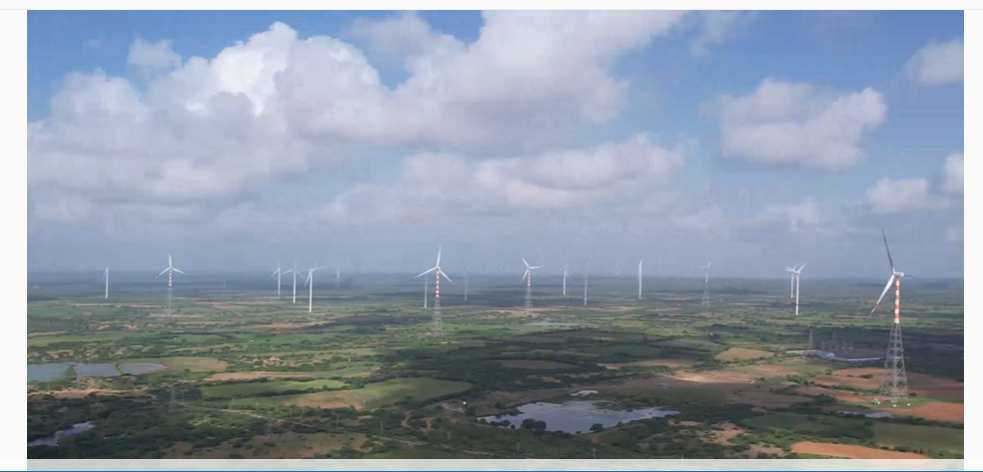
The Norwegian Climate Investment fund, managed by Norfund, and KLP, Norway’s largest pension company, together commit equity and guarantees for a 168 MW wind power plant developed by Enel Green Power in India – to avoid 570 000 tons of CO2 per year.

The announcement comes as the first annual report of Norfund’s new climate mandate shows commitments to projects with total estimated avoided emissions of 6.2 million tonnes CO2e per year – equivalent to 13% of Norway’s annual emissions.  

Enel Green Power, founded in 2008 within the Enel Group to develop and manage renewable power projects globally, operates over 59 GW of installed renewable capacity in Europe, Asia, Africa and the Americas.

In July 2020, Norfund and Enel Green Power entered into a joint investment agreement for renewable energy projects in India. The first project together, the 420 MW Thar solar plant, was announced in August 2022. 

168 MW wind project

This second project is a 168 MW wind project in Gujarat state. As with Thar, Enel Green Power was awarded the rights to sell power under a government auction and has a 25-year power purchase agreement.

Via the investment partnership KNI India, Norfund brings along KLP, Norway’s biggest pension company, with joint commitments of ca NOK 317 million (INR 2,4 billion) in equity capital and loan guarantees up to NOK 530 million (INR 4 billion) towards the construction of the project. (The Climate Investment Fund owns 51% and KLP 49% of KNI India). 

The plant, which has been put into operation, is expected to produce ca 700 GWh per annum. Given India’s current energy sources, with a considerable proportion coming from coal, the project will avoid ca 573,000 tons CO2 per annum*. 

India – with the world’s greatest need for growth in the energy sector

The investment is the fourth made under the Climate Mandate in India. To meet growth in electricity demand over the next twenty years, India will need to add a power system the size of the current EU production, according to the IEA.

In 2022, India’s power output grew at the fastest pace in 33 years, and coal-fired power output grew by a staggering 12.4%. That also meant that emissions from power generation rose by nearly a sixth, to 1.15 billion tons, according to a Reuters analysis

If India is to be able to finance its growth with renewables, it is crucial that we succeed in mobilizing more capital towards these investments, in a world where investors now seem to be pulling money away from emerging markets like India.

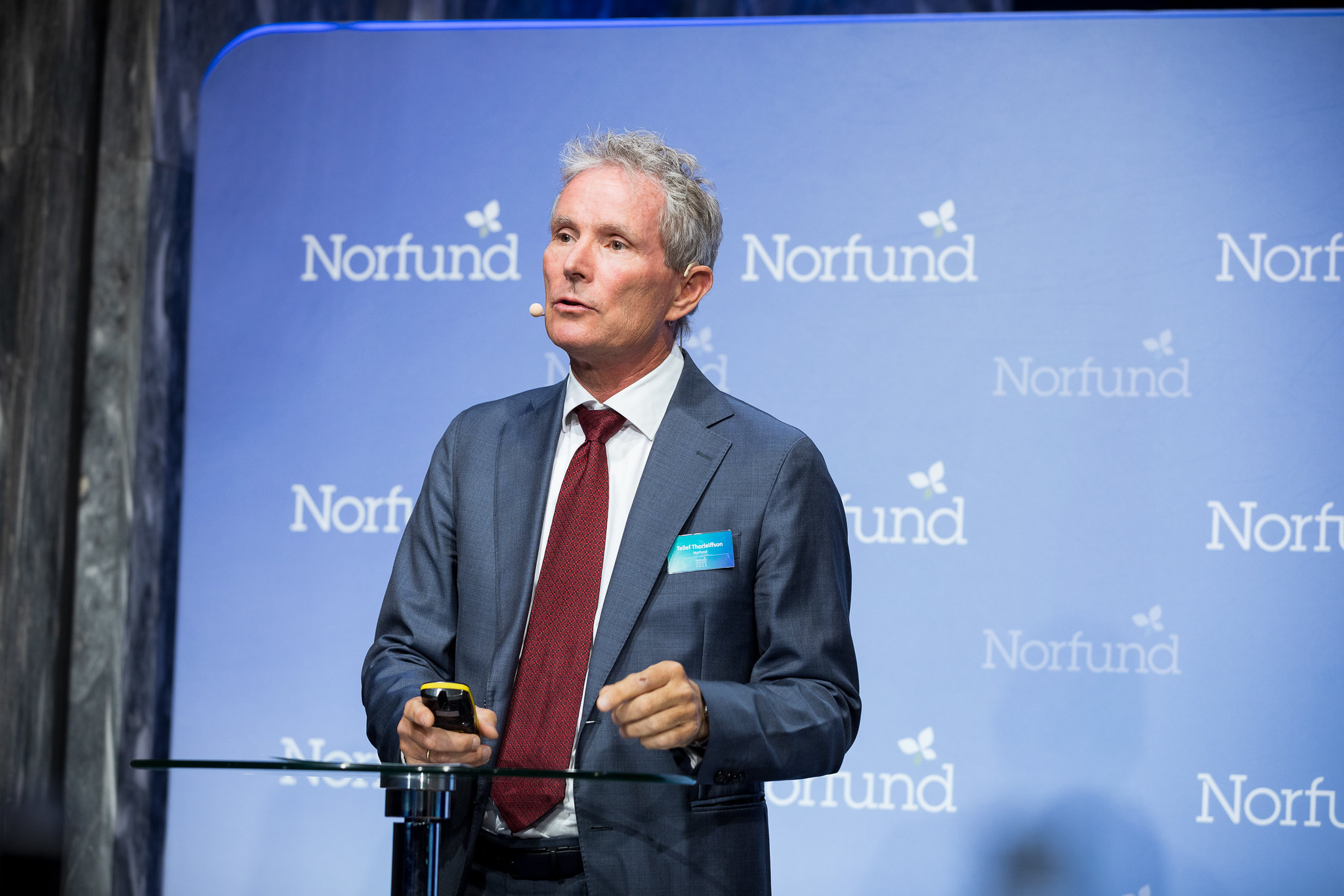
Tellef Thorleifsson, CEO of Norfund

India needs USD 233 billion in investment, just to meet its goals for development of wind and solar energy by 2030, according to BloombergNEF

Climate investments will already avoid equivalent of 13% of Norway’s annual emissions 

The latest investment is part of total commitments of NOK 2.14 billion in the first year of the new Climate Investment Fund, that the Government has said will be allocated NOK 10 billion over the next five years (1 billion from Norfund’s capital and 1 billion from the state budget each year).  

According to calculations in the new annual report of the fund, that became operational last year, the commitments of this first year will already finance projects with total estimated avoided emissions of 6.2 million tonnes CO2e per year*. That is the equivalent to 13% of Norway’s annual emissions. 

The project announced today is the third investment under the Climate Investment Fund with KLP as a co-investor.  

KLP has a goal to increase climate-friendly investments by at least six billion NOK every year. We are satisfied that we with this are increasing the production of renewable energy, while it is providing positive returns to our owners.

Sverre Thornes, CEO at KLP

* Avoided emissions have been calculated using the harmonised “Methodological Approach for the Common Default Grid Emission Factor (2022)” and related emission factors.  

Greenpower SL and Norfund accelerate solar development in Sri Lanka 

With this operation, Norfund, the Norwegian investment fund for developing countries, makes its first investment in renewable energy in Sri Lanka. 

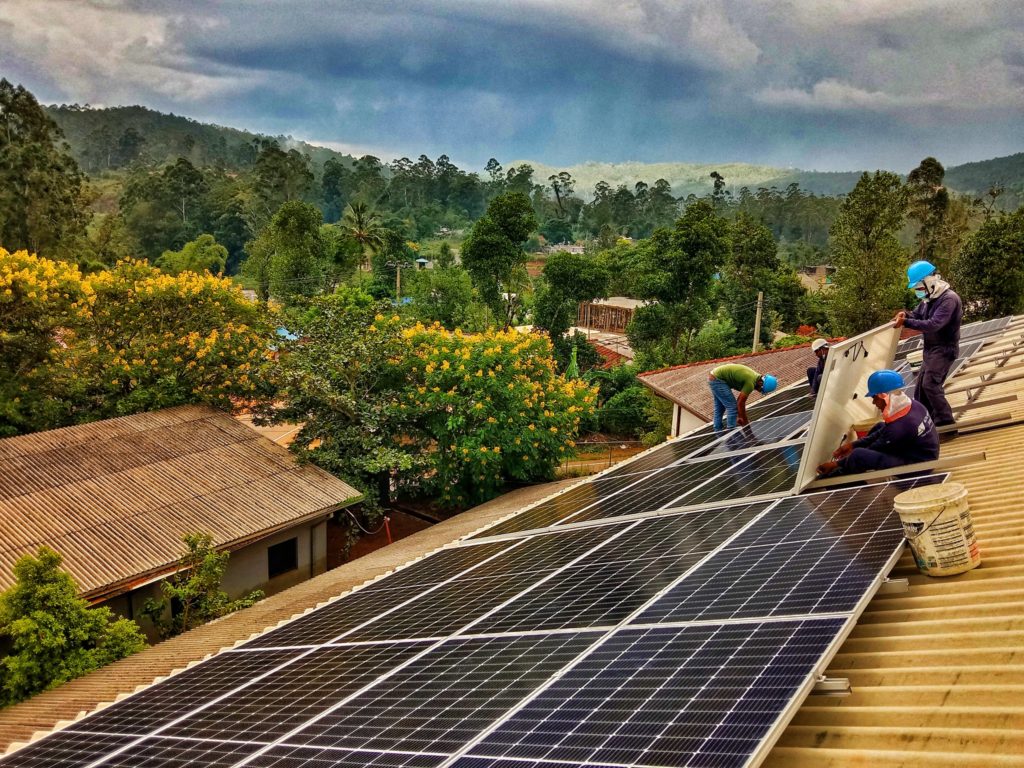
Photo: Greenpower SL

Greenpower SL, a France-based renewable energies producer, has announced today the conclusion of a USD 4m capital raising designed to accelerate the implementation of its solar projects in Sri Lanka. This fundraising will allow Greenpower SL to accelerate the construction of solar power plants, developed and installed on the roofs of Sri Lankan schools by its local partner Gaia Greenenergy Group.  

More than 500 schools already equipped with solar roofs 

Since 2021, Gaia and Greenpower have been installing PV solar rooftops on Sri Lankan schools and hospitals. Having commenced in the Uva Region, with over 500 schools equipped as of Q1 2023, the Franco-Sri Lankan IPP is now seeking to launch the construction of similar assets in two new provinces in the coming weeks. The combined initial investments of Norfund and Greenpower will support the overall construction of photovoltaic assets 44 MWp, to be commissioned in 2023 and help further secure the pipeline. This capacity is expected to generate  around 64 GWh per year, thus avoiding more than 41,000 t CO2 eq. per year.  

The investment is made from the new Norwegian Climate Investment Fund that was set up last year to be managed by Norfund, with the goal of alleviating greenhouse gas emissions by investing in renewable energy in developing countries with large emissions from coal and other fossil fuel consumption. Sri Lanka is one of eight prioritized countries for the new fund. 

Building an independent producer of renewable electricity in Sri Lanka 

At the closing of this operation, Greenpower will keep a majority control of its assets, and will continue to play a strategic assistance role to the local based teams of Gaia. Greenpower will from now on be aided by the expertise in the clean energy sector built up by Norfund’s team in the past years.  

Inge Stølen, Investment Officer for Norfund.

Inge Stølen, Investment Officer for Norfund, said: “We are excited by this first investment in the renewable energy sector in Sri Lanka, which is a territory we know well having invested in the past in the insurance and banking sector. We believe that renewable energy is part of the answer for the key challenges faced by Sri Lanka in terms of climate change and economic dependence on oil, gas and coal imports.”  

“We are obviously proud that Norfund, whose expertise is widely recognized in the renewable energies sector in the emerging countries, is joining us. Its arrival validates the choices we have made so far to develop a 100% renewable energy IPP in Sri Lanka and to achieve this goal while maintaining the highest ESG standards”, said Pierrick Morier, chairman and co-founder of Greenpower. Sivaaji de Zoysa, founder and CEO of GAIA confirms: “Having Norfund as co-investor alongside Greenpower is a major step forward for our projects. The in-depth understanding and experience of Greenpower and Norfund of energy markets will help us to further scale-up our activities”. 

Sri Lanka is committed to the energy transition 

According to the Ministry of Economy, Finance and Recovery, Sri Lanka remains extremely reliant on fossil fuels for the production of its electricity, while the installed capacity remains insufficient to meet growing demand. The Government however supports and encourages the development of renewable energies. It has set itself the goal of increasing their renewable contribution to 70% of electricity production by 2030. The main development potential identified lies in solar and wind capacities.  

About Gaia

Gaia Greenenergy Group is a leading Sri Lankan photovoltaic developer with a vision of “Building an Energy Independent Sri Lanka”. With a pipeline of several hundreds of MWp rooftop projects spread over Sri Lanka with the largest renewable energy concession to form large scale distributed solar development program.

About Greenpower SL

Greenpower is a French IPP, active in the photovoltaic and wind sectors since 2013. It currently operates and build c. 100MWp in France, Poland and Indian Ocean and is developing a pipeline in excess of 700MWp. The Group is controlled by its management and by Eiffel Investment Group.

Eiffel Investment Group is an asset manager with more than €5 billion under managemen. Eiffel Investment Group’s clients are large institutional investors as well as individuals. Eiffel Investment Group cultivates a strong industrial expertise, particularly in the field of energy transition.

Investing to expand leading Ivorian packaging company

Norfund and Advances Finance and Investment Group (AFIG Funds) announce the joint acquisition of Nouvelle Mici Embaci (NME) to scale up its operations and roll out an ambitious modernization plan and regional growth strategy.

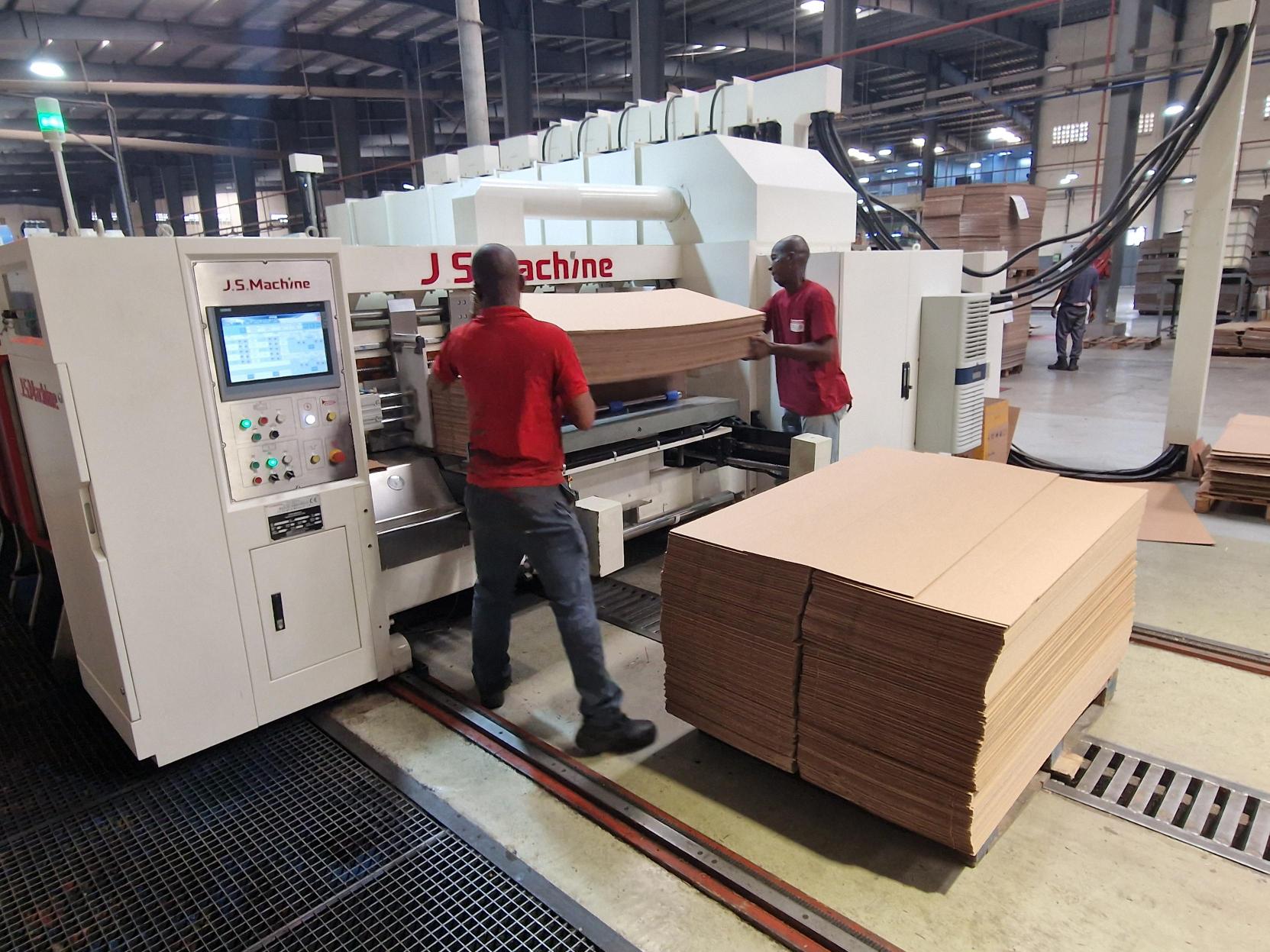
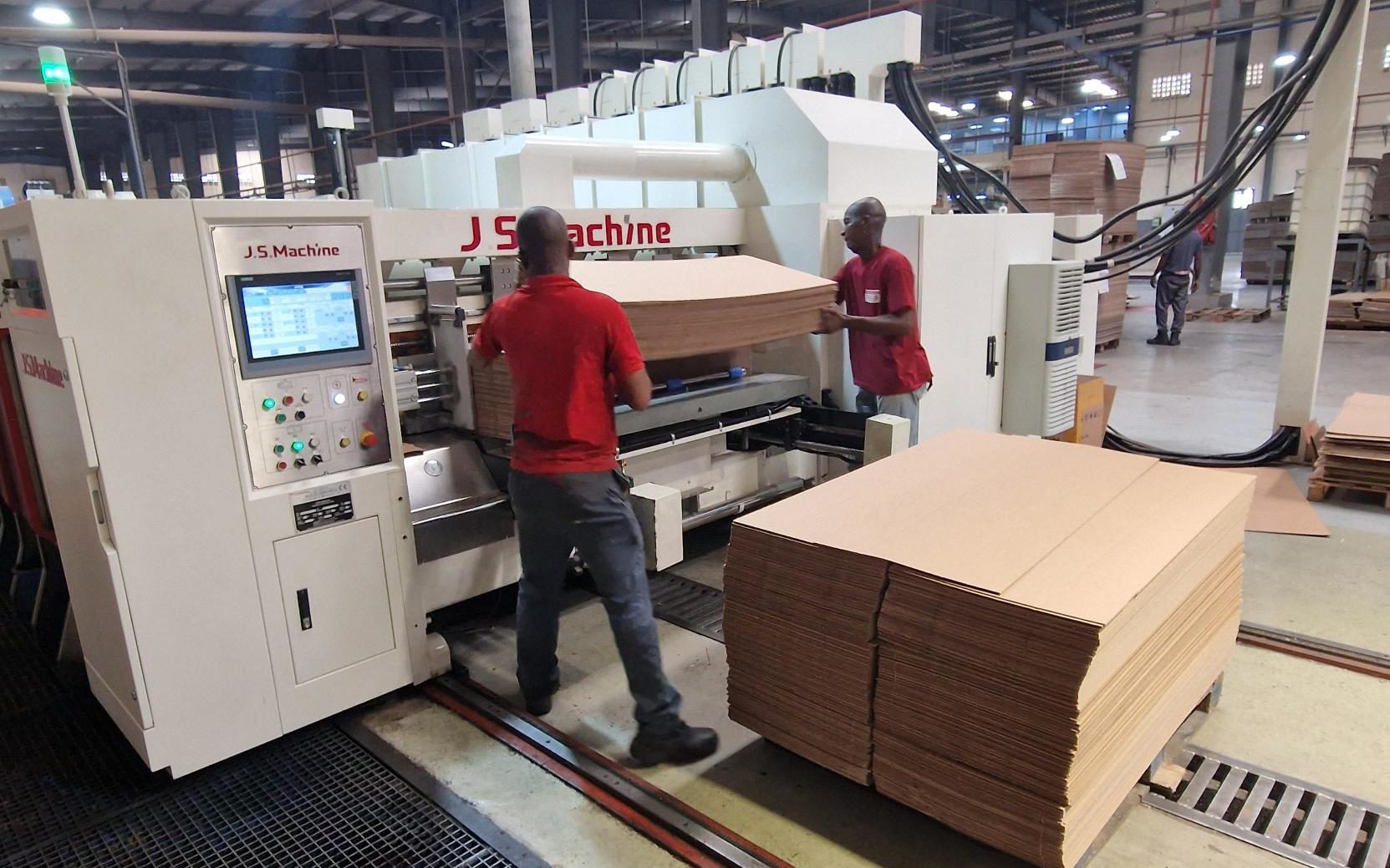
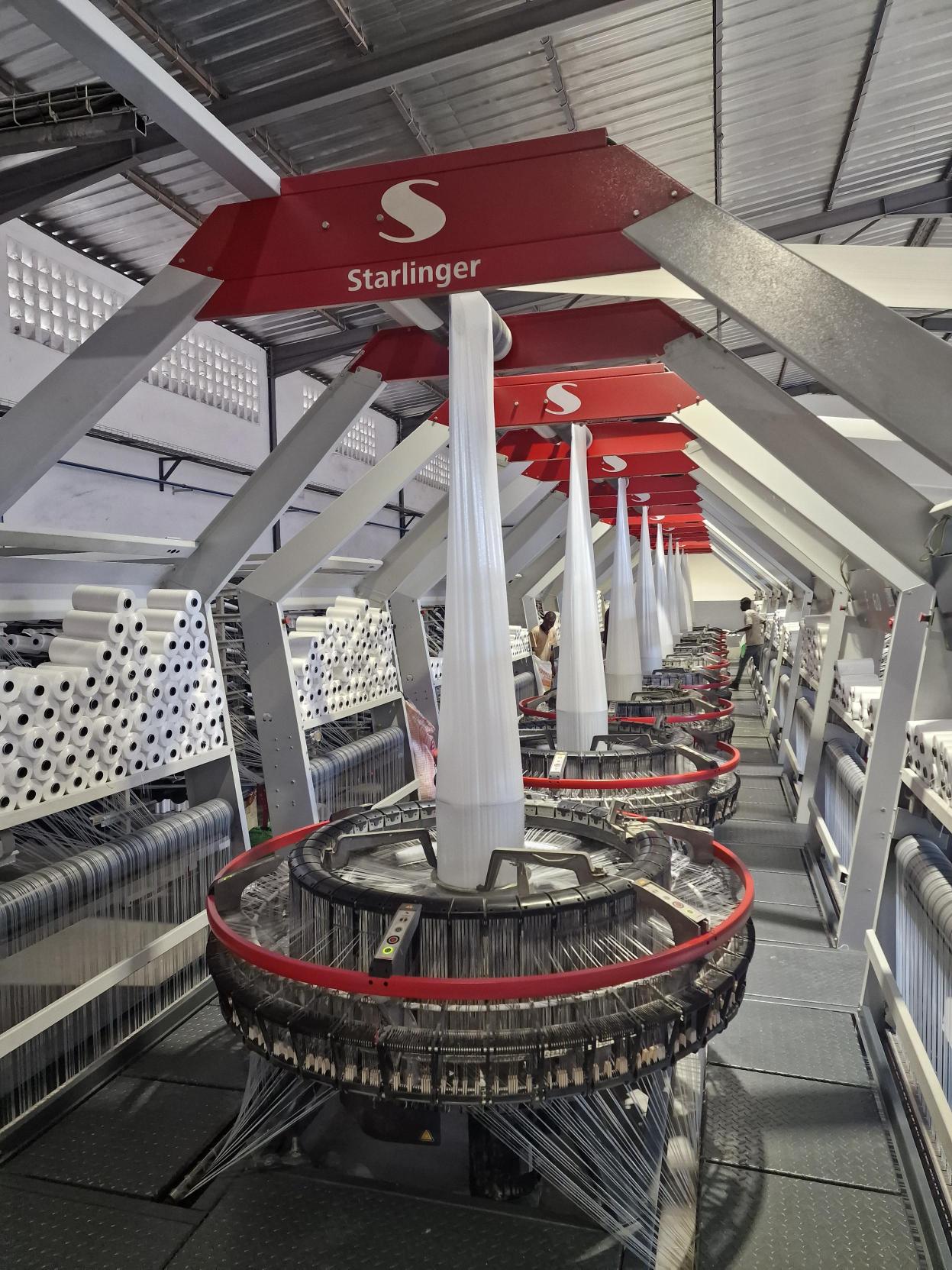
Nouvelle Mici Embaci, a subsidiary of Carré d’Or Group, is a leading packaging company in Côte d’Ivoire and Francophone West Africa. It was founded in 1983 and manufactures corrugated packaging as well as polypropylene bags and provides industrial printing services. NME’s customers are among the leading local and multinational companies in the region, a testament to the Company high-quality packaging solutions and excellent service delivery. NME directly employs over 1,000 people and is a leader in recycled paper-based packaging.

NME has demonstrated resilience over the years, recording growth and profitability despite the global shocks of Covid-19 pandemic and heightened tension in Europe.

Norfund and AFIG Funds have partnered with Bridge Bank Cote d’Ivoire and Mauritius Commercial Bank (MCB) to provide necessary acquisition financing and working capital facilities to scale the business to its next growth phase.

The co-investors will partner with the existing management team as they continue to grow the business and expand its portfolio of packaging solutions.  

This acquisition will aim to modernise NME’s operations and expand its customer base while instituting international standards in corporate governance and environmental sustainability. We are excited and proud to be part of such a landmark transaction for the industry in the Cote d’Ivoire as well as for the West African region

Fabrice Mpollo, Investment Manager, Norfund.

Carré d’Or Group will remain  a strategic customer of NME in the long term and will provide necessary support as may be required post-acquisition.

“This is the outcome of a constructive engagement to find the right partners to take over Nouvelle Mici Embaci. We are delighted to announce the sale of NME to a renowned group of investors. They have shown us the best approach and capabilities to scale up this business. This was important to us as our conglomerate intends to remain a loyal customer of NME. ‘Passing the baton’ to an able buyer with a track record of adding value to their investments is the most logical way for us to ensure the Company’s sustained growth. We look forward to continuing to support NME in a different capacity.”

Mr. Emile Abi-Aad, Deputy General Manager of Carré d’Or Group

The local corrugated paper market is estimated at 80,000 tons annually and is growing at approximately 10% per year, boosted by population growth, change in consumption habits, and higher demand in packaging as a result of industrial investments and growth in hyper-distribution, which indicate positive outlook for market players.

This investment is our first in the Ivorian manufacturing sector and represents an important opportunity to support the management team to continue to serve as a key supplier partner and provider of high-quality solutions to many companies in the Ivorian and francophone West African markets. We look forward, along with AFIG, to supporting the management team to drive sustainable growth and expansion, to further institutionalize, and to scale its recycling capacity and thus contribute to the development of a circular economy within the region”

Naana Winful Fynn, Regional Director for West Africa, Norfund

“We are pleased with this acquisition of NME and our partnership with Norfund, Bridge Bank Cote d’Ivoire and Mauritius Commercial Bank. Innovation in the African financial system requires vision and perseverance, but this deal would not have been possible without the support and patience of our investors in AFIG Fund II, as well as the trust of a discerning seller in Carré d’Or Group. Now the real work begins to leverage on the building blocks put in place by Carré d’Or Group and implement new growth initiatives to fulfil the Company’s potential to be a true regional champion in the packaging industry.”

Mr. Papa Madiaw Ndiaye, CEO of AFIG Funds
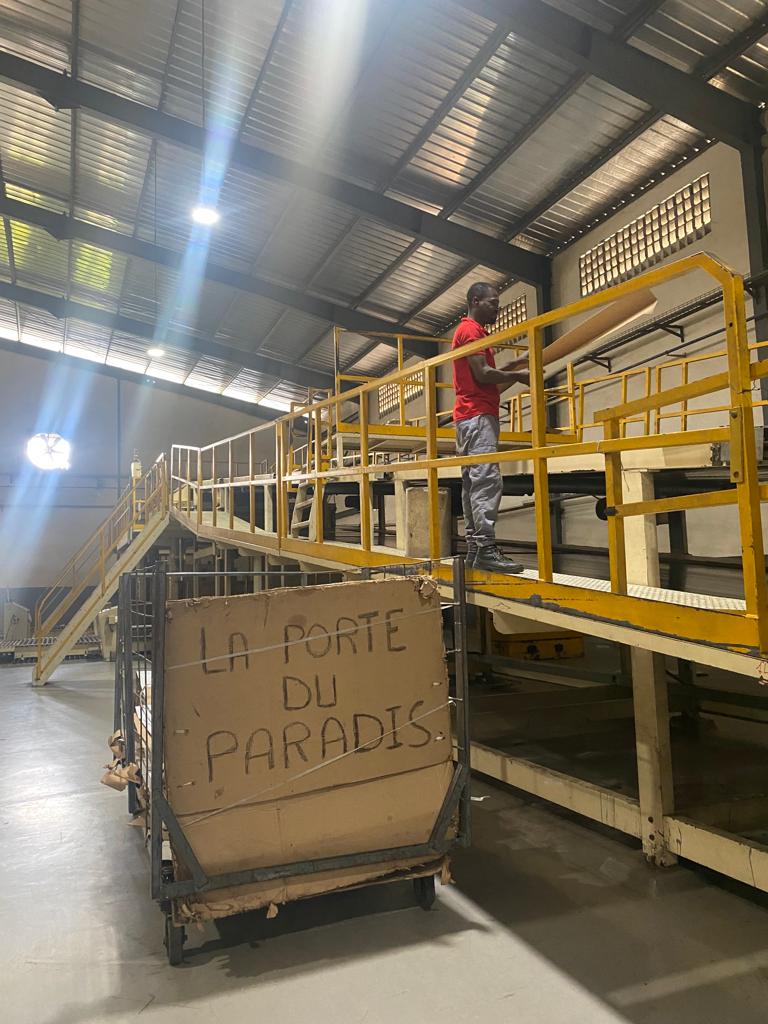
Recycling is the gate to Heaven!

Case study: Norfund’s investment in Novastar grows circular waste business in Nairobi

Norfund invests through funds to reach more companies and other business areas than we can on our own. The fund managers contribute to develop local, sustainable companies based on regional expertise, industry insight and efficiency initiatives.

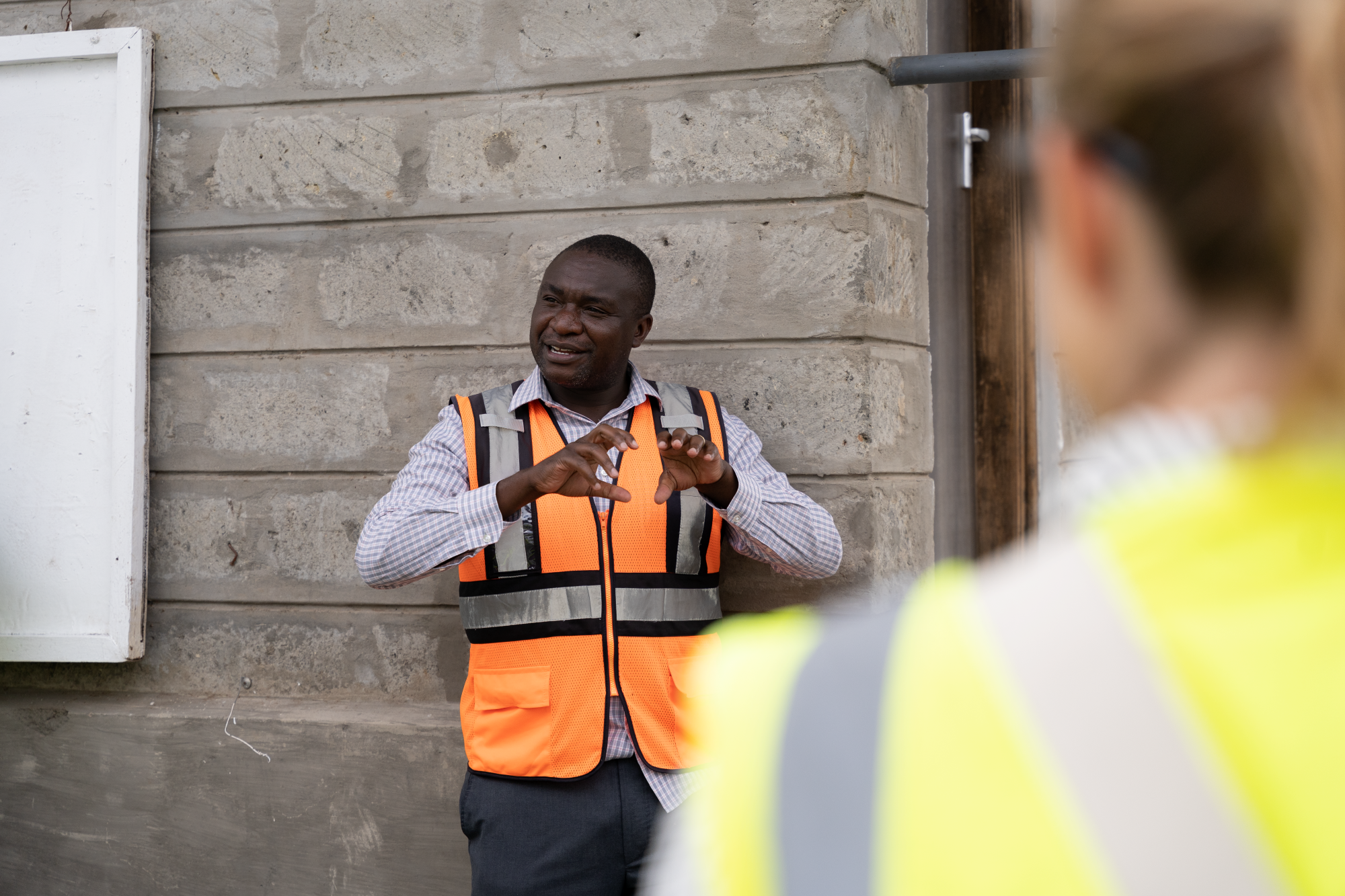
Regen Organics Managing Director Michael Lwoyelo. Photo: Norfund

One of the funds we invest through is Novastar, which has the Nairobi-based circular waste company Regen Organics in its portfolio.

Fund investments in Norfund

Norfund’s has three objectives when investing in funds:

  • Gain access to markets and segments in need of investments outside Norfund’s expertise
  • Reach businesses in challenging business environments outside of Norfund’s direct reach
  • Contribute to develop local businesses and improve business practices by utilizing competence and resources of local fund managers

Our fund managers possess local knowledge, industry insight and capabilities to grow SMEs (Small and Medium Enterprises). Norfund therefore sees fund managers as a valuable way to access investment areas that otherwise would be difficult. They create value through active ownership and professional expertise and provide local knowledge to support the company’s development and growth.

Novastar

Novastar is one of the first and largest global venture capital investors in Africa. With offices in Lagos, London and Nairobi, Novastar partners with transformative businesses forging solutions to Africa’s biggest problems and creating lasting, inclusive value for the many, for people and planet.

Since 2014, Novastar has backed the bold entrepreneurs that provide essential goods, service and economic opportunity to everyday consumers and producers in the fast-growing, often informal African markets where they live, work and shop. Norfund has a long-standing relationship with Novastar and has participated in both their funds to date.

Novastar has established an exciting portfolio with companies such as BasiGo, which offers public transportation through cost-effective electric buses, and Ignita which helps farmers battle the effects of climate change by providing hyper-local and accurate weather forecasts to farmers in the most remote areas. You can read more about Novastar’s portfolio here.

Today, Novastar has an active portfolio of 24 companies across two funds. One of these companies is Regen Organics.

Regen Organics

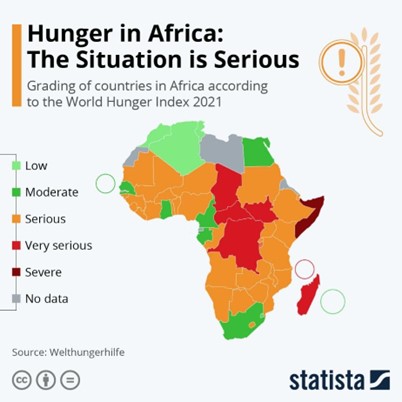
Two of the world’s most difficult challenges are food insecurity and safe waste management. These issues are particularly prominent in developing economies with 98% of the world’s undernourished living in developing countries and waste generation in the same economies expected to increase threefold by 2050.

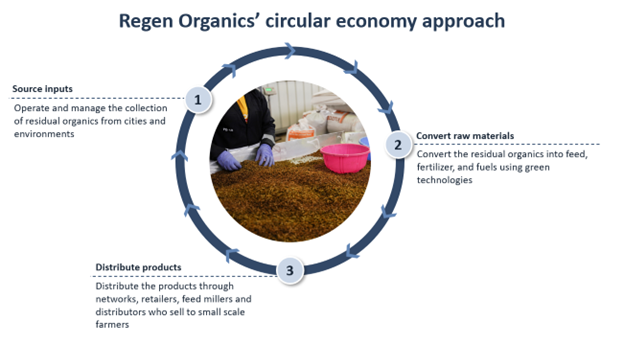
Regen Organics, a Nairobi-based company, aims to solve those problems. The company utilizes a circular economy approach to create organic fertilizers and animal feed inputs from organic waste, creating value from waste around Nairobi. The company has quickly become a leader in regenerative agriculture in Kenya and is aiming for expansion to other parts of East Africa.

Regen Organics’ fertilizers are made from locally sourced organic waste, such as food and sanitation waste, which is processed using a proprietary method to create high-quality organic fertilizers. These fertilizers are rich in nutrients, including nitrogen, phosphorus, and potassium, and are designed to enhance soil health and fertility, increase crop yields, and improve the quality of produce. Regen Organics’ approach to fertilizer production is sustainable and environmentally friendly. By utilizing a circular approach, the company is able to reduce waste and pollution while producing a valuable product for farmers.

The creation of the fertilizer involves several steps:

1. Collection: Organic waste materials such as food scraps,      sanitation waste, and agricultural residue are collected from various sources. Regen Organics works with waste management companies, households, and farms to obtain these materials but operates the transportation of waste to the factory themselves. By sourcing waste from around Nairobi they are mitigating the amount of waste that ends up in nature while creating an ecosystem for waste management.

2. Sorting and preparation: The collected waste is sorted to remove any non-organic materials such as plastics and metals. The organic materials are then shredded and mixed to create a uniform feedstock for the next step.

Photo: Norfund

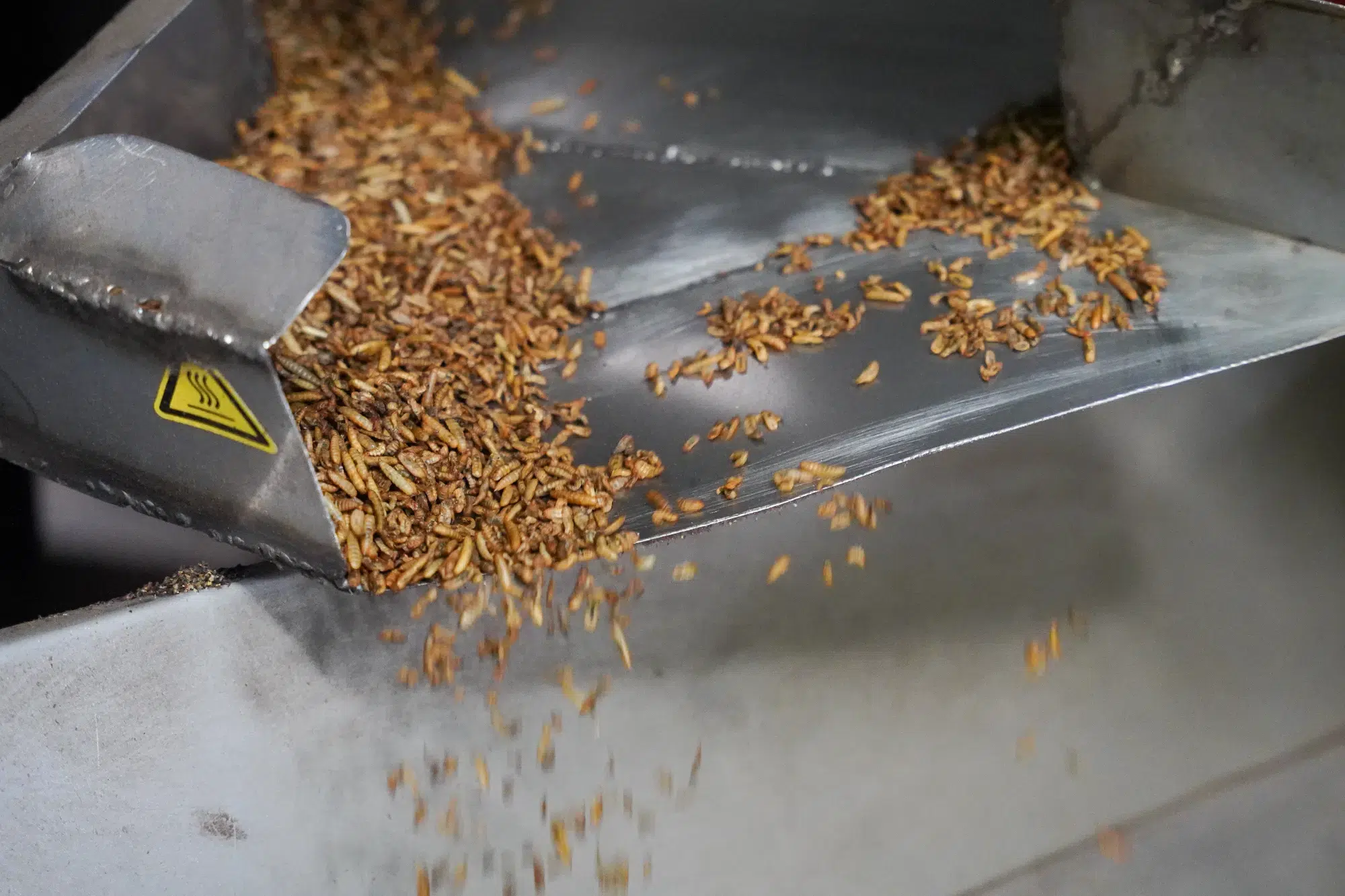
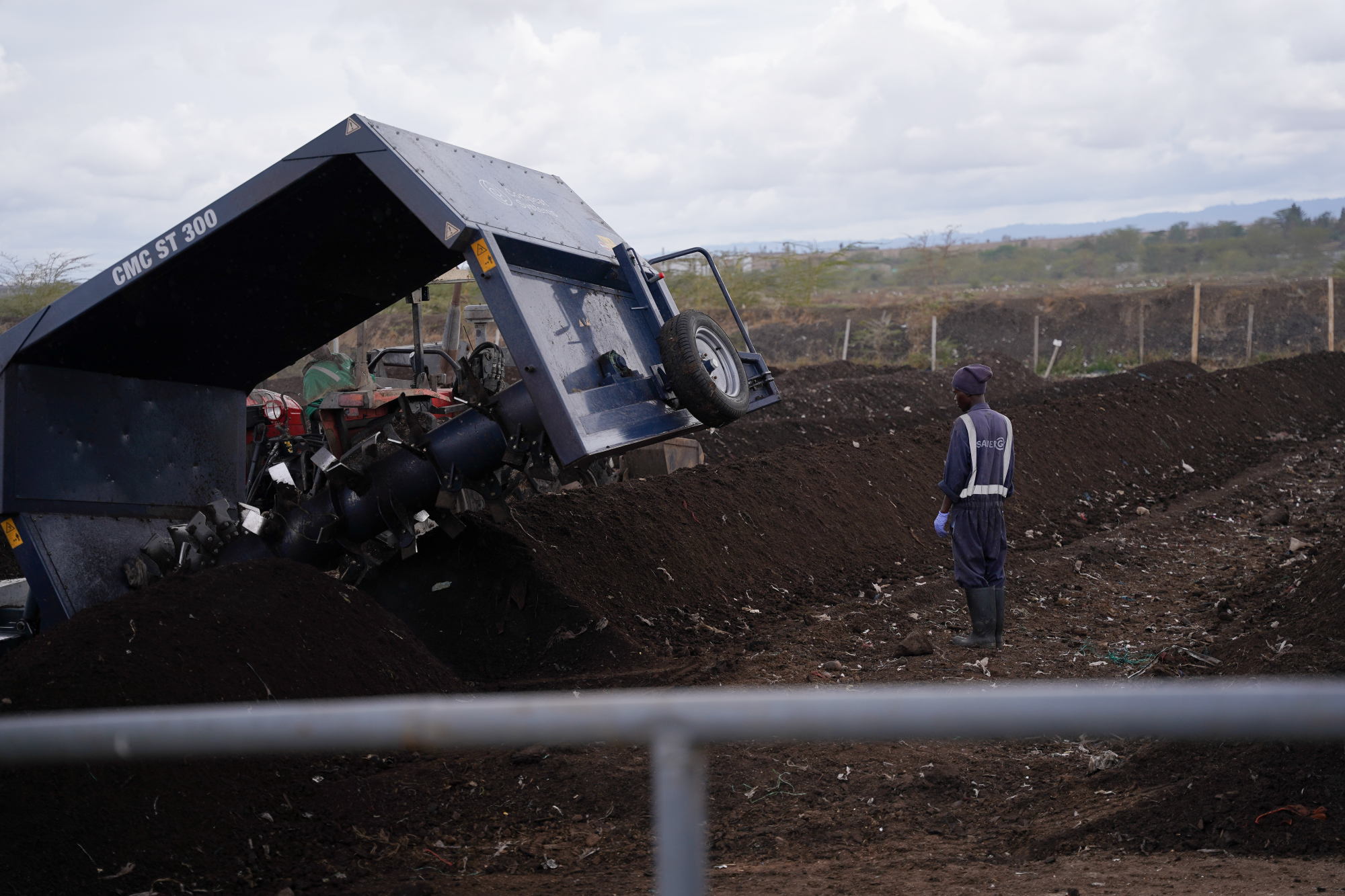
3. Feeding the black soldier fly larvae: The mixed feedstock is fed to black soldier flies in a controlled environment. The larvae can consume large amounts of organic waste and feed for around 2 weeks before it reaches optimal size for harvesting.

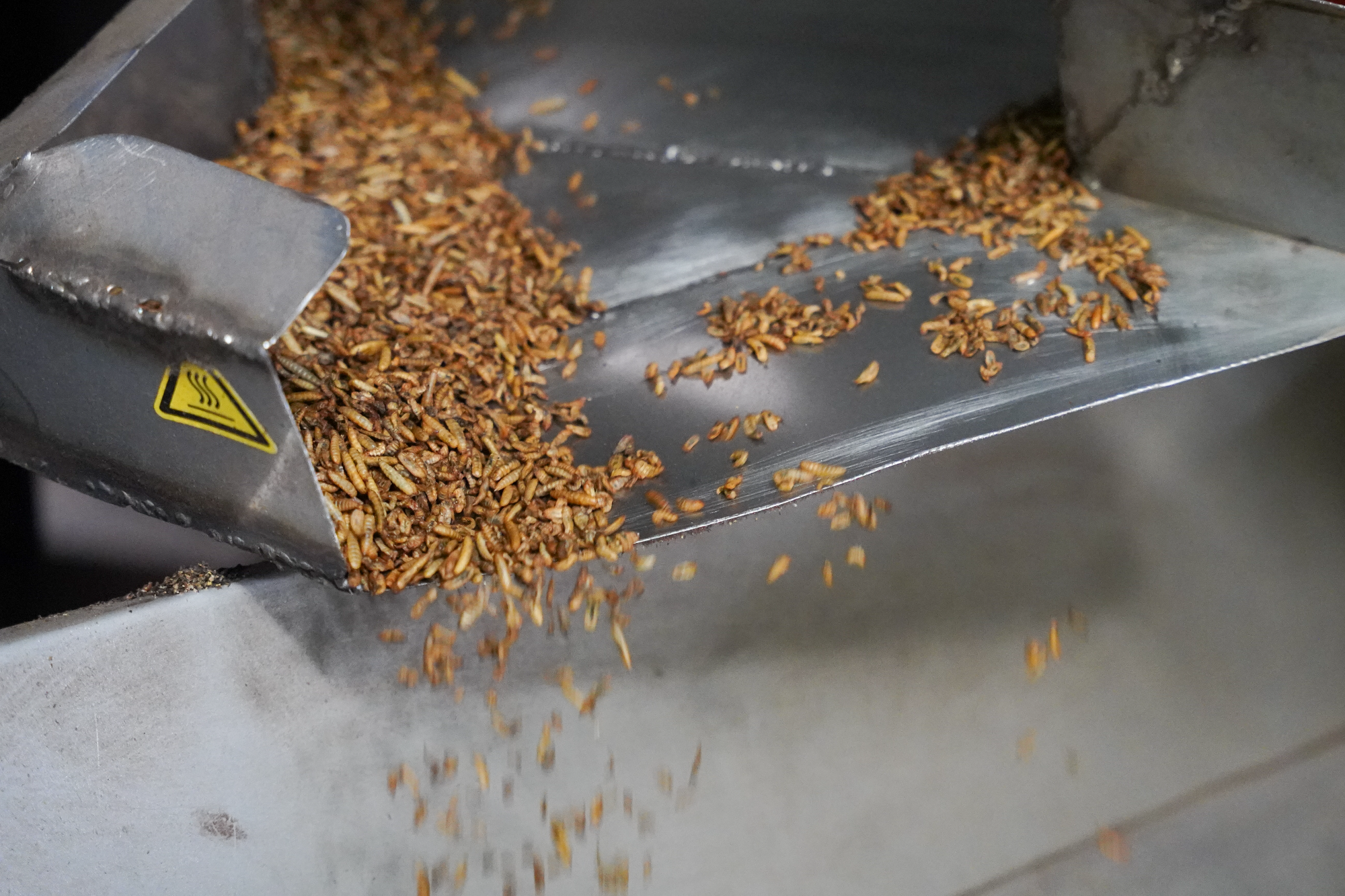
4. Harvesting the larvae: Once the larvae have consumed the feedstock, they are harvested and processed to create a protein-rich additive for animal feed. The harvested larvae can be dried, ground, and mixed with other ingredients to create a balanced feed for animals such as poultry, fish, and pigs, replacing unsustainable protein sources like fishmeal and soya.

Photo: Norfund

5. Composting: The residue from the larvae production is combined with carbon-rich organic waste streams and is further processed through a composting stage, where it is mixed with other organic materials and allowed to decompose under controlled conditions. The composting process produces a rich, nutrient-dense soil amendment that can be used as a fertilizer.

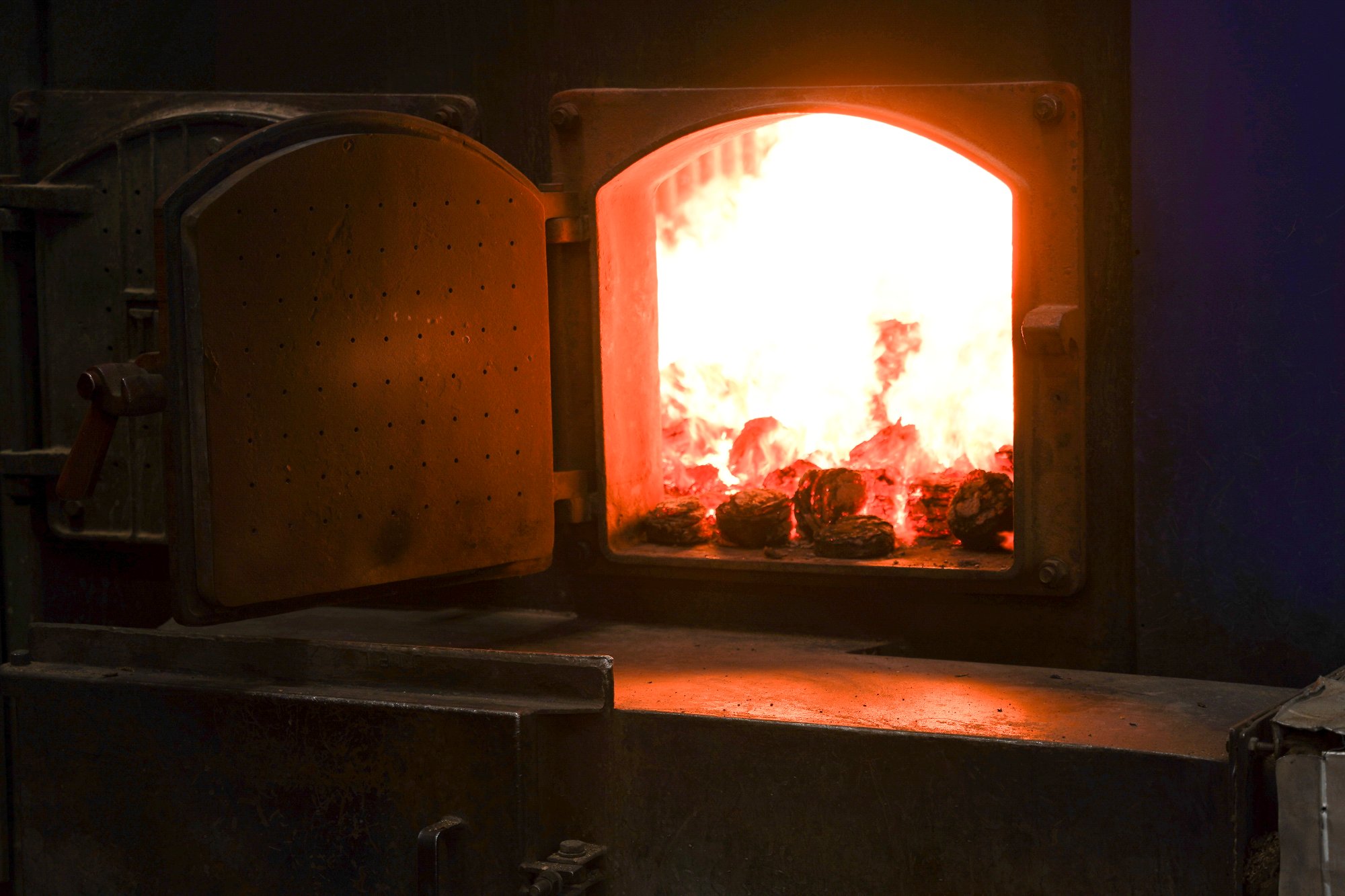
In addition to organic fertilizer, Regen Organics makes biomass briquettes that can be used for industrial purposes – including Regen’s own boilers – and replace fossil fuels.

Through their products Regen Organics is committed to supporting smallholder farmers in East Africa by providing them with access to high-quality, affordable organic fertilizers and animal feed, while also offering training and support to help them adopt sustainable agriculture practices and improve their yields and incomes.

Biomass briquettes being used in Regen Organics’ factory to heat the boilers. Photo: Norfund

Development effects

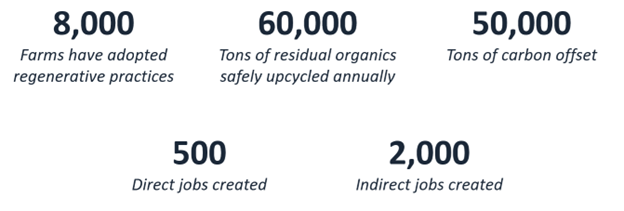
Through their circular economy approach Regen Organics has several positive impacts. By utilizing organic waste as an input, the company upcycles over 60,000 tons of residual organics annually, reducing waste and carbon emissions, and offsetting 50,000 tons of carbon. This approach promotes sustainable agriculture and addresses critical challenges such as waste management and climate change.

Secondly, Regen Organics’ fertilizers and animal feed are affordable options for small-scale farmers, making them accessible for most agricultural producers in Kenya. This accessibility helps improve soil fertility, crop yields, and animal health, contributing to poverty reduction and food security. Today more than 8,000 farms have adopted regenerative practices and benefit from this.

In addition, the successful establishment of the factory in Nairobi has created 500 direct jobs and 2,000 indirect jobs. With the newly raised capital Regen Organics will be able to scale up their production and by adding another factory the demand for workers will increase resulting in higher job creation. 

Overall, Regen Organics’ circular economy approach has several positive development effects, including reduced waste and carbon emissions, improved access to affordable and sustainable agricultural inputs, capacity building for small-scale farmers, and recognition of innovative approaches to sustainable agriculture. These effects can contribute to a more resilient and equitable food system, promoting sustainable development in Kenya and beyond.

How capital from Novastar helps Regen Organics expand

Regen Organics’ fertilizer and animal feed has proven to be in high demand across Kenya and the company needs to scale up production to be able to meet that demand. With farmers experiencing an increase in yield of up to 30% in horticulture and prices for fertilizer increasing as a consequence of the war in Ukraine, Regen Organics has raised a new round of capital to expand its capacity as locally produced fertilizer is in high demand. This will be done through increasing capacity at the existing factory in Nairobi and building a second factory in western Kenya to be able to secure more organic waste and have better control on the value chain. 

The process of handling the waste takes six months from when it arrives at the factory until it leaves as fertilizer, requiring substantial amounts of working capital to secure enough organic waste as input. Managing Director Michael Lwoyelo explains that the long-term goal is to expand the capacity to be able to process 1,500 tons of waste a day, five times higher capacity than today. With the expansion of a second factory the plan is to expand across Africa.

“Novastar are very active owners with their participation in the board, with strong ESG focus, and it’s a benefit for us that they have a long-term ownership horizon which in turn helps us grow at the right pace,” Michael added.

Norfund invests to support lending program to teachers and pensioners

Lack of access to finance is regarded as the most important constraint to the development of businesses in low-income countries and Colombia is no different with just 46% of the population over 15 holding bank accounts, according to World Bank indicators.

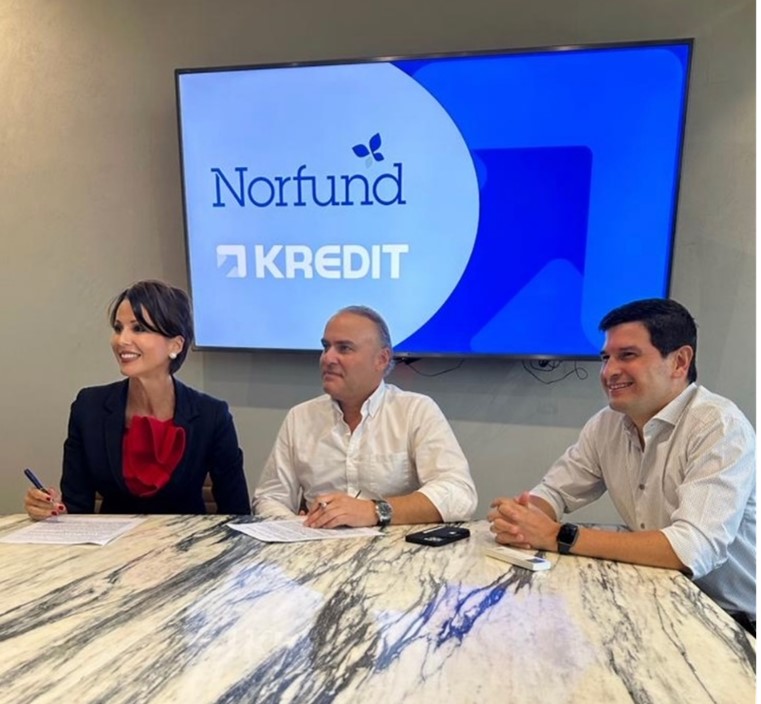
Contributing to increased financial inclusion is a key priority for Norfund in this target market. Now, Norfund has closed a USD 8MM eq. peso denominated loan with Kredit in Colombia to support its lending program to teachers and pensioners.

From left at financial close: Heidi Achong, Investment Manager Norfund-Financial Inclusion with the co-founders of Kredit: Juan Zambrano and Ernesto Castro in Barranquilla, Colombia.

Loans taken with Kredit are often used to help families consolidate their debt, to improve their credit scores and become bankable and to invest in home improvements, health, and further education for family members. These loans contribute to an improved quality of life for borrowers and play an important role in economic development.

Kredit counts with 56 agencies and 19,000 clients in different cities in Colombia including some of the most rural areas.

Millions to gain access to clean drinking water with new Norfund investment

Through a new fund Norfund will contribute to giving 30 million people access to clean drinking water in Africa and Asia. 

Today, 2 billion people lack access to clean drinking water. Climate change, population growth, and urbanization mean massive investments are needed to reach UN Sustainable Development Goal 6 of access to safe water, sanitation and hygiene, but it has been challenging to mobilize capital to the sector. 

Together with six private and public investors, Norfund is entering the first investment fund directly aimed at investments in clean drinking water in Africa and Asia. Norfund is contributing 5 million EUR (55 million NOK) to the Water Access Acceleration Fund (W2AF). 

“We are seeing a growing number of companies developing solutions to offer reasonably priced, clean drinking water. Through this fund we can help these kinds of companies get the capital they need to grow and help meet the large and growing need for more water”

Delphine Gilbert, Investment Manager in Norfund

According to the World Bank, developing countries lose around 260 billion USD annually due to poor water supply. It’s estimated that each dollar invested in clean water yields a four dollar reduction in health costs. 

Norfund sees huge potential to make a difference through water investments and has explored the sector in recent years. In 2021 Norfund invested in TransAfrica Water Systems, a company that delivers water pump solutions, water treatment, and solutions for waste management in Kenya and Tanzania. However, it has been difficult to find projects that are commercially sustainable. 

“Various challenges and different types of risk mean that many promising projects fall apart before it is possible to make an investment decision. We have unfortunately looked at a number of possible projects that have not come to fruition,” says Gilbert. 

The W2AF fund is the first of its kind, with a combination of commercial private capital, development finance institutions, and aid money to relieve some of the risk – so-called blended finance. 

“The goal is that the new fund, by taking higher risks, can show that the business models can deliver, and thus also show the way for other investors in the water sector, so that even more people can have access to affordable and clean water,” says Gilbert. 

The fund initially aims to commit 35 million USD, with the intention of later doubling that amount. The investments aim to provide 20 billion liters of water to 30 million people who currently lack access in Africa and Asia. 

Norfund with record investments in 2022

Norfund increased its investments in developing countries by over 20% to a record high 6.5 billion NOK in 2022.

“We are proud of the increased contributions we have made to creating jobs, fighting poverty, and avoiding emissions, in a time when many others are pulling capital out of the world’s poorest countries despite needs there being greater than ever.”

Tellef Thorleifsson, Norfund CEO

Investments had also previously increased during the pandemic in 2021 and 2020, with 10% and 20% respectively.

Norfund has received 1.68 billion NOK from the Norwegian state development budget over the last two years, with the aim of creating jobs through investment in sustainable businesses in developing countries. In 2022 Norfund also received an additional 1 billion NOK for the first time through the new Climate Investment Fund, matching 1 billion from Norfund’s own capital.

However, Norfund invested almost 2.5 times the total amount transferred.

“We see that we can make a difference by investing the money we receive through the state budget, instead of giving it away. With returns on our investments, and eventually exits, we can use the money many times over to continue fighting poverty and climate change.”

Tellef thorleifsson, Norfund CEO

The new Climate Investment Fund is Norway’s most important tool in accelerating the global energy transition by investing in renewable energy in developing countries with large emissions from coal and other fossil power production. The fund became operative in May 2022. Norfund rapidly invested just under 2 billion NOK.

Just over 1 billion was invested in various energy projects, 1.8 billion was invested in businesses related to financial inclusion, and the rest went to businesses in agriculture, industry, and infrastructure.

“We are satisfied with having increased our investments significantly through three years with a pandemic and now the ripple effects of the war in Ukraine. These events have made it especially difficult for developing countries to attract the capital needed to create jobs and escape poverty,” says Thorleifsson.

New challenges – and new opportunities

Norfund made several investments throughout the last year related to local food production.

“Increased food prices as a result of the war in Ukraine is an enormous challenge, but increased import prices also open up new opportunities to instead build up local production,” says Thorleifsson.

A combination of a difficult business environment and increased interest rates have led to investments in developing countries stalling again, despite an initial hope for recovery post-pandemic.

Increased subsidies to renewable energy in the West, with the USA’s Inflation Reduction Act at the forefront, have also made investors less willing to prioritize energy investments in developing countries.

“We see an increasing need for renewable energy investments in the priority markets of the Climate Investment Fund, and we are able to contribute efficiently to avoid large scale emissions,” says Thorleifsson.

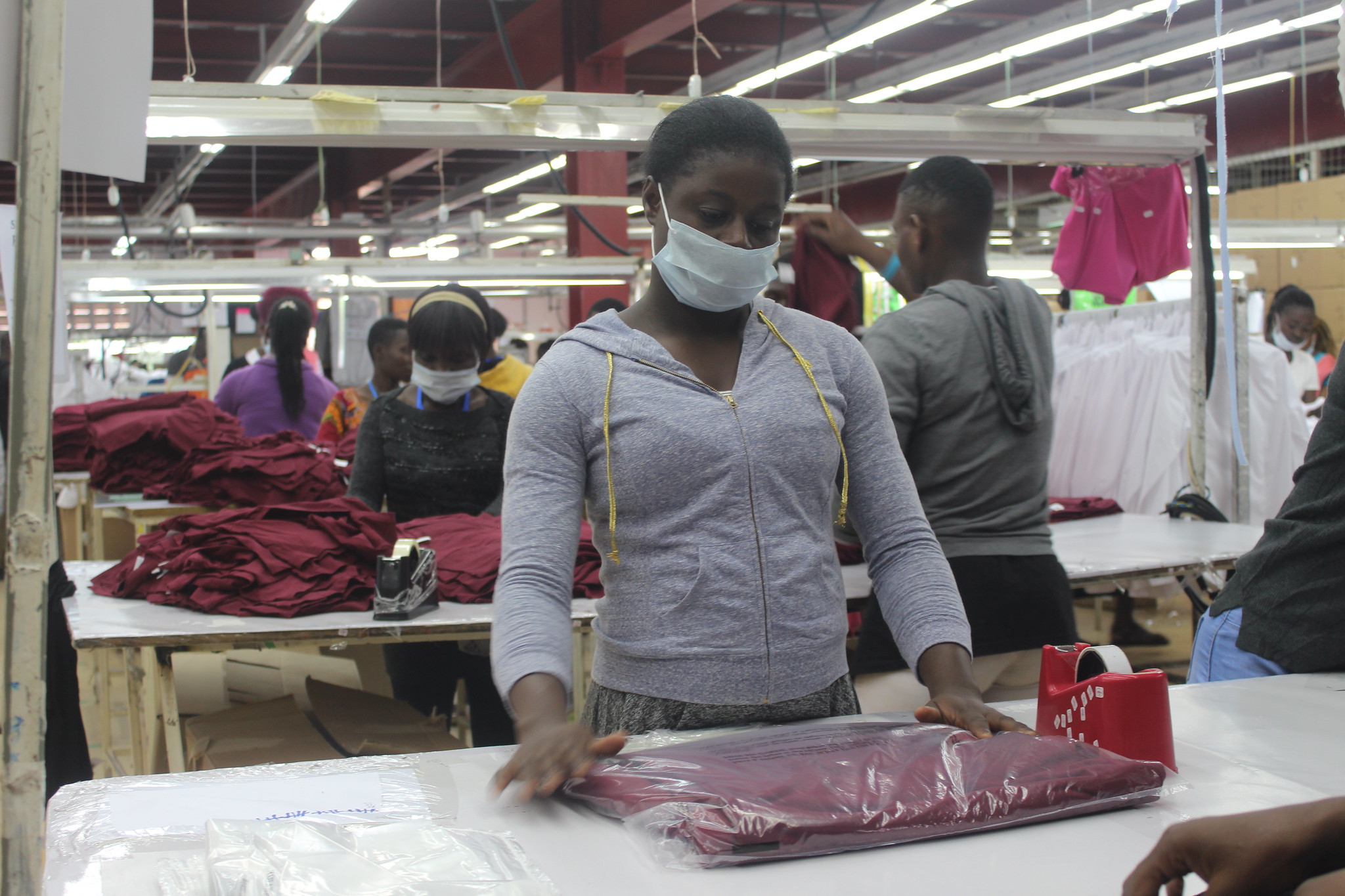
Investing in textile industry to create thousands of jobs in Kenya

Norfund is entering the African textile industry for the first time, launching two investments in Kenya.

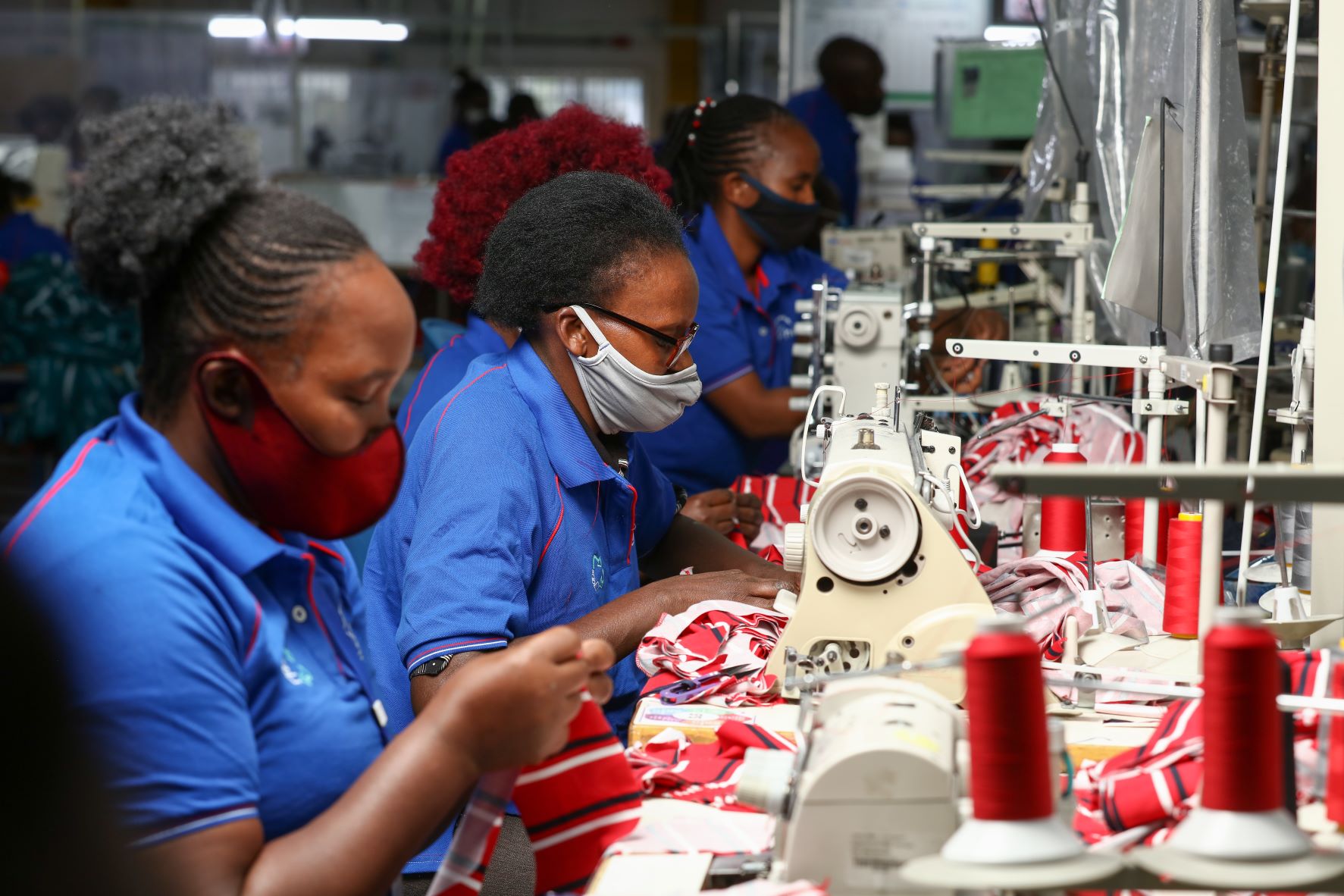
“The textile industry can create a large number of jobs that give the fast-growing young population the opportunity to work their way out of poverty. Norfund also aims to contribute to handling some of the challenges in the industry”, says William Nyaoke, Norfund’s regional director for East Africa.

The covid pandemic and increased perception of political risk have increased the pressure on differentiation and developing alternatives to Asian textile production.

Africa has a unique possibility to use this moment to develop more of the millions of jobs needed for the continent’s young and growing population, and this has to happen in a sustainable manner.

william nyaoke, regional director East-Africa

Two investments in Kenya’s textile industry

Norfund is investing in two textile manufacturers in Kenya, in line with our aim to create jobs and improve lives through investing in sustainable businesses:

  • The Balaji Group is one of the leading manufacturers of clothing in Sub-Saharan Africa, with 12 000 employees and production both for the local Kenyan market and for export, for brands such as Wrangler, Lee and H&M. Norfund and Ethos Mezzanine partners, one of Africa’s most renowned investment companies, together invest USD 25 million (12,5 million each) in Balaji. The goal is to create at least 6,000 new direct jobs and a further 6,000 indirect jobs in the company.
  • Hela Apparel Holdings PLC is a Sri Lankan apparel supply chain solution provider with a global manufacturing footprint, which has established itself in Kenya, Ethiopia and Egypt, with over 10,000 employees across Africa. Hela works with some of the world’s leading apparel brands in the Intimate, Kids wear and Active wear product categories. Norfund’s investment of USD 14 million will support additional investment in the Kenyan manufacturing facility which will enhance productivity and create new employment opportunities. The company will also use the capital to build a sustainable local supply chain in East Africa.

Contributing to more sustainable production and good working conditions

The textile industry has been in the spotlight over both working conditions and challenges related to pollution, water consumption and climate emissions.

“We are aware that the industry faces a number of challenges and dilemmas. Our ambition is that Norfund as a responsible investor can contribute to strengthening the companies on sustainability and working conditions”

William Nyaoke, Regional Director, East Africa

The investment in Balaji will finance new modern washing machines that will triple production capacity, while reducing electricity use by 20-30%, water consumption by 70% and chemical use by 60%. The company has installed East-Africa’s largest rooftop solar plant of 1.8 MW to cover large parts of its energy needs, cutting 30% of its energy bills.

Norfund’s investment in Hela will contribute to a more sustainable value chain by producing larger parts of the value chain locally. The company has brought in two companies that will produce packaging materials and elastics in Kenya.

Opportunities for women

Most of the employees in the clothing industry are women who otherwise struggle to find work. Research has shown several positive effects for women as a result of the textile and apparel industry, such as increased school attendance and delayed marriage.

Hela has been conducting training sessions for its team members to educate them on topics such as; family planning, sexual health, and other life skills. The company also offers creche facilities for all female team members in Kenya with children between the ages of 4 months to 3 years during work hours, facilitating an easier return to work for mothers. Employees in Kenya are also given access to 20 Liters of clean drinking water that they can take home daily.