Scaling efficient food systems across Africa

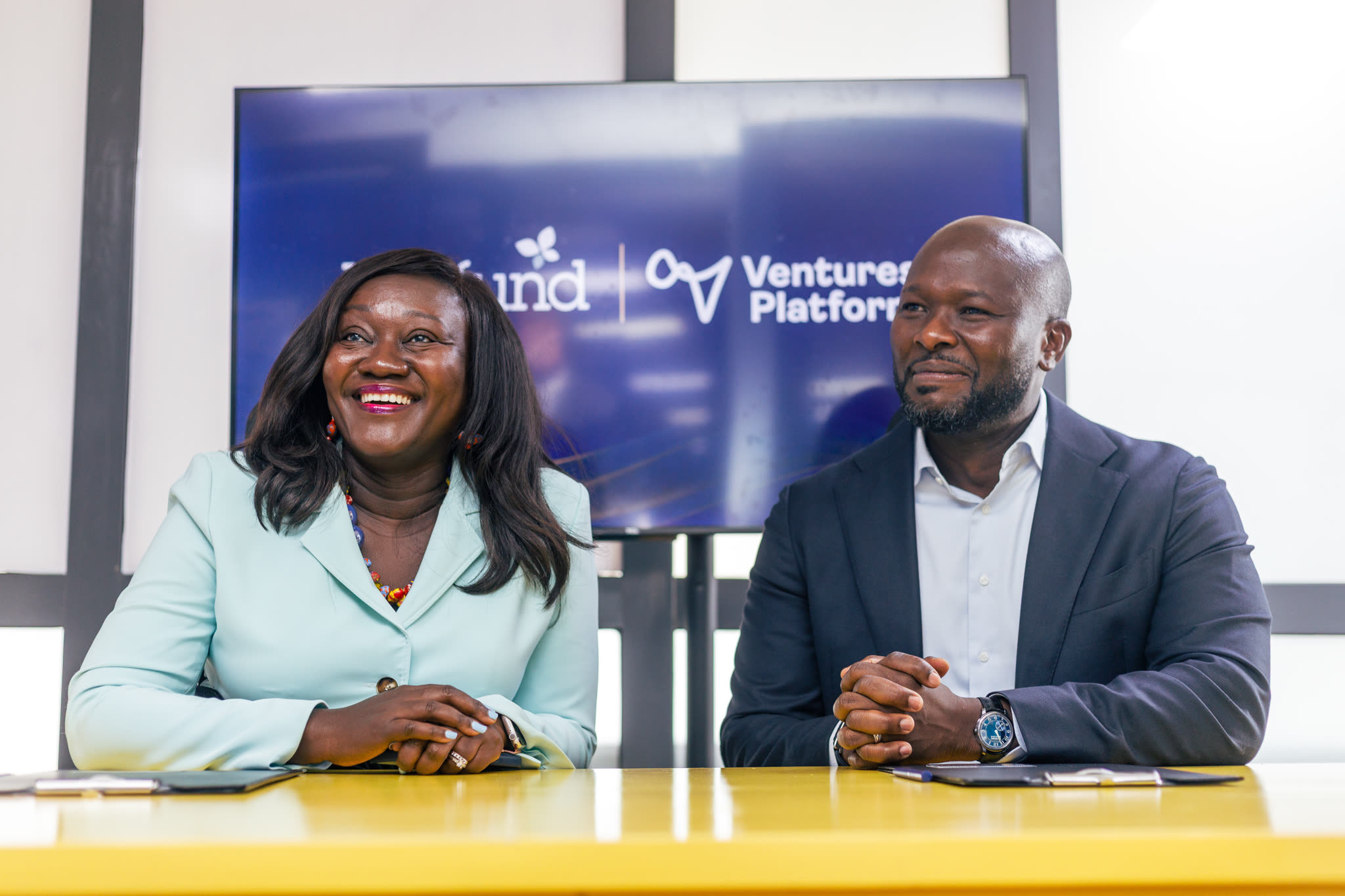
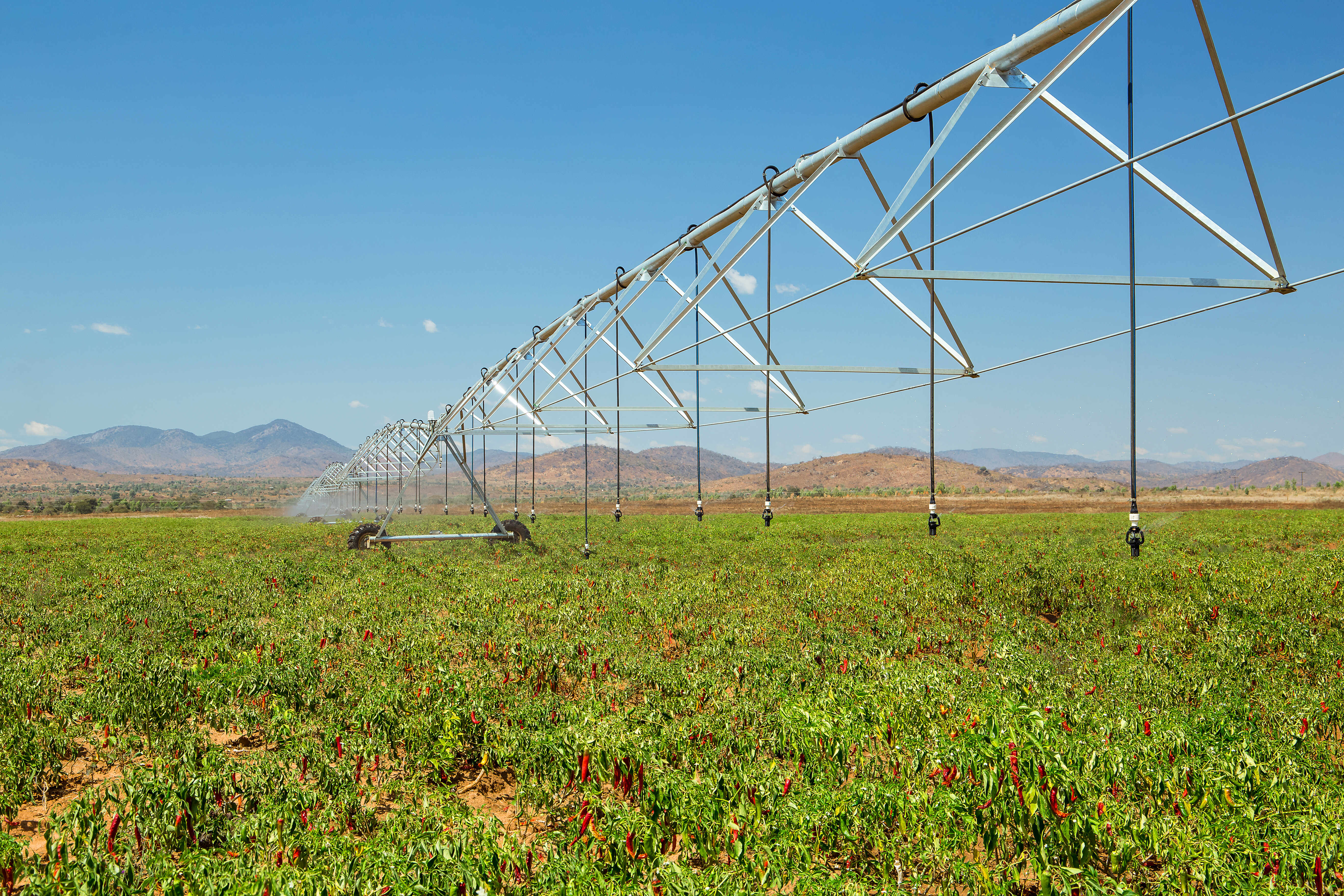
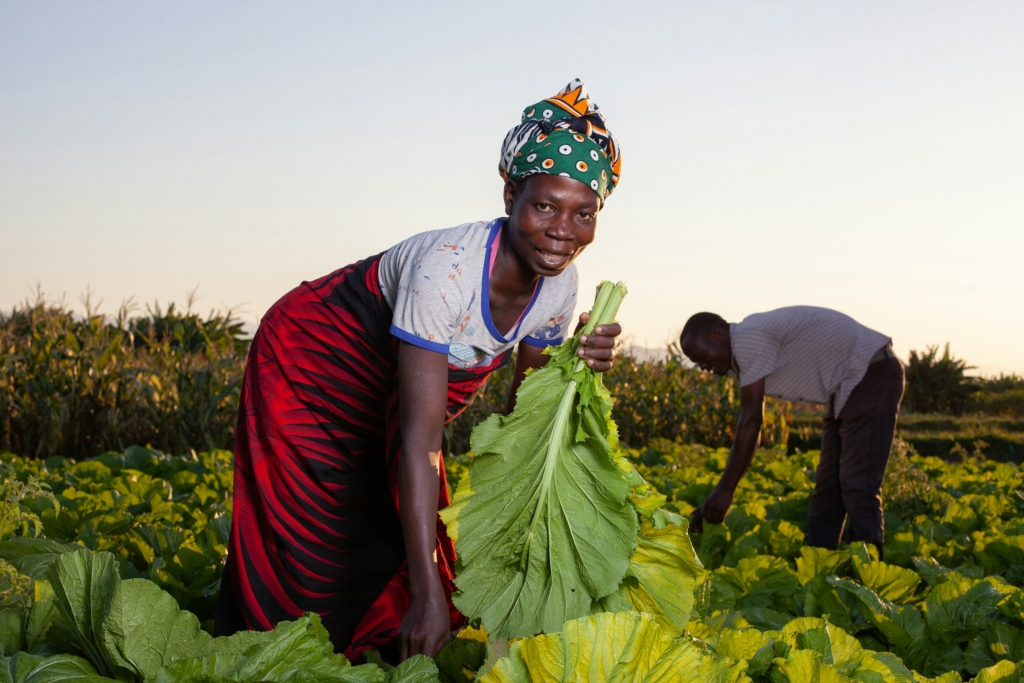
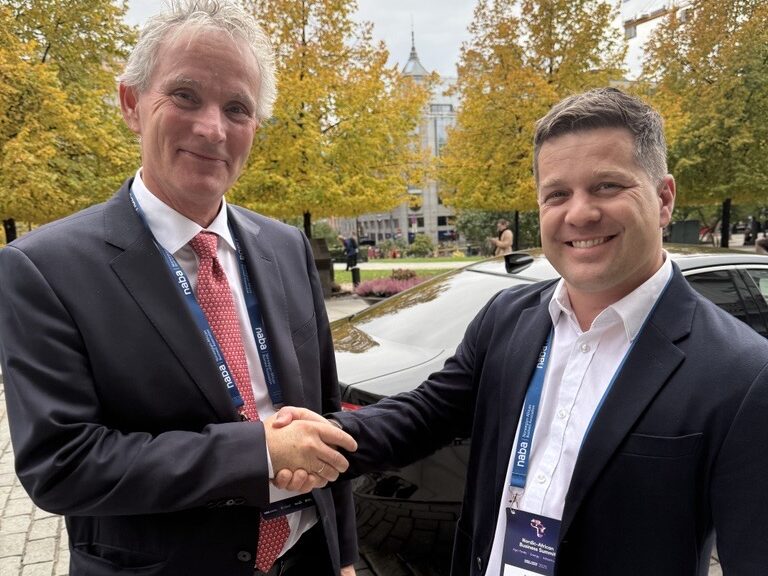
Norfund is investing USD 15 million in Phatisa Food Fund 3 to scale food value chains across Africa. The investment aims to improve food security, support decent job creation, and contribute to more resilient and efficient food systems.

Why scaling and efficiency is vital

Africa’s food systems face mounting pressure from rapid population growth, climate change, and fragmented value chains. By 2050, one in four people globally is expected to live in Africa.At the same time, urbanisation is accelerating, with consumption shifting toward processed and distributed food products that require efficient value chains.

It is a paradox that Africa remains heavily reliant on food imports, despite holding around sixty percent of the world’s uncultivated arable land. Low yields, limited access to technology and inputs, high post-harvest losses, and weak logistics all reduce availability and raise costs. Addressing these structural constraints is vital to making food more accessible and affordable.

Backing businesses that strengthen the food system

Phatisa Group Limited focuses on investing in businesses that strengthen food production, processing, and distribution across Africa. Improving performance at each step of the value chain helps reduce waste, lower costs, and ensure food reaches expanding urban markets more efficiently.

“Competitive food value chains are critical to job creation and economic development in Africa,”

Pindie Nyandoro

Regional Director in Southern Africa

Phatisa Food Fund 3 will focus on agri-inputs such as seeds, crop protection, fertilisers, and agri-tech, as well as downstream activities such as food processing, food production, cold storage, logistics, and food distribution.

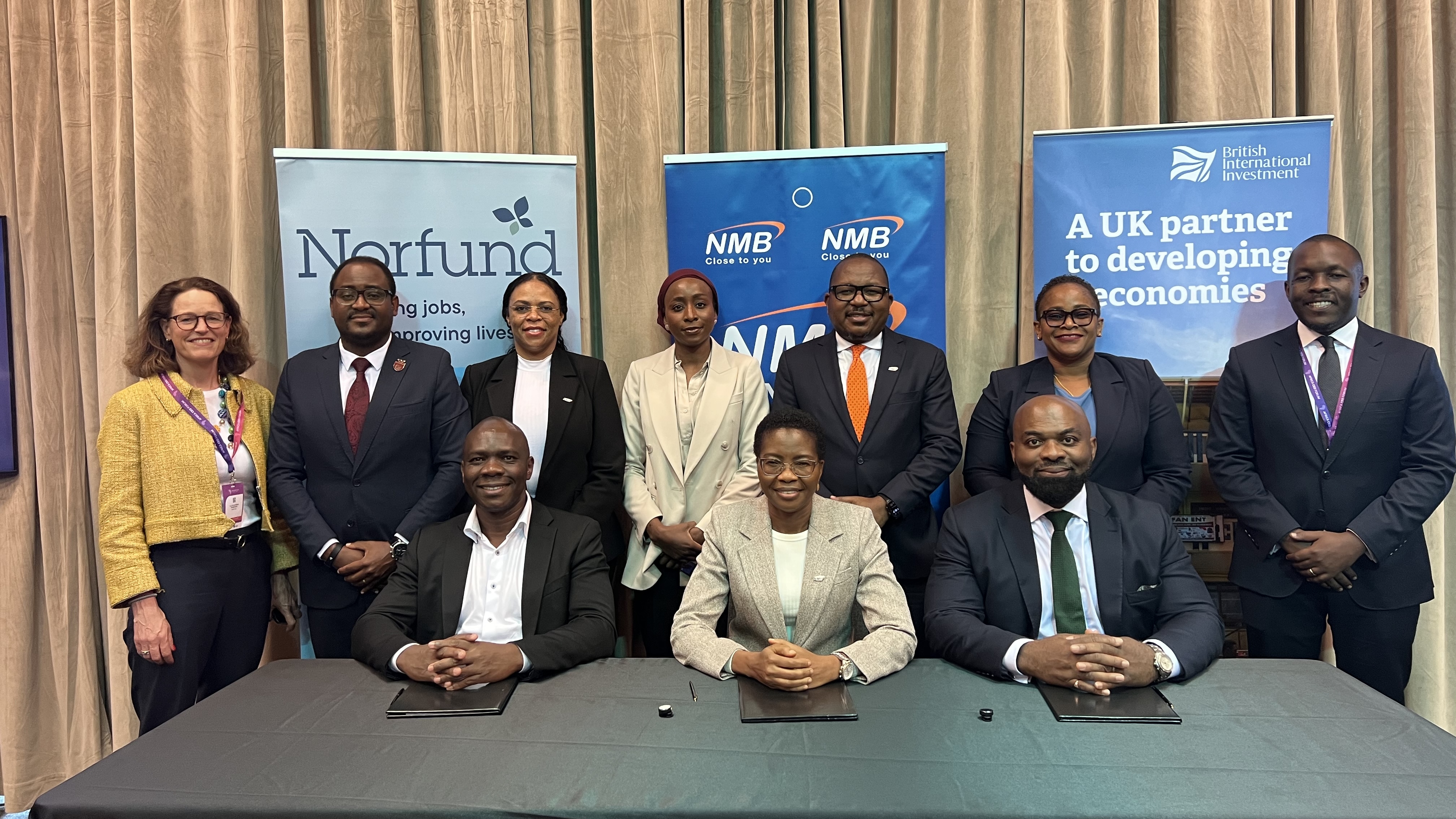
Norfund’s investment is part of an USD 86 million first close alongside development finance institutions British International Investment, Swedfund, IFC, and FinDev Canada.

400 million for Scatec’s largest solar and battery project in Egypt

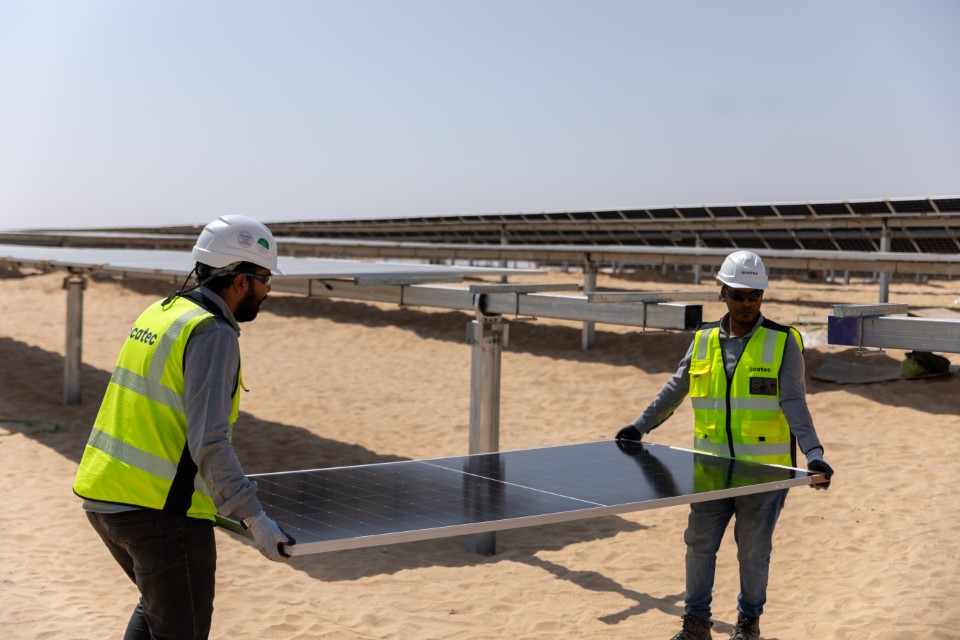
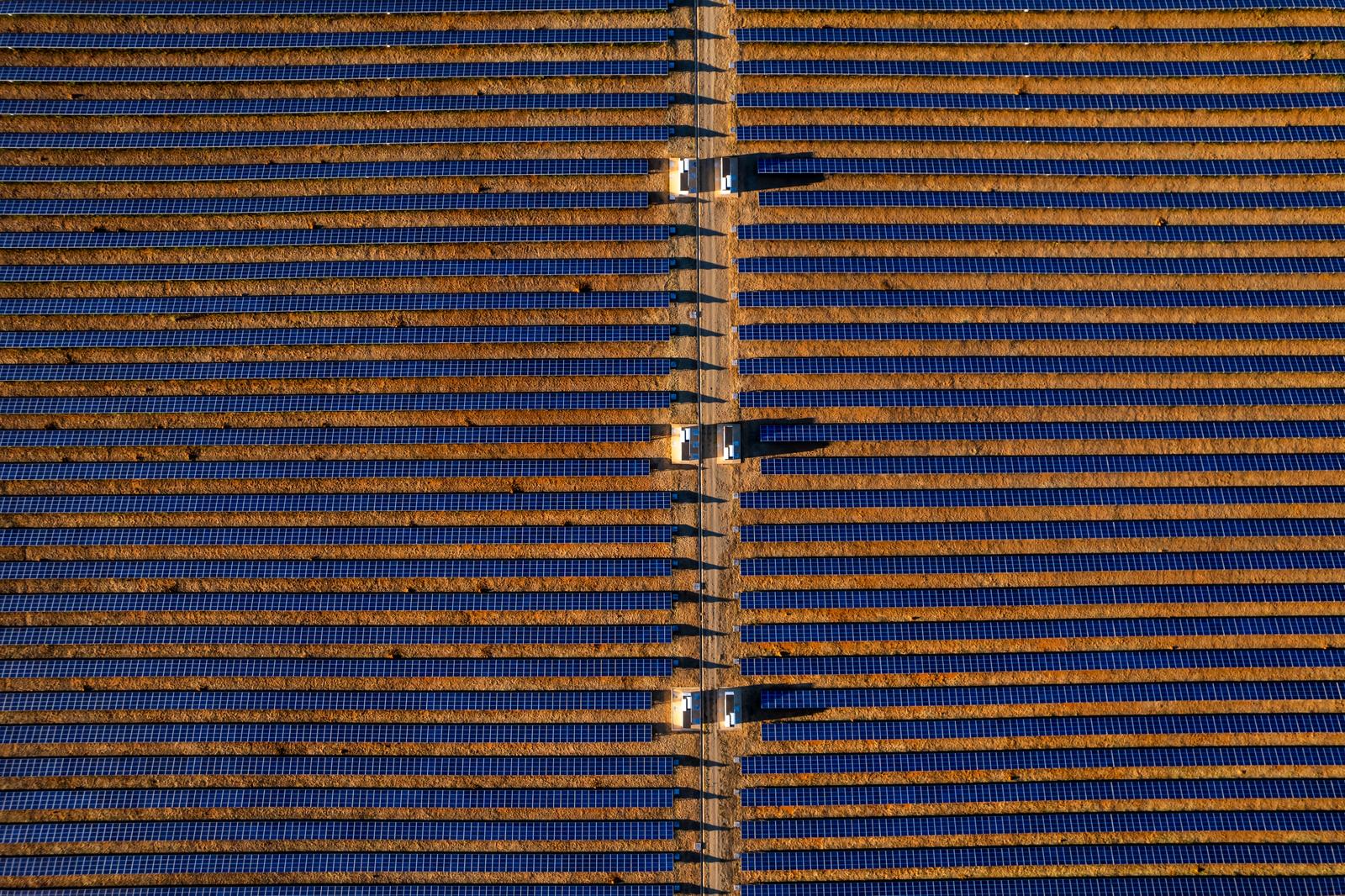
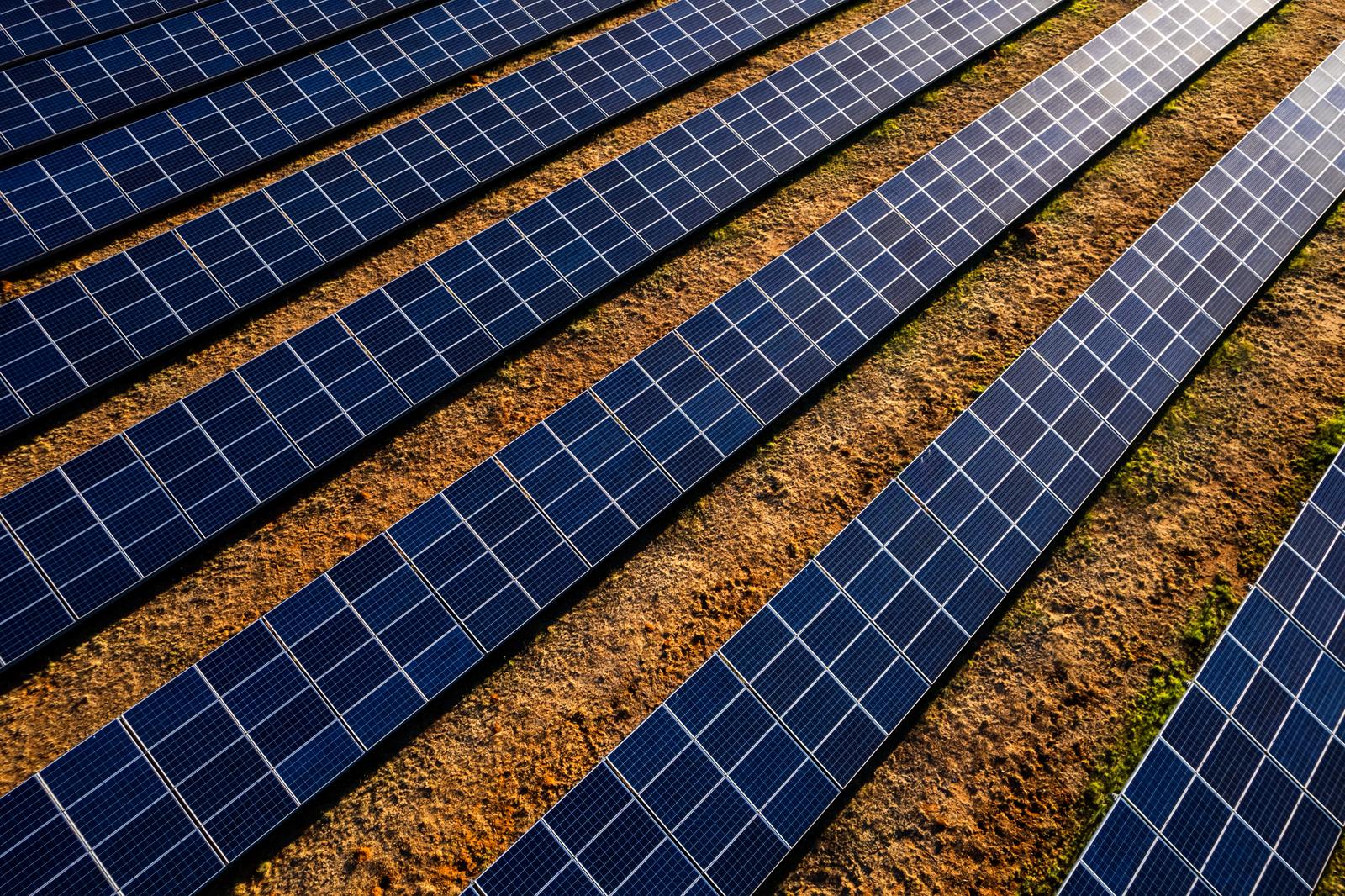
The Climate Investment Fund is committing 400 million kroner to Scatec’s Obelisk project in its first investment in Egypt. The hybrid plant, with 1.1 GW of solar power and 200 MWh of battery storage, will help avoid 1.5 million tons of CO₂ annually.

Photo: Scatec

The project, located in Naga Hammadi in Upper Egypt, will deliver stable and cost-efficient renewable energy to a country with rapidly growing power needs. Obelisk is Scatec’s largest project to date.

The large-scale project will generate more than 3,000 GWh of electricity annually, avoiding 1.5 million tons of CO₂ emissions. That is roughly equivalent to Norway’s largest single point source, Mongstad, or about 3 percent of Norway’s annual emissions.

“This project is an example of what we need more of in development policy. By combining private and public capital, we help deliver high-tech solutions that create jobs and cut greenhouse gases in developing countries. In October, I learned about the important role Scatec plays in Egypt when I visited the country, and I look forward to following their work going forward,”

Åsmund Aukrust

Minister of International Development

Through the agreement, Norfund, via the Climate Investment Fund, will own 25 percent of the Obelisk holding company, while Scatec will own the remaining 75 percent. The French company EDF will own 20 percent of the operating company (SPV), giving Scatec and Norfund total ownership shares of 60 and 20 percent respectively.

“The Obelisk project is a good example of how the Climate Investment Fund can help accelerate the transition from fossil to renewable energy in emerging markets through profitable investments,”

Bjørnar Baugerud

Head of the Climate Investment Fund

The investment is the Climate Investment Fund’s first in North Africa and its first in Egypt. The country was added earlier this year as one of the fund’s 13 priority countries, and Norfund has worked with Scatec on this investment for an extended period.

“We are very pleased to continue our valuable collaboration with Norfund. Obelisk is the largest project Scatec has begun constructing to date, and the combination of solar and batteries will deliver stable and cost-efficient renewable energy to meet Egypt’s growing power needs and support its energy transition,” says Scatec CEO Terje Pilskog.

Since Norfund began managing the Climate Investment Fund in 2022, it has committed 5.6 billion kroner during its first three years. These investments support projects that, once completed, will avoid 17.6 million tons of CO₂ annually. That corresponds to 40 percent of Norway’s annual emissions. At the same time, the fund has delivered an average return of 14.4 percent in investment currency (19 percent in NOK).

Norfund invests to expand electricity access in Côte d’Ivoire 

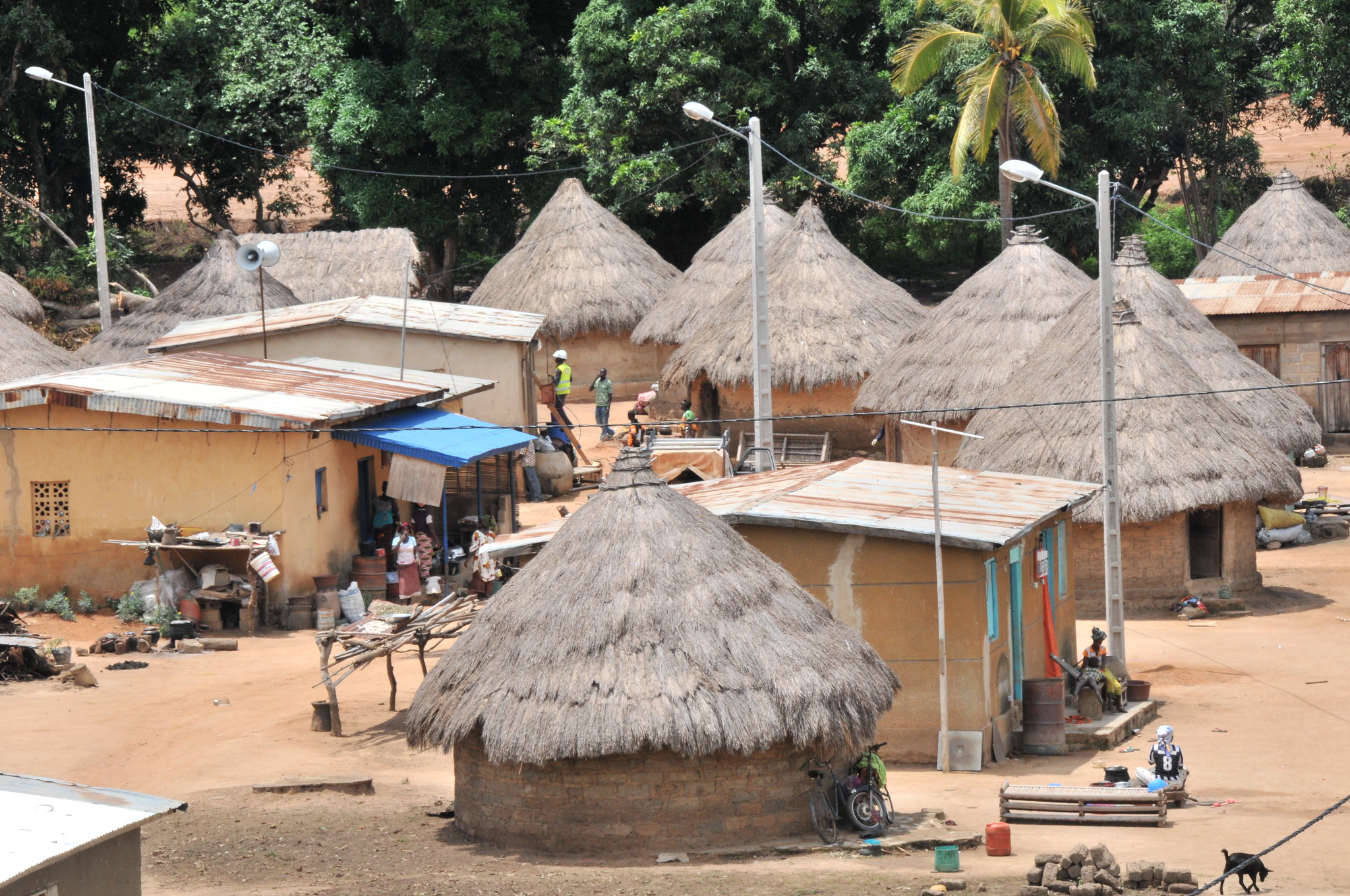
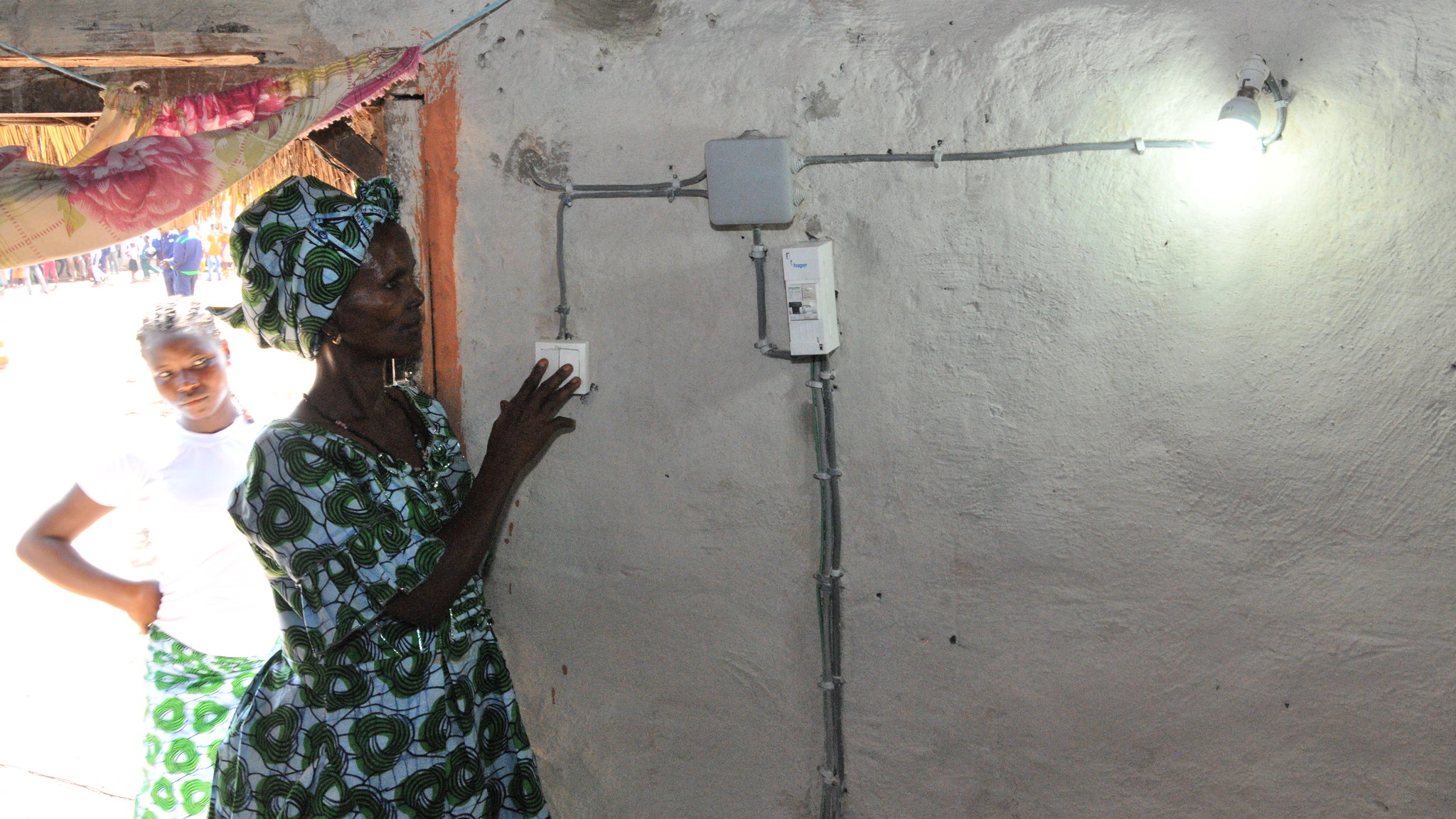
Norfund is investing in the Programme Electricité Pour Tous (PEPT) second social bond issuance in Côte d’Ivoire to help finance up to 400,000 new grid connections for low-income households and small businesses, supporting Côte d’Ivoire’s ambition to achieve universal electricity access by 2030. 

Photo credit: PEPT II

The bond issuance (FCTC EPT 2025-2040), totalling XOF 60 billion (EUR 91 million), is structured in three tranches and issued by a securitization vehicle called “Fonds Commun de Titrisation de Créances Électricité Pour Tous” (FCTC EPT).  

Norfund will invest approximately EUR 11.5 million (XOF 7.5 billion) in Tranche B, alongside Société Ivoirienne de Banque (SIB), with the latter covered by a risk enhanced guarantee from the International Financial Corporation (IFC).  

The transaction builds on the success of the first PEPT bond issuance in 2023. It further deepens participation of local capital markets in the West African Economic and Monetary Union (WAEMU) for energy projects. 

“This investment reflects Norfund’s commitment to mobilizing long term local capital and accelerating access to affordable energy in Sub-Saharan Africa. We are delighted to support the PEPT fund as part of this Phase 2 electrification programme which is aligned with both Côte d’Ivoire’s National Development Plan, and Norfund’s objectives in accelerating energy access on the continent,” said Fabrice Mpollo, Senior Investment Manager at Norfund. 

PEPT enables low-income households to connect to the grid with a modest upfront payment, while the bulk of the infrastructure cost is paid down over time through the monthly electricity bills.  

Since its launch in 2014, the program has facilitated over 2 million connections, 63 percent of them in rural areas. The second bond issuance will finance an additional 400,000 connections, contributing to the World Bank and AfDB’s “Mission 300” initiative, aiming to connect 300 million Africans to electricity by 2030.  

Last week, IEA’s World Energy Outlook 2025, showed that around 730 million people still live without electricity, a decrease of 11 million since last year’s report. 

The investment is aligned with Norfund’s strategy to promote development impact through local currency financing and support for underserved populations, and Norfund’s goal to increase access to energy. Last year, 750,000 households gained access to electricity from Norfund’s investees. 

Norfund is part of an anchor investor group alongside the African Development Bank and The Emerging Africa & Asia Infrastructure Fund (EAAIF). The project also includes as a key stakeholder, CIE, the national electricity company and distributor in Cote d’Ivoire, which will be responsible for the implementation of the programme. 

“By joining this innovative transaction, we contribute to accelerating electricity access for underserved populations and to the sustainable development of their communities, while strengthening the alternative financing ecosystem in Côte d’Ivoire”, says Fabrice Mpollo. 

Climate Investment Fund invests USD 75m to accelerate energy transition in South Africa 

The Norfund-managed Climate Investment Fund’s is investing USD 75 million in Mulilo, a leading South African developer of renewable energy projects and Independent Power Producer. 

“This investment shows how Norway is helping to reduce emissions, create jobs, and build a more sustainable future,” says Norwegian Prime Minister Jonas Gahr Støre in a press release.

South Africa is in the midst of a serious energy crisis, and 85 percent of the country’s energy comes from coal. The transition to renewable energy is crucial to reduce emissions, ensure a stable electricity supply, and create jobs. Norway is a partner in this transition. 

“The world must triple the production of renewable energy by 2030. To succeed, it is crucial that we also include the African continent. There is a lot of sun here, but investments in renewable energy have long been insufficient. The Norwegian Climate Investment Fund is a powerful tool to accelerate the energy transition in developing countries,” says Prime Minister Jonas Gahr Støre in the press release

The Climate Investment Fund’s investment of around NOK 760 million in the company Mulilo will be used to build wind, solar, and battery projects that will supply both the national grid and large commercial customers. Mulilo already has 765 MW under construction and and plans to add a further 1 GW to its construction portfolio in 2026.

“South Africa is a key country for the global energy transition. Through the Climate Investment Fund, we provide risk capital that helps meet energy needs with renewable energy,” says Tellef Thorleifsson, CEO of Norfund. 

Norfund manages the Climate Investment Fund. Norfund has invested a total of NOK 3.4 billion in renewable energy in South Africa, and NOK 1.9 billion of this is through the Climate Investment Fund.

Copenhagen Infrastructure Partners (CIP) and the investors in its New Markets Fund I (CI NMF I) remains a key shareholder in Mulilo.  

“We are very pleased to welcome Norfund as a strategic minority investor in Mulilo. This partnership is a testament to the strength and potential of Mulilo, and the progress achieved. Norfund’s investment not only provides valuable growth capital but also brings a highly reputable, government-backed partner with deep experience in the South African energy sector. Together, we will continue to accelerate the energy transition, support local communities, and deliver strong value for our investors.” says Robert Helms, Partner in CIP.  

The renewable projects in South Africa that Norfund has invested in helped avoid 4.3 million tons of CO₂ emissions last year – equivalent to nine percent of Norway’s annual emissions. 

“Norfund is proud to join forces with Copenhagen Infrastructure Partners and Mulilo’s founders and local partners in this landmark investment that will accelerate the deployment of renewable energy across South Africa. Our commitment of USD 75 million reflects our confidence in the platform’s ability to deliver large-scale renewable energy projects that support the transition to net zero,” says Tellef Thorleifsson, CEO of Norfund.

Norfund invests in sustainable steel production in Ghana

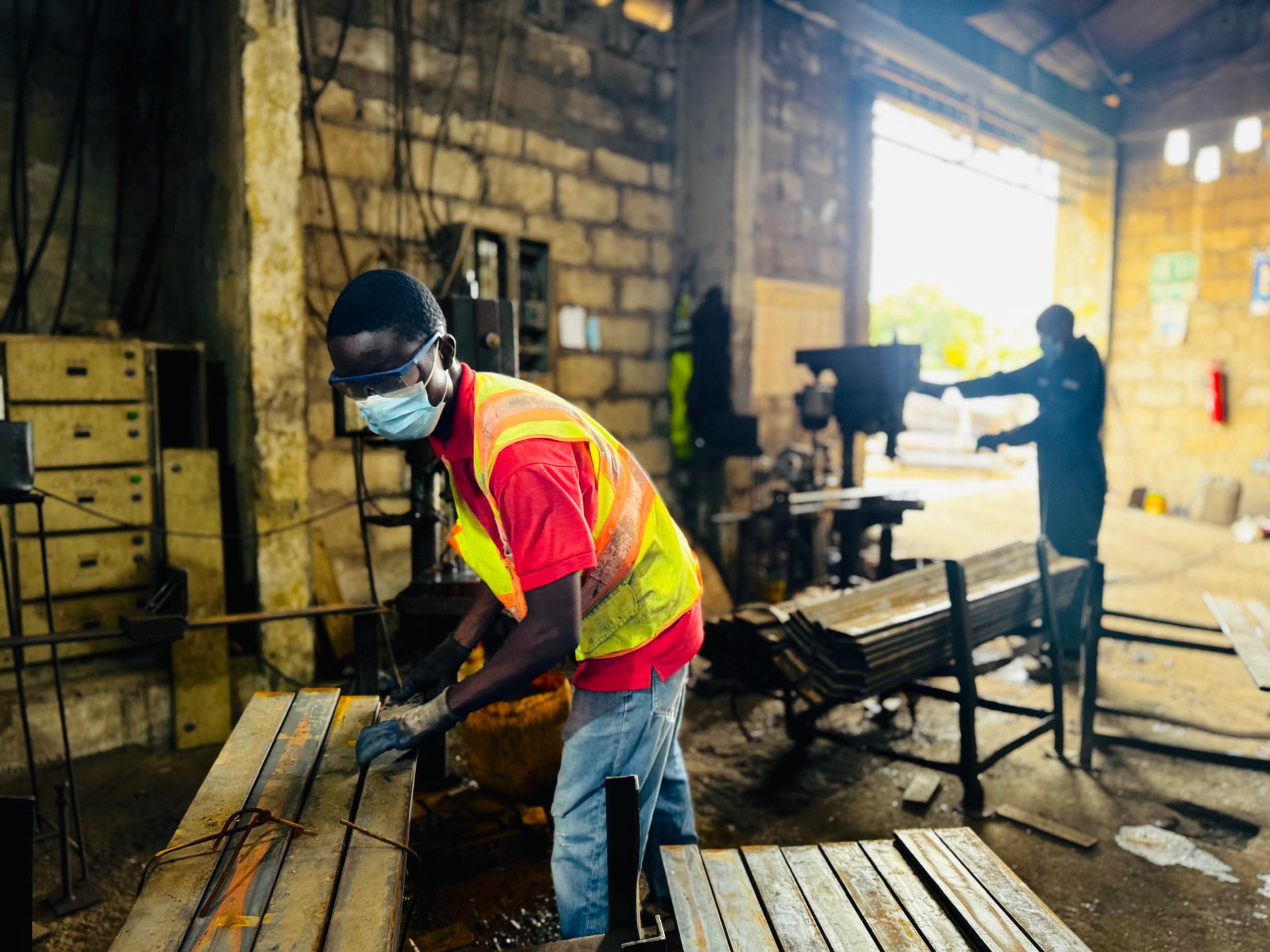
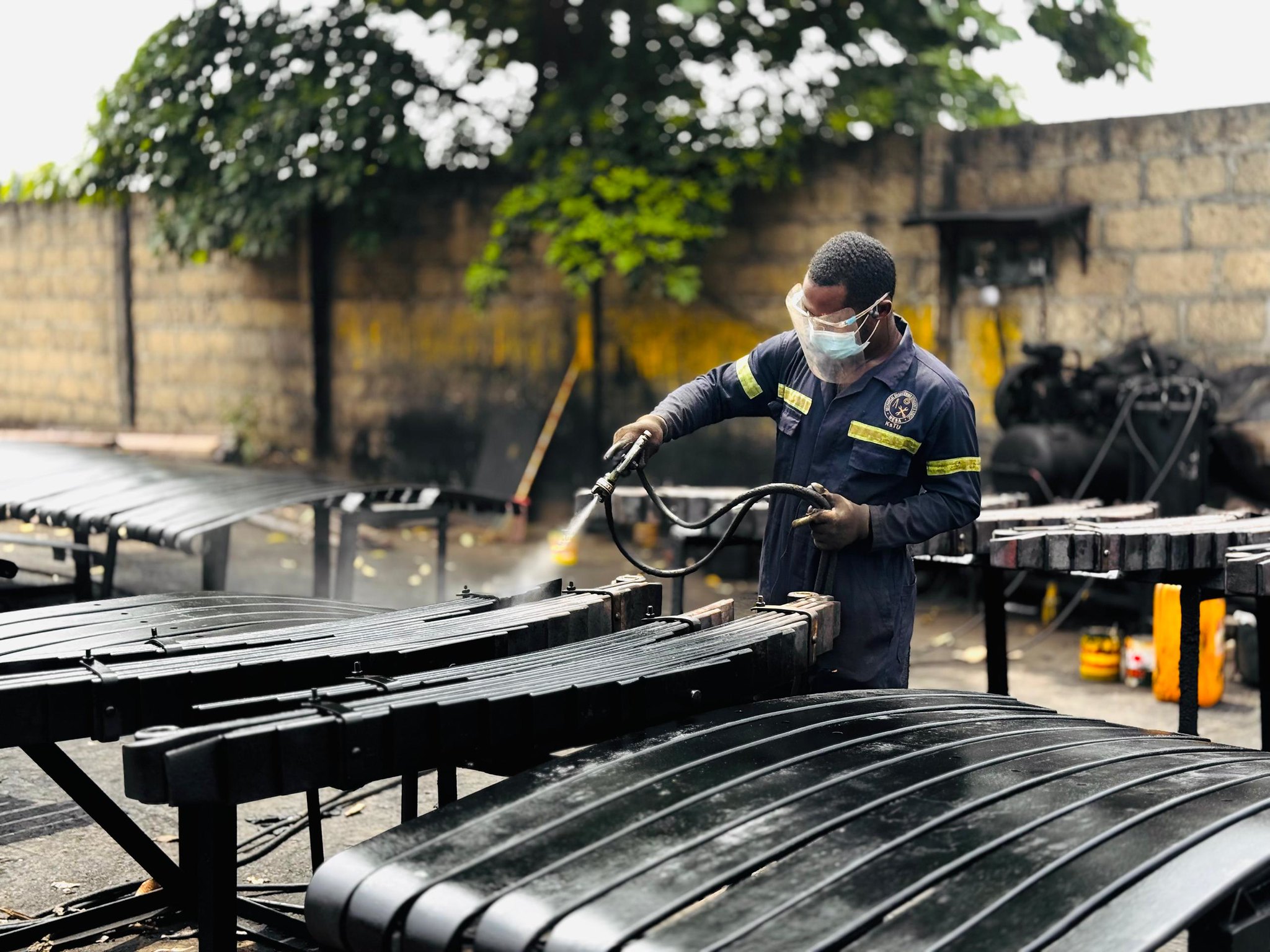
Norfund is investing in B5 Plus Limited, one of Ghana’s largest steel manufacturers. The investment in sustainable and local steel production will help create thousands of jobs and support Ghana’s transition to cleaner energy.

Photo: B5 Plus Limited

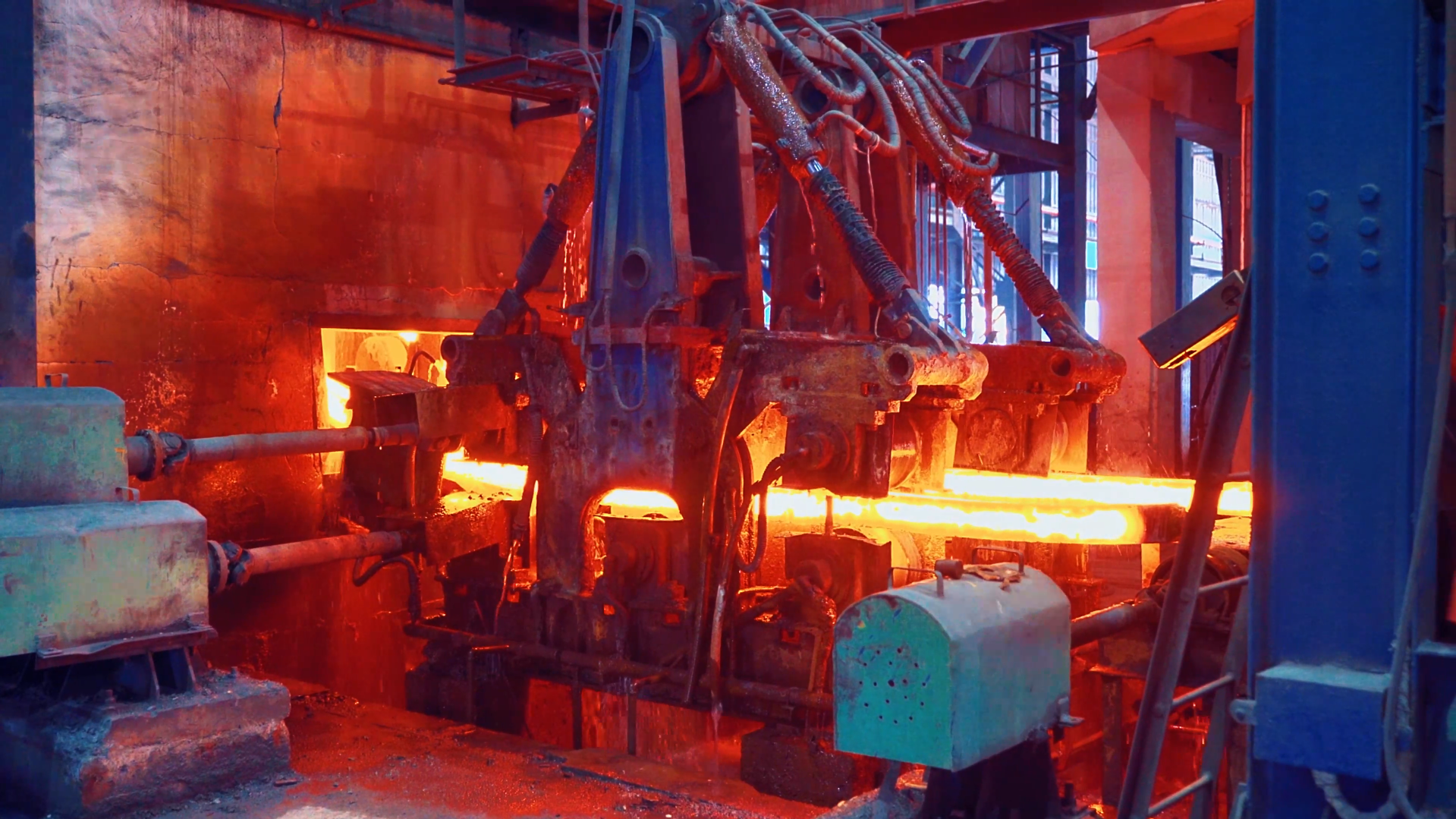
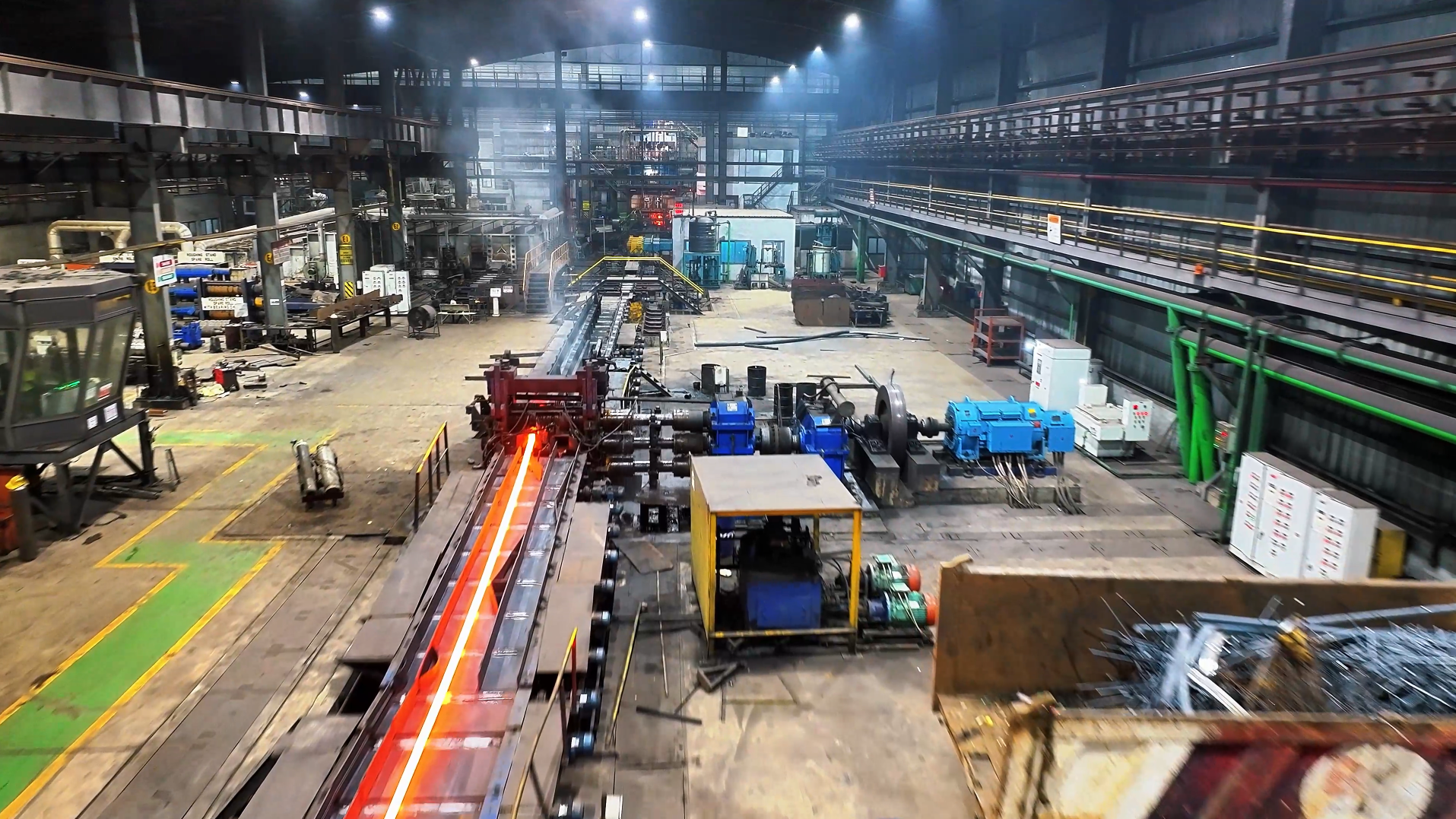
B5 Plus Limited is recognized for its ISO 9001:2015 certification and adoption of Kaizen continuous improvement practices. Norfund’s investment is in the form of a USD 15 million loan. The capital will be used to refurbish a recently acquired steel plant in Ghana’s Tema Freezone and build a 16 MW solar power facility at B5 Plus’ site in Prampram. It will also strengthen the company’s operations through modernization and improved efficiency.  

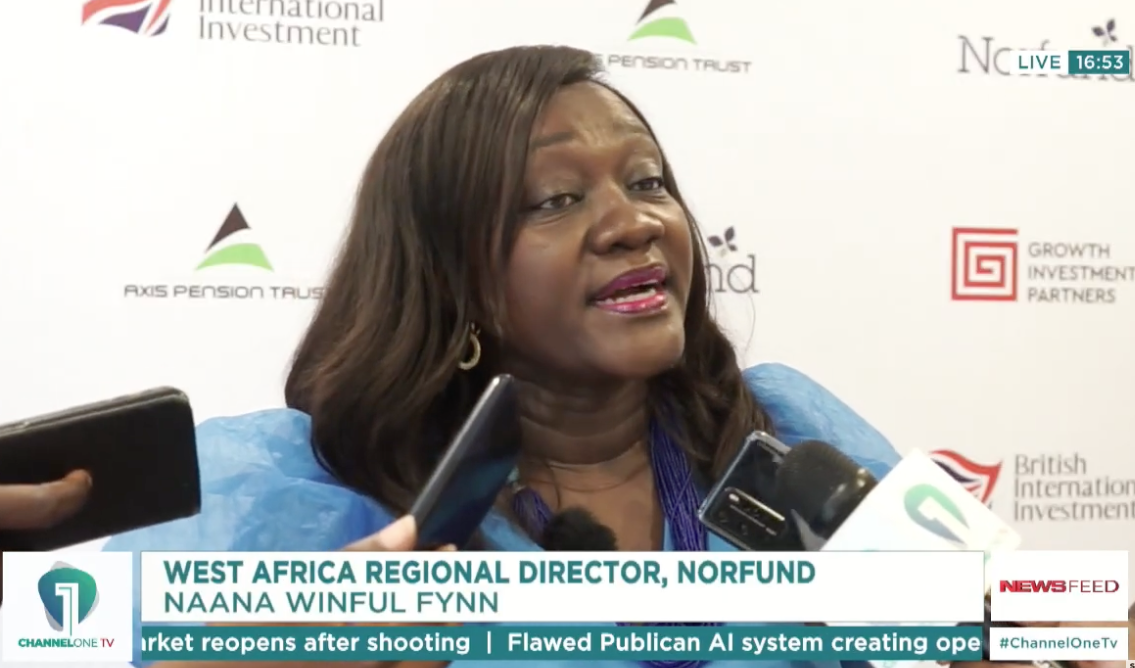
“This investment aligns with our mandate to create jobs and improve lives, and it helps reduce the carbon footprint of the supply chain and production processes, including through increased use of scrap metal and integration of renewable energy. It also strengthens the company’s competitiveness and contributes to green industrial growth in Ghana”, says Naana Winful Fynn, Norfund’s Regional Director for West Africa. 

The project is expected to create 1,800 direct jobs and contribute to an additional 10,000 indirect jobs. Demand for construction materials like steel is rising in line with economic growth in Ghana and the region. 

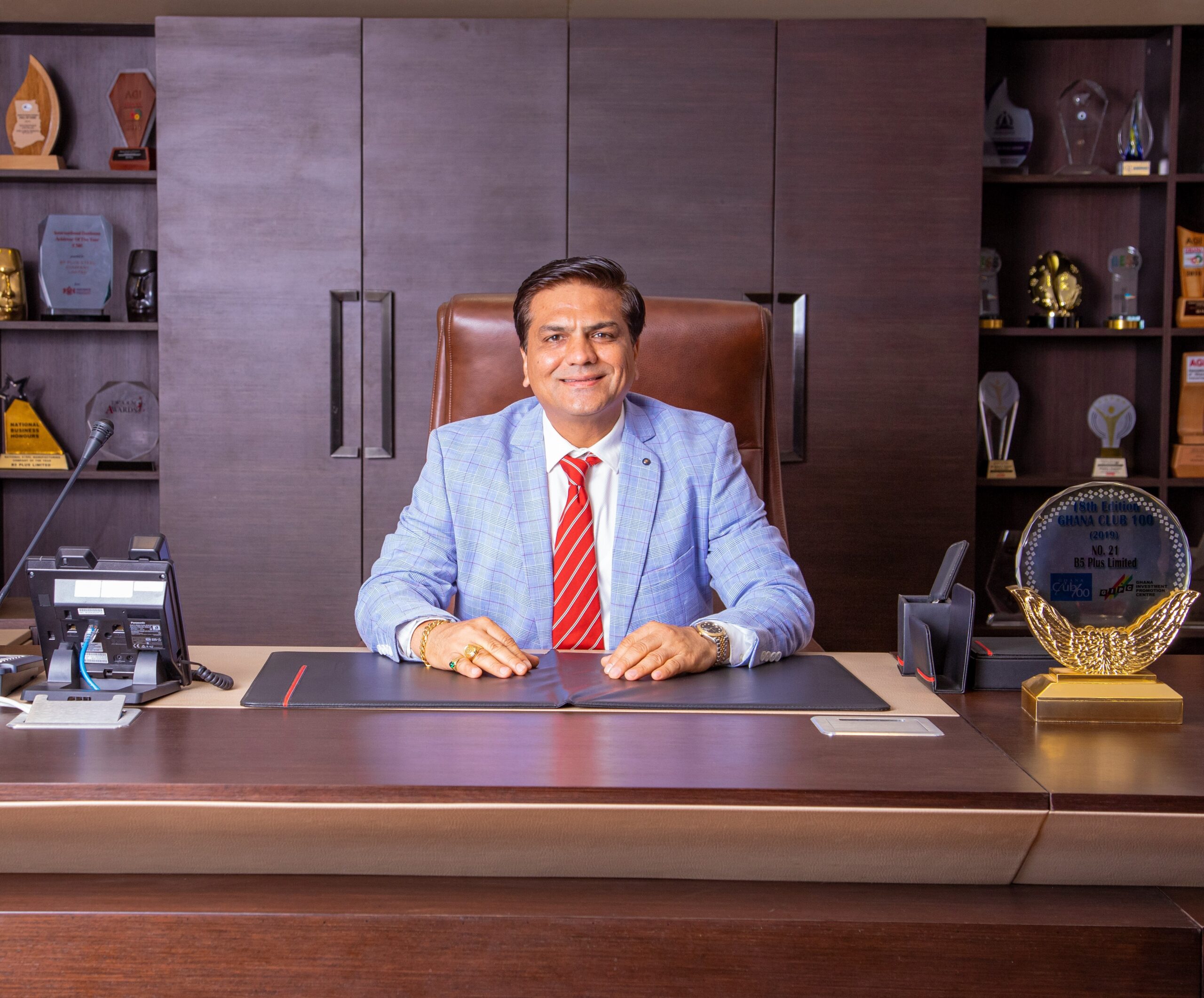
“We are honored by the partnership of Norfund, which reflects confidence in B5 Plus Group’s sustained growth and Africa’s industrial future. Our greatest asset has always been our people — their talent, dedication, and resilience drive our success — and we are equally committed to giving back through education, skills development, and community-focused CSR initiatives. This collaboration goes beyond finance; it is about building resilient industries, empowering communities, and shaping a future of inclusive and sustainable progress for Africa and beyond.” 

Mr. Mukesh Thakwani, Executive Chairman of B5 Plus

“Local and competitive steel production is essential to support infrastructure development and the industrial growth needed to create the jobs that are key to driving development in Ghana”, says Fynn. 

Photo: B5 Plus Limited

Steel production is a major source of global greenhouse gas emissions, averaging 1.92 tons of CO₂ per ton of steel (World Steel Association – CO₂ Data). B5 Plus already primarily relies on recycled steel, and by further increasing this usage in combination with investing in solar energy, the company is taking important steps to ensure that Ghana’s growth happens with as low emissions as possible. 

Norfund invests in canned fruit processor in South Africa

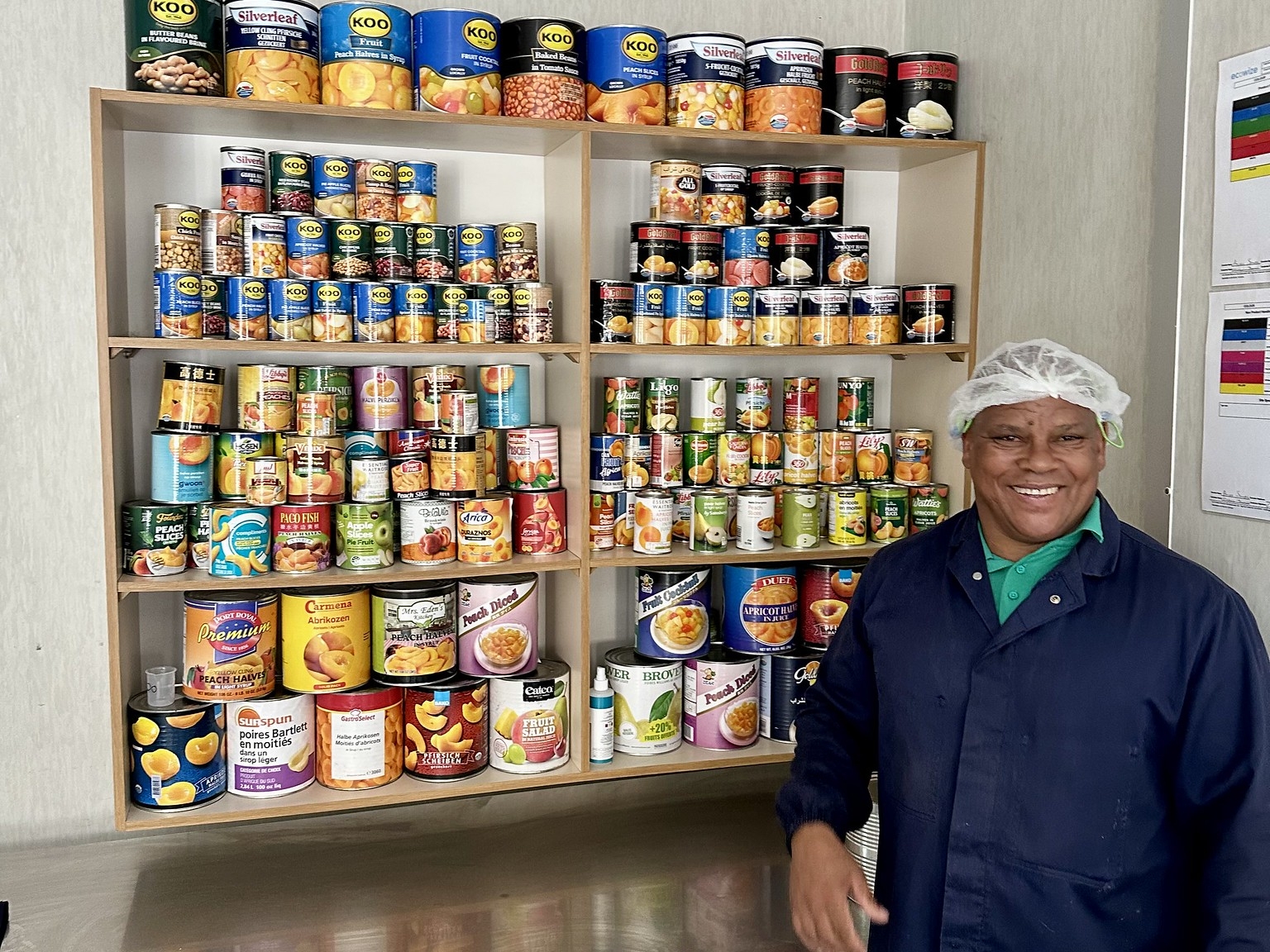
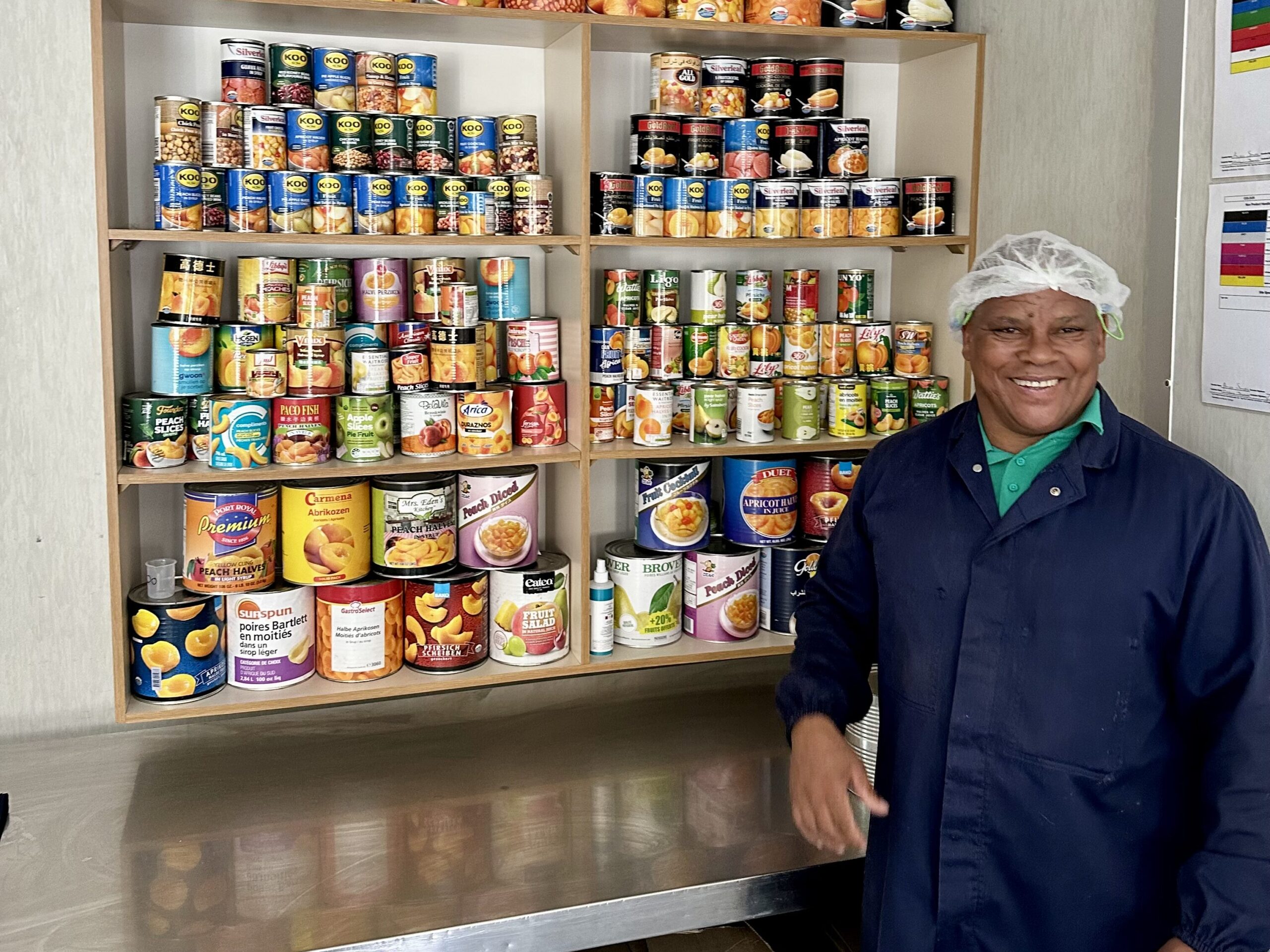
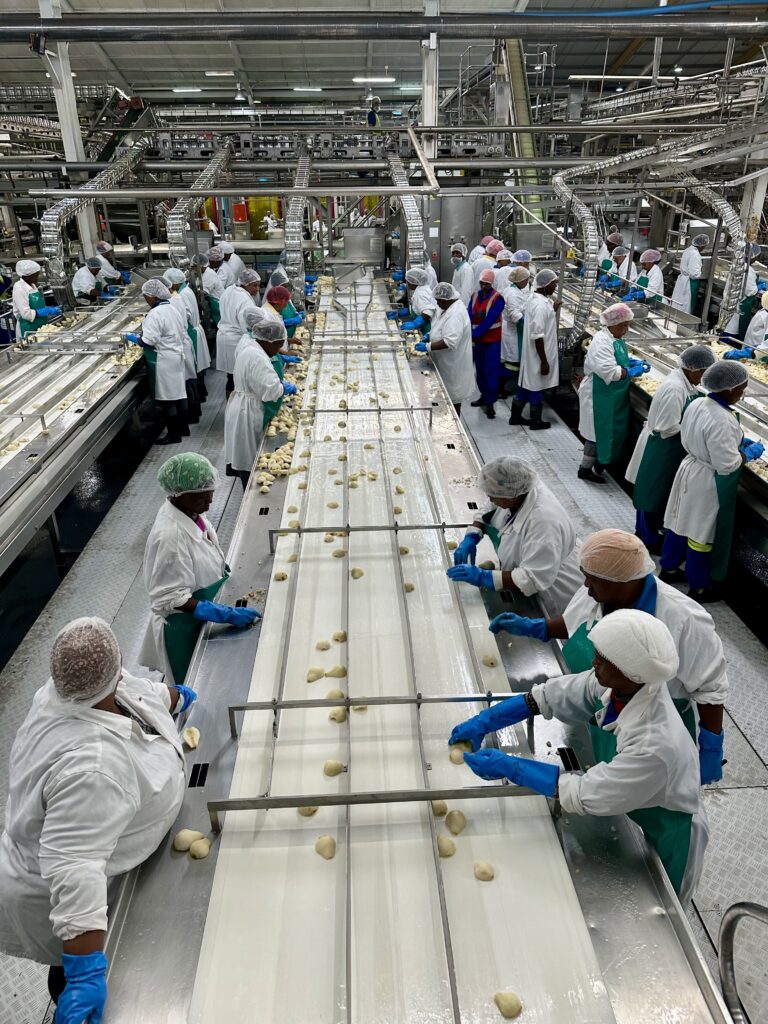
Norfund is investing up to USD 6 million in Langeberg Foods, a major canned fruit producer in South Africa, to support a local farmer-led takeover of the business. The investment will help secure over 3000 seasonal and permanent jobs in the town of Ashton.

Langeberg Foods is being acquired from Tiger Consumer Brands, who first announced its exit intentions in 2020. The new ownership group consists of Norfund, a consortium of 90 local farmers, and a newly established community trust. This ensures that the local community, the farmers and local workers become co-owners of the company and vested in its success.

“With the sale completed, the producers are looking forward to stability in the industry and the prospects of planting new orchards and sustainable growth to the benefit of all in the value chain,” says Anthony Dicey, Chairman, Ashton Fruit Producers Agricultural Co-Operative.

By investing in local fruit processing, Norfund helps ensure that more of the value generated in agriculture remains within the local community – and that farmers gain access to better and more stable markets for their produce.

“This is a unique opportunity to secure jobs and local ownership in a business that is vital to the community and with big growth potential,” said Pindie Nyandoro, Norfund’s Regional Director for Southern Africa.

The investment will be used to upgrade equipment, rebuild export volumes, and strengthen the management team. The new CEO and chairman both bring decades of experience in the industry and are investing their own capital in the company.

“At Langeberg Foods, our vision is to honour South Africa’s proud fruit heritage by delivering world-class quality, driving sustainable growth, and empowering people through a culture of pride and partnership. Ashton is more than just a factory; it is the heartbeat of a community, and this year’s opening is about creating jobs, uplifting people, and building a stronger, more sustainable future,” says Edwin Kriel, the new CEO of Langenberg Foods. 

Over 80 percent of Langeberg Foods’ products – canned fruit and purée – are exported to international markets. The investment therefore not only supports local employment but also strengthens South Africa’s export revenues and value creation in the agricultural sector.

Norfund invests in SIPRA: One of West Africa’s largest integrated poultry producers

Norfund is investing EUR 20 million in Société Ivoirienne de Productions Animales (SIPRA), one of the largest locally owned and integrated poultry companies in West Africa. 

Photo: SIPRA

Headquartered in Abidjan (Côte d’Ivoire), SIPRA is a market leader in the poultry sector. The company operates across the entire value chain – from feed production; breeding to processing and distribution with a strong regional presence (+150 outlets) both Côte d’Ivoire and Burkina Faso. 

“At the time of continuous focus on providing needed long-term capital in transformative sectors of the real economy on the continent, we are pleased to lead this new round of investment to support SIPRA in this important growth phase. This project is anchored in strong belief in local partnership which is at the core of our mandate and will contribute to increase food security in Côte d’Ivoire and the region, create sustainable jobs as well as enabling capacity for thousands of smallholder farmers across the poultry value chain,”

Fabrice Mpollo, Senior Investment Manager at Norfund

Norfund’s strategic investment will enable SIPRA to significantly scale up its production capacity in the three segments in which it operates, continue to lead innovation in animal feed and continue to optimize overall operational efficiency. The Company provides long term employment to over 1200 people representing brands such as IVOGRAIN, IVOIRE POUSSIN and COQIVOIRE. 

A strong partnership

“For the past 50 years, SIPRA’s teams have helped establish the company as a leading player in the agri-food sector across the sub-region. Norfund’s entry into SIPRA’s shareholding reflects a strategic intent to partner with a committed institution to strengthen the company’s organizational structure, support its ongoing development, and enhance operational efficiency and governance. The company’s growth initiatives and its ambition to produce more sustainably—contributing to better nutrition across Africa—will be pursued alongside this international institutional partner, with whom we share common values and a shared vision,”

Jean-Marie Ackah, CEO and Chairman of Groupe Avos

Poultry is the fastest-growing, most affordable source of animal protein in Côte d’Ivoire. In addition, Poultry has a lower GHG footprint than beef, aligning with sustainable climate engagement by both Norfund and the Government of Cote d’Ivoire. This investment by Norfund is therefore timely in that context as Côte d’Ivoire is expected to outpace most West African peers in poultry market growth by 2027. This will be mostly driven by urbanization, rising domestic demand and continued investments by the sector supported by public policy reforms. By 2031, the country could emerge as a net exporter of poultry products within ECOWAS

Naana Winful Fynn, Regional Director for West Africa at Norfund, adds “By investing in SIPRA, we are partnering with an important company in Cote d’Ivoire’s economy. This investment aligns strongly with Norfund’s mandate to create jobs and improve lives. We will support the company to continue with its critical contribution to food security in Cote d’Ivoire, to realize its growth ambitions and to continue the work it is doing on the institutionalization front. These initiatives will strengthen the company’s long-term competitiveness and help to build an institution that will outlive this generation”. 

Norfund will be an active shareholder, supporting the company through a generational leadership transition, and contributing to institutional development and improvements in governance and operational performance. 

About Groupe Avos og SIPRA

 AVOS is a leading industrial agri-food group in West Africa, whose mission is to “Contribute to better feeding Africa.” Building on its leadership in poultry farming, the AVOS Group, founded by its Chairman and CEO, Mr. Jean-Marie ACKAH, has been operating for several decades in the vertical integration of agri-food value chains, making it a major player in the region’s industrial sector. 

With the acquisition in 2000 of SIPRA, a subsidiary of the French group EVIALIS, which he had already managed as CEO for 10 years, Mr. Jean-Marie ACKAH began building his group. The fully integrated and successful vertical model he developed enabled SIPRA to become the leader in the poultry sector in Côte d’Ivoire and the sub-region. SIPRA’s steady growth led to its expansion into Burkina Faso with the creation of the Société Burkinabé de Productions Animales (SOBUPRA); the opening of a second production site in Côte d’Ivoire, in the city of Yamoussoukro, with the establishment of the Société d’Aliments du Bétail du Bélier (SABB); and the upstream extension of its integration chain through an ambitious maize production program in the north of Côte d’Ivoire. 

Photo: Avos

Climate Investment Fund to finance new major South African renewable actor

The Climate Investment Fund and KLP are investing NOK 850 million in the establishment of a new platform with ambitious plans for renewable energy development in South Africa. The investment is partly financed by capital from exiting one of the fund’s first investments in the same country. 

Photo: Anthem

The new platform, called “Anthem”, has a secured portfolio of more than 2.7 GW across 17 operating wind and solar projects of over 1GW, four projects under construction of 445MW, three projects in financial close of 1.2GW, and a further 11 GW pipeline under development.

For comparison, Norway’s entire power supply has a capacity of 40 GW. 

“These are the kinds of contributions needed to accelerate the transition to renewable energy in countries like South Africa, which today is dependent on coal power,”

Åsmund Aukrust

Minister of International Development

Born from the integration of African Clean Energy Developments (ACED) and EIMS Africa under the African Infrastructure Investment Managers (AIIM) managed IDEAS Fund as shareholder, Anthem combines deep development, asset management and operational expertise to deliver clean, reliable and cost-effective power to Eskom, large private offtakers, and the region’s growing energy market. Mahlako Energy Fund, an investment and advisory firm owned 100% by Black South African women, is also joining as an investor. 

The Climate Investment Fund is investing NOK 685 million directly, while KLP Norfund Invest (KNI) is investing NOK 170 million. KNI is the joint investment company of KLP and Norfund, owned 51% by Norfund and 49% by KLP.  

“Anthem will be a key investment in The Climate Investment Fund’s efforts to support the transition to renewable energy in South Africa, making a significant contribution in terms of avoided emissions, while also ensuring the country has reliable access to the energy needed for growth out of poverty,” says Bjørnar Baugerud, Head of The Climate Investment Fund at Norfund. 

Photo: Anthem

“We firmly believe that the investment in Anthem will deliver solid returns for KLP’s owners, while also contributing to increased renewable energy production in South Africa. This aligns with KLP’s role as a long-term and responsible investor,” says Eric Nasby, Investment Analyst at KLP. 

Reinvesting capital from The Climate Investment Fund first investments 

This investment comes a week after The Climate Investment Fund exited one of its first investments. The investment in Scatec’s pioneering solar and battery project Kenhardt is now being taken over by South Africa’s Standard Bank, freeing up NOK 440 million for new investments. The investment yielded an annual return of 13% in South African rand. 

“As many countries are now cutting funding for aid and development, mobilising private capital is a prerequisite for success, and The Climate Investment Fund does this both by investing alongside private actors and by allowing private capital to take over when possible,” says Aukrust. 

Photo: Anthem

Becoming a key player in South Africa’s renewable energy development

From its inception, Anthem will be one of South Africa’s largest renewable energy companies. 

“Access to capital on competitive terms is crucial for us to realise our ambitious plans for renewable energy development in South Africa, and we are therefore very pleased to have Norfund and The Climate Investment Fund on board,” says James Cumming, the CEO of Anthem. 

For renewable energy, almost the entire cost comes at the time of investment. This means that high capital costs, due to higher risk in developing countries, can hinder the transition from coal to renewables, which require less investment but are more expensive to operate. 

South Africa has one of the world’s highest shares of coal in power production, at over 80% (IEA). The climate benefits are therefore substantial if new renewable production can be realised. 

Standard Chartered Bank was Norfund’s financial advisor in the deal.  

Photo: Anthem

Norfund invests in plastic recycling in Ghana and Nigeria 

Norfund, the Norwegian government’s investment fund for business development in developing countries, is investing in Mohinani Group to support plastic recycling in Ghana and Nigeria. The investment in the form of a loan aims to reduce waste, cut greenhouse gas emissions, and create jobs in two of West Africa’s largest economies. 

Photo: Mohinani

“This investment in Mohinani Group aligns with our efforts to develop the plastic recycling sector, one of Norfund’s investment areas, in collaboration with industrial partners. By supporting the company to build high-capacity recycling infrastructure, we aim to buttress and develop collection chains, help to create jobs and improve lives, reduce dependency on imported inputs and decrease the amount of unmanaged waste. Along with the IFC, we look forward to supporting the company to operationalize these projects, as well as to additional collaborations,” says Naana Winful Fynn, Norfund’s Regional Director for West Africa. 

Mohinani Group has established two modern facilities for recycled PET (rPET) – one in Ghana and one in Nigeria – with a combined annual capacity of up to 15,000 tonnes of food-grade recycled plastic. This will replace virgin plastic in the production of bottles and packaging, helping meet global requirements for increased use of recycled materials.  

“This collaboration with Norfund marks another major milestone in our sustainability journey. Together, we are intensifying efforts to close the loop for bottle-to-bottle recycling across West Africa and beyond, while creating more jobs, enhancing the circular economy, and driving environmental impact,” said Mr. Ashok Mohinani, Chairman of the Mohinani Group. 

Globally, plastic production has doubled over the past 20 years, yet only 9 percent of plastic waste is actually recycled. In 2019, recycled plastic accounted for just 6 percent of the feedstock for new plastic, despite a fourfold increase in production over the same period. In Sub-Saharan Africa, each person uses only 16 kilograms of plastic per year on average, compared to 156 kilograms in OECD countries. However, large amounts of waste end up in open dumps or in nature due to inadequate waste management, and only 6 percent of plastic waste is recycled (Global Plastics Outlook 2022). 

Photo: Mohinani

Recycling creates new jobs

Mohinani Group is a family-owned industrial conglomerate with roots in Africa and operations in Ghana, Nigeria, Kenya, Dubai, and Hong Kong. The group employs over 5,000 people and is a leader in plastic manufacturing, packaging, trade, and recycling. In collaboration with local collection partners, the company has built a network of over 30 actors in Ghana and Nigeria to secure sufficient plastic waste as raw material. 

“The project is expected to create around 500 direct jobs and up to 3,000 indirect jobs in collection, transport, and logistics. It will also help reduce plastic pollution, cut greenhouse gas emissions, and strengthen local industry,” says Fynn. 

According to OECD, developing countries need over EUR 25 billion in annual investments to build adequate waste management systems. Current aid covers less than 2 percent of this need, making private capital mobilization essential to solving the plastic crisis. 

Exit from groundbreaking solar and battery project in South Africa 

The Climate Investment Fund, managed by Norfund, has completed a responsible exit from the Kenhardt project — South Africa’s first large-scale hybrid solar and battery facility, built by Norwegian company Scatec. 

Photo: H1

“Through early-stage financing, we mobilized private capital and helped make this groundbreaking project by Scatec a reality. Now that private investors are taking over our share as well, allowing us to reinvest in new projects, our contribution gains an additional multiplier effect,” says Bjørnar Baugerud, Head of the Climate Investment Fund at Norfund. 

Kenhardt, developed by Scatec and H1 Capital, is among the world’s largest hybrid plants, with 540 MW of solar power and 225 MW / 1,140 MWh of battery storage. The project was awarded under South Africa’s RMI4P program—a technology-neutral scheme designed to rapidly address the country’s acute power shortages and reduce reliance on costly diesel-based backup plants. Distinguished as the only fully renewable solution among the contenders, the Kenhardt project surpassed fossil-fueled alternatives in the competitive bidding process, by combining solar power with battery storage to deliver stable electricity between 05:00 and 21:30. 

In a country where most energy is coal-based, the project helps avoid 900,000 tons of CO₂ annually — equivalent to the emissions from 460,000 Norwegian fossil-fueled cars. 

Photo: Scatec

South African bank takes over financing 

H1 Holdings has now partnered with Standard Bank to secure long-term equity financing of R1.921 billion, enabling a responsible exit for the original investors—Norfund, British International Investment (BII), and the Industrial Development Corporation (IDC). 

“The 2022 investment was crucial to meet the local ownership requirement in the Kenhardt project, but it also illustrates how climate finance can play a catalytic role in the early stages of pioneering energy projects,”

Bjørnar baugerud, head of the climate investment fund

Access to capital on competitive terms is essential for realizing renewable projects in emerging economies, where the cost of capital is significantly higher than in developed countries. This makes it particularly challenging to replace planned and existing coal-fired power plants with solar and wind projects, which require high upfront investments. 

In South Africa, the power sector has faced serious challenges related to aging infrastructure, economic instability, and frequent power outages—with major consequences for both businesses and households. 

Photo: Norfund

Case study highlights local job creation and environmental and social standards

Alongside the exit, Norfund is publishing a case study providing more details about the project. The study outlines how the project was assessed according to both local requirements and IFC’s international guidelines to ensure high environmental and social standards. An independent assessment was conducted to identify environmental and social risks and to validate Scatec’s risk management systems. This was supplemented by government-mandated studies and expert analyses in areas such as cultural heritage, human rights, geohydrology, traffic, and biodiversity, resulting in an action plan with follow-up and monitoring. 

Read the case study here

“In a region marked by high unemployment and social challenges, the project has contributed to local value creation through hiring workers from nearby areas, sourcing goods and services from various local suppliers, and social initiatives such as food distribution and water supply. The construction sector is traditionally male-dominated, but the Kenhardt project stood out with a high proportion of female workers,” says Karoline Teien Blystad, Director of Climate and Impact at Norfund. 

During the construction phase, extensive measures were implemented to reduce traffic-related accidents and safeguard worker health and safety, including driver training, GPS monitoring of vehicles, and strict speed limits. The project also conducted a risk assessment related to gender-based violence and harassment (GBVH), and implemented training and awareness efforts in the local community and among employees. Biodiversity was protected through careful handling of vulnerable plant species, and water needs were met without burdening groundwater resources. 

Photo: H1