33 million USD to boost food resilience in South Africa
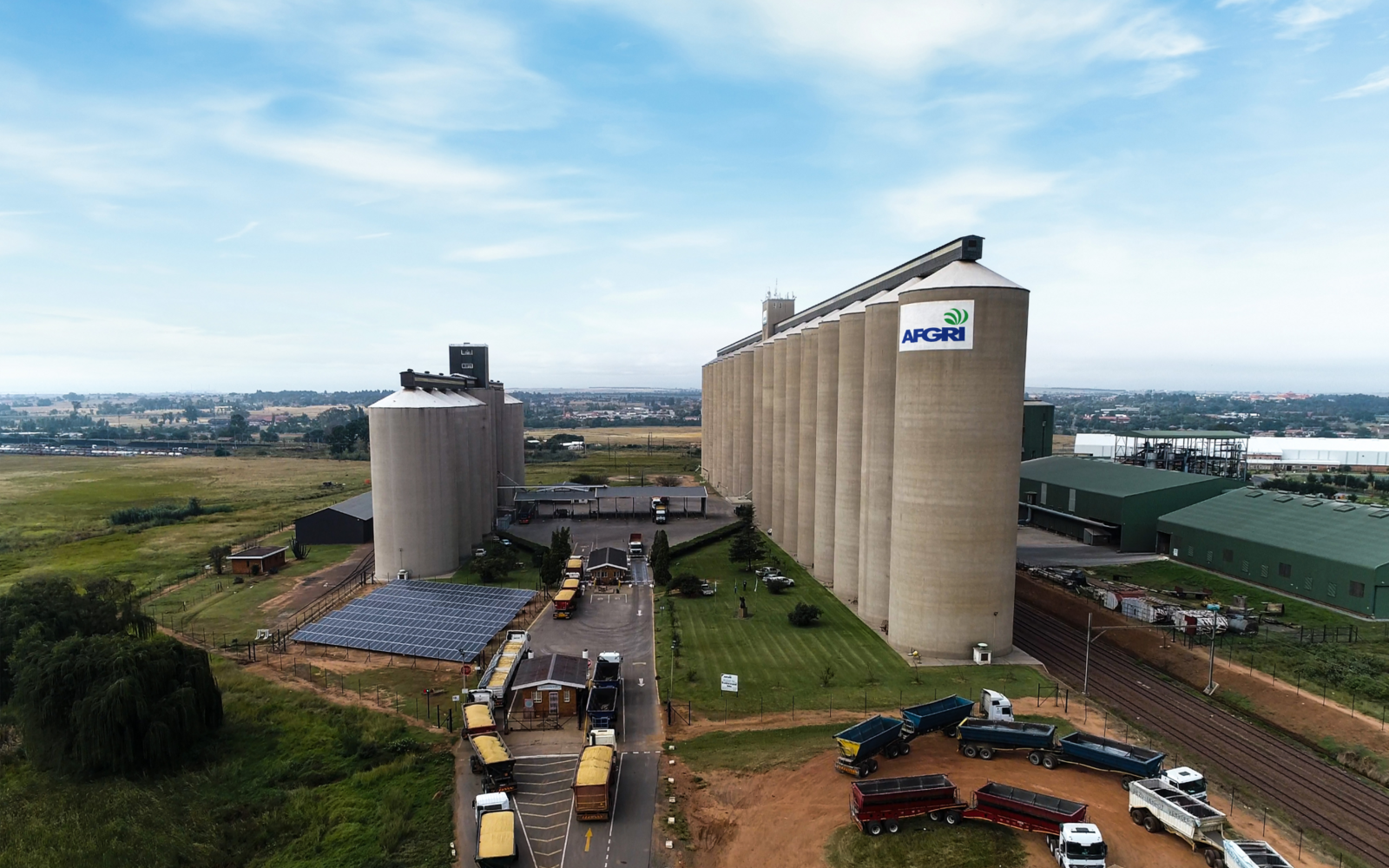
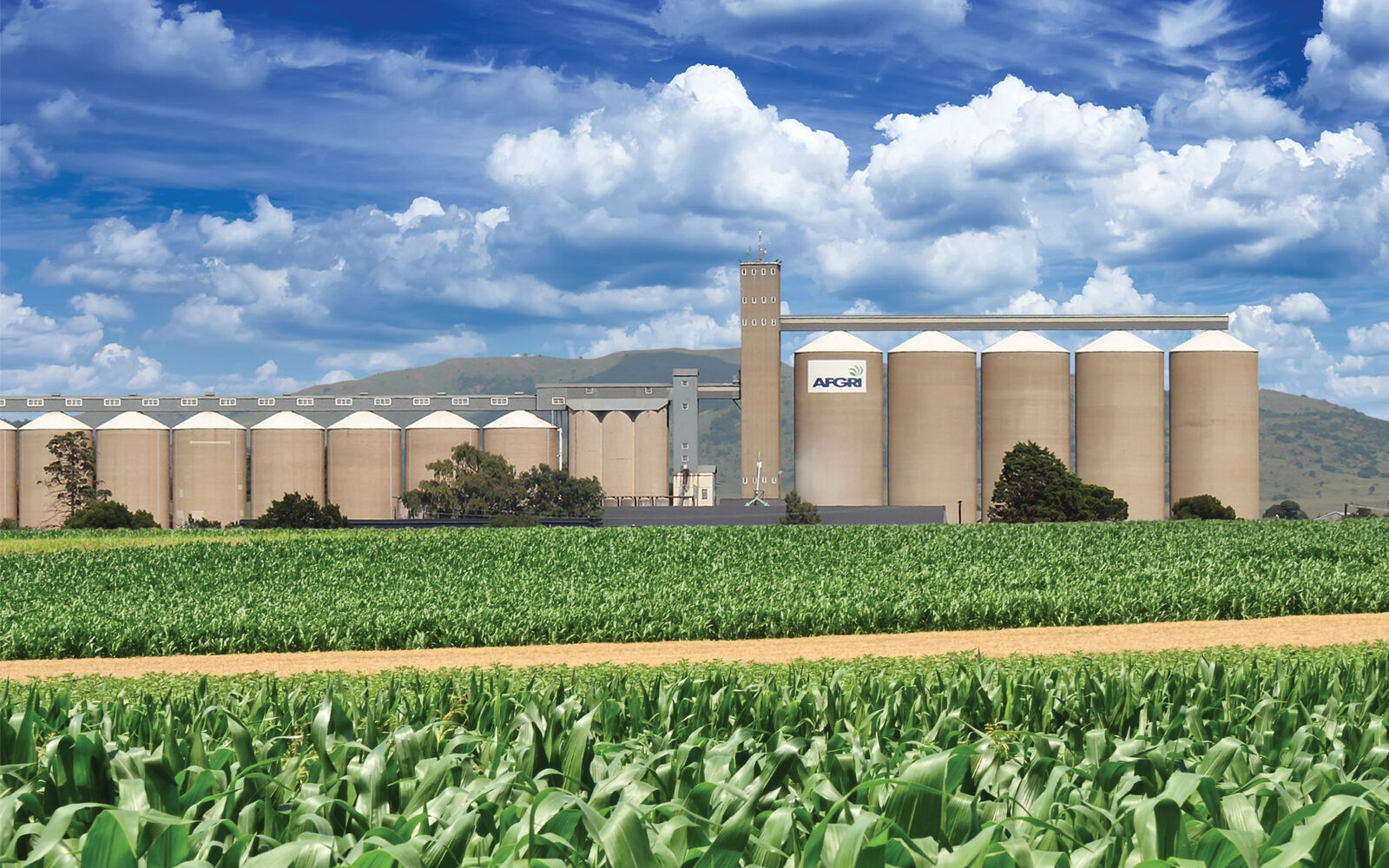
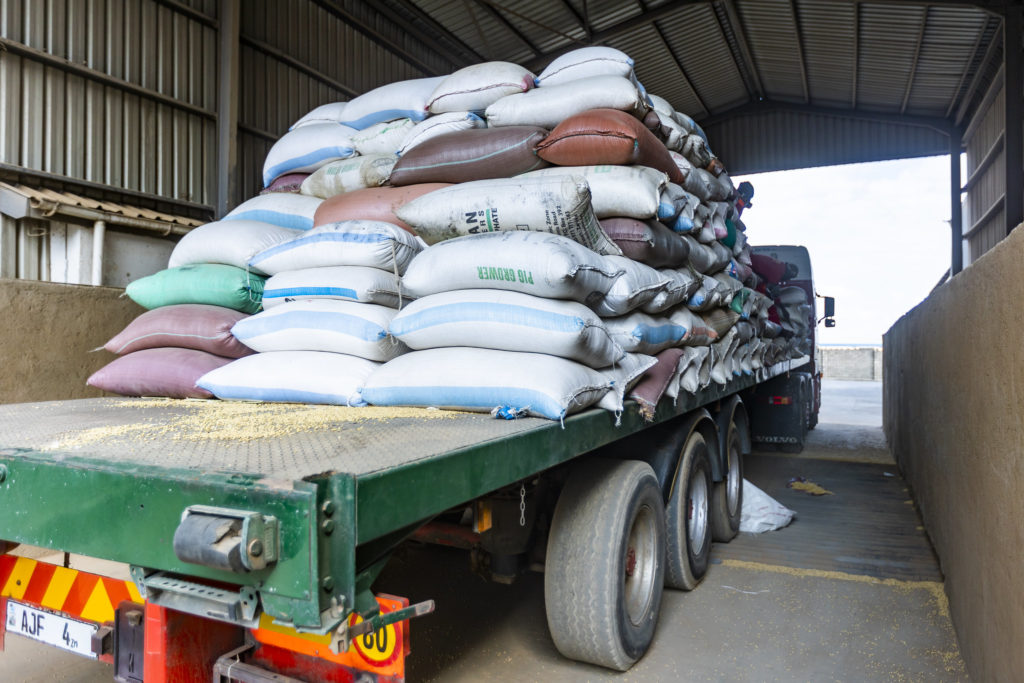
Norfund is providing strategic funding to the AFGRI Group (“AFGRI”), a leading agricultural services company in South Africa, to enhance agricultural productivity, create jobs, and improve food resilience.
Photo credit: Afgri
The strategic funding of 600 million ZAR (approximately 33 million USD / 350 million NOK), will support AFGRI in financing capital expenditures, working capital, and farmer financing.
Impacting tens of thousands of lives
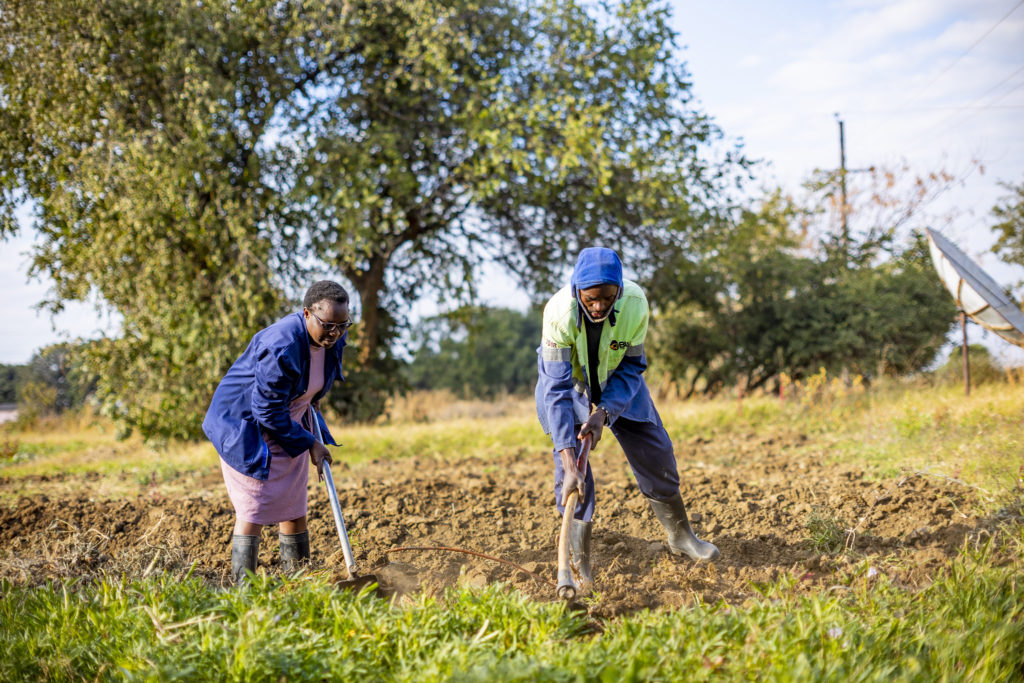
The AFGRI operations support approximately one-third of South Africa’s farmers with a comprehensive range of services, including grain management, agricultural machinery, retail, food processing, animal feed, milling, farmer financing, and insurance.
In 2024 alone, AFGRI supported, both directly and indirectly, nearly 60,000 beneficiaries, aided 121 schools, and created close to 500 jobs, contributing to a workforce that now totals 4,000 employees.
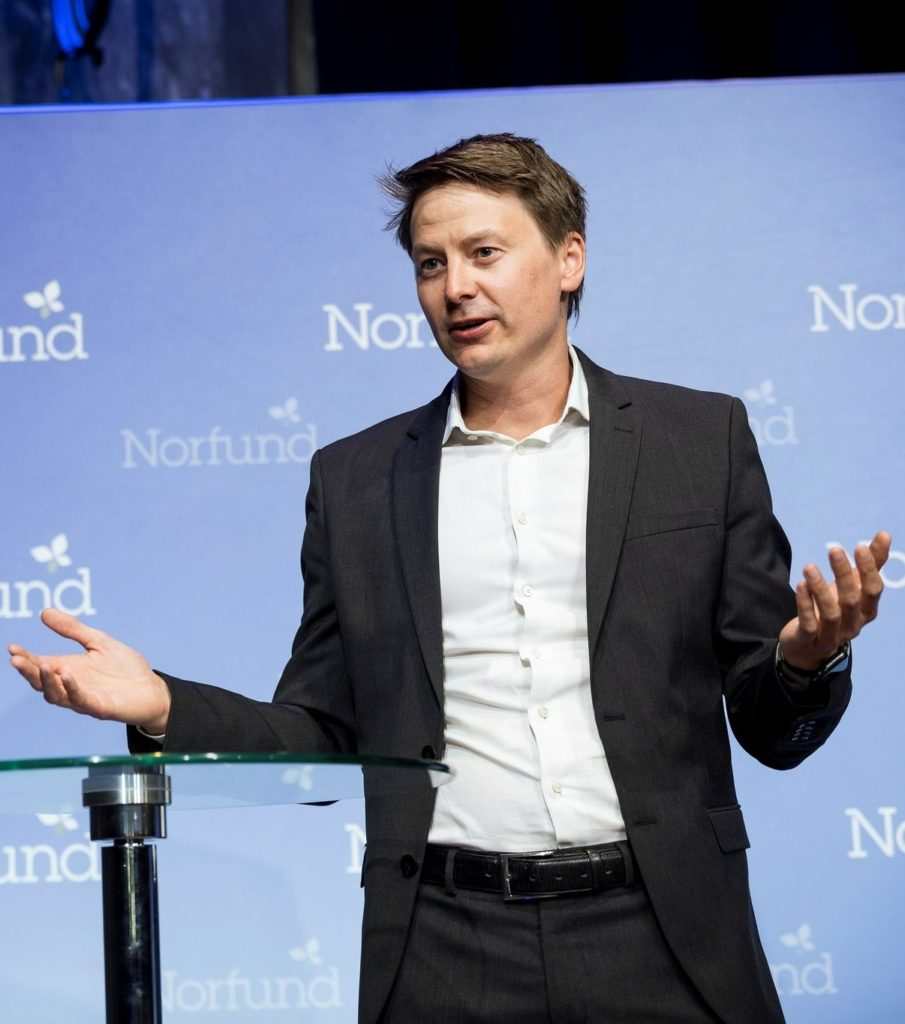
“Agriculture is the backbone of GDP growth, exports, and food security in South Africa. A well-functioning sector is essential for a thriving economy, and this company plays an important role in ensuring its strength and long-term sustainability,” says Simen Berger Øby, SVP at Norfund.
AFGRI has historically been active on the African continent for many years and is once again expanding into selected African markets outside of South Africa. By adapting its strategy to mitigate climate challenges, the company is reinforcing long-term sustainability in an increasingly volatile agricultural sector.
Photo credit: Afgri
“We are committed to ensuring farmers have the resources they need to thrive, and with this strategic funding, we can expand our support, drive innovation, and secure the country’s food supply for the future,” says Norman Celliers, CEO of AFGRI.
Plastic recycling creates jobs and gives women opportunities in Ghana
2,5 years after Norfund’s investment in Miniplast in Ghana, the company has doubled the amount of plastic recycled, created 700 new jobs and more than tripled the share of women in the workforce.
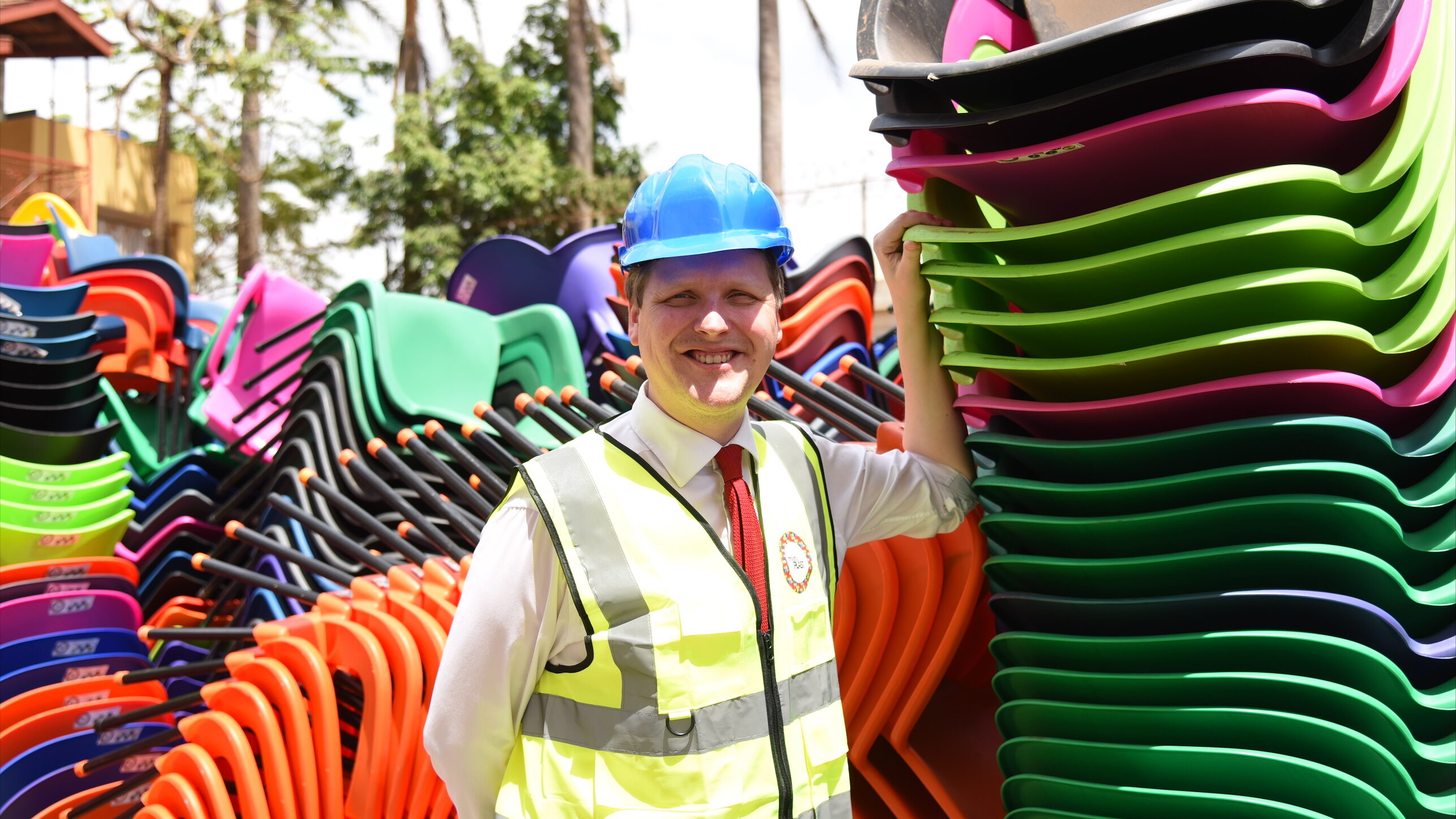
Åsmund Aukrust, Norway’s Minister of Development, visiting Miniplast 18th of March 2025.
«The investment in Miniplast showcases how we can attain multiple goals simultaneously. It is an inspiring example of how contributing to solving a significant environmental challenge through private initiatives, can also contribute to creating jobs and give more opportunities for women, which is an important goal for Norway”, said Åsmund Aukrust, Norway’s Minister of International Development, visiting the company in Ghana 18th March.
In July 2023 Norfund announced a USD 10.5 million investment in Miniplast Ghana Ltd, a leading plastics manufacturer based in Accra. The capital has gone to purchasing new machinery to increase the company’s capacity to use more locally sourced recycled materials to substitute imported plastic resins.
“At the end of 2023, we had 980 employees, of which 909 were men and 71 were women. Today we have 1700 employees of which more than 500 are women”, says Nadim Ghanem, CEO of Miniplast.
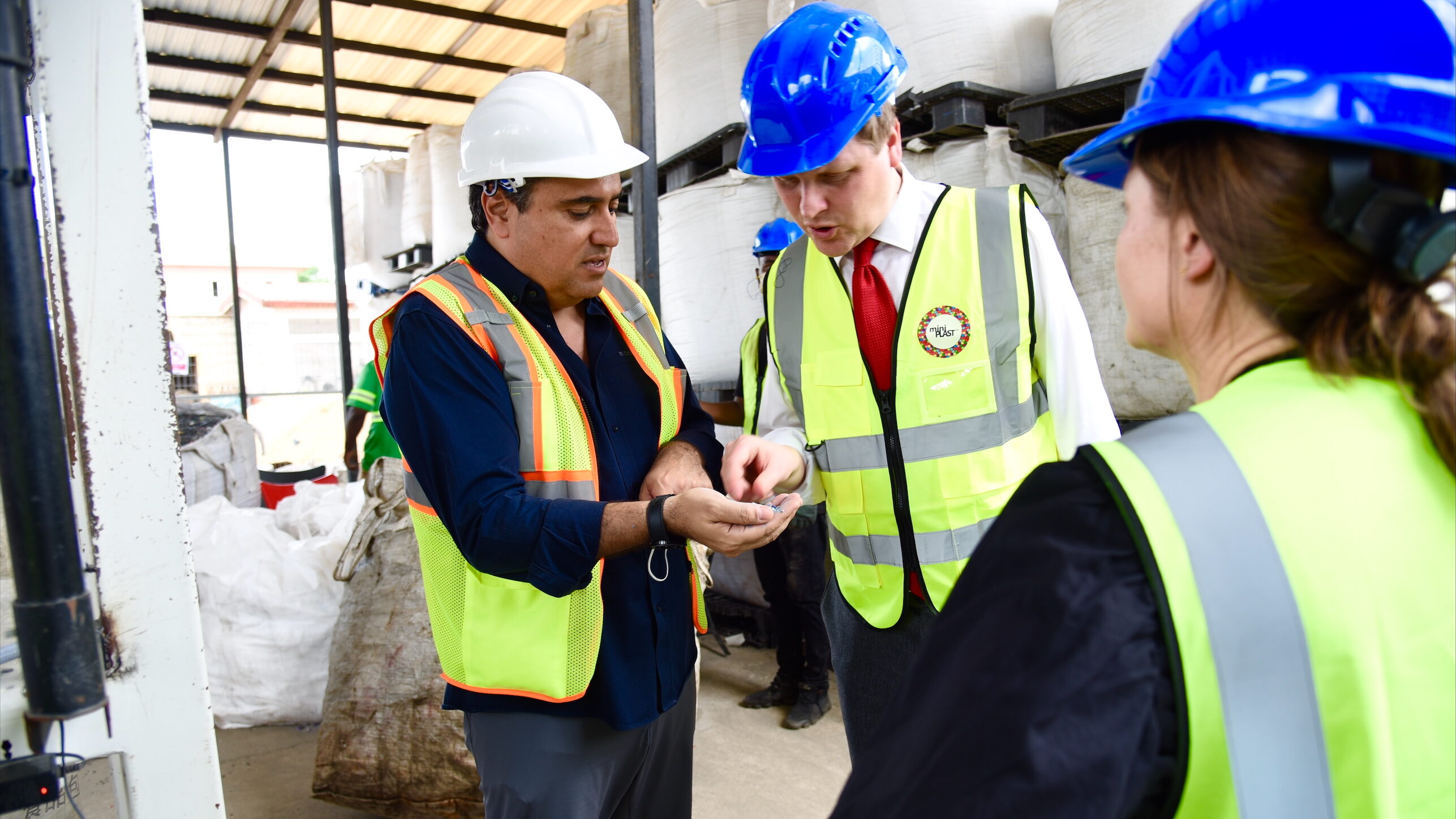
Nadim Ghanem and Åsmund Aukrust.
Poverty in Ghana had been on a downward trend since the 1990s but went on the rise after the COVID-19 pandemic. Weak economic growth and high inflation—particularly in food prices—have worsened living standards, pushing more people into poverty (World Bank).
“Having a job to go to and an income to live on is the way out of poverty for most people, whether in Norway or here in Ghana. Work for all is definitely “job number one” also in the Government’s efforts to fighting poverty at a global level,” says Minister Aukrust.
“Having a job making ends meet, is key to ending poverty all over the world. As people and companies are paying taxes, more resources can be put towards basic services such as health and education, making countries fend for their own people – the ultimate goal for international development”, said Minister Aukrust.
The minister is pleased to see how Miniplast has increased the share of women in the workforce.
“There will be no sustainable development if only half of the population is involved. Thus, gender equality and women’s inclusion in the workforce are essential to combat poverty,” said Aukrust.
Proving functioning models to fight plastic pollution
More than 171 trillion pieces of plastic are estimated to be floating in the world’s oceans and could further nearly triple by 2040. Establishing systems for collection of plastic waste is however complicated even in high-income countries. It is even more challenging in countries where waste regulation and producer responsibility are often lacking.
“Plastic recycling is necessary for the environment and obviously the right thing to do, but It is only viable here in Africa when it is economically viable”, says Nadim Ghanem, CEO of Miniplast.
Since Norfund’s investment, Miniplast has almost doubled the amount of recycled plastic in the production of new products from 800 tons in 2023 to 1500 tons in 2025 per month.
“The contributions of this investment may seem small compared to the overwhelming challenge of plastic pollution. However, by showcasing a functioning model like Miniplast, we believe we can enable the development of an industry and the promotion of a culture of waste management, while creating a large number of jobs, says Obafemi Awobokun, project manager for Miniplast in Norfund.
Increased standards on health, environment and safety
In partnership with Norfund, Miniplast has developed its capacity within health, environment and safety, and the company was recently certified as having world-class systems for Quality Management, Occupational Health and Safety Management, Environmental Management, and Food Safety Management (ISO 14001:2015, ISO 45001:2018, FSSC 22000 in 2024, in addition to ISO 9001).
“The certifications reflect Miniplast’s commitment to making a positive contribution to both the environment and society, but we would not have achieved this without our partnership with Norfund. We are confident that the development will support Miniplast in acquiring new customers, entering new markets, and developing new business lines”, says Nadim Ghanem, CEO of Miniplast.
Investment in new South African energy platform to avoid 1.9 million tons of CO2
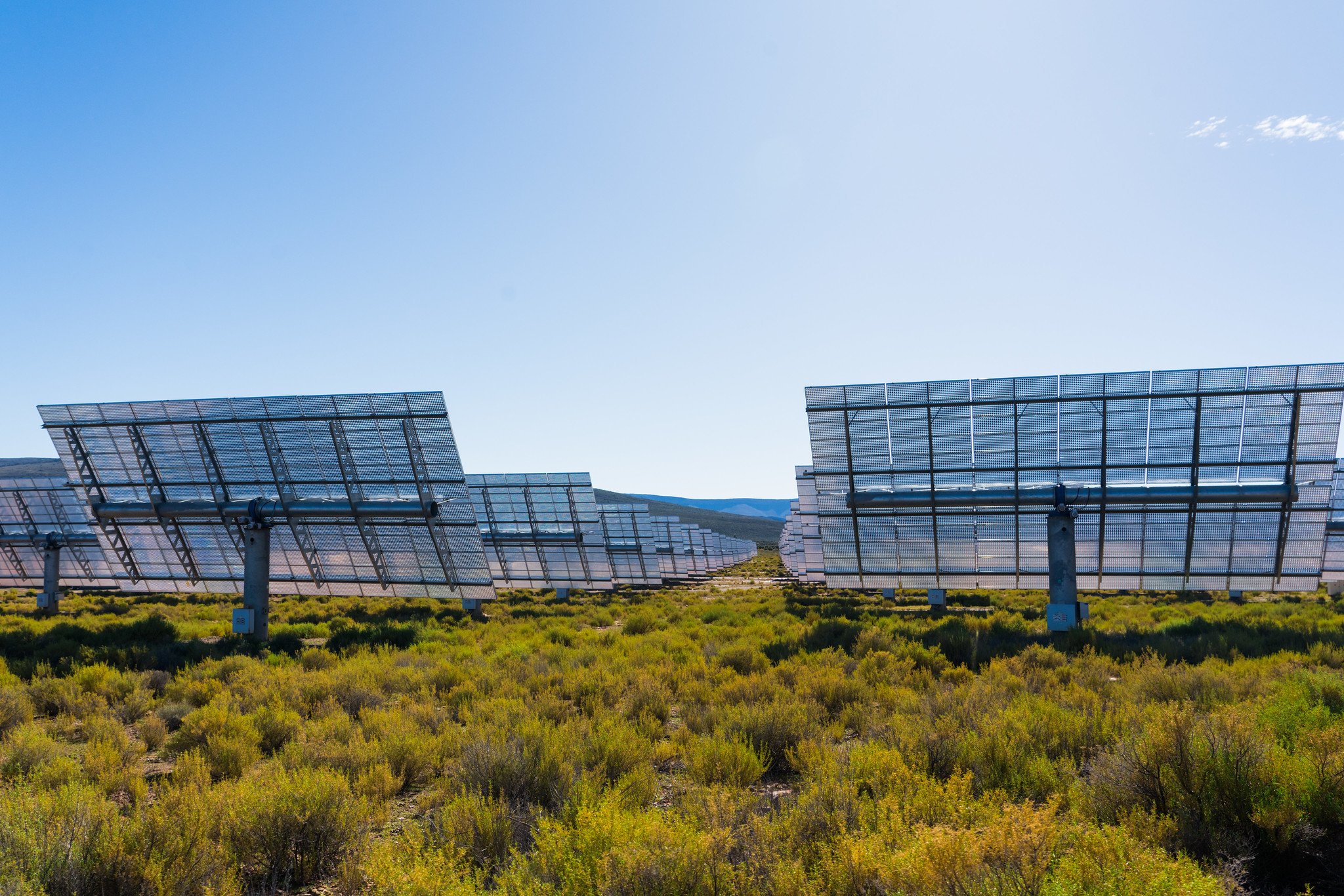
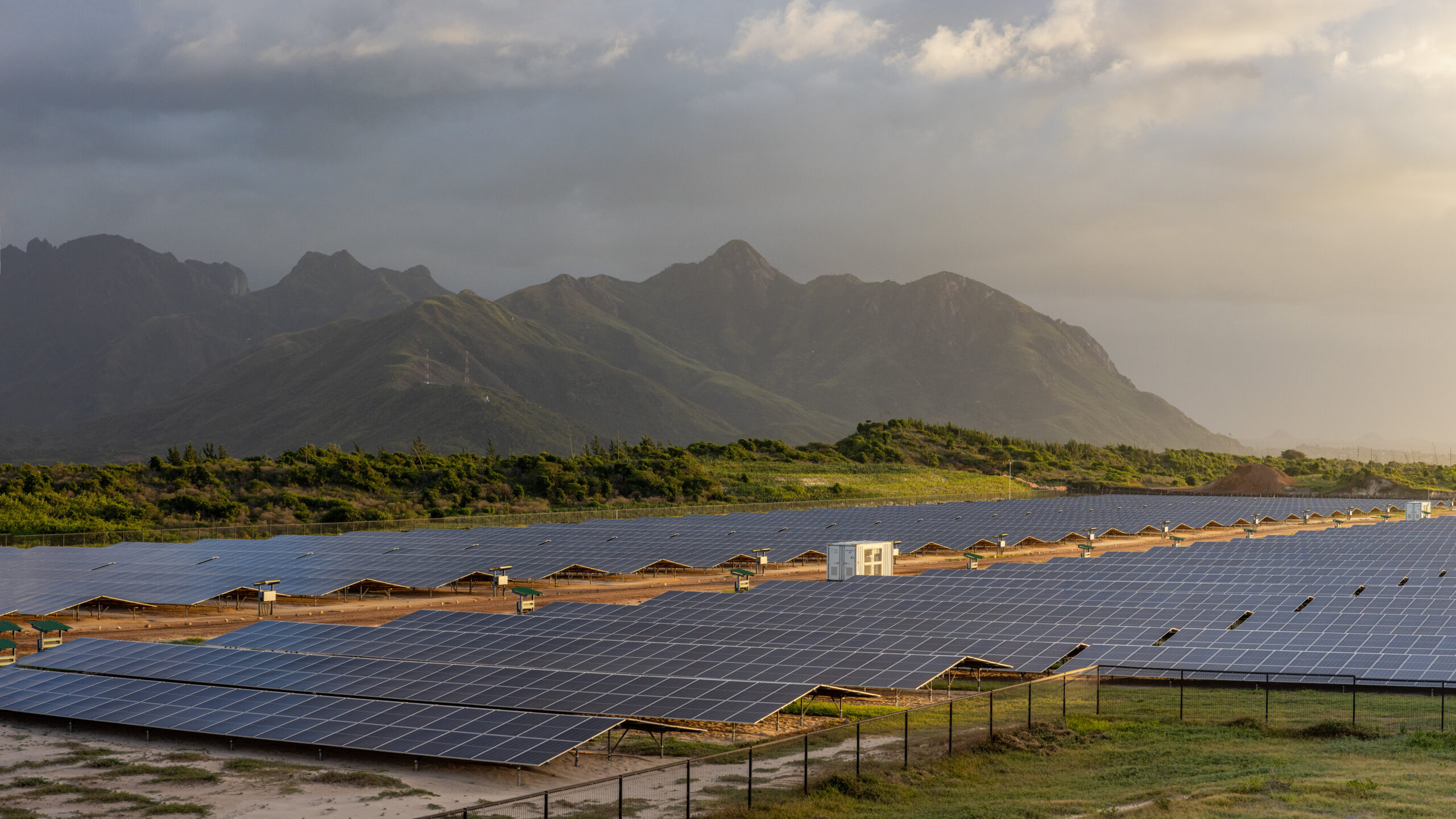
The Climate Investment Fund is investing in a new South African platform for renewable energy, operated by Pele Green Energy Group. The capital will finance projects that will avoid 1.9 million tons of CO2.
Photo credit: Pele Green Energy
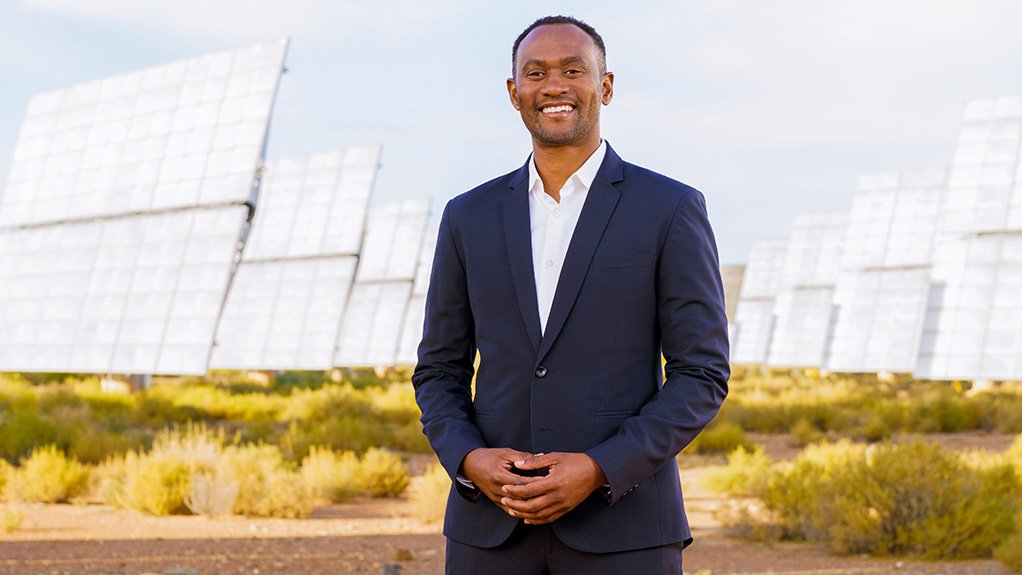
Pele Green Energy Group is a South African Black Economic Empowerment (BEE) infrastructure company, founded by five young entrepreneurs in 2009. The group develops, owns, builds, and operates renewable energy projects. As of today, they have 980 MW in operation, 670 MW under construction, and a further pipeline of more than 5 GW under development.
The Climate Investment Fund, managed by Norfund, is partnering with Nedbank, one of South Africa’s largest banks, to invest a total of R575 Million (350 million NOK) to scale up the company’s investments in renewable energy.
“We see this investment as a significant contribution to meeting South Africa’s growing energy needs while avoiding large scale emissions,” says Bjørnar Baugerud, head of the Climate Investment Fund at Norfund.
The projects the investment will help finance are estimated to avoid emissions of 1.9 million tons of CO2 per year. This alone corresponds to 4% of Norway’s annual emissions – or more than the emissions from Equinor’s refinery at Mongstad, the largest source of emissions in Norway.
“This is a brilliant example of how effective the Climate Investment Fund is in accelerating the global energy transition and limiting climate change, which affects the poorest the hardest,” says Minister of International Development Åsmund Aukrust.
Focuses on energy for businesses and battery storage
Norfund first invested in Pele Green Energy in 2023, and the investment of approximately 400 million NOK has contributed to the construction of a portfolio of large solar and wind power plants. The company now needs more capital to finance further growth, which is planned within projects that deliver energy directly to businesses (C&I), investments in battery storage, and government tenders for larger renewable projects.
“This transaction is a game-changer for the Pele Energy Group and the broader renewable energy sector,” said Gqi Raoleka, CEO of Pele Energy Group. “Having Nedbank and Norfund as strategic partners in our capital structure reflects their strong belief in our vision and capabilities. This backing enables us to accelerate project development, scale impact, secure new opportunities, and drive sustainable energy solutions that will have a lasting impact on Africa’s energy future.”
As the world’s 14th largest emitter of greenhouse gases, South Africa’s energy sector is heavily dominated by coal power, which accounts for almost 90 percent of the energy supply.
Doubling our investments in CrossBoundary Energy to US$80 million
Norfund has committed an additional $40 million to expand its African C&I energy portfolio, reinforcing its support for the region’s growing energy needs in the commercial and industrial sectors.
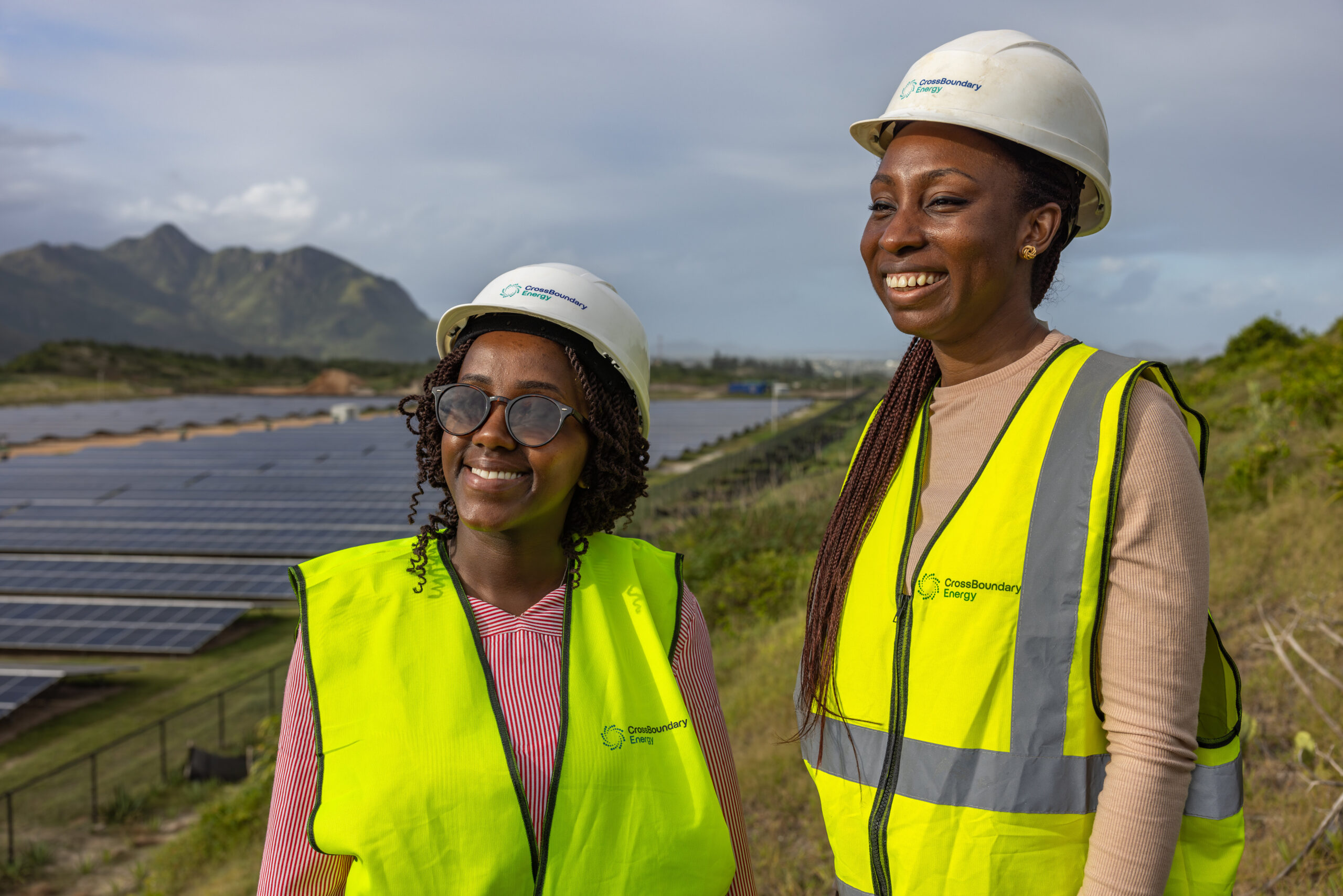
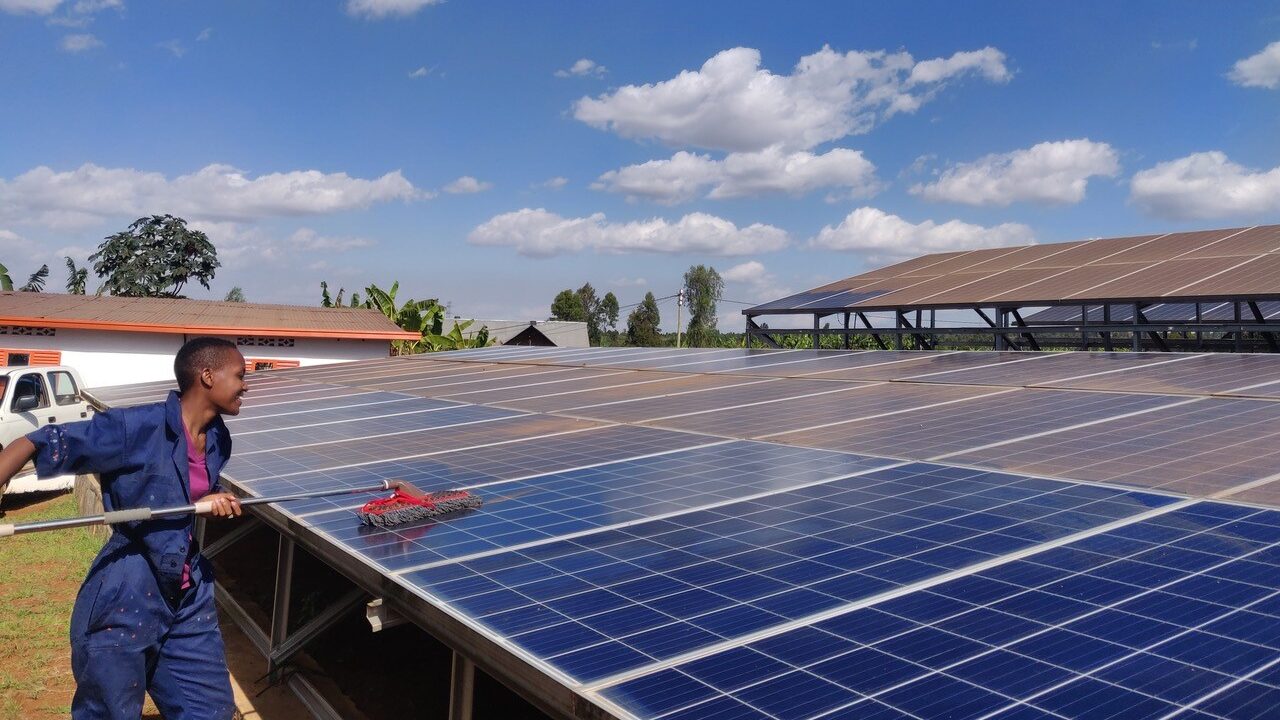
Senior ESG Manager, Maureen Kinuthia, and Head of ESG, Ifeoma Dika, visiting a solar plant in Madagascar.
Over the past year, CrossBoundary Energy has successfully grown its awarded portfolio to around US$680M across 18 African countries, comprising 500 MW of solar, wind, and thermal assets and over 600 MWh of battery energy storage solutions. The portfolio features large-scale renewable-led hybrid power plants for mines, rooftop and ground-mount solar PV plants for industrial clients, and distributed solar PV and battery power solutions for telecommunications sites.
“The need for innovative energy solutions in Africa is growing rapidly. CrossBoundary Energy is a leading provider of solutions that are poised to bolster clean energy capacity and job creation on the continent,”
Rivhatshinyi Mandavha
Senior Investment Manager at Norfund
Solar Array at Rio Tinto QMM Mining Operations, Fort Dauphin, Madagascar.
“Norfund’s investment signifies a strong vote of confidence in CBE’s capability to meet the increasing demand of commercial and industrial customers for affordable, clean, and reliable power – the backbone of powering sustainable growth in key industries and economies across Africa.”
Muna Yuusuf, Associate Principal at CrossBoundary Energy
New fund investment to deliver renewable energy to 7.7 million people
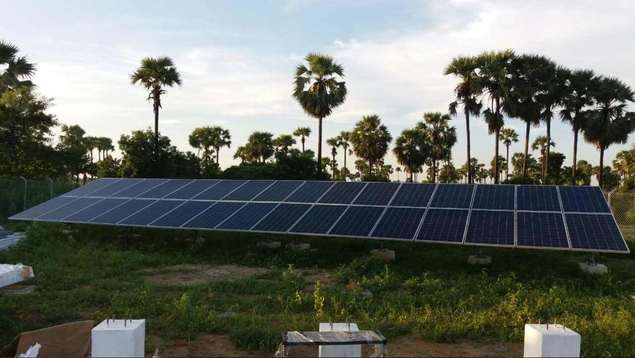
Through the investment in the REPP2 fund, Norfund will help provide 7.7 million people with access to renewable energy. Recent figures from the IEA show that the number of people without electricity in Africa is now declining again, after two years of growth.
Photo credit: ARC Power
“This kind of investments is absolutely crucial for the world to combat both poverty and climate change,” says Minister of International Development Anne Beathe Tvinnereim.
The fund, called REPP2, amounts to a total of NOK 1.2 billion (USD 107 million). Norfund is investing NOK 166 million (USD 15 million) in the fund, which also includes contributions from the Green Climate Fund and FMO, the Dutch development finance institution. Norad is providing funding for technical assistance.
“The fund aims to develop 330 MW of new capacity, which will provide clean energy access to more than 7.7 million people,” says Tellef Thorleifsson, CEO of Norfund.
The fund is structured as a blended finance model, involving both public and commercial investors. It will invest in small-scale renewable energy projects in sub-Saharan Africa, including both grid-connected and off-grid solutions. The fund builds on a previous fund, REPP1, which amounted to USD 120 million and has made 57 investments since 2015.
Small-scale solutions are starting to make a significant impact in Africa
Since 2000, the number of people without access to electricity has decreased by 925 million, and 40 new countries have achieved near-universal access. In Africa, however, access has not kept pace with population growth, and from 2019 to 2022, the number of people without electricity on the continent increased. Africa now accounts for the majority of the approximately 750 million people worldwide who still lack access to electricity.
“It’s great to see that solar home systems, based on mobile payment plans, have become affordable enough to start making a significant impact on progress in Africa as well,” says Tvinnereim.
The IEA estimates that such solutions provided electricity access to over 43 million people in sub-Saharan Africa in 2023, representing 4 percent of the population. Altogether, they accounted for one-third of all new electricity connections on the continent in 2023, which totaled more than 6.5 million.
Affordable capital enables scaling up
The reduced cost of solar panels, batteries, and energy-efficient solutions makes it possible to offer electricity through rooftop solar systems at a repayment rate close to what many pay for kerosene. However, this model requires significant capital.
“Norfund has made several direct investments in such companies, and we have contributed to developing new financing methods that lower interest costs, making the systems affordable for more people,” says Thorleifsson.
One example is Sun King, which allows its customers to split payments via mobile or cash for as little as $0.15 per day. Approximately half of the customers are women.
In 2023, 420,000 new households gained access to electricity through the off-grid and mini-grid companies in which Norfund has invested (see Norfund’s annual report).
Thorleifsson points out that smaller power plants supplying electricity to the grid or local mini-grids are also necessary, but accessing capital for this type of investment is often challenging.
“We believe that this new fund can play an important role in enabling and unlocking financing for such projects as well,” says Thorleifsson.
Norfund entering plastic recycling in Nigeria and Ghana
Norfund is making its first two direct investments in plastic recycling in Africa in Nigeria and Ghana.
“By showcasing functioning models, we can enable the development of an industry that is crucial in tackling the challenges of plastic pollution while creating a large number of jobs,” says Carl Johan Wahlund, Investment Director for Green Infrastructure at Norfund.
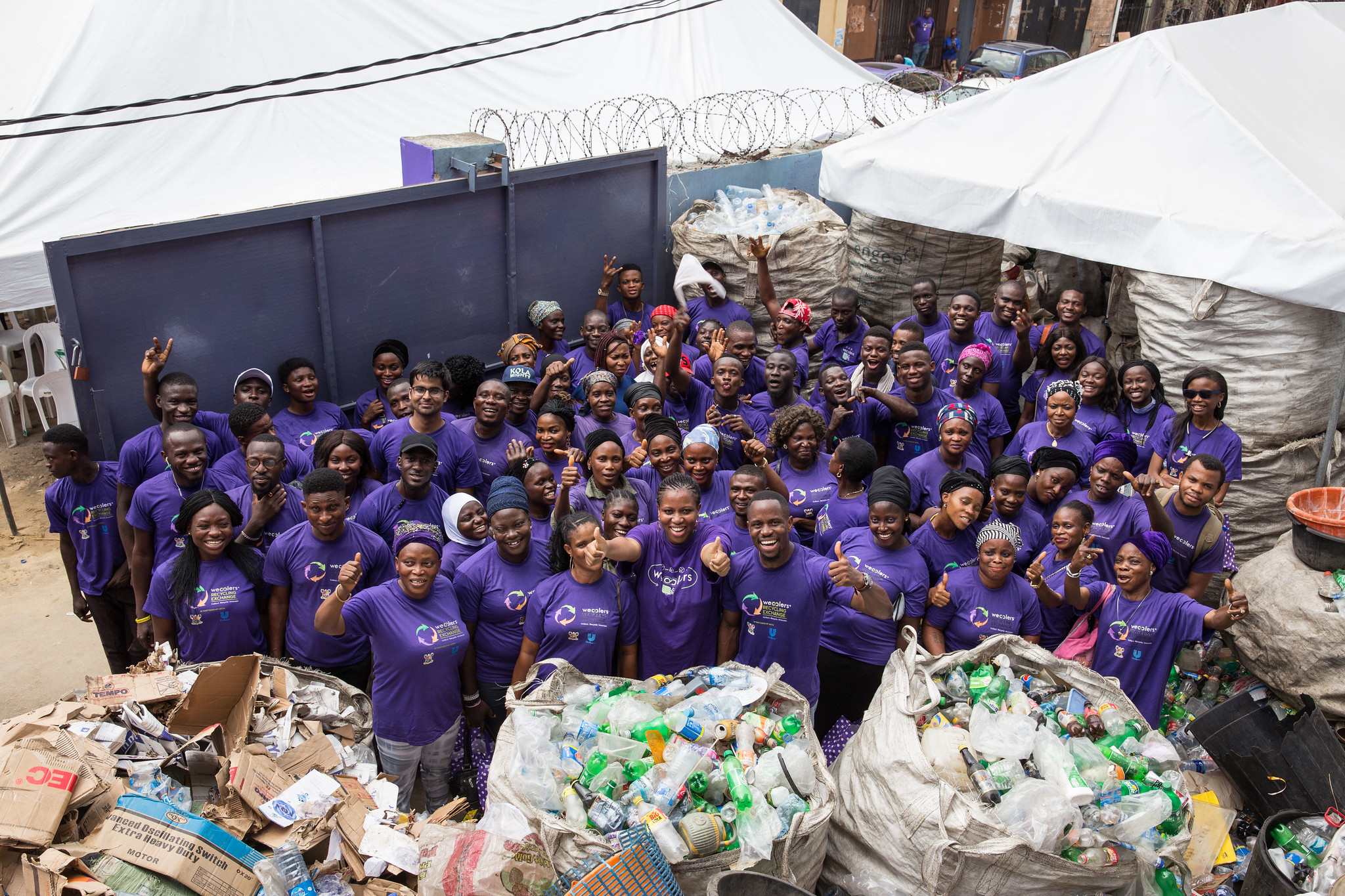
WeCyclers founders and employees pose for a photograph at their headquarters after being announced winner of the King Baudouin Foundation African Development Prize 2018-19 at the company’s headquarters on Wednesday 20th March 2019 in Lagos Island, Lagos, Nigeria.
Norfund has committed EUR 2 million as a convertible loan to Wecyclers Nigeria Limited, a recycling company based in Lagos. At the same time, Norfund is announcing a USD 10.5 million investment in Miniplast Ghana Ltd, a leading plastics manufacturer based in Accra, to support its recycling capacity.
The investment in Wecyclers will finance a new plant for the recycling of PET-bottles for use in new bottles locally and in Europe. The plant will be located in Ogun state in Nigeria and have a capacity of 12 000 ton per year. See separate press release here
Norfund’s investment in Miniplast will go towards purchasing new manufacturing equipment and machinery to increase the company’s recycling capacity to 1,700 tonnes a month, increasing further the use of locally sourced recycled materials to substitute imported plastic resins and reducing production costs. See separate press release here
More than 171 trillion pieces of plastic are now estimated to be floating in the world’s oceans, an increase from 16 trillion pieces in 2005, and it could further nearly triple by 2040. Systems for collection of plastic is crucial in tackling plastic pollution. Establishing these with incentives and a commercially sound model across the value chain is however complicated even in many high-income countries, and still more challenging in developing countries, where waste regulation and enforcement of extended producer responsibility is lacking.
“Wecyclers has managed to establish a model in one of the more difficult areas of the world, with its own collection both directly from households and via kiosks and franchises, combined with a close collaboration with a European plastic producer which will serve to ensure that both the process and the output quality meets highest international standards”, says Carl Johan Wahlund, who heads Norfund’s Green Infrastructure investment area, which has a dedicated focus on waste and water.
Carl Johan Wahlund
In 2020, Miniplast established an in-house plastics recycling business that uses locally sourced plastic waste. These recycled plastics are then used by the company in the manufacturing of its finished products, as well as sold to third parties. The factory was also the first to install solar power delivered by Empower New Energy, another Norfund investee.
“Supporting local manufacturing and recycling initiatives will help create many decent jobs not only at Miniplast, but across the entire plastics value chain”
Obafemi Awobokun, project manager for Miniplast in Norfund
The investment in Miniplast is expected to create more than 850 jobs across the plastics value chain.
“While the contributions of these two investments may seem small compared to the overwhelming challenge of plastic pollution, by showcasing a functioning model, they enable the development of an industry and the promotion of a culture of waste management. They will be Norfund’s first of many planned investments into the sector”, says Wahlund.
About Miniplast
Miniplast Ghana Ltd is a leading plastics manufacturing company in Ghana and the West African sub-region. Established in 1988, Miniplast specializes in injection moulding and blow moulding, with its key offerings being products made from High/Low Density Polyethylene (H/LDPE), Polypropylene (PP) and PET Plastics. This includes industrial packaging solutions (packaging containers for many classes of products, bottles, jerrycans, paint and detergent buckets, pails, etc.), plastic furniture, and other household products (bowls, plates, buckets, basins). Headquartered in Accra, Miniplast has a current production capacity of 41 tonnes of plastic per day, and directly employs over 650+ people whilst indirectly employing over 200 more. The Company also has waste collection and grinding hubs in Kumasi and Tamale.
About Wecyclers
Wecyclers is a for-profit social enterprise that promotes environmental sustainability, socioeconomic development, and community health by providing convenient recycling services in densely populated urban neighbourhoods. Wecyclers addresses the challenge of urban waste, gives households a chance to generate value from their waste and provides a reliable supply of raw material to the local recycling industry.
Norfund to support expansion of South African food ingredient producer Synercore
Norfund invests in food ingredient producer Synercore to finance the company’s expansion, creating highly skilled jobs and promoting import substitution in South Africa.
Photo: Synercore
Norfund, the Norwegian Investment Fund for developing countries, is investing ZAR 80 million in convertible debt in Synercore Holdings, a South African food ingredient manufacturer, formulator, and distributor to fast-moving consumer goods companies in Africa.
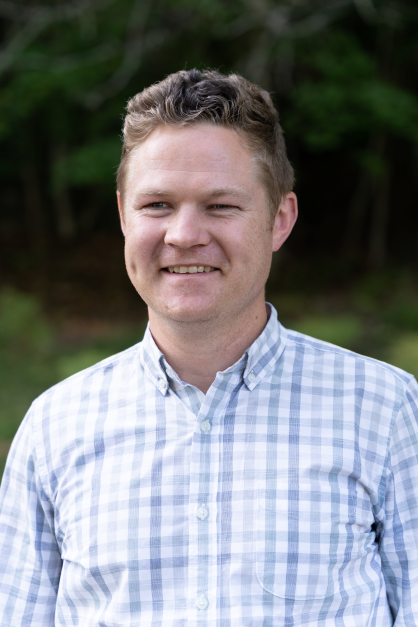
André Kemp. Photo: Indigo Trigg-Hauger/Norfund
“We are happy to contribute to develop Synercore as a core local producer of food ingredients, and thereby creating more highly skilled jobs, while strengthening food security, increasing product shelf life, thereby reducing food waste, and promoting import substitution”, says André Kemp, Investment Manager at Norfund.
As part of the transaction, Synercore will acquire two other companies, Impilo and Sizwe. Impilo supplies soy flour to predominantly the baking, confectionary and culinary industries. Sizwe was established to extrude, roast, steam cook, pack and blend any type of grains in the baking, cereal, dairy and meat industries, both from GM or non-GM source.
“Through these acquisitions, we will expand capacity and improve efficiencies as far as blending and manufacturing is concerned. It will allow Synercore to backwards integrate to improve supply chain sustainability, and further diversify and expand on our service offering”, says Dr. Tertius Cilliers, CEO of Synercore.
South Africa has a well-developed food sector, but many large food companies have traditionally preferred to source ingredients directly from overseas suppliers. In 2019 the country imported more than USD 1bn of food ingredients. Synercore is one of few local formulators within the dairy and bread industries in South Africa. The company also sells to other southern African countries.
“By owning core ingredients in the baking and cereal industry, we believe Synercore will be able to formulate more tailored solutions to clients at the best price in the market, leading to further business development, that creates jobs and reduces imports”, says Kemp.
Synercore has a strategy of investing in the future of the agricultural and food industries, attracting the best food formulators, product developers research and development and application specialists to also promote food safety and security on the African continent.
“Through the involvement of Norfund, as a key stakeholder, we will be able to extend our reach even further, and we believe that we can inspire the next generation of farmers and scientists within the agriculture and food industry”, says Dr. Cilliers.
Soymilk production to create jobs and increase food access in Zambia
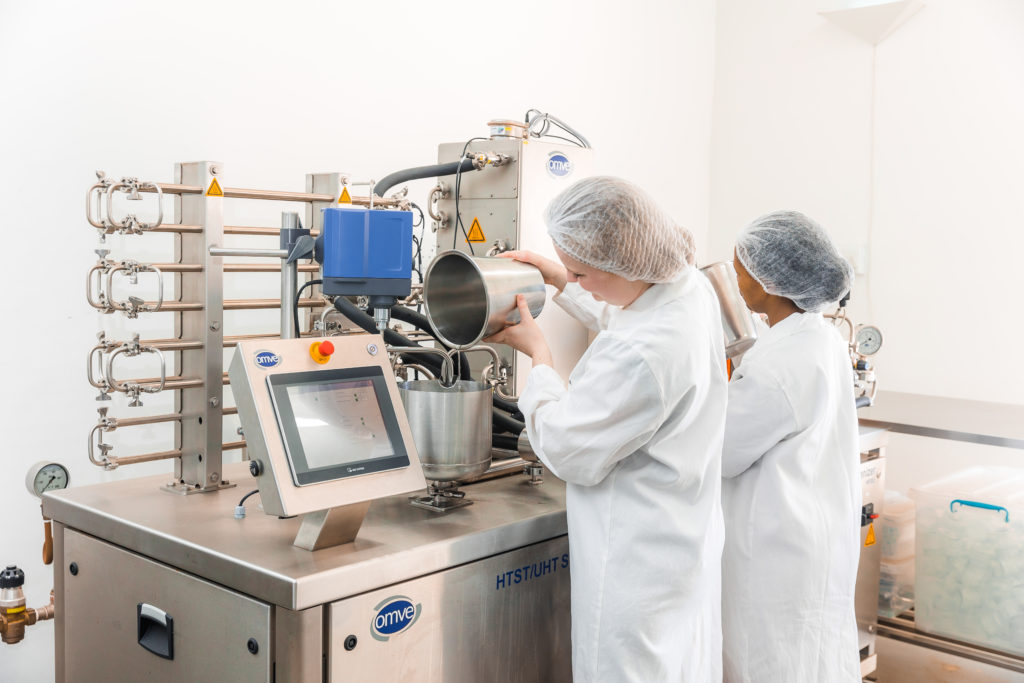
Norfund is investing 5 million USDin 260 Brands to finance the company’s expansion into production of soymilk, creating jobs and increasing access to locally-produced nutritious food.
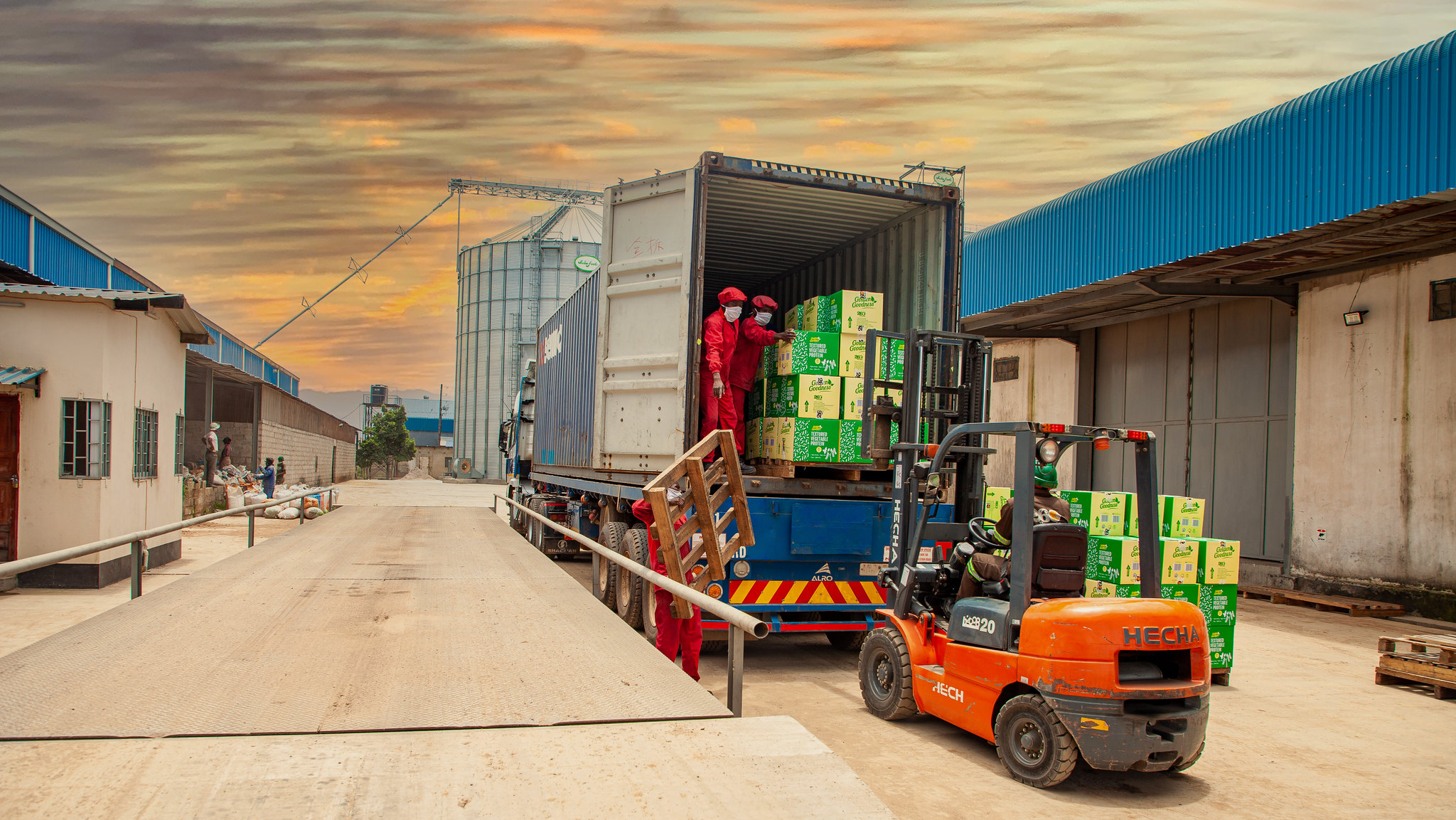
260 Brands is an agro-processing company based in Lusaka, Zambia, that manufactures, markets, and distributes consumer products, mainly based on maize and soy. The company’s key products today are textured soya pieces, powdered beverages, snacks and high energy protein supplements, primarily for the local markets. The company demonstrates value addition in soybean in various consumer foods products and beverages, besides traditional cooking oil.
“Through providing capital to allow the company to expand into the production of soymilk, Norfund will contribute to create much needed jobs and increased income for smallholder farmers, while increasing access to locally produced nutritious food”, says Andreas Davidsen, Vice President and head of Agribusiness and Manufacturing at Norfund.
100 direct jobs and 12,000 new outgrower farmers
The capital from Norfund will finance an investment in a turnkey soymilk production facility to meet estimated potential in the market whilst benefiting from synergies with existing business and established access to soybeans.
260 Brands has developed a network of 2,500 small holder farmers that supply soybeans, while receiving support for investing in its small holder farmers as long-term partners by providing agronomic training, inputs on credit and purchase of the farmer’s commodity conveniently at his or her doorstep – all helping to contribute to a profitable farming enterprise for a local, small holder farmer.
“We expect the investment to create 100 new direct permanent jobs, and an increase of local farmers that receive increased income through supplying the company of more than 12,000 small holder farmers”, says Davidsen.
Watch 260 Brands’ impact:
Increasing access to locally-produced milk
The Zambian milk alternative market is currently small and consists of imported products, with prices at 30-60% above dairy milk. The company is targeting a price on their soy milk close to dairy milk. Most of the population in the region are lactose intolerant and the company believes soymilk can be an attractive alternative. Providing the soymilk in UHT form allows for a long-shelf life in ambient temperatures, which is also an important factor for sales and distribution in Zambia, where the cold-chain infrastructure does not allow for availability of such beverages country-wide.
The total milk consumption in the country is currently at 20 liters per capita, well below the annual world average of 104. In neighboring South Africa, the consumption is at 58 liters – in Norway it stands at 82 liters1.
We are happy to be able to contribute to the health benefits of improvements in nutrition, increased food safety and reduced imports.
Andreas Davisen, Vice President and head of Agribusiness and Manufacturing at Norfund.
Active support of the company
Norfund aims to support programs to improve productivity and infrastructure for the smallholders. There are also plans to assist the company in strengthening ESG and management systems, and to improve corporate governance.
“We’re honored to have Norfund on board with us on this new innovative project, which is the first of its kind, in Zambia. They’re a partner who share similar values as us on equitable growth and job creation, alongside positive impact towards climate action”, says Gaurav Vijayvargiya, Chief Executive Officer, 260 Brands.
The funding from Norfund of 5 million USD will be used to finance the CapEx and working capital requirement for a new soymilk production facility at the company’s existing premises. The facility will have an annual production capacity of 9.6 million liters of soymilk.
“The company sees opportunities to expand further as the market grows, and we believe there is a potential for further co-operation in contributing with capital and competence to develop the company in the years to come”, says Davidsen.
Soy farmers for 260 Brands in Zambia.
Investing in the agribusiness value chain
Norfund’s goal is to create jobs and improve lives by investing in companies that promote sustainable development. The agriculture sector is a key part of the fund’s strategy, and it sees great opportunities in investing in companies higher up in the agricultural value chain.
“We see that we can make a significant difference by investing in companies that provide small scale farmers long-term agreements with the possibility to sell their products at a decent price”, says Davidsen.
“We believe this investment and project will be a start to transform the plant-based beverage sector in Zambia and region at large and The Board is grateful for their support and excited about the journey ahead together”; says Gaurav Vijayvargiya, Chief Executive Officer, 260 Brands”, says Vijayvargiya.
Investing profitably in Somalia
The Nordic Horn of Africa Opportunities Fund is one of the first commercial investment fund in Somalia. It focuses on investing in small and medium sized companies and aims to demonstrate Somalia’s investment potential.
Challenging business environment
The business environment in Somalia is one of the most challenging in the world. Access to capital is constrained, electricity supplies are limited, and the protection of minority investors is problematic. Some areas face severe security challenges, and international investments are few. However, Somalia is now recovering from civil war and is rebuilding the legal framework to attract more investments.
Somalia has a lot of opportunities, and investments are important for building peace and prosperity in our country”
Prime Minister, Mr. Khaire
The Nordic Horn of Africa Opportunities Fund
In this context, Norfund has initiated a USD 10 million Fund to support small and medium sized companies. The Nordic Horn of Africa Opportunities Fund is one of the first commercial investment fund in Somalia, and will fill an investment gap by funding SMEs that have no other sources of capital.
The Fund was created together with the Danish development finance institution, IFU, and Shuraako, a US-based NGO and fund manager with a local presence across Somalia. Another important Fund enabler was the Norwegian Development Fund (Utviklingsfondet), an NGO which operates in Somalia.
“Any country needs a profitable private sector and in order to achieve this, you need investors. This fund is therefore a very important start for Somalia
Nikolai Astrup, prev. Minister of International Development
The Nordic Horn of Africa Opportunities Fund seeks to create positive development effects while also generating a positive return on capital. By adding risk capital to the Somali region, the Fund will enable Somali entrepreneurs to build sustainable businesses, create jobs, and contribute to the country’s economy and tax base.
Invested in 14 companies across Somalia
By the end of 2018, the Fund had invested in 14 companies across Somalia. The investments were made in different sectors, including fisheries, agriculture, light manufacturing, hospitalities, and energy.
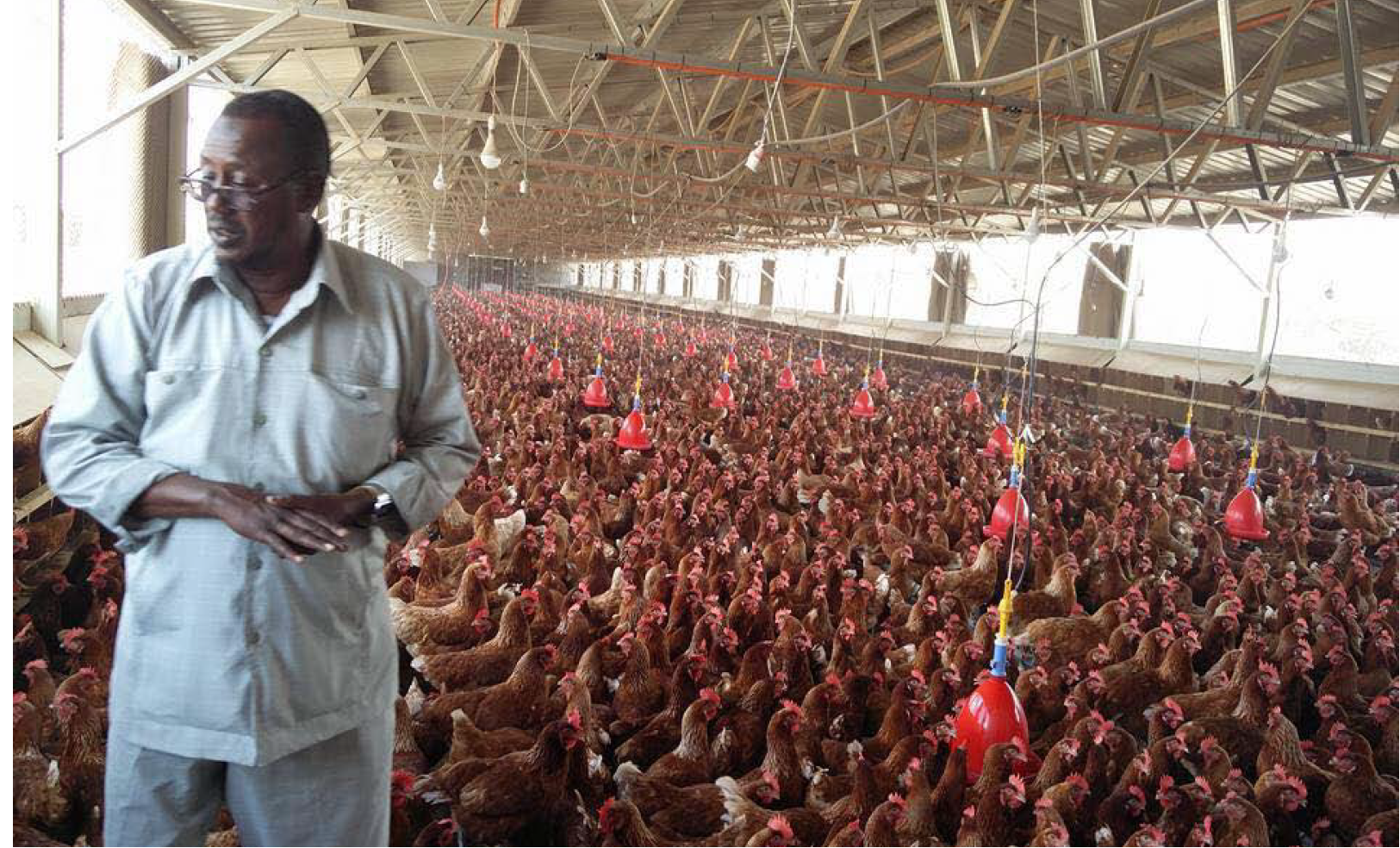
One of the investees is Maandeeq Poultry Company, a chicken producer with a stock of 35,000 chickens. Maandeeq Poultry Company has 50 employees, about half of whom are women. The company has received a Sharia compatible loan from the Fund, for the purpose of expanding the company significantly.
With this loan, we will be able to expand our company in a sustainable manner and hopefully double the number of employees