Norfund increases investment in user-friendly mobile payments in Africa
Norfund participates in a EUR 117 million debt raise to support Wave Mobile Money’s growth in Africa, alongside British International Investment (BII), Finnfund, and lead arranger Rand Merchant Bank (RMB).
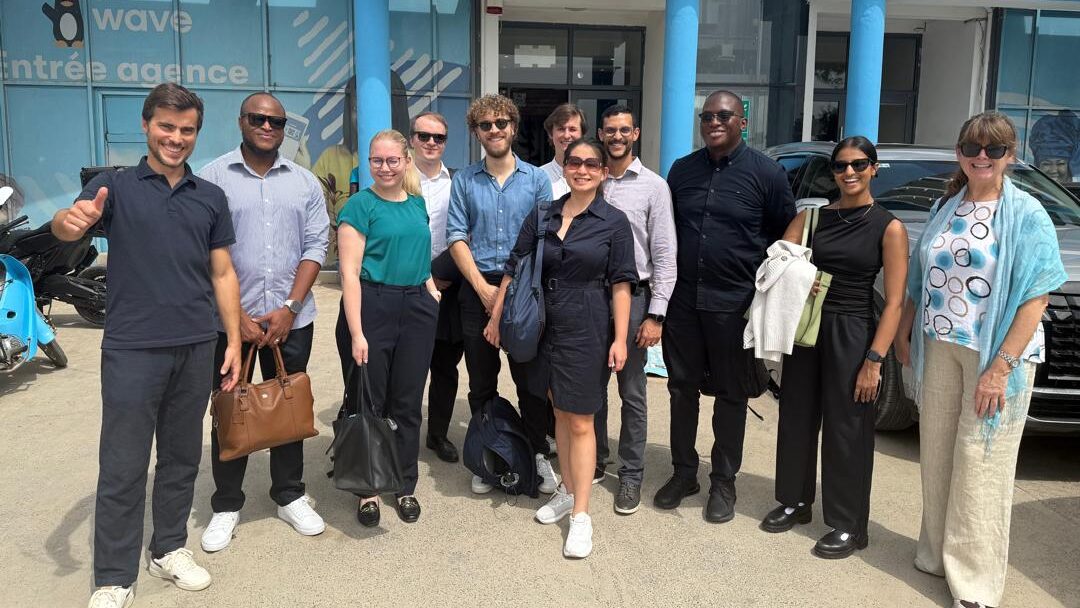
Investors RMB, BII, Finnfund, and Norfund visited Wave HQ in Dakar, Senegal.
The facility will support Wave’s continued expansion of affordable and user-friendly mobile financial services across West Africa and into new frontier markets.
Wave is a mobile money app that provides individuals and small businesses with a secure, affordable alternative to cash—enabling them to save, transfer money, pay bills, and access essential financial services. For many users, it serves as a first step into the formal financial system, helping to build financial identity and improve productivity.
“This new loan marks Norfund’s second investment in Wave, following our initial funding in 2022. Since then, Wave has demonstrated scalable and sustainable growth across its core markets. Its mobile-first model has been instrumental in expanding financial access for low-income individuals and small businesses—many of whom are entering the formal financial system for the first time,”
Marianne Halvorsen, Investment Director at Norfund
The new capital will strengthen Wave’s working capital position and accelerate its expansion across eight markets, including Senegal, Côte d’Ivoire, and Gambia, while enabling further reach into underserved fragile states such as Burkina Faso, Mali, and Niger.
“Since launching our Fintech Investment Strategy in 2022, we have expanded our portfolio to include digital-first companies driving financial inclusion across payments, embedded finance, digital lending, neobanking, and insurtech,”
Kathy Chang, Investment Manager at Norfund
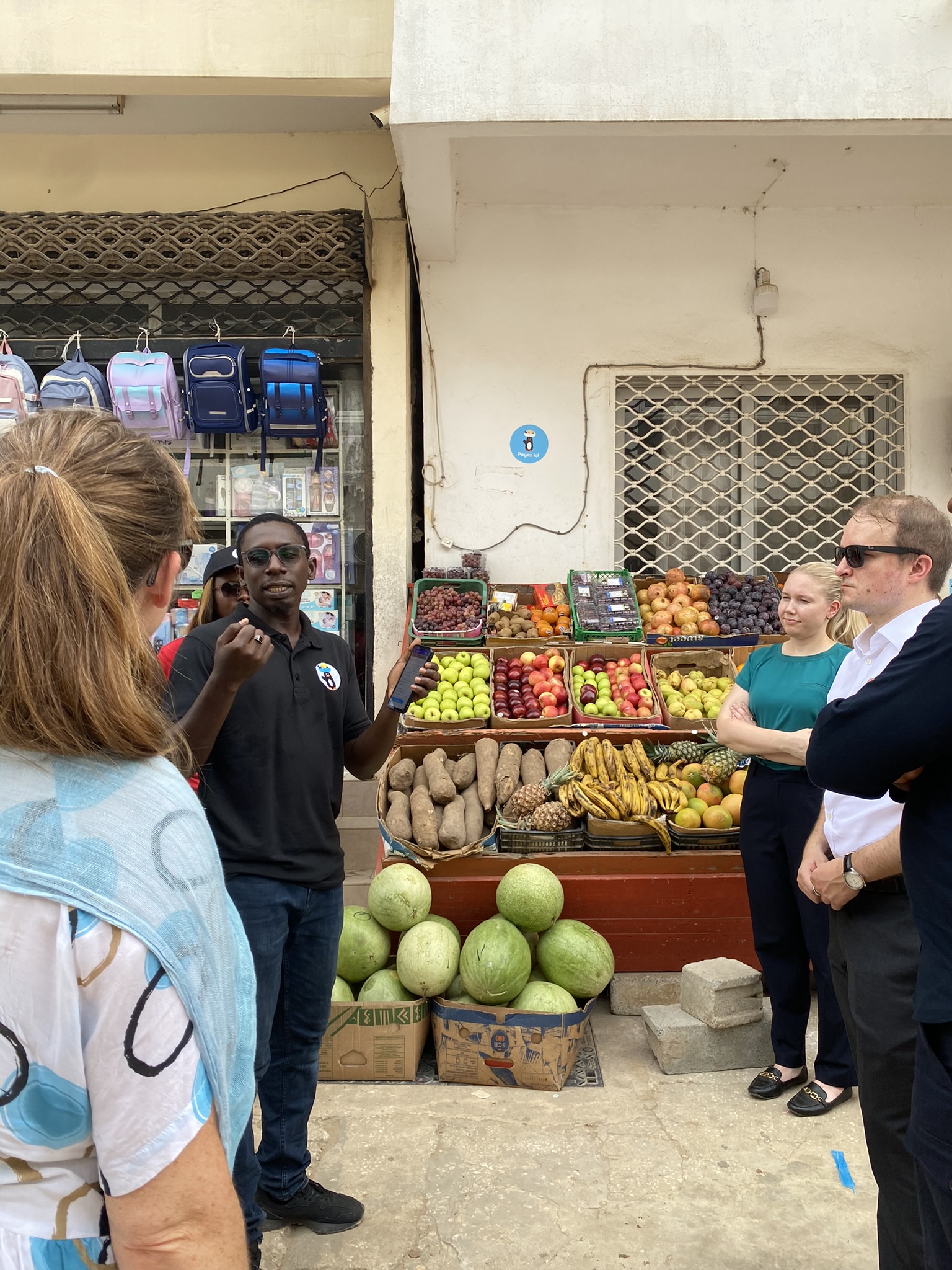
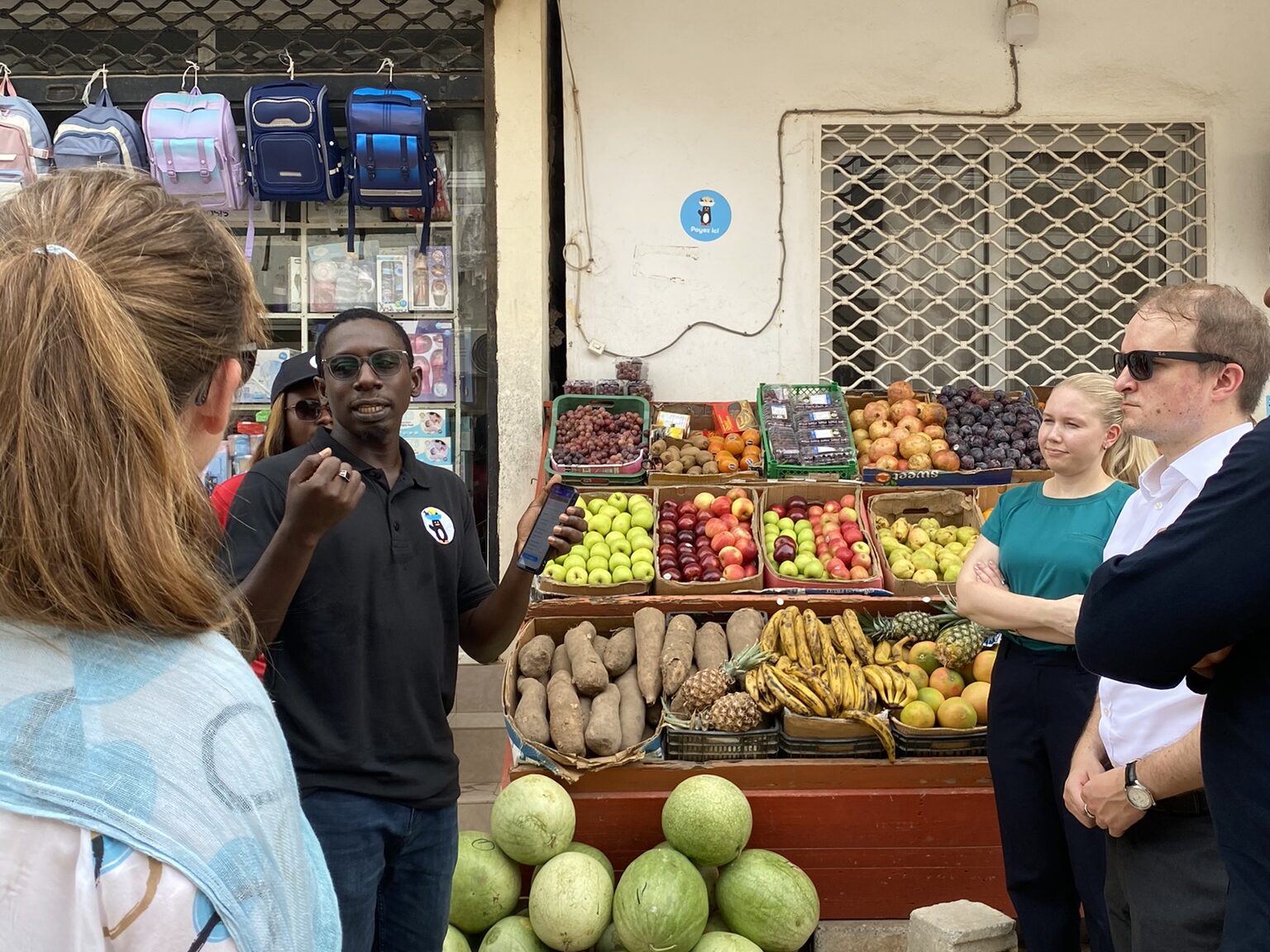
Wave is widely used i small shops, such as in this vegetable shop in Dakar, Senegal.
Norfund typically provides direct investments of USD 5–20 million in high-quality fintech companies that are either profitable or have a clear path to profitability, primarily from Series A stage and beyond. Since establishing the FinTech Investment Strategy, Norfund has invested in Wave Money, Lula Lend,Amartha, Funding Societies, AwanTunai and earlier this year also in, OmniRetail in Nigeria.
Investing to scale renewable energy infrastructure in Nigeria
Konexa, Climate Fund Managers and Norfund have signed a Development Funding Agreement to support the next phases of Konexa’s renewable energy expansion in Nigeria.
The agreement will enable the development of a solar PV plant and new and strengthened grid infrastructure to connect two Nigerian Breweries Plc sites in Lagos and Enugu State to renewable electricity supply. The project is expected to offset approximately 30,000 tonnes of CO₂ emissions annually, support 100 construction jobs, and create 35 permanent roles.
The partners will jointly invest USD 3.6 million, with Climate Fund Managers contributing 50%, and Norfund and Konexa each contributing 25%. Together, these commitments are expected to unlock approximately USD 80 million in further investments for construction at financial close, expected in the second half of 2025. Norfund`s investment is done through the Frontier Facility, which is used for projects with a higher risk than the rest of the portfolio.
“This partnership reflects Norfund’s commitment to scale renewable energy infrastructure in Nigeria and to contribute to long-term social, environmental and economic impact. We see Konexa’s business model as an innovative and impactful solution, addressing the country`s sector challenges. We are excited to join forces with Konexa and CFM,” says Birgit Edlefsen, Senior Vice President, Renewable Energy at Norfund.
Nigeria has faced decades of under-investment in renewable energy generation and grid infrastructure. In 2022, 75 % of the electricity generation came from natural gas, and only 0.3 % from solar, according to the IEA. As a result, access to reliable electricity remains limited, and many businesses rely on expensive, polluting diesel and gas generators. The government’s Vision 30:30:30 aims to increase renewable energy to 30 % of total electricity generation by 2030.
New fintech investmentdrives financial inclusion in West Africa
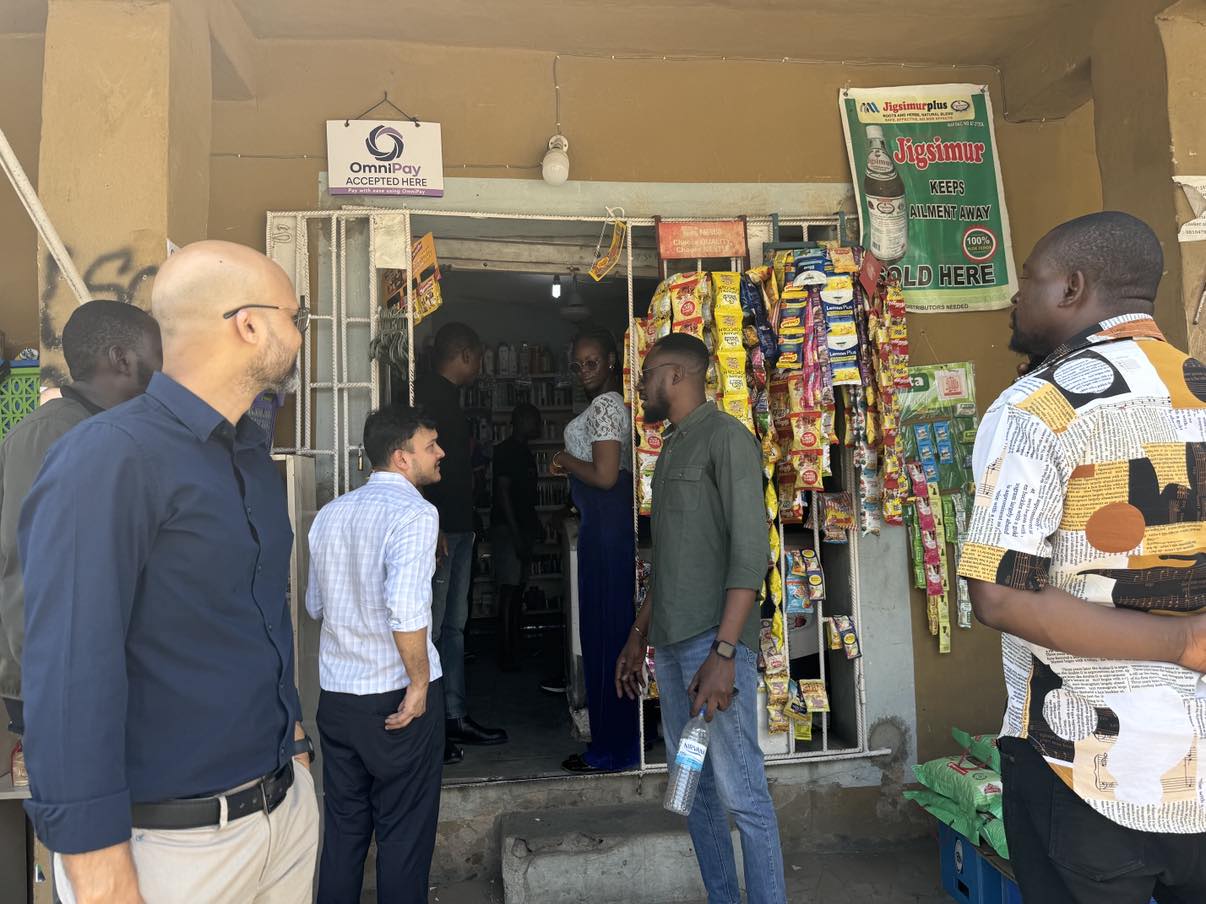
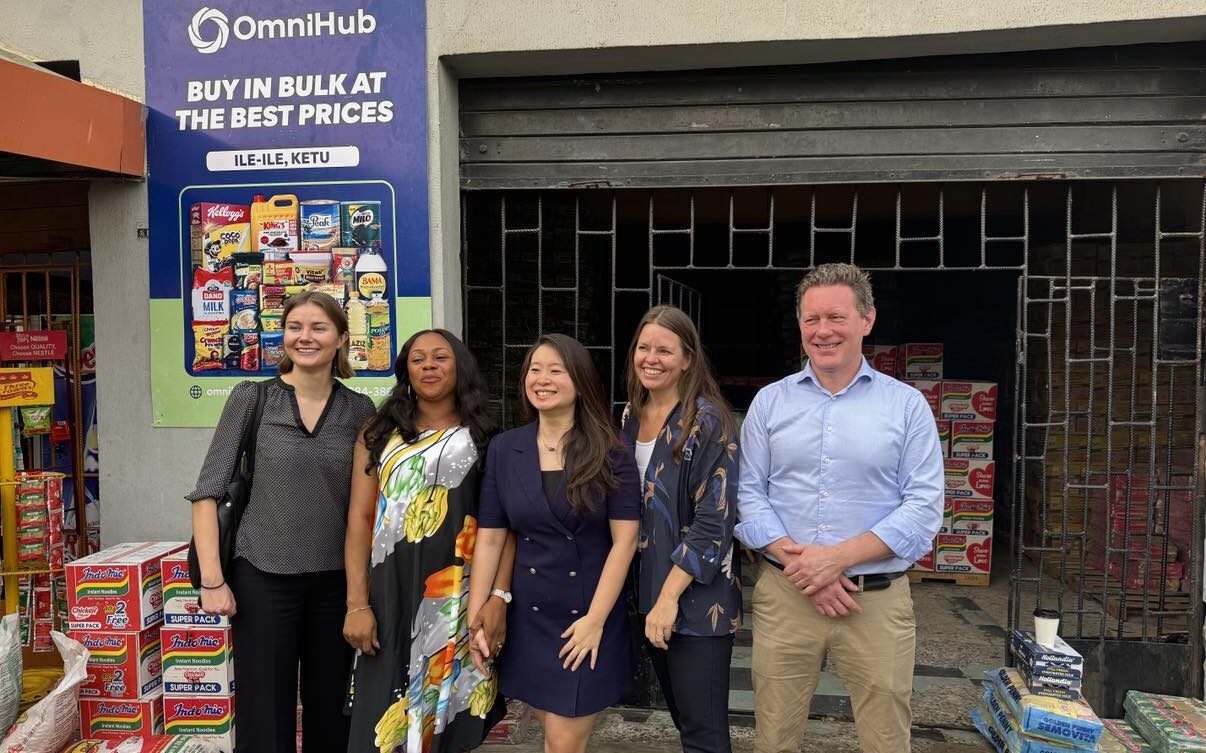
Norfund has made its first direct equity investment in African fintech through OmniRetail, a Nigerian technology platform that provides small shops in Nigeria, Ghana, and Côte d’Ivoire with access to credit, fast product delivery, and digital payment solutions.
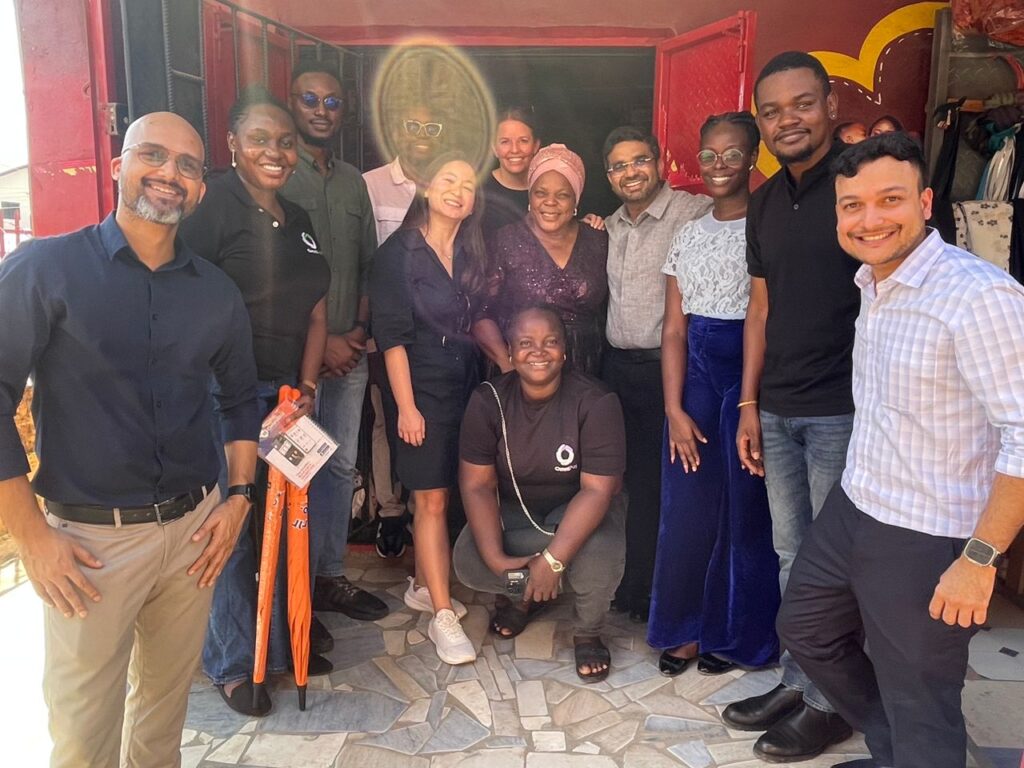
Norfund and the leadership team at Omni visit one of the many female distributors who source their goods through the Omni platform.
“Fintech is an effective tool for increasing access to working capital for small businesses in Africa, which are often underserved by traditional banks,” says Cathrine Conradi, Investment Director at Norfund. “By leveraging technology, companies like Omni can reach and serve their customers at a much lower cost. They use alternative data, such as order history, to assess the creditworthiness of clients who do not have access to bank accounts.”
Building an ecosystem around small shops
OmniRetail has established a digital commerce network connecting more than 150,000 suppliers, distributors, retailers, and logistics partners across 12 cities in Nigeria, Ghana, and Côte d’Ivoire. The platform enables digital procurement of everyday goods, including delivery and financing.
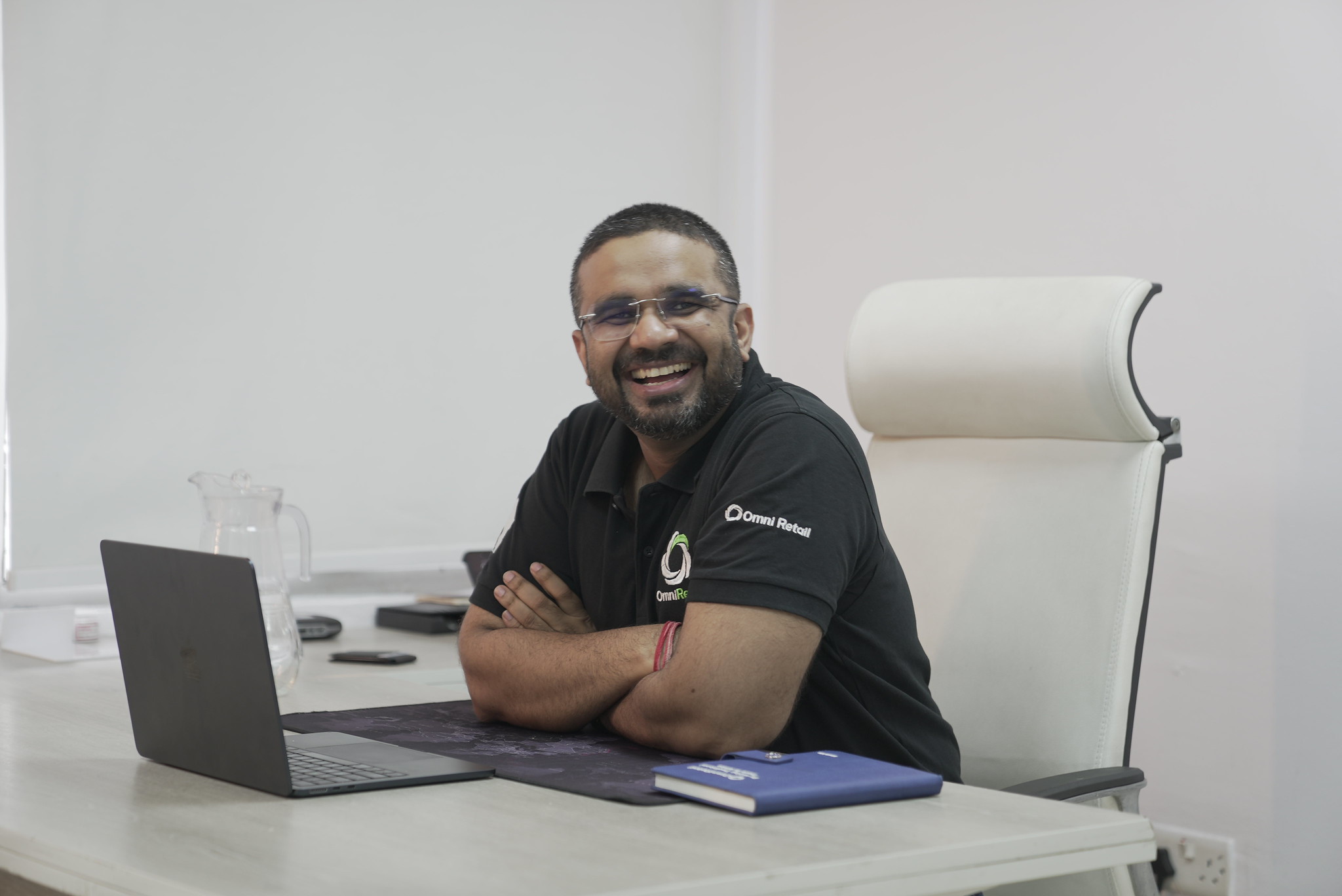
“We started by providing access to goods – now we’re building an entire financial ecosystem around the shops,” says Deepankar Rustagi, CEO at OmniRetail.
Traditional banks often require collateral for loans—something most small shops cannot provide. Many operate without formal accounting, credit scores, or even bank accounts. What they do have, however, are mobile phones and access to “mobile money,” a solution similar to Vipps. OmniRetail enables shops to order, pay for, and receive goods digitally, eliminating the need to close the store to buy inventory at the market. Credit is offered exclusively for product purchases, ensuring that financing is directed solely toward income-generating activities.
Thanks to machine learning–based credit assessments and close customer engagement, the company has a default rate of less than 0.5 percent—significantly lower than that of traditional bank loans to the same target group.
– A targeted solution for financial inclusion
Nigeria, Africa’s largest economy, is a key market for small businesses. More than 95 percent of the country’s enterprises are small, accounting for over 80 percent of employment and nearly half of GDP. With a population of 240 million expected to surpass 400 million by 2050, Nigeria is set to become the world’s third most populous country.
One in ten small and medium-sized enterprises in Nigeria cite lack of access to financing as their biggest barrier to growth. Fintech can play a crucial role in promoting financial inclusion in markets where capital is expensive and difficult to obtain.
Photo credit: OmniRetail
OmniRetail represents a new generation of fintech companies that combine technology and finance to reach small players in the informal market. The company’s model is based on embedded finance—financial services integrated directly into the value chain and the platforms that shops already use.
Reducing risk in challenging markets
Norfund is participating in a USD 20 million investment round and is the first development finance institution to invest in OmniRetail. By coming in early, Norfund helps mobilize private and institutional capital—not only for OmniRetail, but also for the broader segment and region. Increased equity from an investor like Norfund also strengthens the company’s ability to secure local debt financing.
“With Norfund’s support, we can scale more quickly and strengthen the entire retail value chain—through digitalisation and targeted financing that improves the daily lives of our customers,” says Rustagi.
“This is exactly the kind of investment we aim to do more of: targeted, measurable, and firmly rooted in the local context. We strongly believe that fintech will be key to achieving Norfund’s ambition of increasing access to affordable finance in our markets,” says Conradi.
Investing in renewable energy for mobile coverage in Mali
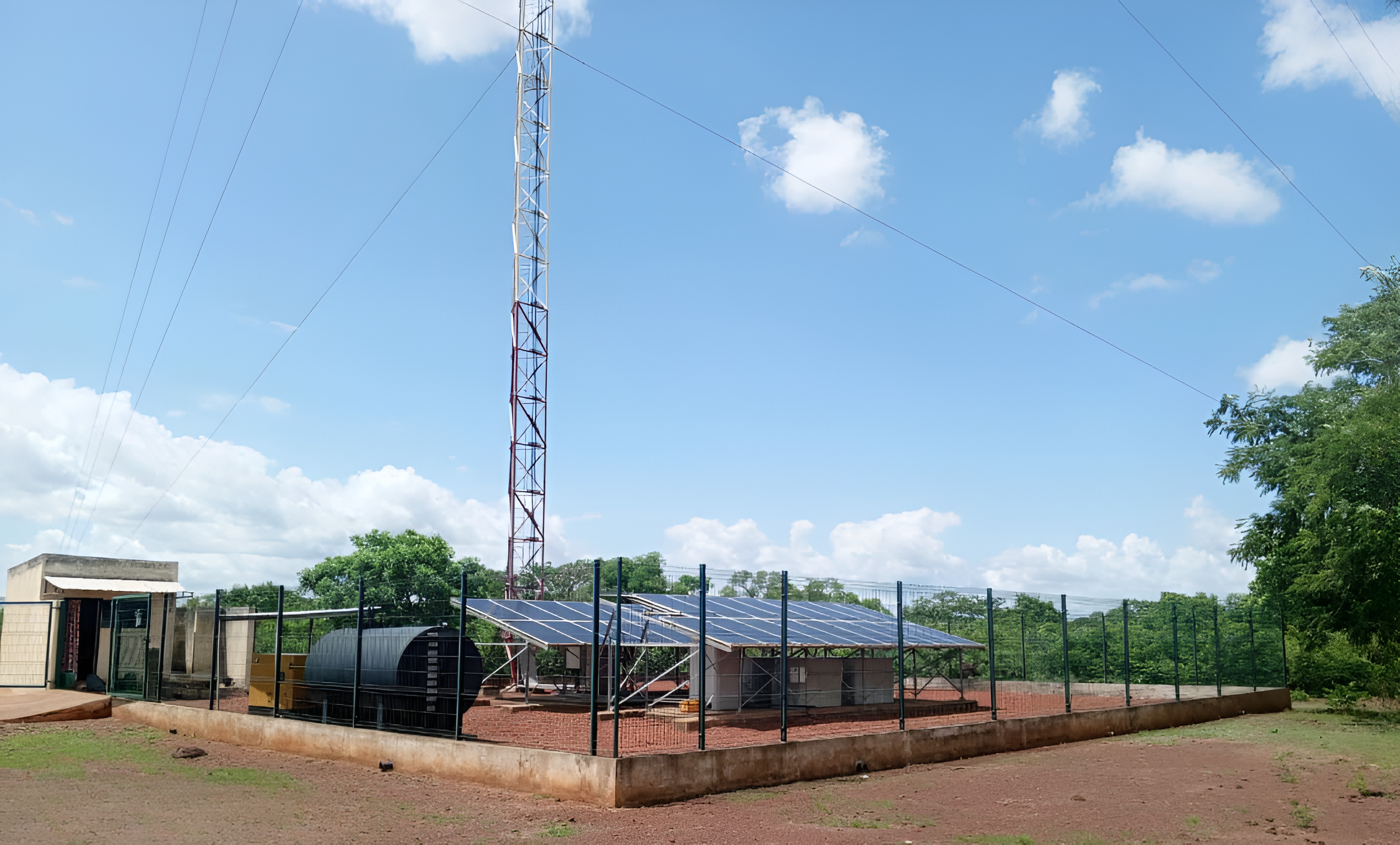
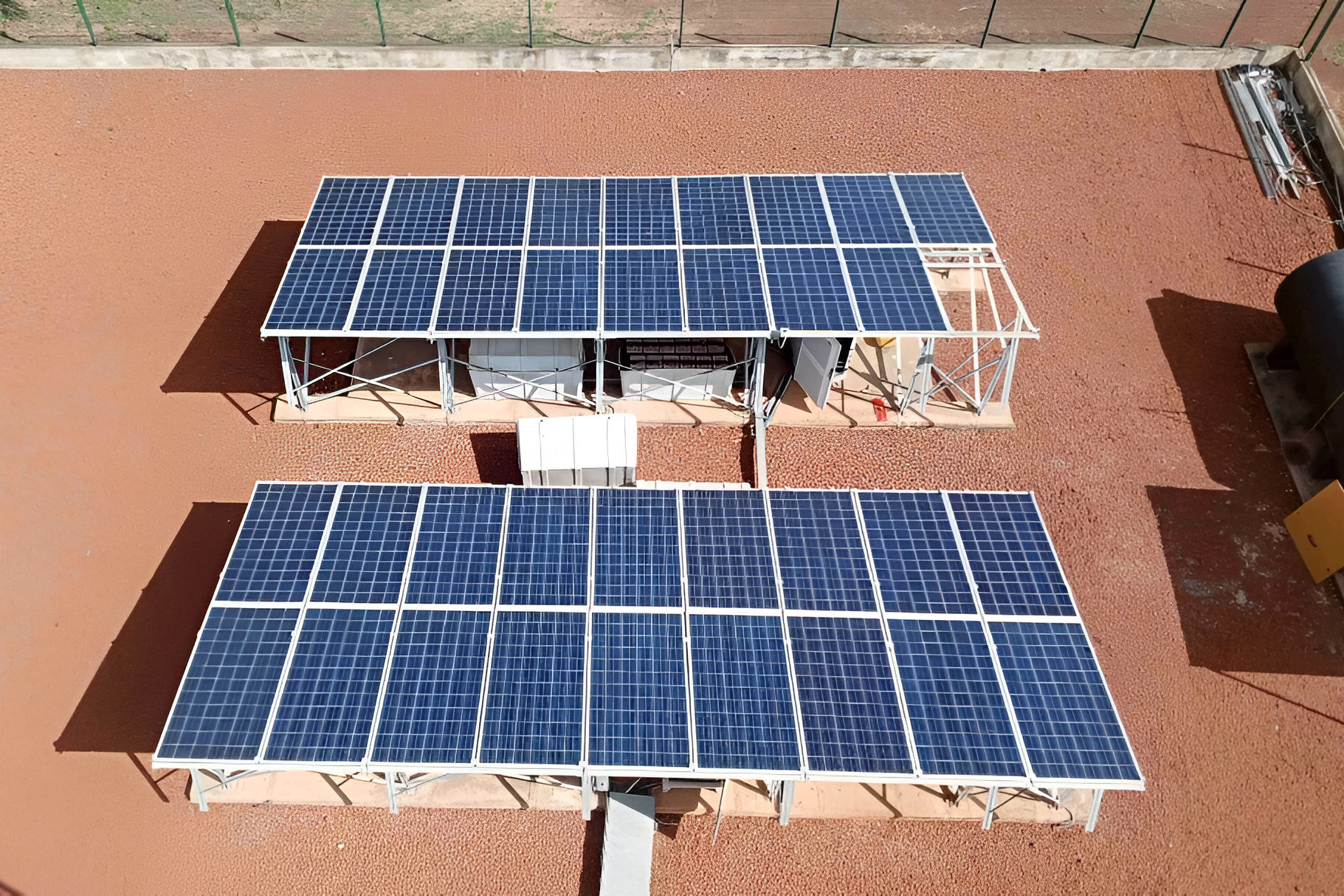
We are investing 166 million NOK in the company CREI to provide 2876 mobile towers in Mali with stable solar energy.
Photo credit: CREI Mali
Mobile coverage plays a central role in most people’s daily lives and is an important prerequisite for business activities even in some of the world’s least developed countries. To have mobile coverage, one must be near a mobile tower, and mobile towers need power to provide stable mobile coverage.
In countries like Mali, which has been affected by armed conflict for over a decade, mobile coverage cannot be taken for granted. At the same time, it is crucial to get information and communicate with people and services that are not in the same place as you.
“This investment underscores Norfund’s dedication to promoting renewable energy solutions in fragile states, bolstering economic resilience, and developing essential infrastructure in challenging environments. By backing CREI in Mali, we aim to foster conditions conducive to economic growth, job creation, and enhanced stability in the region,” says Birgit Edlefsen, SVP at Norfund.
CREI already provides power to mobile towers in other vulnerable states like South Sudan and the Central African Republic. However, this will be the company’s largest project to date.
The solution that CREI will build for mobile towers across the country consists of solar panels combined with batteries, so that the towers have power even when the sun is not shining. Diesel will also continue to play a minor role as backup.
Strengthening telecom infrastructure is an important prerequisite for economic growth and digital inclusion.
“By using a combination of solar and battery, we not only contribute to extended and more stable coverage in both rural and urban areas in Mali but also to economic growth and local job creation, as part of Mali’s digital transformation,” says Kadri El Hakim, CEO at CREI.
“This investment is a milestone in the development of renewable energy solutions in the telecom sector in Mali. It will contribute to cleaner, cheaper, and more reliable power supply,” says Thibault Neveu, co-founder of the FEI fund and CEO of the fund manager Cygnum Capital.
33 million USD to boost food resilience in South Africa
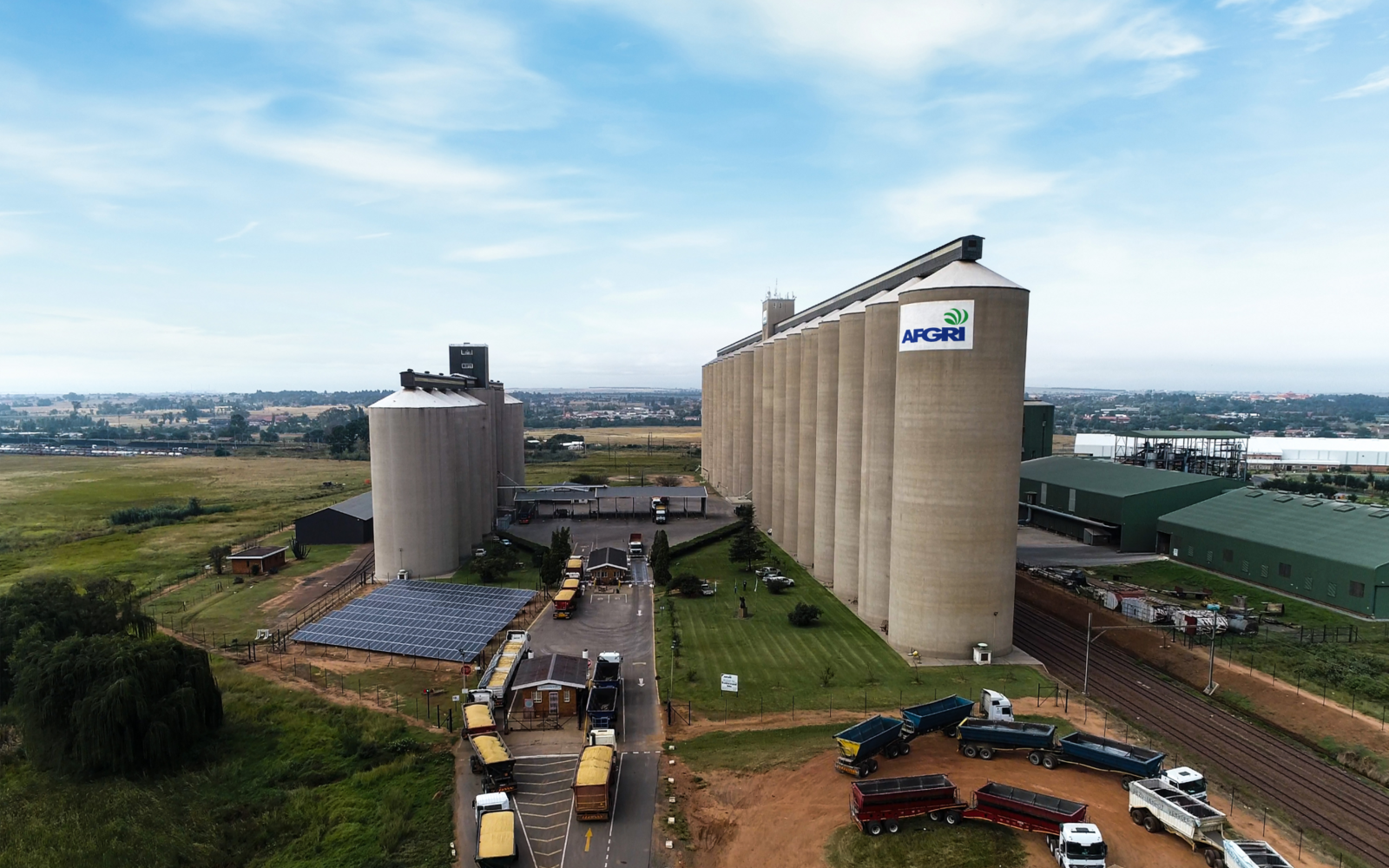
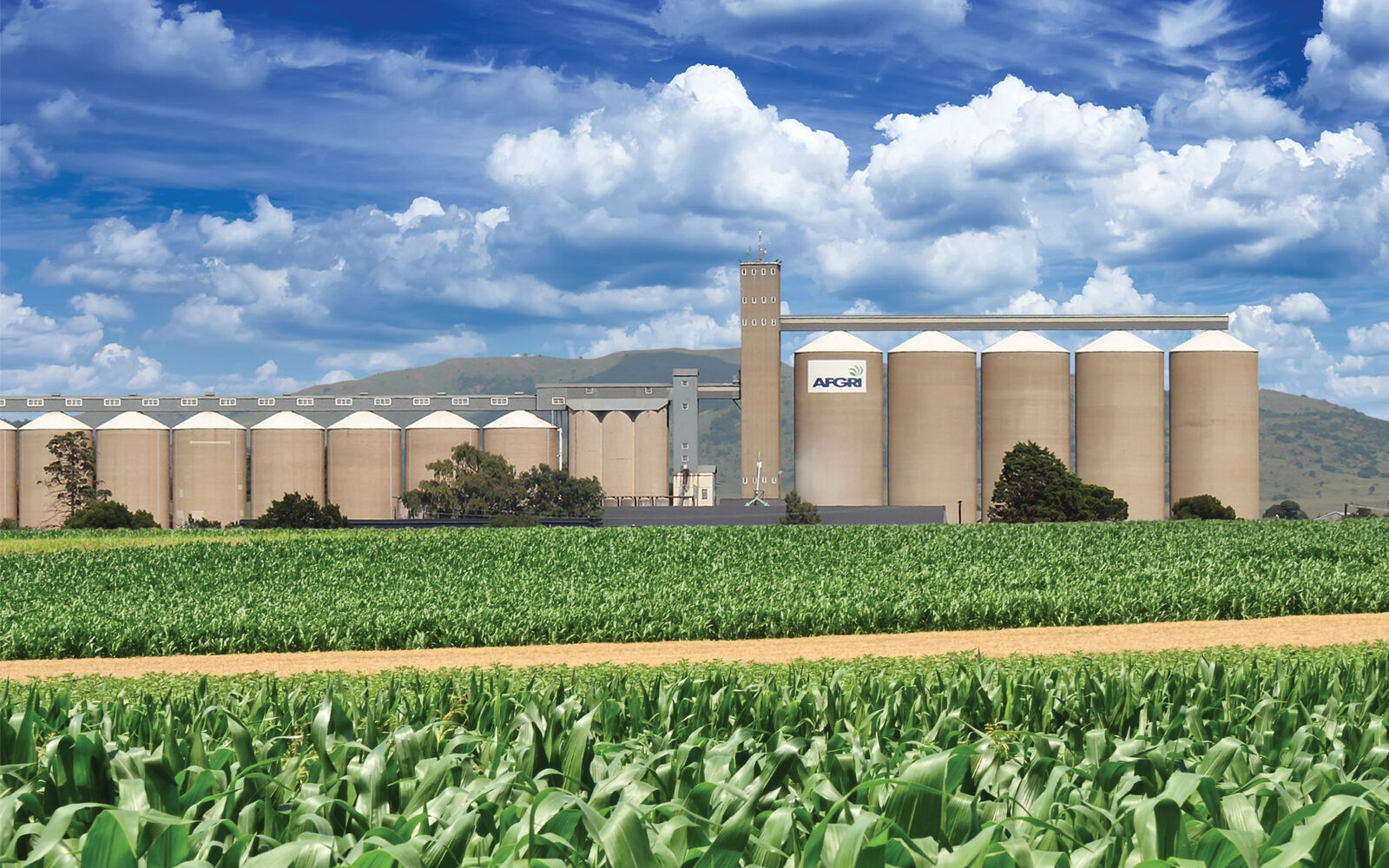
Norfund is providing strategic funding to the AFGRI Group (“AFGRI”), a leading agricultural services company in South Africa, to enhance agricultural productivity, create jobs, and improve food resilience.
Photo credit: Afgri
The strategic funding of 600 million ZAR (approximately 33 million USD / 350 million NOK), will support AFGRI in financing capital expenditures, working capital, and farmer financing.
Impacting tens of thousands of lives
The AFGRI operations support approximately one-third of South Africa’s farmers with a comprehensive range of services, including grain management, agricultural machinery, retail, food processing, animal feed, milling, farmer financing, and insurance.
In 2024 alone, AFGRI supported, both directly and indirectly, nearly 60,000 beneficiaries, aided 121 schools, and created close to 500 jobs, contributing to a workforce that now totals 4,000 employees.
“Agriculture is the backbone of GDP growth, exports, and food security in South Africa. A well-functioning sector is essential for a thriving economy, and this company plays an important role in ensuring its strength and long-term sustainability,” says Simen Berger Øby, SVP at Norfund.
AFGRI has historically been active on the African continent for many years and is once again expanding into selected African markets outside of South Africa. By adapting its strategy to mitigate climate challenges, the company is reinforcing long-term sustainability in an increasingly volatile agricultural sector.
Photo credit: Afgri
“We are committed to ensuring farmers have the resources they need to thrive, and with this strategic funding, we can expand our support, drive innovation, and secure the country’s food supply for the future,” says Norman Celliers, CEO of AFGRI.
Plastic recycling creates jobs and gives women opportunities in Ghana
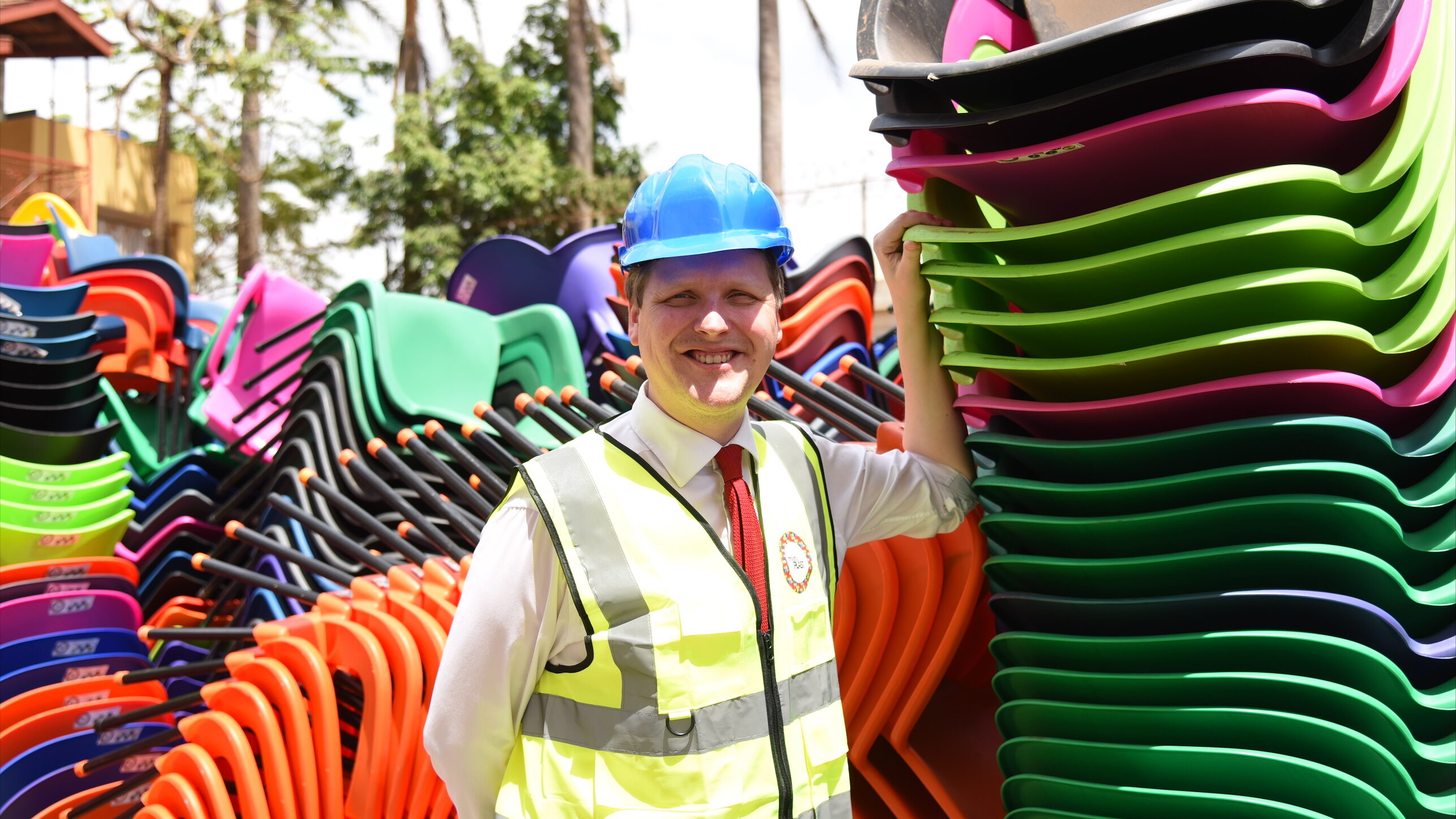
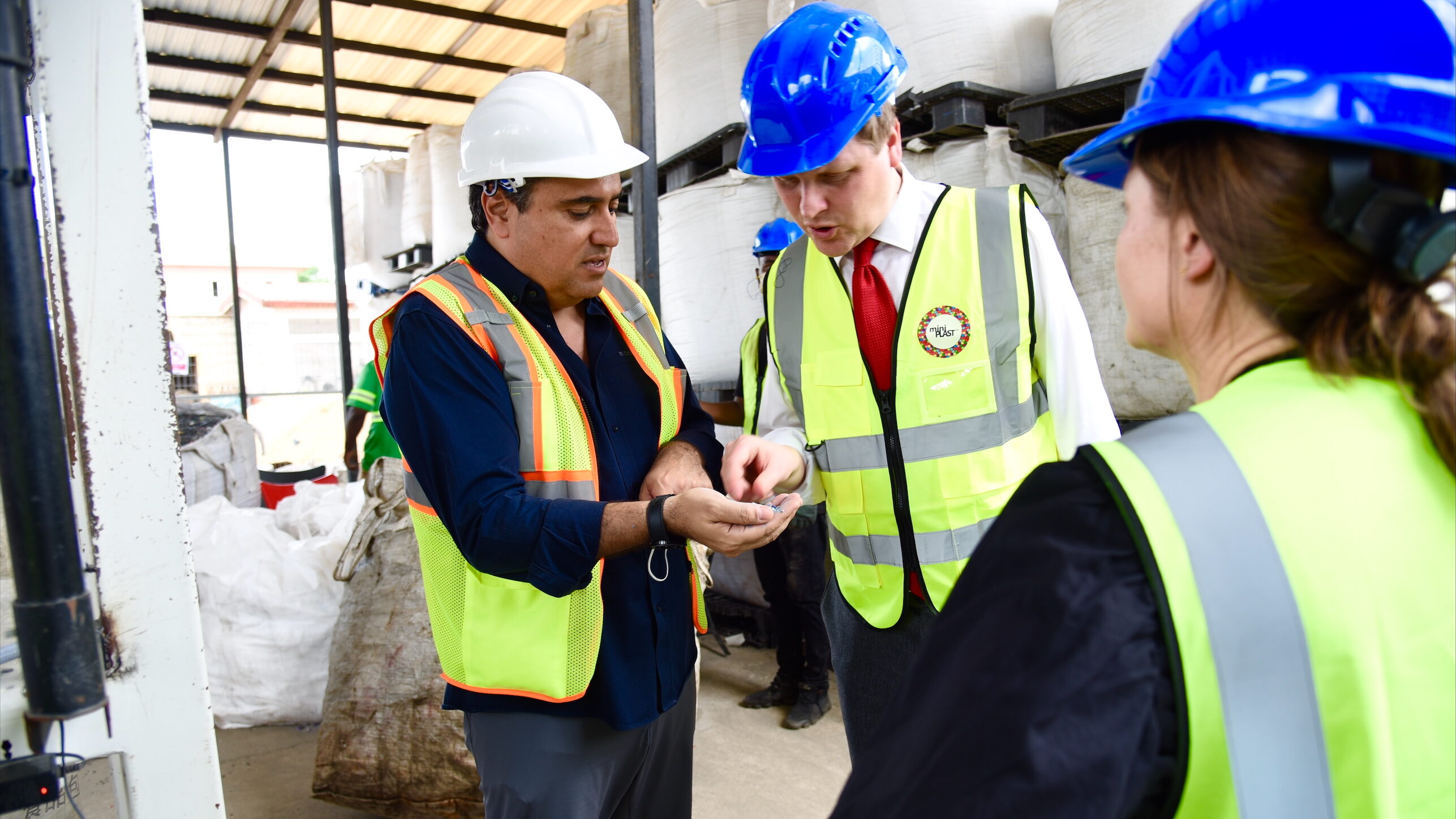
2,5 years after Norfund’s investment in Miniplast in Ghana, the company has doubled the amount of plastic recycled, created 700 new jobs and more than tripled the share of women in the workforce.
Åsmund Aukrust, Norway’s Minister of Development, visiting Miniplast 18th of March 2025.
«The investment in Miniplast showcases how we can attain multiple goals simultaneously. It is an inspiring example of how contributing to solving a significant environmental challenge through private initiatives, can also contribute to creating jobs and give more opportunities for women, which is an important goal for Norway”, said Åsmund Aukrust, Norway’s Minister of International Development, visiting the company in Ghana 18th March.
In July 2023 Norfund announced a USD 10.5 million investment in Miniplast Ghana Ltd, a leading plastics manufacturer based in Accra. The capital has gone to purchasing new machinery to increase the company’s capacity to use more locally sourced recycled materials to substitute imported plastic resins.
“At the end of 2023, we had 980 employees, of which 909 were men and 71 were women. Today we have 1700 employees of which more than 500 are women”, says Nadim Ghanem, CEO of Miniplast.
Nadim Ghanem and Åsmund Aukrust.
Poverty in Ghana had been on a downward trend since the 1990s but went on the rise after the COVID-19 pandemic. Weak economic growth and high inflation—particularly in food prices—have worsened living standards, pushing more people into poverty (World Bank).
“Having a job to go to and an income to live on is the way out of poverty for most people, whether in Norway or here in Ghana. Work for all is definitely “job number one” also in the Government’s efforts to fighting poverty at a global level,” says Minister Aukrust.
“Having a job making ends meet, is key to ending poverty all over the world. As people and companies are paying taxes, more resources can be put towards basic services such as health and education, making countries fend for their own people – the ultimate goal for international development”, said Minister Aukrust.
The minister is pleased to see how Miniplast has increased the share of women in the workforce.
“There will be no sustainable development if only half of the population is involved. Thus, gender equality and women’s inclusion in the workforce are essential to combat poverty,” said Aukrust.
Proving functioning models to fight plastic pollution
More than 171 trillion pieces of plastic are estimated to be floating in the world’s oceans and could further nearly triple by 2040. Establishing systems for collection of plastic waste is however complicated even in high-income countries. It is even more challenging in countries where waste regulation and producer responsibility are often lacking.
“Plastic recycling is necessary for the environment and obviously the right thing to do, but It is only viable here in Africa when it is economically viable”, says Nadim Ghanem, CEO of Miniplast.
Since Norfund’s investment, Miniplast has almost doubled the amount of recycled plastic in the production of new products from 800 tons in 2023 to 1500 tons in 2025 per month.
“The contributions of this investment may seem small compared to the overwhelming challenge of plastic pollution. However, by showcasing a functioning model like Miniplast, we believe we can enable the development of an industry and the promotion of a culture of waste management, while creating a large number of jobs, says Obafemi Awobokun, project manager for Miniplast in Norfund.
Increased standards on health, environment and safety
In partnership with Norfund, Miniplast has developed its capacity within health, environment and safety, and the company was recently certified as having world-class systems for Quality Management, Occupational Health and Safety Management, Environmental Management, and Food Safety Management (ISO 14001:2015, ISO 45001:2018, FSSC 22000 in 2024, in addition to ISO 9001).
“The certifications reflect Miniplast’s commitment to making a positive contribution to both the environment and society, but we would not have achieved this without our partnership with Norfund. We are confident that the development will support Miniplast in acquiring new customers, entering new markets, and developing new business lines”, says Nadim Ghanem, CEO of Miniplast.
Investment in new South African energy platform to avoid 1.9 million tons of CO2
The Climate Investment Fund is investing in a new South African platform for renewable energy, operated by Pele Green Energy Group. The capital will finance projects that will avoid 1.9 million tons of CO2.
Photo credit: Pele Green Energy
Pele Green Energy Group is a South African Black Economic Empowerment (BEE) infrastructure company, founded by five young entrepreneurs in 2009. The group develops, owns, builds, and operates renewable energy projects. As of today, they have 980 MW in operation, 670 MW under construction, and a further pipeline of more than 5 GW under development.
The Climate Investment Fund, managed by Norfund, is partnering with Nedbank, one of South Africa’s largest banks, to invest a total of R575 Million (350 million NOK) to scale up the company’s investments in renewable energy.
“We see this investment as a significant contribution to meeting South Africa’s growing energy needs while avoiding large scale emissions,” says Bjørnar Baugerud, head of the Climate Investment Fund at Norfund.
The projects the investment will help finance are estimated to avoid emissions of 1.9 million tons of CO2 per year. This alone corresponds to 4% of Norway’s annual emissions – or more than the emissions from Equinor’s refinery at Mongstad, the largest source of emissions in Norway.
“This is a brilliant example of how effective the Climate Investment Fund is in accelerating the global energy transition and limiting climate change, which affects the poorest the hardest,” says Minister of International Development Åsmund Aukrust.
Focuses on energy for businesses and battery storage
Norfund first invested in Pele Green Energy in 2023, and the investment of approximately 400 million NOK has contributed to the construction of a portfolio of large solar and wind power plants. The company now needs more capital to finance further growth, which is planned within projects that deliver energy directly to businesses (C&I), investments in battery storage, and government tenders for larger renewable projects.
“This transaction is a game-changer for the Pele Energy Group and the broader renewable energy sector,” said Gqi Raoleka, CEO of Pele Energy Group. “Having Nedbank and Norfund as strategic partners in our capital structure reflects their strong belief in our vision and capabilities. This backing enables us to accelerate project development, scale impact, secure new opportunities, and drive sustainable energy solutions that will have a lasting impact on Africa’s energy future.”
As the world’s 14th largest emitter of greenhouse gases, South Africa’s energy sector is heavily dominated by coal power, which accounts for almost 90 percent of the energy supply.
Doubling our investments in CrossBoundary Energy to US$80 million
Norfund has committed an additional $40 million to expand its African C&I energy portfolio, reinforcing its support for the region’s growing energy needs in the commercial and industrial sectors.
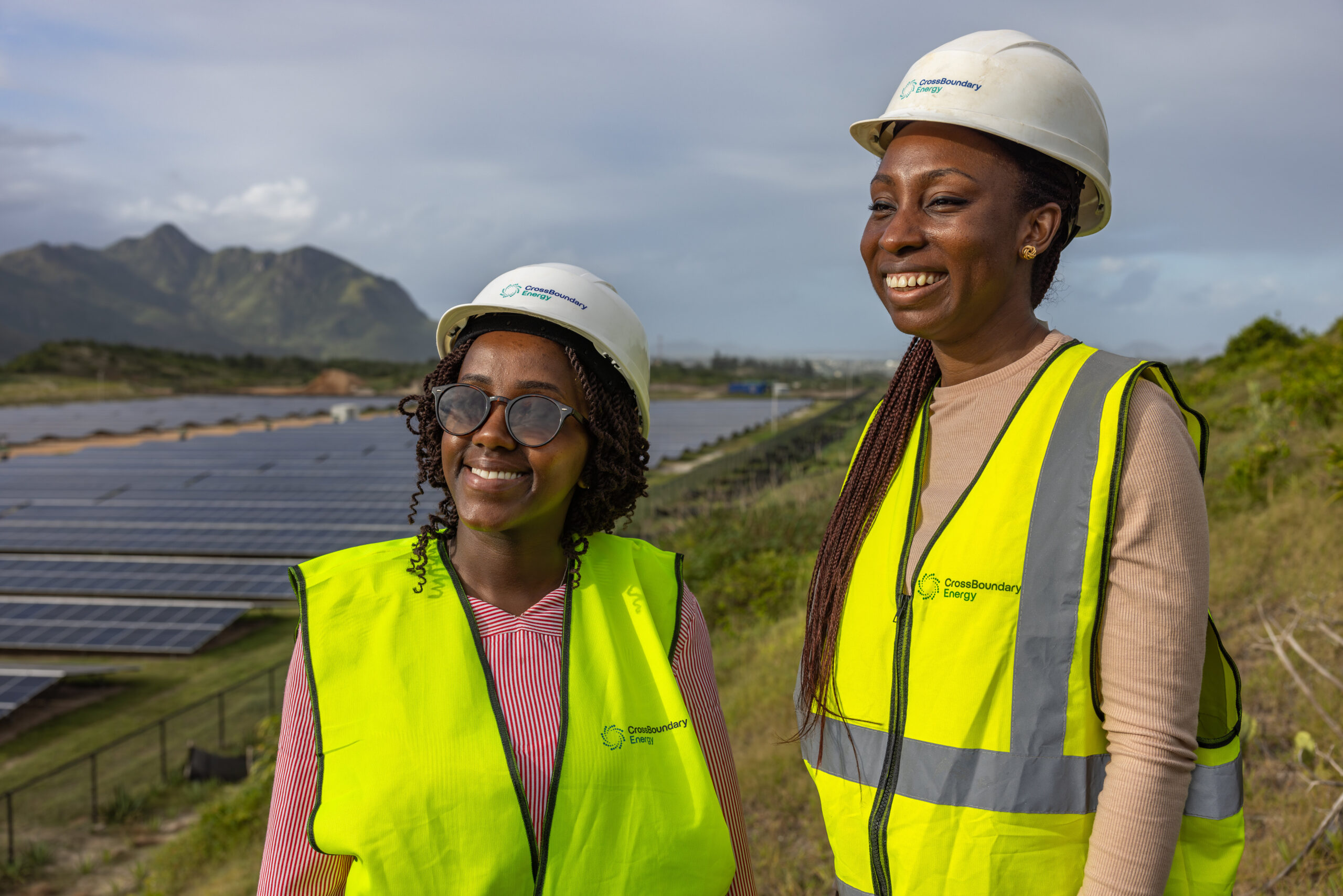
Senior ESG Manager, Maureen Kinuthia, and Head of ESG, Ifeoma Dika, visiting a solar plant in Madagascar.
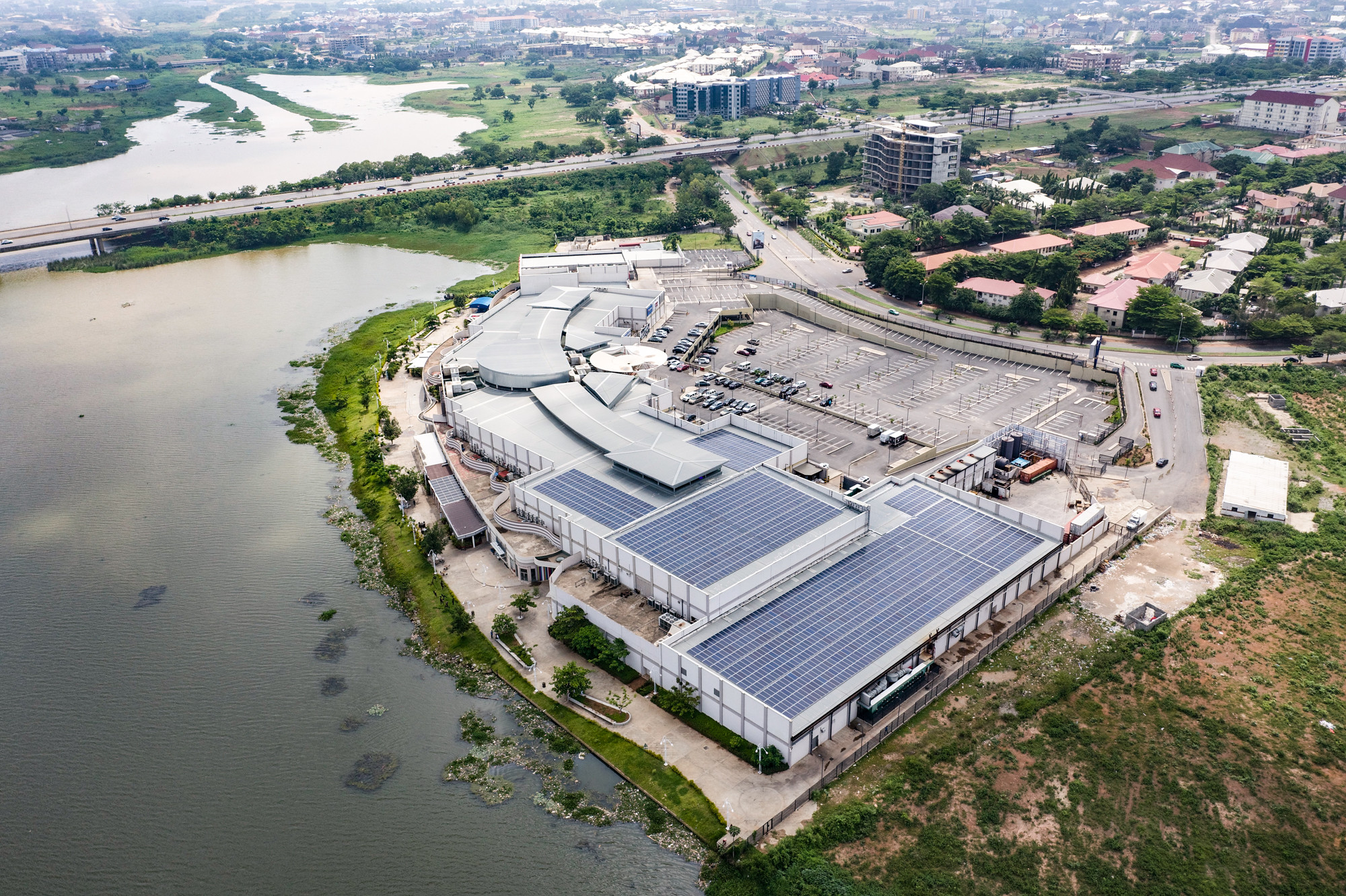
Over the past year, CrossBoundary Energy has successfully grown its awarded portfolio to around US$680M across 18 African countries, comprising 500 MW of solar, wind, and thermal assets and over 600 MWh of battery energy storage solutions. The portfolio features large-scale renewable-led hybrid power plants for mines, rooftop and ground-mount solar PV plants for industrial clients, and distributed solar PV and battery power solutions for telecommunications sites.
“The need for innovative energy solutions in Africa is growing rapidly. CrossBoundary Energy is a leading provider of solutions that are poised to bolster clean energy capacity and job creation on the continent,”
Rivhatshinyi Mandavha
Senior Investment Manager at Norfund
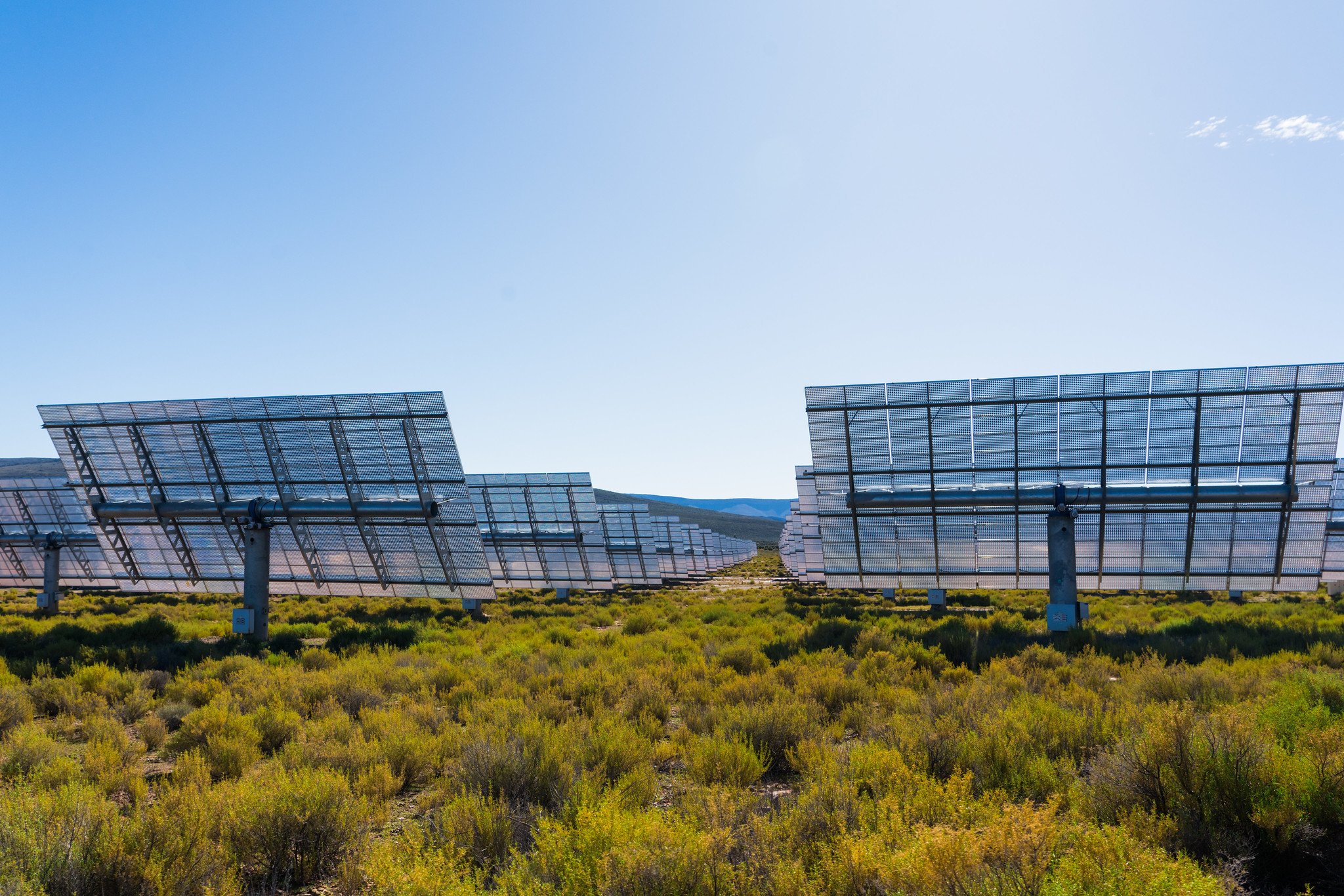
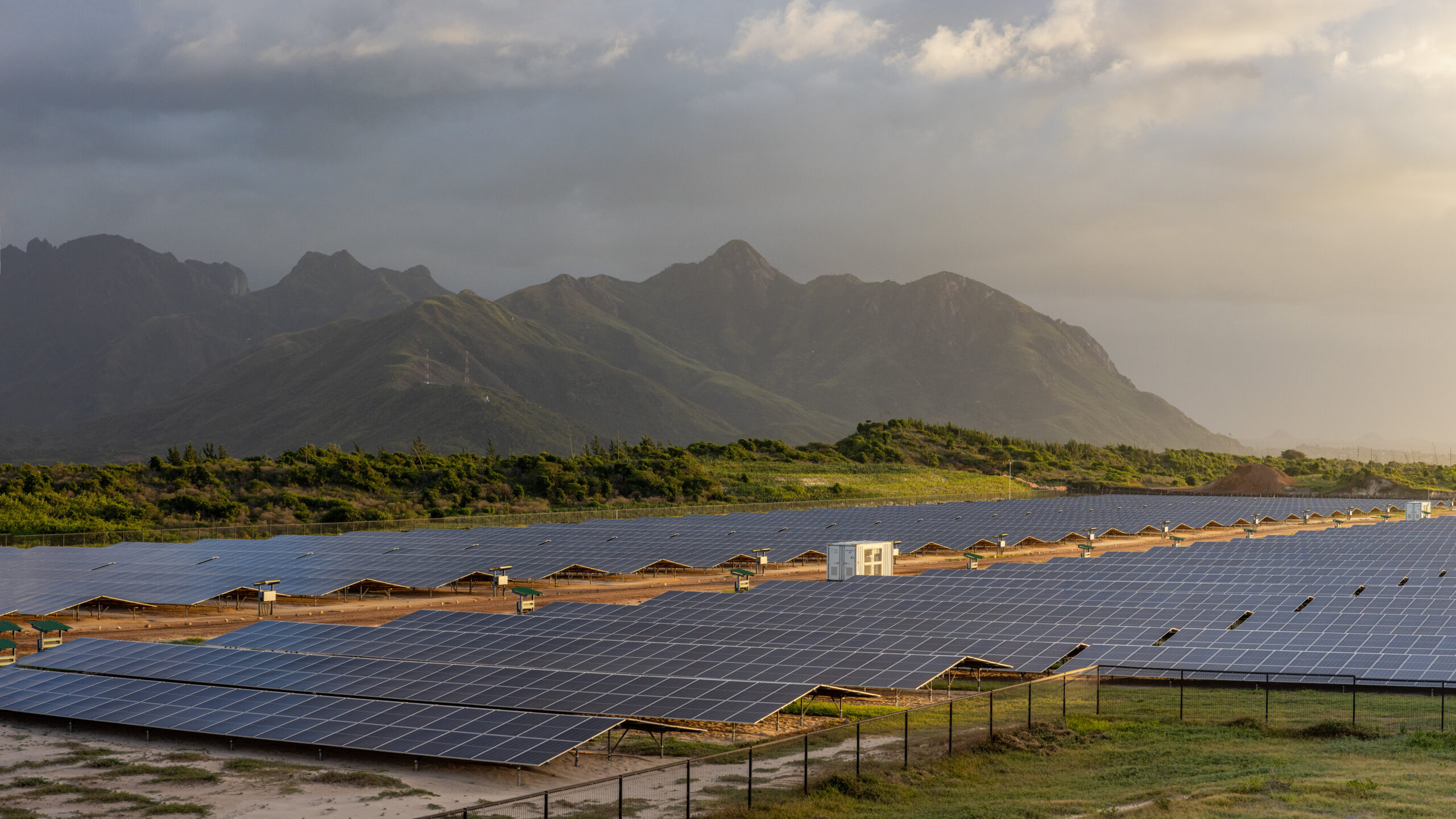
Solar Array at Rio Tinto QMM Mining Operations, Fort Dauphin, Madagascar.
“Norfund’s investment signifies a strong vote of confidence in CBE’s capability to meet the increasing demand of commercial and industrial customers for affordable, clean, and reliable power – the backbone of powering sustainable growth in key industries and economies across Africa.”
Muna Yuusuf, Associate Principal at CrossBoundary Energy
New fund investment to deliver renewable energy to 7.7 million people
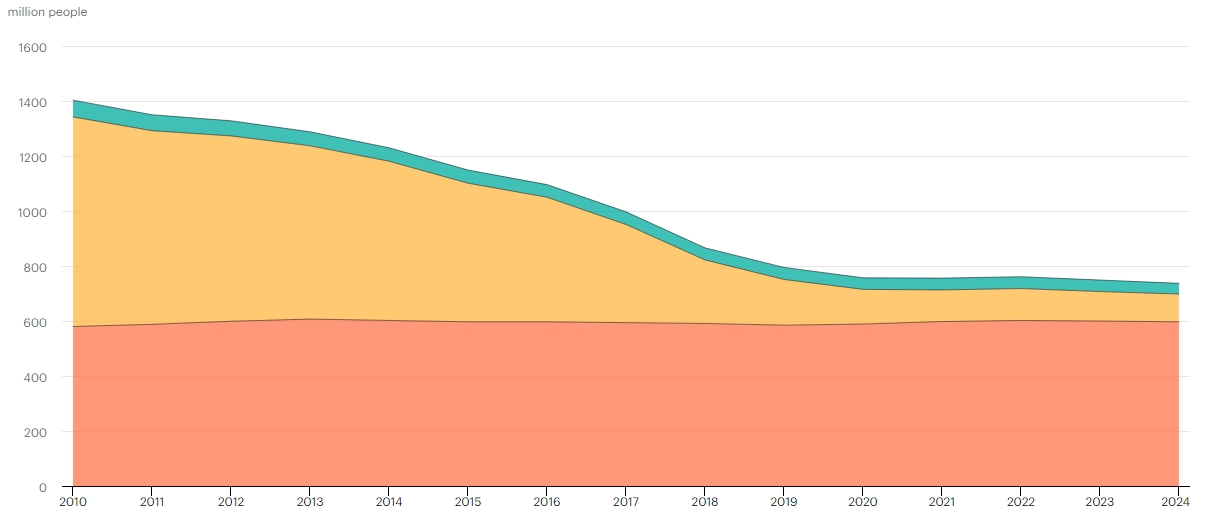
Through the investment in the REPP2 fund, Norfund will help provide 7.7 million people with access to renewable energy. Recent figures from the IEA show that the number of people without electricity in Africa is now declining again, after two years of growth.
Photo credit: ARC Power
“This kind of investments is absolutely crucial for the world to combat both poverty and climate change,” says Minister of International Development Anne Beathe Tvinnereim.
The fund, called REPP2, amounts to a total of NOK 1.2 billion (USD 107 million). Norfund is investing NOK 166 million (USD 15 million) in the fund, which also includes contributions from the Green Climate Fund and FMO, the Dutch development finance institution. Norad is providing funding for technical assistance.
“The fund aims to develop 330 MW of new capacity, which will provide clean energy access to more than 7.7 million people,” says Tellef Thorleifsson, CEO of Norfund.
The fund is structured as a blended finance model, involving both public and commercial investors. It will invest in small-scale renewable energy projects in sub-Saharan Africa, including both grid-connected and off-grid solutions. The fund builds on a previous fund, REPP1, which amounted to USD 120 million and has made 57 investments since 2015.
Small-scale solutions are starting to make a significant impact in Africa
Since 2000, the number of people without access to electricity has decreased by 925 million, and 40 new countries have achieved near-universal access. In Africa, however, access has not kept pace with population growth, and from 2019 to 2022, the number of people without electricity on the continent increased. Africa now accounts for the majority of the approximately 750 million people worldwide who still lack access to electricity.
“It’s great to see that solar home systems, based on mobile payment plans, have become affordable enough to start making a significant impact on progress in Africa as well,” says Tvinnereim.
The IEA estimates that such solutions provided electricity access to over 43 million people in sub-Saharan Africa in 2023, representing 4 percent of the population. Altogether, they accounted for one-third of all new electricity connections on the continent in 2023, which totaled more than 6.5 million.
Affordable capital enables scaling up
The reduced cost of solar panels, batteries, and energy-efficient solutions makes it possible to offer electricity through rooftop solar systems at a repayment rate close to what many pay for kerosene. However, this model requires significant capital.
“Norfund has made several direct investments in such companies, and we have contributed to developing new financing methods that lower interest costs, making the systems affordable for more people,” says Thorleifsson.
One example is Sun King, which allows its customers to split payments via mobile or cash for as little as $0.15 per day. Approximately half of the customers are women.
In 2023, 420,000 new households gained access to electricity through the off-grid and mini-grid companies in which Norfund has invested (see Norfund’s annual report).
Thorleifsson points out that smaller power plants supplying electricity to the grid or local mini-grids are also necessary, but accessing capital for this type of investment is often challenging.
“We believe that this new fund can play an important role in enabling and unlocking financing for such projects as well,” says Thorleifsson.
Norfund entering plastic recycling in Nigeria and Ghana
Norfund is making its first two direct investments in plastic recycling in Africa in Nigeria and Ghana.
“By showcasing functioning models, we can enable the development of an industry that is crucial in tackling the challenges of plastic pollution while creating a large number of jobs,” says Carl Johan Wahlund, Investment Director for Green Infrastructure at Norfund.
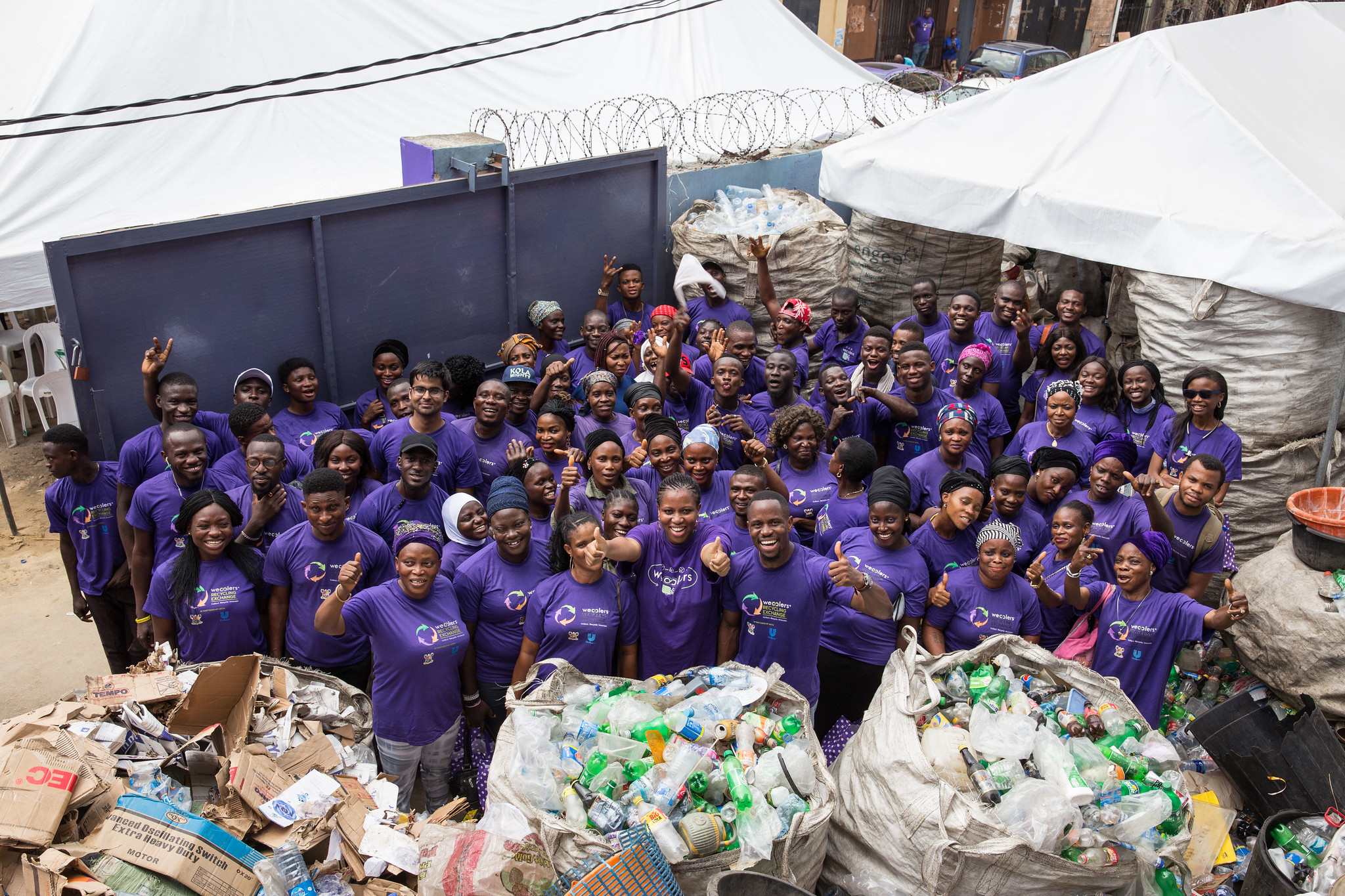
WeCyclers founders and employees pose for a photograph at their headquarters after being announced winner of the King Baudouin Foundation African Development Prize 2018-19 at the company’s headquarters on Wednesday 20th March 2019 in Lagos Island, Lagos, Nigeria.
Norfund has committed EUR 2 million as a convertible loan to Wecyclers Nigeria Limited, a recycling company based in Lagos. At the same time, Norfund is announcing a USD 10.5 million investment in Miniplast Ghana Ltd, a leading plastics manufacturer based in Accra, to support its recycling capacity.
The investment in Wecyclers will finance a new plant for the recycling of PET-bottles for use in new bottles locally and in Europe. The plant will be located in Ogun state in Nigeria and have a capacity of 12 000 ton per year. See separate press release here
Norfund’s investment in Miniplast will go towards purchasing new manufacturing equipment and machinery to increase the company’s recycling capacity to 1,700 tonnes a month, increasing further the use of locally sourced recycled materials to substitute imported plastic resins and reducing production costs. See separate press release here
More than 171 trillion pieces of plastic are now estimated to be floating in the world’s oceans, an increase from 16 trillion pieces in 2005, and it could further nearly triple by 2040. Systems for collection of plastic is crucial in tackling plastic pollution. Establishing these with incentives and a commercially sound model across the value chain is however complicated even in many high-income countries, and still more challenging in developing countries, where waste regulation and enforcement of extended producer responsibility is lacking.
“Wecyclers has managed to establish a model in one of the more difficult areas of the world, with its own collection both directly from households and via kiosks and franchises, combined with a close collaboration with a European plastic producer which will serve to ensure that both the process and the output quality meets highest international standards”, says Carl Johan Wahlund, who heads Norfund’s Green Infrastructure investment area, which has a dedicated focus on waste and water.
Carl Johan Wahlund
In 2020, Miniplast established an in-house plastics recycling business that uses locally sourced plastic waste. These recycled plastics are then used by the company in the manufacturing of its finished products, as well as sold to third parties. The factory was also the first to install solar power delivered by Empower New Energy, another Norfund investee.
“Supporting local manufacturing and recycling initiatives will help create many decent jobs not only at Miniplast, but across the entire plastics value chain”
Obafemi Awobokun, project manager for Miniplast in Norfund
The investment in Miniplast is expected to create more than 850 jobs across the plastics value chain.
“While the contributions of these two investments may seem small compared to the overwhelming challenge of plastic pollution, by showcasing a functioning model, they enable the development of an industry and the promotion of a culture of waste management. They will be Norfund’s first of many planned investments into the sector”, says Wahlund.
About Miniplast
Miniplast Ghana Ltd is a leading plastics manufacturing company in Ghana and the West African sub-region. Established in 1988, Miniplast specializes in injection moulding and blow moulding, with its key offerings being products made from High/Low Density Polyethylene (H/LDPE), Polypropylene (PP) and PET Plastics. This includes industrial packaging solutions (packaging containers for many classes of products, bottles, jerrycans, paint and detergent buckets, pails, etc.), plastic furniture, and other household products (bowls, plates, buckets, basins). Headquartered in Accra, Miniplast has a current production capacity of 41 tonnes of plastic per day, and directly employs over 650+ people whilst indirectly employing over 200 more. The Company also has waste collection and grinding hubs in Kumasi and Tamale.
About Wecyclers
Wecyclers is a for-profit social enterprise that promotes environmental sustainability, socioeconomic development, and community health by providing convenient recycling services in densely populated urban neighbourhoods. Wecyclers addresses the challenge of urban waste, gives households a chance to generate value from their waste and provides a reliable supply of raw material to the local recycling industry.