Norfund backs Tanzania’s NMB Bank to help small businesses grow
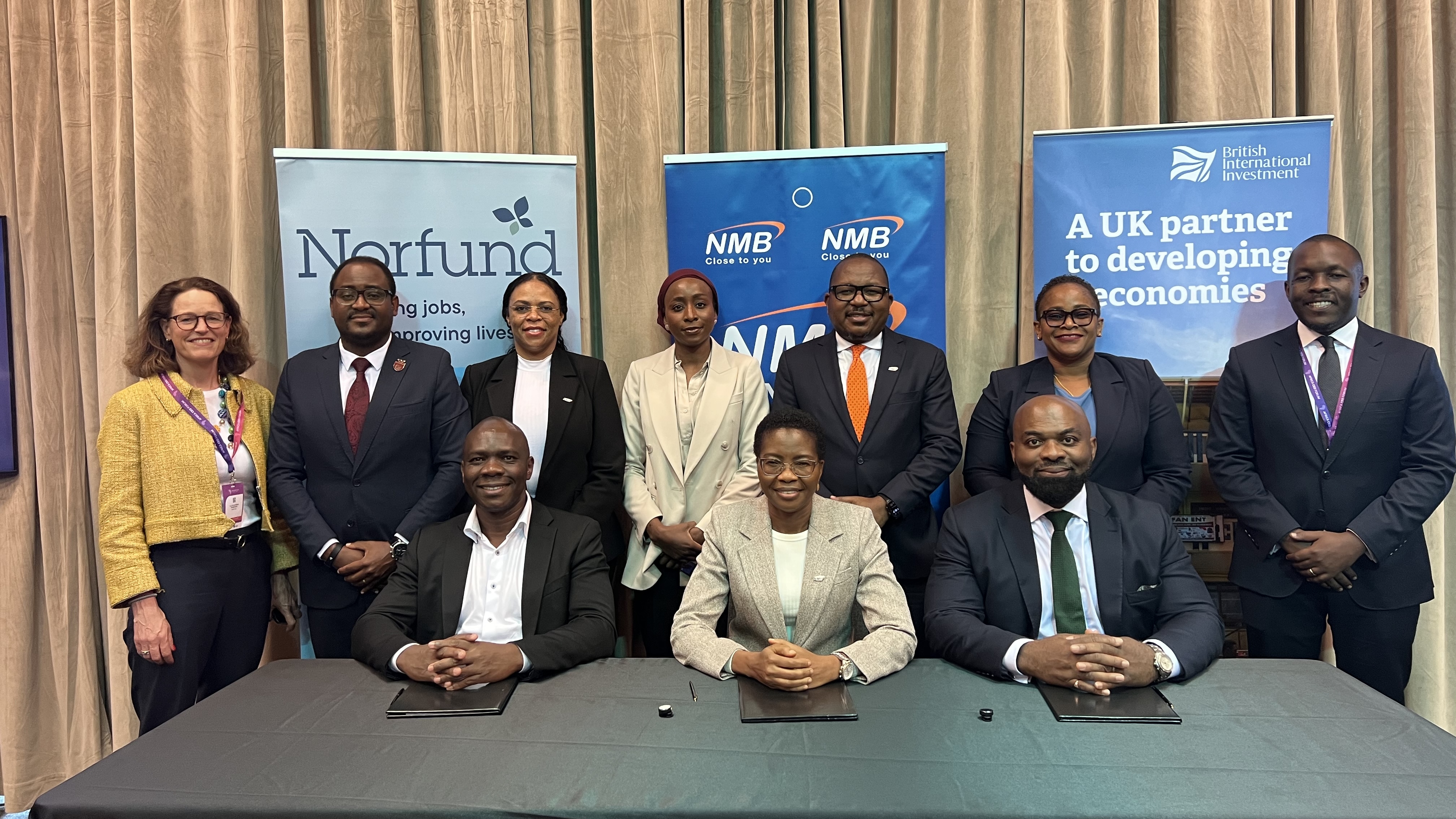
Norfund is investing USD 30 million in NMB Bank. The investment will increase lending to small and medium‑sized businesses and the agricultural sector across Tanzania.
Norfund is providing a USD 30 million loan, alongside USD 50 million from British International Investment (BII). The USD 80 million facility will be provided in both US dollars and Tanzanian shillings, making financing more accessible and reducing the currency risk.
Many small businesses and farmers have the potential to grow but lack access to financing. Only 16 percent of firms in Tanzania have access to a bank loan or credit line, and limited access to finance remains one of the main barriers preventing small and medium‑sized businesses from growing, according to the World Bank.
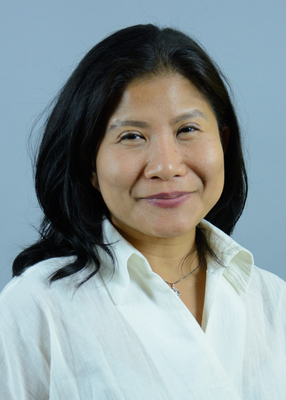
“Strengthening access to finance for Tanzania’s MSMEs and agricultural enterprises is essential for creating jobs, unlocking productivity, and building resilient local value chains. This commitment ensures that more entrepreneurs and farmers can invest, grow, and support their communities. We are proud to join forces with BII and NMB to expand development impact,”
Judy Kinyanjui
Investment Director at Norfund
With a strong presence across the country, NMB Bank reaches businesses in both urban and rural areas. Through the bank, Norfund’s capital can reach companies that would otherwise struggle to access long‑term financing.
The investment is part of Norfund’s broader effort to promote financial inclusion and sustainable economic development in sub‑Saharan Africa .
Closing the financing gap for Ghanaian SMEs
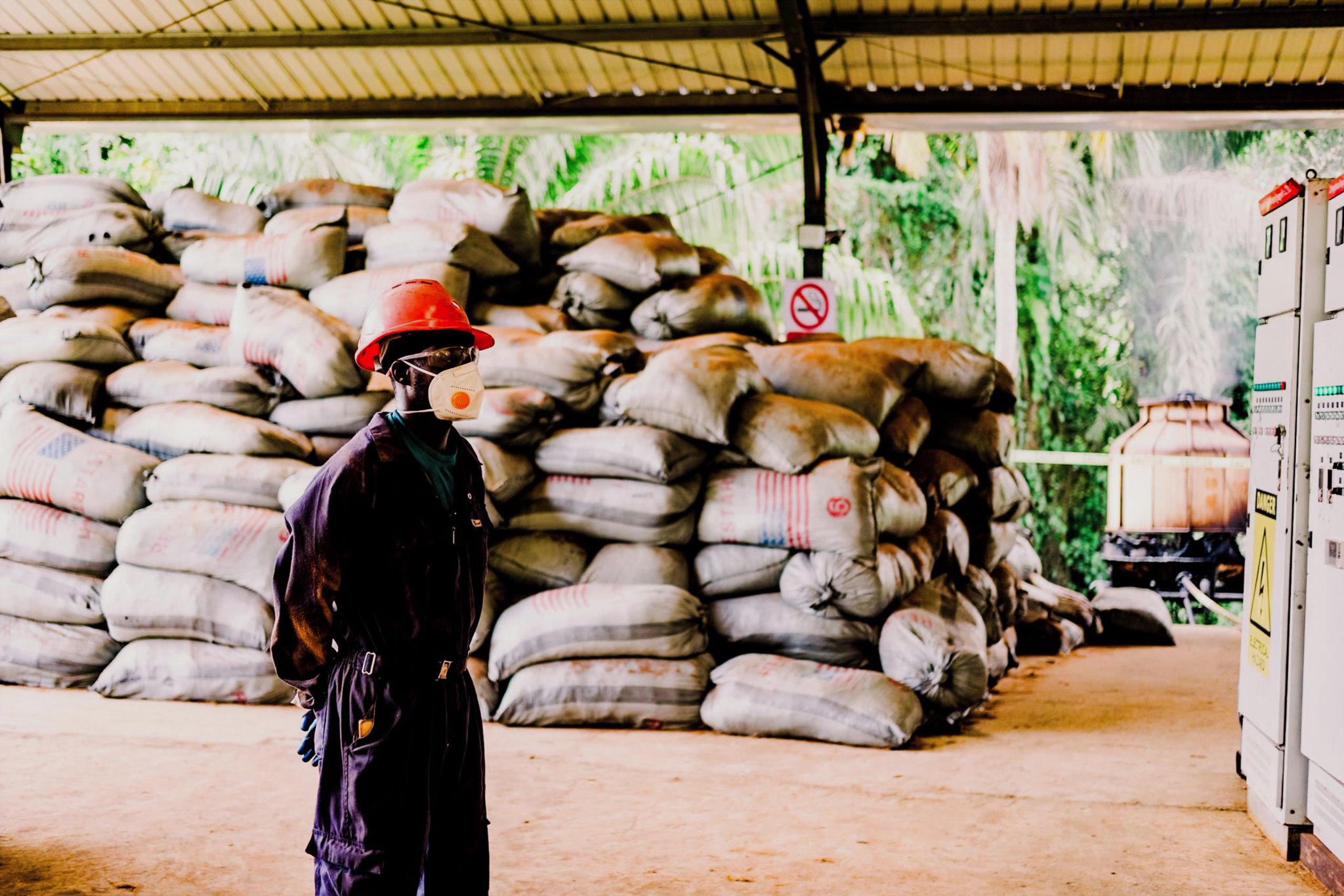
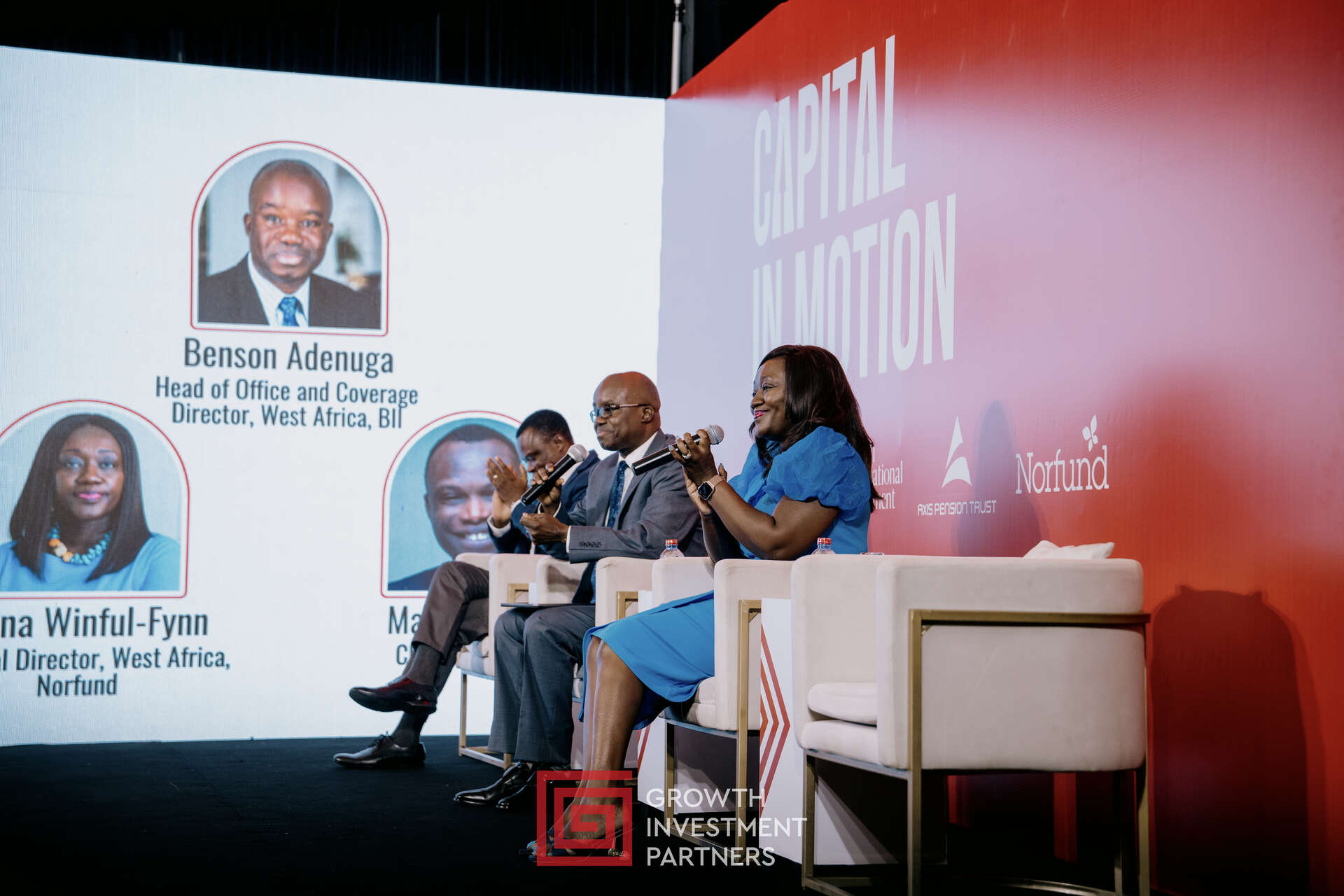
Norfund and Ghanaian pension fund Axis Pension Trust are joining Growth Investment Partners Ghana (GIP) as co-investors, with a combined commitment of USD 20 million, marking a significant step in scaling an innovative financing model across Sub-Saharan Africa.
Image: Biochar TrueCoco (GIP)
Reaching the businesses no one else will finance
Across Africa, most SMEs are too small for private equity and too risky for traditional bank loans, and those that do qualify often face rigid terms that make borrowing impractical. GIP was built to fill this gap.
The platform offers flexible local currency loans combined with hands-on operational and strategic support to each portfolio company, much like a PE fund. Its evergreen structure has no fixed end date: capital repaid through interest and instalments is recycled into new investments, allowing GIP to build lasting partnerships with businesses rather than being forced to exit after a set number of years. Because investments are structured as debt, exit risk — a common challenge for SME-focused funds — is also significantly reduced.
A model built for the long term
GIP offers flexible loans in local currency, combined with hands-on operational and strategic support to each portfolio company — not unlike what a PE fund provides to its investments.
Central to the model is its evergreen structure: there is no fixed end date, and capital repaid through interest and instalments is recycled into new companies. This enables GIP to build long-term partnerships with businesses rather than being forced to exit after a set number of years, as traditional closed-end funds must. Because investments are structured as debt, exit risk (a common challenge for SME-focused funds) is also significantly reduced.
From Springs and Bolts, another of GIP’s portfolio companies.
Strong results in just three years
Since its launch, GIP has invested over USD 40 million across 15 portfolio companies in manufacturing, agriculture, financial services and healthcare. The platform has helped sustain over 3,600 existing jobs and create 533 new ones, while delivering strong financial results.
Jacob Kholi, CEO of Growth Investment Partners Ghana, said: “Flexible, local currency capital combined with close support can unlock real growth for Ghanaian businesses. This new capital positions us to scale that impact further.”
Leslie Maasdorp, CEO of British International Investment, added: “The entry of Axis Pension Trustees and Norfund is particularly significant. It demonstrates growing interest in building a stronger base of long-term capital for Ghanaian growth businesses.”
Mobilising local and international private capital
A key ambition for GIP from the outset has been to attract private institutional capital — not just development finance. The entry of Axis Pension Trust, which manages GHS 10 billion on behalf of 300,000 members, is a strong signal that the model is financially viable on commercial terms.
Afriyie Oware, CEO of Axis Pension Trustees, said: “GIP has built a strong team and a sound investment strategy. For us, this partnership reflects our strategic focus on real sector investments that support productive local enterprises and drive sustainable economic growth.”
For Norfund, the investment is also about demonstrating that this type of platform can be scaled and replicated across the region. BII has already established a similar structure in Zambia.
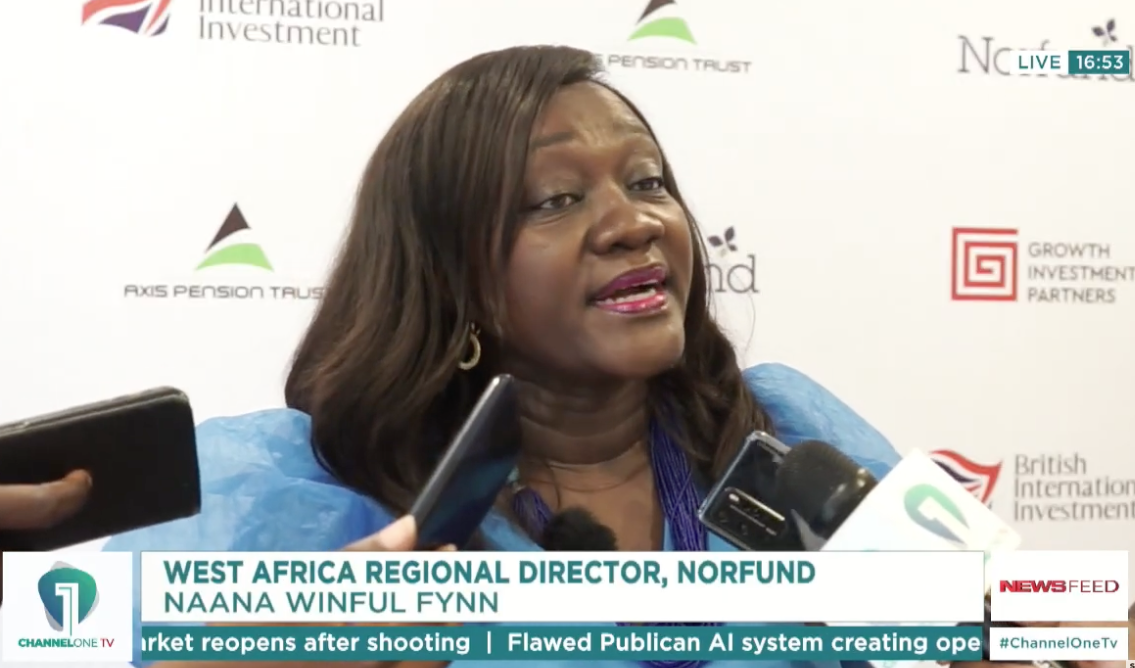
Naana Winful Fynn, Regional Director for West Africa at Norfund, said: “Access to flexible, long-term capital remains one of the key constraints for growing businesses in Ghana. GIP’s approach provides an effective model for addressing this gap, and complements Norfund’s other investments in the country.”
Facts
GIP was established in 2023 by British International Investment (BII), with an anchor commitment of up to USD 50 million
Norfund is Norway’s state investment fund for developing countries, with a portfolio of USD 4.1 billion and investments in over 1,200 companies globally
New capital round: USD 20 million from Norfund and Axis Pension Trust
Total invested to date: over USD 40 million across 15 portfolio companies
3,600+ jobs sustained and 533 new jobs created
All investments made in local currency (Ghanaian cedi)
Norfund and OP Finnfund has invested USD 15 million in long-term capital in Softlogic Life Insurance PLC to help expand access to insurance and strengthen financial security for households across Sri Lanka.
A colorful town in Sri Lanka. Photo credit: Shashank Hudkar (Unsplash).
For families, insurance can determine whether illness or unexpected events lead to recovery or long-term financial strain. Softlogic provides life and health insurance to more than 1.3 million people across the country.
Technology that reduces administrative barriers
The investment supports Softlogic’s use of digital solutions to make insurance simpler and more accessible. Automated underwriting, faster claims processing, and digital health services reduce administrative hurdles and improve customer experience across income groups and regions.
These systems allow the company to scale protection products nationally, including health and microinsurance solutions, at lower cost per customer.
Norfund’s second investment in Softlogic
Norfund first invested in Softlogic during the pandemic in 2020. Since then, the share of the company’s insurance revenues coming from products for low-income customers has grown from about one percent to five percent.
Today, Softlogic provides insurance coverage to more than 490,000 low-income individuals, up from around 300,000 when we made our initial investment, out of a total client base of 1.3 million.
“Softlogic has demonstrated sustained growth, prudent capital management, and a clear commitment to expanding insurance access including microinsurance products in Sri Lanka. Our investment supports an organisation that plays a meaningful role in strengthening financial resilience for households across the country,”
Fay Chetnakarnkul
Regional Director in Asia
“The partnership with Norfund and OP Finnfund supports our expansion agenda and enhances our capacity to deliver protection solutions that create long-term value for Sri Lankan families,”
Norfund invests in microfinance for rural development in Guatemala
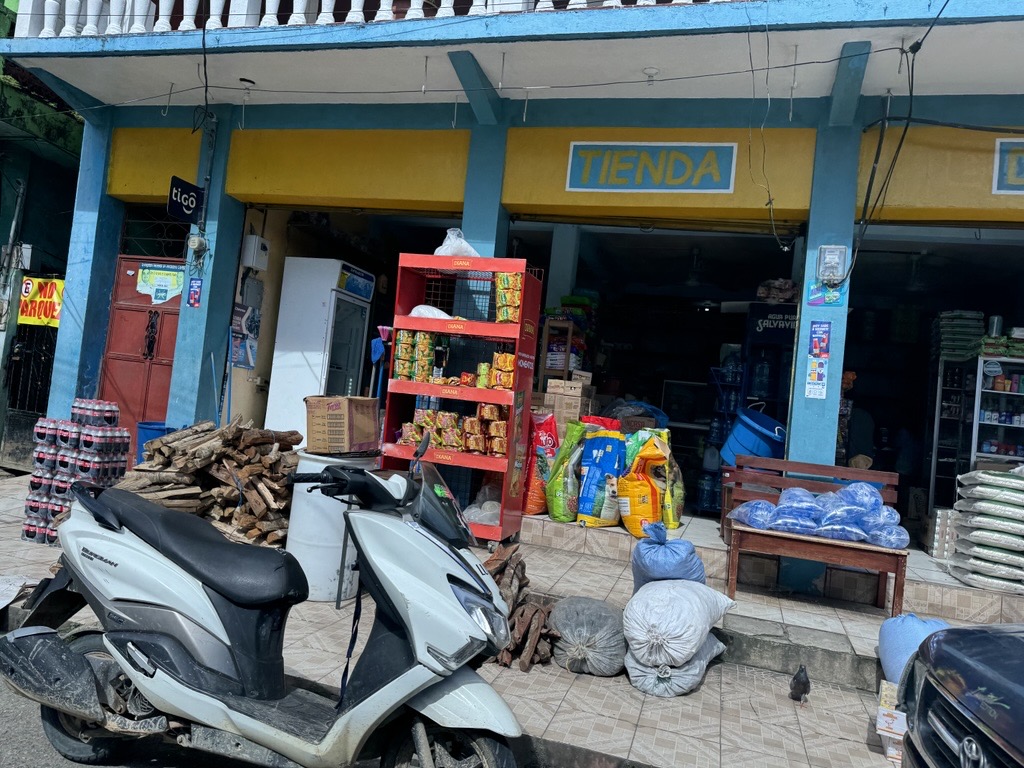
Norfund, the Norwegian Investment Fund for developing countries, has committed a USD 10 million senior loan in local currency to Banco de Antigua, a leading Guatemalan microfinance institution dedicated to expanding access to financial services for microentrepreneurs and underserved communities, including the large indigenous population.
“Rural communities face some of the largest barriers in access to finance. With over 80% of its clients in rural areas, 42% of the loans to women and 20% of their clients being introduced to the financial systems for the first time, Banco de Antigua is playing a key role for increased financial inclusion in Guatemala”
Sebastian Leimbach
Project Manager at Norfund
With a diverse portfolio that includes working capital, productive vehicle loans, as well as multi-purpose loans for investing in education and housing improvements, Banco de Antigua empowered more than 144,000 clients, maintaining an average loan size just above USD 2,100 last year.
“With this partnership, we aim to continue growing and operating in Guatemala in a sustainable, transparent, and responsible way. This aligns with our mission to help Guatemalan families and microentrepreneurs achieve their dreams through financial inclusion, by offering accessible solutions that supports development of local economies in the country’s rural regions,” says Jorge Brun, General Manager of Banco de Antigua.
“This investment reinforces our commitment to advancing financial inclusion and catalyzing sustainable economic growth in Guatemala. When microentrepreneurs succeed, they often reinvest in their communities—hiring locally, purchasing supplies nearby, and contributing to local development,” says Leimbach.
In addition, Norfund will collaborate with Banco de Antigua to explore technical assistance projects that enhance financial literacy and support housing improvements for clients of Banco de Antigua. By investing in institutions like Banco de Antigua, Norfund continues its mission to create jobs, reduce inequality, improve financial inclusion and support sustainable private sector development in Latin America.
Norfund invests in Finanzauto to promote electric mobility in Colombia
We committed USD 20 million in a senior secured loan to Finanzauto, a leading non-bank financial institution in Colombia. The investment will support productive vehicle loans for micro, small and medium enterprises (MSMEs), and promote the adoption of electric and hybrid vehicles.
“Finanzauto has demonstrated an impressive ability to combine a good business case with social and environmental impact. Through this investment, we are supporting both financial inclusion and Colombia’s transition towards electrical transport,”
Sebastian Leimbach
Project Manager
speaking from Norfund
MSMEs in developing countries cannot rely solely on the local logistics network to ship their goods and services. They often have to acquire their own productive vehicles via financing to be able to operate, grow and expand. In Colombia MSMEs account for a significant share of employment and economic activity, making vehicle financing a key enabler of formalization, income generation and regional connectivity. However, because of the small size of these businesses, they tend to be underserved by the financial sector. Finanzauto addresses this issue directly by specializing in providing productive vehicle loans to these businesses and unlock mobility in sectors where transport is essential – from agriculture, retail to logistics and services.
This sustainability-linked loan rewards Finanzauto when allocating its proceeds to electric and hybrid vehicles beyond a minimum threshold. The company has developed a system with which it can estimate their portfolio emissions in real-time. With this instrument, Norfund is able to connect financial returns to climate outcomes and provides a practical tool to contribute to Colombia’s electric transition in the transport sector while supporting small and medium enterprises with productive vehicle loans.
“Loans like these are enabled by Colombia’s robust commitment to sustainable finance and the frameworks it has developed to facilitate the transition to a cleaner economy, an agenda that initiatives such as FISDE are helping to reinforce in our region” Leimbach adds.
Colombia has set ambitious targets for electric vehicle deployment, but affordability and infrastructure remain key barriers. Finanzauto has developed a strategy to overcome these challenges and offers targeted loans for electric and hybrid vehicles.
FISDE: A regional effort for sustainable finance
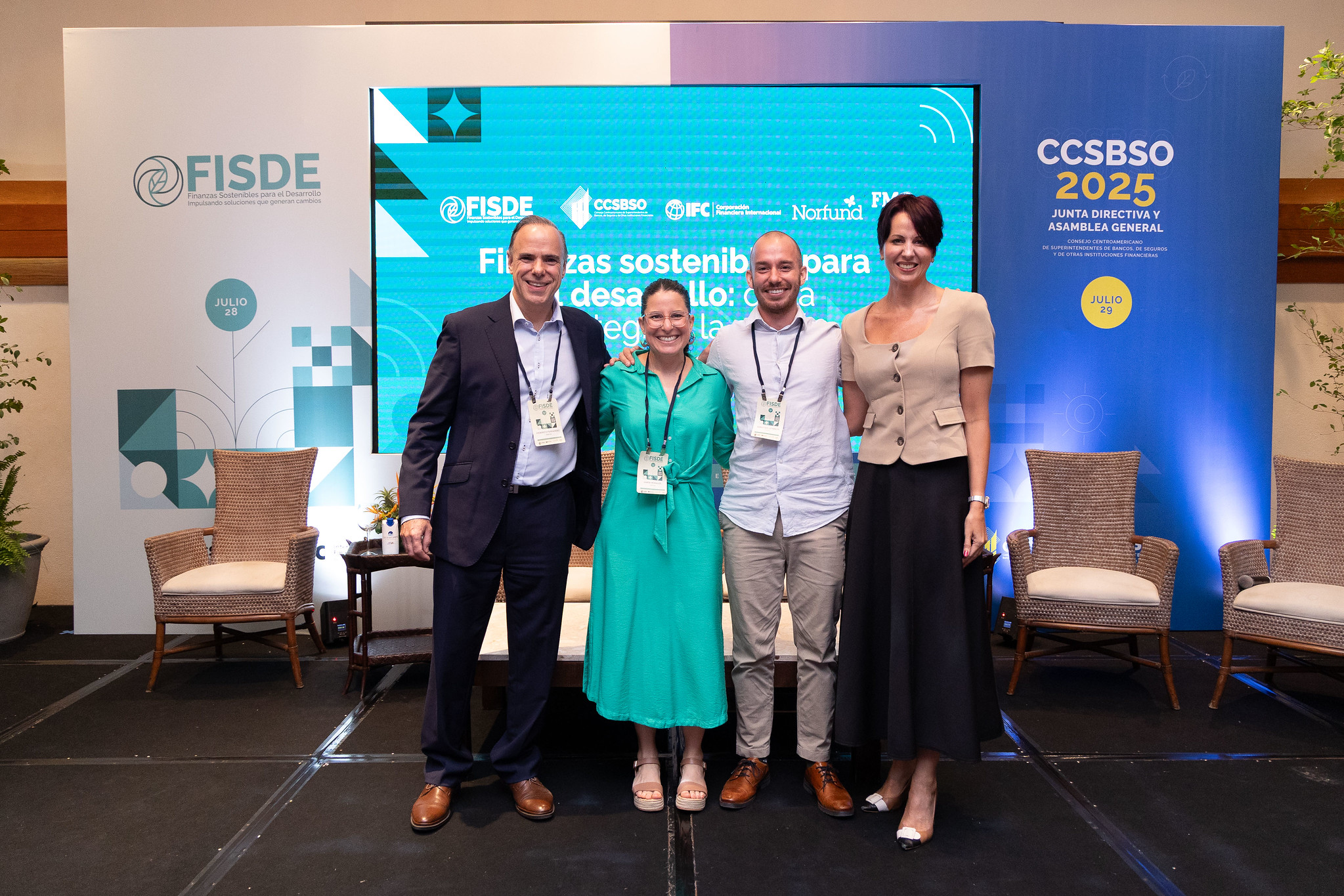
After four years of collaboration, the Central American Council of Superintendents of Banks, Insurance Companies and Other Financial Institutions (CCSBSO), IFC, FMO and Norfund have concluded the Sustainable Finance for Development (FISDE) initiative, aimed at strengthening the resilience of financial systems In Central America, Colombia and the Dominican Republic.
Through FISDE, eight national supervisory authorities now have access to tools and roadmaps aligned with international standards and adapted to local contexts – enabling the integration of ESG criteria into regulation, supervision and financial management.
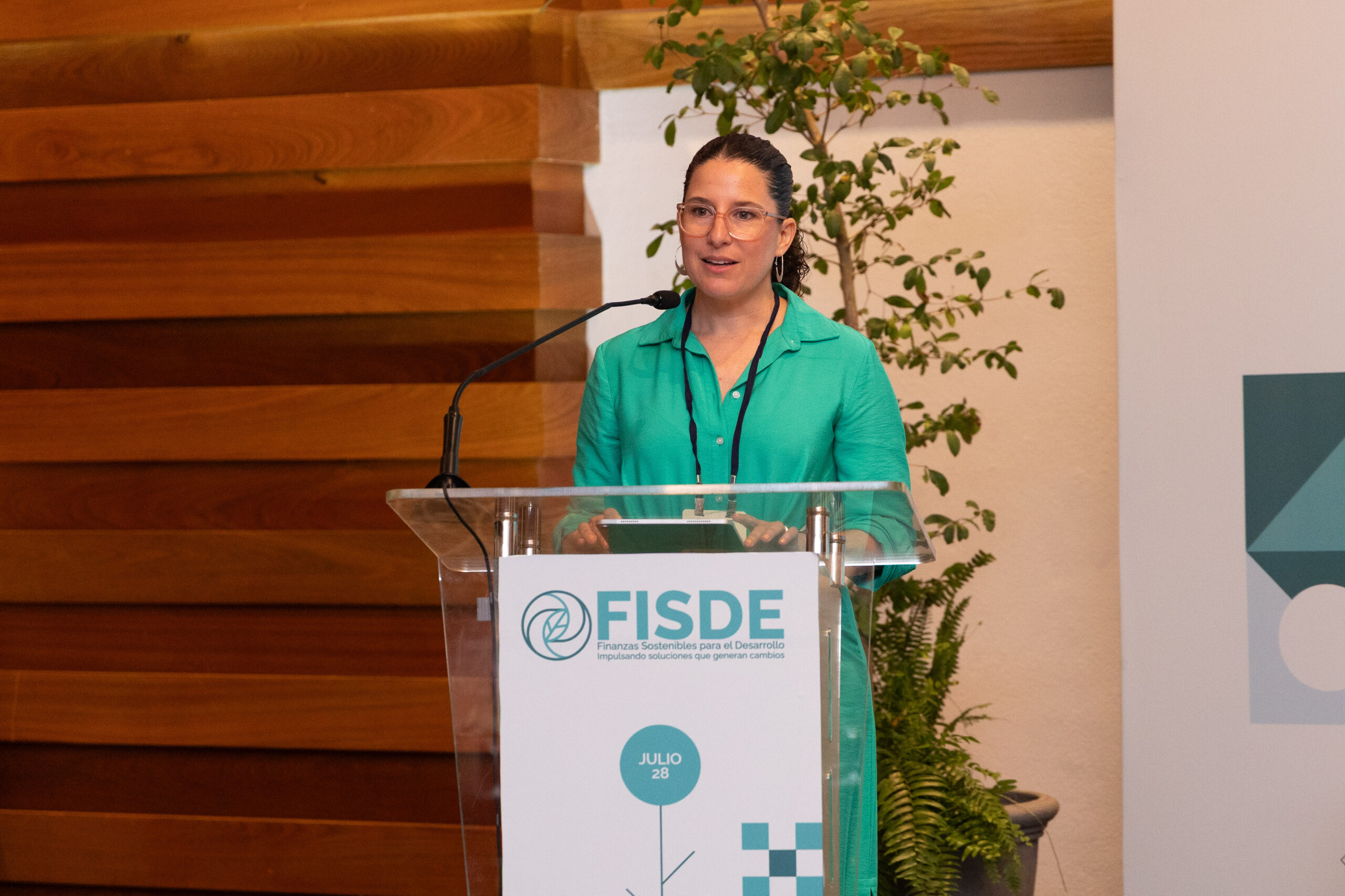
“We’re proud to have contributed through our Business Support facility to strengthen regulatory frameworks and promote ESG in financial systems, helping lay the groundwork for more resilient financial markets in the region,”
Maria Fernanda Morales Dada, E&S Manager at Norfund
One of the key outcomes of the FISDE initiative is the development of a regional green taxonomy. This taxonomy enables the classification of environmentally positive investments in a consistent way across countries in the region. It provides a shared framework for defining sustainable economic activities, facilitating harmonization of criteria across jurisdictions. While tailored to local contexts, the taxonomy is aligned with international standards and will serve as a vital tool for both regulators and financial institutions in advancing green finance and mitigating greenwashing risks.
The initiative also delivered tangible capacity-building results: Over 100 supervisory staff participated in technical training, and several countries conducted pilot exercises to test climate risk integration in supervision. A regional platform for knowledge exchange and coordination has also been established.
FISDE has helped embed sustainable finance as a strategic priority across the region. The development of ESG roadmaps required a consultation process with external stakeholders, which generated key recommendations and findings to strengthen supervisory capacities and support the design of public policy tools for sustainable finance. These roadmaps are now in place across supervisory authorities, with mechanisms for continued collaboration between technical teams and strategic partners in motion beyond the project’s conclusion. Importantly, they also send clear signals to the market to encourage further progress.
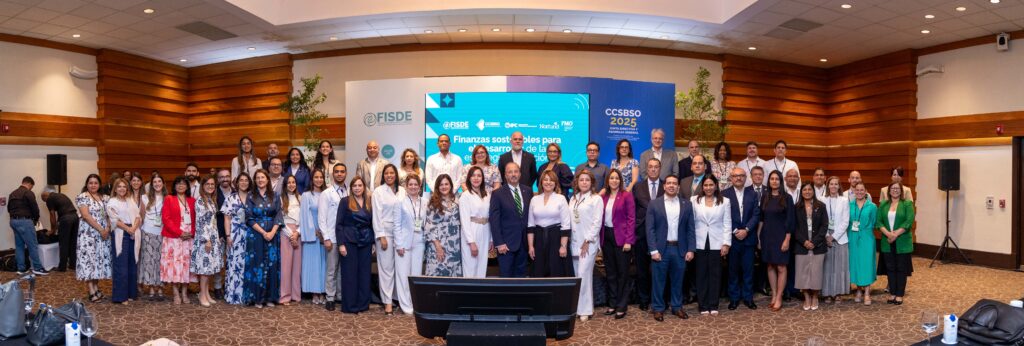
The closing event in the Dominican Republic brought together supervisory authorities, private banks and multilateral institutions to reflect on progress in sustainable finance. Several Norfund investees shared their experiences and lessons learned on ESG integration and risk management. Grupo Promerica, Grupo BAC, and BHD openly reflected on their approaches to E&S risk management, financial inclusion, and climate risk assessment. Their contributions brought valuable real-world insights to the dialogue and helped bridge perspectives between supervisory authorities and the financial sector. Norfund’s Regional Director Federico Fernandez shared reflections on the power of strategic partnerships to accelerate a just transition.
“This is a strong example of how good collaboration across the usual silos combined with targeted technical assistance can strengthen institutions and lay the groundwork for more resilient, inclusive financial systems,” said Morales Dada.
Affordable battery rentals in Africa’s most challenging markets
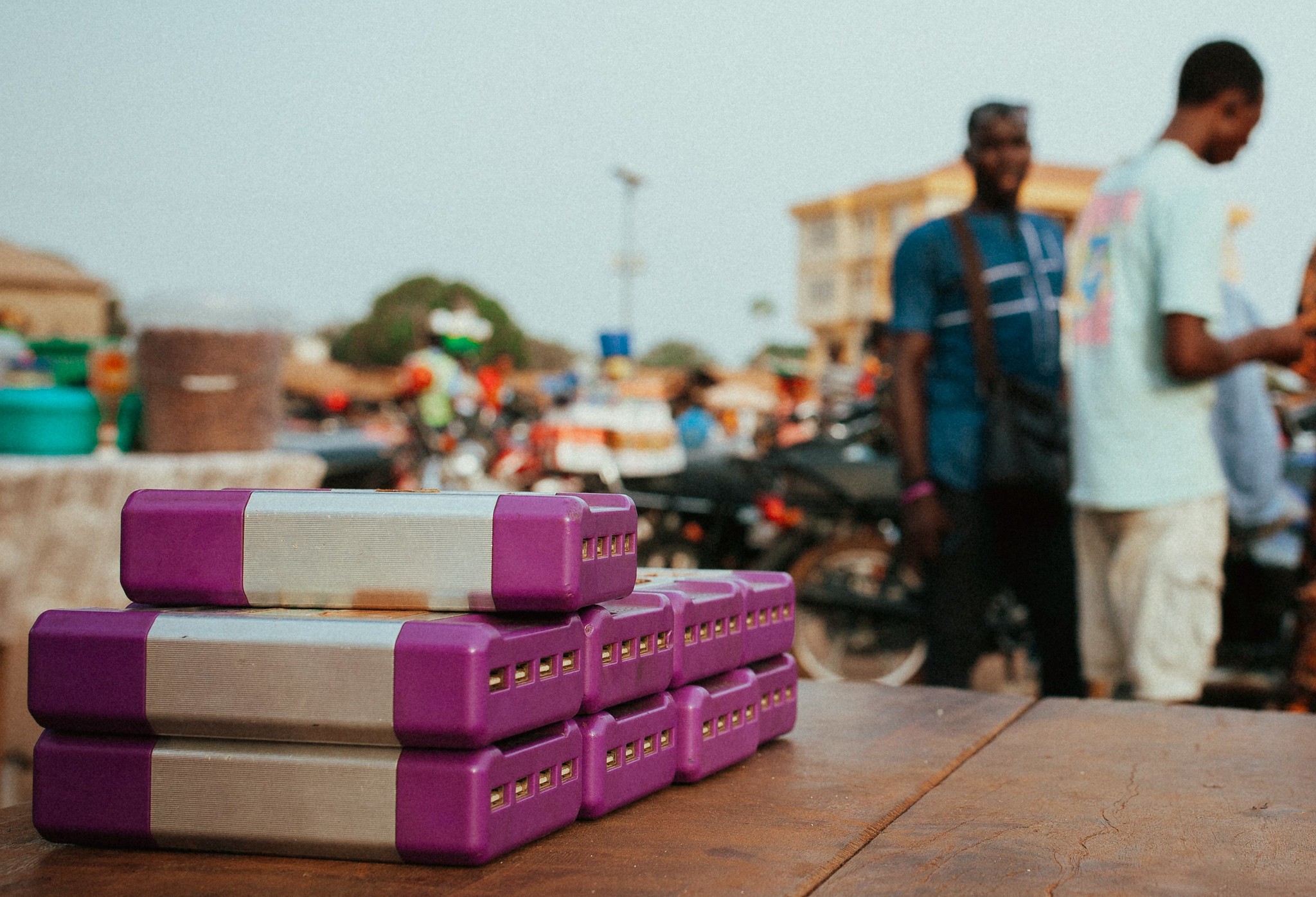
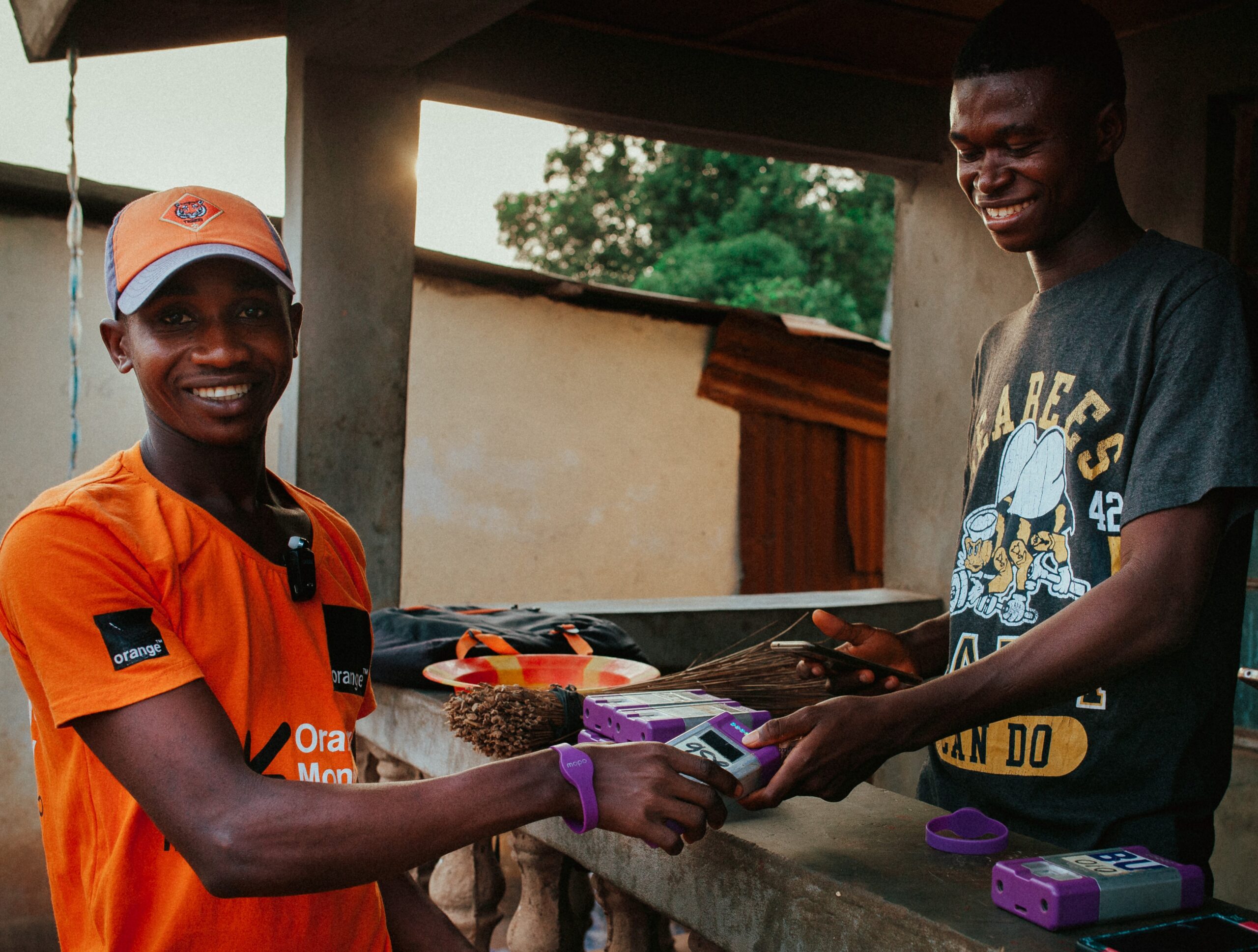
Noisy and polluting petrol generators remain the backbone of Africa’s $75 billion off-grid power market. MOPO, a battery rental company, is challenging this model and has now received a USD 5 million investment from Norfund to scale its solution.
Photo: MOPO
A model built for the hardest-to-reach communities
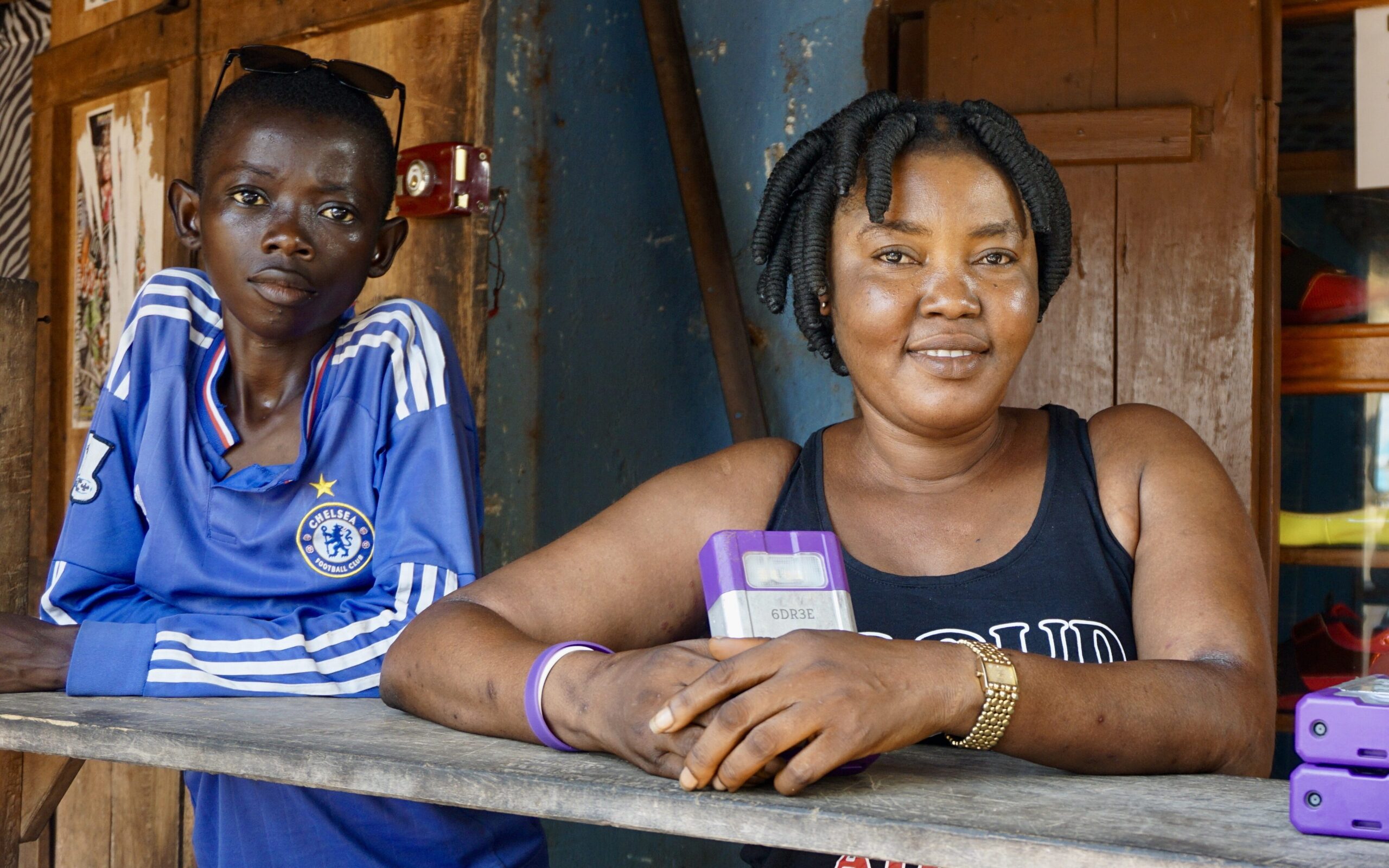
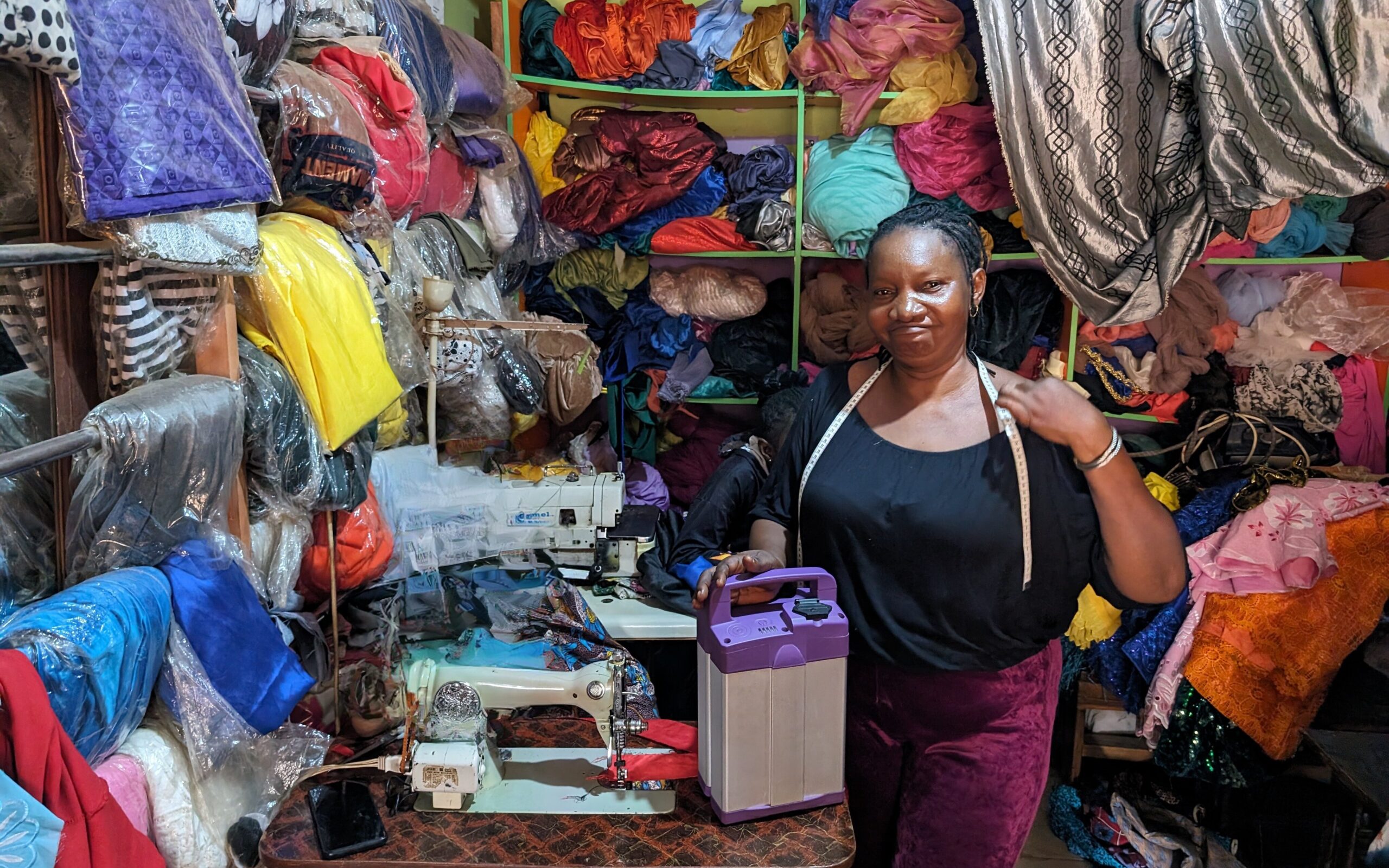
MOPO (Mobile Power Ltd.) operates solar-powered charging hubs in Nigeria, the DRC, Sierra Leone, Liberia, Chad and Uganda – countries with some of the lowest electrification rates in the world. Because diesel generators are cheap to buy but expensive to run, use of solar-powered batteries offers a far cheaper and cleaner option in the long term. There is only one problem – many can’t afford the initial investment. Battery leasing removes this barrier, providing households and businesses in off-grid communities with affordable, reliable power without upfront costs.
In Sierra Leone, where just 21 percent of the population has access to electricity, customer Ibrahim Bangura shares: “MOPO has changed my life! We no longer struggle with unreliable, expensive energy, we have power exactly when we need it. The batteries are cheaper than petrol generators and we now have consistent affordable power that runs my fridge, helps my children study after dark, and allows me to run my business more reliably.”
Photo: MOPO
Taking risks where others won’t
To reach the riskiest and most early-stage companies in the toughest markets, Norfund invests through its Frontier Facility. The facility is designed for exactly these kinds of high-risk opportunities in countries where few others are willing to invest.
“We are thrilled to support MOPO’s expansion through the Frontier Facility, addressing underserved areas in particularly challenging markets. Its model replaces expensive and polluting generators with affordable, renewable power, reaching households and small businesses,” says Pål Helgesen, Investment Director at Norfund.
Disrupting Africa’s fossil fuel dependency
A core part of MOPO’s impact is replacing polluting diesel generators, which remain the default power source for millions of households and businesses across Africa. By offering affordable, renewable batteries on a pay-per-use basis, MOPO helps communities phase out these costly and harmful generators.
Norfund increases investment in user-friendly mobile payments in Africa
Norfund participates in a EUR 117 million debt raise to support Wave Mobile Money’s growth in Africa, alongside British International Investment (BII), Finnfund, and lead arranger Rand Merchant Bank (RMB).
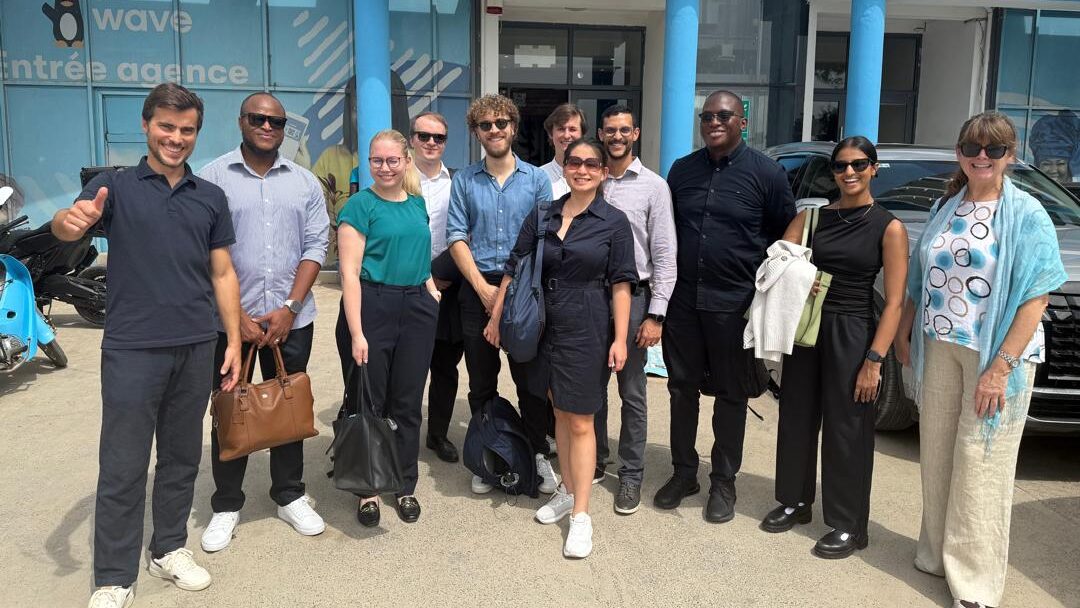
Investors RMB, BII, Finnfund, and Norfund visited Wave HQ in Dakar, Senegal.
The facility will support Wave’s continued expansion of affordable and user-friendly mobile financial services across West Africa and into new frontier markets.
Wave is a mobile money app that provides individuals and small businesses with a secure, affordable alternative to cash—enabling them to save, transfer money, pay bills, and access essential financial services. For many users, it serves as a first step into the formal financial system, helping to build financial identity and improve productivity.
“This new loan marks Norfund’s second investment in Wave, following our initial funding in 2022. Since then, Wave has demonstrated scalable and sustainable growth across its core markets. Its mobile-first model has been instrumental in expanding financial access for low-income individuals and small businesses—many of whom are entering the formal financial system for the first time,”
Marianne Halvorsen, Investment Director at Norfund
The new capital will strengthen Wave’s working capital position and accelerate its expansion across eight markets, including Senegal, Côte d’Ivoire, and Gambia, while enabling further reach into underserved fragile states such as Burkina Faso, Mali, and Niger.
“Since launching our Fintech Investment Strategy in 2022, we have expanded our portfolio to include digital-first companies driving financial inclusion across payments, embedded finance, digital lending, neobanking, and insurtech,”
Kathy Chang, Investment Manager at Norfund
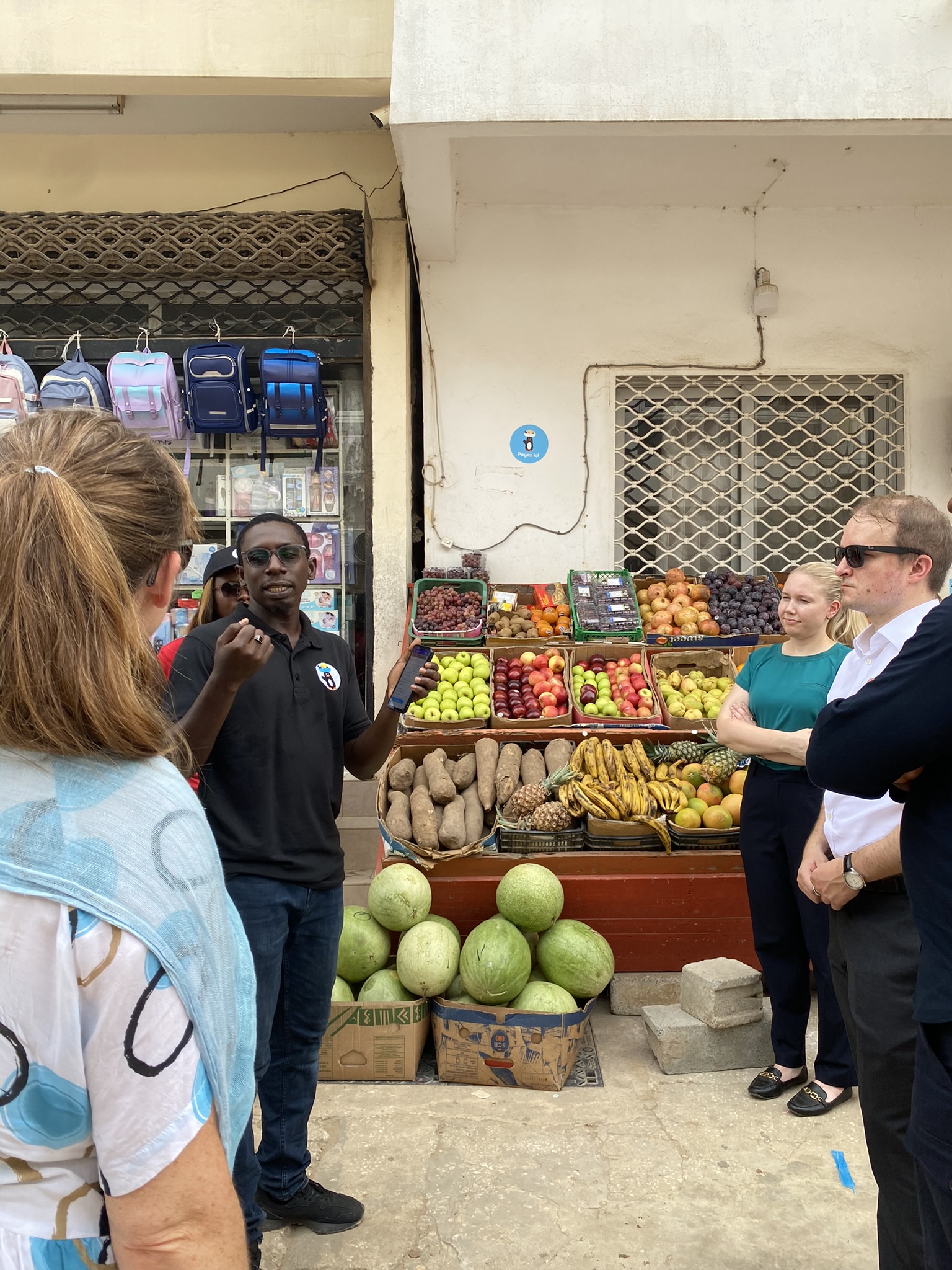
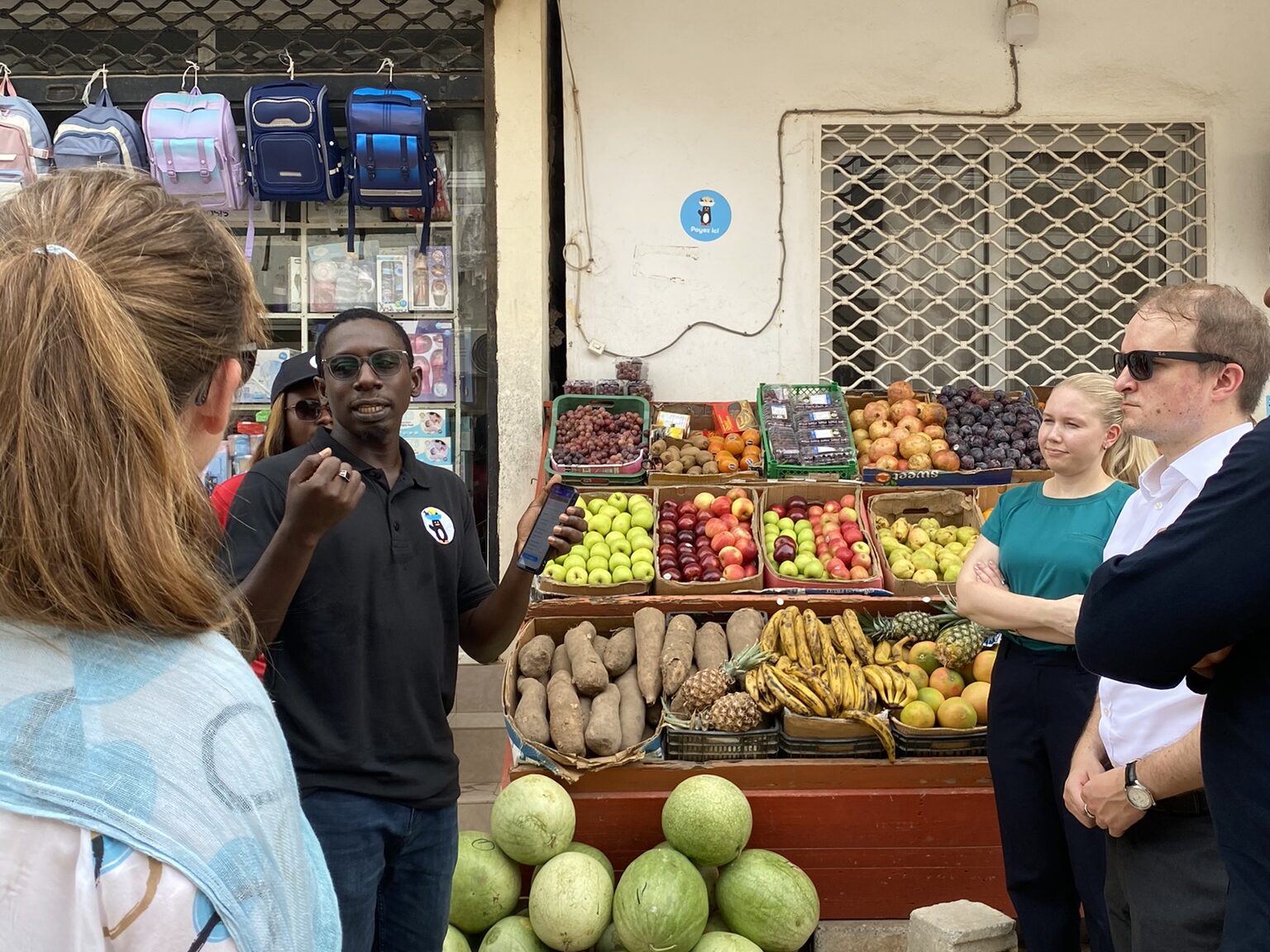
Wave is widely used i small shops, such as in this vegetable shop in Dakar, Senegal.
Norfund typically provides direct investments of USD 5–20 million in high-quality fintech companies that are either profitable or have a clear path to profitability, primarily from Series A stage and beyond. Since establishing the FinTech Investment Strategy, Norfund has invested in Wave Money, Lula Lend,Amartha, Funding Societies, AwanTunai and earlier this year also in, OmniRetail in Nigeria.
New fintech investmentdrives financial inclusion in West Africa
Norfund has made its first direct equity investment in African fintech through OmniRetail, a Nigerian technology platform that provides small shops in Nigeria, Ghana, and Côte d’Ivoire with access to credit, fast product delivery, and digital payment solutions.
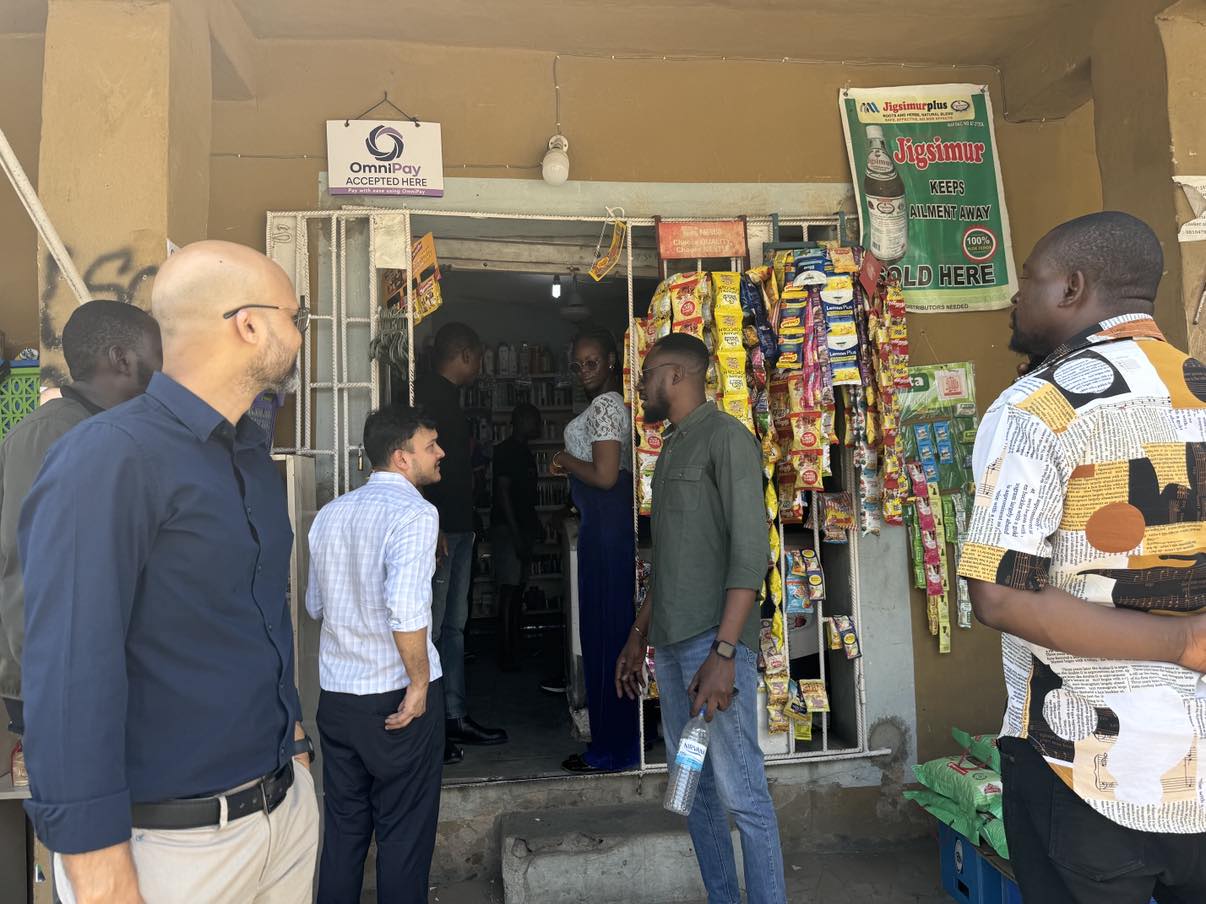
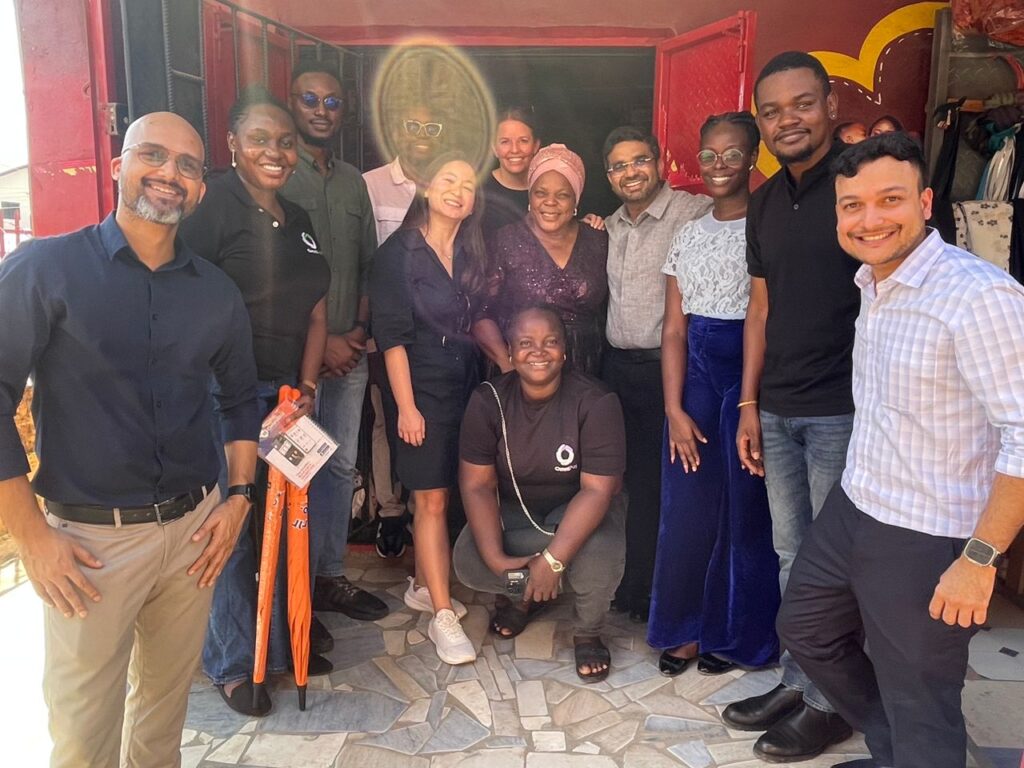
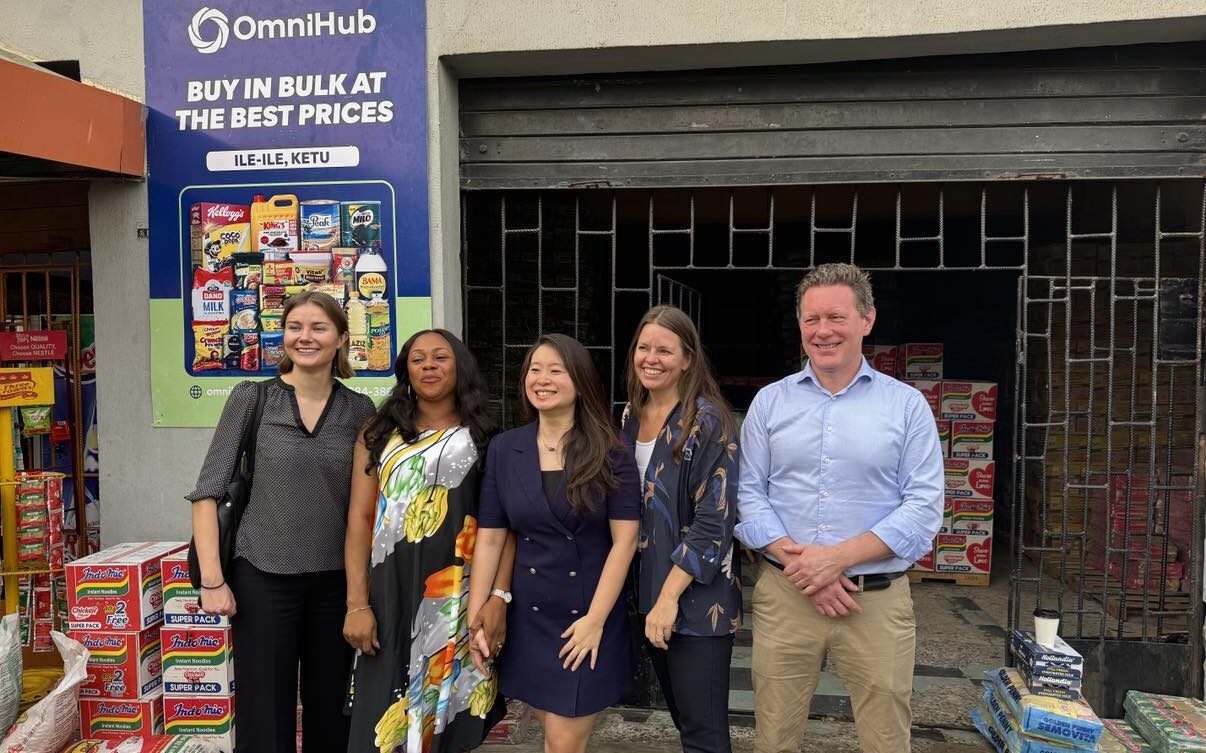
Norfund and the leadership team at Omni visit one of the many female distributors who source their goods through the Omni platform.
“Fintech is an effective tool for increasing access to working capital for small businesses in Africa, which are often underserved by traditional banks,” says Cathrine Conradi, Investment Director at Norfund. “By leveraging technology, companies like Omni can reach and serve their customers at a much lower cost. They use alternative data, such as order history, to assess the creditworthiness of clients who do not have access to bank accounts.”
Building an ecosystem around small shops
OmniRetail has established a digital commerce network connecting more than 150,000 suppliers, distributors, retailers, and logistics partners across 12 cities in Nigeria, Ghana, and Côte d’Ivoire. The platform enables digital procurement of everyday goods, including delivery and financing.
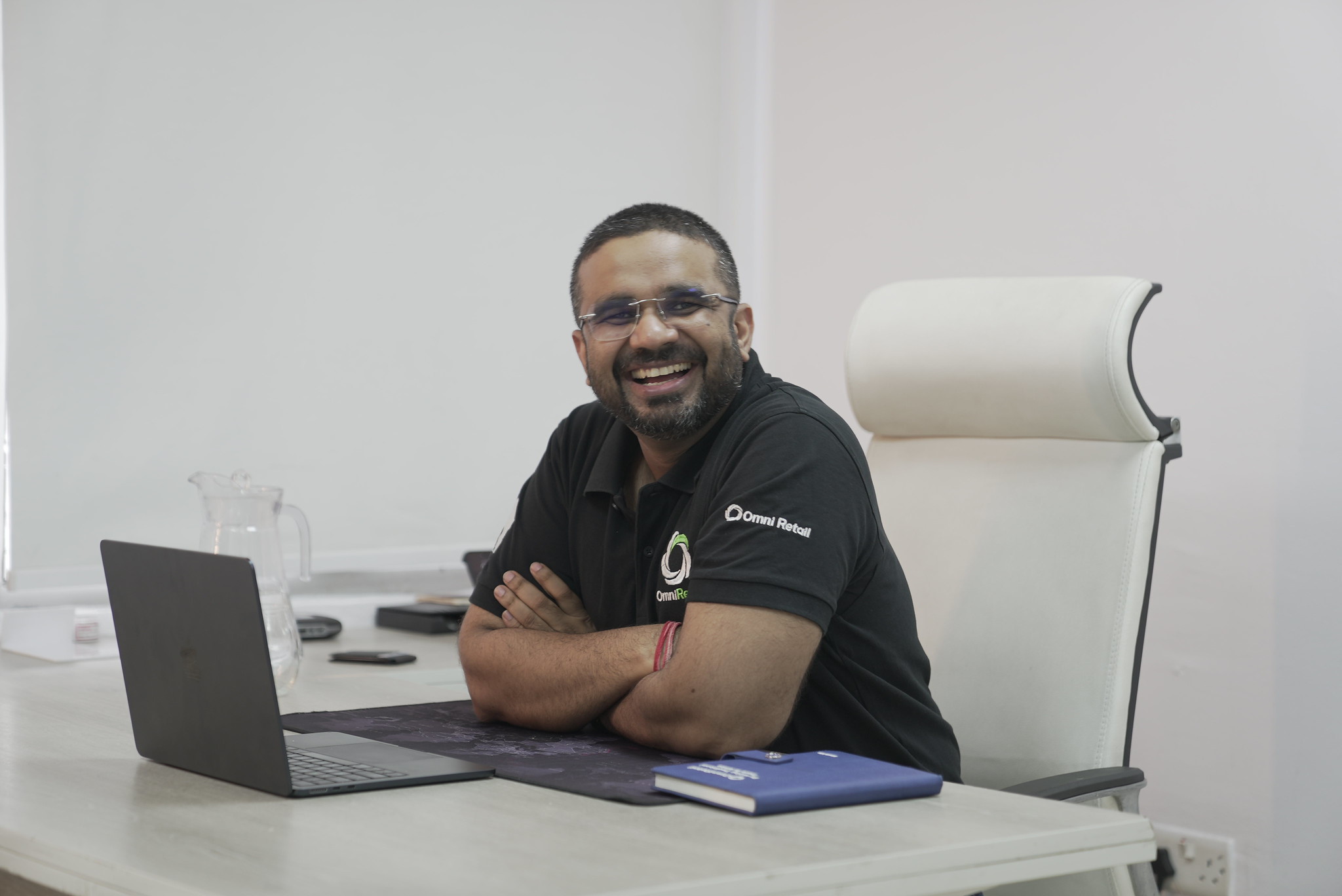
“We started by providing access to goods – now we’re building an entire financial ecosystem around the shops,” says Deepankar Rustagi, CEO at OmniRetail.
Traditional banks often require collateral for loans—something most small shops cannot provide. Many operate without formal accounting, credit scores, or even bank accounts. What they do have, however, are mobile phones and access to “mobile money,” a solution similar to Vipps. OmniRetail enables shops to order, pay for, and receive goods digitally, eliminating the need to close the store to buy inventory at the market. Credit is offered exclusively for product purchases, ensuring that financing is directed solely toward income-generating activities.
Thanks to machine learning–based credit assessments and close customer engagement, the company has a default rate of less than 0.5 percent—significantly lower than that of traditional bank loans to the same target group.
– A targeted solution for financial inclusion
Nigeria, Africa’s largest economy, is a key market for small businesses. More than 95 percent of the country’s enterprises are small, accounting for over 80 percent of employment and nearly half of GDP. With a population of 240 million expected to surpass 400 million by 2050, Nigeria is set to become the world’s third most populous country.
One in ten small and medium-sized enterprises in Nigeria cite lack of access to financing as their biggest barrier to growth. Fintech can play a crucial role in promoting financial inclusion in markets where capital is expensive and difficult to obtain.
Photo credit: OmniRetail
OmniRetail represents a new generation of fintech companies that combine technology and finance to reach small players in the informal market. The company’s model is based on embedded finance—financial services integrated directly into the value chain and the platforms that shops already use.
Reducing risk in challenging markets
Norfund is participating in a USD 20 million investment round and is the first development finance institution to invest in OmniRetail. By coming in early, Norfund helps mobilize private and institutional capital—not only for OmniRetail, but also for the broader segment and region. Increased equity from an investor like Norfund also strengthens the company’s ability to secure local debt financing.
“With Norfund’s support, we can scale more quickly and strengthen the entire retail value chain—through digitalisation and targeted financing that improves the daily lives of our customers,” says Rustagi.
“This is exactly the kind of investment we aim to do more of: targeted, measurable, and firmly rooted in the local context. We strongly believe that fintech will be key to achieving Norfund’s ambition of increasing access to affordable finance in our markets,” says Conradi.
Expanding financial inclusion in Bangladesh
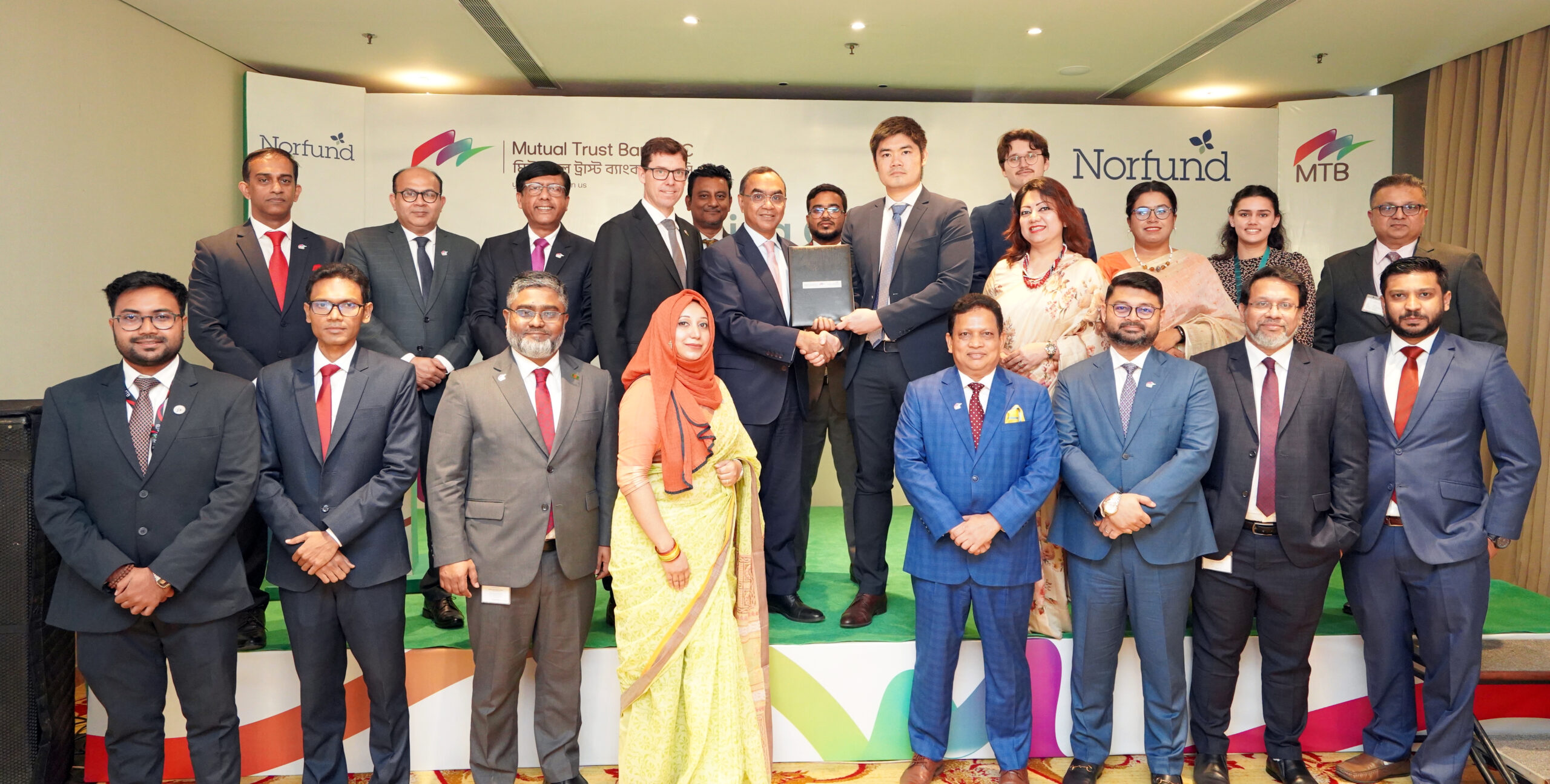
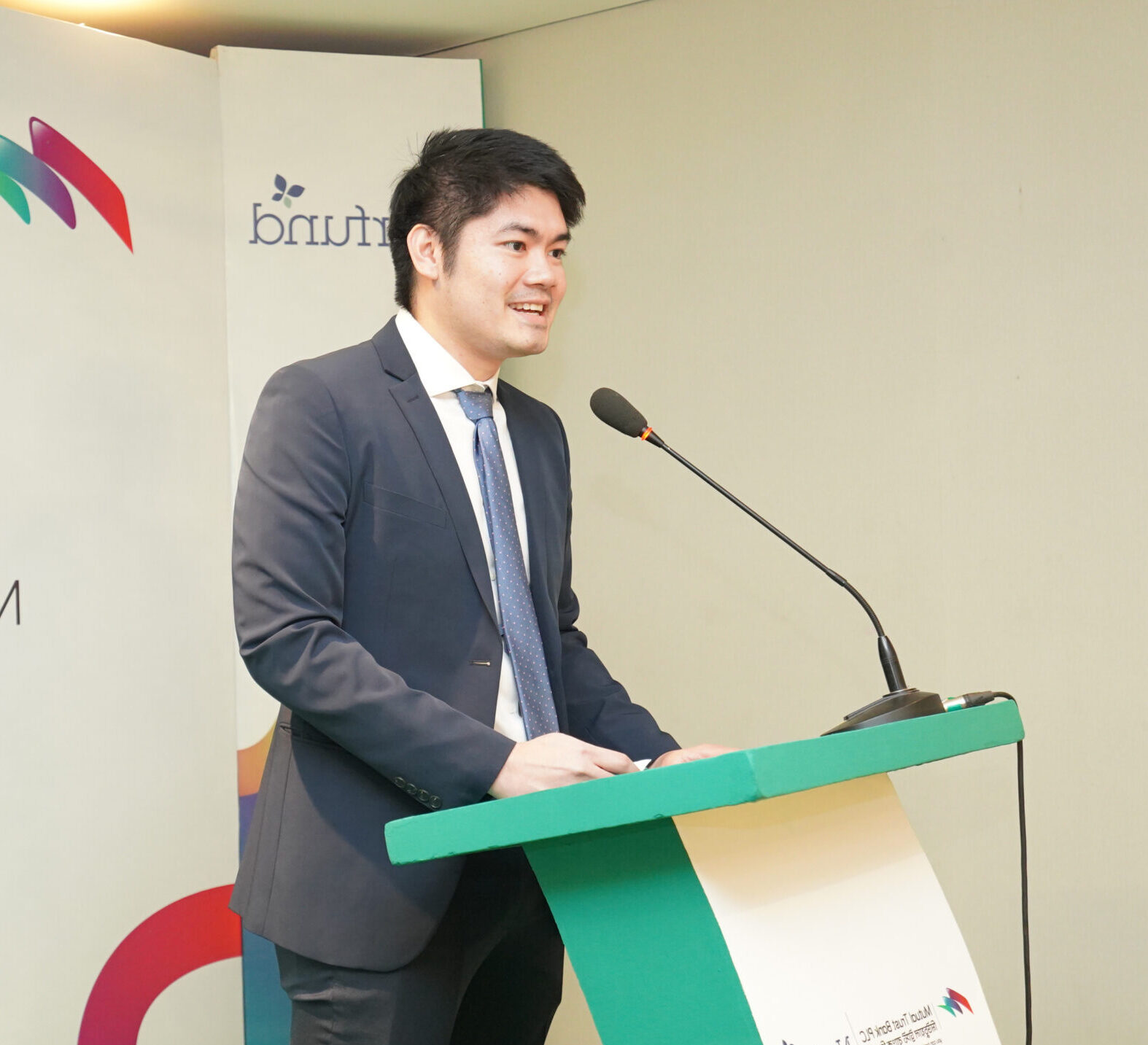
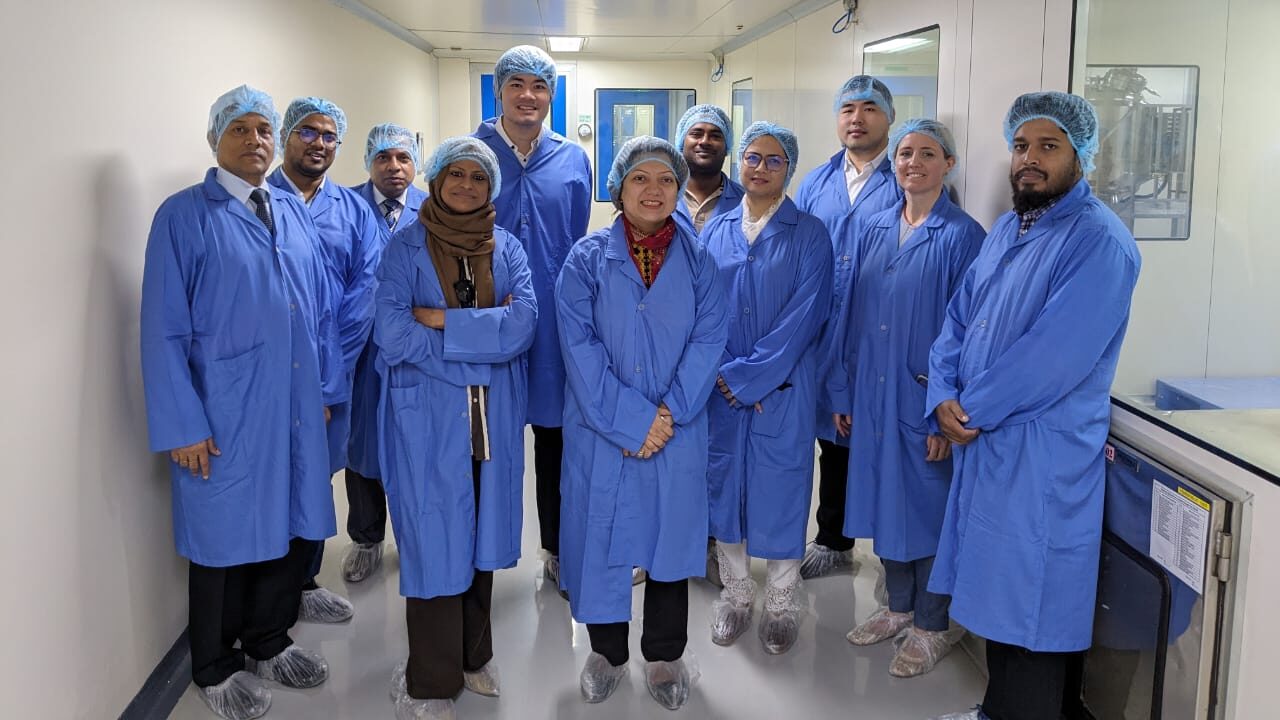
We are strengthening our long-term partnership with Mutual Trust Bank PLC through a USD 25 million term loan, improving access to finance for SMEs and women-led enterprises in Bangladesh.
MTB has been recognized for its commitment to financial inclusion, receiving awards for its support to SMEs and women entrepreneurs. With a nationwide presence and a strong digital banking network, the bank plays a crucial role in expanding access to financial services across both urban and rural areas.
“The loan aims to enhance financial inclusion in the country, particularly for underserved SMEs and micro-enterprises. This demonstrates our confidence in our partnership with MTB during this transitional period for the country and underscores our commitment to our mission and long-term vision with MTB,”
Max Saweera Rachawong, Investment Manager at Norfund
While Bangladesh has made significant strides in financial inclusion, challenges remain. As of the latest data, 44 percent of women and 63 percent of men have access to formal financial services, highlighting the ongoing need for targeted efforts to close the gender gap and ensure broader financial access. Through this collaboration, Norfund aims to promote inclusive economic growth and reduce the financial inclusion gender gap in Bangladesh.