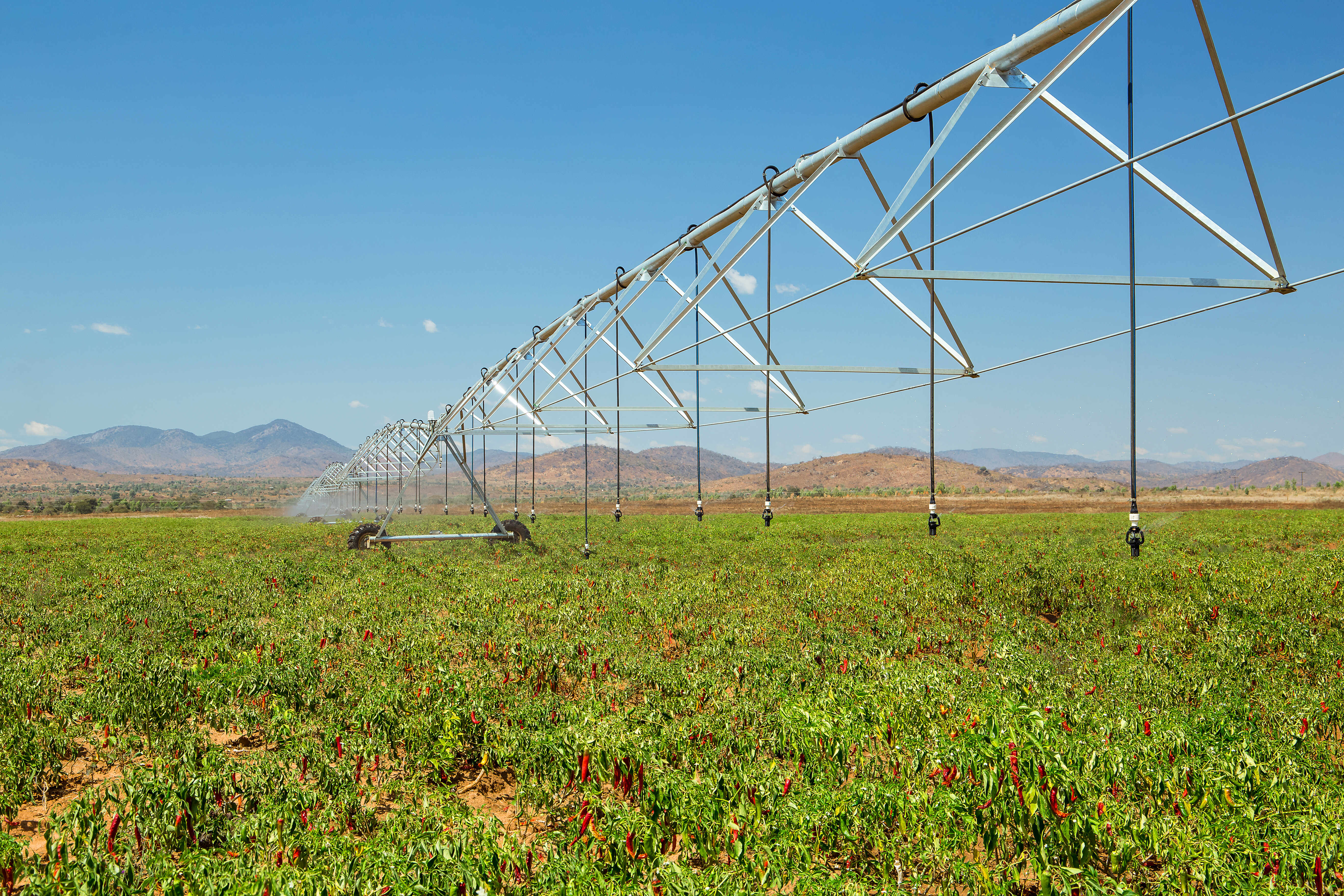
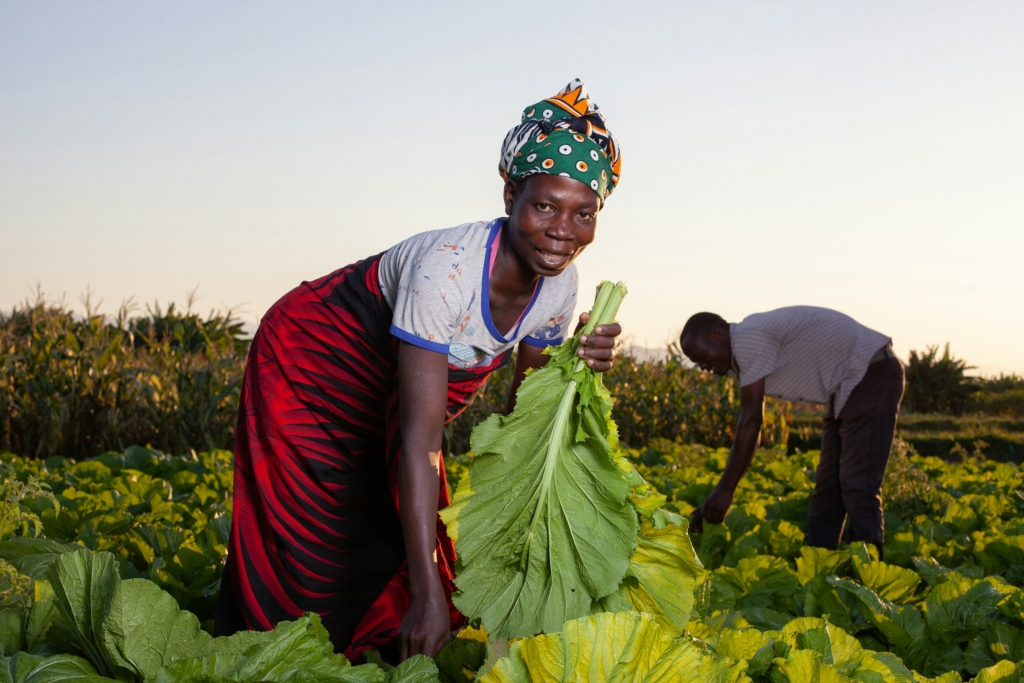
Norfund is investing USD 15 million in Phatisa Food Fund 3 to scale food value chains across Africa. The investment aims to improve food security, support decent job creation, and contribute to more resilient and efficient food systems.
Why scaling and efficiency is vital
Africa’s food systems face mounting pressure from rapid population growth, climate change, and fragmented value chains. By 2050, one in four people globally is expected to live in Africa.At the same time, urbanisation is accelerating, with consumption shifting toward processed and distributed food products that require efficient value chains.
It is a paradox that Africa remains heavily reliant on food imports, despite holding around sixty percent of the world’s uncultivated arable land. Low yields, limited access to technology and inputs, high post-harvest losses, and weak logistics all reduce availability and raise costs. Addressing these structural constraints is vital to making food more accessible and affordable.
Backing businesses that strengthen the food system
Phatisa Group Limited focuses on investing in businesses that strengthen food production, processing, and distribution across Africa. Improving performance at each step of the value chain helps reduce waste, lower costs, and ensure food reaches expanding urban markets more efficiently.
“Competitive food value chains are critical to job creation and economic development in Africa,”
Pindie Nyandoro
Regional Director in Southern Africa
Phatisa Food Fund 3 will focus on agri-inputs such as seeds, crop protection, fertilisers, and agri-tech, as well as downstream activities such as food processing, food production, cold storage, logistics, and food distribution.
Norfund’s investment is part of an USD 86 million first close alongside development finance institutions British International Investment, Swedfund, IFC, and FinDev Canada.
Investing in high-impact SME fund in Africa’s least developed countries
We are pleased to announce our $7.5 million investment in Inside Equity Fund II L.P., a private equity fund dedicated to supporting small and medium-sized enterprises in some of the most underfinanced and least developed markets in Southeast Africa.
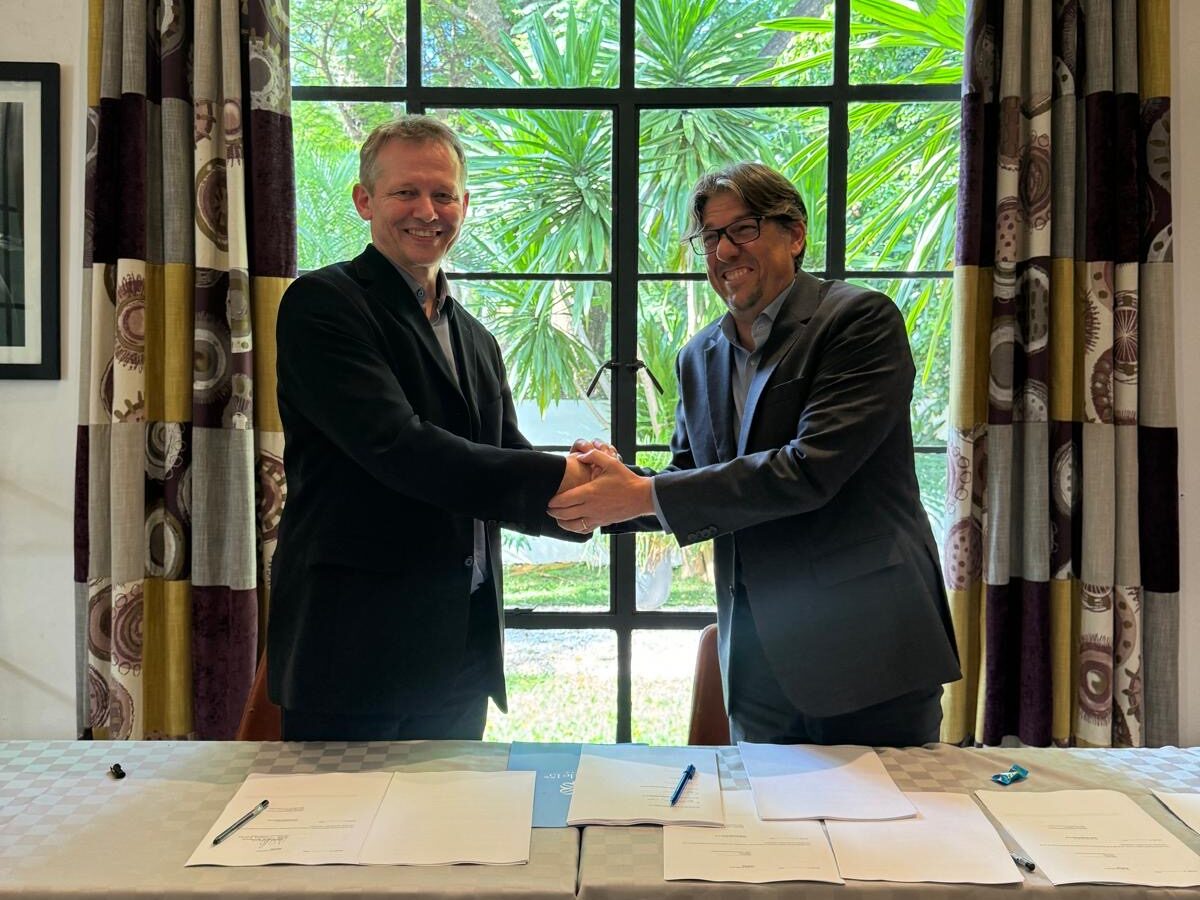
Vegard Halvorsen, Investment Director at Norfund, and Jérôme Lagesse, Managing Partner in IEF, at the signing ceremony in Lusaka, Zambia.
This investment brings the fund’s total capital to at least $62 million, strengthening its ability to provide long-term financing to businesses that drive job creation, waste reduction, access to clean energy, and gender equality.
Financing gap for SMEs
Access to finance remains one of the biggest barriers for SMEs in Africa’s least developed countries. Many businesses with strong strategic and growth potential struggle to secure the capital needed to scale, particularly in high-risk markets where private equity funding is scarce.
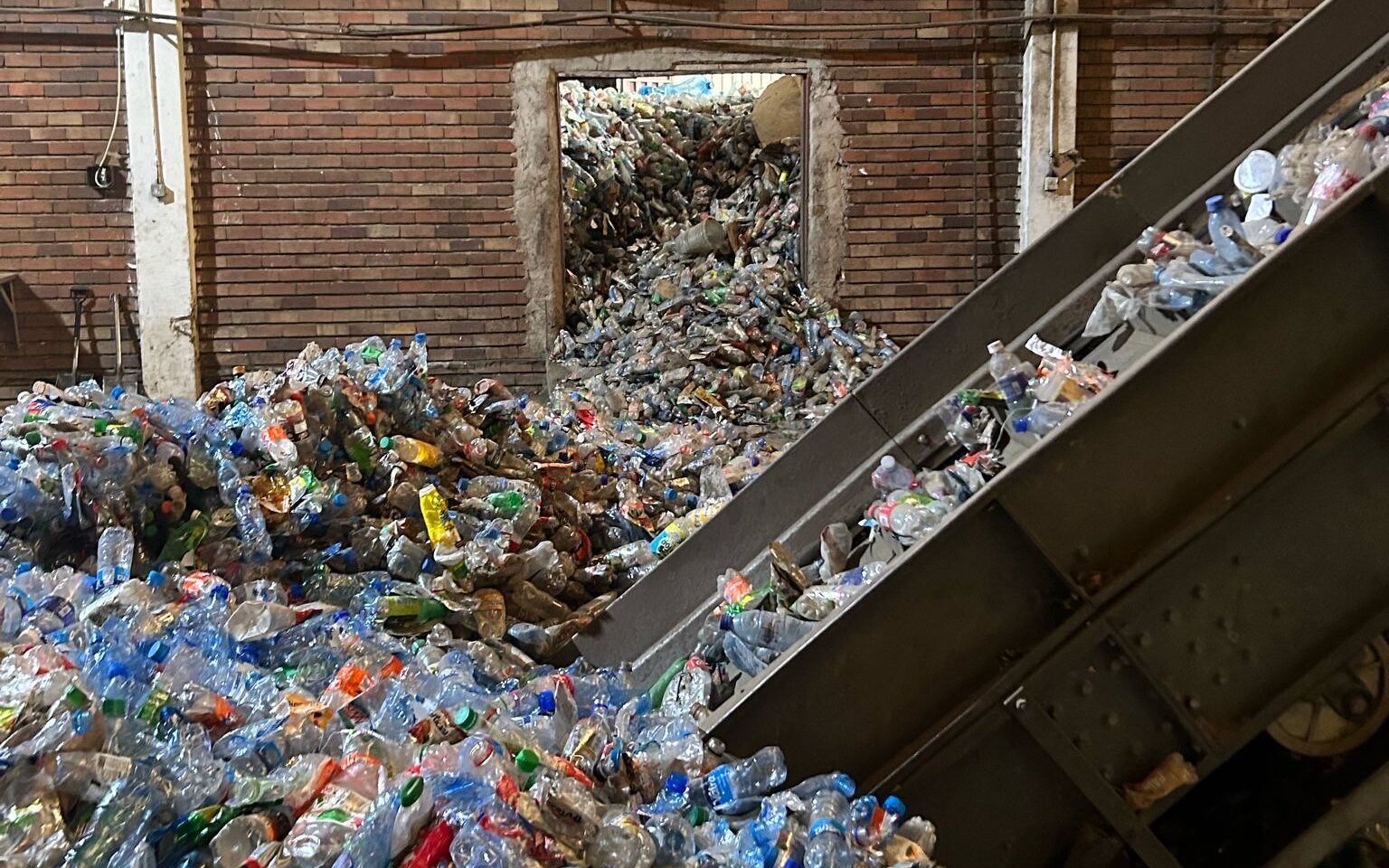
Inside Equity Fund II addresses this gap by targeting one of the most challenging SME segments, providing financing to businesses that can drive economic transformation. The fund prioritizes sectors that contribute to sustainable development, such as recycling, renewable energy, and sustainable construction, fostering both economic and environmental progress.
Expanding across the region
The fund will initially invest in Madagascar, Zambia, and Mauritius, potentially with opportunities for expansion into Mozambique and Tanzania—countries where SME growth is equally critical to economic resilience.
This partnership builds on the success of Inside Capital Partners’ first fund, which supported high-impact businesses across the region. Our investment was formalized in Lusaka, Zambia, reinforcing our commitment to financing SMEs that strengthen local economies and create opportunities in underserved communities.
Photo credit: Inside Equity Fund I.
“At Inside, we view investment as a powerful catalyst for transformation. By welcoming Norfund as a Limited Partner, we are deepening our commitment to sustainable growth in Africa’s most underfinanced markets and leveraging our collective expertise to drive meaningful change. Together, we are channeling capital into high-impact SMEs, creating lasting economic opportunities and advancing sustainable development across the region.” explains Jérôme Lagesse, Managing Partner at Inside.
We look forward to seeing Inside Capital Partners continue its important work, driving economic growth and sustainable impact in Africa’s least developed countries.
Climate Smart Fund scales to tackle deforestation and climate adaptation in Indonesia
Rainforests are essential for storing carbon and mitigating climate change, yet two decades of palm oil expansion in Indonesia have driven significant forest loss. To help combat this, Abler Nordic has now secured a credit guarantee from Temasek Foundation to support its Climate Smart Fund, aimed at reducing deforestation, increasing smallholder farmer incomes, and building climate resilience in Indonesia.
The credit guarantee from Temasek Foundation— the philanthropic arm of Singapore’s government-owned Temasek International— will help lower financing costs for farmers, reduce risk for private investors, and allow Temasek to back an innovative solution that fosters sustainable farming practices and climate resilience in Indonesia.
Temasek Foundation’s backing, along with USD 10 million in pilot funding from Norway’s Ministry of Climate and Environment and Norfund’s guidance, shows how public funding sets the stage for blended finance as the fund scales to attract private investors and maximize climate impact.
“As climate change intensifies, smallholder farmers are caught in a vicious cycle of low productivity and environmental degradation. The Climate Smart Fund offers a promising model that addresses poverty alleviation alongside climate mitigation and adaptation, equipping farmers with the tools they need to thrive sustainably.”
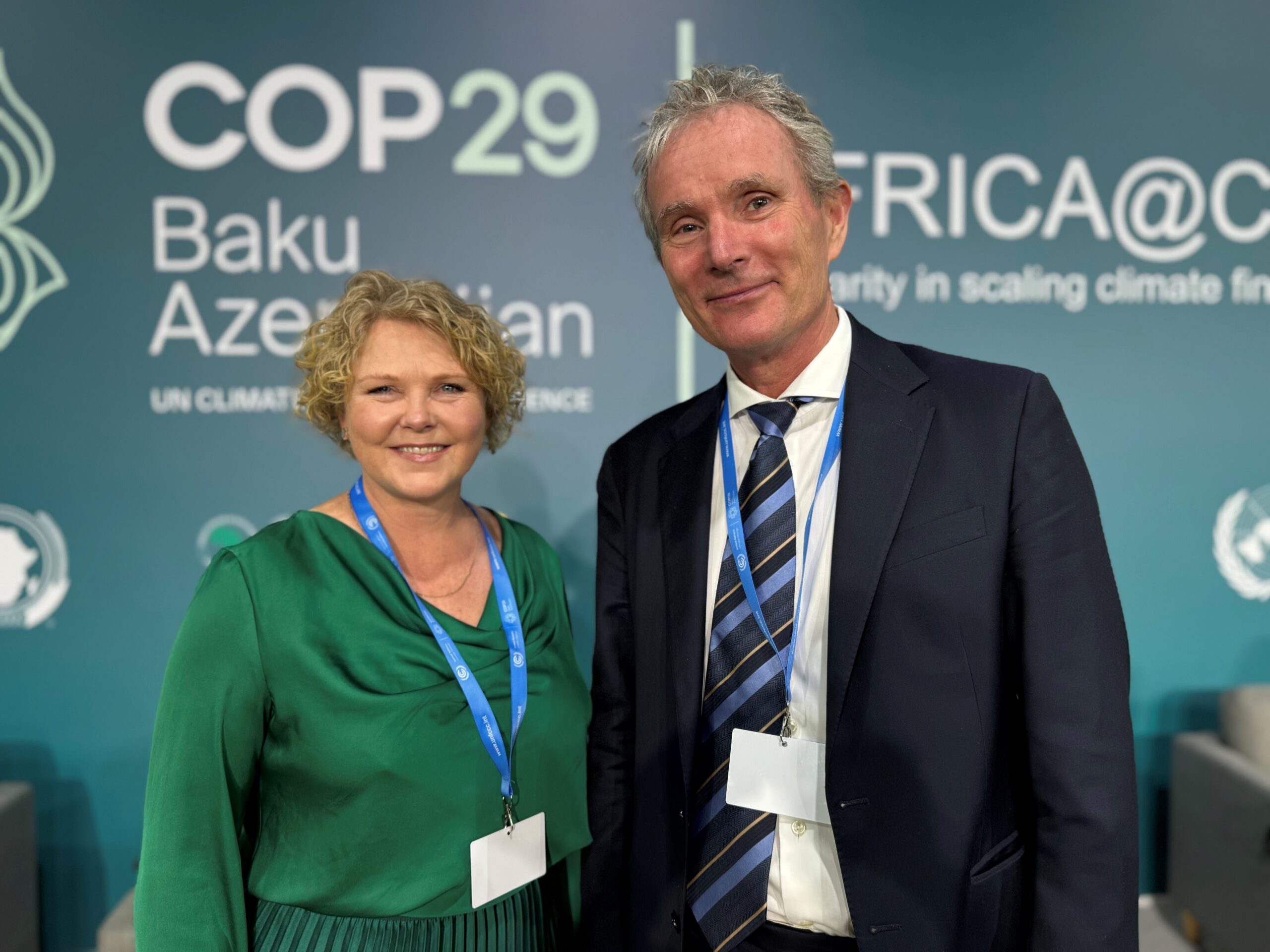
Anne-Beate Tvinnereim, Development Minister of Norway, speaking from COP 29
The Climate Smart Fund provides long-term, affordable working capital to farmers cultivating coffee, cocoa and oil palms in Kalimantan and Sumatra. With limited yields, many of these farmers expand into forests, risking deforestation and loss of biodiversity.
To counteract this, the fund provides replanting loans, quality seeds, sustainable fertilizers, and climate-smart agricultural guidance, enabling farmers to sustainably increase yields and reduce forest encroachment. Satellite and on-ground monitoring cover 200,000 hectares of conservation zones to track encroachment.
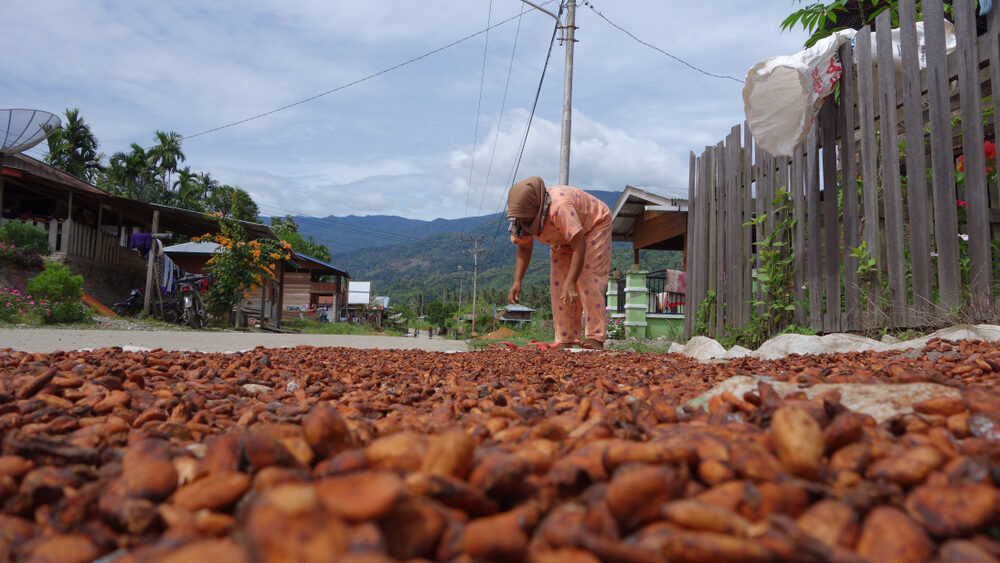
Cocoa farmers drying seeds in Sumatra, Indonesia. Photo credit: Taufik Sagoe.
To meet the urgent need for climate adaptation, intercropping strategies are used to diversify farmers’ incomes and build resilience. For cocoa and coffee farmers, climate-adaptive loans are provided through partnerships with Koltiva, Swisscontact, and ICRAF, facilitating shade-grown agroforestry systems. These systems combine cocoa and coffee with shade trees, creating cooler microclimates and conserving soil health—helping farmers adapt to rising temperatures and unpredictable rainfall, as well as generating extra income from diverse crops.
In palm oil cultivation, Abler Nordic and partners Livelihoods Fund, SNV, and Musim Mas are testing similar agroforestry models to replicate positive outcomes.
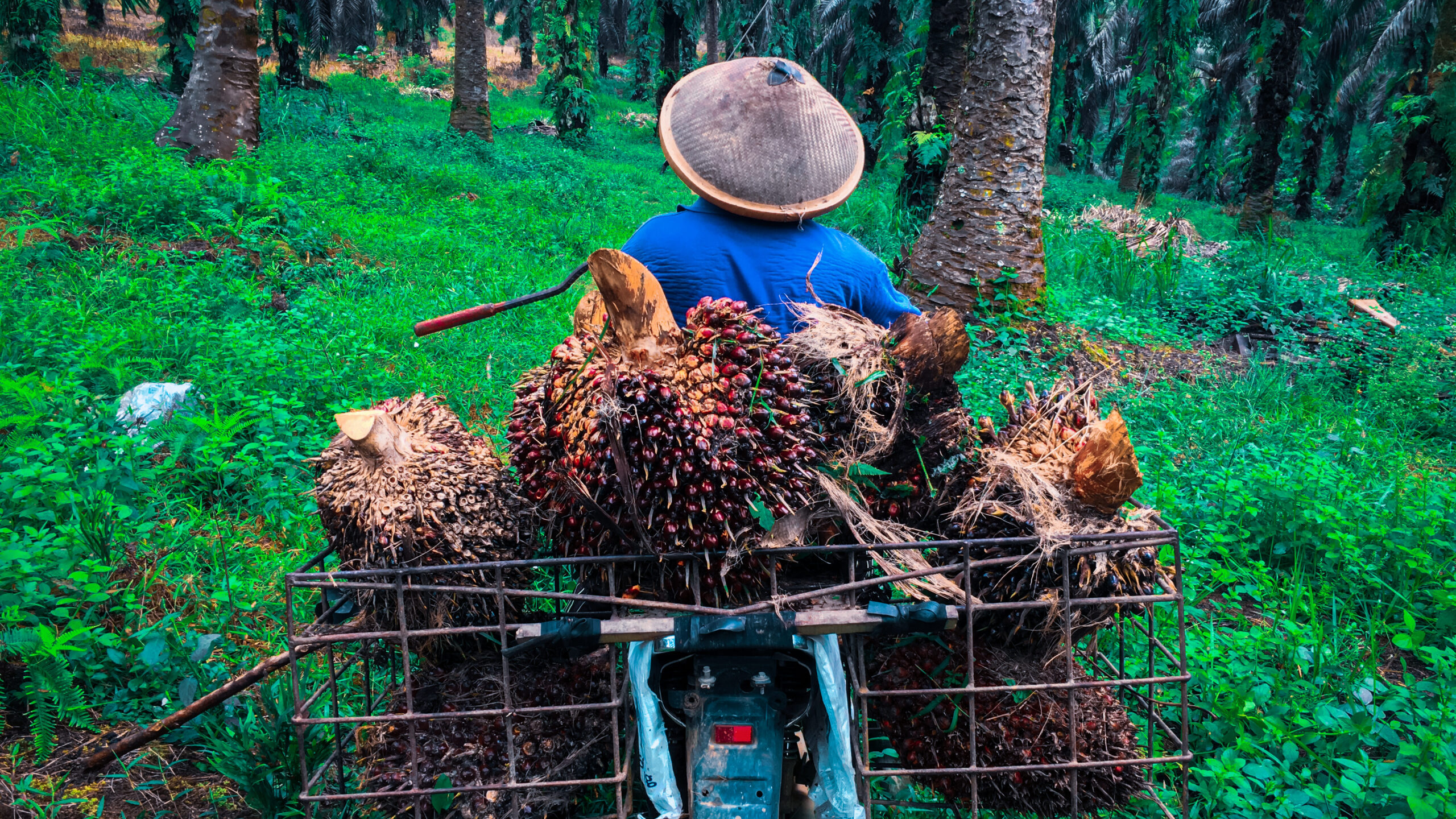
Farmer carrying oil palm on motorbike. Photo credit: Dika Hermawan.
Beyond climate mitigation and adaptation, the fund strengthens communities by helping farmers secure land rights, achieve global sustainability certifications, and improve traceability. In its pilot phase, the fund has trained 2,100 farmers and increased their annual incomes by typically 35%.
Participatory land-use planning has been completed in six villages, engaging 16,500 residents and covering over 100,000 hectares. Land rights for the first batch of farmers have been secured and 350 farmers have received Sustainable Certification, with 400 more registered for audit.
Now scaling to support 15,000 to 30,000 farmers by 2030, Abler Nordic aims to expand the Climate Smart Fund in the first close to USD 40 million through a combination of investor capital, guarantees, and grants. With Temasek Foundation’s credit guarantee offering private investors added confidence, the fund seeks to attract a blend of public and private financing to drive sustainable, climate-resilient agriculture across Indonesia.
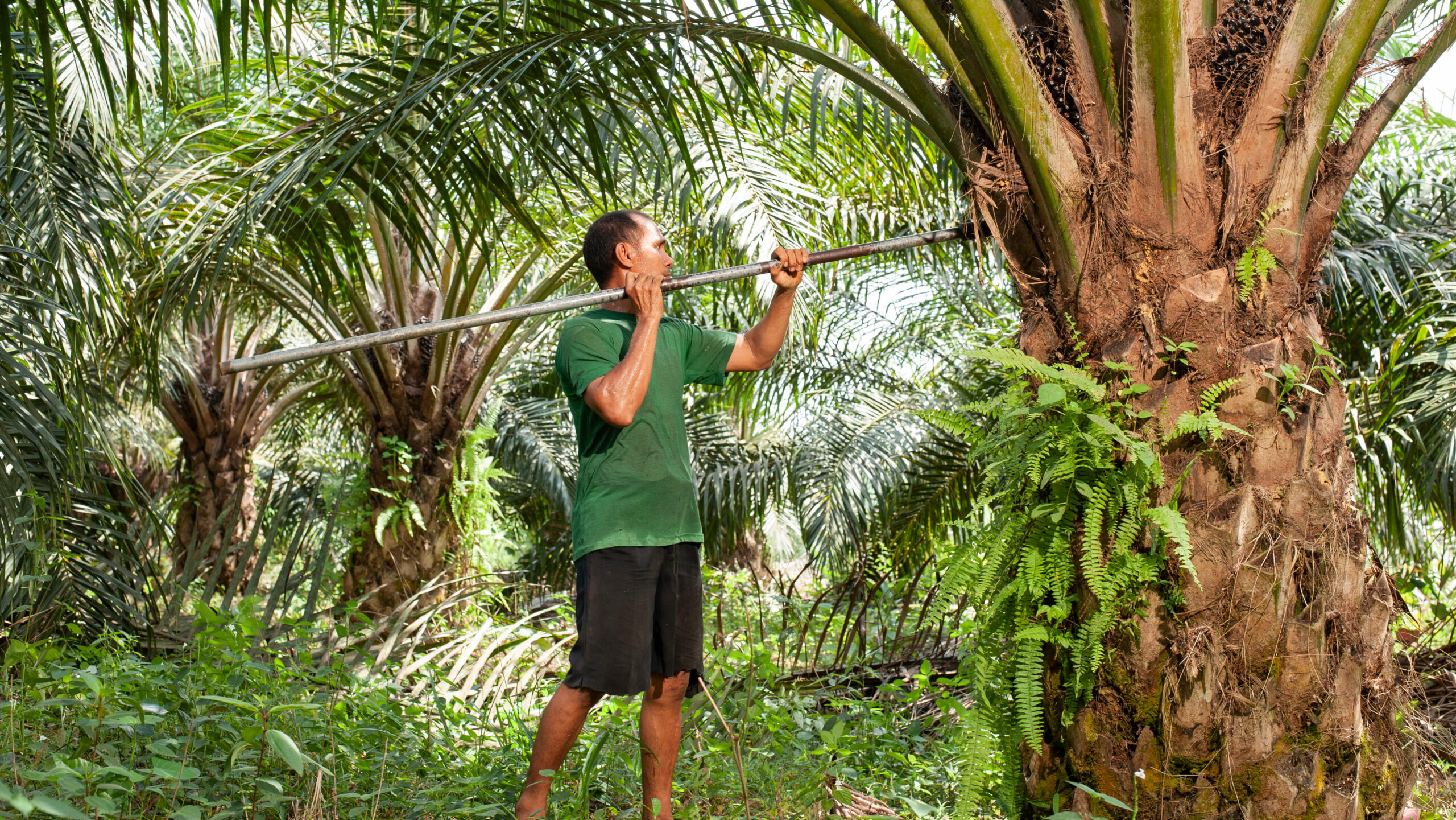
Palm oil cultivation in Indonesia. Photo credit: Nazarizal Mohammad.