The Climate Investment Fund invests in solar energy in the Philippines 

The Climate Investment Fund, managed by Norfund, is investing in a 500 MWp solar plant in the Philippines, developed by Vena Energy. The investment will mobilise significant private capital and avoid 530,000 tonnes of CO₂ per year. 
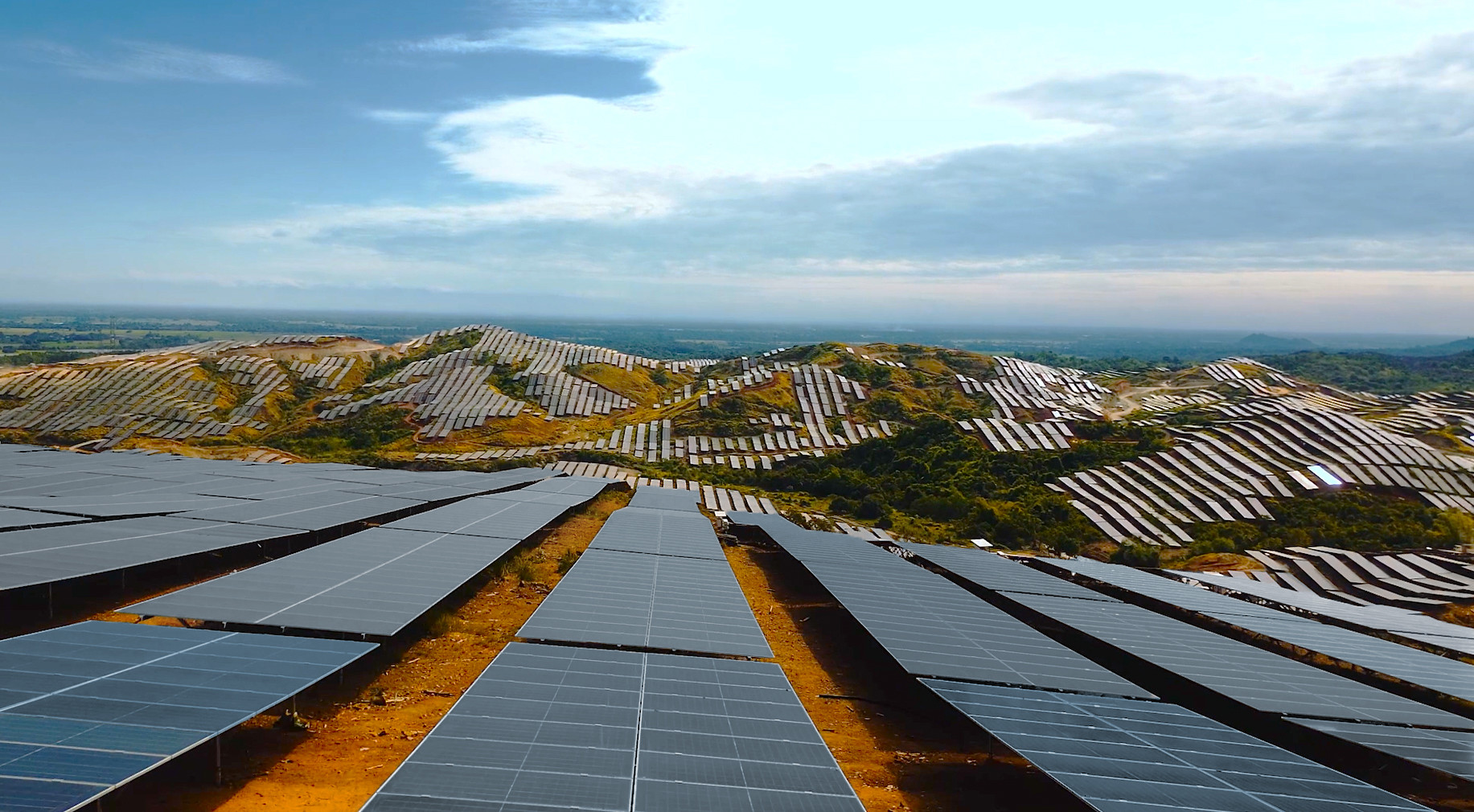
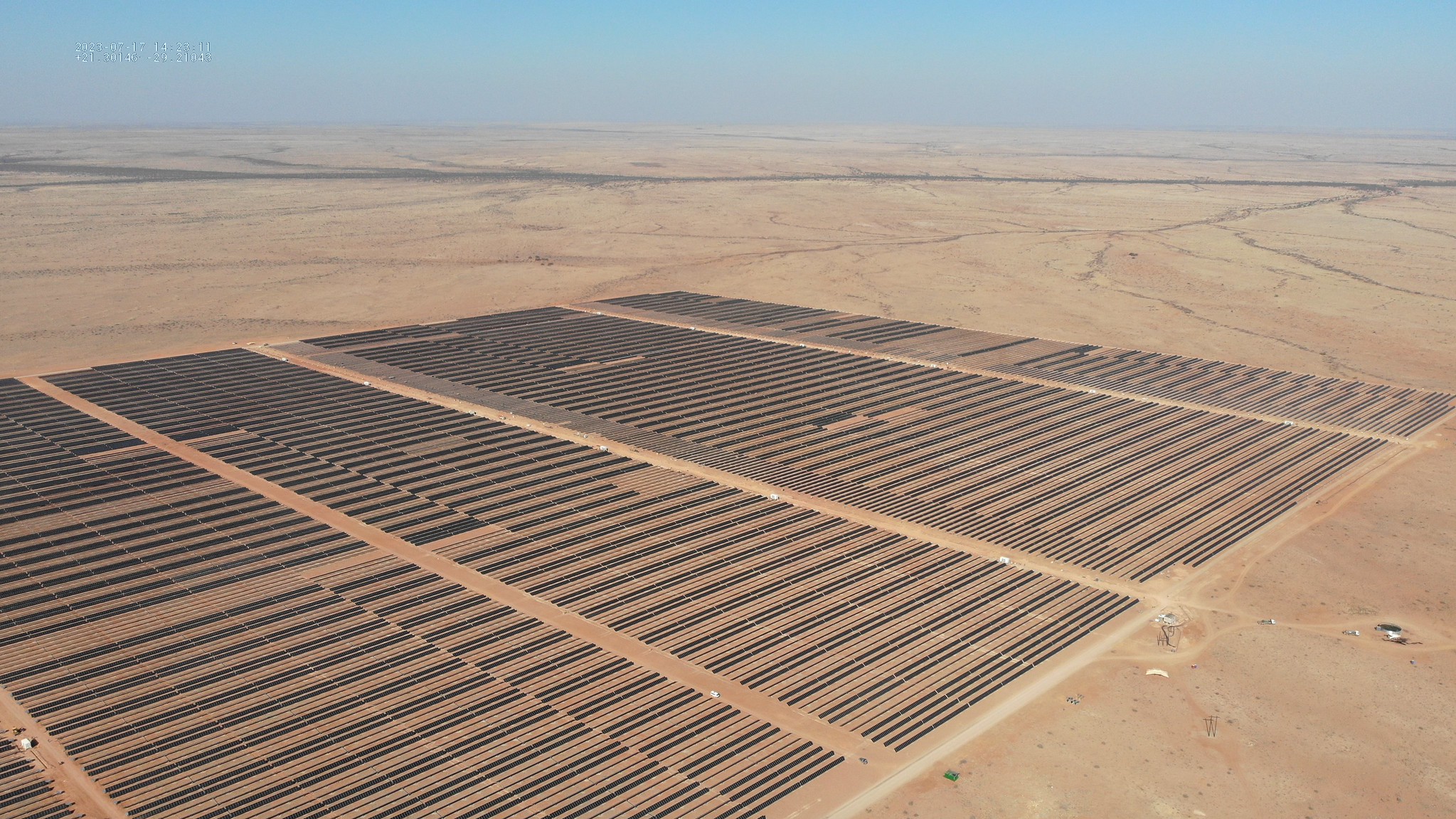
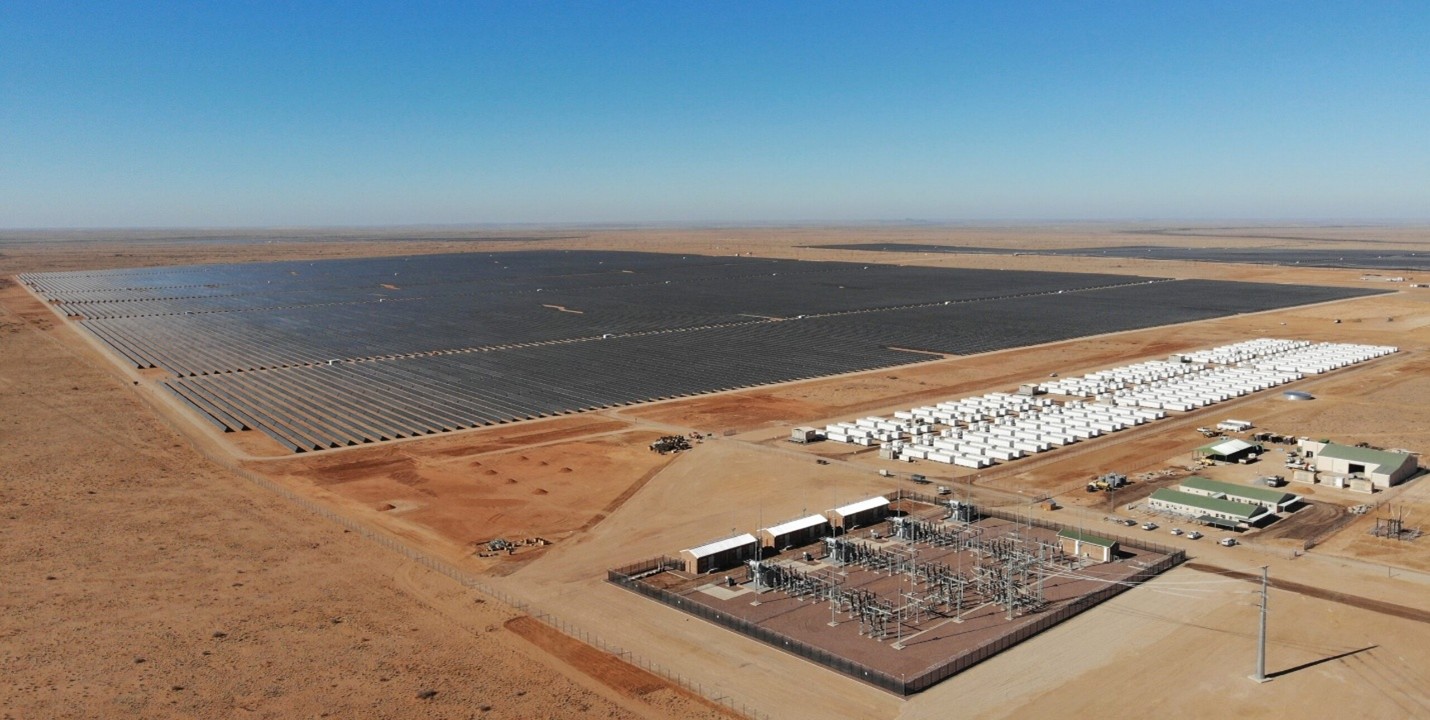
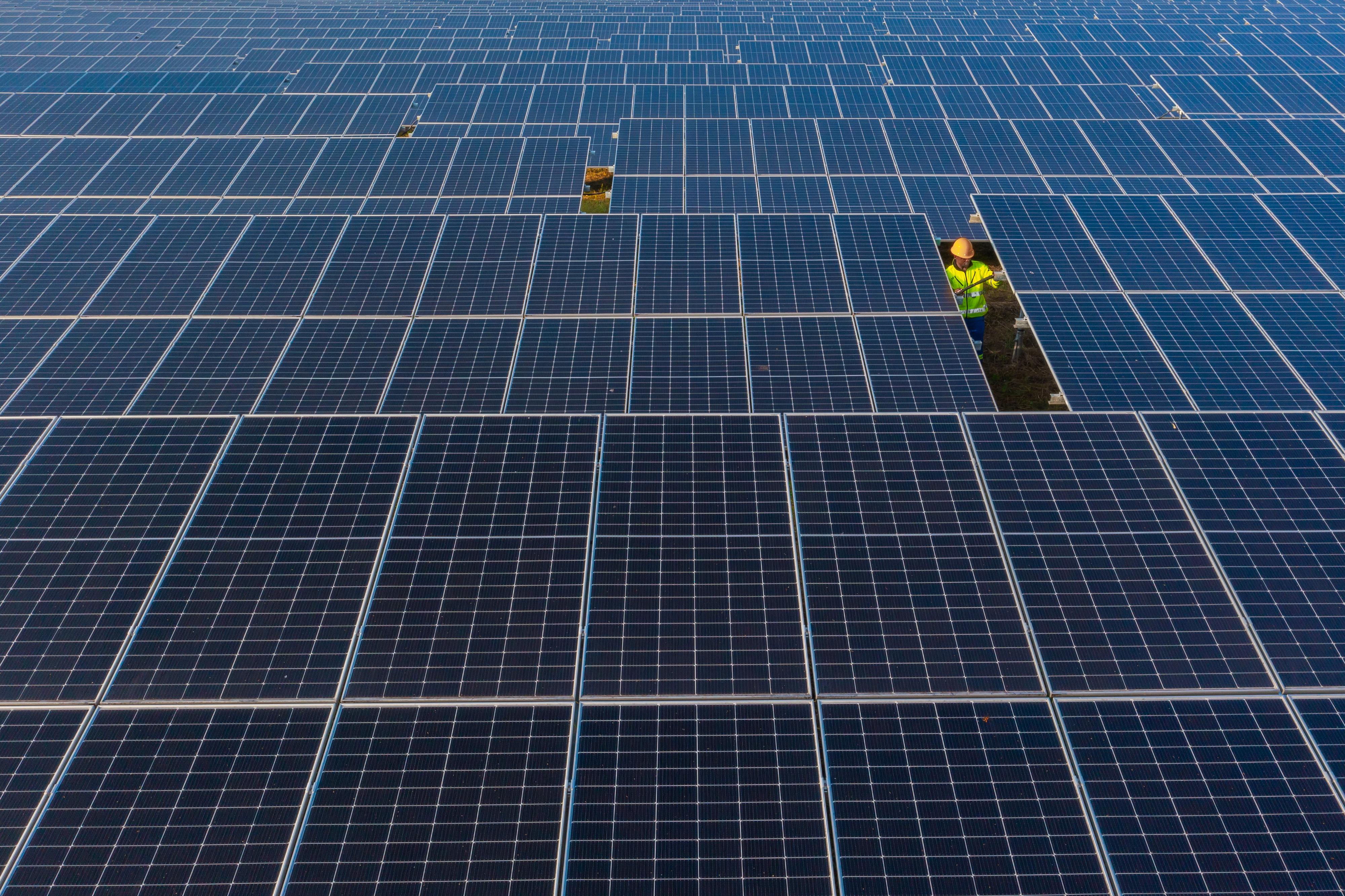
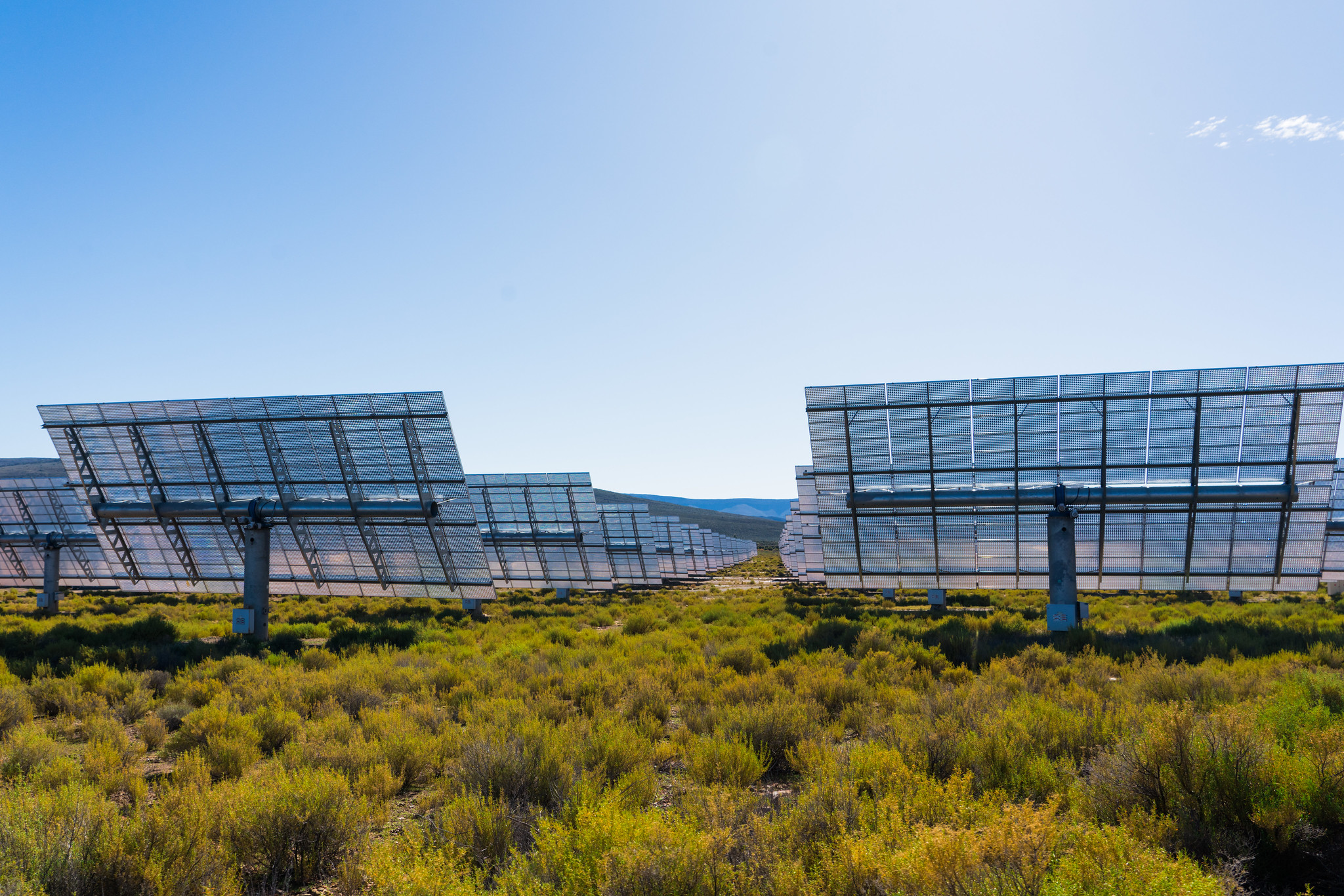
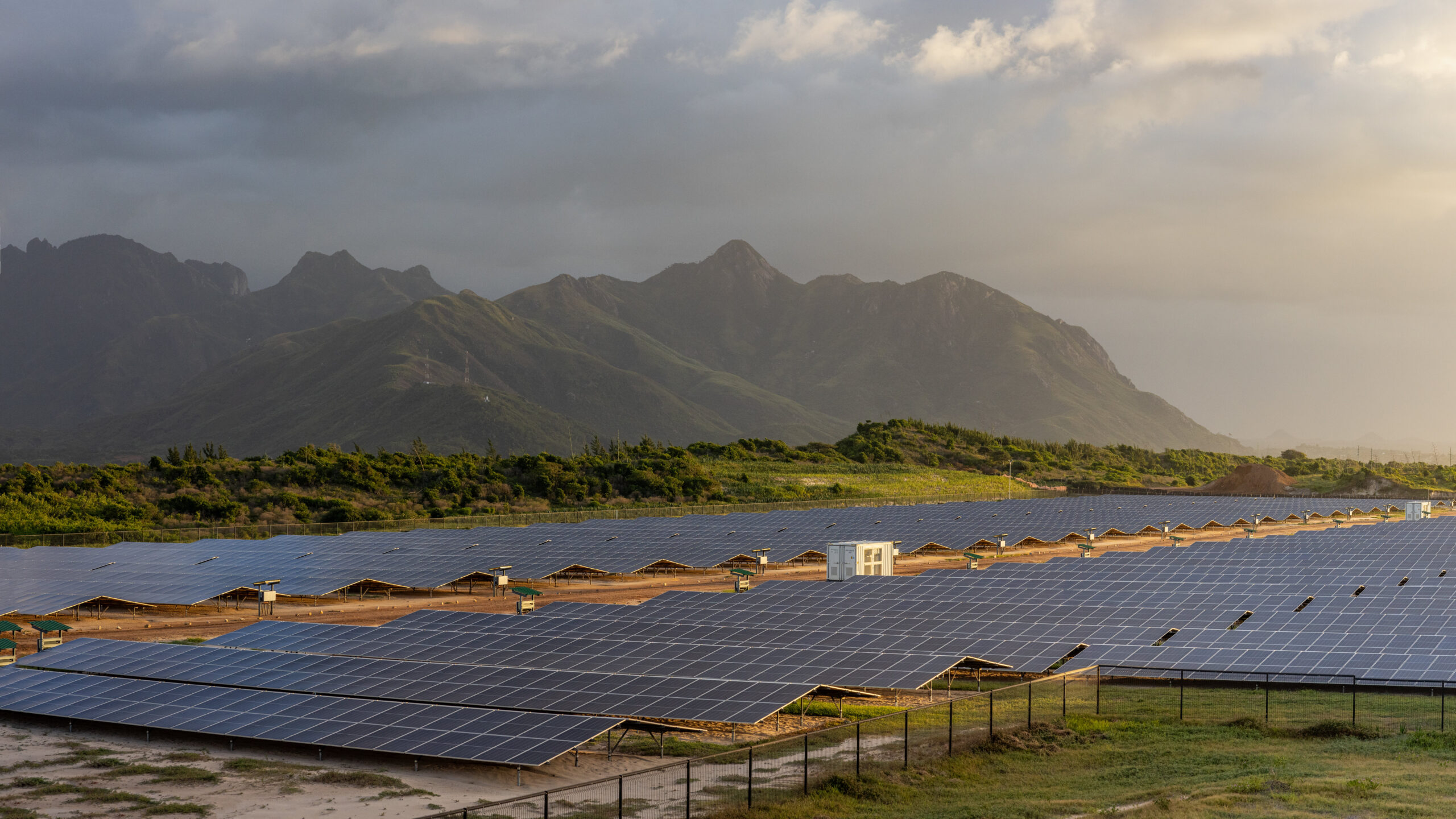
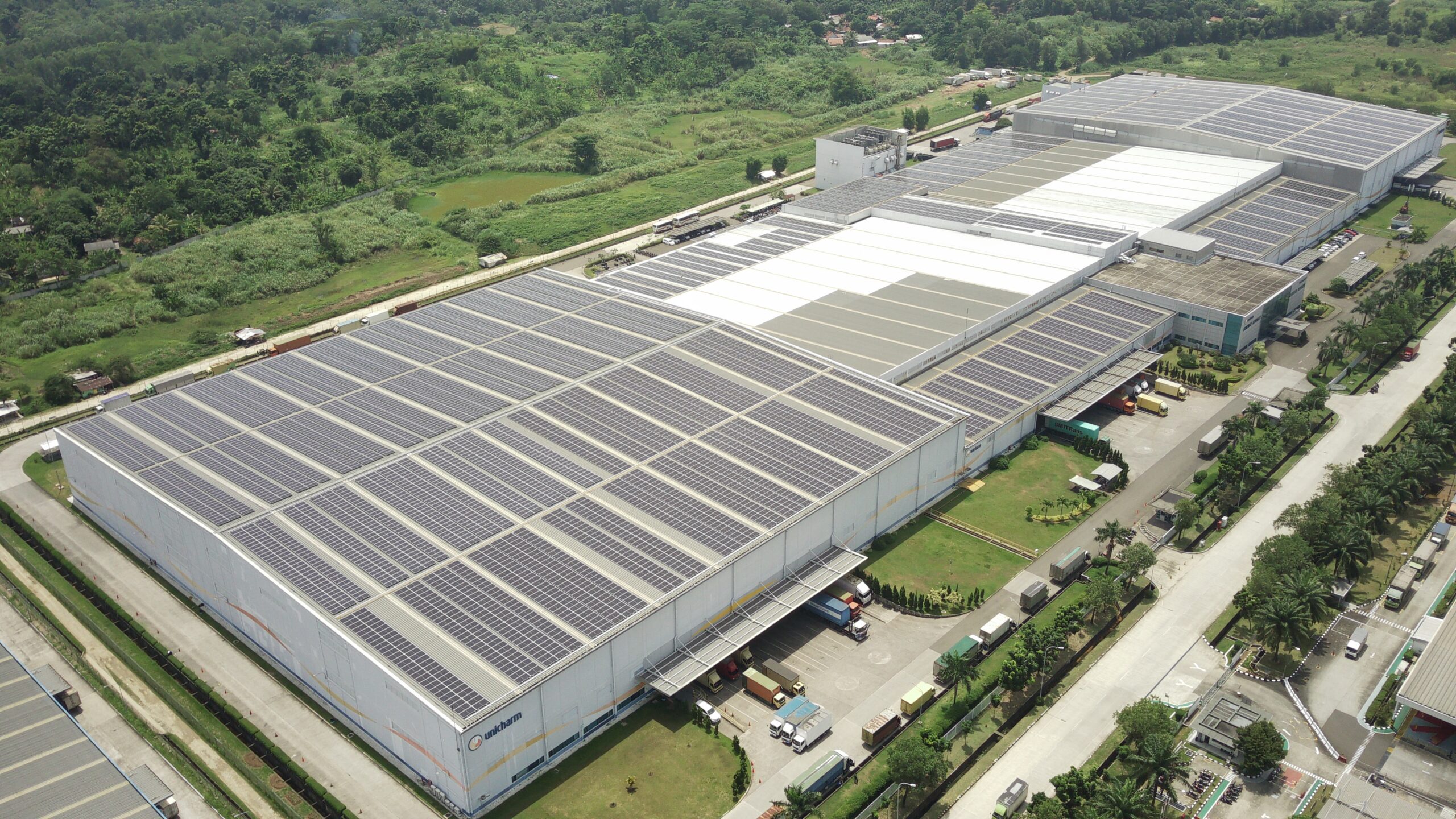
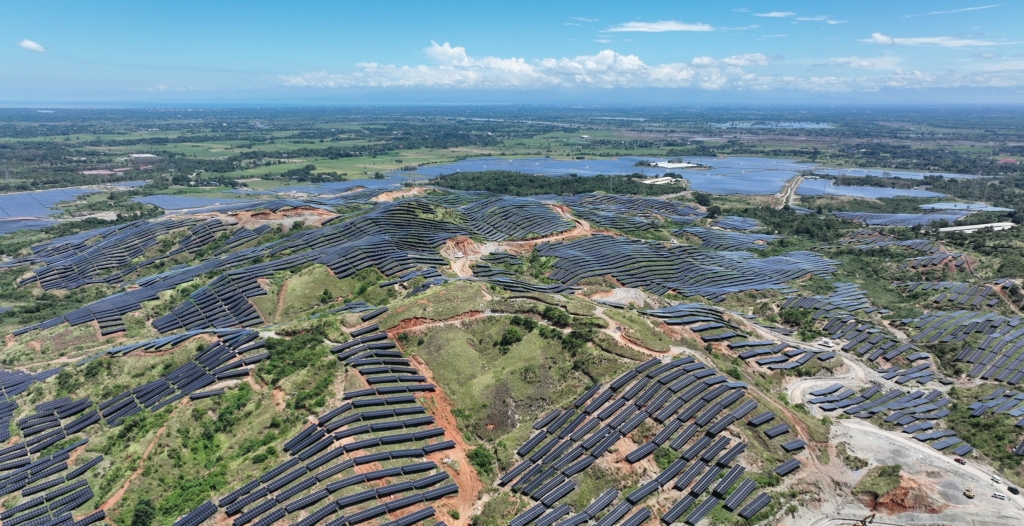
Vena Energy’s existing 550 MWp Bugallon Solar Power Project in Pangasinan, Philippines, which is next to the 500 MWp Ixus Bugallon Solar Power Project now under construction. Image credit: Vena Energy

Read the joint press release here.

The 500 MWp Ixus Bugallon Solar Power Project will be built in Bugallon, Pangasinan, in the Philippines by Vena Energy, one of Asia’s largest renewable energy players. 

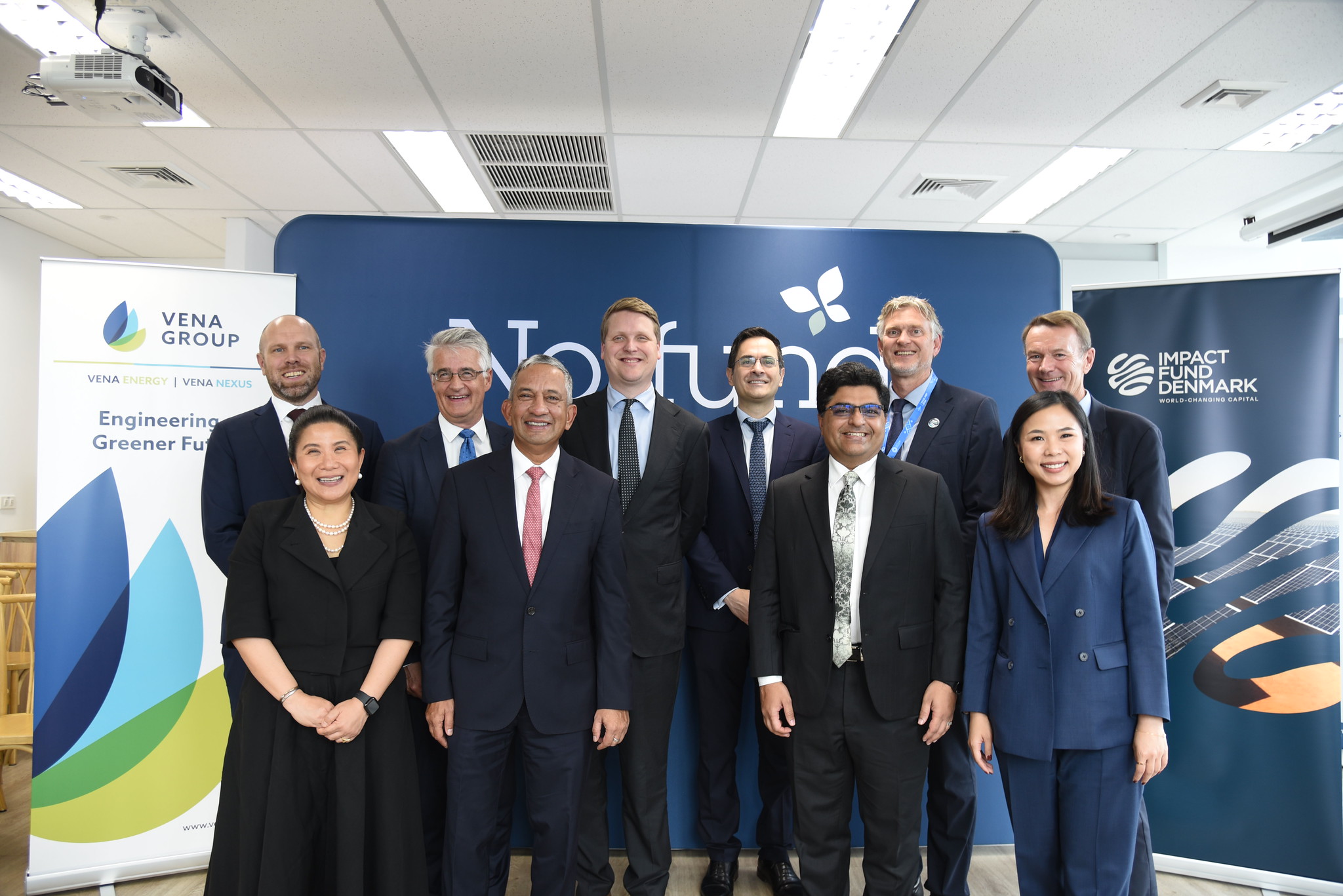
The Climate Investment Fund and Impact Fund Denmark (IFDK) are together investing in a 49% equity interest in the project. The project reached financial close in July 2026 with about USD 310 million in senior loans from a consortium of eight international banks. 

“This investment is a good example of how Norfund and the Climate Investment Fund succeed in mobilising private capital and preventing emissions through profitable investments in renewable energy. That is also why we have proposed increasing the contribution to the Climate Investment Fund in the proposed 2027 state budget, because we know it works,”

Åsmund Aukrust

Minister of International Development
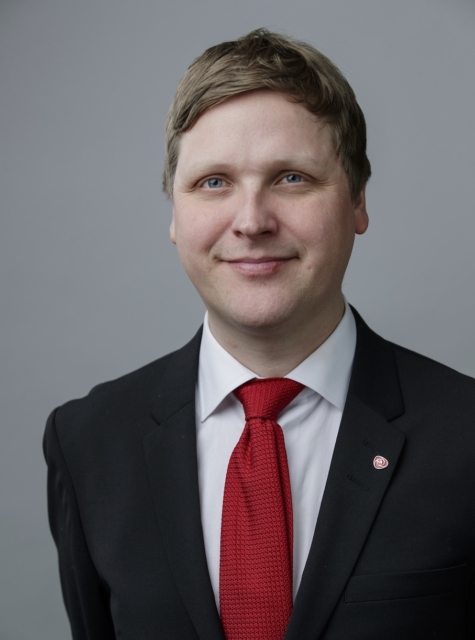
Minister of International Development Åsmund Aukrust attended the launch of the investment in connection with the World Bank annual meetings in Bangkok.

The investment is the Climate Investment Fund’s first in the Philippines. The country currently gets 62% of its electricity from coal. By helping renewable energy cover more of the country’s energy needs, the solar plant will avoid emissions of 530,000 tonnes of CO₂ per year. Its power production corresponds to the consumption of 650,000 households in the Philippines. 

“Norfund sees great opportunities in helping to accelerate the energy transition in the Philippines, which has great potential to meet the country’s growth in energy demand with renewable energy,”

Erik Sandersen

CEO of Norfund
Electricity demand in the Philippines is estimated to triple from 16.6 GW in 2022 to 68.5 GW in 2050 (peak). By comparison, Norway has a total capacity of 40.3 GW. 

“We are pleased to partner with Norfund and IFDK for the Ixus Bugallon Solar Power Project. The Philippines is an important market for Vena Energy, and this project demonstrates the scale of renewable energy infrastructure that can be delivered by bringing together strong development capabilities and long-term institutional capital. Together we look forward to supporting the Philippines’ energy transition and contributing to sustainable economic development as we continue to engineer a greener future across Asia-Pacific,” says Nitin Apte, CEO of Vena Group. 
Climate Investment Fund to finance new major South African renewable actor

The Climate Investment Fund and KLP are investing NOK 850 million in the establishment of a new platform with ambitious plans for renewable energy development in South Africa. The investment is partly financed by capital from exiting one of the fund’s first investments in the same country. 

Photo: Anthem

The new platform, called “Anthem”, has a secured portfolio of more than 2.7 GW across 17 operating wind and solar projects of over 1GW, four projects under construction of 445MW, three projects in financial close of 1.2GW, and a further 11 GW pipeline under development.

For comparison, Norway’s entire power supply has a capacity of 40 GW. 

“These are the kinds of contributions needed to accelerate the transition to renewable energy in countries like South Africa, which today is dependent on coal power,”

Åsmund Aukrust

Minister of International Development

Born from the integration of African Clean Energy Developments (ACED) and EIMS Africa under the African Infrastructure Investment Managers (AIIM) managed IDEAS Fund as shareholder, Anthem combines deep development, asset management and operational expertise to deliver clean, reliable and cost-effective power to Eskom, large private offtakers, and the region’s growing energy market. Mahlako Energy Fund, an investment and advisory firm owned 100% by Black South African women, is also joining as an investor. 

The Climate Investment Fund is investing NOK 685 million directly, while KLP Norfund Invest (KNI) is investing NOK 170 million. KNI is the joint investment company of KLP and Norfund, owned 51% by Norfund and 49% by KLP.  

“Anthem will be a key investment in The Climate Investment Fund’s efforts to support the transition to renewable energy in South Africa, making a significant contribution in terms of avoided emissions, while also ensuring the country has reliable access to the energy needed for growth out of poverty,” says Bjørnar Baugerud, Head of The Climate Investment Fund at Norfund. 

Photo: Anthem

“We firmly believe that the investment in Anthem will deliver solid returns for KLP’s owners, while also contributing to increased renewable energy production in South Africa. This aligns with KLP’s role as a long-term and responsible investor,” says Eric Nasby, Investment Analyst at KLP. 

Reinvesting capital from The Climate Investment Fund first investments 

This investment comes a week after The Climate Investment Fund exited one of its first investments. The investment in Scatec’s pioneering solar and battery project Kenhardt is now being taken over by South Africa’s Standard Bank, freeing up NOK 440 million for new investments. The investment yielded an annual return of 13% in South African rand. 

“As many countries are now cutting funding for aid and development, mobilising private capital is a prerequisite for success, and The Climate Investment Fund does this both by investing alongside private actors and by allowing private capital to take over when possible,” says Aukrust. 

Photo: Anthem

Becoming a key player in South Africa’s renewable energy development

From its inception, Anthem will be one of South Africa’s largest renewable energy companies. 

“Access to capital on competitive terms is crucial for us to realise our ambitious plans for renewable energy development in South Africa, and we are therefore very pleased to have Norfund and The Climate Investment Fund on board,” says James Cumming, the CEO of Anthem. 

For renewable energy, almost the entire cost comes at the time of investment. This means that high capital costs, due to higher risk in developing countries, can hinder the transition from coal to renewables, which require less investment but are more expensive to operate. 

South Africa has one of the world’s highest shares of coal in power production, at over 80% (IEA). The climate benefits are therefore substantial if new renewable production can be realised. 

Standard Chartered Bank was Norfund’s financial advisor in the deal.  

Photo: Anthem

Exit from groundbreaking solar and battery project in South Africa 

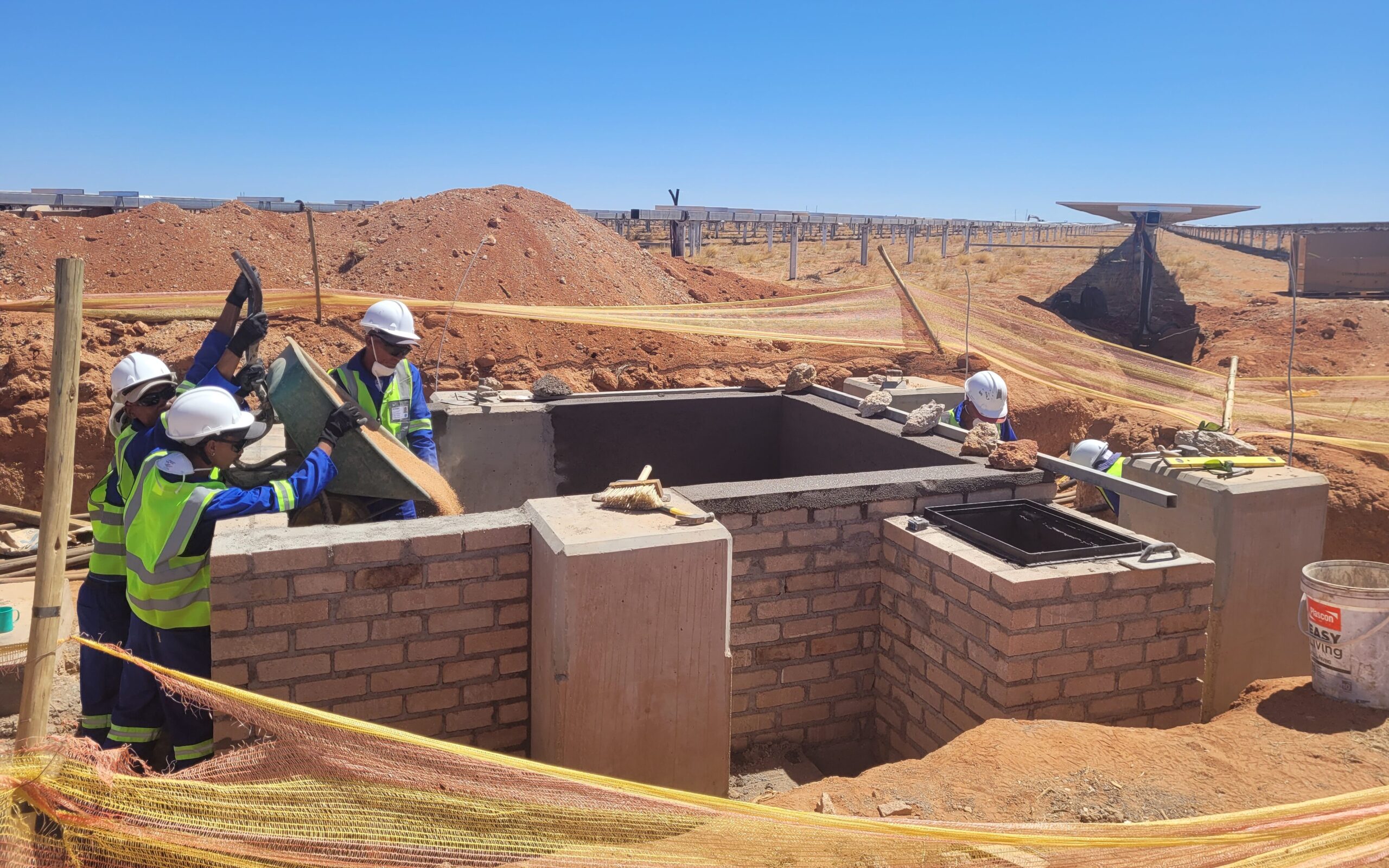
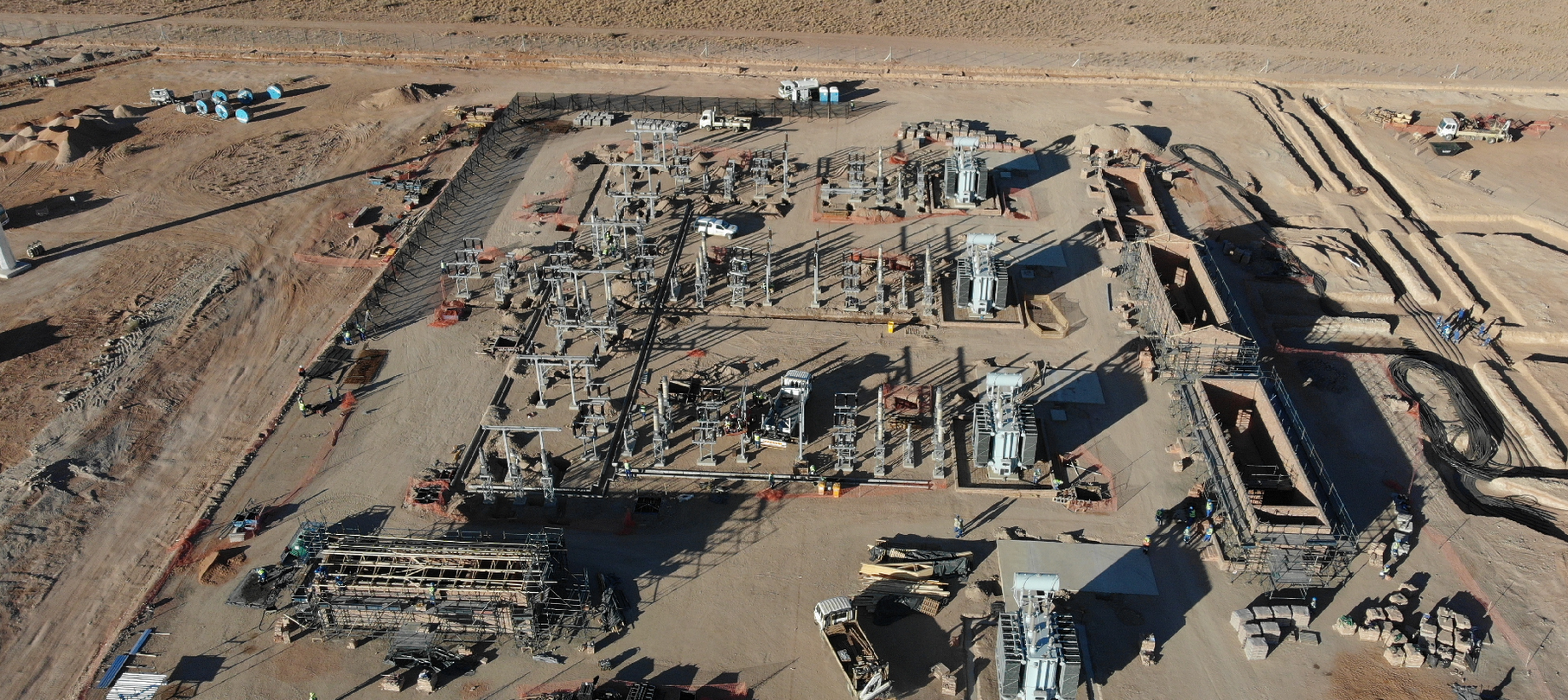
The Climate Investment Fund, managed by Norfund, has completed a responsible exit from the Kenhardt project — South Africa’s first large-scale hybrid solar and battery facility, built by Norwegian company Scatec. 

Photo: H1

“Through early-stage financing, we mobilized private capital and helped make this groundbreaking project by Scatec a reality. Now that private investors are taking over our share as well, allowing us to reinvest in new projects, our contribution gains an additional multiplier effect,” says Bjørnar Baugerud, Head of the Climate Investment Fund at Norfund. 

Kenhardt, developed by Scatec and H1 Capital, is among the world’s largest hybrid plants, with 540 MW of solar power and 225 MW / 1,140 MWh of battery storage. The project was awarded under South Africa’s RMI4P program—a technology-neutral scheme designed to rapidly address the country’s acute power shortages and reduce reliance on costly diesel-based backup plants. Distinguished as the only fully renewable solution among the contenders, the Kenhardt project surpassed fossil-fueled alternatives in the competitive bidding process, by combining solar power with battery storage to deliver stable electricity between 05:00 and 21:30. 

In a country where most energy is coal-based, the project helps avoid 900,000 tons of CO₂ annually — equivalent to the emissions from 460,000 Norwegian fossil-fueled cars. 

Photo: Scatec

South African bank takes over financing 

H1 Holdings has now partnered with Standard Bank to secure long-term equity financing of R1.921 billion, enabling a responsible exit for the original investors—Norfund, British International Investment (BII), and the Industrial Development Corporation (IDC). 

“The 2022 investment was crucial to meet the local ownership requirement in the Kenhardt project, but it also illustrates how climate finance can play a catalytic role in the early stages of pioneering energy projects,”

Bjørnar baugerud, head of the climate investment fund

Access to capital on competitive terms is essential for realizing renewable projects in emerging economies, where the cost of capital is significantly higher than in developed countries. This makes it particularly challenging to replace planned and existing coal-fired power plants with solar and wind projects, which require high upfront investments. 

In South Africa, the power sector has faced serious challenges related to aging infrastructure, economic instability, and frequent power outages—with major consequences for both businesses and households. 

Photo: Norfund

Case study highlights local job creation and environmental and social standards

Alongside the exit, Norfund is publishing a case study providing more details about the project. The study outlines how the project was assessed according to both local requirements and IFC’s international guidelines to ensure high environmental and social standards. An independent assessment was conducted to identify environmental and social risks and to validate Scatec’s risk management systems. This was supplemented by government-mandated studies and expert analyses in areas such as cultural heritage, human rights, geohydrology, traffic, and biodiversity, resulting in an action plan with follow-up and monitoring. 

Read the case study here

“In a region marked by high unemployment and social challenges, the project has contributed to local value creation through hiring workers from nearby areas, sourcing goods and services from various local suppliers, and social initiatives such as food distribution and water supply. The construction sector is traditionally male-dominated, but the Kenhardt project stood out with a high proportion of female workers,” says Karoline Teien Blystad, Director of Climate and Impact at Norfund. 

During the construction phase, extensive measures were implemented to reduce traffic-related accidents and safeguard worker health and safety, including driver training, GPS monitoring of vehicles, and strict speed limits. The project also conducted a risk assessment related to gender-based violence and harassment (GBVH), and implemented training and awareness efforts in the local community and among employees. Biodiversity was protected through careful handling of vulnerable plant species, and water needs were met without burdening groundwater resources. 

Photo: H1

Climate Investment Fund makes its first exit 

The Climate Investment Fund is selling its stake in a power line project in India, marking its first exit since its establishment in 2022.

Managed by Norfund, the Climate Investment Fund was set up in 2022 to help avoid greenhouse gas emissions through profitable investments in renewable energy in developing countries with high emissions. Three years later, the fund is making its first exit from a project. 

Connected 2.5 GW of wind power in India 

In partnership with the Indian company ReNew Power, Norfund and Norway’s largest pension company KLP invested 900 million rupees (109 million NOK) in a power line project in the Koppal district of southern India in December 2022. The project was completed in October 2023.

“Through the investment, we have helped connect 2.5 GW of developed wind power to the national grid, enough to meet the needs of 7 million Indian households,” says Bjørnar Baugerud, head of the Climate Investment Fund at Norfund.

According to the Central Electricity Authority (CEA) in India, the country will need 170,000 kilometers of transmission lines and 47 GW of energy storage capacity (BESS) over the next eight years to phase in increased renewable power production.

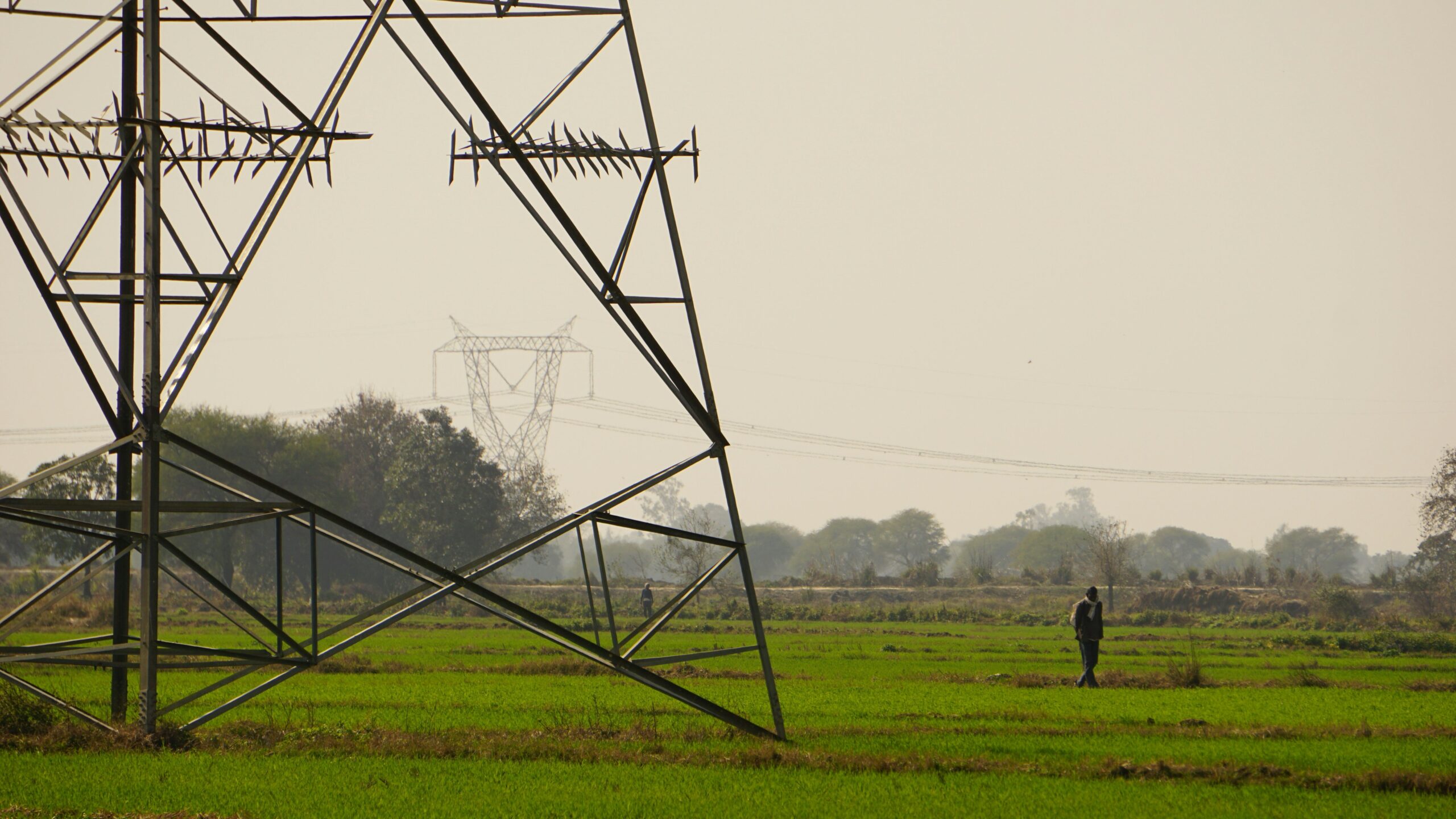
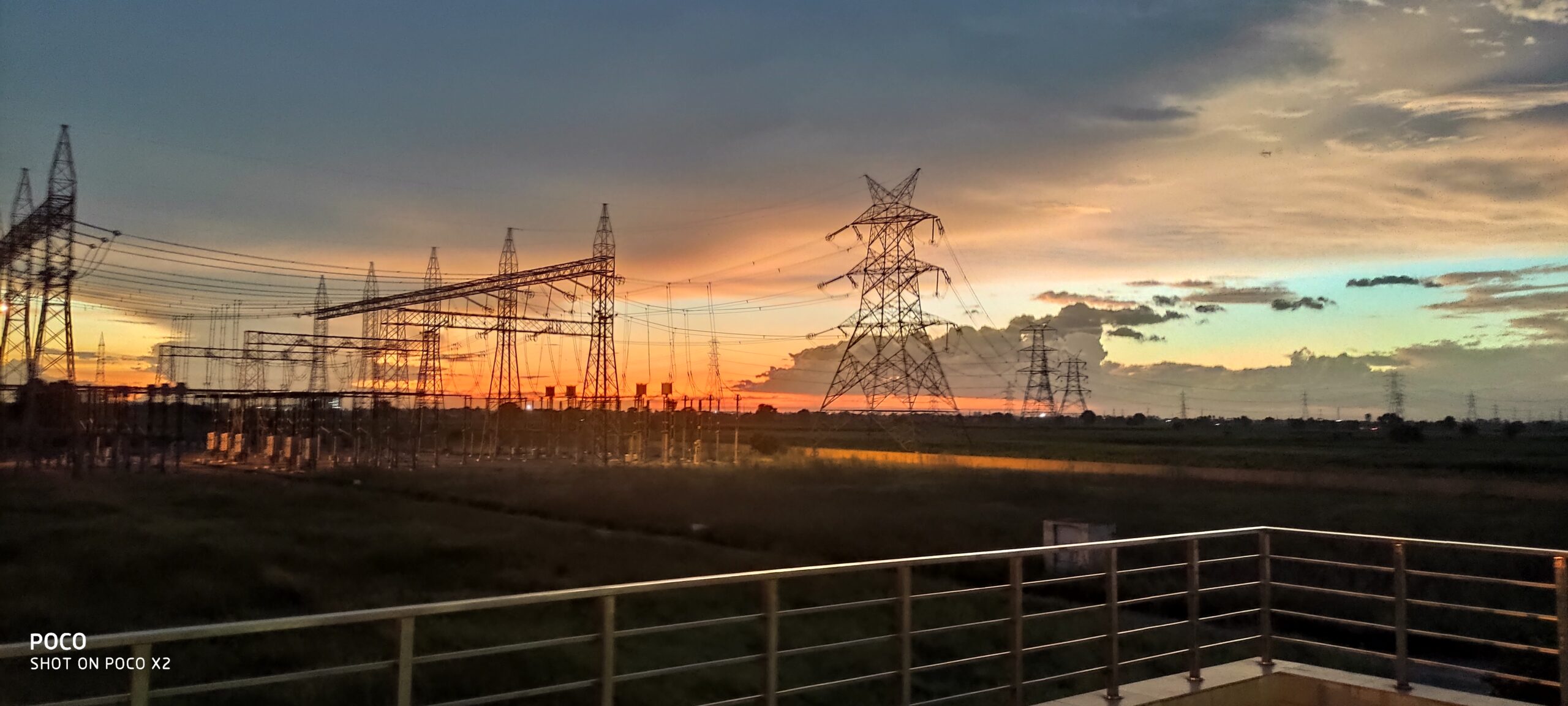
Photo credit: Shruti Singh. Location: Uttar Pradesh, India.

Recycling with returns ensures efficient use of public capital

According to its mandate, the Climate Investment Fund is to “reinvest earned and freed-up funds from its investments.”

The project is now being sold to the Indian company Indigrid, with which Norfund also recently entered into a partnership for the development of new projects.

“As soon as we are no longer needed as an investor in a project, we will seek to sell to private entities so we can reuse the money and contribute more to avoiding emissions,” says Baugerud.

Investment in new South African energy platform to avoid 1.9 million tons of CO2

The Climate Investment Fund is investing in a new South African platform for renewable energy, operated by Pele Green Energy Group. The capital will finance projects that will avoid 1.9 million tons of CO2.

Photo credit: Pele Green Energy

Pele Green Energy Group is a South African Black Economic Empowerment (BEE) infrastructure company, founded by five young entrepreneurs in 2009. The group develops, owns, builds, and operates renewable energy projects. As of today, they have 980 MW in operation, 670 MW under construction, and a further pipeline of more than 5 GW under development.

The Climate Investment Fund, managed by Norfund, is partnering with Nedbank, one of South Africa’s largest banks, to invest a total of R575 Million (350 million NOK) to scale up the company’s investments in renewable energy.

Avoids equivalent of 4% of Norway’s emissions

“We see this investment as a significant contribution to meeting South Africa’s growing energy needs while avoiding large scale emissions,” says Bjørnar Baugerud, head of the Climate Investment Fund at Norfund.

The projects the investment will help finance are estimated to avoid emissions of 1.9 million tons of CO2 per year. This alone corresponds to 4% of Norway’s annual emissions – or more than the emissions from Equinor’s refinery at Mongstad, the largest source of emissions in Norway.

“This is a brilliant example of how effective the Climate Investment Fund is in accelerating the global energy transition and limiting climate change, which affects the poorest the hardest,” says Minister of International Development Åsmund Aukrust.

Aukrust refers to an independent evaluation of Norfund and the Climate Investment Fund’s energy investments presented last week, which showed very effective results.

Focuses on energy for businesses and battery storage

Norfund first invested in Pele Green Energy in 2023, and the investment of approximately 400 million NOK has contributed to the construction of a portfolio of large solar and wind power plants. The company now needs more capital to finance further growth, which is planned within projects that deliver energy directly to businesses (C&I), investments in battery storage, and government tenders for larger renewable projects.

“This transaction is a game-changer for the Pele Energy Group and the broader renewable energy sector,” said Gqi Raoleka, CEO of Pele Energy Group. “Having Nedbank and Norfund as strategic partners in our capital structure reflects their strong belief in our vision and capabilities. This backing enables us to accelerate project development, scale impact, secure new opportunities, and drive sustainable energy solutions that will have a lasting impact on Africa’s energy future.”

South Africa has been severely affected by power rationing in recent years, and last week this reached its highest level in over a year after several power plants failed.

As the world’s 14th largest emitter of greenhouse gases, South Africa’s energy sector is heavily dominated by coal power, which accounts for almost 90 percent of the energy supply.

Doubling our investments in CrossBoundary Energy to US$80 million

Norfund has committed an additional $40 million to expand its African C&I energy portfolio, reinforcing its support for the region’s growing energy needs in the commercial and industrial sectors.

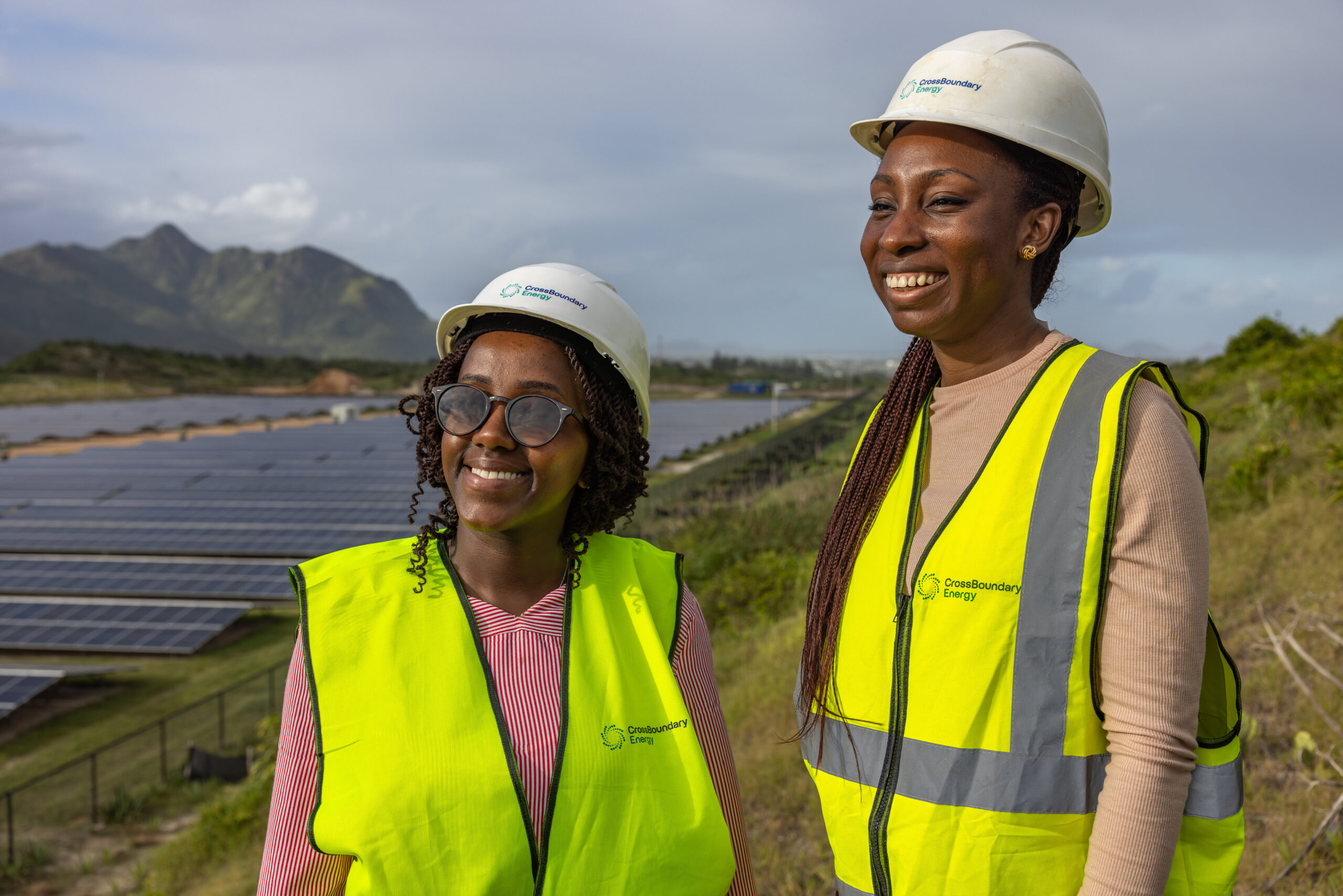
Senior ESG Manager, Maureen Kinuthia, and Head of ESG, Ifeoma Dika, visiting a solar plant in Madagascar.

Over the past year, CrossBoundary Energy has successfully grown its awarded portfolio to around US$680M across 18 African countries, comprising 500 MW of solar, wind, and thermal assets and over 600 MWh of battery energy storage solutions. The portfolio features large-scale renewable-led hybrid power plants for mines, rooftop and ground-mount solar PV plants for industrial clients, and distributed solar PV and battery power solutions for telecommunications sites.

“The need for innovative energy solutions in Africa is growing rapidly. CrossBoundary Energy is a leading provider of solutions that are poised to bolster clean energy capacity and job creation on the continent,”

Rivhatshinyi Mandavha

Senior Investment Manager at Norfund

Solar Array at Rio Tinto QMM Mining Operations, Fort Dauphin, Madagascar.

“Norfund’s investment signifies a strong vote of confidence in CBE’s capability to meet the increasing demand of commercial and industrial customers for affordable, clean, and reliable power – the backbone of powering sustainable growth in key industries and economies across Africa.”

Muna Yuusuf, Associate Principal at CrossBoundary Energy

Norfund and KLP invest NOK 1.1 billion in power grid development in India

The Climate Investment Fund and KLP are using the climate summit in Baku to announce a billion-dollar investment in a new platform for power grid development and energy storage in India.

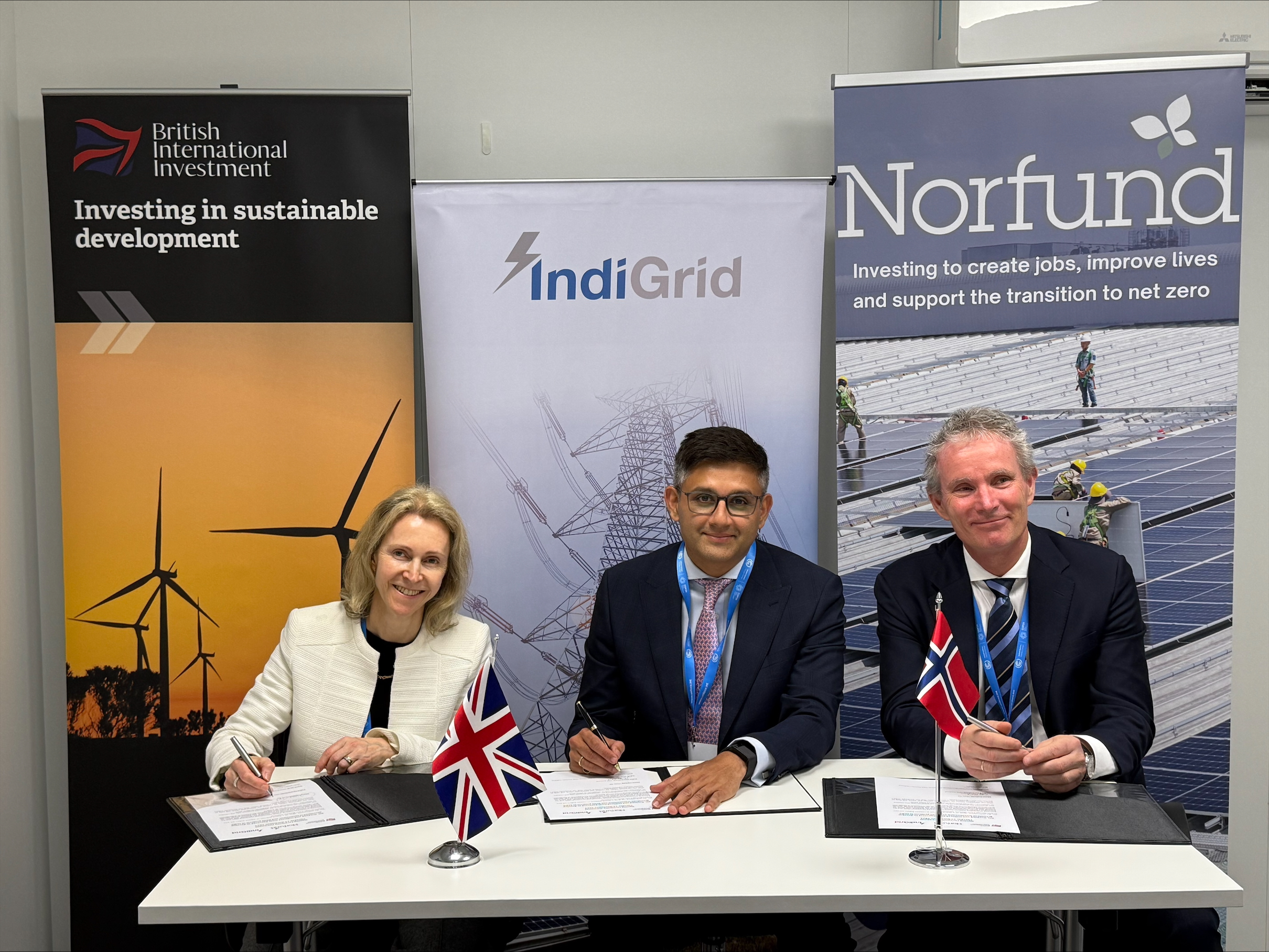
The partnership was signed at COP 29 with (from left) Diana Layfield, Chair, British International Investment, Harsh Shah, CEO, IndiGrid and Tellef Thorleifsson, CEO, Norfund.

“The investment is a good example of the type of international cooperation we need going forward to address climate challenges,” says Development Minister Anne Beathe Kristiansen Tvinnereim, who is representing Norway at the UN Climate Conference in Baku.

Climate financing and support for developing countries are key components of the cooperation under the Paris Agreement and a central focus of this year’s climate summit, nicknamed the “Finance COP.” A crucial factor is mobilizing more private capital through profitable investments. The Climate Investment Fund, managed by Norfund since 2022, is Norway’s most important tool for contributing to this effort.

“There will be no energy transition without investments in energy transmission. To succeed in replacing coal with solar and wind, we need both better grids and more storage. It is crucial that we succeed in mobilizing private capital for these types of investments, as the Climate Investment Fund is doing here,” says Tvinnereim.

170,000 kilometers of power grid needed

A new IEA report warns that up to 15% of global solar and wind power production may remain unused by 2030 without increased investment in grids and storage.

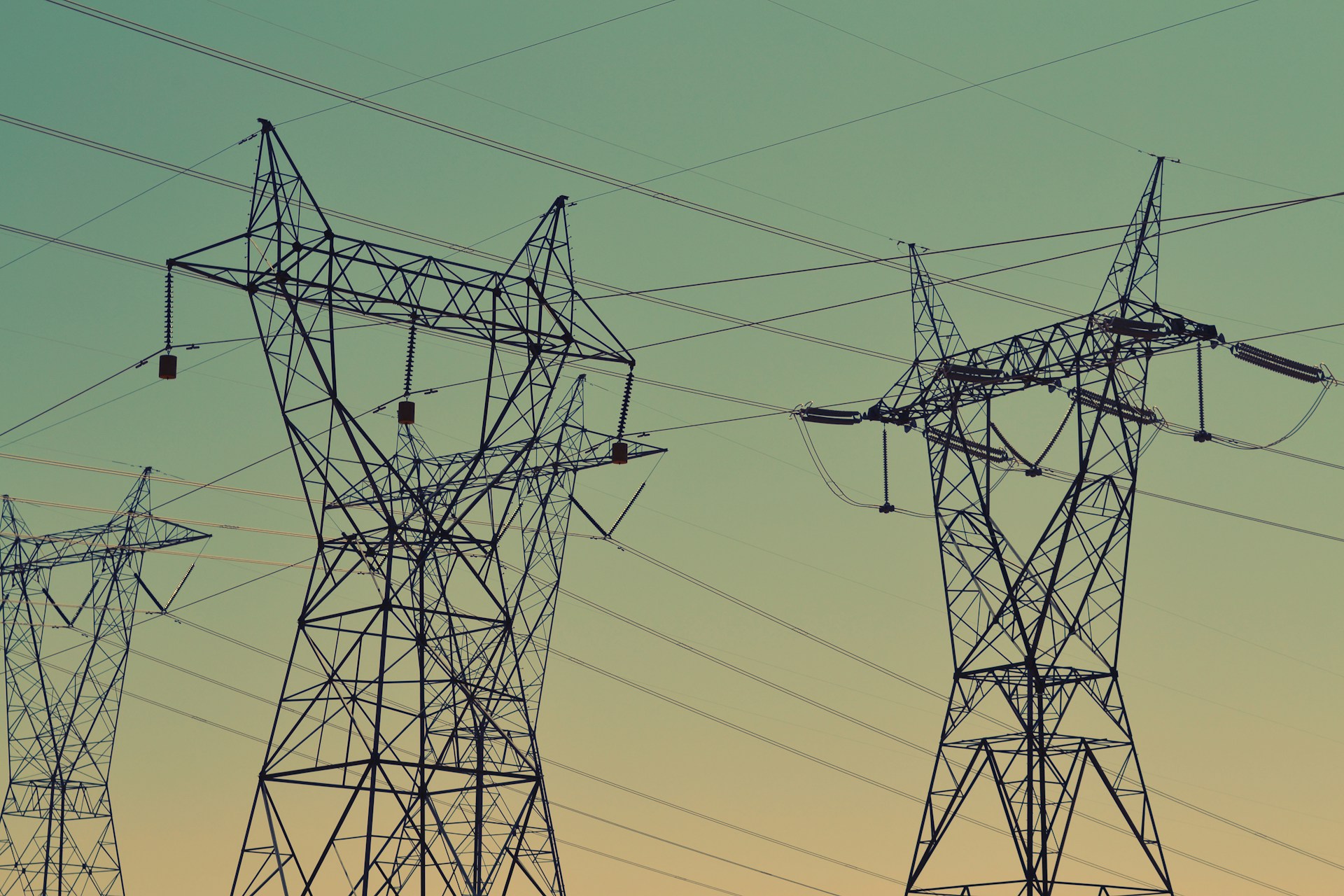
India is among the countries where the need for such investments is particularly pressing. According to recent estimates from India’s Central Electricity Authority (CEA), the country will require 170,000 kilometers of transmission lines and 47 GW of energy storage capacity (BESS) over the next eight years to integrate increased renewable energy production.

India is set to build as much new power capacity in the next 20 years as the entire EU has in place today (IEA).

“If India does not succeed in expanding its grid sufficiently, it will be impossible to meet this enormous demand with renewable energy, making it extremely difficult to mitigate the climate crisis,” says Tellef Thorleifsson, CEO of Norfund.

The new platform, EnerGrid, will focus on developing power grids and battery storage. The capital injected into the collaboration will enable EnerGrid to develop projects valued at approximately USD 1.2 billion over the coming years. Once commercial operations commence, the projects will be acquired by IndiGrid at a pre-agreed enterprise value.

KLP brings in private capital

KLP, Norway’s largest pension company, has made several investments alongside Norfund, including through the joint investment venture KNI India AS, where Norfund holds 51% and KLP 49%.

KNI India is now investing NOK 1.1 billion (USD 100 million) to establish a new platform for investments in power grids and storage in India. The investment is being made in collaboration with British International Investment (BII), Norfund’s British counterpart, and IndiGrid, one of India’s leading power sector investors, each contributing USD 100 million.

“We firmly believe this project will generate strong returns for KLP’s owners while delivering significant benefits for the global climate,” says Sverre Thornes, CEO of KLP.

Since its inception in 2022, the Climate Investment Fund has achieved an impressive annual return of 24.4% (IRR) in investment currency (20.4% in NOK).

“To successfully mobilize private capital, it is essential to develop profitable investments. While these return figures reflect a short period and we expect them to decrease somewhat over time, both the numbers and KLP’s experiences demonstrate that climate investments can deliver an acceptable risk-adjusted return over the long term,” says Tellef Thorleifsson, CEO of Norfund.

More about energy in India

  • India will, over the next 20 years, build as much power generation capacity as the entire EU has installed today.
  • Investments in coal in India increased by 5% in 2023 and are projected to rise by 10% in 2024 (IEA).
  • The increase in India’s coal emissions alone last year amounted to 148 million tons of CO2—three times Norway’s annual emissions (IEA).
  • India requires $12.4 trillion in investments to achieve net-zero emissions before 2070, according to the “New Energy Outlook for India” by BNEF.
  • India aims to reach 500 gigawatts of clean energy capacity by 2030. This will require annual additions of more than 40 gigawatts, three times the average annual deployment over the past five years, according to Bloomberg.
  • Coal accounts for 56% of India’s energy mix.

First direct investment in Indonesia

The Norwegian Climate Investment Fund, managed by Norfund, announces its first direct investments in renewable energy in Indonesia, a country heavily reliant on coal. The investments, totaling 29.6 million USD, are part of Norway’s contribution to a just energy transition in the country.

The announcements coincide with an official visit of the Norwegian Minister of Energy, Terje Aasland, to Indonesia.

“Norway and Indonesia have had close energy cooperation over the past thirty years. The Climate Investment Fund contributes to further strengthening this collaboration. Norfund has extensive experience with investments in renewable energy in developing countries, Tinfos brings important expertise in hydropower, and together with Indonesian partners, they will contribute to both energy security and reduced emissions in the country”, says Terje Aasland, Norwegian Minister of Energy.

Norway contributed along with the G7 countries, the EU and Denmark, to a Just Energy Transition Partnership (JETP) with Indonesia during its G20 presidency in 2022. The partnership aims to mobilize USD 20 billion to accelerate Indonesia’s energy transition, of which half should be through mobilized private finance. Norway’s contribution was a pledge that up to 250 million USD could be invested by the Climate Investment Fund in the country.

“The purpose of the Climate Investment Fund is to invest in emerging markets that have a high dependency on coal, and Indonesia is one of the countries where we can make a substantial impact. We are happy to announce our first investments in the country”

Anders Blom, SVP Renewable Energy in Norfund

While the Climate Investment Fund invested in a regional fund that also covers Indonesia earlier this year, today’s announcement marks the commencement of direct investments in the country through three new partnerships: rooftop solar, combined solar and battery, and a hydropower project.

“The energy transition in Indonesia presents challenges. The country has vast fossil resources and comprises numerous islands that are not connected by a national grid. Nevertheless, we recognize the potential impact of investing in smaller, decentralized renewable energy projects”, says Blom.

The new investments are expected to avoid emissions of almost half a million tons CO2e annually.

130 years of Norwegian experience in hydropower

The Norwegian hydropower-company Tinfos is one of the actors now entering a partnership with Norfund with the aim of developing hydropower in Indonesia. Even though the beginning is modest, the ambitions are substantial.

The Norwegian company entered the Indonesian market in 2007 and have since developed and built smaller hydroelectric power plants in the country.

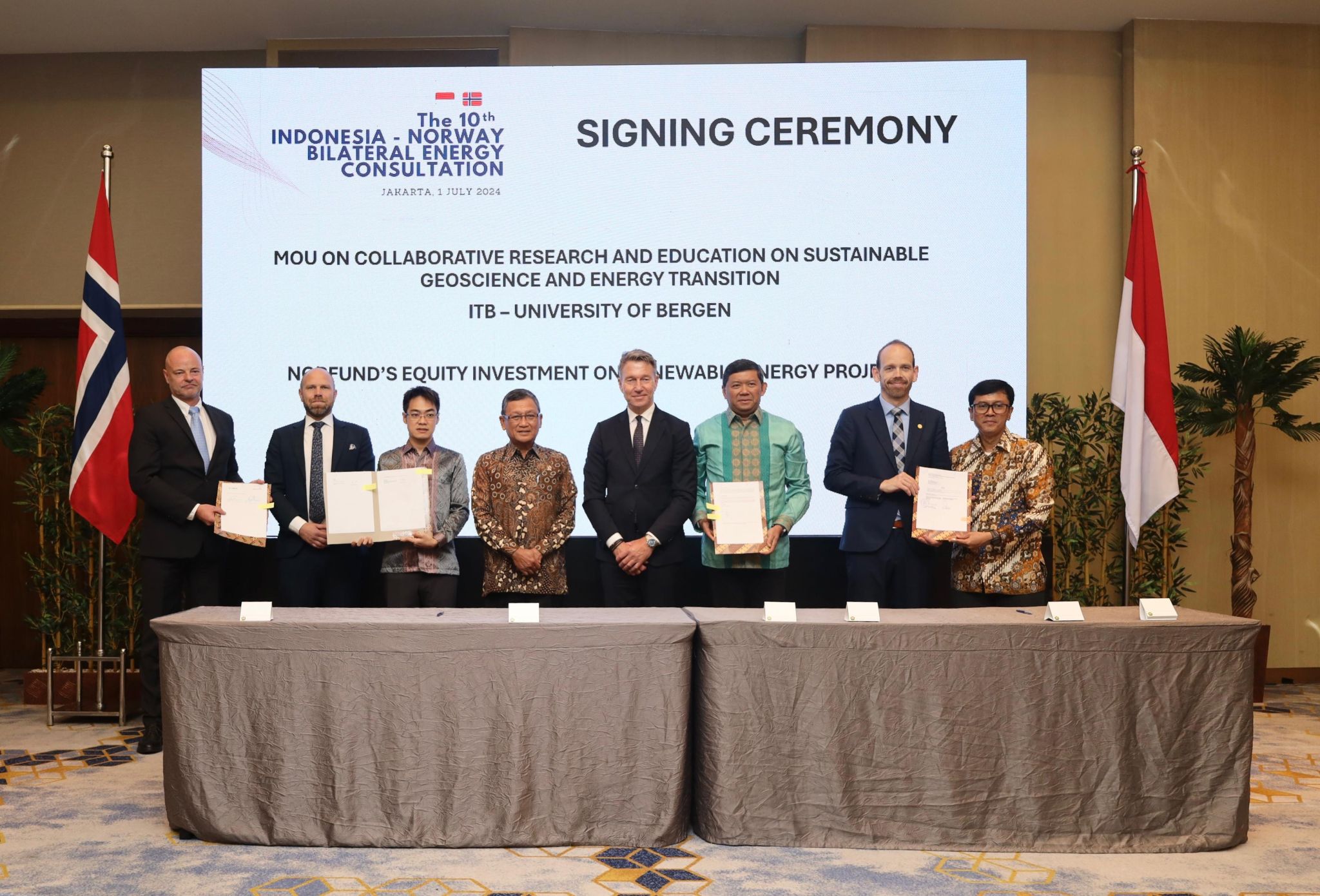
Terje Aasland, Norway’s minister for Energy, is in Jakarta to participate in the 10th Energy Dialogue between Norway and Indonesia, visit the JETP secretariat, and meet Tinfos and other Norwegian actors in the Indonesian market.

USD 24 million to develop rooftop solar energy

The Climate Investment Fund is investing 25 million USD in Xurya, a company that offers rooftop solar rental to commercial and industrial companies. By renting out the solar PVs, the businesses can overcome the high installation costs of adopting renewable energy, making it easier to switch from fossil to renewable energy supply. With the investments of Norfund and co-investors in this round, it is estimated that 370,000 tons of CO2e will be avoided annually.

One of the projects of Xurya in Indonesia

“Xurya is our very first direct investment in Indonesia with the Climate Investment Fund. We are looking forward to taking an active participation through this equity investment and partake in the further development of the company.”

Anders Blom, SVP Renewable Energy in Norfund

Complex electricity supply across 17,500 islands

Indonesia comprises of more than 17,500 islands with many remote islands not connected to a national grid. An ongoing initiative driven by the JETP, is modernizing the more than 4000 fossil-fueled mini-grids scattered across remote areas of the country.

Empat Mitra Indika Tenaga Surya (EMITS) is one of the companies planning to address this through a partnership with Norfund. The parties signed an agreement in Jakarta on July 1st. The plan is to build combined solar and battery storage facilities on remote islands. Energy storage plays a crucial role in ensuring stable and renewable electricity to residents and businesses at the islands.

“This project is in an earlier phase but holds a large potential that we look forward to explore through this partnership,” says Anders Blom.

EMITS targets to install up to 500 MWP of solar capacity by 2025 and has already established 60 MW installed base across key regions in the country.

Norway’s Climate Investment Fund to invest in SAEL to develop 3000MW clean energy

The new Norwegian Climate Investment Fund, managed by Norfund, is investing about 600 mill NOK (60 mill USD) in equity in SAEL, an Indian solar and agri waste-to-energy company. The investment will contribute to avoiding more than 2.8 million tons of CO2 emissions and improving air quality by reducing stubble burning.

Each year farmers in Northern India are forced to burn crop stubble in their fields to remove paddy residue, resulting in severe air pollution in the region.

SAEL has developed a business model where crop residues are used as fuel in waste-to-energy projects. SAEL is an emerging renewable company in India with presence across solar and agri waste to energy projects. SAEL is India’s largest agri waste to energy producer. SAEL currently has more than 20 projects both operating and under construction in solar and agri waste to energy space.

The new Norwegian Climate Investment Fund, managed by Norfund, announced at an event in New Delhi on 15 January that it is now investing equity in SAEL. The goal is to support the company’s ambition to grow its portfolio to 3GW over the next five years by adding 100MW of new biomass and 400MW of new solar capacity annually in addition to its existing portfolio of 600 MW.

Reducing air pollution and climate emissions while providing income to farmers 

Fine particle matter (PM 2.5) levels rise with the yearly burning of crop stubble contributes to some of the world’s worst air quality.1 High levels of PM 2.5 have been linked to health effects such as asthma and decreased lung function, and the burning of crop stubble also contributes to reduced soil quality, requiring increased use of chemicals which causes other health issues. 

“By collecting the crop stubble to be used as fuel in our waste-to-energy plants, we contribute to combat one of our nation’s greatest health issues, while at the same time creating local employment and extra income to farmers and local entrepreneurs. This partnership with Norfund will fast track implementation of these projects, making us one of the leaders in this space”, says Jasbir Awla, Chairman and Managing Director of SAEL Limited.  

The investment is estimated to contribute to the avoidance of more than 2.8 million tons of CO2 annually, based on the current Indian energy mix2.

“We are thrilled to be able to contribute with the necessary financing for SAEL to reach its ambitions and contribute to reduce climate emissions and local pollution, while contributing to meet India’s energy needs”  

Mark Davis, EVP Renewable Energy in Norfund

“This investment not only increases the access to clean energy and improves incomes for farmers but can also reduce stubble burning related air pollution. I am happy that Norway can contribute to this through our new climate investment fund,” says Norwegian Ambassador Hans Jacob Frydenlund.


1 Delhi’s average PM 2.5 concentration in 2019 was 98.6 micrograms per cubic meter (µg/m3).

2 Calculated using the “IFI Default grid factors 2021 v3.1” (Combined Margin for India): https://unfccc.int/climate-action/sectoral-engagement/ifis-harmonization-of-standards-for-ghg-accounting/ifi-twg-list-of-methodologies. Cleaner burning of agricultural waste is also likely to contribute to further reductions, but the methodology for such estimations is not confirmed. 

Read more about the Climate Investment Fund and India