Norfund matched record for investing in developing countries

Norfund invested just over 6.5 billion NOK in developing countries in 2023. This is as much as the record year 2022, despite the fall in the world’s total investments.
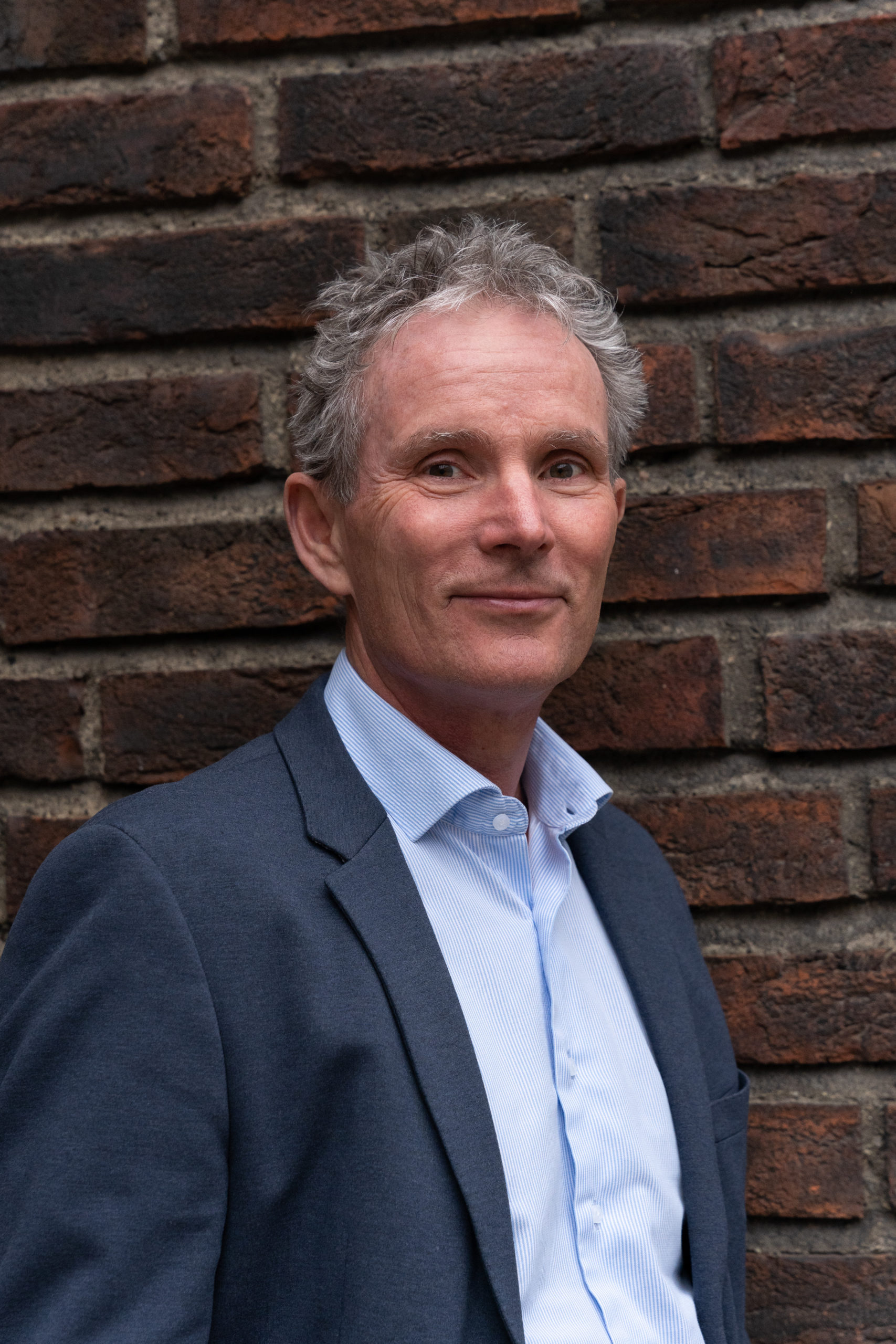
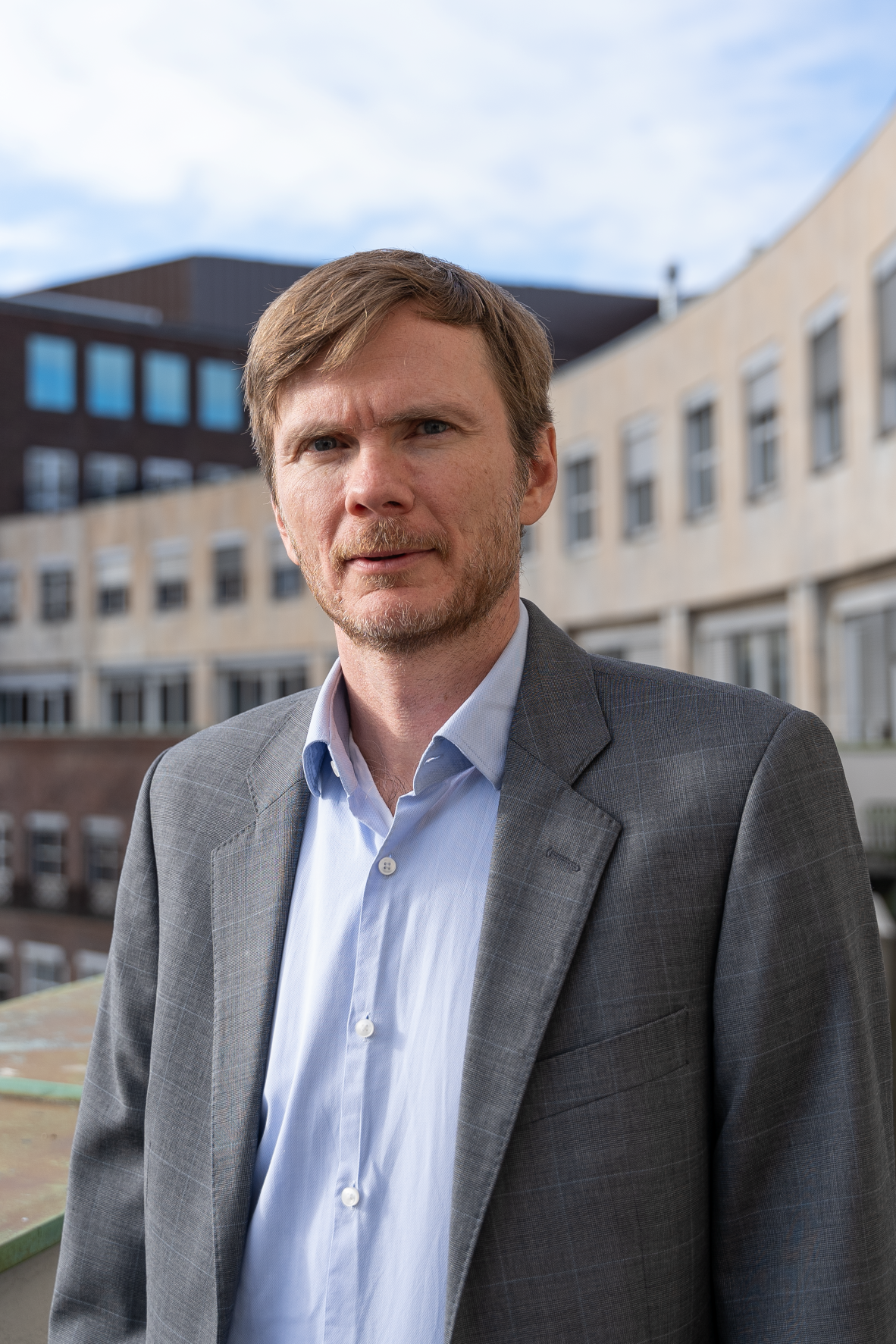
“We have succeeded in maintaining a high level of our contributions to creating more jobs in some of the most challenging countries where high risk makes many investors hesitant to invest,”

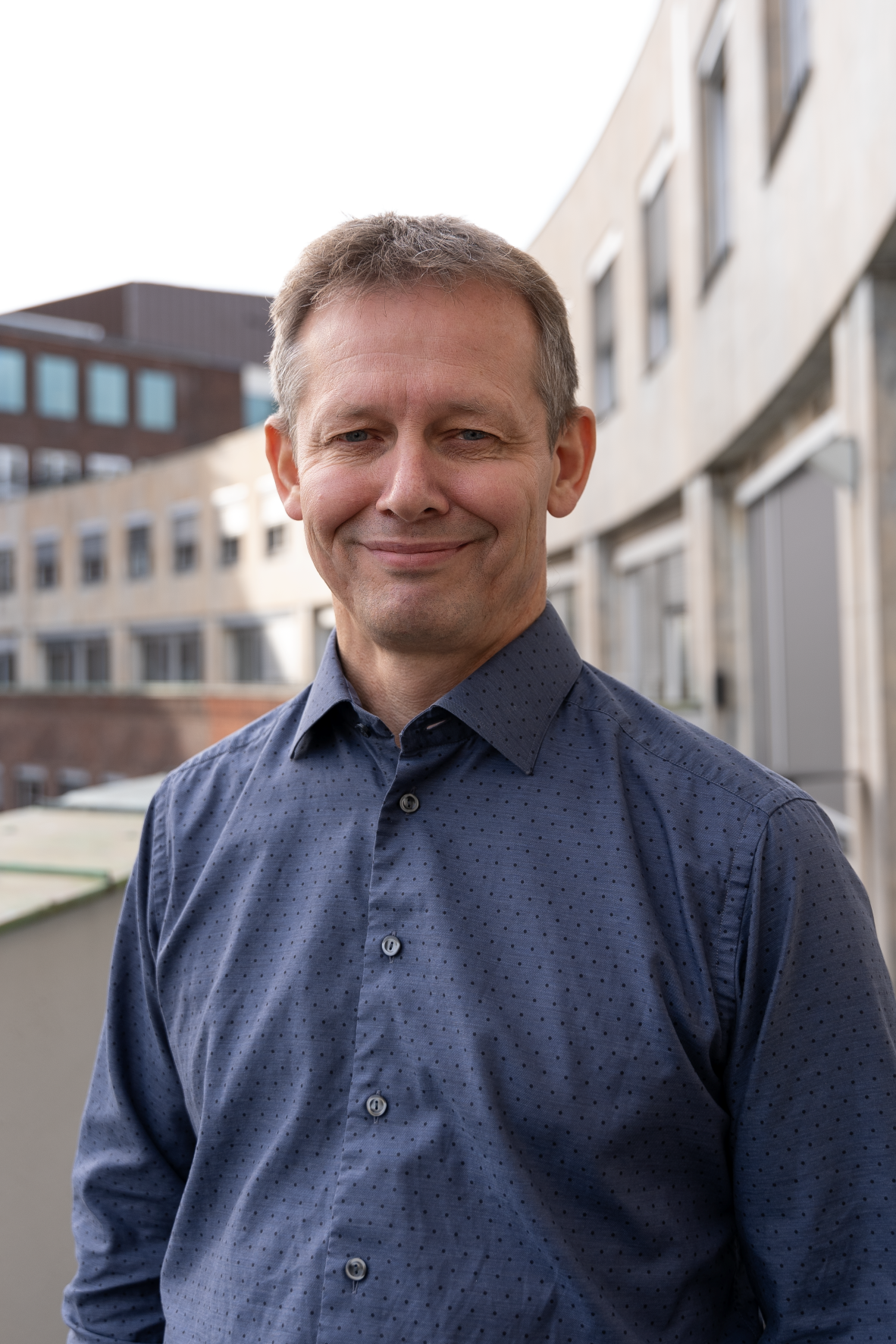
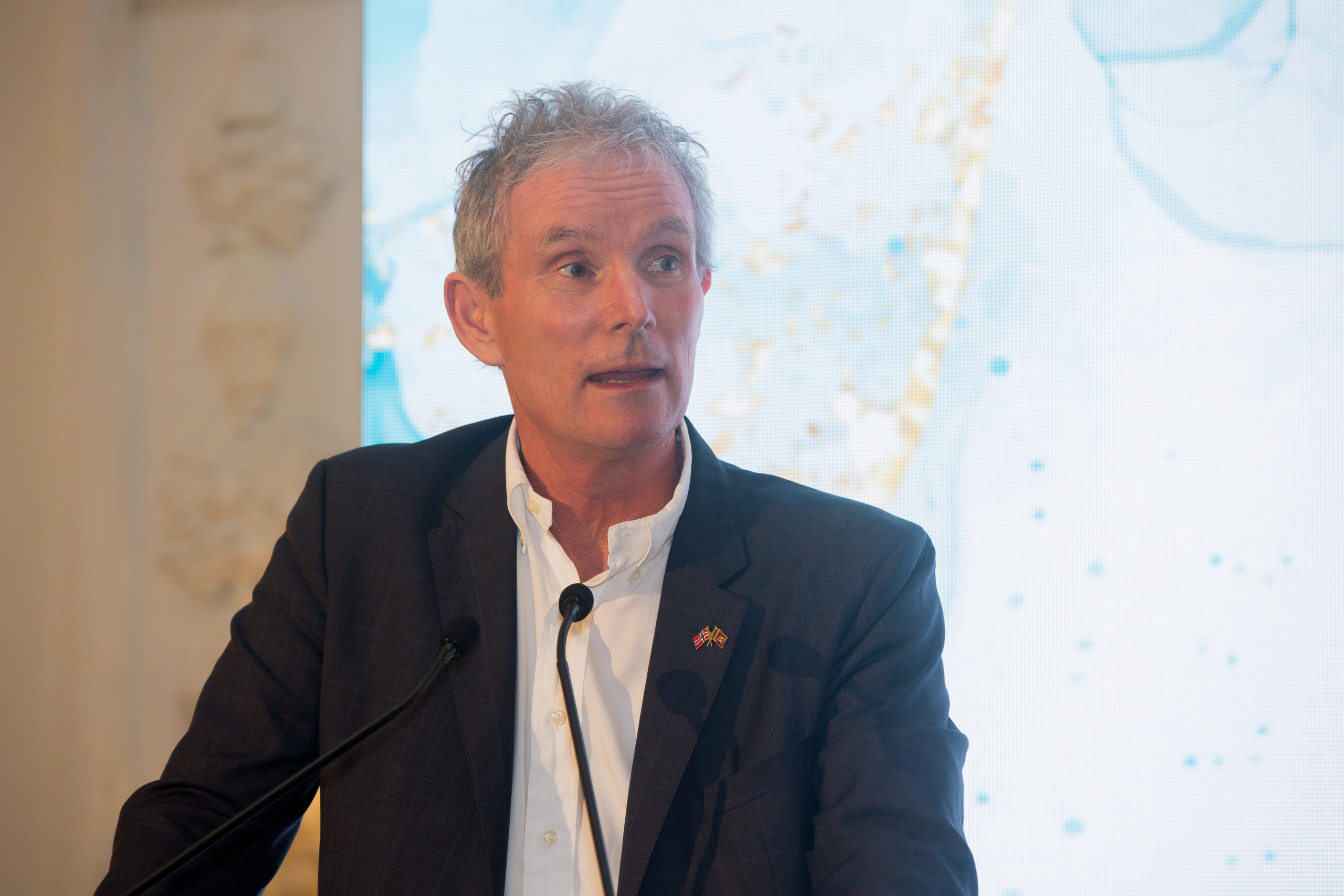
Tellef Thorleifsson, CEO in norfund

Total foreign direct investment to developing countries fell last year by 9% to $841 billion, with a drop of 12% in developing countries in Asia and 1% in Africa, according to a report by UNCTAD.

Norfund’s investments have seen steady growth in recent years, despite demanding times characterized by, among other things, the pandemic. In 2020, investments increased by 20%, in 2021 by 10% and in 2022 by another 20%. In 2023, the record level of 6.5 billion from the year was thus maintained. Norfund’s total committed portfolio was 36.2 billion at the end of the year.

Invests 2.5 times the amount transferred from the state

Over the past two years, Norfund has received 1.68 billion for the fund’s development mandate and one billion for the Climate Investment Fund over the aid budget. The total annual investments are now 2.5 times the amount transferred from the state budget, as a result of freed up funds from returns and sales.

– By investing instead of giving the money away, we mobilize private capital and use the same funds several times, so we can help fight more poverty and climate change, says Thorleifsson.

Norfund was given responsibility for the new Climate Investment Fund aimed at avoiding emissions in developing countries in 2022. In 2023, Norfund invested 1.6 billion over this mandate in renewable energy in countries with a particularly high proportion of fossil energy in existing and planned power production.

– The need for capital for renewable energy in these markets has grown further as a result of more expensive capital and high gas prices, and we see great opportunities to make a significant difference, says Thorleifsson.

Over half of the investments goes to Africa

Above the development mandate, Norfund invested a further 1.4 billion in renewable energy. Norfund invested 2.3 billion in companies within financial inclusion, 812 million in companies within agriculture and industry, and 412 million in local and regional funds that invest directly in companies.

51% of Norfund’s investments over both mandates in 2023 went to Africa, 34% to Asia and 16% to Latin America. Of Norfund’s total committed portfolio, 62% was in Africa at the turn of the year.

– Through investments that provide access to energy and capital, as well as direct ownership in companies, we see that we can contribute to fighting poverty in an efficient, sustainable and scalable way, says Thorleifsson.
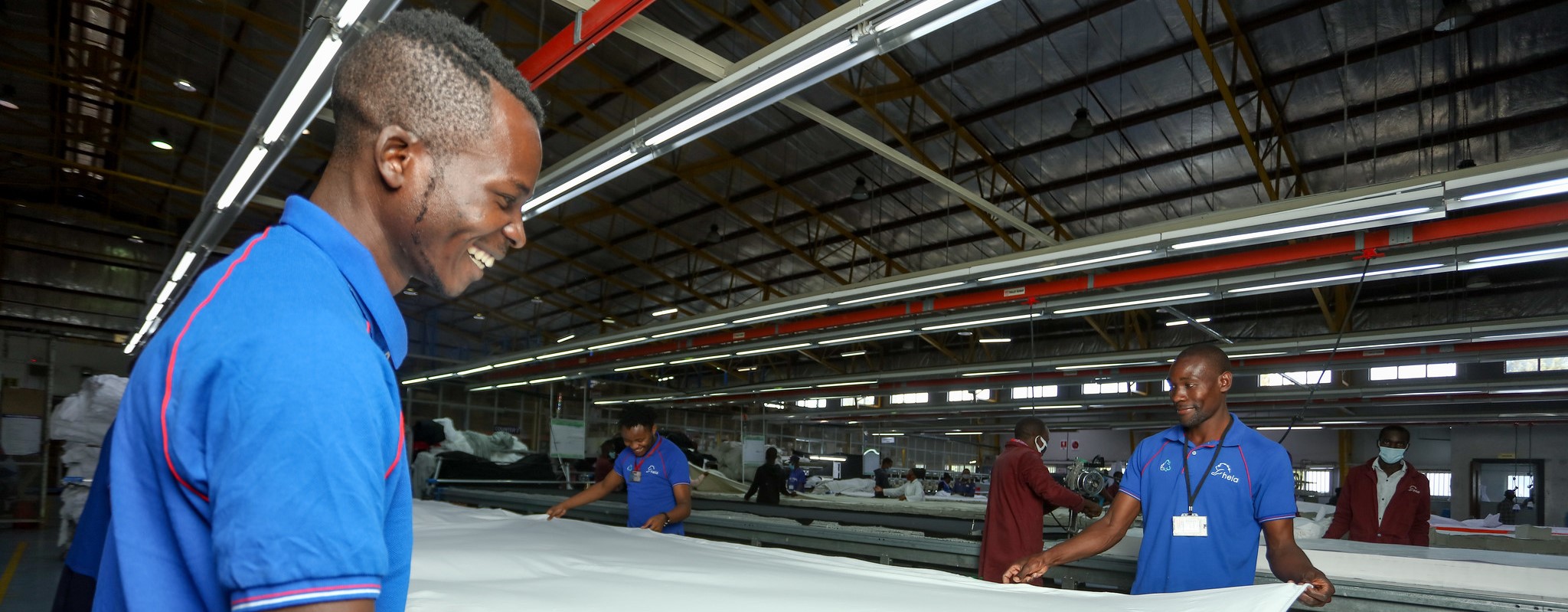
$98.7 million into new fund dedicated to growing African SMEs

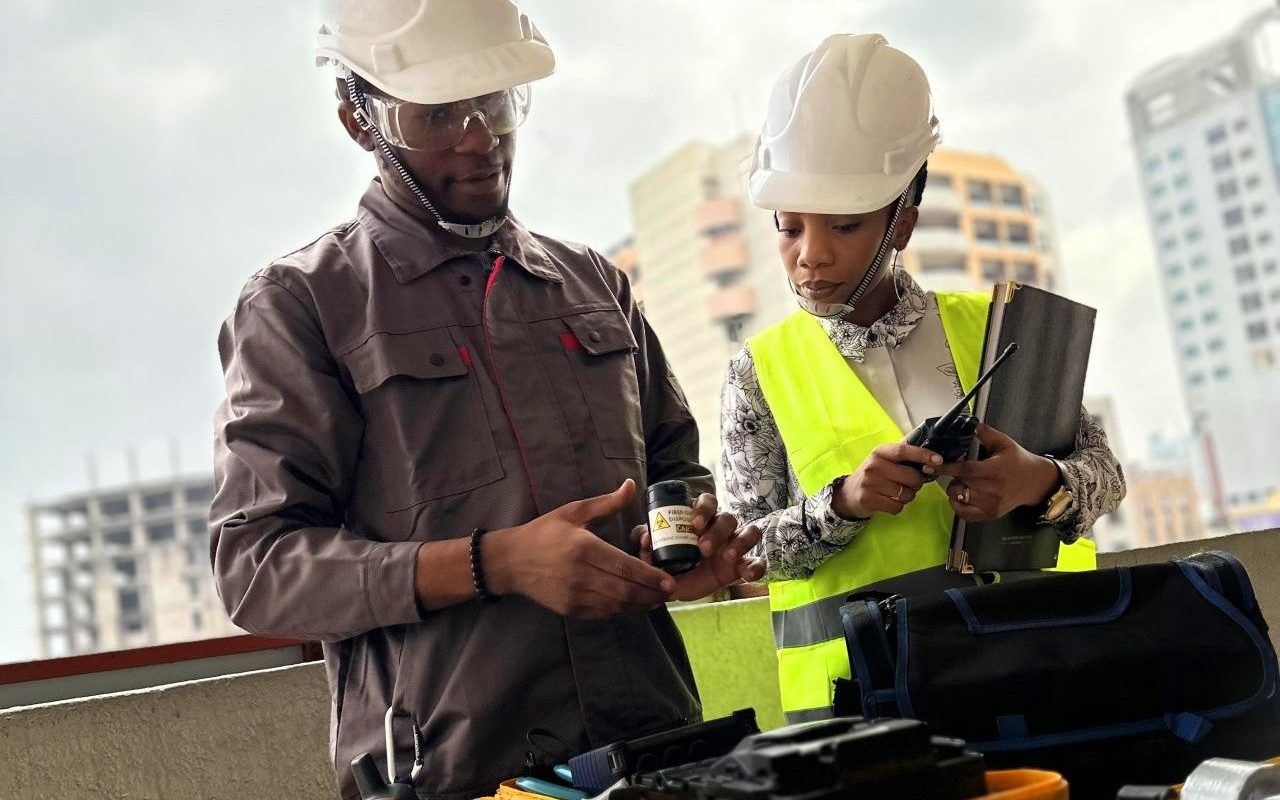
Norfund, alongside IFC and other DFIs, has committed $15 million to the frontier investor XSML Capital and their new fund – African Rivers Fund IV (ARF IV), bringing total commitments so far to almost $100 million. The investment will address the scarcity of capital towards the SME segment in frontier markets in Africa.

One of XSML’s investments: The engineering company Geek that works with connecting Congo DRC (with a population the size of Western Europe) to the internet.

XSML Capital manages several private equity funds in Central and Eastern Africa and provides scarce risk capital to small and medium sized companies that operate in frontier markets such as DRC, Uganda and Angola. XSML is now raising its fourth fund, which allows them to double their investments and expand into new markets such as Zambia.

XSML specializes in helping talented African entrepreneurs in growing their business into sustainable medium and large companies. They have a track record of scaling up over 75 SMEs and initiating more than 150 business improvement projects, with investments ranging from US$ 300k to US$ 10m.

SMEs, making up 90% of African businesses that contributes significantly to GDP and job creation, often lack access to capital needed for developing their business.

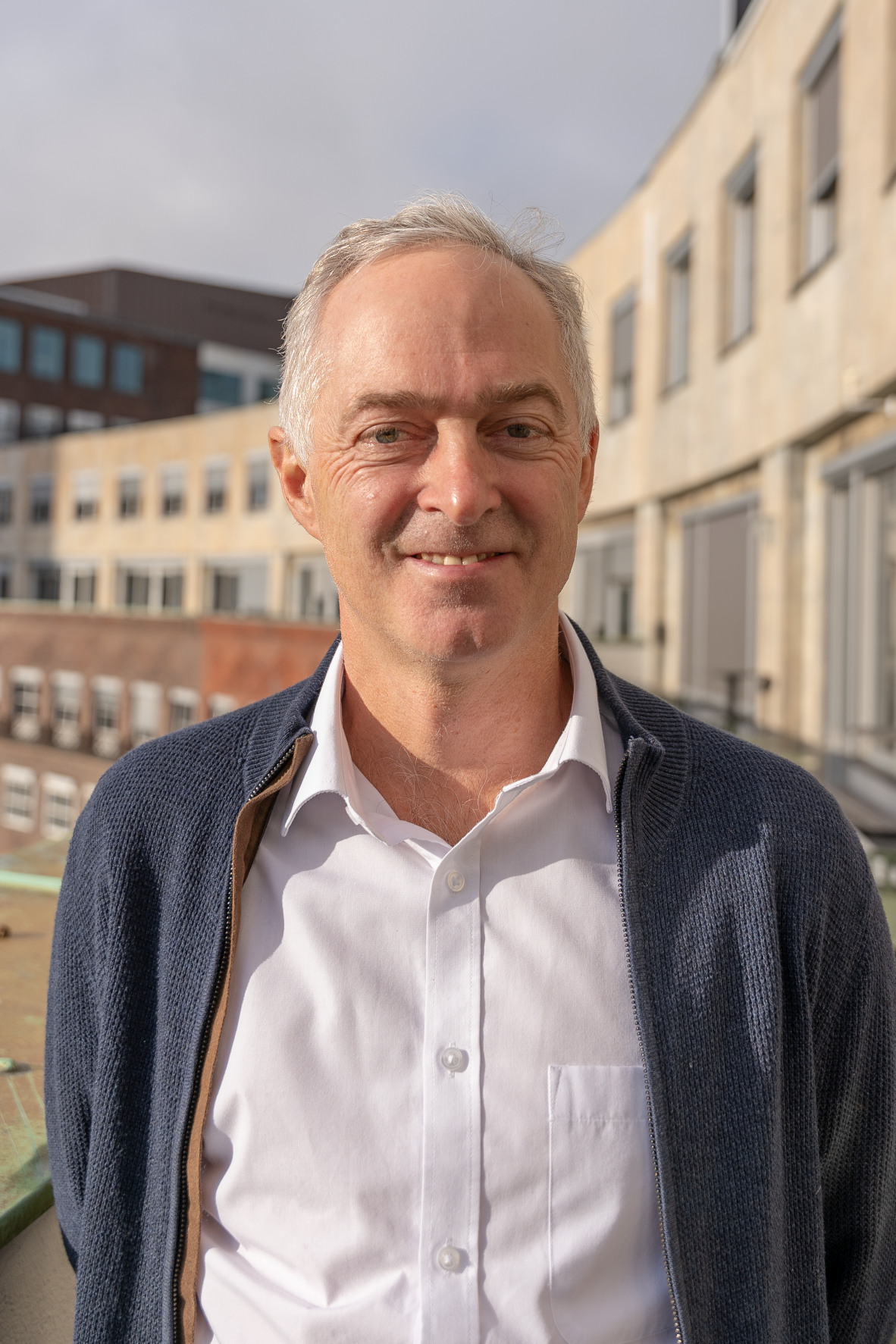
“By investing in the fund, Norfund aims to empower local entrepreneurs to provide much needed goods and services in some of the least developed countries in Africa, while creating and sustaining viable jobs,”

Vegard Halvorsen, Investment Director in Norfund

The investment is aligned with Norfund’s strategy of bridging the financial gap that hampers the growth of these businesses.

Norfund invests together with Swedfund, British International Investment (BII), Dutch Entrepreneurial Development Bank (FMO), SIFEM and the International Finance Corporation (IFC).

Norfund exits solar plants in Rwanda and Mozambique

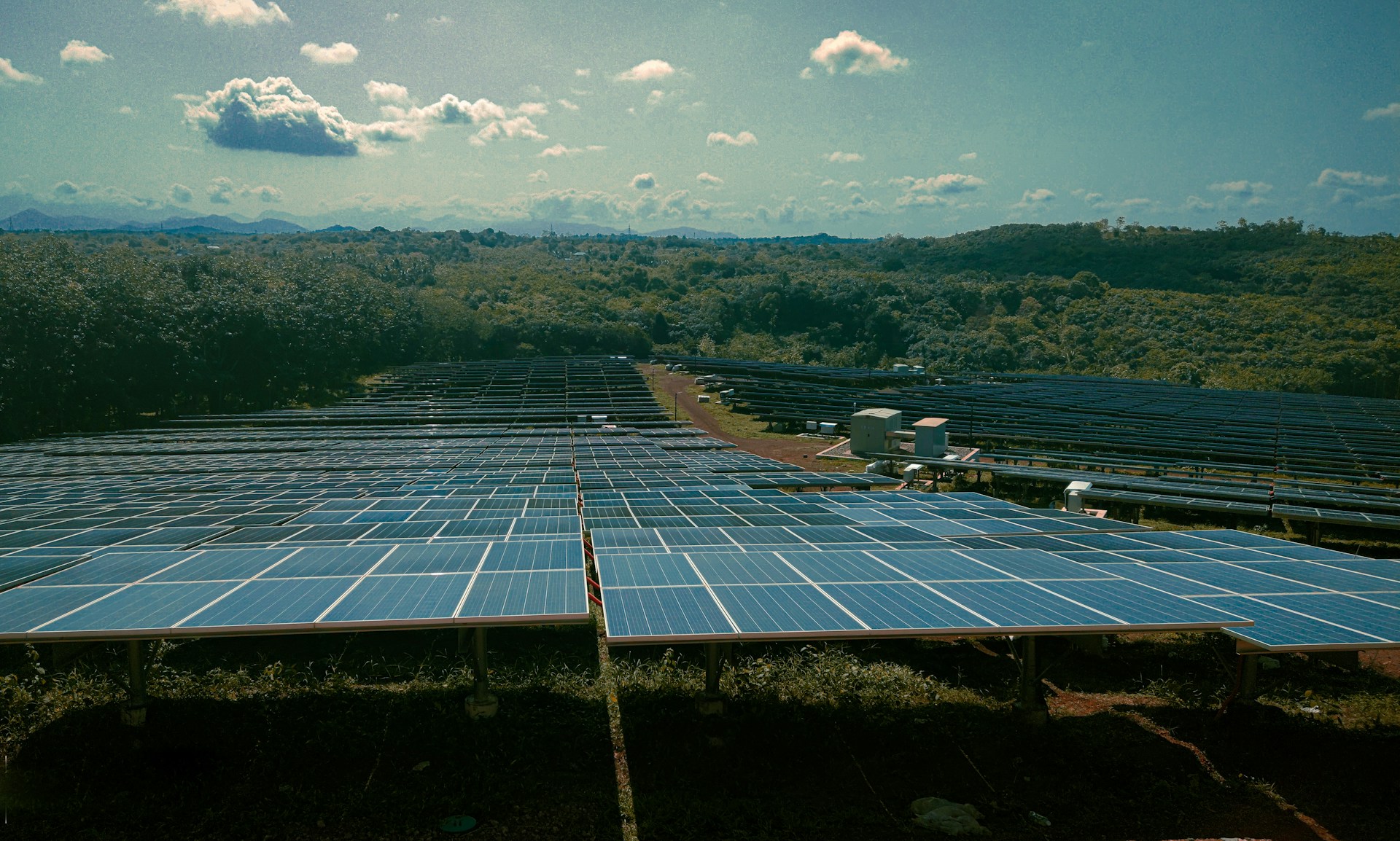
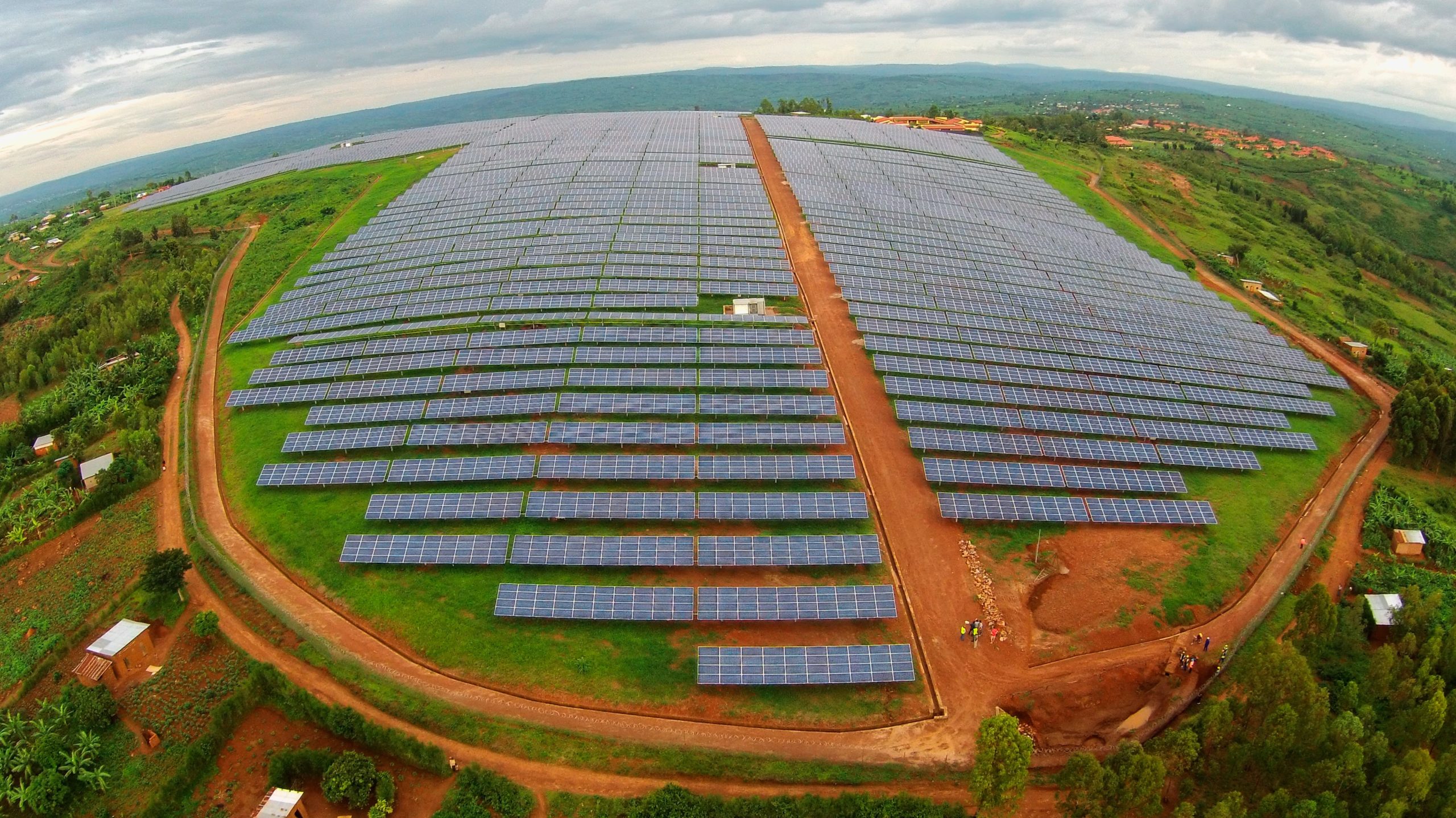
Norfund is selling its shares in two solar plants in Africa. The combined capacity is 48.5 MW.

The ASYV power plant in Rwanda. Photo credit: Scatec.

“This sale releases capital that we will re-invest where it can create the most impact in terms of fighting poverty and avoiding emissions.” Said Mark Davis, EVP for Renewable Energy in Norfund.  

The solar plant in Rwanda, the country’s biggest, was officially opened by then prime minister of Norway Erna Solberg in the summer of 2015. It was the first bigger commercial solar plant in East Africa, an important contribution in a country where diesel played a central part of the energy mix for the 15 percent of the population with access to electricity at the time.  

The plant in Mozambique was the first large solar power plant in the country when it opened in 2016. As in Rwanda, the Norwegian actors KLP, Scatec and Norfund collaborated. With the production of approximately 75GWh a year the facility generates electricity equal to the demand of 170.000 households annually.  

“We are proud to have played a role in making it possible to build these solar plants in South- and East Africa, that have each paved the way and given important experiences for the development of other projects in the region, both for us and others.”

Mark Davis, evp for renewable energy

The solar plant in Rwanda is being sold to the American company Fortis Green Fund I, Rwanda Holdings Ltd, and Axian Energy Green Ltd. The solar plant in Mozambique is being sold to Globeleq, a company owned by Norfund (30%) and British International Investment (70%). Scatec recently sold its shares in both plants as well.  

Investing in fertilizer based on green hydrogen in Uganda 

Norfund is partnering with Westgass and IPS in investing in fertilizers based on green hydrogen in Uganda. Strong industrial partners have set joint targets for the annual production of 200 000 tons of locally produced fertilizer, which will provide increased income and food security, without the greenhouse gas emissions usually entailed in such production.  

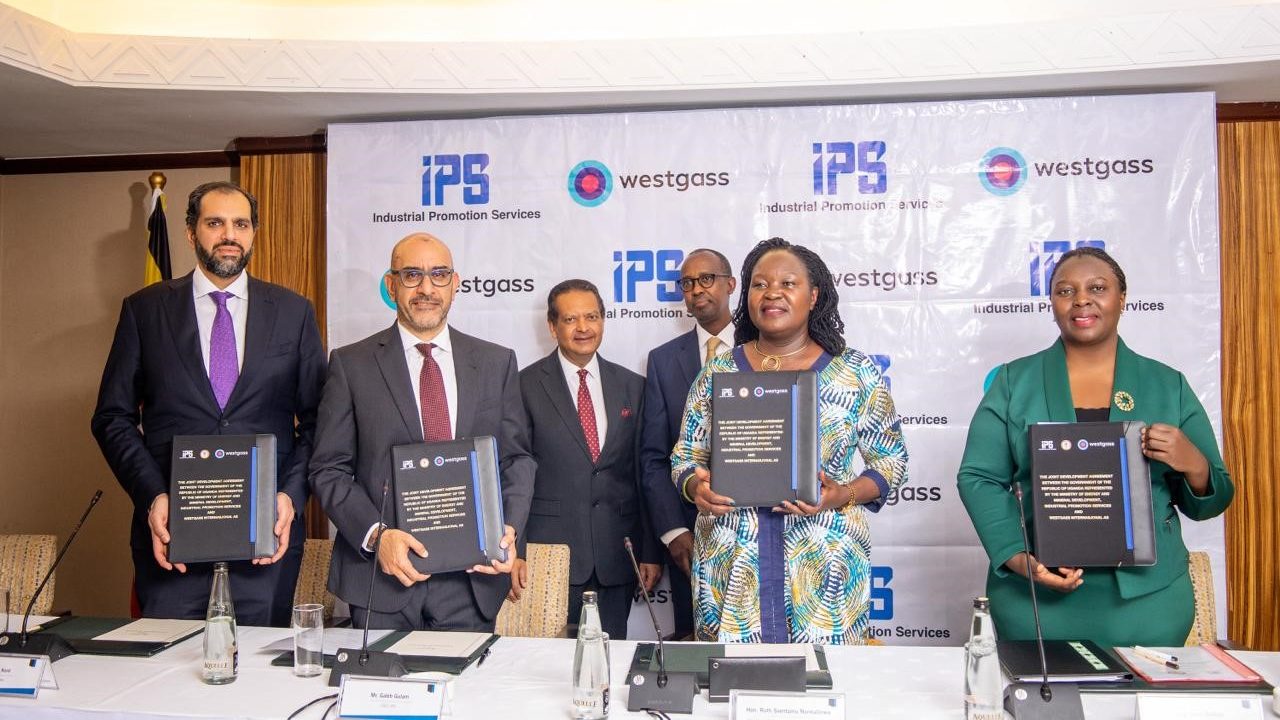
Kinar Kent, CEO Westgass; Galeb Gulam, CEO IPS; H.E. Ambassador Amin Mawji, Aga Khan Development Network; Mr. Odrek Rwabwogo, Chairman of PACEID; Uganda; Hon. Ruth Nankabirwa, Minister of Energy and Minerals Development, Uganda; Irene Batebe, PS of Energy and Minerals Development, Uganda.

In a pioneering effort, Industrial Promotion Services (IPS), the industrial and infrastructure development arm of the Aga Khan Fund for Economic Development, and Westgass Internasjonal, a Norwegian green energy company focused on accelerating the transition from fossil fuels through green hydrogen, have signed a joint development agreement (JDA) with the Government of Uganda, to develop a green hydrogen based fertilizer production facility, leveraging on the country’s abundant renewable energy resources. Norfund, the Norwegian Investment Fund for developing countries, is co-financing the project through a convertible loan, and the project has received grant funding from Norad, the Norwegian Agency for Development Cooperation. 

The project aims to produce 200 000 tons of fertilizer every year. Through an agreement on the supply of 100 MW of renewable energy from a local hydropower plant, the partners will produce green hydrogen through electrolysis. The green hydrogen is then combined with nitrogen (produced by an air separation unit) to produce green ammonia. This is further processed with dolomite or phosphates to produce calcium ammonium nitrate (CAN) and fertilizers based on nitrogen, phosphorus, and potassium (NPK), which are types of fertilizers already in use in the region.  

A green pioneer project 

The fertilizer that is currently used in Uganda and throughout the region is mainly imported. Natural gas-based production of mineral fertilizers is dominant in the world today and is a major source of GHG emissions. High import prices combined with lack of stable access to local fertilizer makes it hard to develop the local agriculture in the region.  

“By establishing local production of sustainable fertilizer, Uganda will be able to become a pioneering country when it comes to adopting green technology, which will ensure economic growth and stimulate local food production while avoiding over 200 000 tons of CO2 per year,” says Kinar Kent, CEO of Westgass.  

Access to fertilizer at a reasonable price increases income and food security 

Norad has supported the project through a grant. Norfund is initially investing in the project through a convertible loan under the Frontier Facility, aimed at early-phase investments, but aims to invest further as the project develops. Norfund’s goals is to create jobs and improve lives by investing in sustainable businesses. This project will create 300 direct jobs, but have much larger ripple effects.  

“We see an enormous potential in increasing the yields of the farmers in the region and thereby providing increased income and food security, without increasing GHG emissions,”

Tellef Thorleifsson, CEO in Norfund

Uganda’s consumption of fertilizer is between 0,23 and 1,5 kg/hectare, far below the average of 8 kg/hectare in sub-Saharan Africa, and only around 24 percent of agricultural households in the country use mineral fertilizers, according to the FAO. Imported fertilizer is expensive, which makes it more difficult to increase its use, and the price has increased further because of increased gas prices following Russia’s invasion of Ukraine.  

“A local production facility for mineral fertilizer will reduce costs and provide greater opportunities to use fertilizer to increase yields, while at the same time reducing the environmental impact,” says Kent.  

Solid partners combine industrial expertise and local experience 

Norwegian Westgass Internasjonal is the international project development arm of Westgass Hydrogen, a green energy company that focuses on accelerating the transition from fossil fuels in Europe and emerging markets. IPS is the industry and infrastructure development arm of the Aga Khan Fund for Economic Development and has 60 years of experience with industry and infrastructure in Africa.  

Uganda is classified by the OECD as a “Least Developed Country” (LDC).  

“This is a pioneering project in an early phase, and carrying out such a project is a huge boost in a country like Uganda. However, with such strong partners who combine industrial expertise with local experience, we believe this project will create great opportunities that eventually can be scaled up further,” says Thorleifsson. 

Foto: Ken Opprann

Launch of the world’s first climate-focused guarantee company

Norfund is investing in the world’s first climate-focused guarantee company. It aims to unlock billions in climate finance for developing countries by providing guarantees for institutional investors buying green bonds issued and listed on the London Stock Exchange (LSE) and green loans issued in the private credit market. 

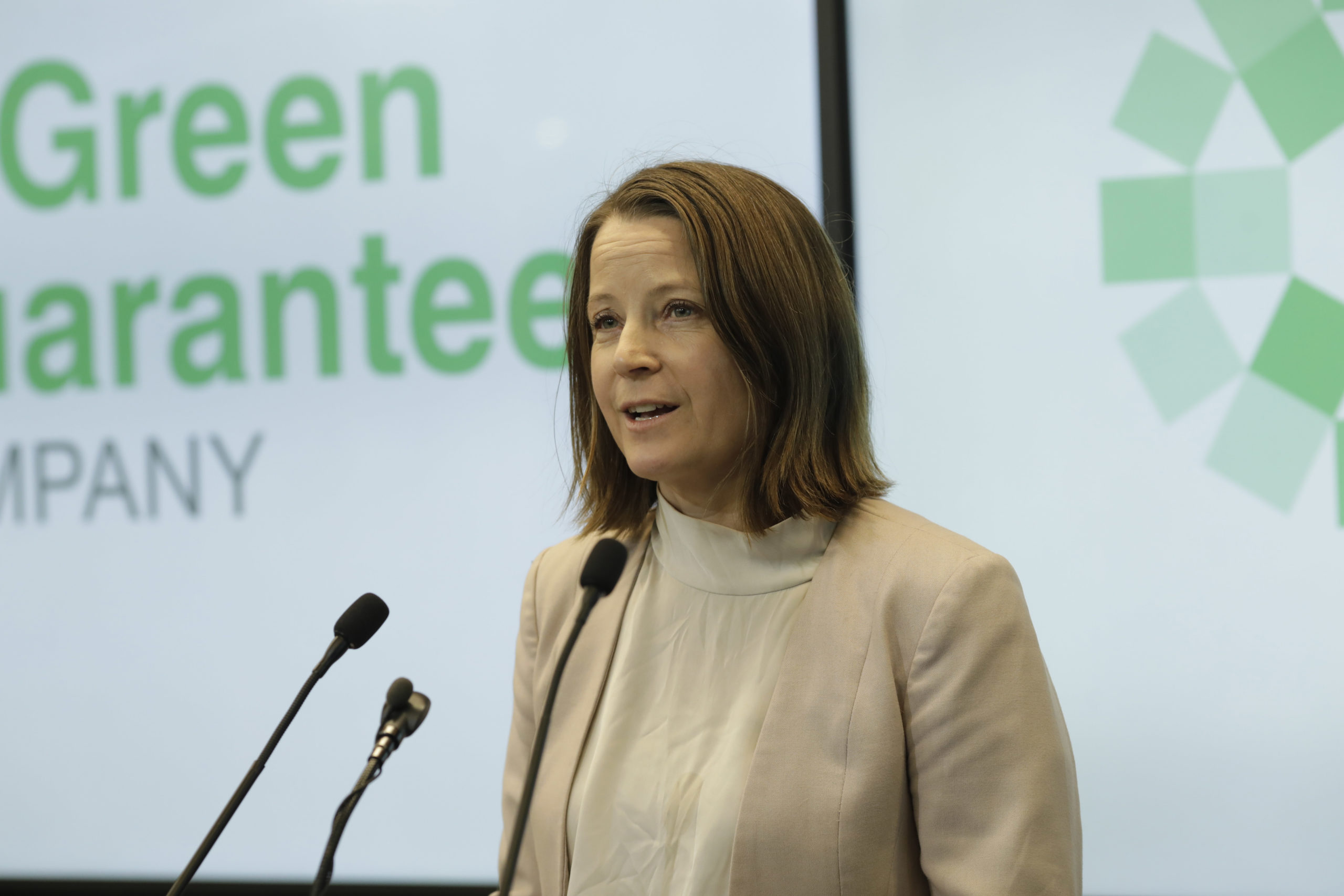
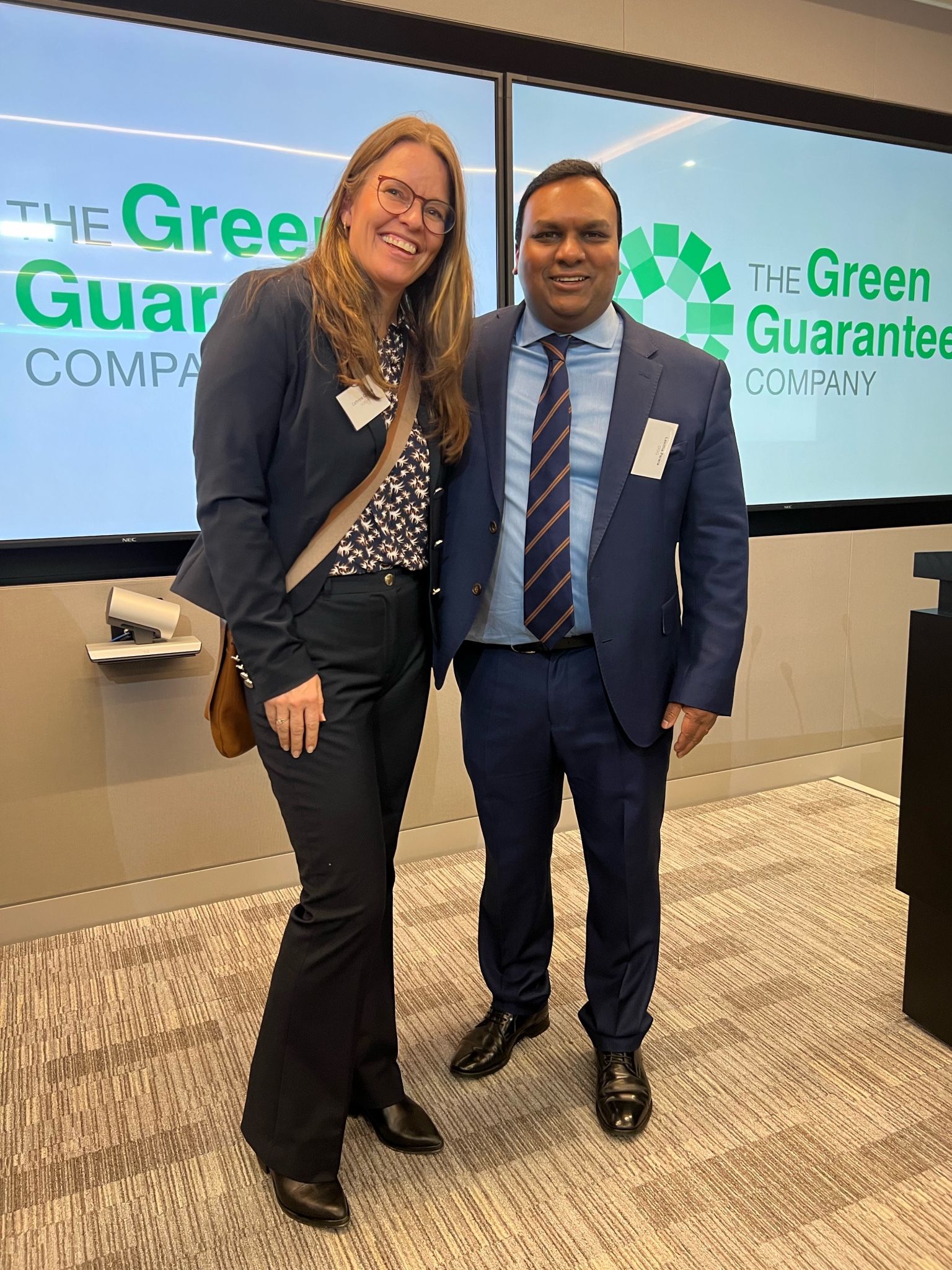
Ylva Lindberg, EVP in Norfund, at the launch of Green Guarantee Company at the London Stock Exchange.

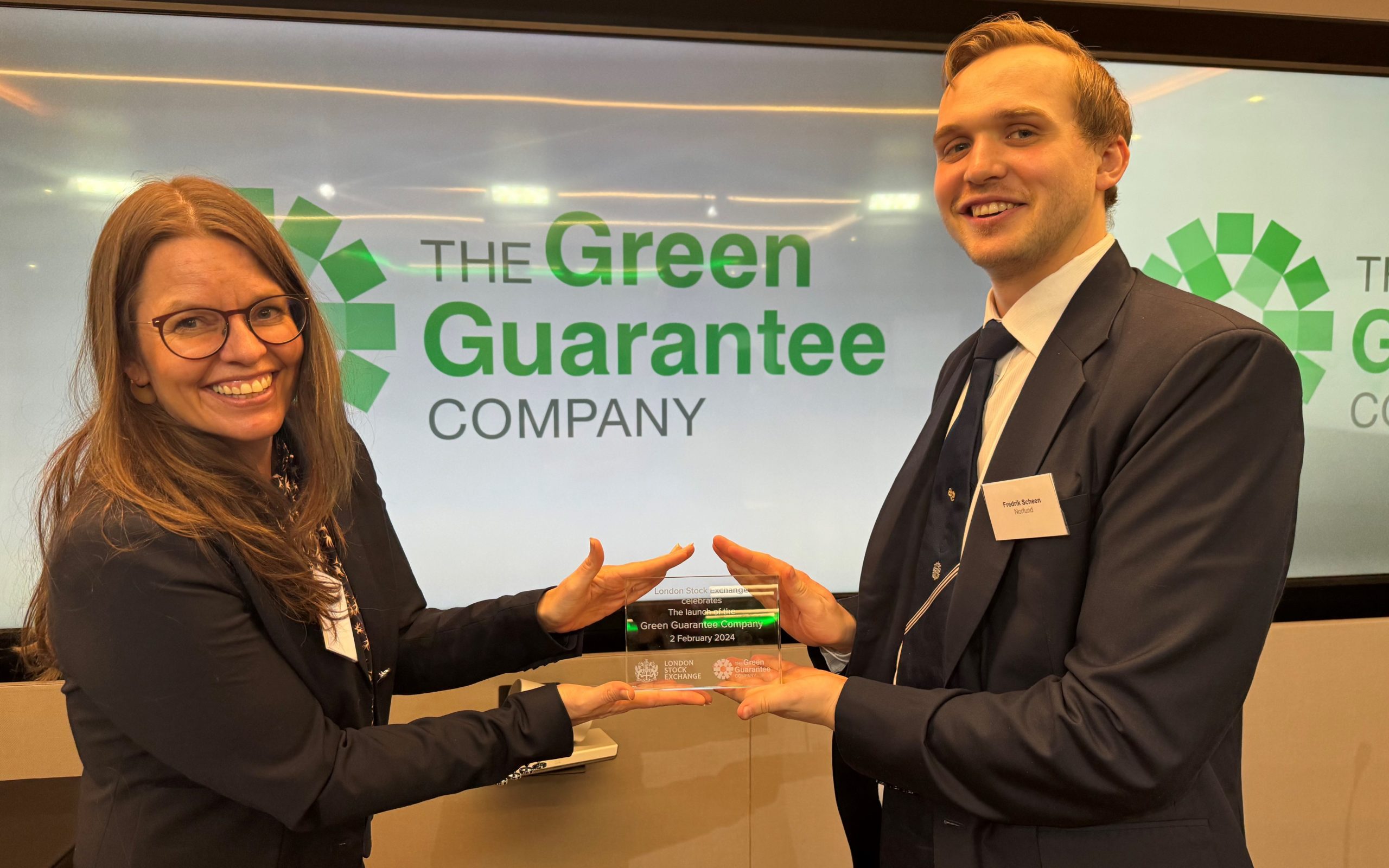
The Green Guarantee Company (GGC), developed by the Development Guarantee Group, which was co-founded with Cardano Development, celebrated the launch of its operations with a Market Closing Ceremony at the LSE this past Friday. GGC will use guarantees to help borrowers in developing countries improve their credit ratings to access global capital markets like the LSE. 

“The Green Guarantee Company will use guarantees to help businesses in developing countries improve their creditworthiness so that they can access global capital markets,”

Cathrine Kaasen Conradi,
Investment Director at Norfund

In addition to Norfund, the company is receiving capital from the United Kingdom’s Foreign Commonwealth & Development Office (FCDO) through its MOBILIST programme, the Green Climate Fund, the Nigeria Sovereign Investment Authority (NSIA), and the United States Agency for International Development (USAID) with Prosper Africa. Norfund’s investment is USD 5 million.  

“The enormous need to scale up climate financing in developing countries makes it crucial that we use public funds in a way that mobilises more private capital. Norfund is our most important tool for contributing to this, and I am pleased that they are helping to develop new innovative solutions,” says Anne Beathe Tvinnereim, Minister for International Development.  

GGC will leverage an initial $100 million from these investors to provide up to $1 billion of guarantees underpinned by an investment grade rating of BBB/Stable from Fitch Ratings. Initially, it will focus on private credit and the LSE green bond market but plans to expand to other major exchanges. It will seek to raise additional capital from the private sector as it scales its operations, targeting a guarantee capacity of $5 billion or more by 2035.  

Cathrine Conradi and Fredrik Scheen from Norfund at the launch.

GGC’s cover will prioritize green infrastructure, renewable resources, alternative energy, and clean transportation. Guarantees will be prioritized for issuers from countries eligible for official development assistance in Africa, Asia and Latin America, including India, Indonesia, Brazil, Bangladesh, Philippines, Egypt, Vietnam, and Kenya. 

Guarantees are pivotal to enable developing countries to access long-term hard currency debt financing to combat climate change. By helping to improve the credit ratings of assets to above investment grade, guarantees enable borrowers in developing countries to access a far bigger pool of capital at a lower cost. 

GGC also plans to support borrowers in delivering a high standard of reporting on the climate impact of the green bonds and loans it guarantees. The company will work with issuers to build their capacity to deliver quality and consistent reporting to help make green bonds and loans from developing countries an attractive asset class deserving of larger allocations in global climate debt portfolios. 

Africa’s biggest solar- and battery facility now operational

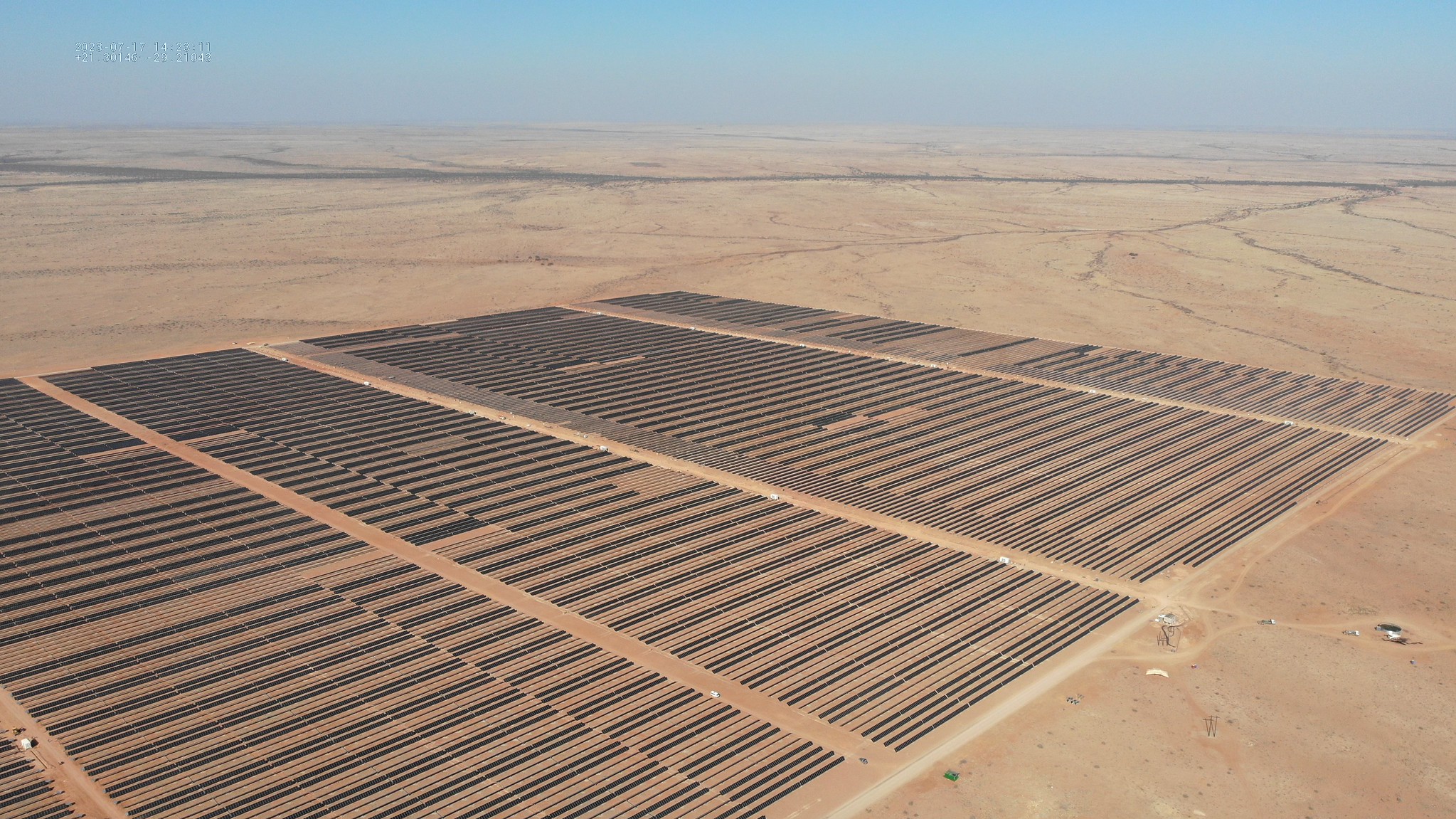
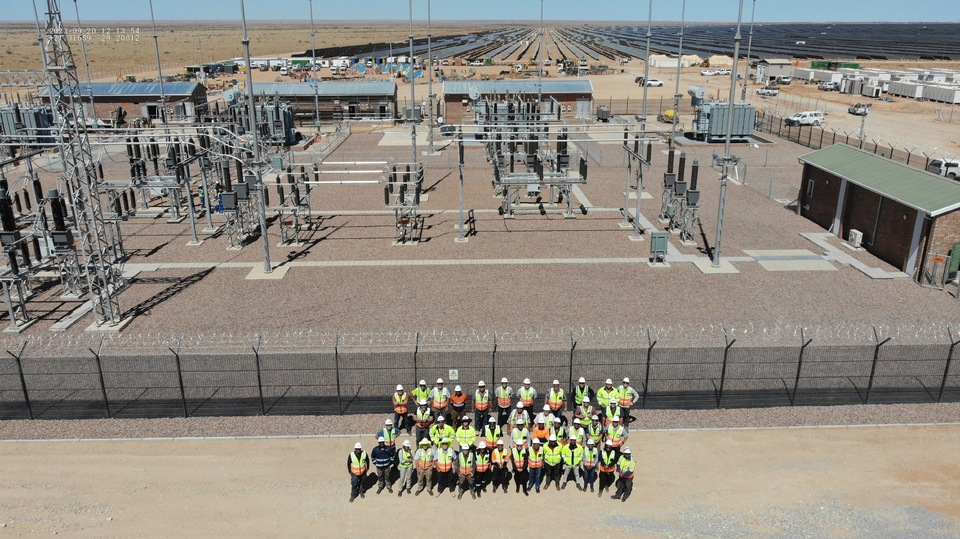
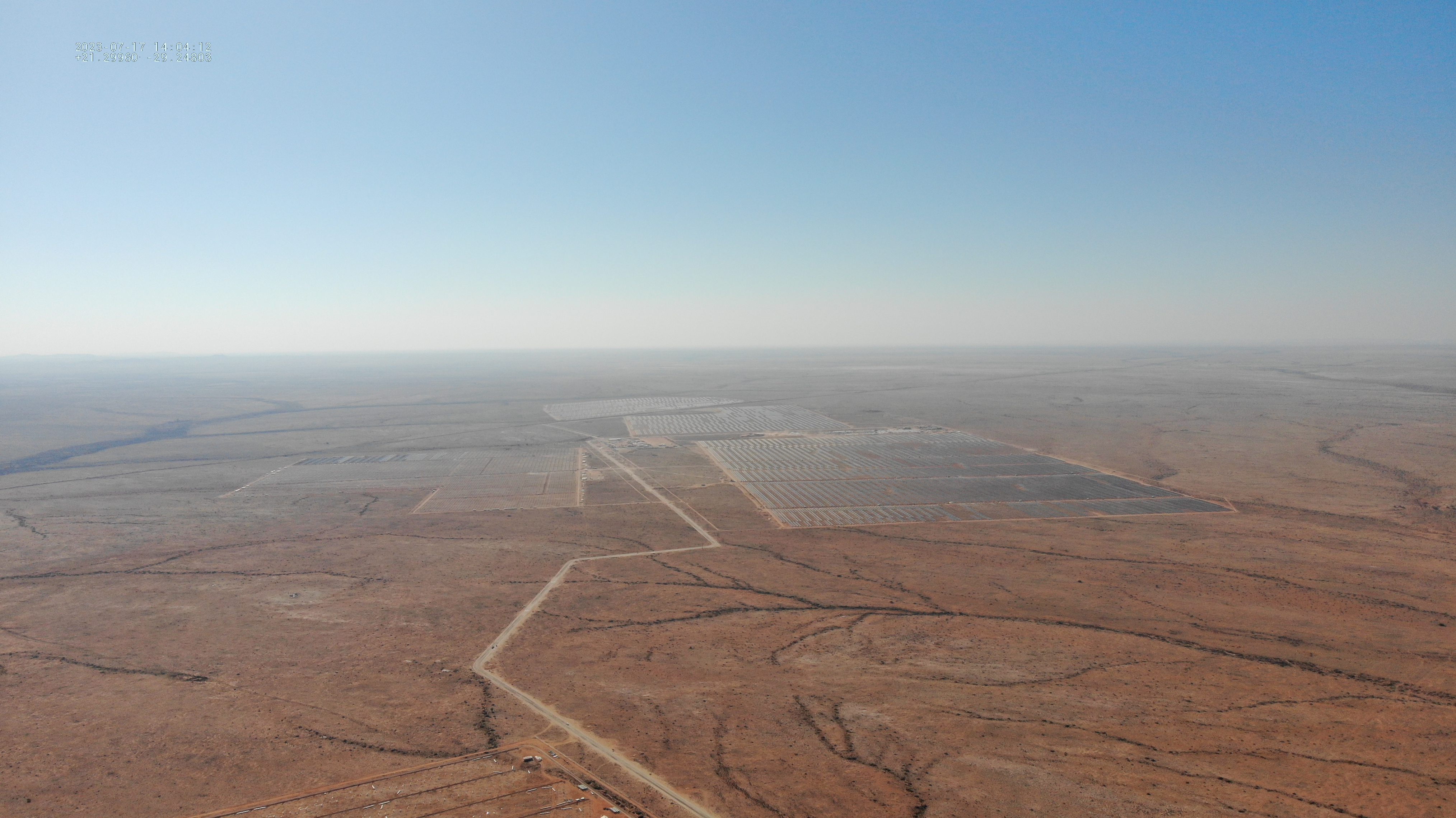
The biggest combined solar and battery power plant in Africa, developed by the Norwegian company Scatec, has started delivering electricity in South Africa. The Norfund-managed Climate Investment Fund has invested more than 400 million NOK in the project, that both avoids emissions and shows how battery storage can increase the importance of solar energy on the African continent.  

Norfund has together with British International Investment invested in the project through the South African company H1 Capital, which is qualified as an “Black Economic Empowerment” investor in South Africa. H1 Capital owns 49 percent of the project.  

Combining solar energy and battery storage 

The Kenhardt facilities are amongst the largest hybrid solar and battery storage facilities in the world. With 540 MW solar energy and 225 MW /1140MWh battery storage, the facility will serve the national power grid from 5am to 9:30pm.  

“Through this investment the Climate Investment Fund contributes with avoiding enormous emissions, in line with our mandate. At the same time the project, being the first of its size, demonstrates how battery storage can enable solar energy to play an even bigger part of the future power system in South Africa and other developing economies with large electricity demand,”

Bjørnar baugerud, head of the climate investment fund in Norfund

Great need for risk capital  

South Africa is currently facing an acute energy crisis and experience frequent power outages. During COP28 in Dubai they called for increased climate financing to secure a stable energy supply and to reach the commitments to step up the transition to renewable energy.  

South Africa is the 14th most emitting country of greenhouse gasses in the world. The ranking is mainly a result of the big dependence on coal, which covers nearly 90 percent of the country’s energy consumption. The Cape Town based think tank Meridian has estimated that South Africa needs investments in renewable energy of more than 25 billion USD over the next ten years to reach its climate goals.  

The Kenhardt project will annually contribute with avoiding 870 000 tons Co2, which is about the same as 430 000 Norwegian fossil cars.  

Norfund invests to accelerate the energy transition in Southeast Asia

The Norfund managed Climate Investment Fund is investing 10 million USD in South East Asia Clean Energy Fund II, known as “SEACEF II”. The investment will contribute to providing scale-up capital to early-stage companies focused on advancing the low-carbon transition in Indonesia, Vietnam and The Philippines.  

IEAs latest report shows that Southeast Asia barely exceeds the Middle East and Africa in expected renewable energy capacity growth over the next years and that lack of financing for emerging and developing economies is the key issue. The SEACEF II fund will invest in promising renewable energy generation, energy efficiency, electric mobility, and electrical grid businesses at their early-stage, high-risk development phases.  

“This investment is the first we are undertaking under our climate investment mandate in the Philippines, Vietnam and Indonesia. These are countries where both the need for investments in solutions that will avoid emissions and the potential for positive impact are large. We are looking forward to making further investments in these countries in the future,”

Felix Barwinek, Senior Investment Manager, Renewable Energy at Norfund

Clime Capital Management is a Singapore-based fund manager with good results from a similar fund. In addition to Norfund, the British, Swedish and Dutch development finance institutions are amongst the investors, as well as the Cisco Foundation, DFAT, ACP, IFC and Global Energy Alliance for People and Planet (GEAPP).  

“To enable development and scale-up of local companies with local solutions central for the energy transition is important to us, and in line with our mandate. The prospects for further mobilizing private capital are also present.” Said Barwinek. 

SEACEF II draws on the flexible risk capital and investment-making discipline that underlies Clime Capital’s successful inaugural fund, SEACEF I. Launched in 2020, SEACEF I has made twelve investments. Its investments made through 2022 have raised more than 27 times the capital provided by SEACEF I – considerably more than that achieved by governments and private-sector funds. 

“By crowding in capital to de-risk early-stage businesses and development projects, we have demonstrated that small amounts can be leveraged to produce significant impacts. Now is the time to double down on this approach to maximize the results each investment dollar can achieve. We believe our model is the way to achieve this,”

Joshua Kramer, Chief Investment Officer and co-founder of Clime Capital

Being an intern in Norfund – Åse’s story

My name is Åse Rage and I have been an intern in the Strategy and Communication department at Norfund. I have learned so much about the world of development finance, and I am super excited to continue in Norfund as an analyst.

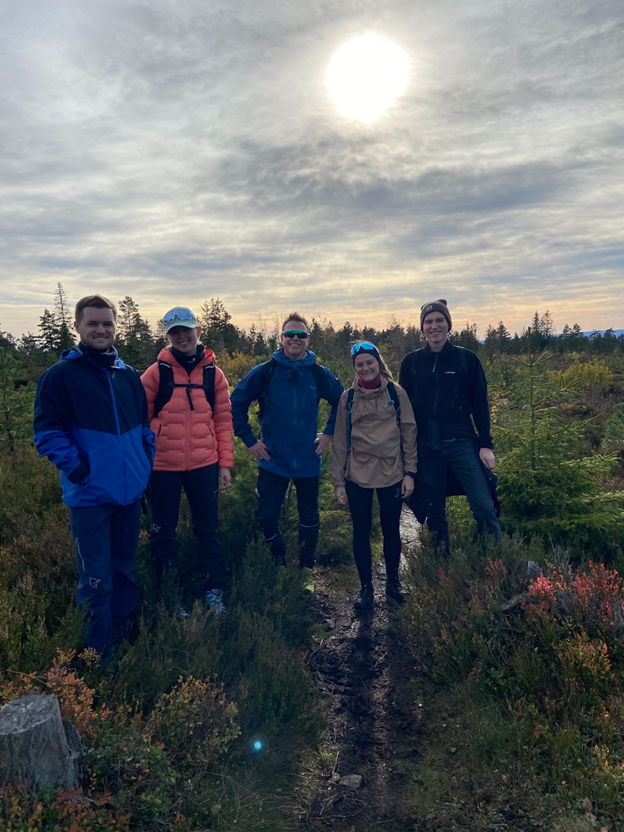
On a cabin trip with “Young Norfund” the first week.

The first weeks

I have a background in Political Science at the University of Oslo, and came straight from Copenhagen where I worked as an intern in the Norwegian Embassy. I have previously worked with global energy systems, sustainable development and public affairs, but the finance aspect was completely new to me. Therefore, it has been of great value to learn how investments in private capital serves as an efficient and impactful way to foster long term development in and speed up the net zero transition in developing countries.

During the Norfund Week we gained insight about Norfund’s work, values and investment dilemmas, which laid a solid foundation for the rest of our internships. We also got to know people from across the entire organization and learn about their cultures. It didn’t take long before I felt truly at home.

Strategy and communication

After receiving the necessary training in various systems and tools, I became involved in different strategic projects as well as Norfund’s daily operations. Our department leads development and implementation of different strategies, analysis of development effects, additionality, gender and climate, and external communications. I worked mostly with stakeholder relations, which included civil society, politicians, journalists, businesses and the MFA. Writing about lots of different investments was a great way to dive into interesting aspects of Norfund’s work. I also managed the intern project, where we investigated how Norfund best could benefit from implementing AI in our daily work.

The internship experience

Being an intern at Norfund for the last five months has been beyond all expectations, and I have learned so much more than anticipated. One of the best aspects of working in Norfund has been collaborating with a team of experienced, goal-oriented, and passionate colleagues. Despite the size of the organization and and the 25 different nationalities, there is a really strong sense of a common goal. This is of course due to the important mandates, but also because of the unique work culture here at Norfund.

Being an intern in Norfund – Florian’s story

My name is Florian, and I have been an intern in Norfund’s Strategy Department in 2023. Driven by a keen interest in developmental finance and seeking international work experience, I found Norfund to be the ideal place to work. It offered insights into sustainable investment practices and a unique work culture, providing valid reasons to move to Oslo. This text is a reflection of my experiences and learnings during my time at Norfund and hopefully sheds some light on how it is being an intern at Norfund.

The Internship Experience

I am originally from Germany and have studied international business administration at WHU-Otto Beisheim School of Management. During my gap year between Bachelor’s & Master’s degrees, my interest in impact investing, fueled by several initiatives at my university, led me to join Norfund.

Once there, I quickly became involved in various strategic projects, with a primary focus on climate. A key responsibility of mine was to ensure that Norfund’s new investments were Paris aligned. Put simply, this means ensuring the investments are consistent with the goals of the Paris Agreement, which aims to combat climate change and prevent its most severe impacts, particularly by limiting global warming to well below 2 degrees Celsius. This task required the integration of these climate criteria into the organization’s investment process. The work culture at Norfund allowed me to shape my work independently, providing a challenging and highly rewarding learning experience.

Beyond my core tasks revolving around climate, I was able to gain insights on various other subjects. One of such projects was the intern project centered around Artificial Intelligence. This project was a refreshing change from my everyday responsibilities and enabled us interns to better connect with each other.

Culture at Norfund

Speaking of connecting with other interns, the most unique aspect of Norfund is likely the organization’s culture and its positive impact it has on both personal well-being and productivity. Right at the beginning, one was immersed by the culture with a New Joiners weekend at a cabin in the mountains and the ‘Norfund Week’. This event gathered employees from around the globe, offering an unparalleled opportunity to engage with a diverse and international community. It broadened my horizons significantly, giving me contacts and perspectives from all over the world. Next to these events, one could experience the culture daily, with a general curiosity among everyone about each other’s interests, regardless of whether you are upper management or an intern.

Social Life and Integration

Living in Oslo as a foreigner, the workplace became my primary social hub, which may sound less appealing at first. However, my colleagues were incredibly welcoming, ensuring that I never felt isolated in a new city. We bonded over weekend trips, hikes, regular sauna visits, and, notably, the quintessential Oslo tradition of a Friday morning fjord swim, even in the coldest winter – a cultural experience I wholeheartedly embraced.

Extending the Journey

As my internship neared its end, I decided to extend my stay for a few more months before moving on with my gap year and studying. This period allowed me to delve deeper into my projects and solidify the relationships I’d built. The experience at Norfund was nothing short of amazing, leaving me with not just professional knowledge and experience but also a wealth of cultural insights and memories from my time in Oslo. Norfund has shown me how work can be both enjoyable, intellectually stimulating and profoundly impactful, setting a high bar for my future career pursuits.

Being an intern in Norfund – Thorvald’s story

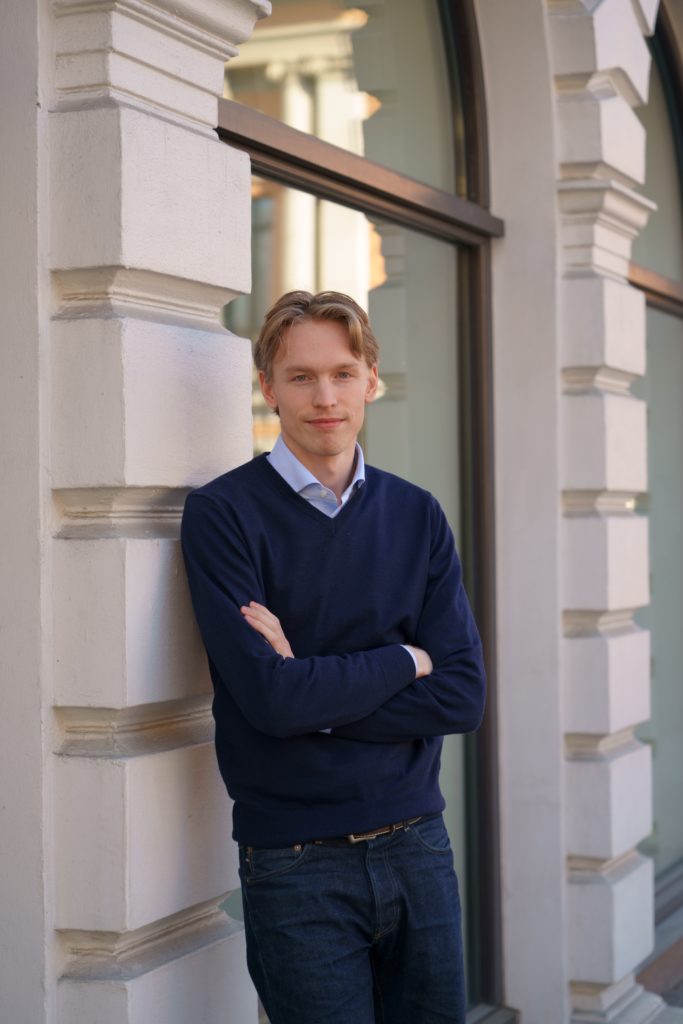
My name is Thorvald Hillesøy and I was an intern in the Green Infrastructure (GI) department in Norfund during 2023. Norfund’s mission and its diverse investment portfolio greatly inspired me, prompting me to see the internship as an opportunity to delve deeper into the field of impact investing.

Green Infrastructure

Green Infrastructure stands as a key investment area, dedicated to fostering sustainable urban development, mitigating environmental impact, and enhancing living standards. With the global urban population projected to reach 5 billion by 2030, our focus on essential services such as water and wastewater treatment, and waste management (including waste-to-energy), is of great importance. Through investments in these critical sectors, our aim is to contribute to the creation of resilient communities and cities amidst the challenges of rapid urbanization.

During my time in the GI department I have worked on various investment deals with the team, analyzing prospective investments for Norfund. The work included everything from drafting investment papers to building financial models. Applying my academic knowledge in the dynamic environment of Norfund has been both rewarding and challenging.

The diverse range of companies and sectors I engaged with at Norfund provided a unique and enriching experience, challenging me to adapt and apply my expertise to new and unfamiliar challenges.

Trip to Tanzania and South Africa

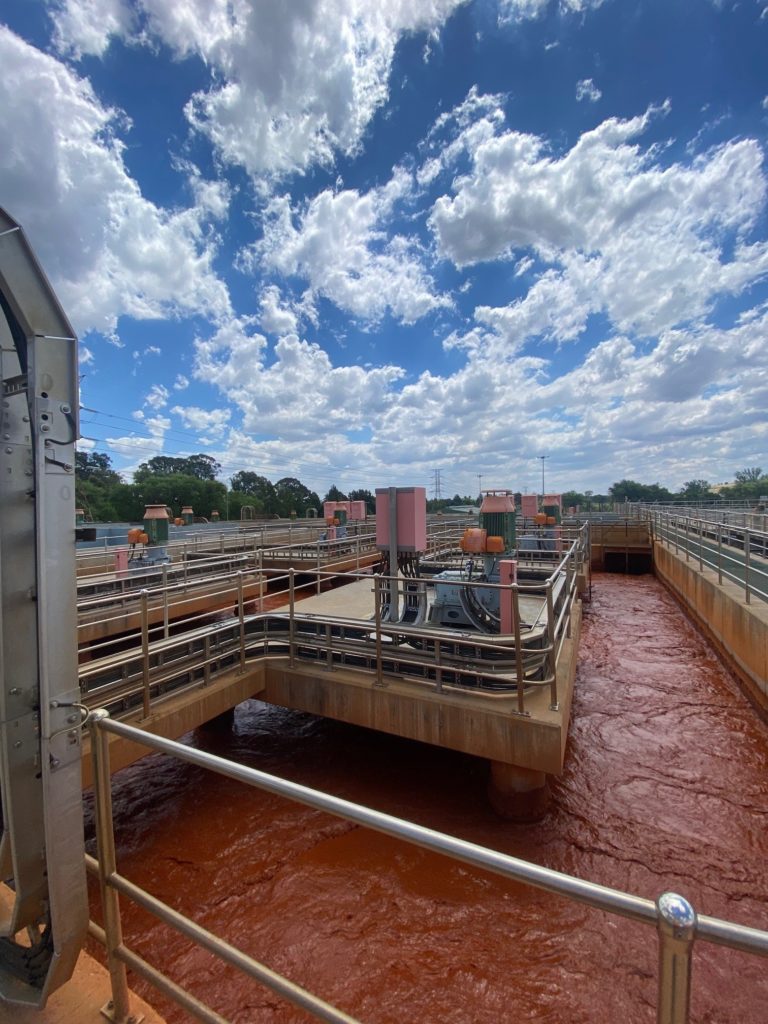
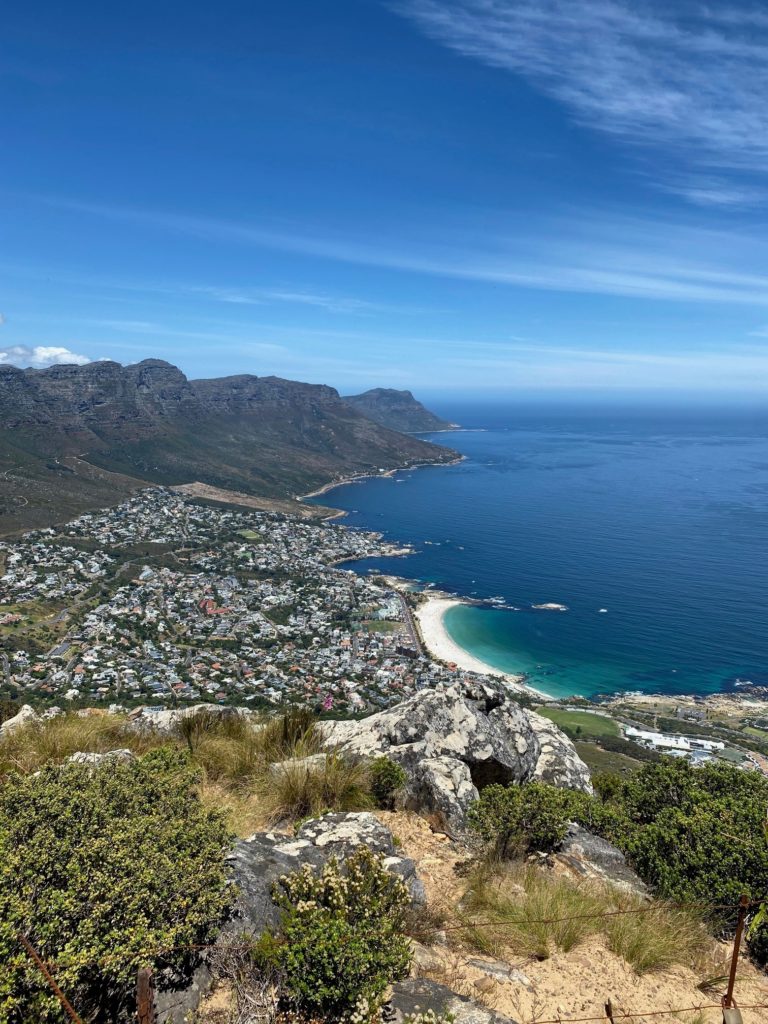
As an intern in Norfund, I had the incredible opportunity to travel alongside the team to Tanzania and South Africa. Over the span of two weeks, our journey involved meeting companies specializing in water, wastewater, waste, and waste-to-energy sectors. The on-site experience, visiting plants and meeting these companies face-to-face, proved to be genuinely inspiring. It provided a nuanced understanding of various cases, one that is challenging to grasp solely through Excel sheets and PowerPoint decks.

Moreover, witnessing the challenges faced by these regions in person offered me a fresh perspective on the significance of Norfund’s impactful work.

The team

The team at Norfund comprises individuals with incredible experience and expertise. From day one, the culture of inclusion was evident, making me feel like a valued member of the team. The trust placed in me as an intern played a pivotal role in boosting my confidence and fostering a sense of responsibility. This atmosphere of trust not only made the learning process more enriching but also empowered me to actively contribute to the team’s projects. The friendly and collaborative dynamics within the team further exemplified Norfund’s commitment to creating a supportive work environment, where everyone’s contributions are acknowledged and appreciated.