
Norfund and OP Finnfund has invested USD 15 million in long-term capital in Softlogic Life Insurance PLC to help expand access to insurance and strengthen financial security for households across Sri Lanka.

For families, insurance can determine whether illness or unexpected events lead to recovery or long-term financial strain. Softlogic provides life and health insurance to more than 1.3 million people across the country.
Technology that reduces administrative barriers
The investment supports Softlogic’s use of digital solutions to make insurance simpler and more accessible. Automated underwriting, faster claims processing, and digital health services reduce administrative hurdles and improve customer experience across income groups and regions.
These systems allow the company to scale protection products nationally, including health and microinsurance solutions, at lower cost per customer.
Norfund’s second investment in Softlogic
Norfund first invested in Softlogic during the pandemic in 2020. Since then, the share of the company’s insurance revenues coming from products for low-income customers has grown from about one percent to five percent.
Today, Softlogic provides insurance coverage to more than 490,000 low-income individuals, up from around 300,000 when we made our initial investment, out of a total client base of 1.3 million.
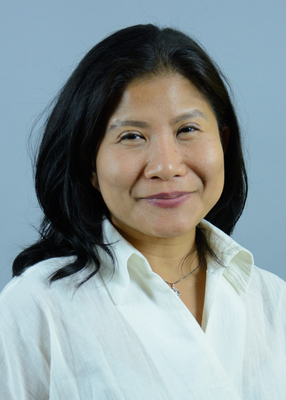
“Softlogic has demonstrated sustained growth, prudent capital management, and a clear commitment to expanding insurance access including microinsurance products in Sri Lanka. Our investment supports an organisation that plays a meaningful role in strengthening financial resilience for households across the country,”
Fay Chetnakarnkul
Regional Director in Asia
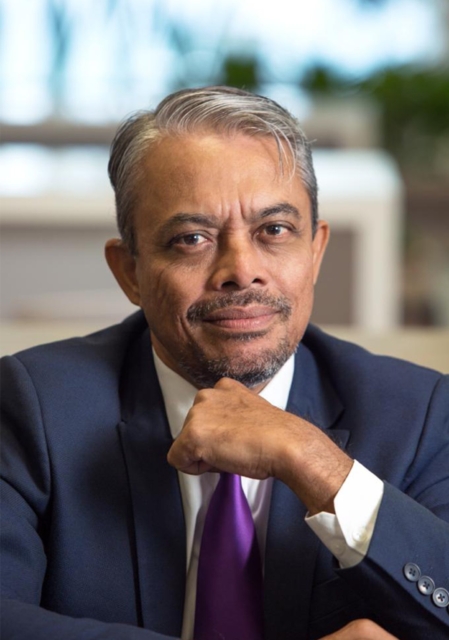
“The partnership with Norfund and OP Finnfund supports our expansion agenda and enhances our capacity to deliver protection solutions that create long-term value for Sri Lankan families,”
Iftikar Ahamed
Managing Director of Softlogic Life
Did you know?
- Health expenses paid out of pocket are a major driver of poverty in low- and middle-income countries, pushing millions of people into poverty each year.
- In the absence of insurance, households often cope with shocks by selling productive assets or reducing investments in education, with long-term consequences for income and human capital.
- In Sri Lanka, households’ out-of-pocket payments account for a significant share of total health expenditure, despite the country’s policy of free public healthcare. As a result, many families still rely on their own funds to pay for medicine, treatments, and private health services.