Norfund invests to expand electricity access in Côte d’Ivoire 

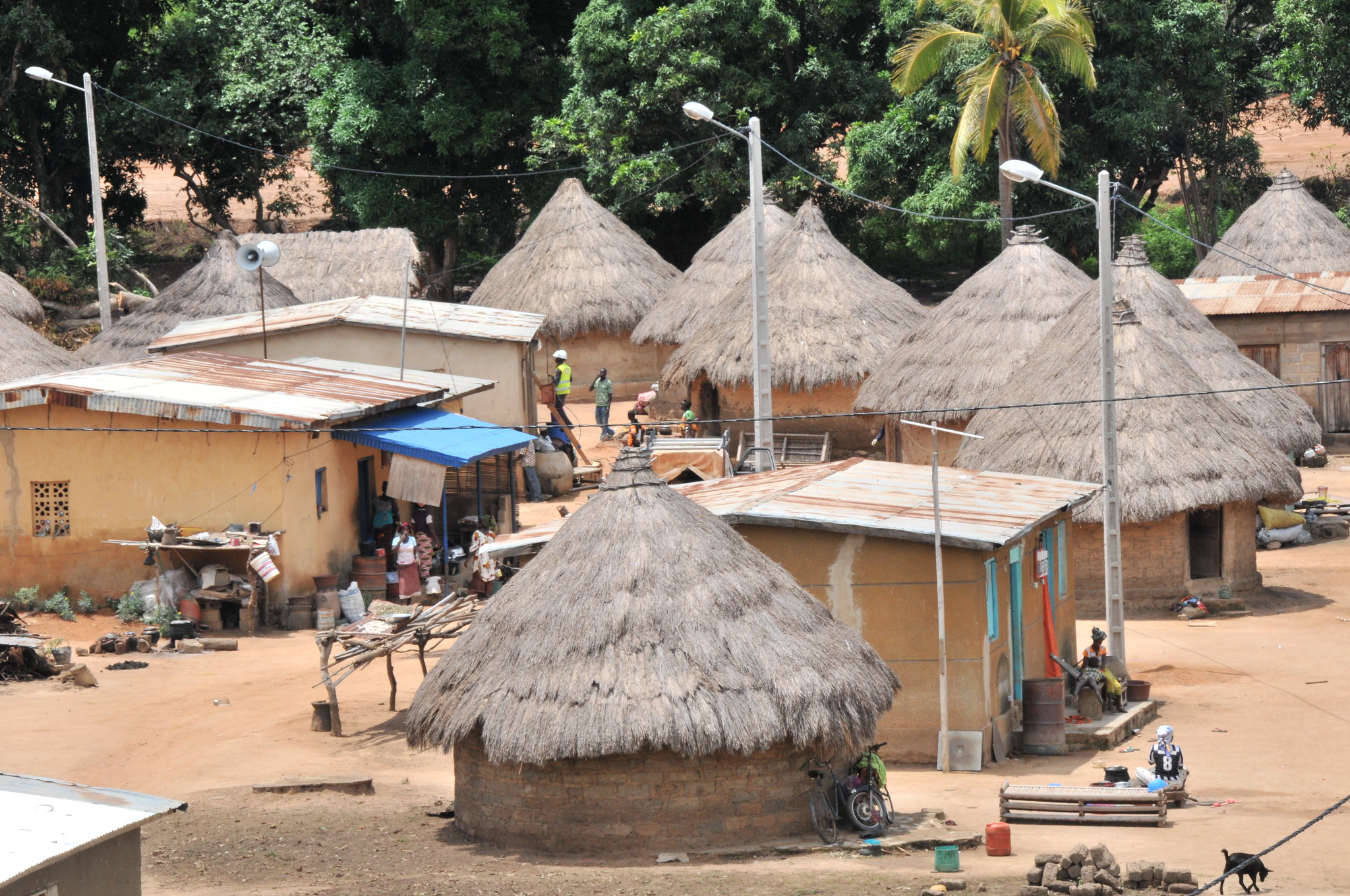
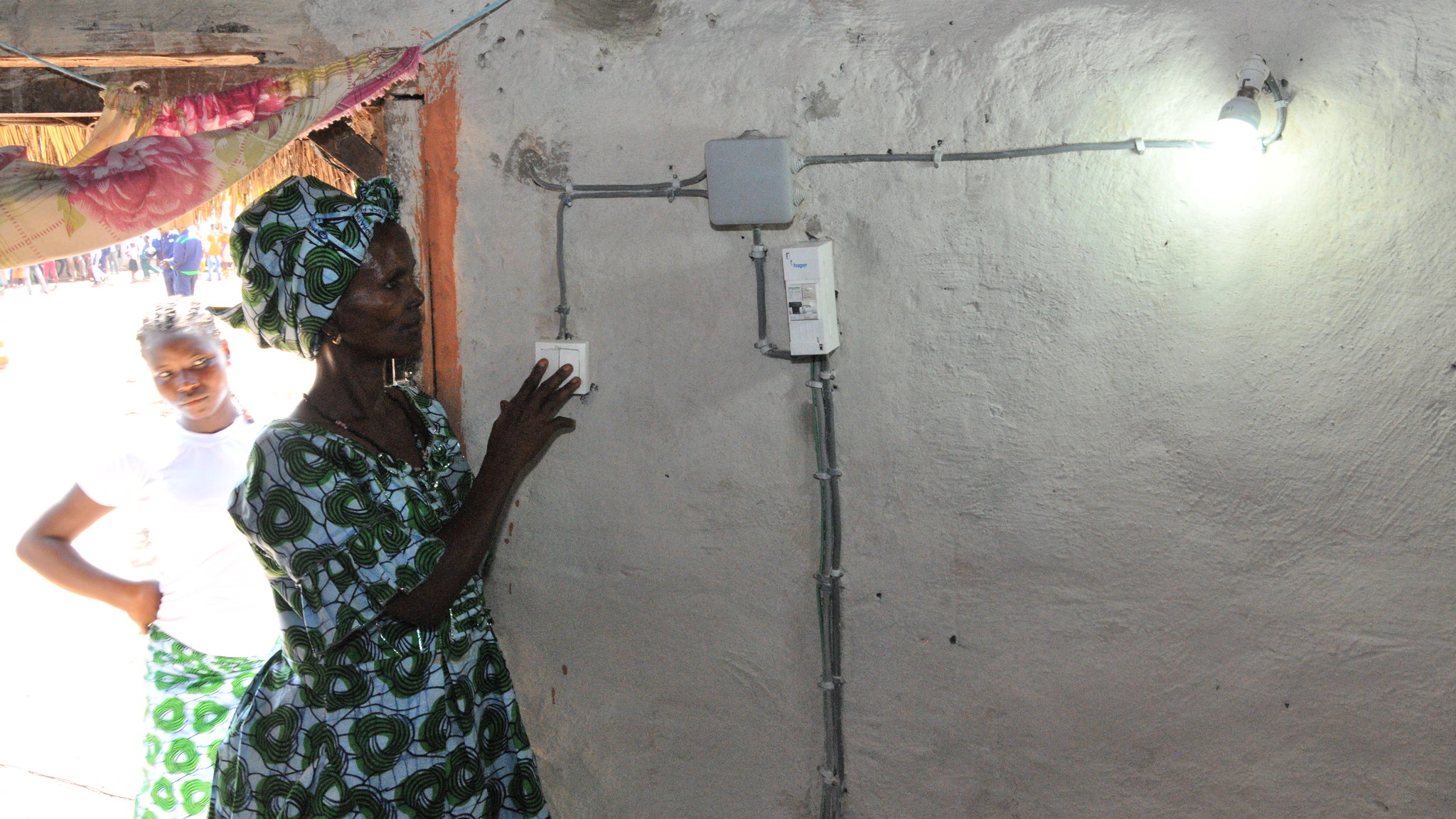
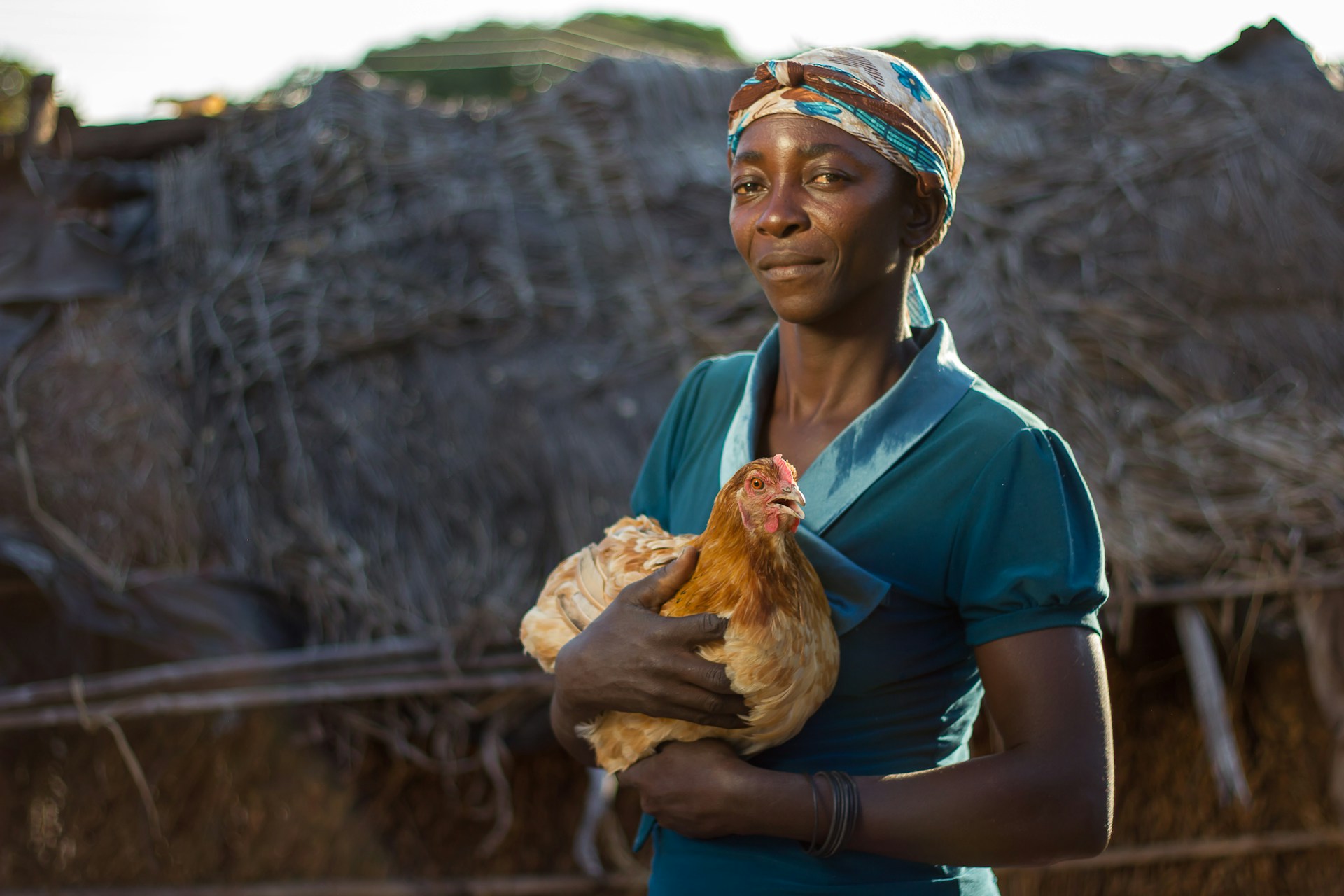
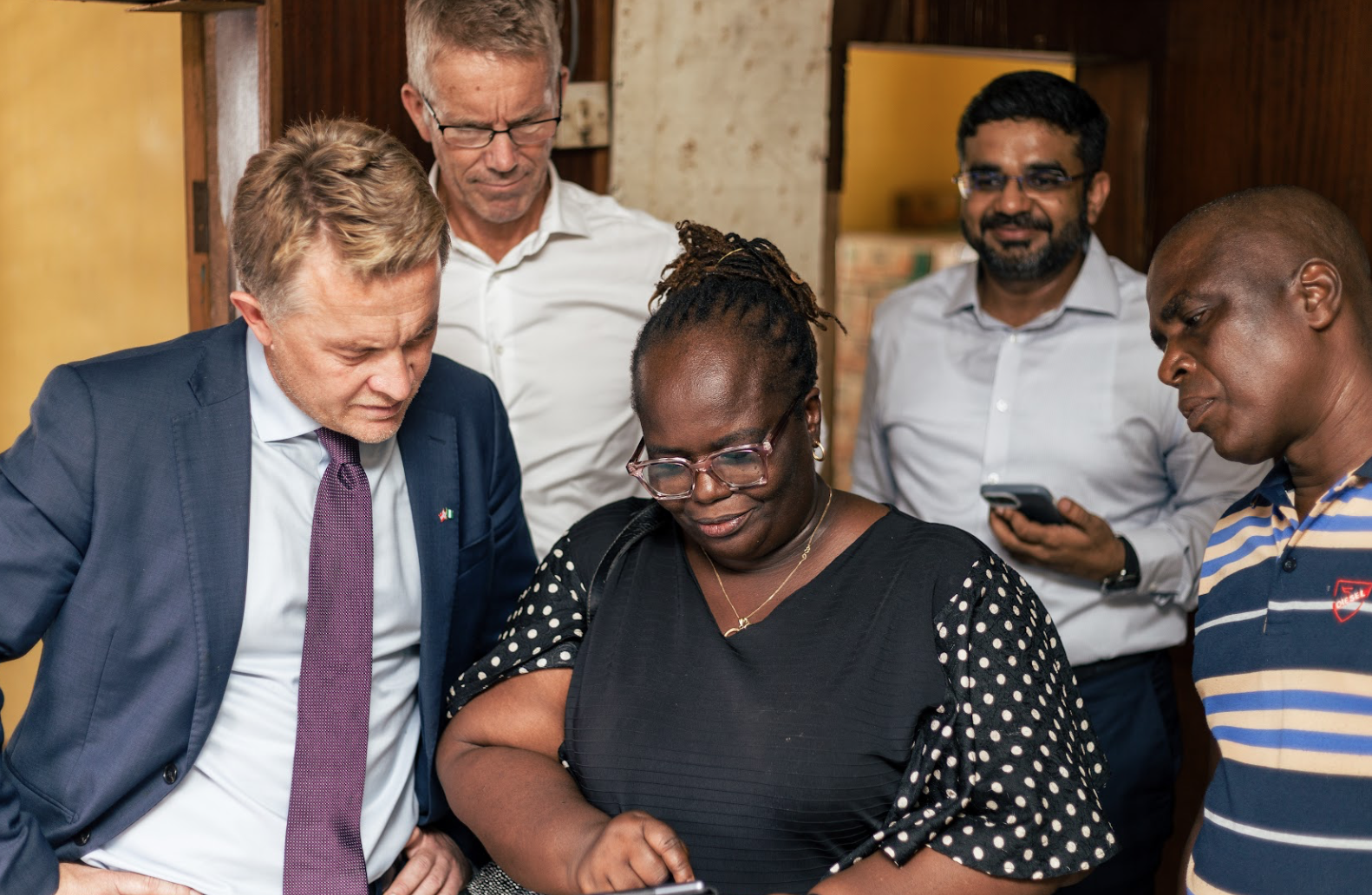
Norfund is investing in the Programme Electricité Pour Tous (PEPT) second social bond issuance in Côte d’Ivoire to help finance up to 400,000 new grid connections for low-income households and small businesses, supporting Côte d’Ivoire’s ambition to achieve universal electricity access by 2030. 

Photo credit: PEPT II

The bond issuance (FCTC EPT 2025-2040), totalling XOF 60 billion (EUR 91 million), is structured in three tranches and issued by a securitization vehicle called “Fonds Commun de Titrisation de Créances Électricité Pour Tous” (FCTC EPT).  

Norfund will invest approximately EUR 11.5 million (XOF 7.5 billion) in Tranche B, alongside Société Ivoirienne de Banque (SIB), with the latter covered by a risk enhanced guarantee from the International Financial Corporation (IFC).  

The transaction builds on the success of the first PEPT bond issuance in 2023. It further deepens participation of local capital markets in the West African Economic and Monetary Union (WAEMU) for energy projects. 

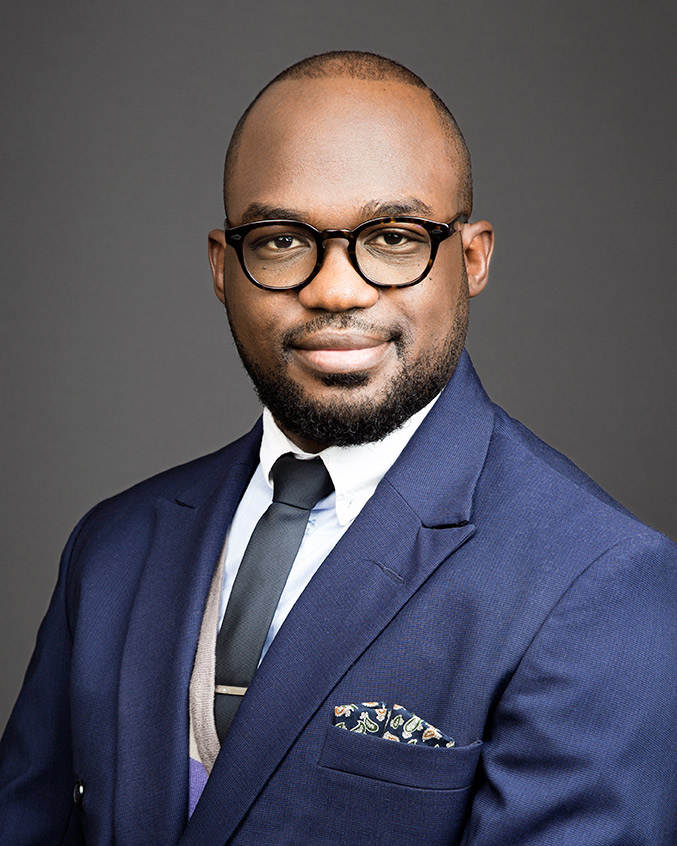
“This investment reflects Norfund’s commitment to mobilizing long term local capital and accelerating access to affordable energy in Sub-Saharan Africa. We are delighted to support the PEPT fund as part of this Phase 2 electrification programme which is aligned with both Côte d’Ivoire’s National Development Plan, and Norfund’s objectives in accelerating energy access on the continent,” said Fabrice Mpollo, Senior Investment Manager at Norfund. 

PEPT enables low-income households to connect to the grid with a modest upfront payment, while the bulk of the infrastructure cost is paid down over time through the monthly electricity bills.  

Since its launch in 2014, the program has facilitated over 2 million connections, 63 percent of them in rural areas. The second bond issuance will finance an additional 400,000 connections, contributing to the World Bank and AfDB’s “Mission 300” initiative, aiming to connect 300 million Africans to electricity by 2030.  

Last week, IEA’s World Energy Outlook 2025, showed that around 730 million people still live without electricity, a decrease of 11 million since last year’s report. 

The investment is aligned with Norfund’s strategy to promote development impact through local currency financing and support for underserved populations, and Norfund’s goal to increase access to energy. Last year, 750,000 households gained access to electricity from Norfund’s investees. 

Norfund is part of an anchor investor group alongside the African Development Bank and The Emerging Africa & Asia Infrastructure Fund (EAAIF). The project also includes as a key stakeholder, CIE, the national electricity company and distributor in Cote d’Ivoire, which will be responsible for the implementation of the programme. 

“By joining this innovative transaction, we contribute to accelerating electricity access for underserved populations and to the sustainable development of their communities, while strengthening the alternative financing ecosystem in Côte d’Ivoire”, says Fabrice Mpollo. 

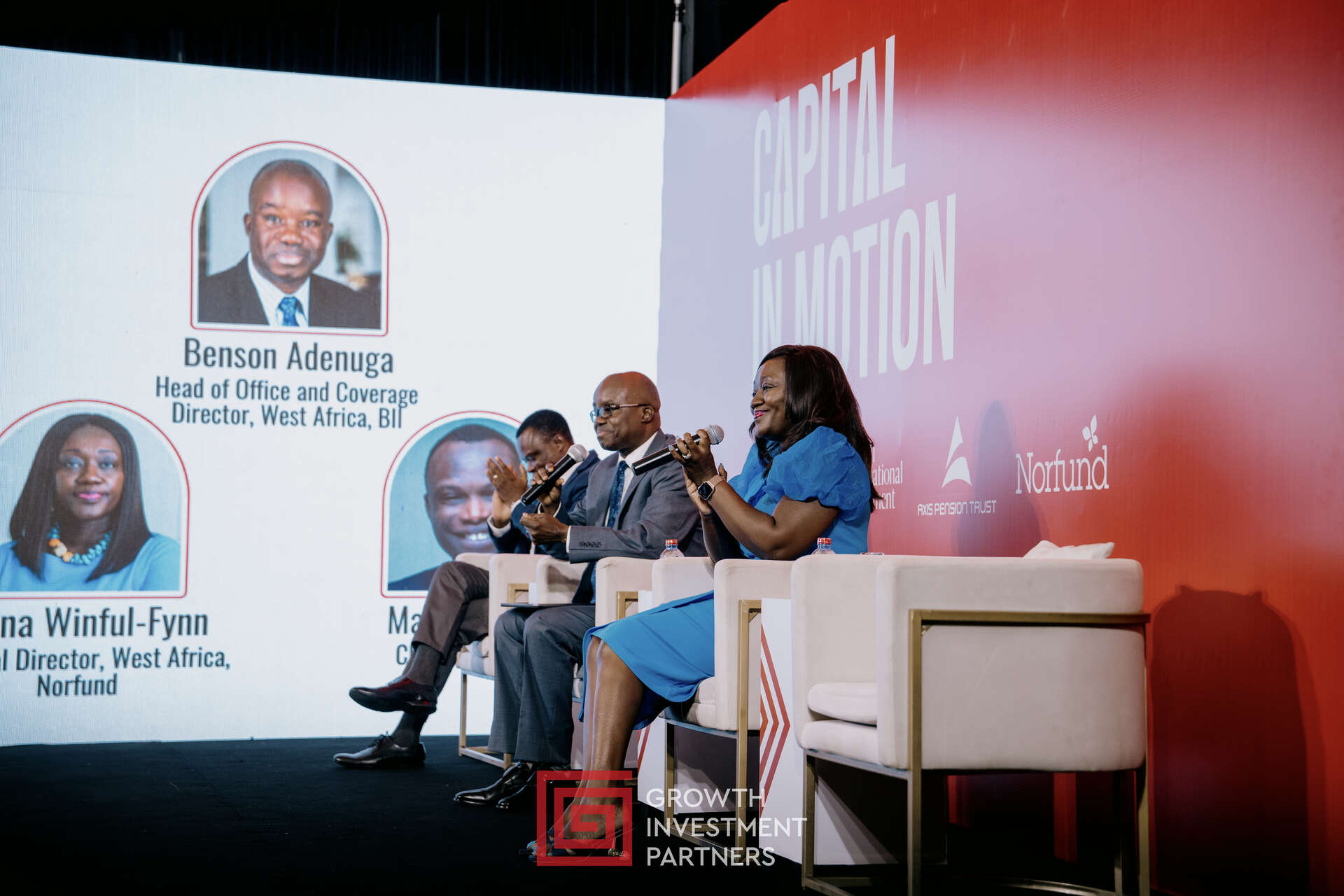
Norfund invests in sustainable steel production in Ghana

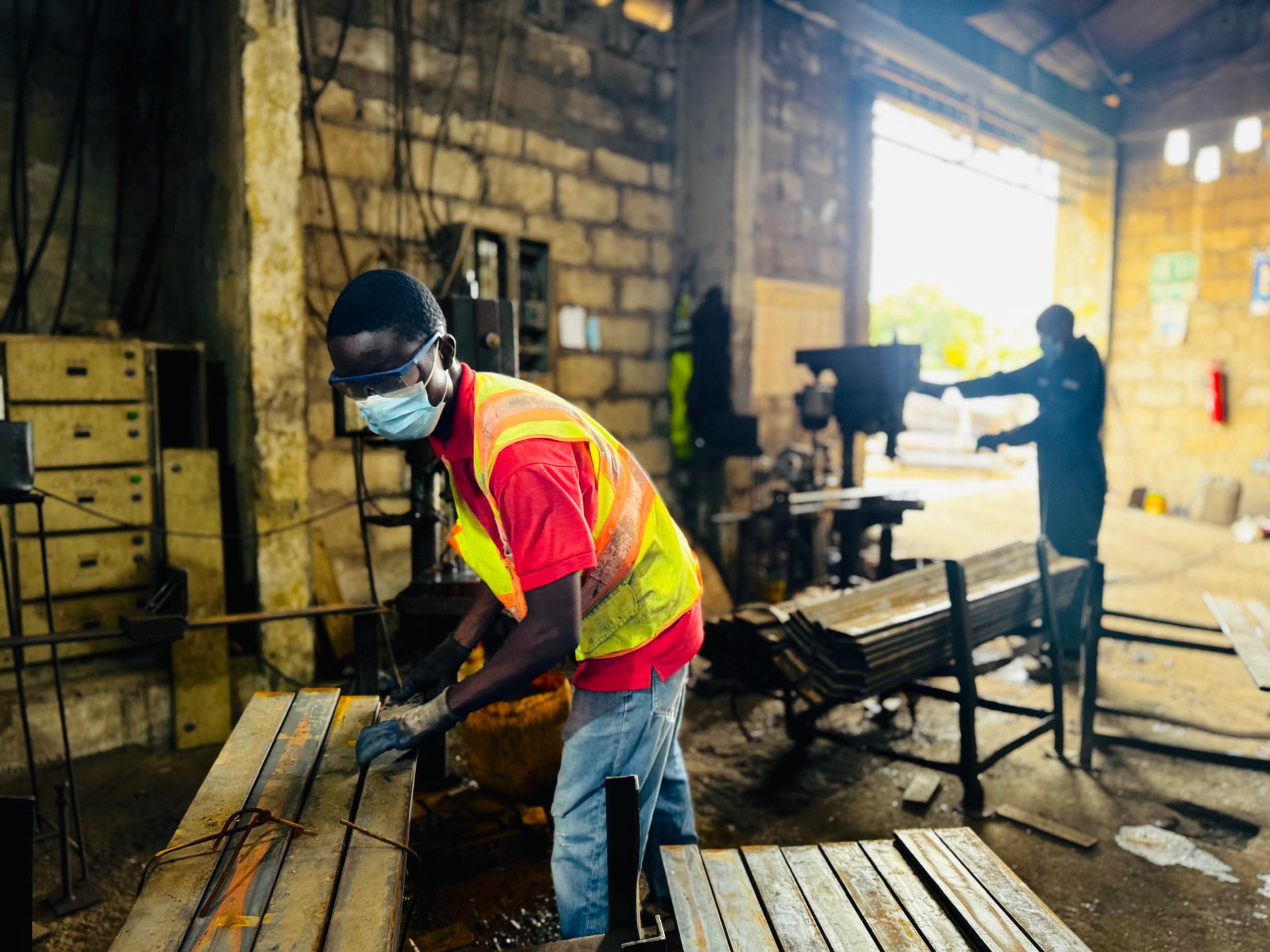
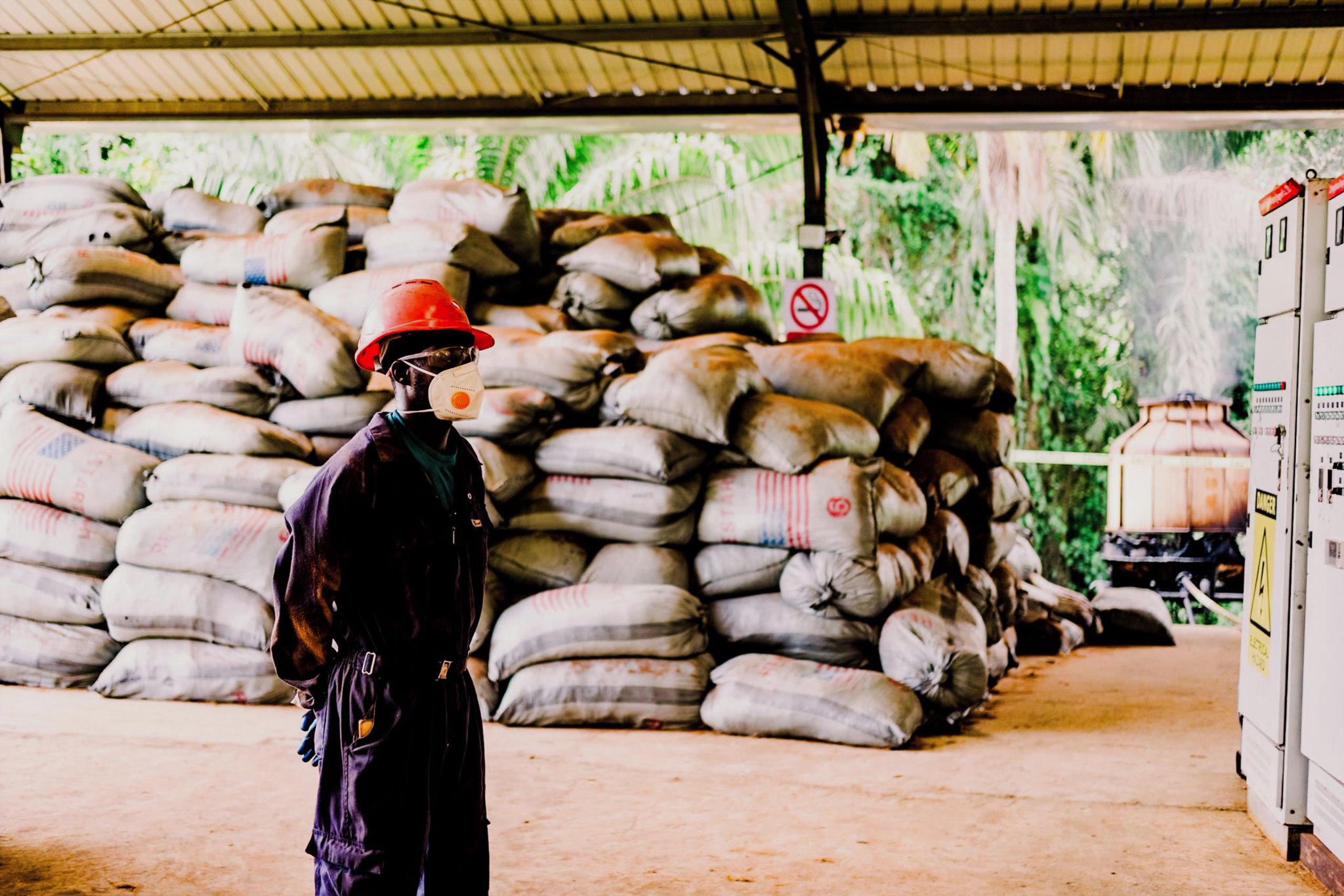
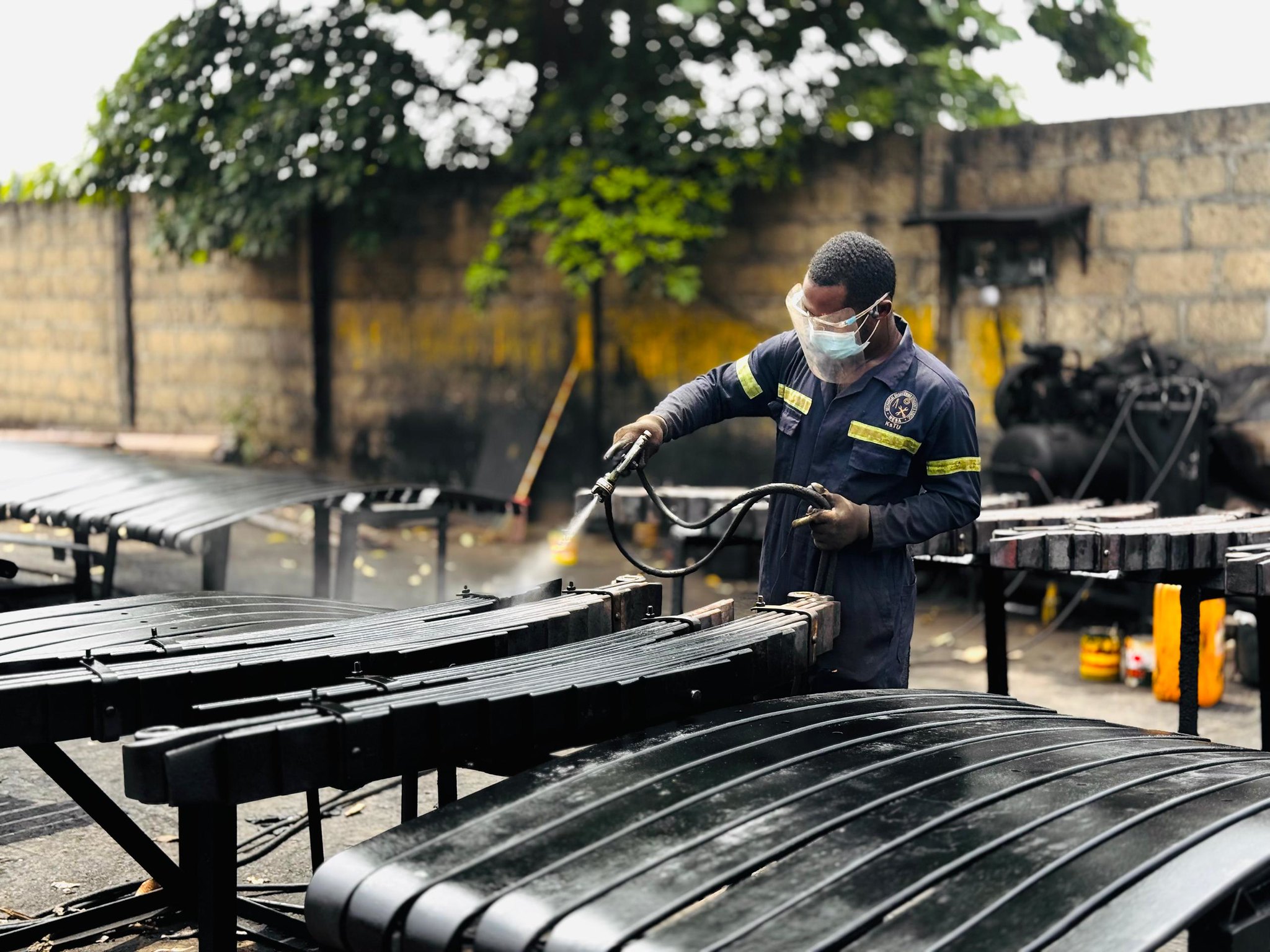
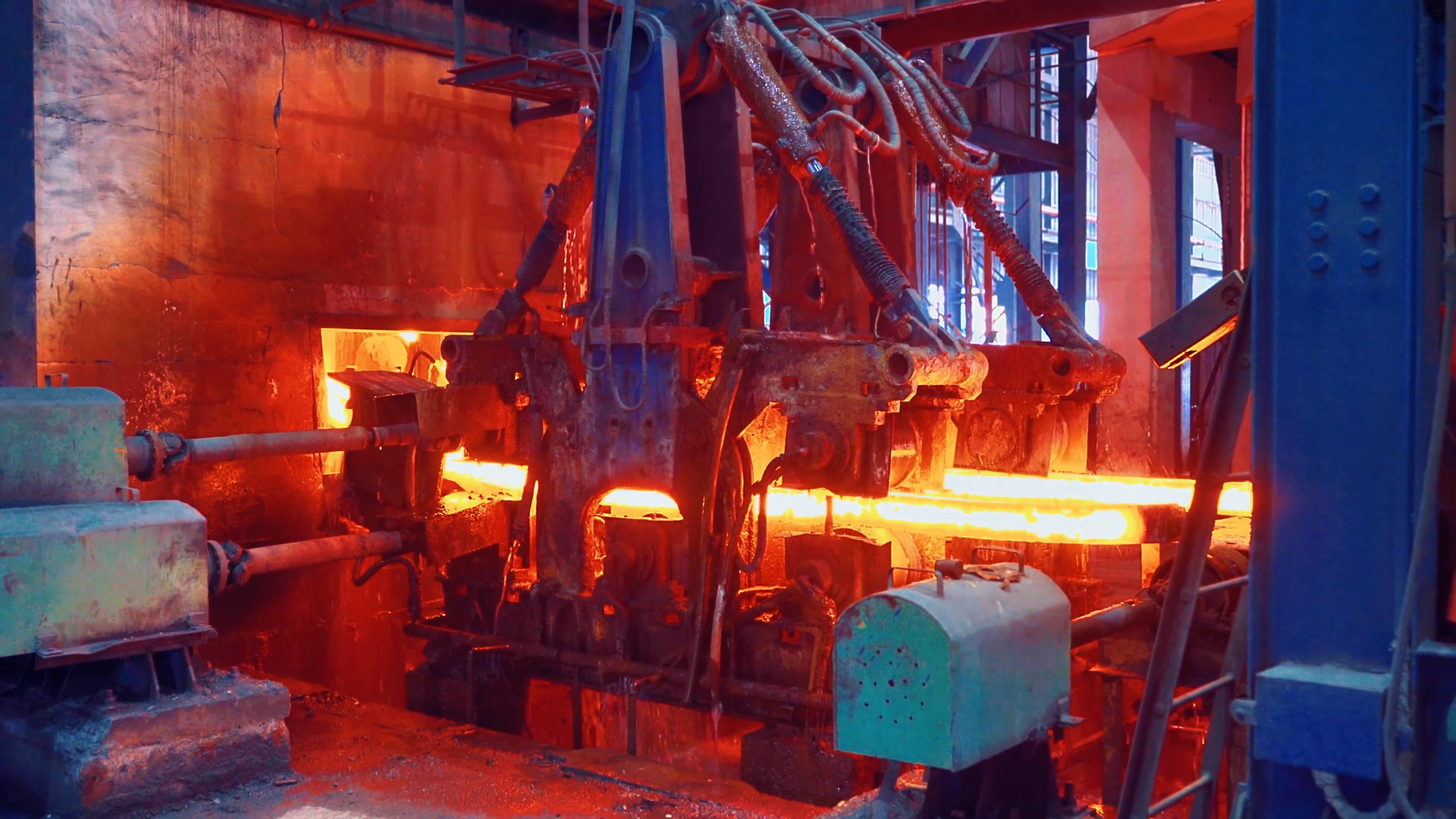
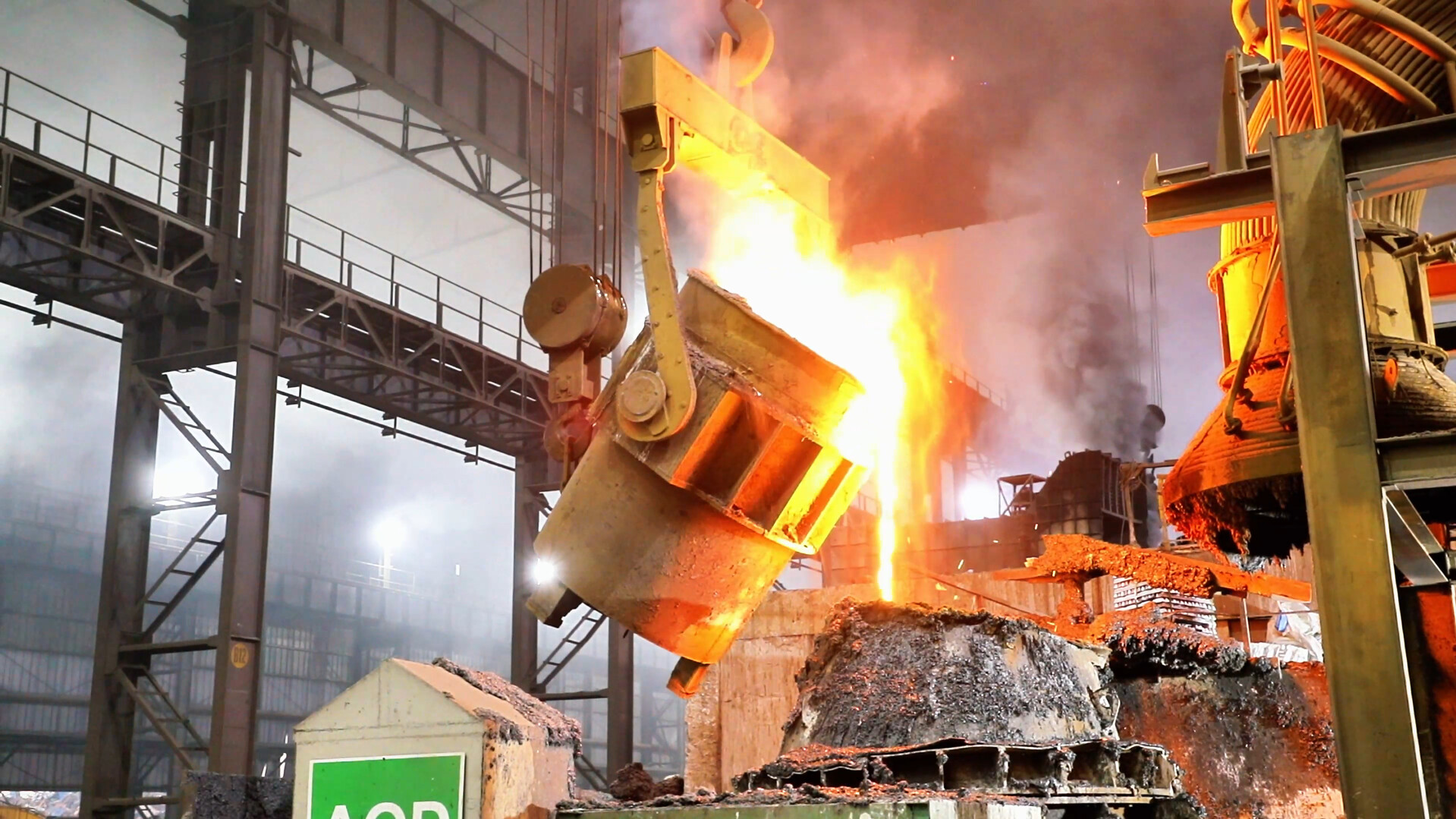
Norfund is investing in B5 Plus Limited, one of Ghana’s largest steel manufacturers. The investment in sustainable and local steel production will help create thousands of jobs and support Ghana’s transition to cleaner energy.

Photo: B5 Plus Limited

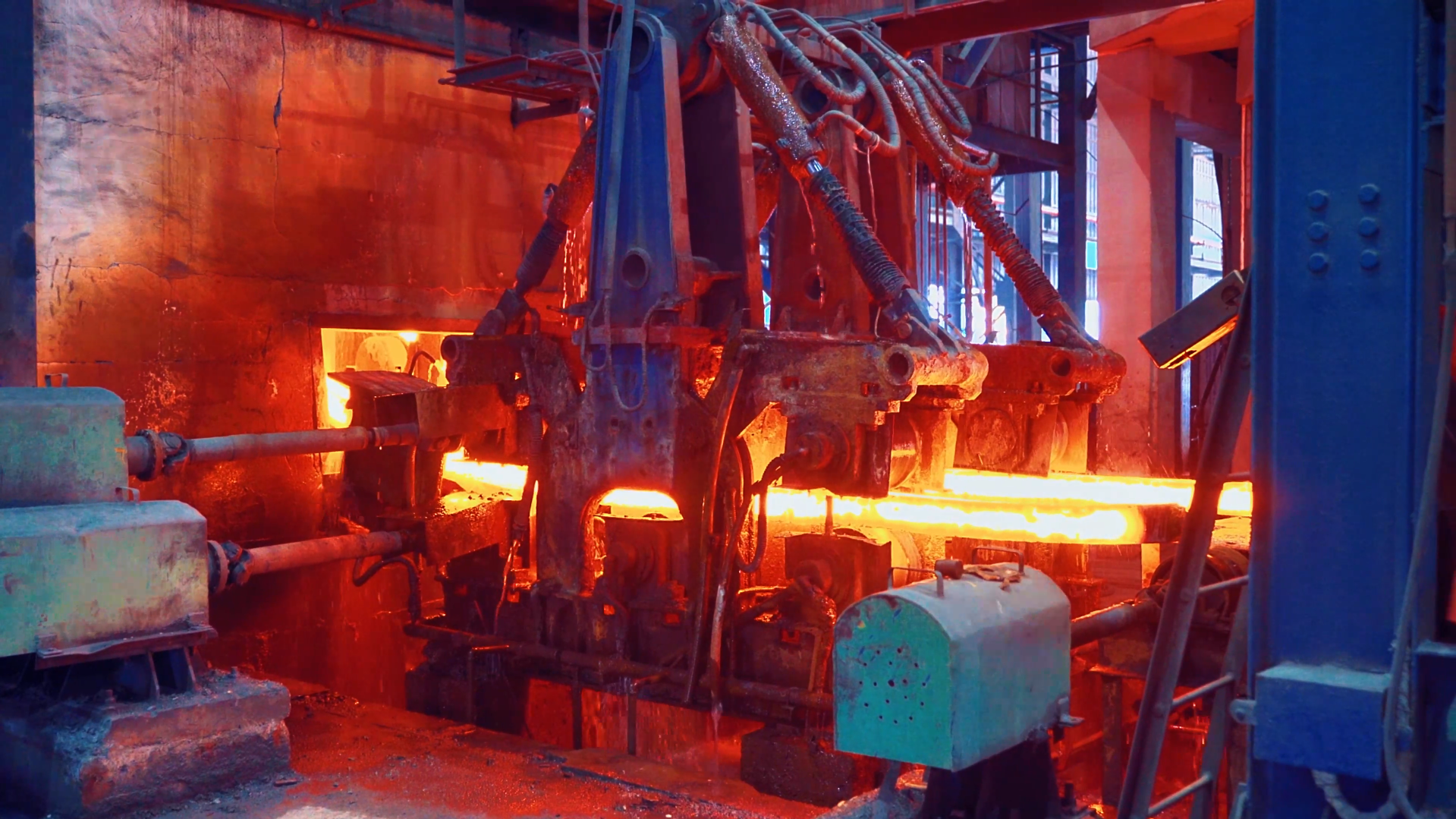
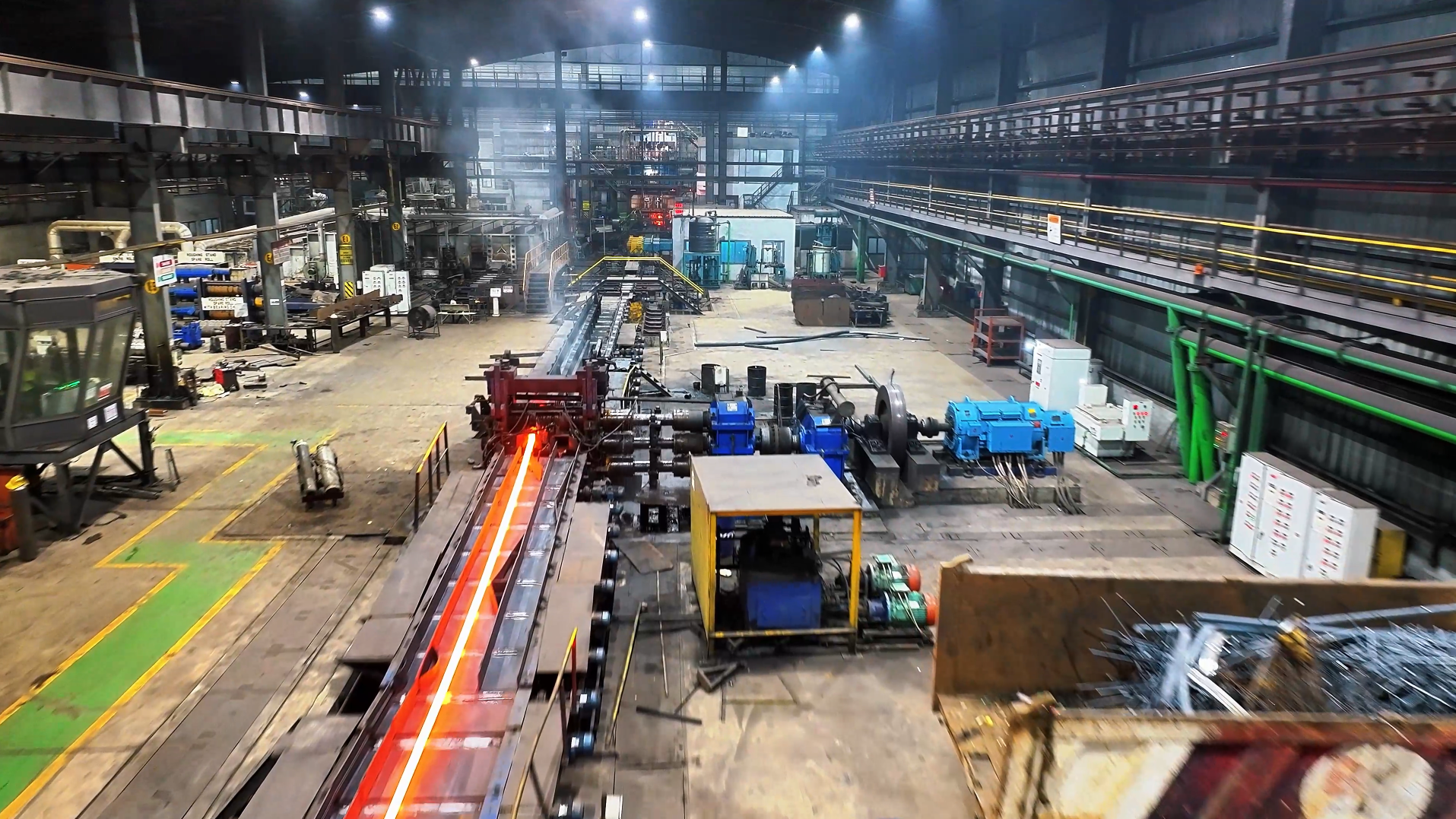
B5 Plus Limited is recognized for its ISO 9001:2015 certification and adoption of Kaizen continuous improvement practices. Norfund’s investment is in the form of a USD 15 million loan. The capital will be used to refurbish a recently acquired steel plant in Ghana’s Tema Freezone and build a 16 MW solar power facility at B5 Plus’ site in Prampram. It will also strengthen the company’s operations through modernization and improved efficiency.  

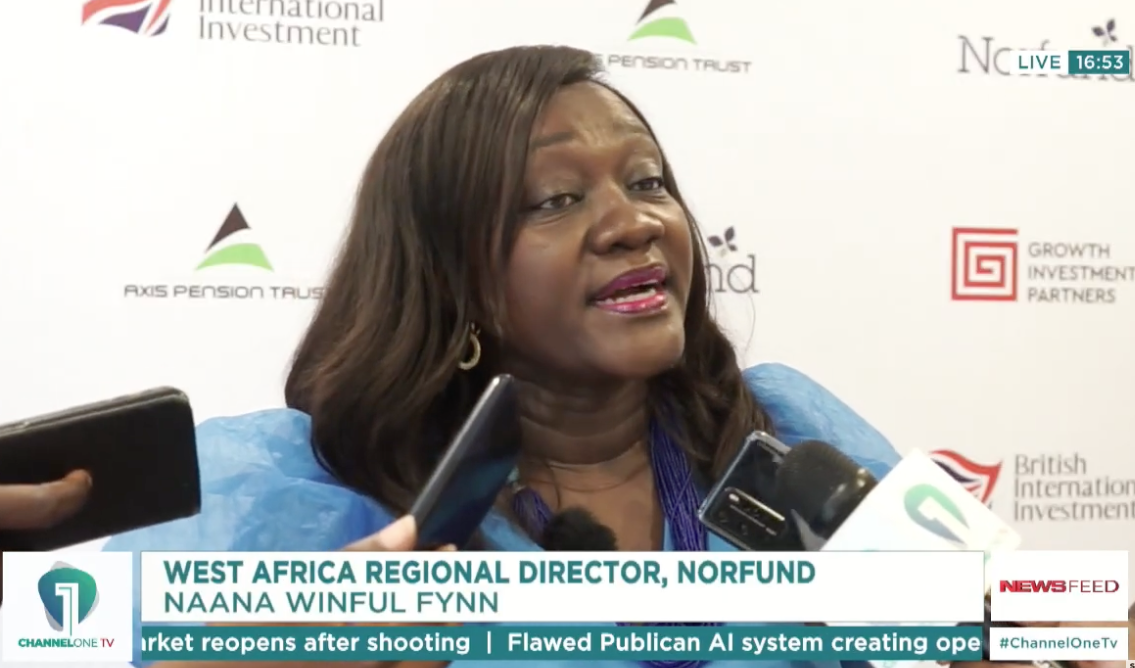
“This investment aligns with our mandate to create jobs and improve lives, and it helps reduce the carbon footprint of the supply chain and production processes, including through increased use of scrap metal and integration of renewable energy. It also strengthens the company’s competitiveness and contributes to green industrial growth in Ghana”, says Naana Winful Fynn, Norfund’s Regional Director for West Africa. 

The project is expected to create 1,800 direct jobs and contribute to an additional 10,000 indirect jobs. Demand for construction materials like steel is rising in line with economic growth in Ghana and the region. 

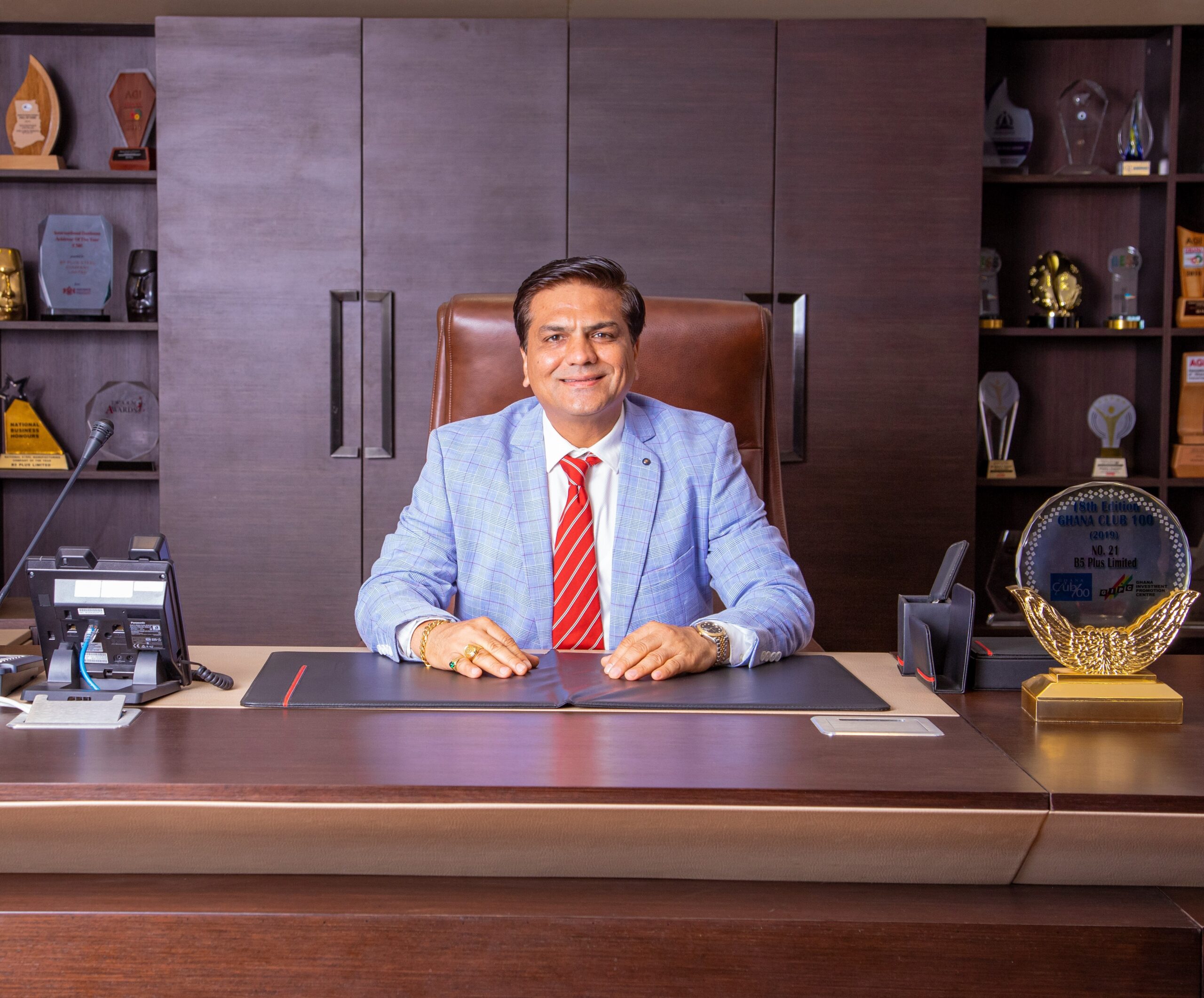
“We are honored by the partnership of Norfund, which reflects confidence in B5 Plus Group’s sustained growth and Africa’s industrial future. Our greatest asset has always been our people — their talent, dedication, and resilience drive our success — and we are equally committed to giving back through education, skills development, and community-focused CSR initiatives. This collaboration goes beyond finance; it is about building resilient industries, empowering communities, and shaping a future of inclusive and sustainable progress for Africa and beyond.” 

Mr. Mukesh Thakwani, Executive Chairman of B5 Plus

“Local and competitive steel production is essential to support infrastructure development and the industrial growth needed to create the jobs that are key to driving development in Ghana”, says Fynn. 

Photo: B5 Plus Limited

Steel production is a major source of global greenhouse gas emissions, averaging 1.92 tons of CO₂ per ton of steel (World Steel Association – CO₂ Data). B5 Plus already primarily relies on recycled steel, and by further increasing this usage in combination with investing in solar energy, the company is taking important steps to ensure that Ghana’s growth happens with as low emissions as possible. 

Norfund invests in SIPRA: One of West Africa’s largest integrated poultry producers

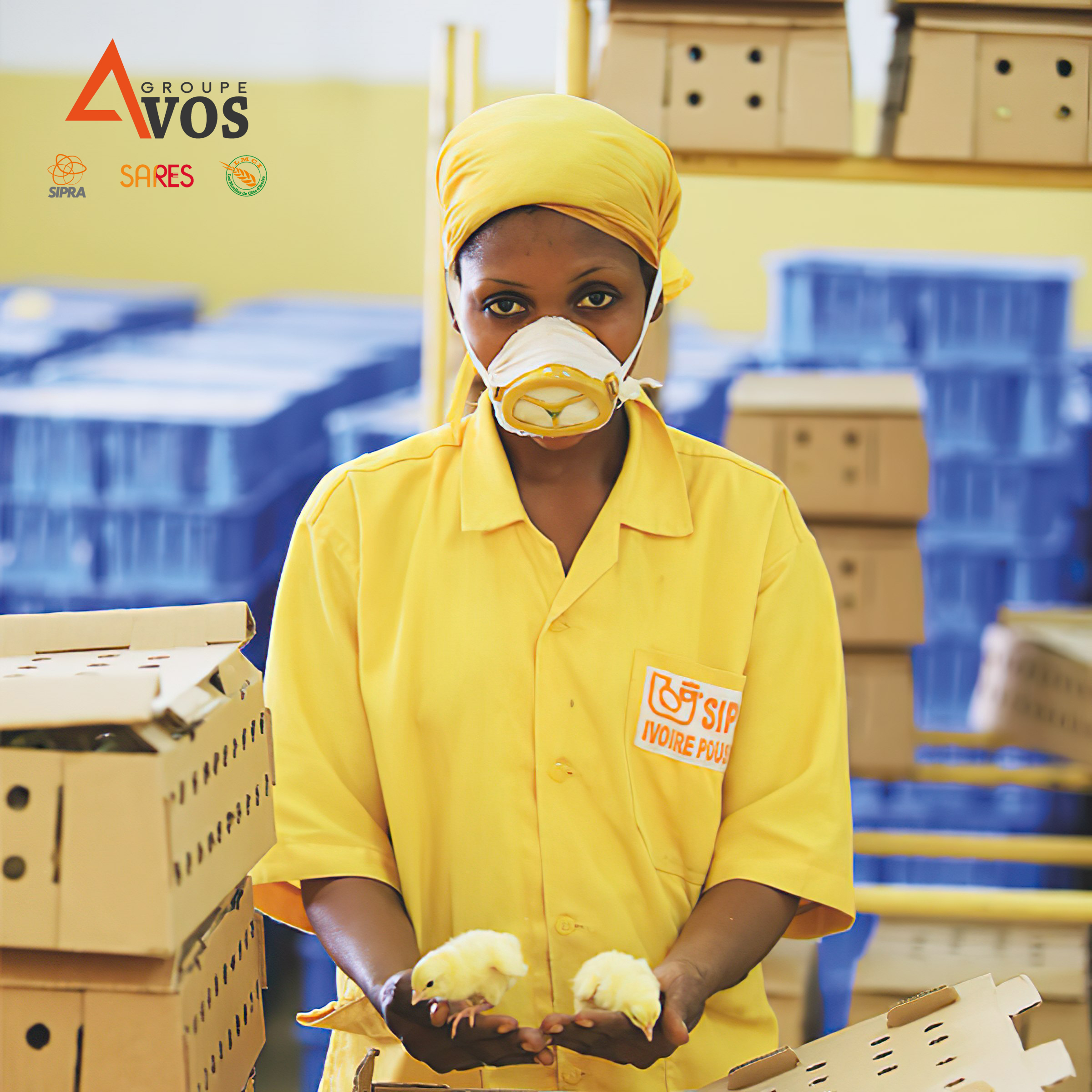
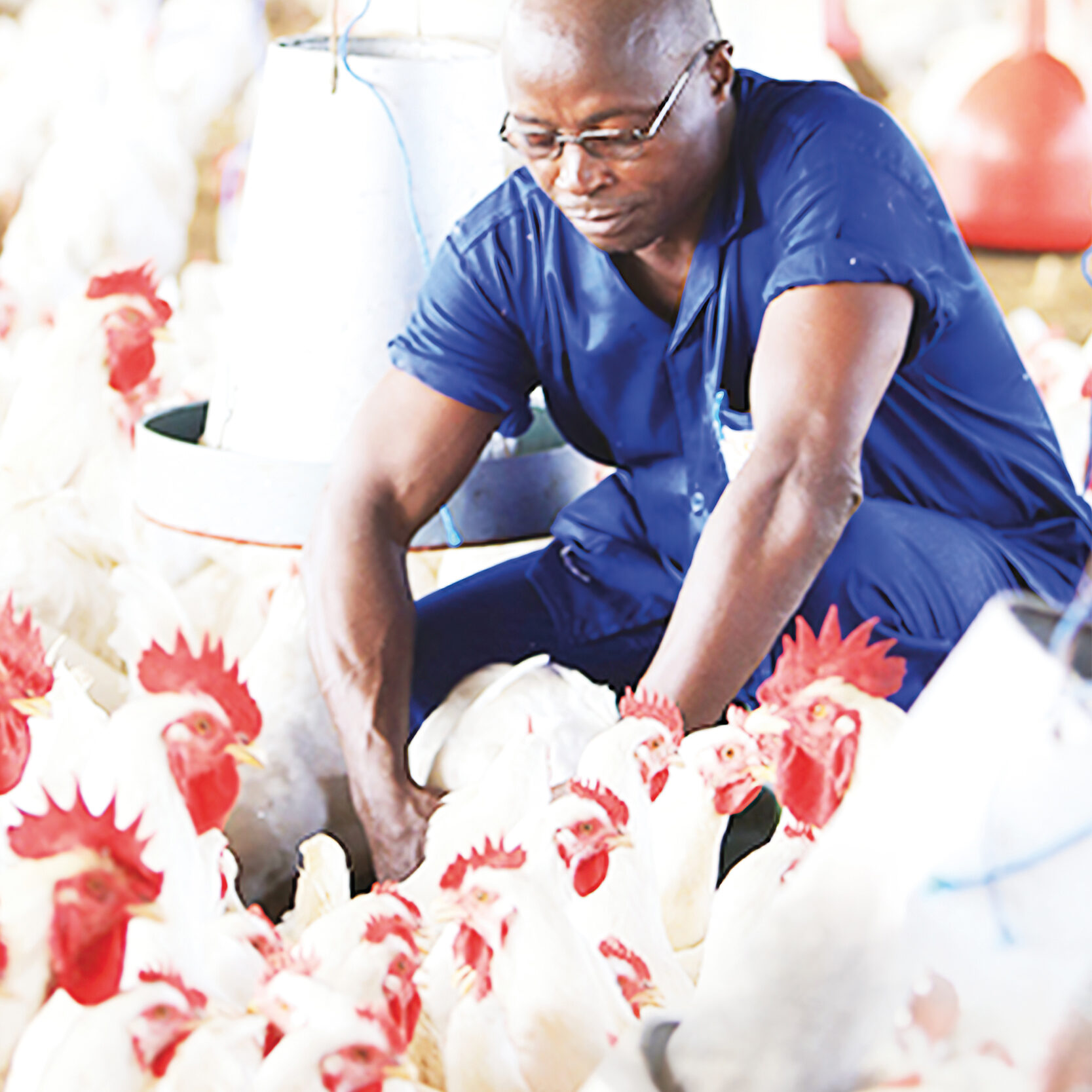
Norfund is investing EUR 20 million in Société Ivoirienne de Productions Animales (SIPRA), one of the largest locally owned and integrated poultry companies in West Africa. 

Photo: SIPRA

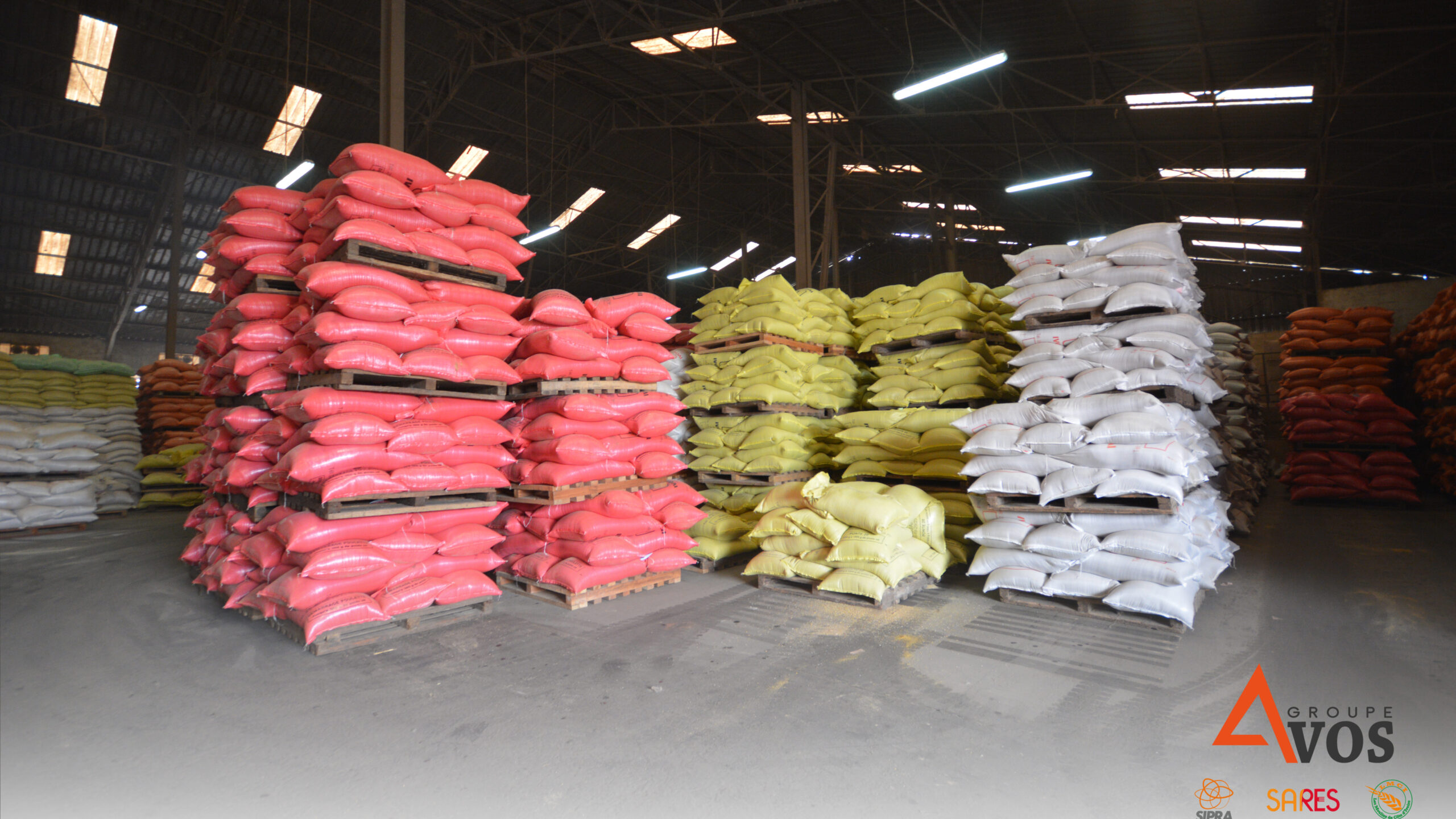
Headquartered in Abidjan (Côte d’Ivoire), SIPRA is a market leader in the poultry sector. The company operates across the entire value chain – from feed production; breeding to processing and distribution with a strong regional presence (+150 outlets) both Côte d’Ivoire and Burkina Faso. 

“At the time of continuous focus on providing needed long-term capital in transformative sectors of the real economy on the continent, we are pleased to lead this new round of investment to support SIPRA in this important growth phase. This project is anchored in strong belief in local partnership which is at the core of our mandate and will contribute to increase food security in Côte d’Ivoire and the region, create sustainable jobs as well as enabling capacity for thousands of smallholder farmers across the poultry value chain,”

Fabrice Mpollo, Senior Investment Manager at Norfund

Norfund’s strategic investment will enable SIPRA to significantly scale up its production capacity in the three segments in which it operates, continue to lead innovation in animal feed and continue to optimize overall operational efficiency. The Company provides long term employment to over 1200 people representing brands such as IVOGRAIN, IVOIRE POUSSIN and COQIVOIRE. 

A strong partnership

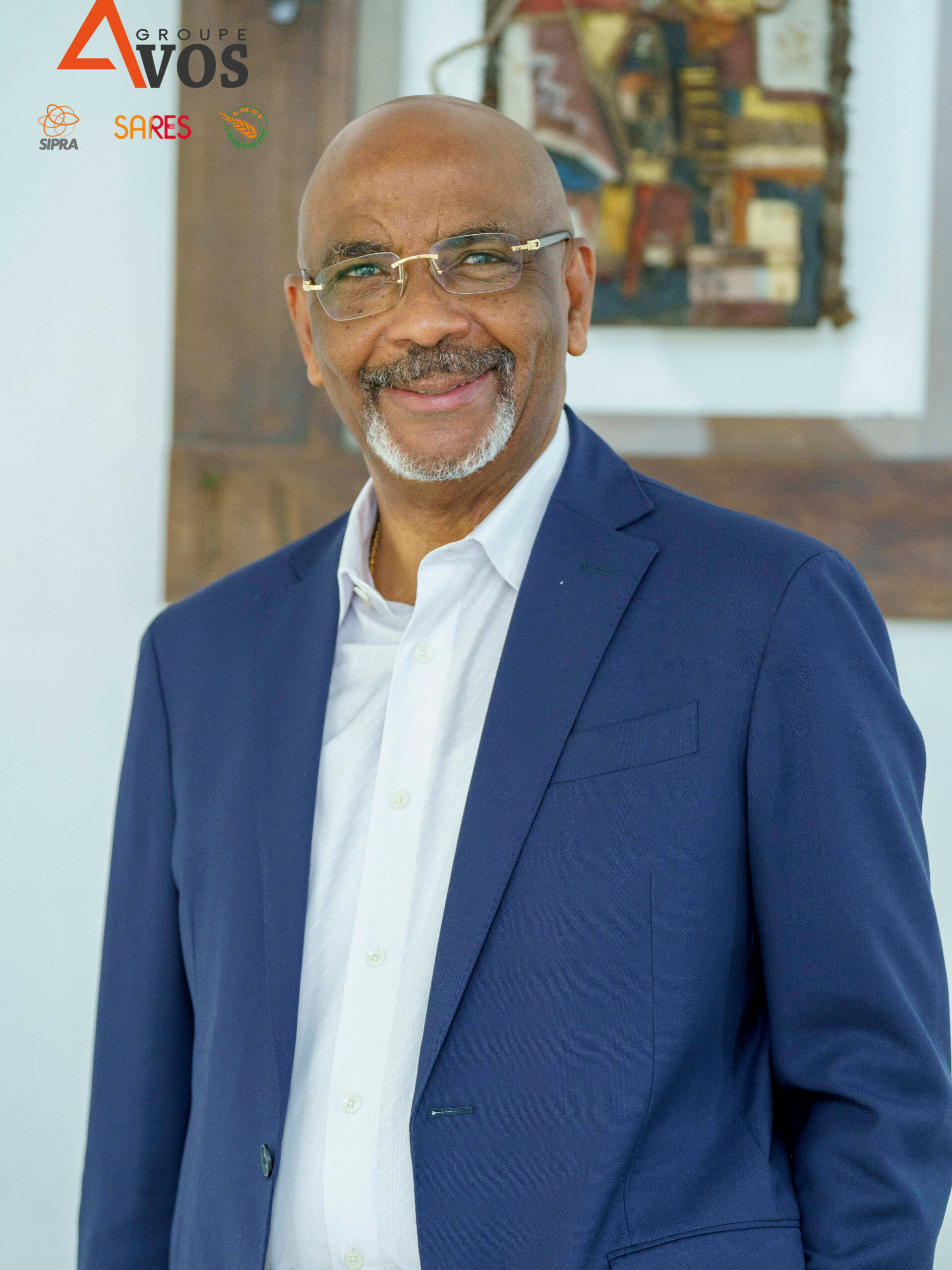
“For the past 50 years, SIPRA’s teams have helped establish the company as a leading player in the agri-food sector across the sub-region. Norfund’s entry into SIPRA’s shareholding reflects a strategic intent to partner with a committed institution to strengthen the company’s organizational structure, support its ongoing development, and enhance operational efficiency and governance. The company’s growth initiatives and its ambition to produce more sustainably—contributing to better nutrition across Africa—will be pursued alongside this international institutional partner, with whom we share common values and a shared vision,”

Jean-Marie Ackah, CEO and Chairman of Groupe Avos

Poultry is the fastest-growing, most affordable source of animal protein in Côte d’Ivoire. In addition, Poultry has a lower GHG footprint than beef, aligning with sustainable climate engagement by both Norfund and the Government of Cote d’Ivoire. This investment by Norfund is therefore timely in that context as Côte d’Ivoire is expected to outpace most West African peers in poultry market growth by 2027. This will be mostly driven by urbanization, rising domestic demand and continued investments by the sector supported by public policy reforms. By 2031, the country could emerge as a net exporter of poultry products within ECOWAS

Naana Winful Fynn, Regional Director for West Africa at Norfund, adds “By investing in SIPRA, we are partnering with an important company in Cote d’Ivoire’s economy. This investment aligns strongly with Norfund’s mandate to create jobs and improve lives. We will support the company to continue with its critical contribution to food security in Cote d’Ivoire, to realize its growth ambitions and to continue the work it is doing on the institutionalization front. These initiatives will strengthen the company’s long-term competitiveness and help to build an institution that will outlive this generation”. 

Norfund will be an active shareholder, supporting the company through a generational leadership transition, and contributing to institutional development and improvements in governance and operational performance. 

About Groupe Avos og SIPRA

 AVOS is a leading industrial agri-food group in West Africa, whose mission is to “Contribute to better feeding Africa.” Building on its leadership in poultry farming, the AVOS Group, founded by its Chairman and CEO, Mr. Jean-Marie ACKAH, has been operating for several decades in the vertical integration of agri-food value chains, making it a major player in the region’s industrial sector. 

With the acquisition in 2000 of SIPRA, a subsidiary of the French group EVIALIS, which he had already managed as CEO for 10 years, Mr. Jean-Marie ACKAH began building his group. The fully integrated and successful vertical model he developed enabled SIPRA to become the leader in the poultry sector in Côte d’Ivoire and the sub-region. SIPRA’s steady growth led to its expansion into Burkina Faso with the creation of the Société Burkinabé de Productions Animales (SOBUPRA); the opening of a second production site in Côte d’Ivoire, in the city of Yamoussoukro, with the establishment of the Société d’Aliments du Bétail du Bélier (SABB); and the upstream extension of its integration chain through an ambitious maize production program in the north of Côte d’Ivoire. 

Photo: Avos

Norfund invests in plastic recycling in Ghana and Nigeria 

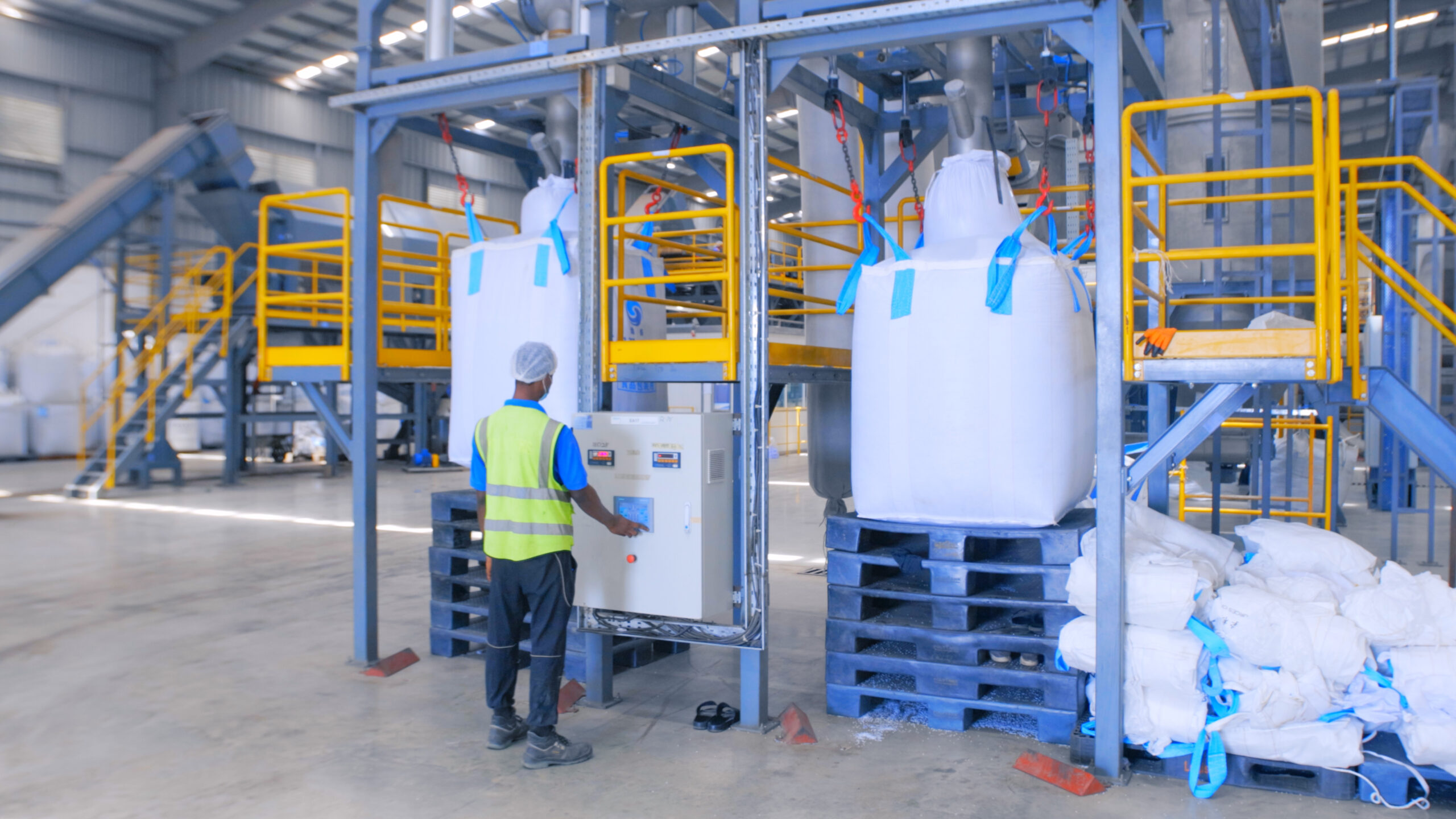
Norfund, the Norwegian government’s investment fund for business development in developing countries, is investing in Mohinani Group to support plastic recycling in Ghana and Nigeria. The investment in the form of a loan aims to reduce waste, cut greenhouse gas emissions, and create jobs in two of West Africa’s largest economies. 

Photo: Mohinani

“This investment in Mohinani Group aligns with our efforts to develop the plastic recycling sector, one of Norfund’s investment areas, in collaboration with industrial partners. By supporting the company to build high-capacity recycling infrastructure, we aim to buttress and develop collection chains, help to create jobs and improve lives, reduce dependency on imported inputs and decrease the amount of unmanaged waste. Along with the IFC, we look forward to supporting the company to operationalize these projects, as well as to additional collaborations,” says Naana Winful Fynn, Norfund’s Regional Director for West Africa. 

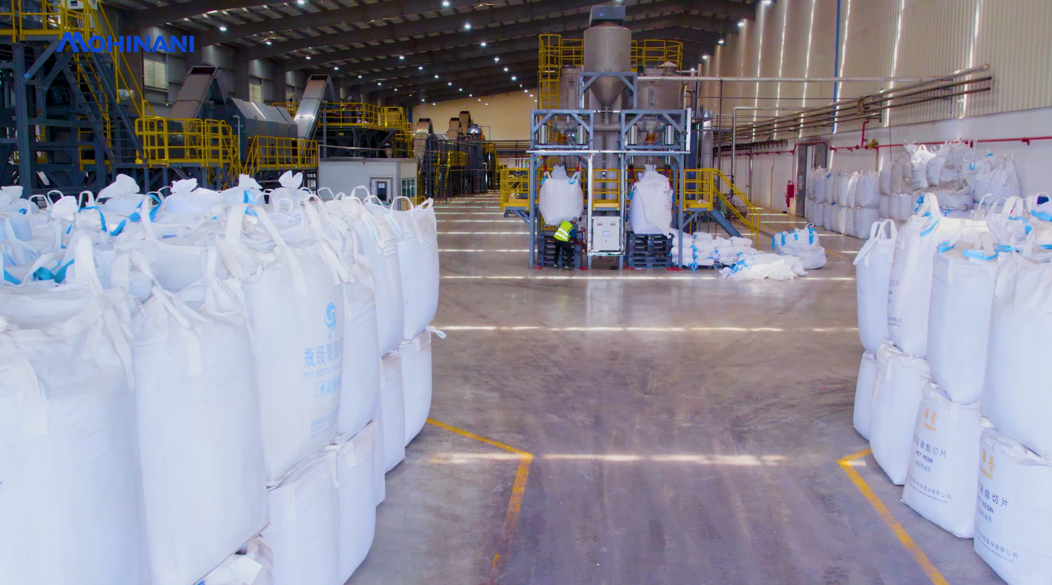
Mohinani Group has established two modern facilities for recycled PET (rPET) – one in Ghana and one in Nigeria – with a combined annual capacity of up to 15,000 tonnes of food-grade recycled plastic. This will replace virgin plastic in the production of bottles and packaging, helping meet global requirements for increased use of recycled materials.  

“This collaboration with Norfund marks another major milestone in our sustainability journey. Together, we are intensifying efforts to close the loop for bottle-to-bottle recycling across West Africa and beyond, while creating more jobs, enhancing the circular economy, and driving environmental impact,” said Mr. Ashok Mohinani, Chairman of the Mohinani Group. 

Globally, plastic production has doubled over the past 20 years, yet only 9 percent of plastic waste is actually recycled. In 2019, recycled plastic accounted for just 6 percent of the feedstock for new plastic, despite a fourfold increase in production over the same period. In Sub-Saharan Africa, each person uses only 16 kilograms of plastic per year on average, compared to 156 kilograms in OECD countries. However, large amounts of waste end up in open dumps or in nature due to inadequate waste management, and only 6 percent of plastic waste is recycled (Global Plastics Outlook 2022). 

Photo: Mohinani

Recycling creates new jobs

Mohinani Group is a family-owned industrial conglomerate with roots in Africa and operations in Ghana, Nigeria, Kenya, Dubai, and Hong Kong. The group employs over 5,000 people and is a leader in plastic manufacturing, packaging, trade, and recycling. In collaboration with local collection partners, the company has built a network of over 30 actors in Ghana and Nigeria to secure sufficient plastic waste as raw material. 

“The project is expected to create around 500 direct jobs and up to 3,000 indirect jobs in collection, transport, and logistics. It will also help reduce plastic pollution, cut greenhouse gas emissions, and strengthen local industry,” says Fynn. 

According to OECD, developing countries need over EUR 25 billion in annual investments to build adequate waste management systems. Current aid covers less than 2 percent of this need, making private capital mobilization essential to solving the plastic crisis. 

Affordable battery rentals in Africa’s most challenging markets

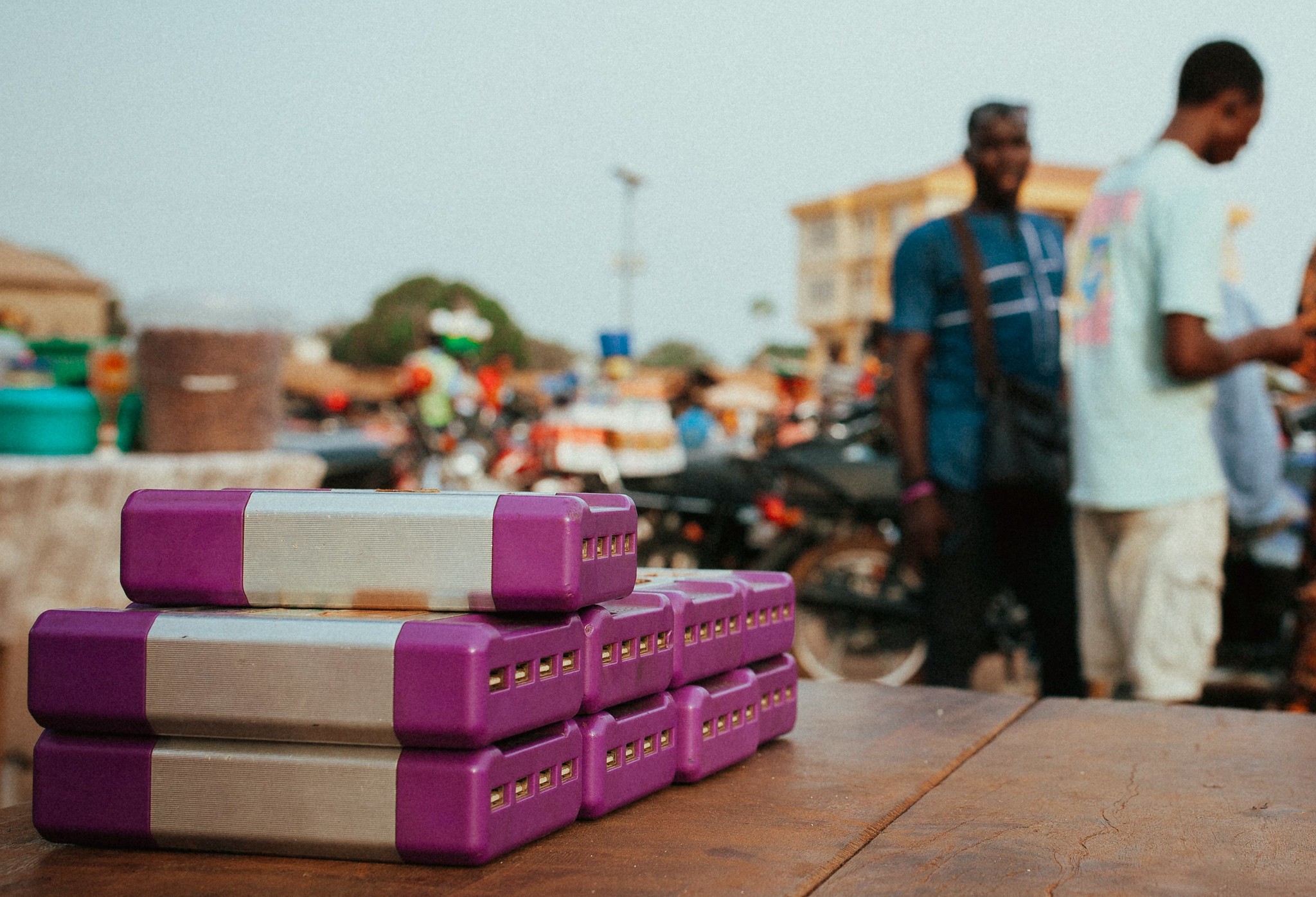
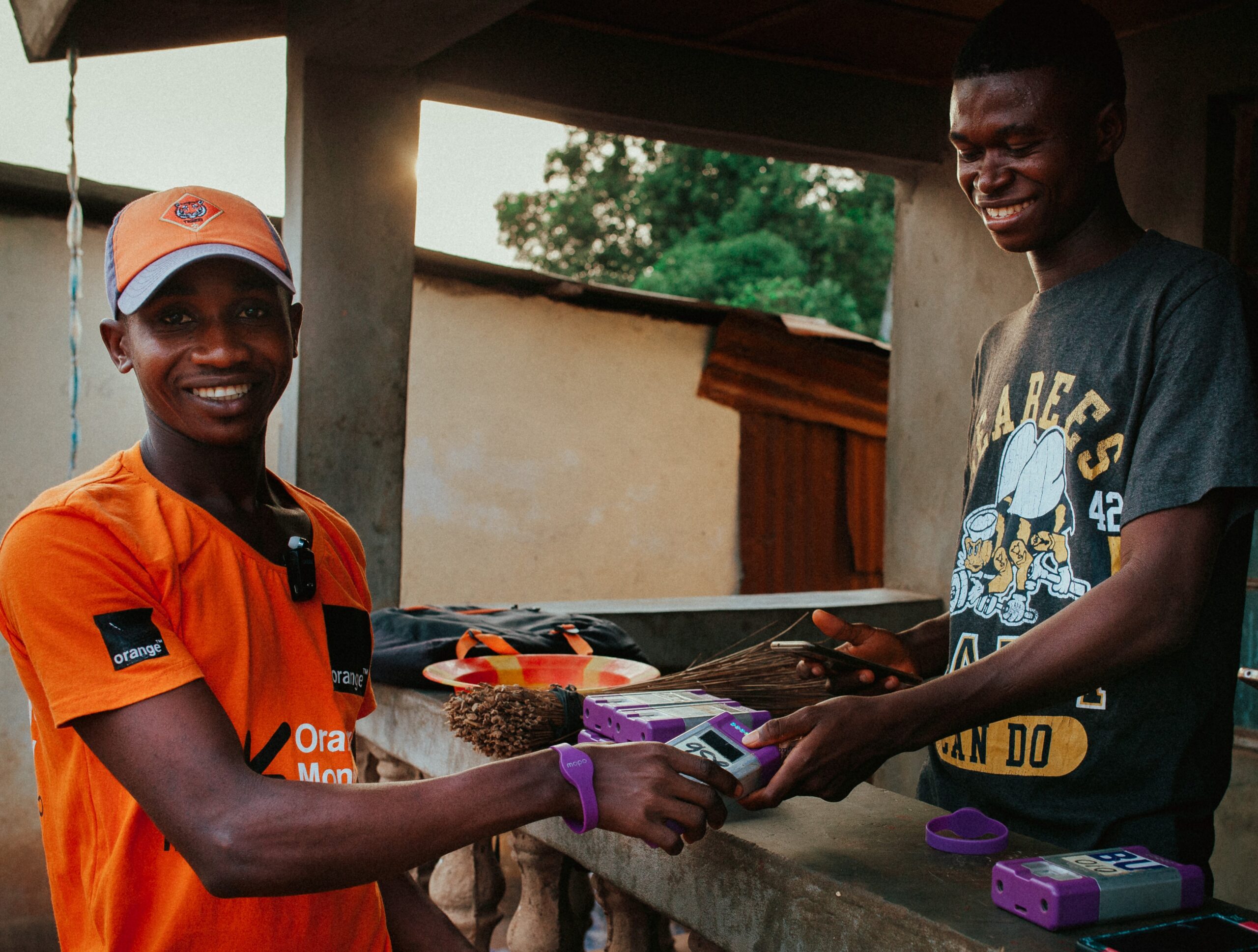
Noisy and polluting petrol generators remain the backbone of Africa’s $75 billion off-grid power market. MOPO, a battery rental company, is challenging this model and has now received a USD 5 million investment from Norfund to scale its solution. 

Photo: MOPO

A model built for the hardest-to-reach communities 

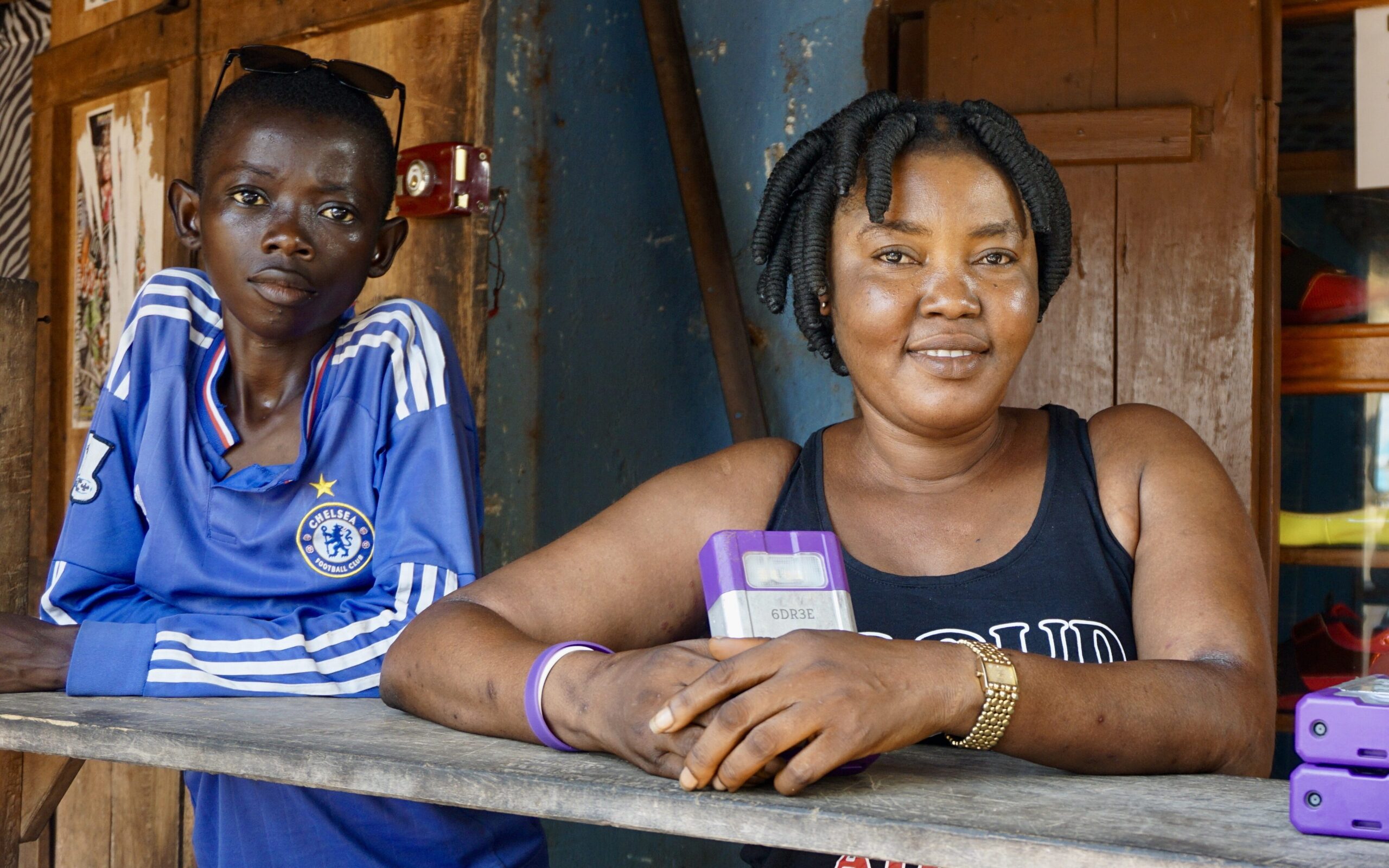
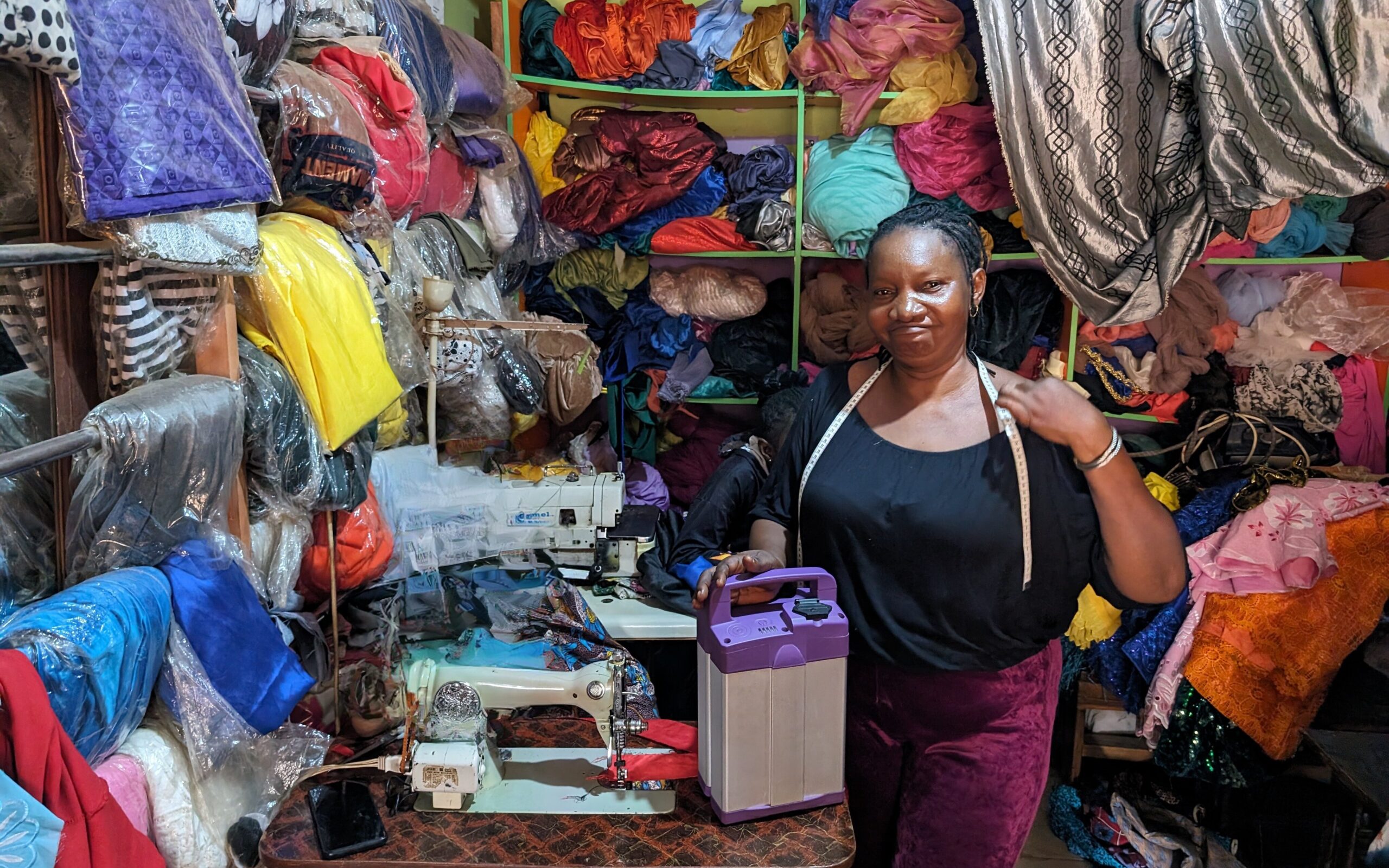
MOPO (Mobile Power Ltd.) operates solar-powered charging hubs in Nigeria, the DRC, Sierra Leone, Liberia, Chad and Uganda – countries with some of the lowest electrification rates in the world. Because diesel generators are cheap to buy but expensive to run, use of solar-powered batteries offers a far cheaper and cleaner option in the long term. There is only one problem – many can’t afford the initial investment. Battery leasing removes this barrier, providing households and businesses in off-grid communities with affordable, reliable power without upfront costs.  

In Sierra Leone, where just 21 percent of the population has access to electricity, customer Ibrahim Bangura shares: “MOPO has changed my life! We no longer struggle with unreliable, expensive energy, we have power exactly when we need it. The batteries are cheaper than petrol generators and we now have consistent affordable power that runs my fridge, helps my children study after dark, and allows me to run my business more reliably.” 

Photo: MOPO

Taking risks where others won’t

To reach the riskiest and most early-stage companies in the toughest markets, Norfund invests through its Frontier Facility. The facility is designed for exactly these kinds of high-risk opportunities in countries where few others are willing to invest.  

“We are thrilled to support MOPO’s expansion through the Frontier Facility, addressing underserved areas in particularly challenging markets. Its model replaces expensive and polluting generators with affordable, renewable power, reaching households and small businesses,” says Pål Helgesen, Investment Director at Norfund.

Disrupting Africa’s fossil fuel dependency

A core part of MOPO’s impact is replacing polluting diesel generators, which remain the default power source for millions of households and businesses across Africa. By offering affordable, renewable batteries on a pay-per-use basis, MOPO helps communities phase out these costly and harmful generators. 

Photo: MOPO

Did you know?

Norfund increases investment in user-friendly mobile payments in Africa  

Norfund participates in a EUR 117 million debt raise to support Wave Mobile Money’s growth in Africa, alongside British International Investment (BII), Finnfund, and lead arranger Rand Merchant Bank (RMB).

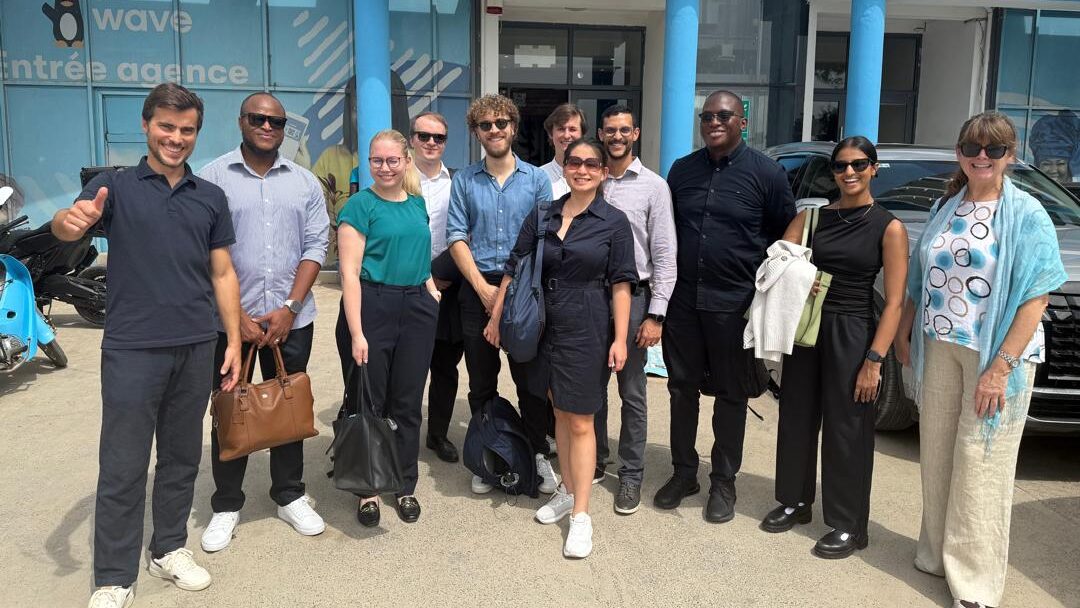
Investors RMB, BII, Finnfund, and Norfund visited Wave HQ in Dakar, Senegal.

The facility will support Wave’s continued expansion of affordable and user-friendly mobile financial services across West Africa and into new frontier markets. 

Wave is a mobile money app that provides individuals and small businesses with a secure, affordable alternative to cash—enabling them to save, transfer money, pay bills, and access essential financial services. For many users, it serves as a first step into the formal financial system, helping to build financial identity and improve productivity.  

“This new loan marks Norfund’s second investment in Wave, following our initial funding in 2022. Since then, Wave has demonstrated scalable and sustainable growth across its core markets. Its mobile-first model has been instrumental in expanding financial access for low-income individuals and small businesses—many of whom are entering the formal financial system for the first time,”

Marianne Halvorsen, Investment Director at Norfund

The new capital will strengthen Wave’s working capital position and accelerate its expansion across eight markets, including Senegal, Côte d’Ivoire, and Gambia, while enabling further reach into underserved fragile states such as Burkina Faso, Mali, and Niger. 

 “Since launching our Fintech Investment Strategy in 2022, we have expanded our portfolio to include digital-first companies driving financial inclusion across payments, embedded finance, digital lending, neobanking, and insurtech,”

Kathy Chang, Investment Manager at Norfund
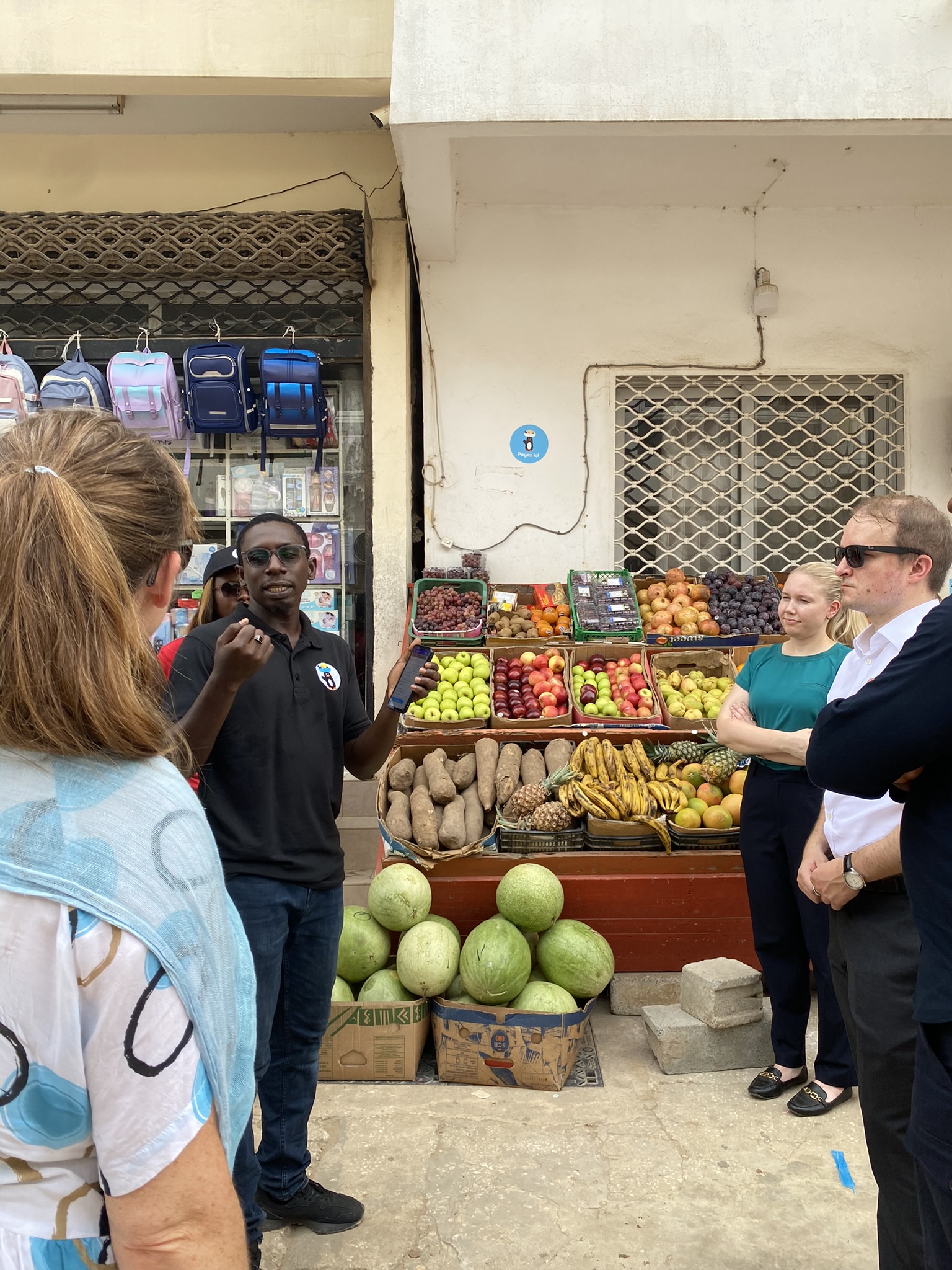
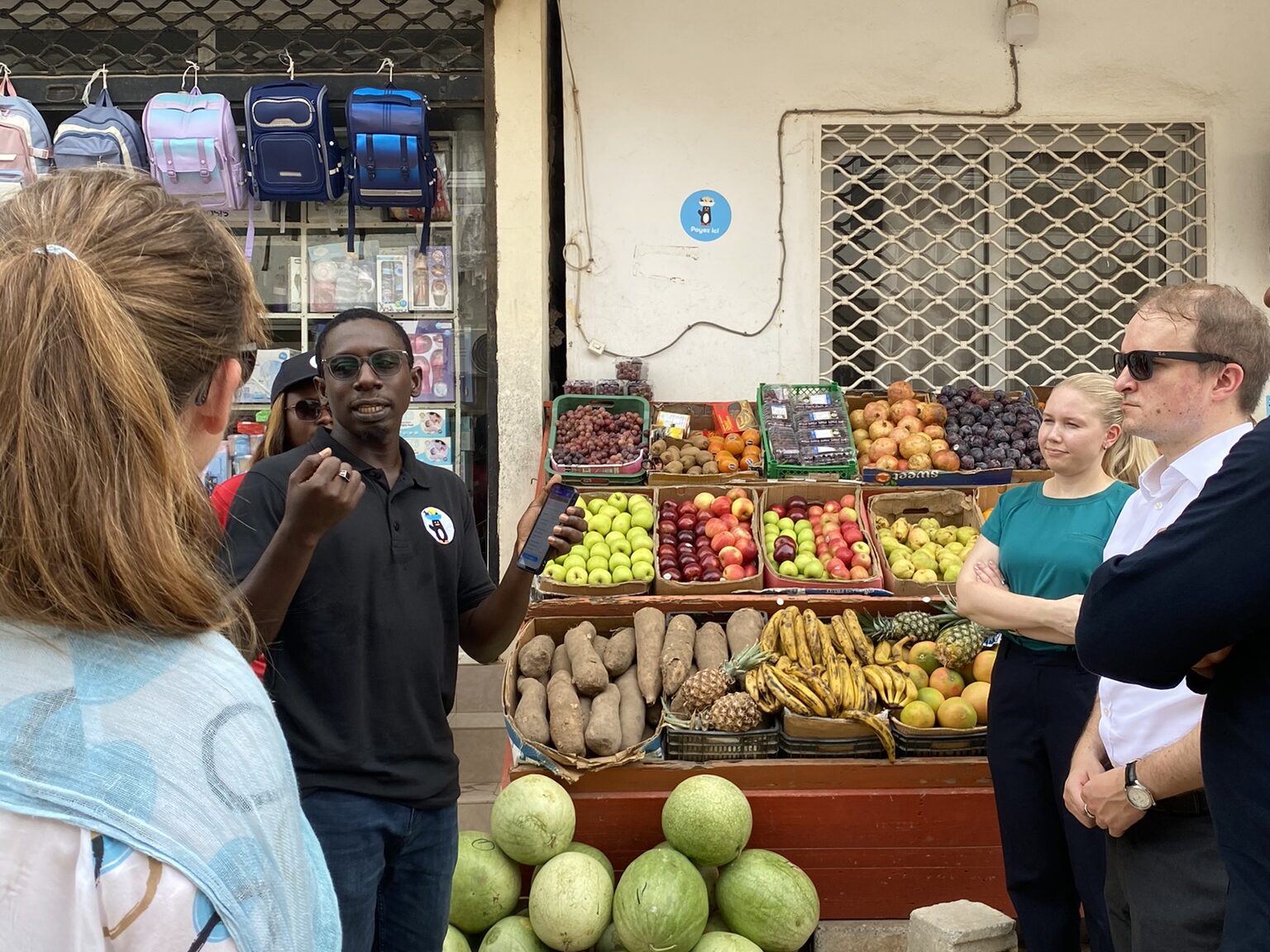
Wave is widely used i small shops, such as in this vegetable shop in Dakar, Senegal.

Norfund typically provides direct investments of USD 5–20 million in high-quality fintech companies that are either profitable or have a clear path to profitability, primarily from Series A stage and beyond. Since establishing the FinTech Investment Strategy, Norfund has invested in Wave Money, Lula Lend,Amartha, Funding Societies,  AwanTunai and earlier this year also in, OmniRetail in Nigeria. 

Investing to scale renewable energy infrastructure in Nigeria

Konexa, Climate Fund Managers and Norfund have signed a Development Funding Agreement to support the next phases of Konexa’s renewable energy expansion in Nigeria.

The agreement will enable the development of a solar PV plant and new and strengthened grid infrastructure to connect two Nigerian Breweries Plc sites in Lagos and Enugu State to renewable electricity supply. The project is expected to offset approximately 30,000 tonnes of CO₂ emissions annually, support 100 construction jobs, and create 35 permanent roles.

Read the joint press release

The partners will jointly invest USD 3.6 million, with Climate Fund Managers contributing 50%, and Norfund and Konexa each contributing 25%. Together, these commitments are expected to unlock approximately USD 80 million in further investments for construction at financial close, expected in the second half of 2025. Norfund`s investment is done through the Frontier Facility, which is used for projects with a higher risk than the rest of the portfolio.

“This partnership reflects Norfund’s commitment to scale renewable energy infrastructure in Nigeria and to contribute to long-term social, environmental and economic impact. We see Konexa’s business model as an innovative and impactful solution, addressing the country`s sector challenges. We are excited to join forces with Konexa and CFM,” says Birgit Edlefsen, Senior Vice President, Renewable Energy at Norfund.

Nigeria has faced decades of under-investment in renewable energy generation and grid infrastructure. In 2022, 75 % of the electricity generation came from natural gas, and only 0.3 % from solar, according to the IEA. As a result, access to reliable electricity remains limited, and many businesses rely on expensive, polluting diesel and gas generators. The government’s Vision 30:30:30 aims to increase renewable energy to 30 % of total electricity generation by 2030.

New fintech investmentdrives financial inclusion in West Africa

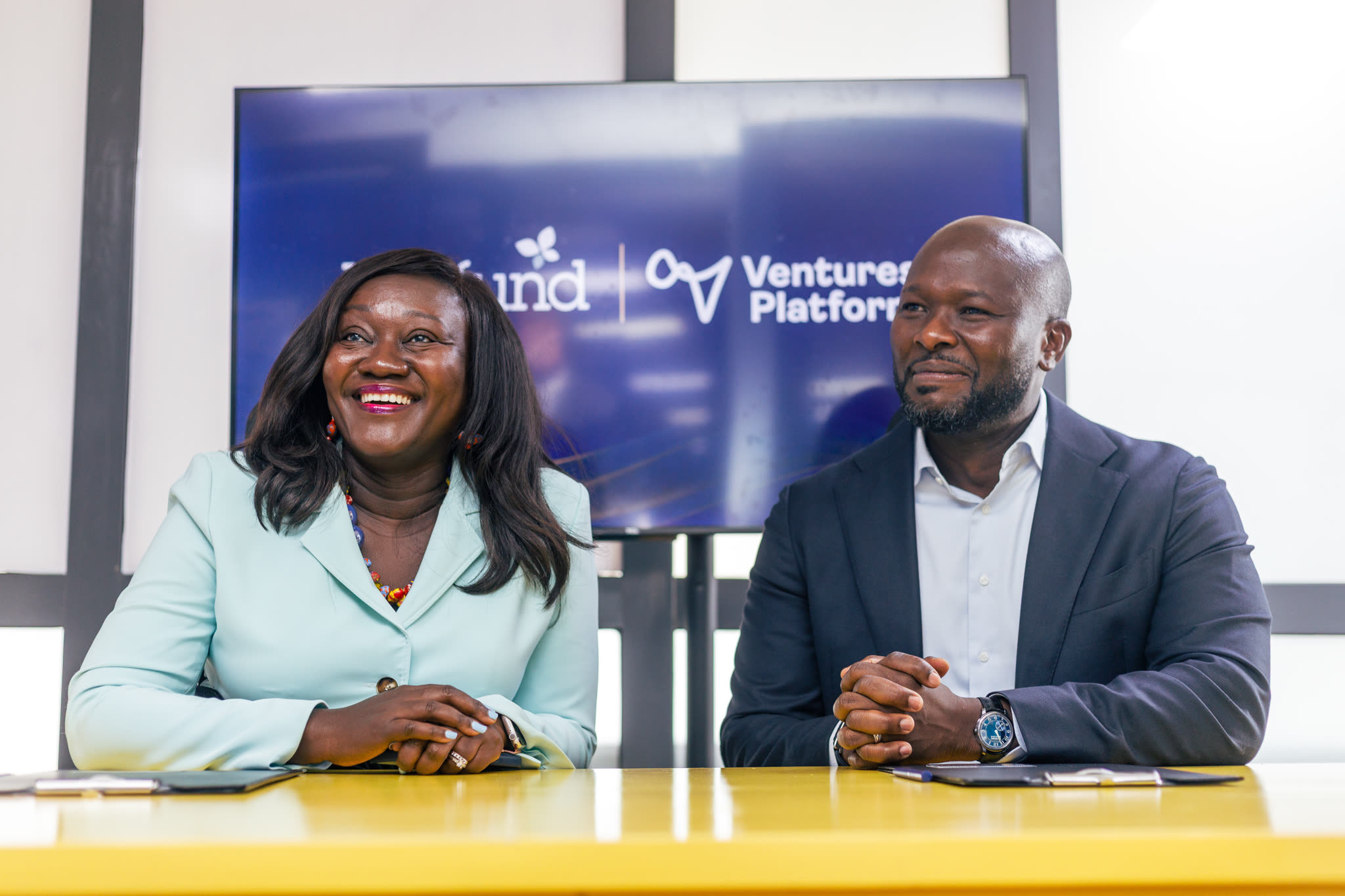
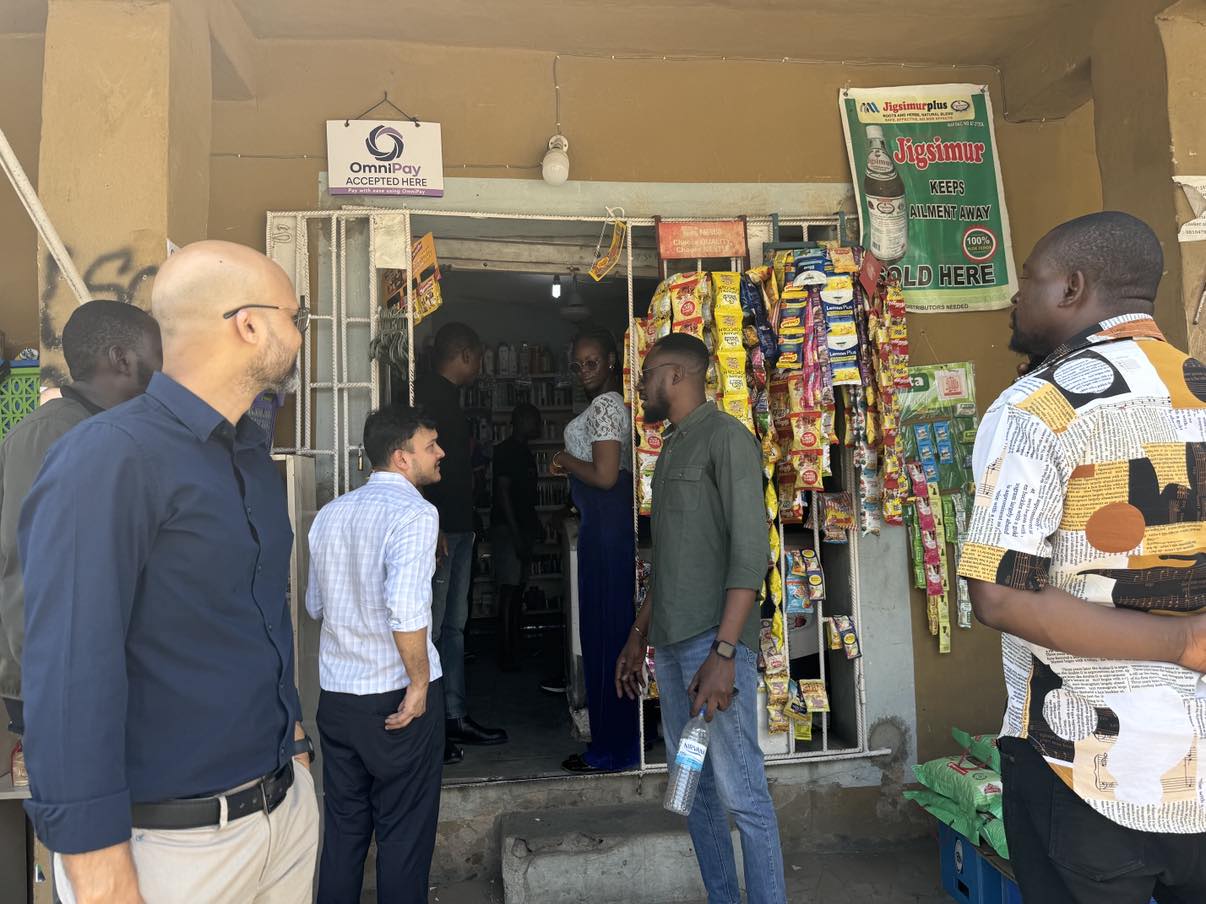
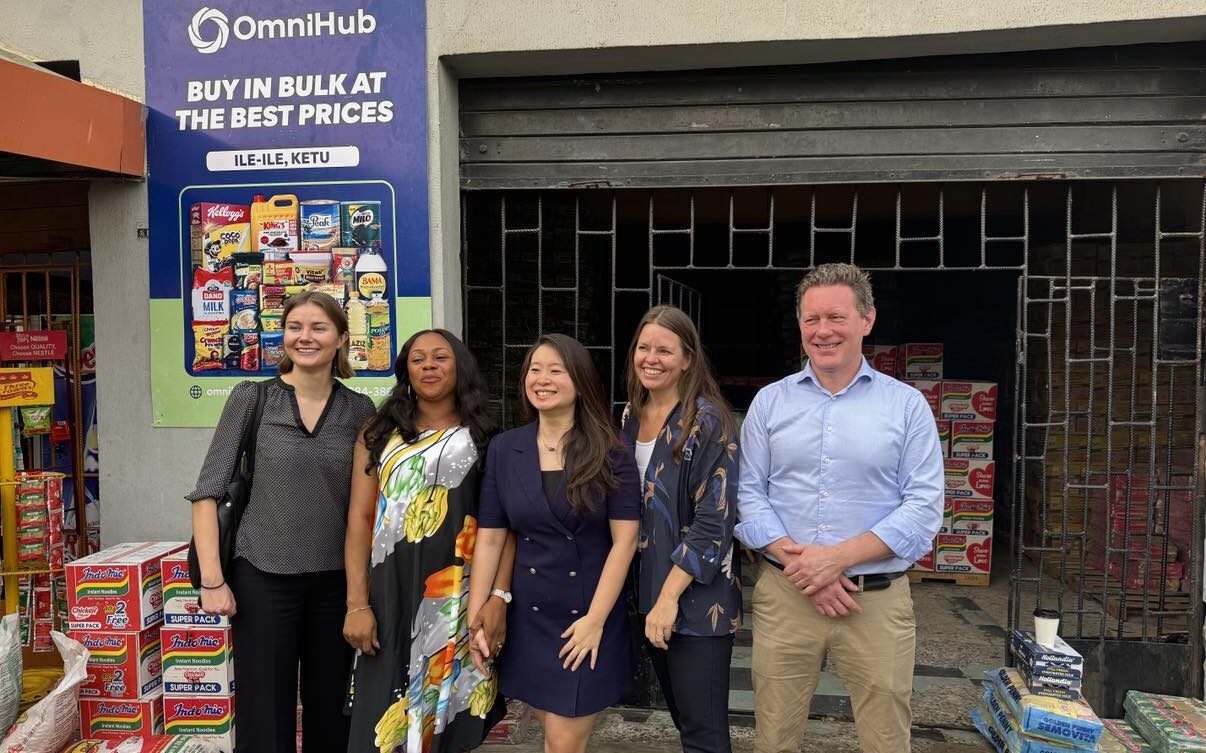
Norfund has made its first direct equity investment in African fintech through OmniRetail, a Nigerian technology platform that provides small shops in Nigeria, Ghana, and Côte d’Ivoire with access to credit, fast product delivery, and digital payment solutions.

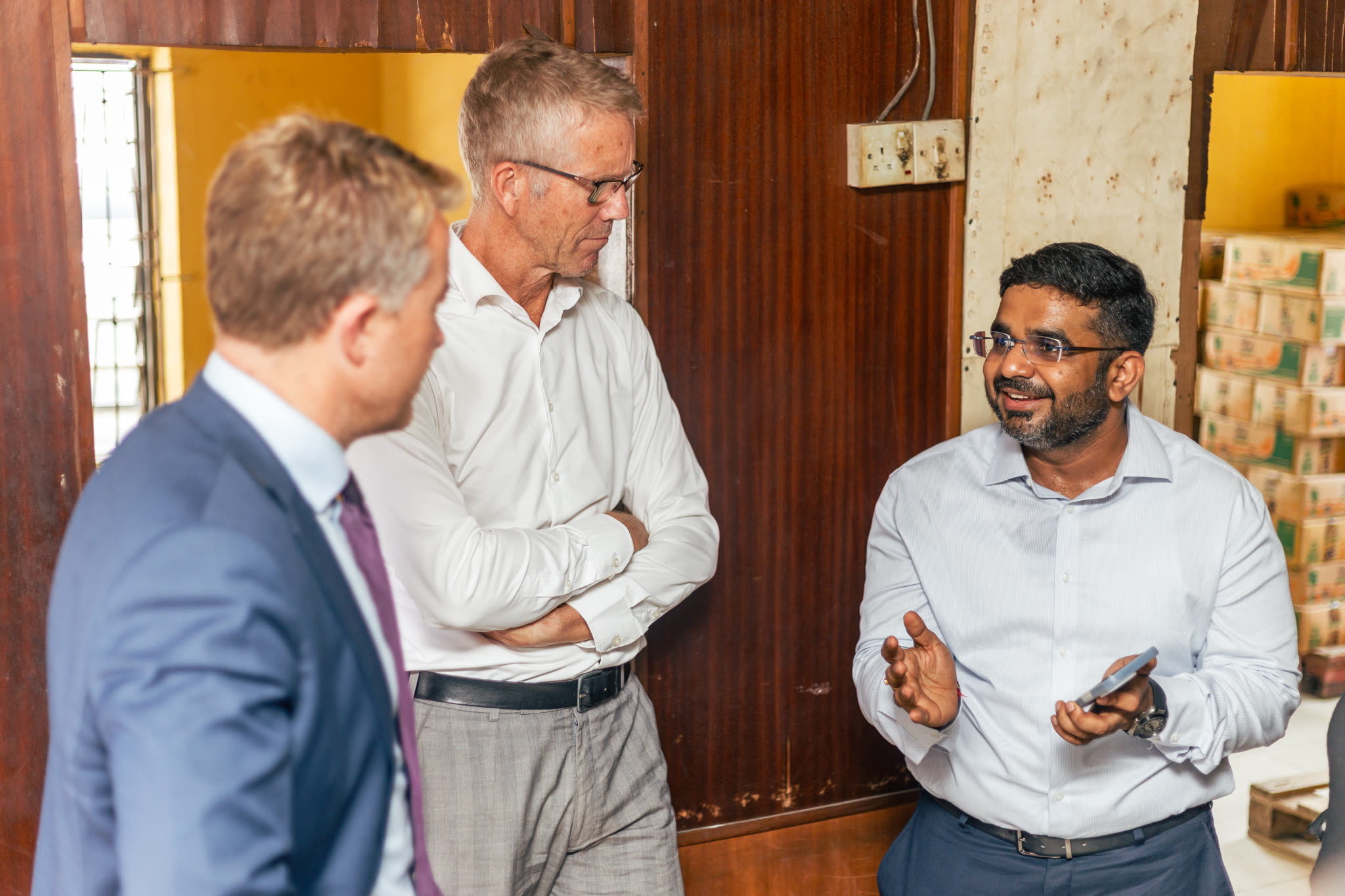
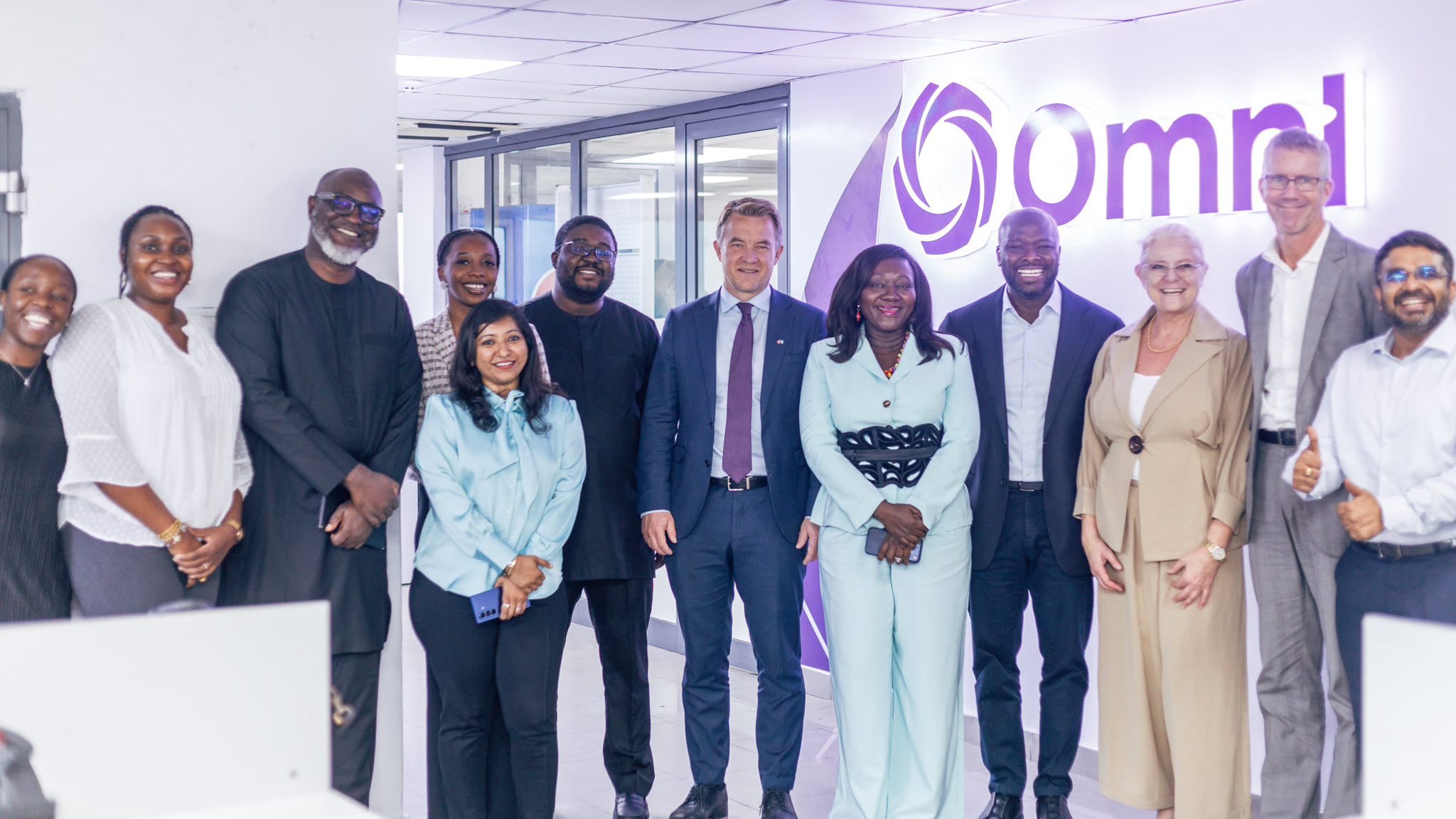
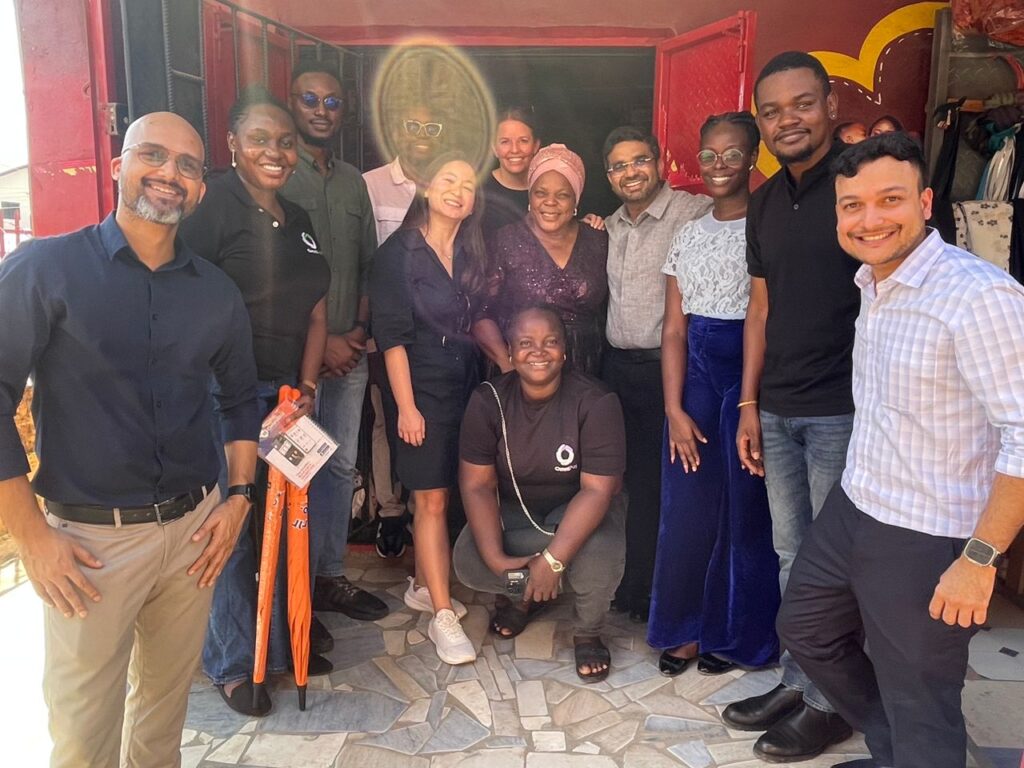
Norfund and the leadership team at Omni visit one of the many female distributors who source their goods through the Omni platform.

“Fintech is an effective tool for increasing access to working capital for small businesses in Africa, which are often underserved by traditional banks,” says Cathrine Conradi, Investment Director at Norfund. “By leveraging technology, companies like Omni can reach and serve their customers at a much lower cost. They use alternative data, such as order history, to assess the creditworthiness of clients who do not have access to bank accounts.”

Building an ecosystem around small shops

OmniRetail has established a digital commerce network connecting more than 150,000 suppliers, distributors, retailers, and logistics partners across 12 cities in Nigeria, Ghana, and Côte d’Ivoire. The platform enables digital procurement of everyday goods, including delivery and financing.

The company currently employs 600 people and reached profitability just four years after it was founded.

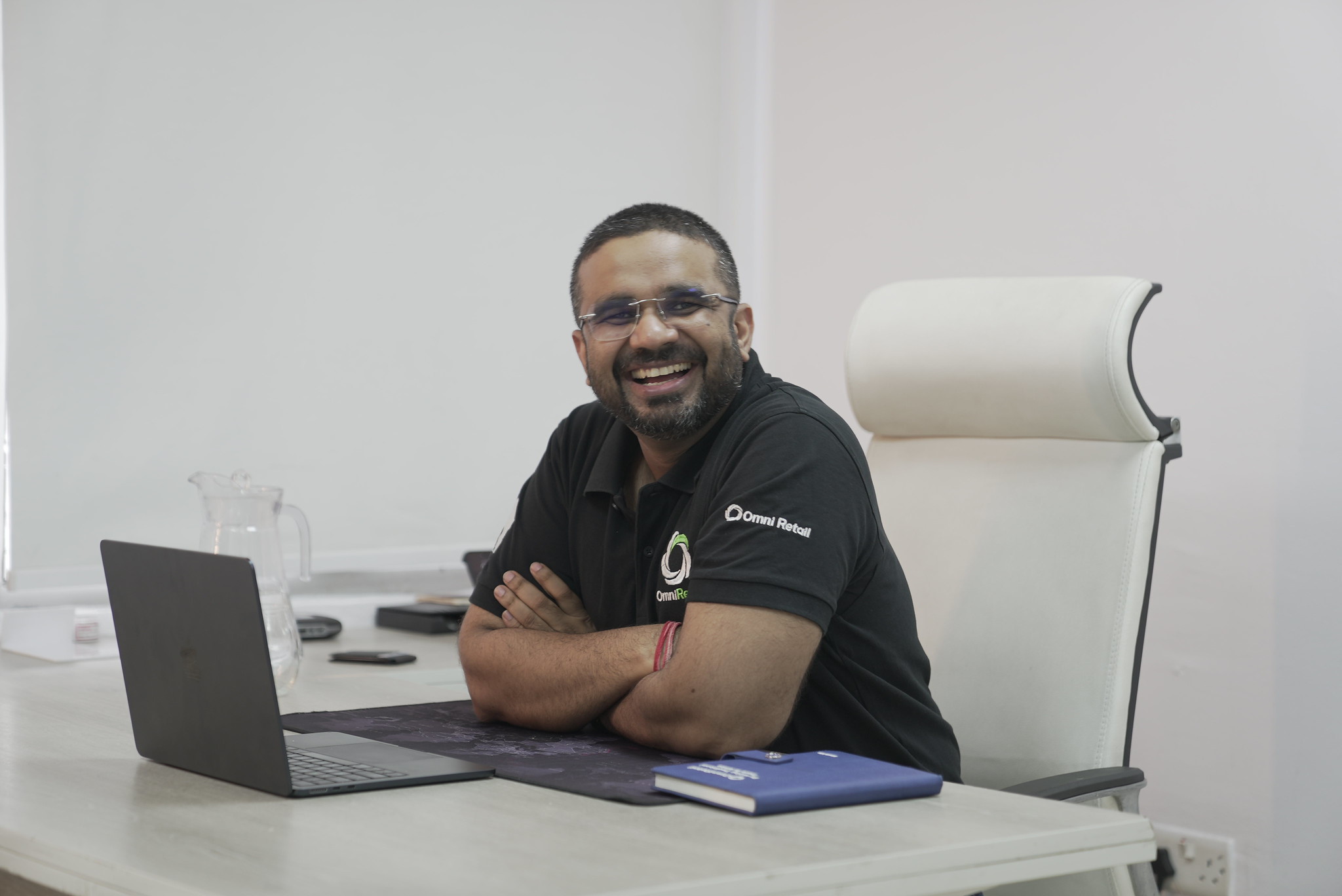
“We started by providing access to goods – now we’re building an entire financial ecosystem around the shops,” says Deepankar Rustagi, CEO at OmniRetail.

Traditional banks often require collateral for loans—something most small shops cannot provide. Many operate without formal accounting, credit scores, or even bank accounts. What they do have, however, are mobile phones and access to “mobile money,” a solution similar to Vipps. OmniRetail enables shops to order, pay for, and receive goods digitally, eliminating the need to close the store to buy inventory at the market. Credit is offered exclusively for product purchases, ensuring that financing is directed solely toward income-generating activities.

Thanks to machine learning–based credit assessments and close customer engagement, the company has a default rate of less than 0.5 percent—significantly lower than that of traditional bank loans to the same target group.

– A targeted solution for financial inclusion

Nigeria, Africa’s largest economy, is a key market for small businesses. More than 95 percent of the country’s enterprises are small, accounting for over 80 percent of employment and nearly half of GDP. With a population of 240 million expected to surpass 400 million by 2050, Nigeria is set to become the world’s third most populous country.

One in ten small and medium-sized enterprises in Nigeria cite lack of access to financing as their biggest barrier to growth. Fintech can play a crucial role in promoting financial inclusion in markets where capital is expensive and difficult to obtain.

Photo credit: OmniRetail

OmniRetail represents a new generation of fintech companies that combine technology and finance to reach small players in the informal market. The company’s model is based on embedded finance—financial services integrated directly into the value chain and the platforms that shops already use.

Reducing risk in challenging markets

Norfund is participating in a USD 20 million investment round and is the first development finance institution to invest in OmniRetail. By coming in early, Norfund helps mobilize private and institutional capital—not only for OmniRetail, but also for the broader segment and region. Increased equity from an investor like Norfund also strengthens the company’s ability to secure local debt financing.

“With Norfund’s support, we can scale more quickly and strengthen the entire retail value chain—through digitalisation and targeted financing that improves the daily lives of our customers,” says Rustagi.

“This is exactly the kind of investment we aim to do more of: targeted, measurable, and firmly rooted in the local context. We strongly believe that fintech will be key to achieving Norfund’s ambition of increasing access to affordable finance in our markets,” says Conradi.

Investing in renewable energy for mobile coverage in Mali

Norfund is investing 166 million NOK in the company CREI to provide 2876 mobile towers in Mali with stable solar energy.

Photo credit: CREI Mali

Mobile coverage plays a central role in most people’s daily lives and is an important prerequisite for business activities even in some of the world’s least developed countries. To have mobile coverage, one must be near a mobile tower, and mobile towers need power to provide stable mobile coverage.

In countries like Mali, which has been affected by armed conflict for over a decade, mobile coverage cannot be taken for granted. At the same time, it is crucial to get information and communicate with people and services that are not in the same place as you.

“This investment underscores Norfund’s dedication to promoting renewable energy solutions in fragile states, bolstering economic resilience, and developing essential infrastructure in challenging environments. By backing CREI in Mali, we aim to foster conditions conducive to economic growth, job creation, and enhanced stability in the region,” says Birgit Edlefsen, SVP at Norfund.

CREI already provides power to mobile towers in other vulnerable states like South Sudan and the Central African Republic. However, this will be the company’s largest project to date.

The solution that CREI will build for mobile towers across the country consists of solar panels combined with batteries, so that the towers have power even when the sun is not shining. Diesel will also continue to play a minor role as backup.

Strengthening telecom infrastructure is an important prerequisite for economic growth and digital inclusion.

“By using a combination of solar and battery, we not only contribute to extended and more stable coverage in both rural and urban areas in Mali but also to economic growth and local job creation, as part of Mali’s digital transformation,” says Kadri El Hakim, CEO at CREI.

“This investment is a milestone in the development of renewable energy solutions in the telecom sector in Mali. It will contribute to cleaner, cheaper, and more reliable power supply,” says Thibault Neveu, co-founder of the FEI fund and CEO of the fund manager Cygnum Capital.

Plastic recycling creates jobs and gives women opportunities in Ghana 

2,5 years after Norfund’s investment in Miniplast in Ghana, the company has doubled the amount of plastic recycled, created 700 new jobs and more than tripled the share of women in the workforce. 

Åsmund Aukrust, Norway’s Minister of Development, visiting Miniplast 18th of March 2025.

«The investment in Miniplast showcases how we can attain multiple goals simultaneously. It is an inspiring example of how contributing to solving a significant environmental challenge through private initiatives, can also contribute to creating jobs and give more opportunities for women, which is an important goal for Norway”, said Åsmund Aukrust, Norway’s Minister of International Development, visiting the company in Ghana 18th March. 

In July 2023 Norfund announced a USD 10.5 million investment in Miniplast Ghana Ltd, a leading plastics manufacturer based in Accra. The capital has gone to purchasing new machinery to increase the company’s capacity to use more locally sourced recycled materials to substitute imported plastic resins. 

“At the end of 2023, we had 980 employees, of which 909 were men and 71 were women. Today we have 1700 employees of which more than 500 are women”, says Nadim Ghanem, CEO of Miniplast. 

Nadim Ghanem and Åsmund Aukrust.

Poverty in Ghana had been on a downward trend since the 1990s but went on the rise after the COVID-19 pandemic. Weak economic growth and high inflation—particularly in food prices—have worsened living standards, pushing more people into poverty (World Bank). 

“Having a job to go to and an income to live on is the way out of poverty for most people, whether in Norway or here in Ghana. Work for all is definitely “job number one” also in the Government’s efforts to fighting poverty at a global level,” says Minister Aukrust. 

“Having a job making ends meet, is key to ending poverty all over the world. As people and companies are paying taxes, more resources can be put towards basic services such as health and education, making countries fend for their own people – the ultimate goal for international development”, said Minister Aukrust. 

The minister is pleased to see how Miniplast has increased the share of women in the workforce.  

“There will be no sustainable development if only half of the population is involved. Thus, gender equality and women’s inclusion in the workforce are essential to combat poverty,” said Aukrust.  

Proving functioning models to fight plastic pollution

More than 171 trillion pieces of plastic are estimated to be floating in the world’s oceans and could further nearly triple by 2040. Establishing systems for collection of plastic waste is however complicated even in high-income countries. It is even more challenging in countries where waste regulation and producer responsibility are often lacking. 

“Plastic recycling is necessary for the environment and obviously the right thing to do, but It is only viable here in Africa when it is economically viable”, says Nadim Ghanem, CEO of Miniplast. 

Since Norfund’s investment, Miniplast has almost doubled the amount of recycled plastic in the production of new products from 800 tons in 2023 to 1500 tons in 2025 per month.  

“The contributions of this investment may seem small compared to the overwhelming challenge of plastic pollution. However, by showcasing a functioning model like Miniplast, we believe we can enable the development of an industry and the promotion of a culture of waste management, while creating a large number of jobs, says Obafemi Awobokun, project manager for Miniplast in Norfund. 

Increased standards on health, environment and safety

In partnership with Norfund, Miniplast has developed its capacity within health, environment and safety, and the company was recently certified as having world-class systems for Quality Management, Occupational Health and Safety Management, Environmental Management, and Food Safety Management (ISO 14001:2015, ISO 45001:2018, FSSC 22000 in 2024, in addition to ISO 9001).   

“The certifications reflect Miniplast’s commitment to making a positive contribution to both the environment and society, but we would not have achieved this without our partnership with Norfund. We are confident that the development will support Miniplast in acquiring new customers, entering new markets, and developing new business lines”, says Nadim Ghanem, CEO of Miniplast.