Investing in renewable energy for mobile coverage in Mali
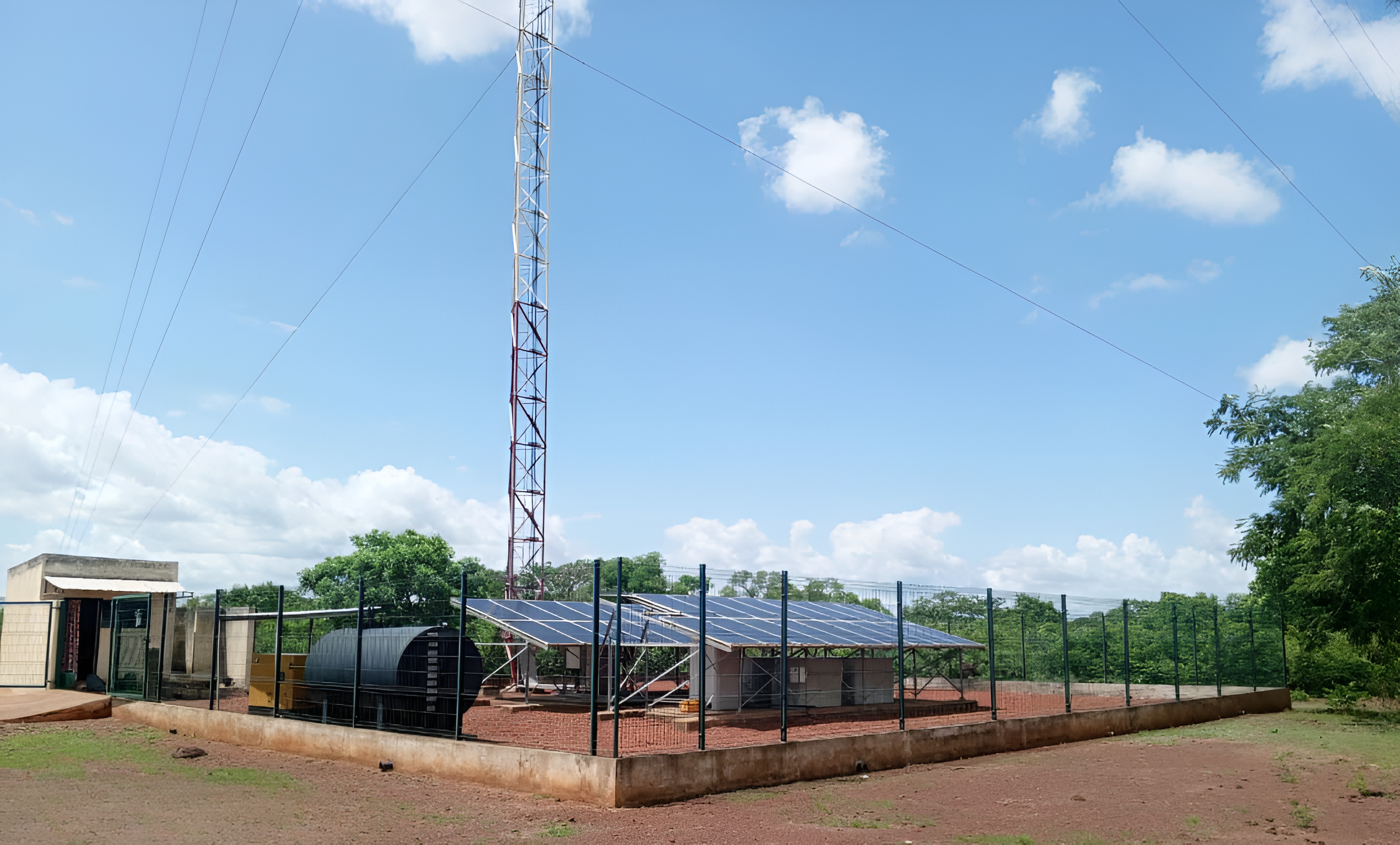
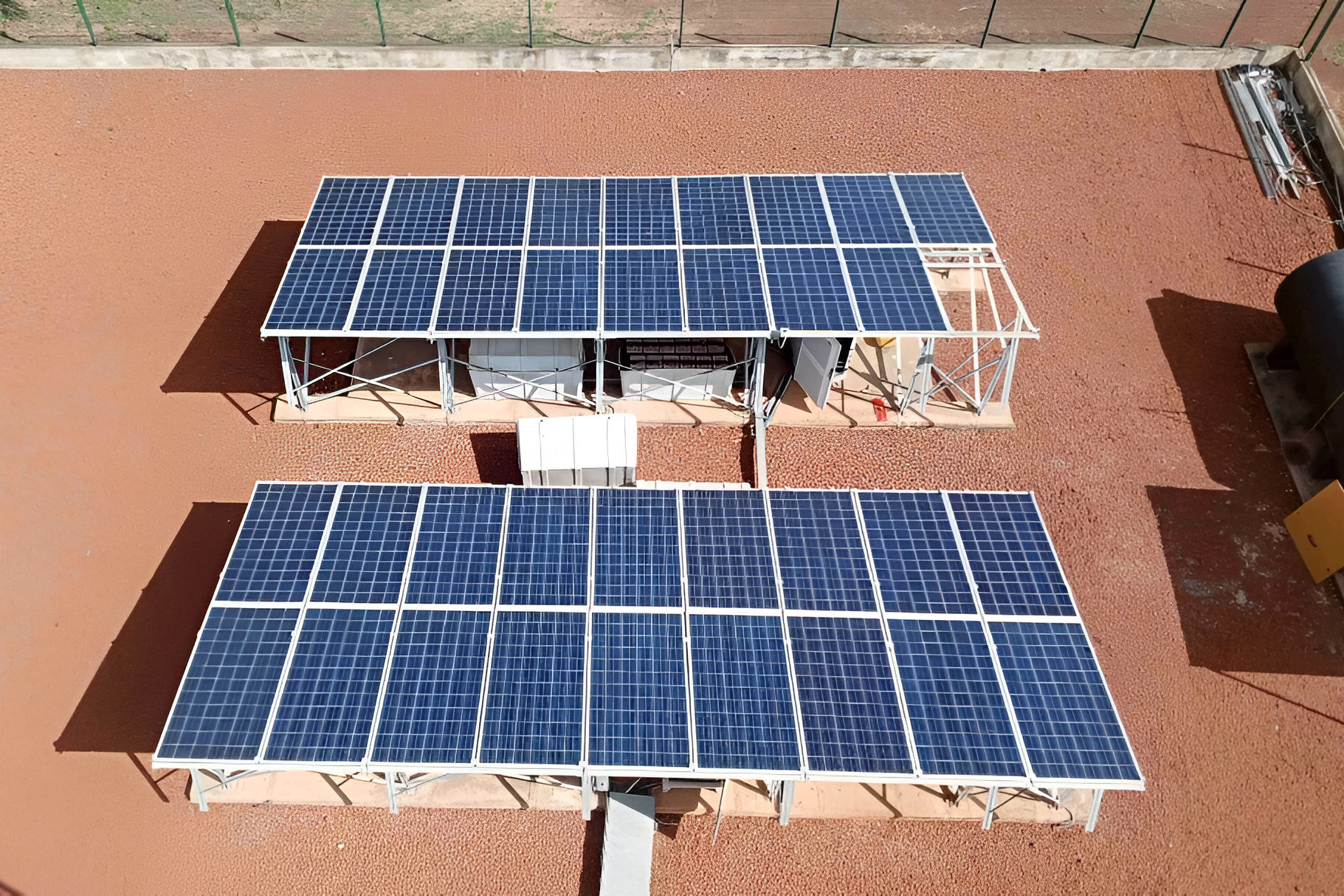
Norfund is investing 166 million NOK in the company CREI to provide 2876 mobile towers in Mali with stable solar energy.
Photo credit: CREI Mali
Mobile coverage plays a central role in most people’s daily lives and is an important prerequisite for business activities even in some of the world’s least developed countries. To have mobile coverage, one must be near a mobile tower, and mobile towers need power to provide stable mobile coverage.
In countries like Mali, which has been affected by armed conflict for over a decade, mobile coverage cannot be taken for granted. At the same time, it is crucial to get information and communicate with people and services that are not in the same place as you.
“This investment underscores Norfund’s dedication to promoting renewable energy solutions in fragile states, bolstering economic resilience, and developing essential infrastructure in challenging environments. By backing CREI in Mali, we aim to foster conditions conducive to economic growth, job creation, and enhanced stability in the region,” says Birgit Edlefsen, SVP at Norfund.
CREI already provides power to mobile towers in other vulnerable states like South Sudan and the Central African Republic. However, this will be the company’s largest project to date.
The solution that CREI will build for mobile towers across the country consists of solar panels combined with batteries, so that the towers have power even when the sun is not shining. Diesel will also continue to play a minor role as backup.
Strengthening telecom infrastructure is an important prerequisite for economic growth and digital inclusion.
“By using a combination of solar and battery, we not only contribute to extended and more stable coverage in both rural and urban areas in Mali but also to economic growth and local job creation, as part of Mali’s digital transformation,” says Kadri El Hakim, CEO at CREI.
“This investment is a milestone in the development of renewable energy solutions in the telecom sector in Mali. It will contribute to cleaner, cheaper, and more reliable power supply,” says Thibault Neveu, co-founder of the FEI fund and CEO of the fund manager Cygnum Capital.
Plastic recycling creates jobs and gives women opportunities in Ghana
2,5 years after Norfund’s investment in Miniplast in Ghana, the company has doubled the amount of plastic recycled, created 700 new jobs and more than tripled the share of women in the workforce.
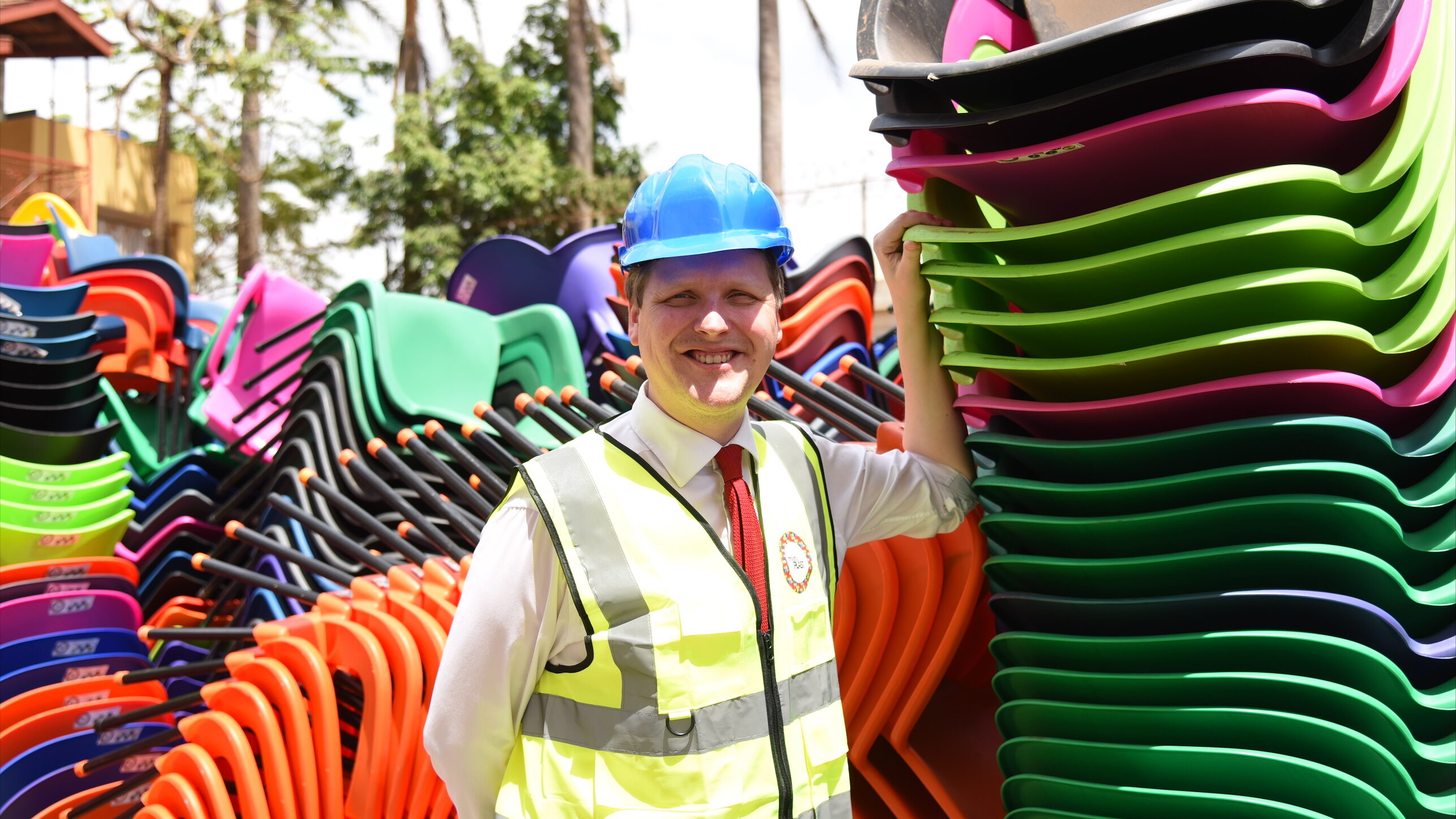
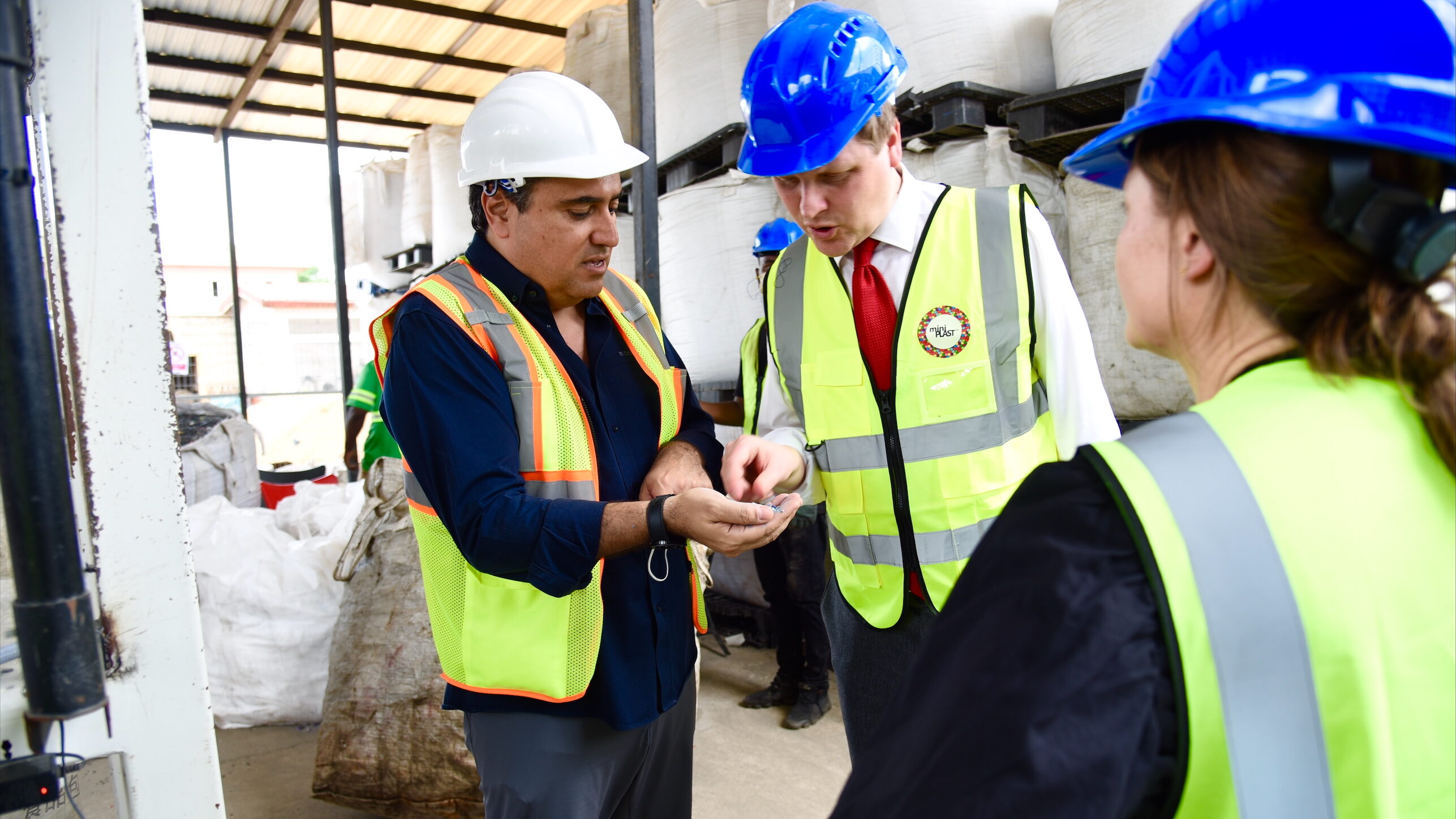
Åsmund Aukrust, Norway’s Minister of Development, visiting Miniplast 18th of March 2025.
«The investment in Miniplast showcases how we can attain multiple goals simultaneously. It is an inspiring example of how contributing to solving a significant environmental challenge through private initiatives, can also contribute to creating jobs and give more opportunities for women, which is an important goal for Norway”, said Åsmund Aukrust, Norway’s Minister of International Development, visiting the company in Ghana 18th March.
In July 2023 Norfund announced a USD 10.5 million investment in Miniplast Ghana Ltd, a leading plastics manufacturer based in Accra. The capital has gone to purchasing new machinery to increase the company’s capacity to use more locally sourced recycled materials to substitute imported plastic resins.
“At the end of 2023, we had 980 employees, of which 909 were men and 71 were women. Today we have 1700 employees of which more than 500 are women”, says Nadim Ghanem, CEO of Miniplast.
Nadim Ghanem and Åsmund Aukrust.
Poverty in Ghana had been on a downward trend since the 1990s but went on the rise after the COVID-19 pandemic. Weak economic growth and high inflation—particularly in food prices—have worsened living standards, pushing more people into poverty (World Bank).
“Having a job to go to and an income to live on is the way out of poverty for most people, whether in Norway or here in Ghana. Work for all is definitely “job number one” also in the Government’s efforts to fighting poverty at a global level,” says Minister Aukrust.
“Having a job making ends meet, is key to ending poverty all over the world. As people and companies are paying taxes, more resources can be put towards basic services such as health and education, making countries fend for their own people – the ultimate goal for international development”, said Minister Aukrust.
The minister is pleased to see how Miniplast has increased the share of women in the workforce.
“There will be no sustainable development if only half of the population is involved. Thus, gender equality and women’s inclusion in the workforce are essential to combat poverty,” said Aukrust.
Proving functioning models to fight plastic pollution
More than 171 trillion pieces of plastic are estimated to be floating in the world’s oceans and could further nearly triple by 2040. Establishing systems for collection of plastic waste is however complicated even in high-income countries. It is even more challenging in countries where waste regulation and producer responsibility are often lacking.
“Plastic recycling is necessary for the environment and obviously the right thing to do, but It is only viable here in Africa when it is economically viable”, says Nadim Ghanem, CEO of Miniplast.
Since Norfund’s investment, Miniplast has almost doubled the amount of recycled plastic in the production of new products from 800 tons in 2023 to 1500 tons in 2025 per month.
“The contributions of this investment may seem small compared to the overwhelming challenge of plastic pollution. However, by showcasing a functioning model like Miniplast, we believe we can enable the development of an industry and the promotion of a culture of waste management, while creating a large number of jobs, says Obafemi Awobokun, project manager for Miniplast in Norfund.
Increased standards on health, environment and safety
In partnership with Norfund, Miniplast has developed its capacity within health, environment and safety, and the company was recently certified as having world-class systems for Quality Management, Occupational Health and Safety Management, Environmental Management, and Food Safety Management (ISO 14001:2015, ISO 45001:2018, FSSC 22000 in 2024, in addition to ISO 9001).
“The certifications reflect Miniplast’s commitment to making a positive contribution to both the environment and society, but we would not have achieved this without our partnership with Norfund. We are confident that the development will support Miniplast in acquiring new customers, entering new markets, and developing new business lines”, says Nadim Ghanem, CEO of Miniplast.
Norfund entering plastic recycling in Nigeria and Ghana
Norfund is making its first two direct investments in plastic recycling in Africa in Nigeria and Ghana.
“By showcasing functioning models, we can enable the development of an industry that is crucial in tackling the challenges of plastic pollution while creating a large number of jobs,” says Carl Johan Wahlund, Investment Director for Green Infrastructure at Norfund.
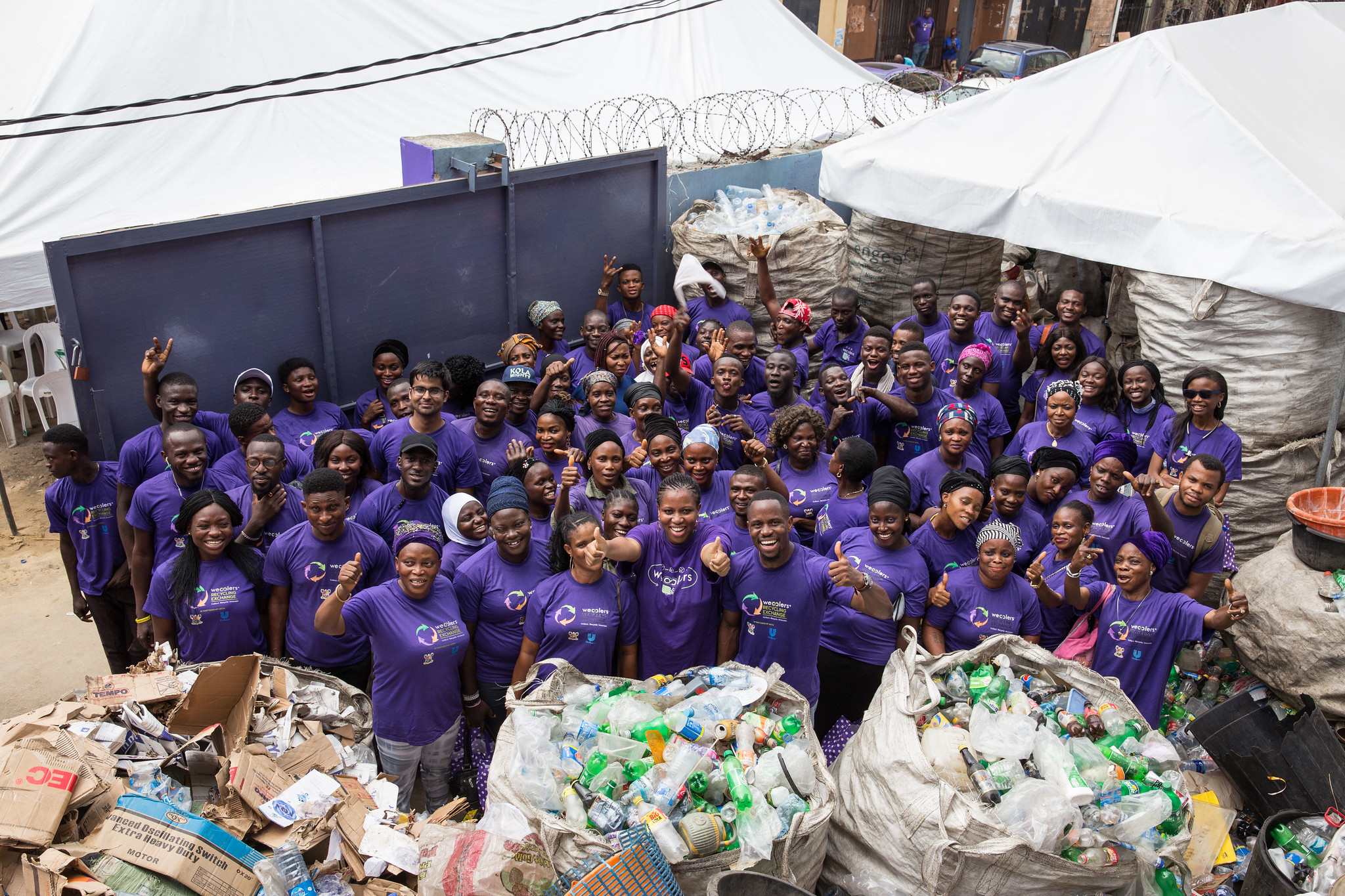
WeCyclers founders and employees pose for a photograph at their headquarters after being announced winner of the King Baudouin Foundation African Development Prize 2018-19 at the company’s headquarters on Wednesday 20th March 2019 in Lagos Island, Lagos, Nigeria.
Norfund has committed EUR 2 million as a convertible loan to Wecyclers Nigeria Limited, a recycling company based in Lagos. At the same time, Norfund is announcing a USD 10.5 million investment in Miniplast Ghana Ltd, a leading plastics manufacturer based in Accra, to support its recycling capacity.
The investment in Wecyclers will finance a new plant for the recycling of PET-bottles for use in new bottles locally and in Europe. The plant will be located in Ogun state in Nigeria and have a capacity of 12 000 ton per year. See separate press release here
Norfund’s investment in Miniplast will go towards purchasing new manufacturing equipment and machinery to increase the company’s recycling capacity to 1,700 tonnes a month, increasing further the use of locally sourced recycled materials to substitute imported plastic resins and reducing production costs. See separate press release here
More than 171 trillion pieces of plastic are now estimated to be floating in the world’s oceans, an increase from 16 trillion pieces in 2005, and it could further nearly triple by 2040. Systems for collection of plastic is crucial in tackling plastic pollution. Establishing these with incentives and a commercially sound model across the value chain is however complicated even in many high-income countries, and still more challenging in developing countries, where waste regulation and enforcement of extended producer responsibility is lacking.
“Wecyclers has managed to establish a model in one of the more difficult areas of the world, with its own collection both directly from households and via kiosks and franchises, combined with a close collaboration with a European plastic producer which will serve to ensure that both the process and the output quality meets highest international standards”, says Carl Johan Wahlund, who heads Norfund’s Green Infrastructure investment area, which has a dedicated focus on waste and water.
Carl Johan Wahlund
In 2020, Miniplast established an in-house plastics recycling business that uses locally sourced plastic waste. These recycled plastics are then used by the company in the manufacturing of its finished products, as well as sold to third parties. The factory was also the first to install solar power delivered by Empower New Energy, another Norfund investee.
“Supporting local manufacturing and recycling initiatives will help create many decent jobs not only at Miniplast, but across the entire plastics value chain”
Obafemi Awobokun, project manager for Miniplast in Norfund
The investment in Miniplast is expected to create more than 850 jobs across the plastics value chain.
“While the contributions of these two investments may seem small compared to the overwhelming challenge of plastic pollution, by showcasing a functioning model, they enable the development of an industry and the promotion of a culture of waste management. They will be Norfund’s first of many planned investments into the sector”, says Wahlund.
About Miniplast
Miniplast Ghana Ltd is a leading plastics manufacturing company in Ghana and the West African sub-region. Established in 1988, Miniplast specializes in injection moulding and blow moulding, with its key offerings being products made from High/Low Density Polyethylene (H/LDPE), Polypropylene (PP) and PET Plastics. This includes industrial packaging solutions (packaging containers for many classes of products, bottles, jerrycans, paint and detergent buckets, pails, etc.), plastic furniture, and other household products (bowls, plates, buckets, basins). Headquartered in Accra, Miniplast has a current production capacity of 41 tonnes of plastic per day, and directly employs over 650+ people whilst indirectly employing over 200 more. The Company also has waste collection and grinding hubs in Kumasi and Tamale.
About Wecyclers
Wecyclers is a for-profit social enterprise that promotes environmental sustainability, socioeconomic development, and community health by providing convenient recycling services in densely populated urban neighbourhoods. Wecyclers addresses the challenge of urban waste, gives households a chance to generate value from their waste and provides a reliable supply of raw material to the local recycling industry.