The annual Norfund Conference will be held on Tuesday, 5 May at Taket Steen & Strøm in Oslo.
Date: Tuesday 5th of May
Time: 12:30-15:00 (lunch from 12:00 and networking until 17:00)
Location: Taket Steen & Strøm, Oslo
Programme outline
This year’s programme combines candid conversations with hands‑on investment cases to examine how to approach issues such as mobilising private capital, gender‑based violence and building tax bases for development. Some parts of the programme are not yet ready, but you will get a good introduction below:
Who wants to pay taxes?
If aid is to become redundant, developing countries must be able to finance basic public services through taxation. Profitable, formal businesses that create jobs and incomes are a necessary precondition for this. Yet no company wants to pay more tax than required by law.
What role can a responsible investor play in contributing to stronger tax contributions from companies? How does this relate to the essential task of civil society of holding governments accountable for how tax revenues are spent?
With:
Paddy Carter, Head of Development Economics, British International Investment
Anne Cecilie Kaltenborn, Secretary General, Norwegian Church Aid
William Nyaoke. Regional Director East Africa, Norfund
Hard lessons on empowerment
One in three women globally experience gender-based violence — and for some, work itself increases the risk. Norfund’s efforts to improve women’s opportunities through investments have led to progress, but also to difficult and uncomfortable lessons.
What have we learned from efforts to increase women’s participation in different sectors? Can well intentioned initiatives unintentionally increase risk? How can companies, NGOs and investors collaborate on empowerment efforts that are both effective and safe?
With:
Mfon Essien, Senior Environmental & Social Manager, Norfund
Norfund investee (TBC)
Kaj-Martin Georgsen, Secretary General, CARE Norway
Your call: Responsible ownership in practice
Step into the role of a Norfund decisionmaker as we explore real world dilemmas from the ownership phase of an investment. Through live voting and onstage reflection, this interactive session offers insight into what responsible ownership looks like in practice — and how difficult choices can shape the direction and impact of an investment.
Achieving poverty reduction and accelerating the energy transition requires a major step-up in the mobilisation of private capital. How is capital mobilised to developing markets today? What drives private investors to engage — and what obstacles still hold many back, despite viable commercial opportunities? What can development finance institutions, policymakers and investors do differently to unlock more capital at scale?
With:
Monica Cheng Arango, Board Director, ERCO Energía
Signe Sørensen, Strategy and Impact Director, Norfund
Private investor (TBC)
Private investor (TBC)
Re-watch sessions from last years Norfund Conference here.
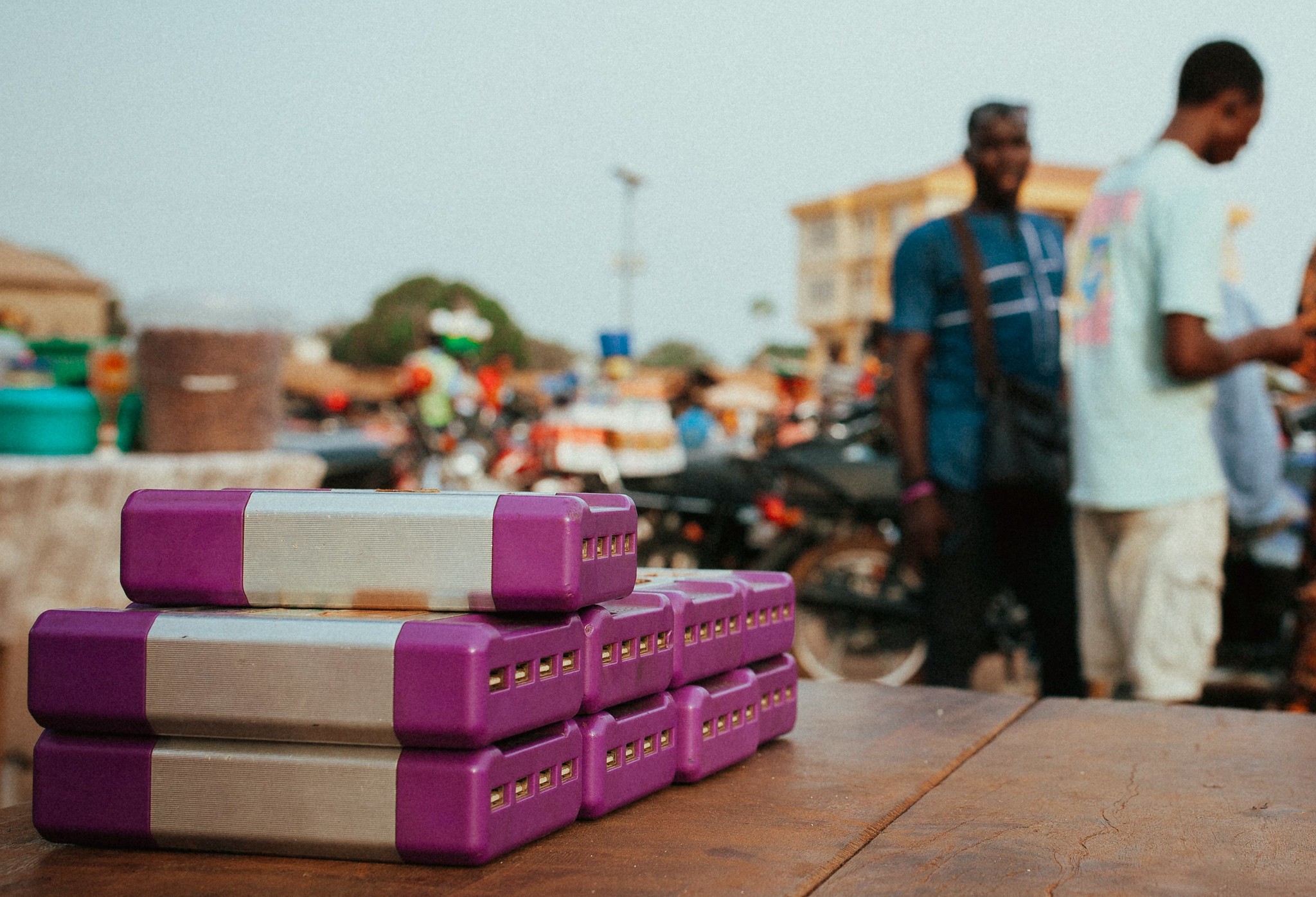
Affordable battery rentals in Africa’s most challenging markets
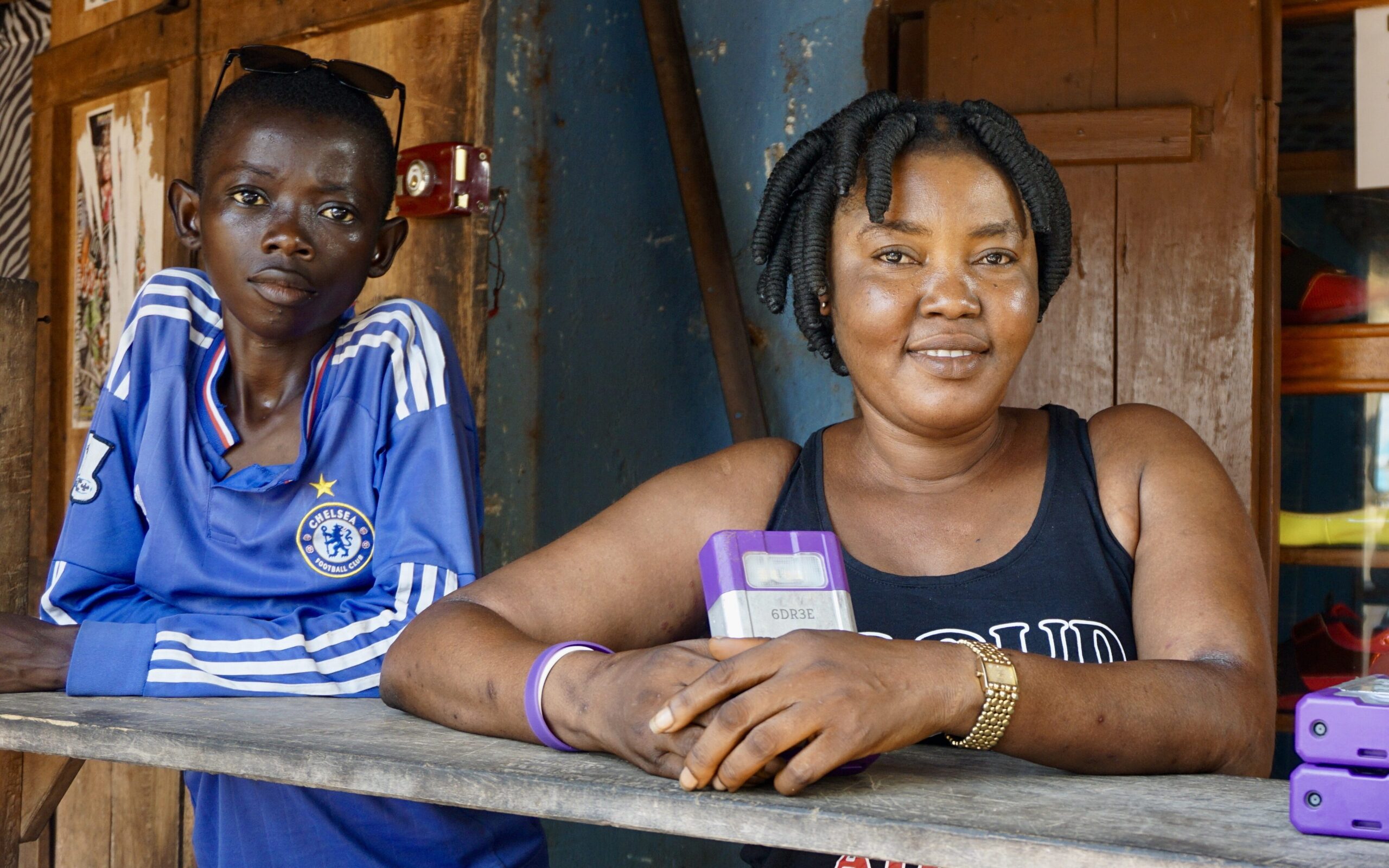
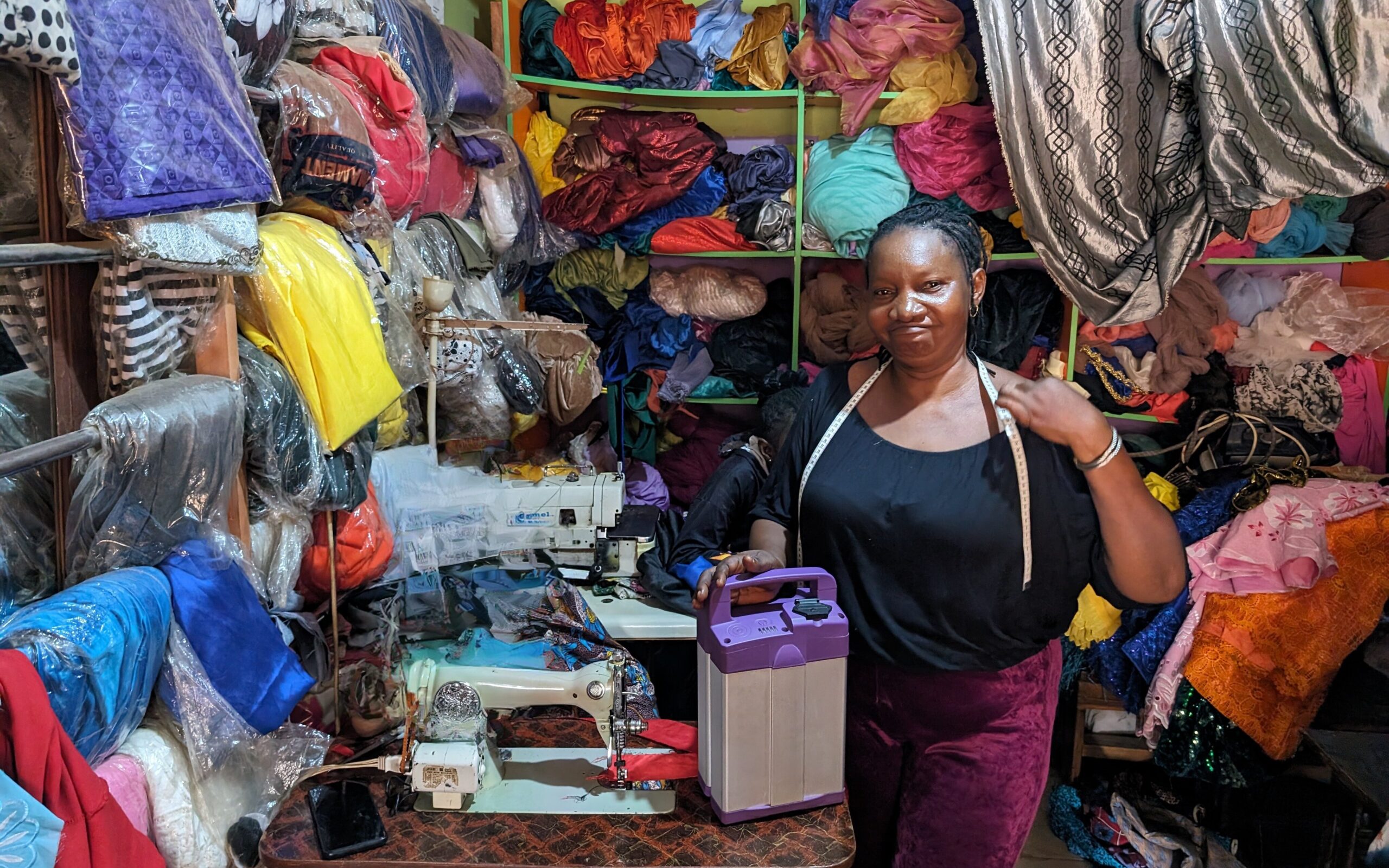
Noisy and polluting petrol generators remain the backbone of Africa’s $75 billion off-grid power market. MOPO, a battery rental company, is challenging this model and has now received a USD 5 million investment from Norfund to scale its solution.
Photo: MOPO
A model built for the hardest-to-reach communities
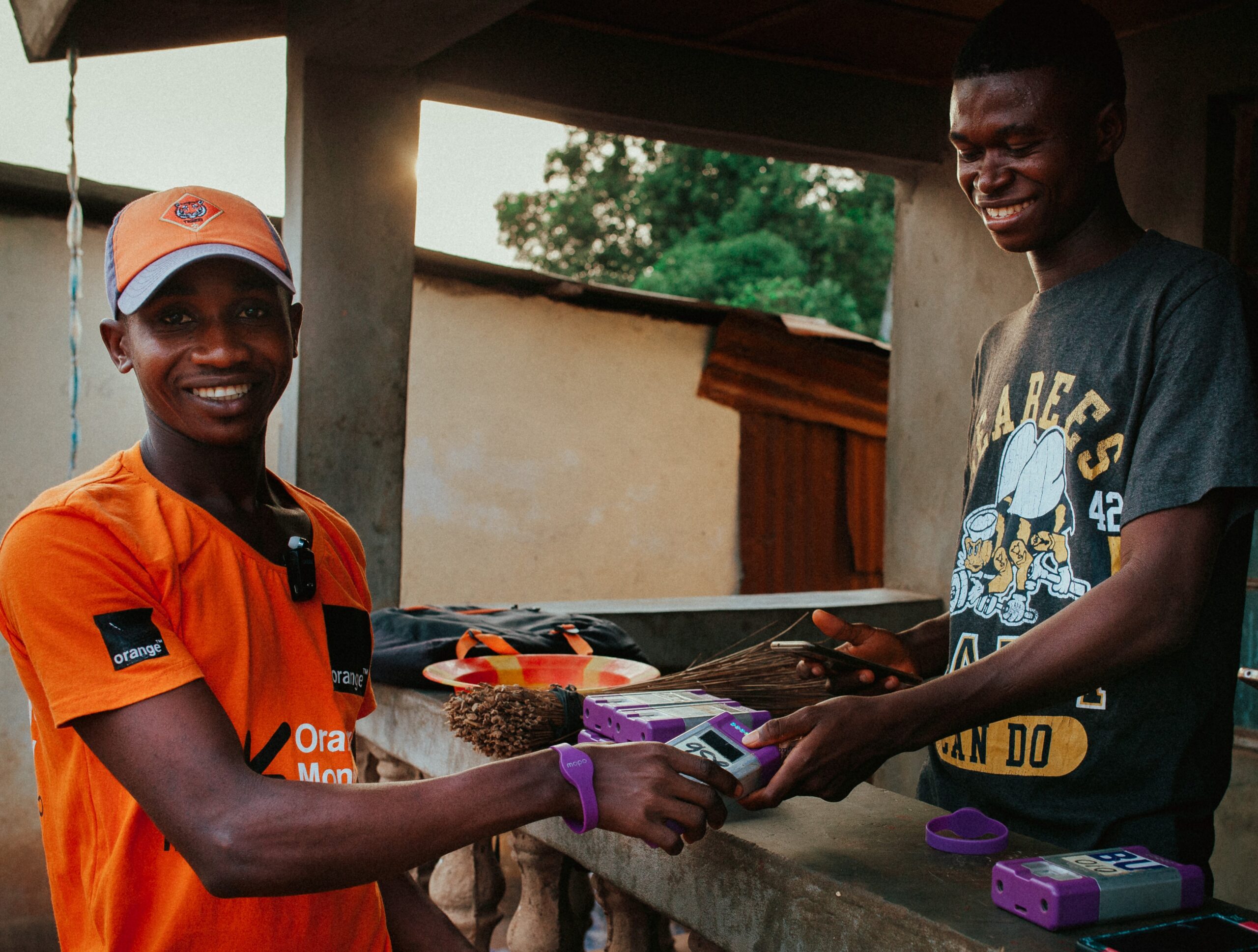
MOPO (Mobile Power Ltd.) operates solar-powered charging hubs in Nigeria, the DRC, Sierra Leone, Liberia, Chad and Uganda – countries with some of the lowest electrification rates in the world. Because diesel generators are cheap to buy but expensive to run, use of solar-powered batteries offers a far cheaper and cleaner option in the long term. There is only one problem – many can’t afford the initial investment. Battery leasing removes this barrier, providing households and businesses in off-grid communities with affordable, reliable power without upfront costs.
In Sierra Leone, where just 21 percent of the population has access to electricity, customer Ibrahim Bangura shares: “MOPO has changed my life! We no longer struggle with unreliable, expensive energy, we have power exactly when we need it. The batteries are cheaper than petrol generators and we now have consistent affordable power that runs my fridge, helps my children study after dark, and allows me to run my business more reliably.”
Photo: MOPO
Taking risks where others won’t
To reach the riskiest and most early-stage companies in the toughest markets, Norfund invests through its Frontier Facility. The facility is designed for exactly these kinds of high-risk opportunities in countries where few others are willing to invest.
“We are thrilled to support MOPO’s expansion through the Frontier Facility, addressing underserved areas in particularly challenging markets. Its model replaces expensive and polluting generators with affordable, renewable power, reaching households and small businesses,” says Pål Helgesen, Investment Director at Norfund.
Disrupting Africa’s fossil fuel dependency
A core part of MOPO’s impact is replacing polluting diesel generators, which remain the default power source for millions of households and businesses across Africa. By offering affordable, renewable batteries on a pay-per-use basis, MOPO helps communities phase out these costly and harmful generators.
Case study: Empowering Kenyan communities through off-grid energy solutions
Access to energy is a fundamental cornerstone for development in emerging economies, acting as a catalyst for economic growth and a precondition for poverty alleviation (Eberhard & Dyson, 2020). Reliable and affordable energy sources fuel industry, light up homes, power schools, and ensure that healthcare facilities can operate effectively.
Photo: Sun King
Energy access also enhances business productivity, enables communication and trade, and improves social outcomes (Eberhard & Dyson, 2020). Increased access to electricity is particularly transformative in rural areas, supporting agricultural productivity and better market access (Falchetta, 2021). However, despite global progress, about 750 million people still lack access to electricity, with 80% of this population residing in sub-Saharan Africa (World Energy Outlook, 2024).
Investment context
Kenya exemplifies both the opportunities and challenges of expanding energy access. Although the country has experienced significant macroeconomic growth over the past decade, driven by sectors such as agriculture, manufacturing, and services, approximately 12 million people, primarily in rural areas, still lack access to electricity.
The extension of the national grid to remote areas is often financially unviable due to high costs and sparse populations. Consequently, rural households continue to rely heavily on polluting fuels such as firewood, charcoal, and kerosene, contributing to severe health risks from indoor air pollution. Off-grid solutions, such as solar home systems, are increasingly critical in bridging the energy gap in these regions. They provide affordable, sustainable electricity access that powers essential appliances, improves household productivity, and enhances the quality of life without the need for expensive grid infrastructure.
Photo: Sun King
Sun King
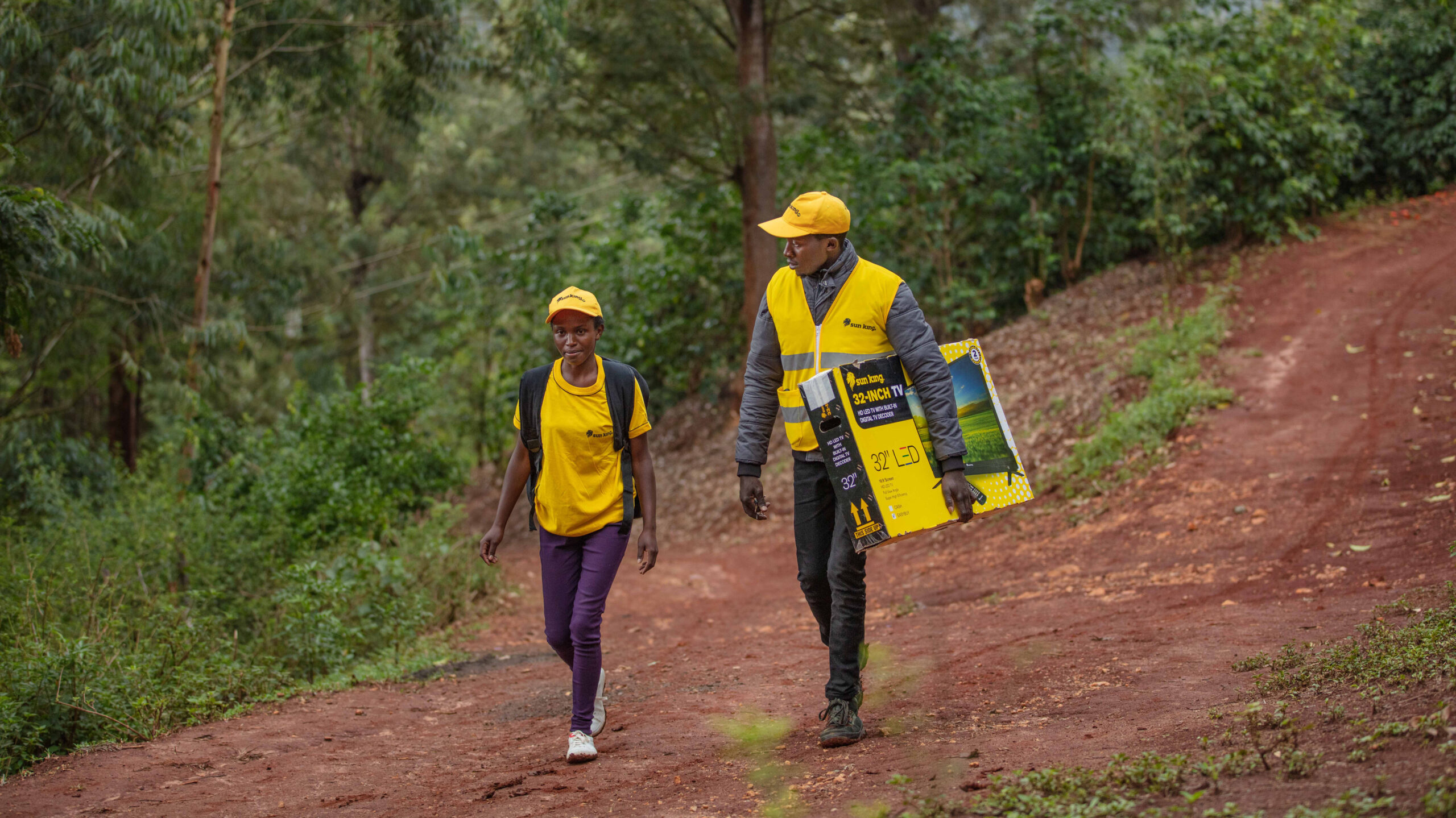
Sun King powers millions of Kenyan homes and businesses with solar home systems, lanterns, and inverters, bringing clean energy to communities across the country. In Kenya, a key success factor has been the widespread use of mobile money, which simplifies payments and increases accessibility. Approximately half of Sun King’s registered pay-as-you-go customers in Kenya are women.
PAYGo model driving energy access and financial confidence
In Africa, 350 million adults, mainly women, youth under 25, and informal workers, remain unbanked. Limited access to credit and high upfront costs prevent many low-income households from adopting solar energy, leaving them reliant on expensive, polluting fuels like kerosene and diesel, which consume up to 10% of household income.
Although solar is a cheaper long-term alternative, most households cannot afford to pay the full cost upfront. Traditional lenders often exclude informal workers, and microfinance institutions rarely offer asset financing, leaving a gap that Sun King’s pay-as-you-go (PAYGo) model fills.
PAYGo makes clean energy affordable and accessible by allowing households to pay in small, flexible daily or weekly instalments after a modest down payment. Local agents introduce the systems, and a central credit team assesses eligibility via phone. Once approved, customers activate the product immediately and make payments via mobile money.
If a customer misses payments, the system is temporarily disabled but can be reactivated without penalty when payments resume. Retrieval of the system only occurs after prolonged default. Full ownership of the system by the customer is granted after completing all payments, typically over 6 to 24 months. Customers who can pay in full upfront may do so and own the product from the start.
The model also supports energy access upgrades. Customers who begin with an entry-level system can unlock financing for larger setups, such as more lights, TVs, or AC units, once they demonstrate consistent payment behaviour. This gradual approach helps build creditworthiness and financial confidence.
Photo: Sun King
Norfund’s involvement
Norfund has played an active role in financing Sun King through multiple debt facilities at both the group (holding company) level and in Kenya. In 2019, we provided a USD-denominated loan to support the group’s expansion of its product outreach. This loan was refinanced in 2021 into a Kenyan Shilling-denominated debt facility dedicated to Sun King Kenya, aligning financing with the company’s local operations.
In 2023, Norfund participated in a Kenyan Shilling-denominated sustainable securitization transaction for Sun King Kenya. Securitization is a financial process where a company bundles its income-generating assets, such as loans or receivables, and sells them to investors as securities, providing immediate capital while investors earn returns from borrower repayments.
Because Sun King’s customers pay in local currency, the company faces foreign exchange risks, particularly from the depreciation of the Kenyan Shilling against the US dollar. To mitigate this risk, the 2023 transaction was structured entirely in Kenyan Shillings, ensuring both loan disbursements and repayments occur in local currency. The transaction was arranged in collaboration with a lender group including Citi Bank (as arranger), Standard Bank, ABSA, BII, FMO, and the Trade and Development Bank. This financing structure enabled Sun King to free up capital and further expand its product reach in Kenya. Importantly, the participation of Development Finance Institutions (DFIs) with their vast sectoral experience provided comfort to commercial banks to participate in and make the transaction possible. Sun King’s goal is to improve the quality of life for households and create business opportunities across Africa by expanding access to electricity. Norfund’s involvement aligns with our strategy to provide capital to companies delivering off-grid energy solutions to underserved households and businesses.
Additionality assessment
The 2023 debt transaction to Sun King was considered additional in several key respects. Although it involved a partial refinancing of our initial involvement, the investment was financially additional because the company was able to attract commercial lenders into a new industry (off grid solar) and under a new capital structure (securitization) in the local market, on back of the participation from the DFI’s. This challenge stemmed from Kenya’s status as a capital-constrained and higher-risk market for financing. Furthermore, the investment was financially additional because it targeted underserved customer segments and supported a sector with significant development capital needs. Lastly, it helped in deepening the financial markets by encouraging local commercial banks to participate in new capital structures like securitization.
In terms of value additionality, our contribution beyond financing, we were already engaged in a business support initiative aimed at empowering female area business managers and sales agents. Additionally, we imposed enhanced requirements to strengthen Sun King’s environmental and social (E&S) standards and supported its alignment with industry-leading GOGLA Consumer Protection Principles, against which Sun King has successfully undergone a third-party assessment. The 2023 transaction was therefore deemed value-additional through our active role in the investment and our efforts to promote improved social and environmental practices.
Additionality
Additionally is a central part of Norfund’s mandate and informs our investment decisions. The Norfund Act and Norfund Statutes specify that Norfund “shall contribute to establish viable, profitable undertakings that would not otherwise be initiated because of the high risk involved”.
Norfund is financially additional in cases where private sector partners are unable to obtain financing from capital markets for å specific activity at the necessary terms and/or scale, or where we mobilize finance from the private sector that Ould otherwise not have been invested.
Norfund is value additional when offering non-financial value, for example when providing or catalyzing knowledge and expertise, take actions to improve social or environmental standards or fostering good corporate governance.
Risk assessment
During the 2023 due diligence, several risk factors were identified, leading to an overall medium risk rating for the project.
One key risk for Sun King is the potential for customers to default on their payments, which could affect the company’s ability to meet its obligations to lenders. This is a common challenge for businesses that rely on customer payments. However, Sun King mitigates this risk through its network of agents and internal credit assessment process, who conduct assessments at the time of purchase and follow up on payments to ensure better repayment rates.
There are several factors that could contribute to payment defaults. One significant concern is climate change, which could negatively affect household incomes. For example, extreme weather events such as droughts may force households to reprioritize spending, focusing on essential needs like food, which could lead to widespread payment defaults.
Photo: Sun King
Another substantial risk stems from Sun King’s dependence on foreign exchange in its supply chain. The company imports products while earning revenue in Kenyan Shillings, making it vulnerable to currency depreciation. A decline in the value of the Kenyan Shilling could reduce expected revenues, potentially forcing Sun King Kenya to increase prices on new products, making them less affordable for low-income households. To mitigate this risk, the 2023 debt transaction was structured in local currency, ensuring more predictable repayments for Sun King.
Additionally, as with many projects that involve a large workforce operating remotely, Sun King faces risks related to employee safety and wellbeing. The company employs a significant number of agents who travel extensively, primarily by road, to find new customers and follow up with existing ones. Given this, road safety was identified as a major hazard, requiring further monitoring and mitigation efforts.
Sun King’s contribution to employment
Sun King’s operational structure
Sun King operates through a well-defined structure that ensures efficiency and scalability. The operational structure includes:
Country Managers and Store Employees: Ensure smooth supply chain operations and stock management.
Regional and Zonal Business Managers: Oversee broader regional operations, ensuring alignment with the company’s goals.
Area Business Managers (ABMs): Manage local operations and agent performance.
Agents: Approximately 13,000 agents across Kenya, responsible for direct sales and customer follow-ups.
Peninah – Area Business manager for Sun King
Peninah began her career at Sun King as an agent, quickly establishing herself as one of the most valuable in the area within just three months. Her strong performance earned her a promotion to Area Business Manager, where she now oversees 75 agents. She has also enrolled in the company’s health insurance plan and appreciates the opportunities Sun King provide.
The use of agents
The Sun King business model is based heavily on the use of agents, who access local communities to both find and follow up with customers, often in rural areas. Sun King provides meaningful income opportunities for over 30,500 African sales agents, and over 13, 000 of these are contracted in Kenya.
Sales agents visit prospective and existing customers frequently to market Sun King’s products, ensure continuity of payments, support after-sales services and answer relevant questions. Working in their own communities, this network of agents helps keep the revenue they generate in the communities they live and work in.
As part of our investment in Sun King in 2023, one of the loan agreement requirements was for the company to hire a dedicated environmental and social specialist to specifically oversee and improve the welfare of these agents. Following the investment, this specialist was hired and is now actively working on various initiatives to enhance agent welfare.
Sales agents: Key insights
Through their role, these agents or Energy Officers earn an average of $108 per month from Sun King
Roughly half of all Energy Officers possess a primary education or less
Though solar and sales roles are often viewed as male jobs in these communities, 46% of Sun King Energy Officers are women
Sun King’s agents operate on a commission-based payment structure. The commission-based structure allows the agents the flexibility to work when they wish, to combine it with other employment and to easily resign if given other employment opportunities. This flexibility allows many individuals who wouldn’t otherwise be able to take on a full-time job, for cultural, family, or other reasons, to access meaningful income-generating opportunities. On the flip side, the commission-based structure allows less predictability of income than a permanent employment contract would allow.
This flexibility is important for Sun King, as payments to agents naturally go down when sales volumes decrease. Even if the agents are not included in the standard benefit schemes Sun King has taken significant steps to improve their safety and working conditions. As agents frequently travel as part of their job, road safety, risk assessments, mitigation plans and emergency support have been key concerns for the company.
Photo: Sun King
To address health-related risks, Sun King introduced a health insurance scheme, with the cost deducted from agents’ earnings. However, as participation in the scheme is voluntary, only a minority of agents have opted in. Although some agents have their own insurance plans, Sun King has provided training and informational sessions to raise awareness of the benefits of health coverage, to encourage greater enrollment in their scheme.
In addition to health insurance, Sun King has implemented an app-based service that allows agents to quickly report any issues encountered in the field. The system provides real-time location tracking, enabling the office team to respond quickly in case of emergencies.
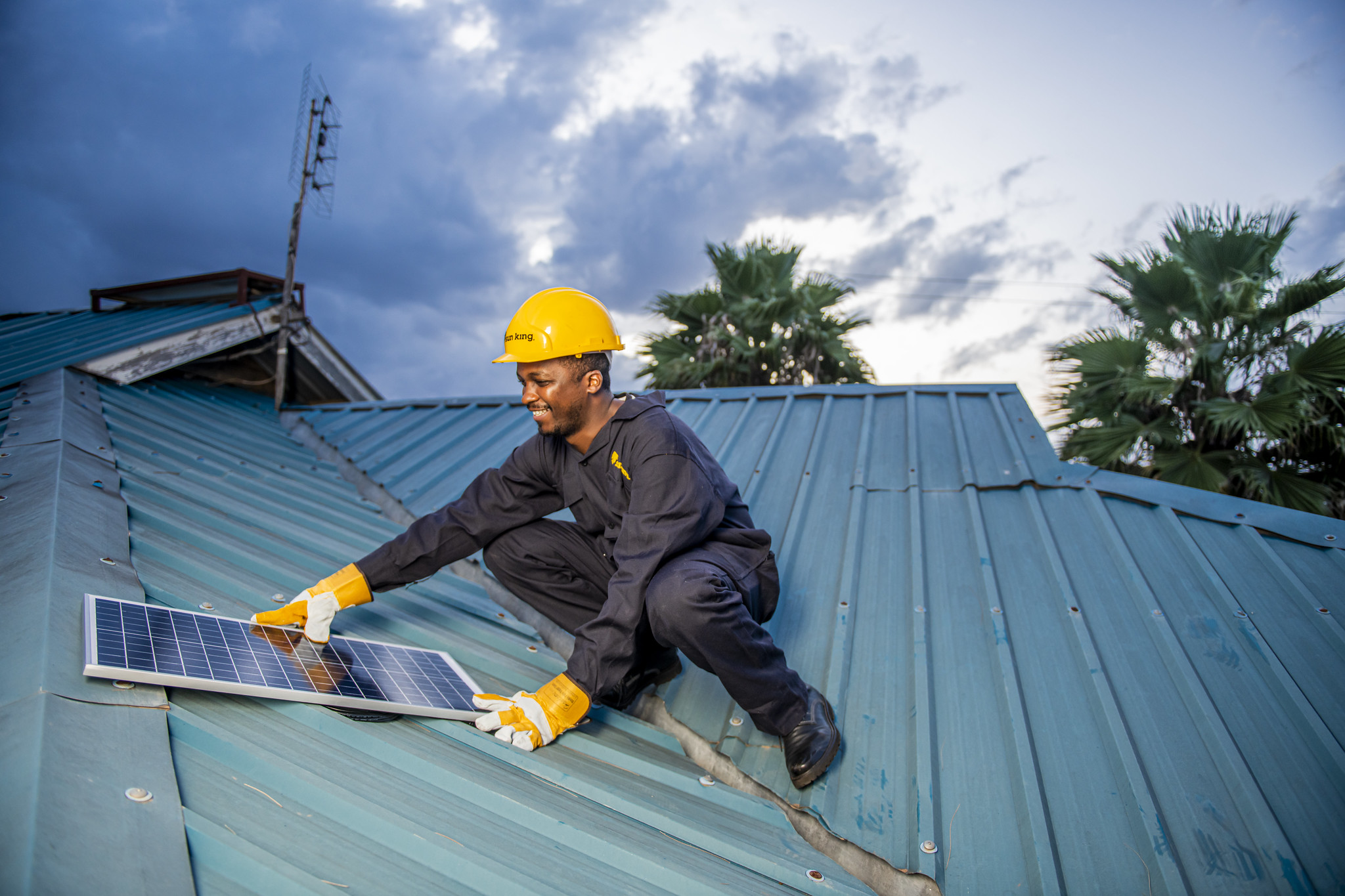
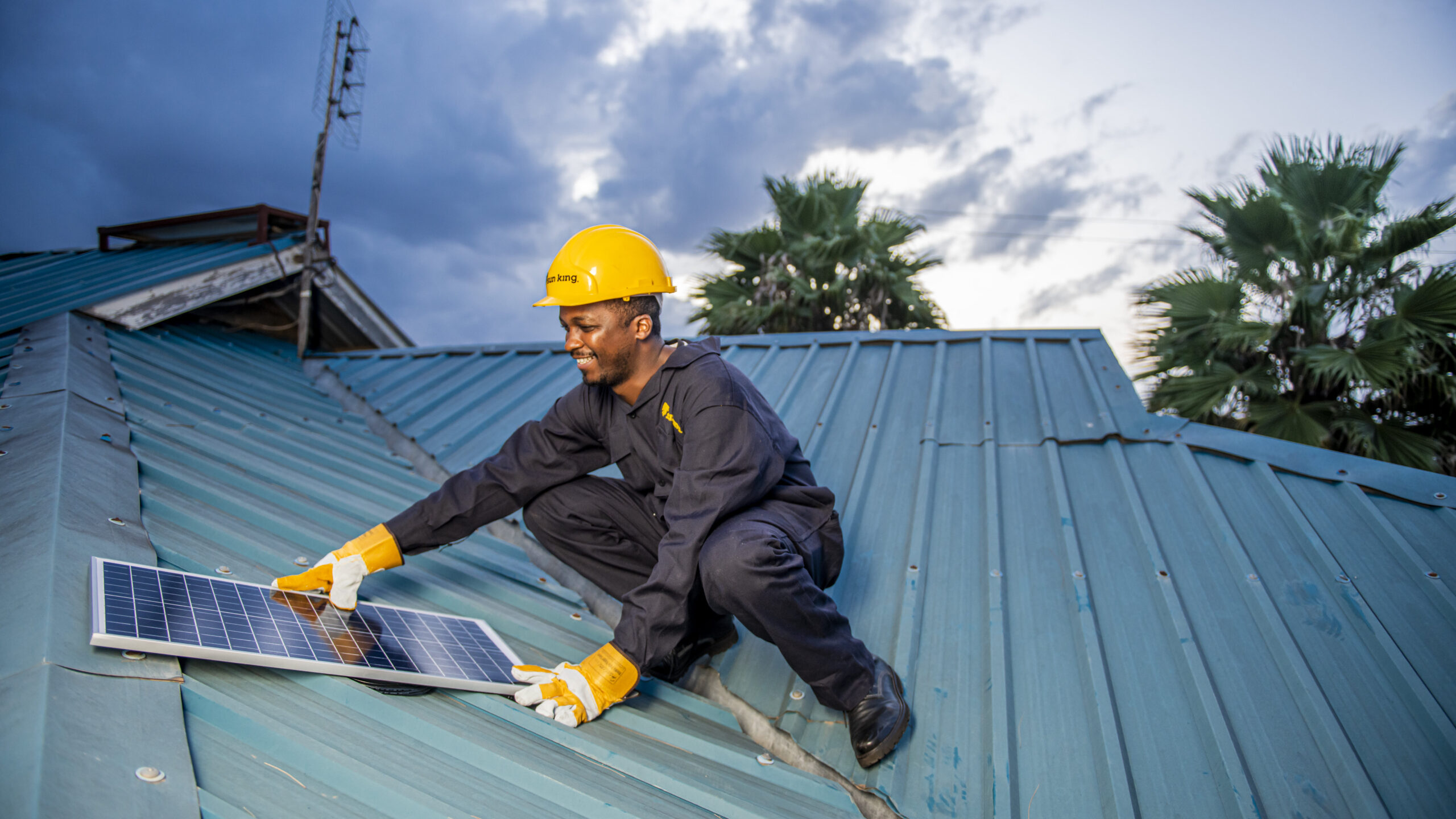
Further efforts to improve agent safety focus on their work installing solar home systems. Sun King has taken measures to ensure agents have the necessary protective clothing and equipment, particularly when working at heights, such as installing solar panels on rooftops. These initiatives collectively aim to enhance the safety, predictability, and overall well-being of Sun King’s agent workforce.
Use of Norfund’s business support facility
In 2022, Sun King launched an internal initiative called Equal Voices to improve gender balance across the organization, with a particular focus on sales teams and managerial roles. The program was designed to support two key segments of female employees: (1) to foster peer networks and build the confidence of female area business managers, and (2) to upskill and mentor high-performing women in junior sales roles with leadership potential.
To support the rollout and impact of Equal Voices, Sun King partnered with Norfund through its Business Support facility. This collaboration enabled the company to deliver a structured series of workshops and mentoring sessions for women employees across its sales operations.
“Equal voices has helped me in many ways in building my career and helping me overcome my fears,”
Participant in equal voices program
The results were highly positive. Participants reported increased confidence in their roles and greater comfort engaging with senior leadership. This, in turn, enhanced their performance and contribution at work. Given the program’s success, Sun King is now in the process of making Equal Voices a permanent fixture within its employee development strategy alongside ensuring the necessary safeguards to ensure gender protection.
Photo: Sun King
Customer stories
To observe the effect of increased access to off-grid energy solutions, visits to households and businesses who purchased Sun Kings´ products were conducted by two Norfund staff in 2024. The visits were facilitated through collaboration with Sun Kings employees and their access to customers.
Impact on households
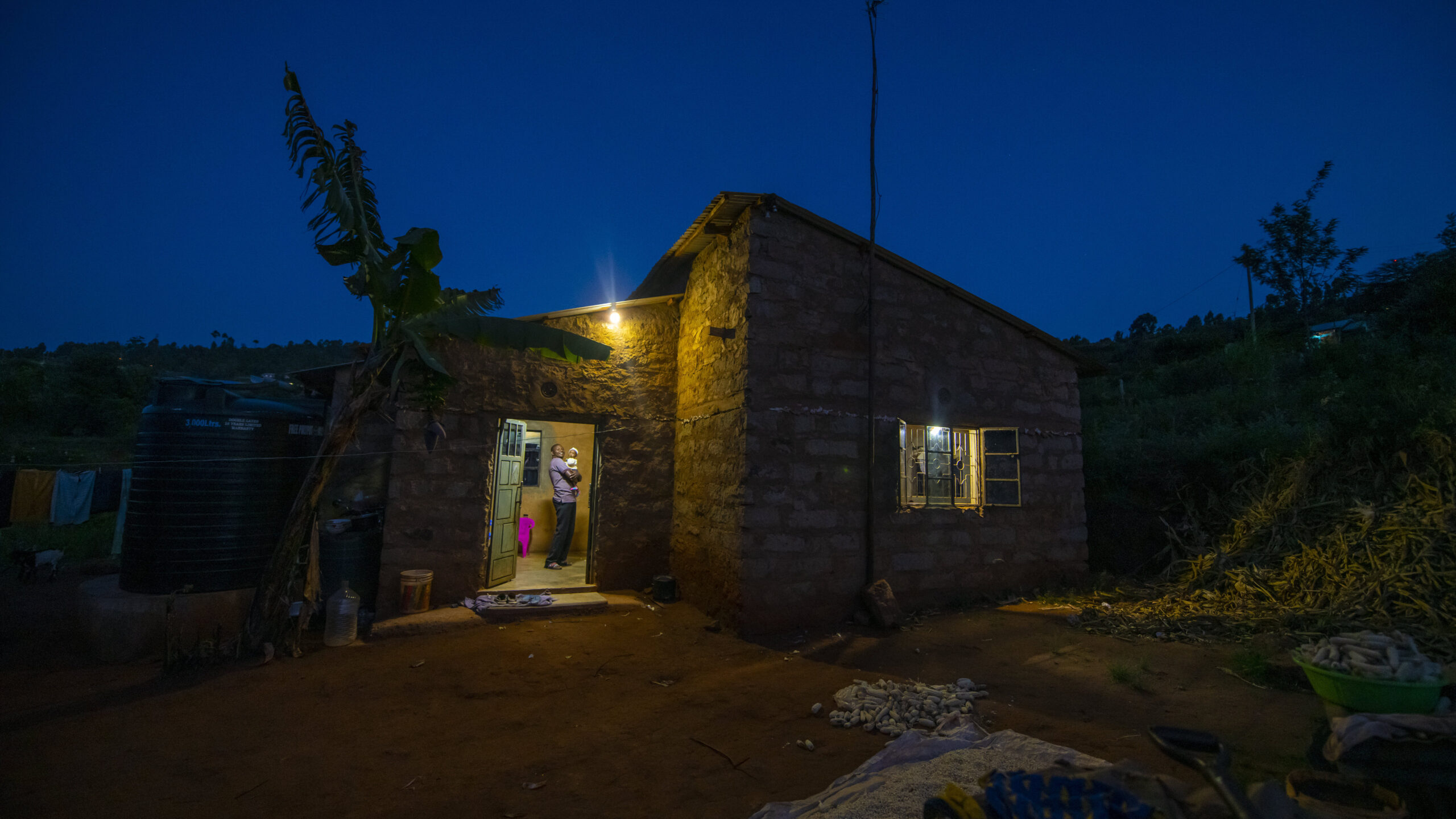
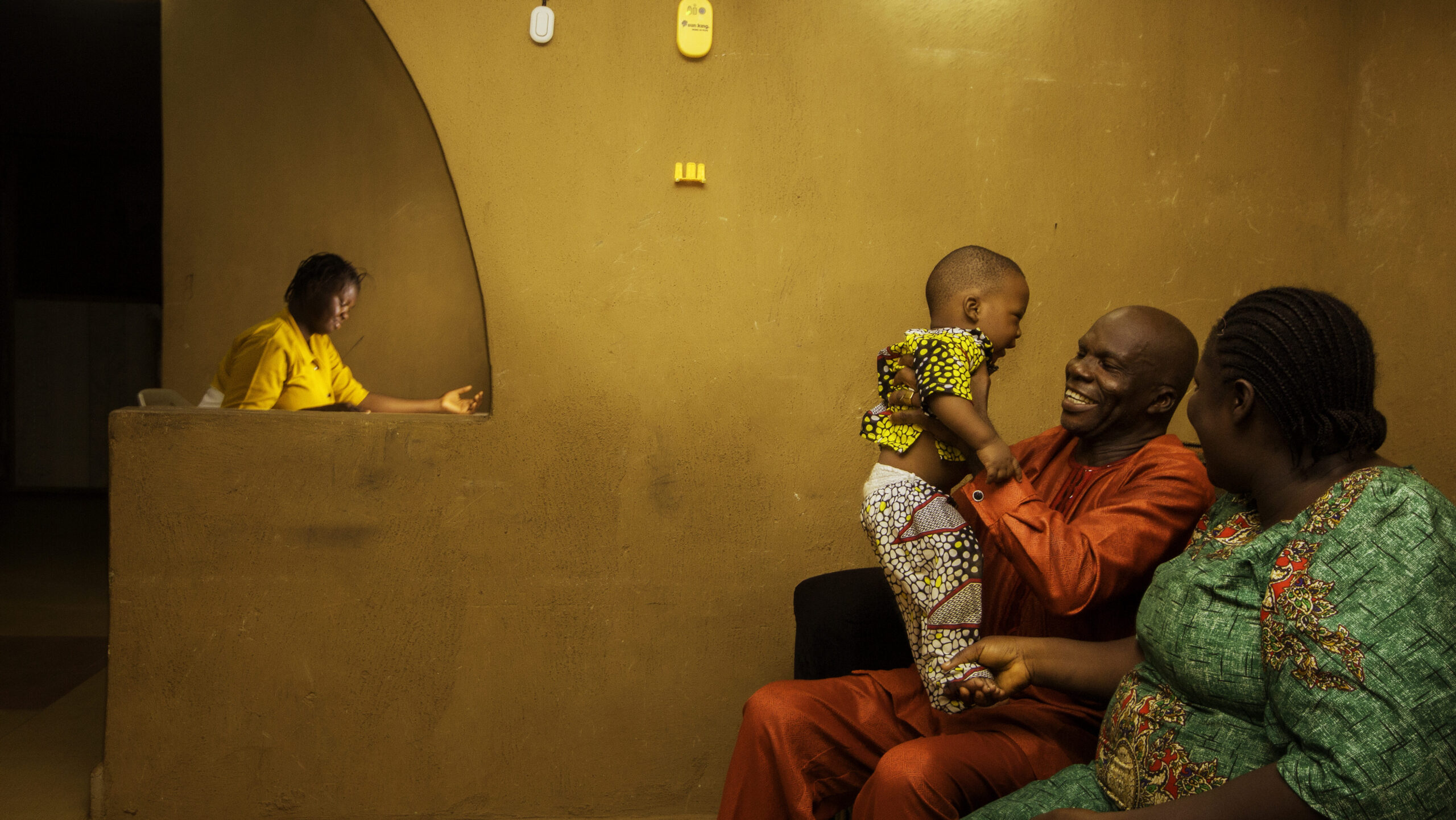
Household visits provided valuable insights into the tangible impact of off-grid solar products on daily life. Several families highlighted the ability to perform tasks more efficiently and enjoy greater flexibility within their homes, such as being able to occupy separate rooms after dark, something that was previously challenging due to limited lighting.
Before adopting solar-powered solutions, most of the visited households relied on kerosene lamps, which not only posed health and safety risks due to indoor air pollution and fire hazards but were also costly to operate. As a result, families often restricted their use, limiting their access to lighting.
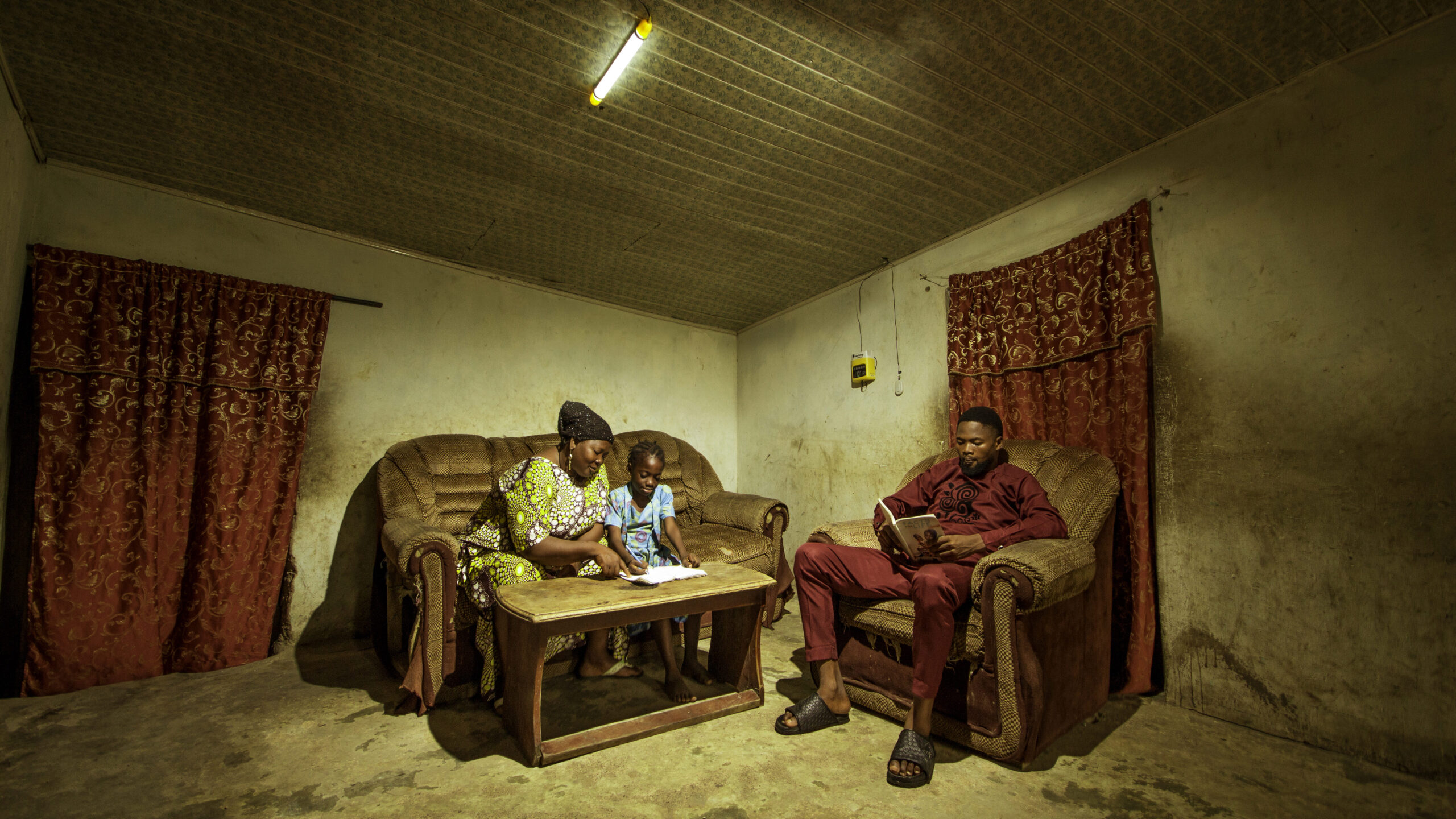
By replacing kerosene lamps with solar-powered alternatives, the households have significantly improved their access to electricity. Several parents emphasized how this transition has positively impacted their children’s ability to study in the evenings, ultimately supporting better educational outcomes. Additionally, the shift to cleaner and more affordable energy has enhanced overall quality of life, making their homes safer, healthier, and more functional.
Phyiles
Phyiles lives in rural Kenya, with six children and her husband. Phyiles reported significant improvements in the families’ daily lives after adopting a solar home system from Sun King. With access to multiple solar-powered lamps, their household has experienced greater convenience and flexibility in their evening activities.
One of their children, who recently entered secondary school, has particularly benefited from the extended study hours made possible by reliable lighting. Previously constrained by limited access to light, the family now enjoys improved quality time together, no longer restricted by the need to gather around a single source of light. The parents highlight that the transition to solar energy has not only enhanced their productivity but also improved their overall home environment, fostering a more comfortable family life, where it is easier to be together as a family.
Gladys
Gladys’s household, made up of six members, previously depended on a single kerosene lamp for all activities after dark. This limitation not only made household chores more challenging but also restricted the family’s ability to use different rooms in the home.
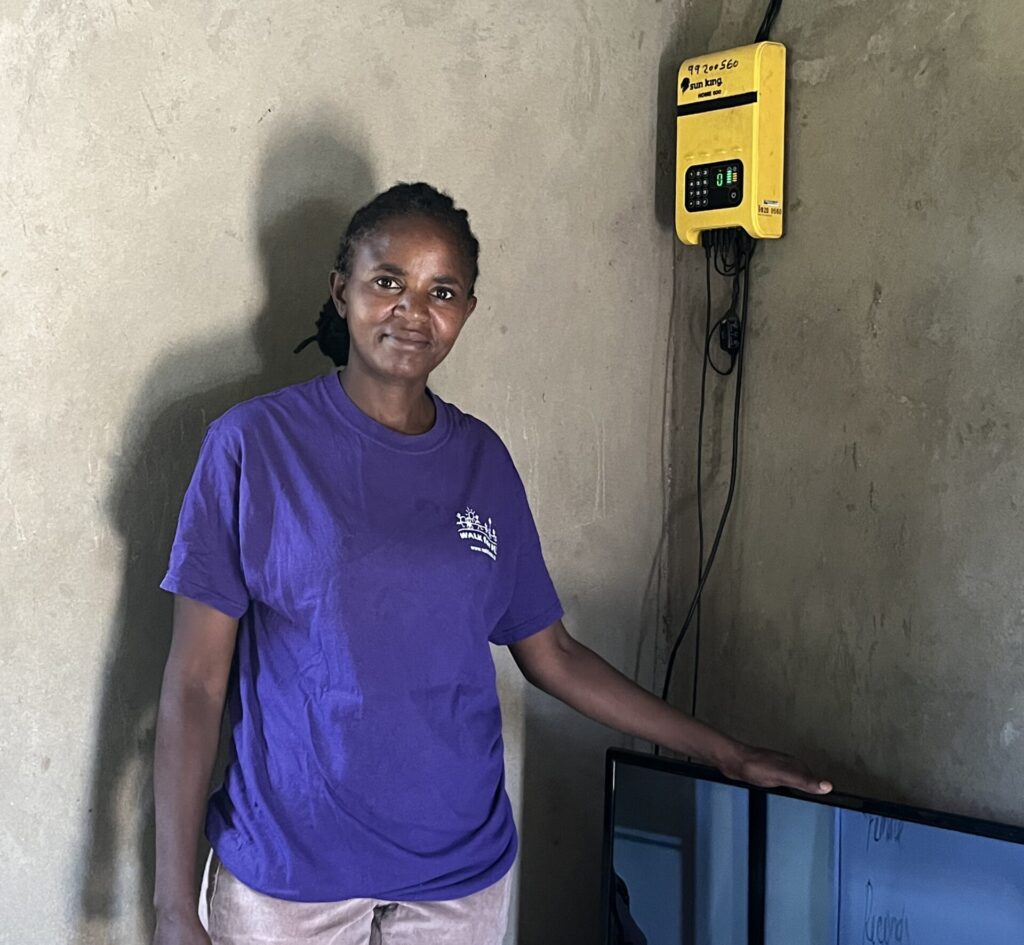
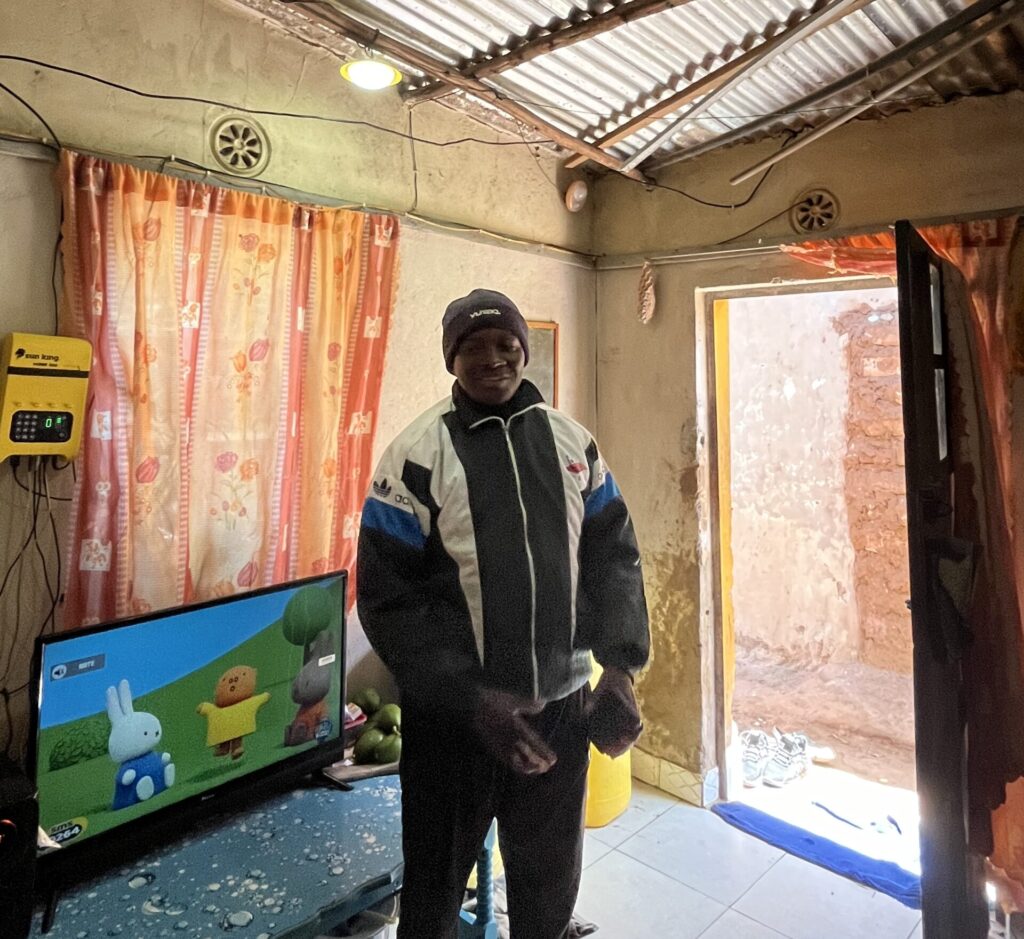
With the installation of Sun King’s solar system, the family now benefits from multiple light sources, greatly enhancing their daily routines. The children can study for longer hours, improving their academic performance, while the family enjoys greater flexibility in their homes, as they now can use multiple rooms at the same time. In addition to the tube lights , Gladys had also purchased a TV from Sun King. This enables the household to stay informed and entertained through television programs, which she testifies enriches their quality of life.
Francis
Francis, a father of a toddler, has experienced an improvement in the daily lives of the family after switching to Sun King’s solar system with six tube lights, replacing their unreliable car battery-powered light they previously used.
The family has invested in both the light bulb system and a sun powered TV system. With consistent and reliable lighting and the entertainment from the TV, the mother in the family highlights the benefit of being able to complete household chores without interruptions, while the child remains engaged and entertained by the television. This shift frees up time for the mother, that is now able to perform tasks simultaneously as taking care of the child.
A common experience among all the households visited was their previous reliance on costly and pollutive energy solutions. Each household now enjoys significantly greater access to reliable lighting and entertainment, allowing them to use their homes in a new way.
Additionally, Sun King’s pay-as-you-go model allows the families to make small, manageable payments over time, ultimately leading to full ownership of the solar home system. Several customers emphasized that this financing approach not only made solar energy more accessible but also boosted their confidence. The ability to gradually invest in and expand their energy system has empowered them, reinforcing their belief that they can continue improving their homes and quality of life over time.
Sun King tracks household outcomes resulting from its products. According to the company, its offerings contribute to the following household impacts across all regions in which it operates.
97
%
report improved quality of life, citing lower energy costs, more study time, and longer hours of work made possible
23
million
households provided with access to electricity
64
%
report improved health outcomes after switching from kerosene lamps
8.2
million dollars
saved by households in energy costs by replacing kerosene lamps and candles
Impact on businesses
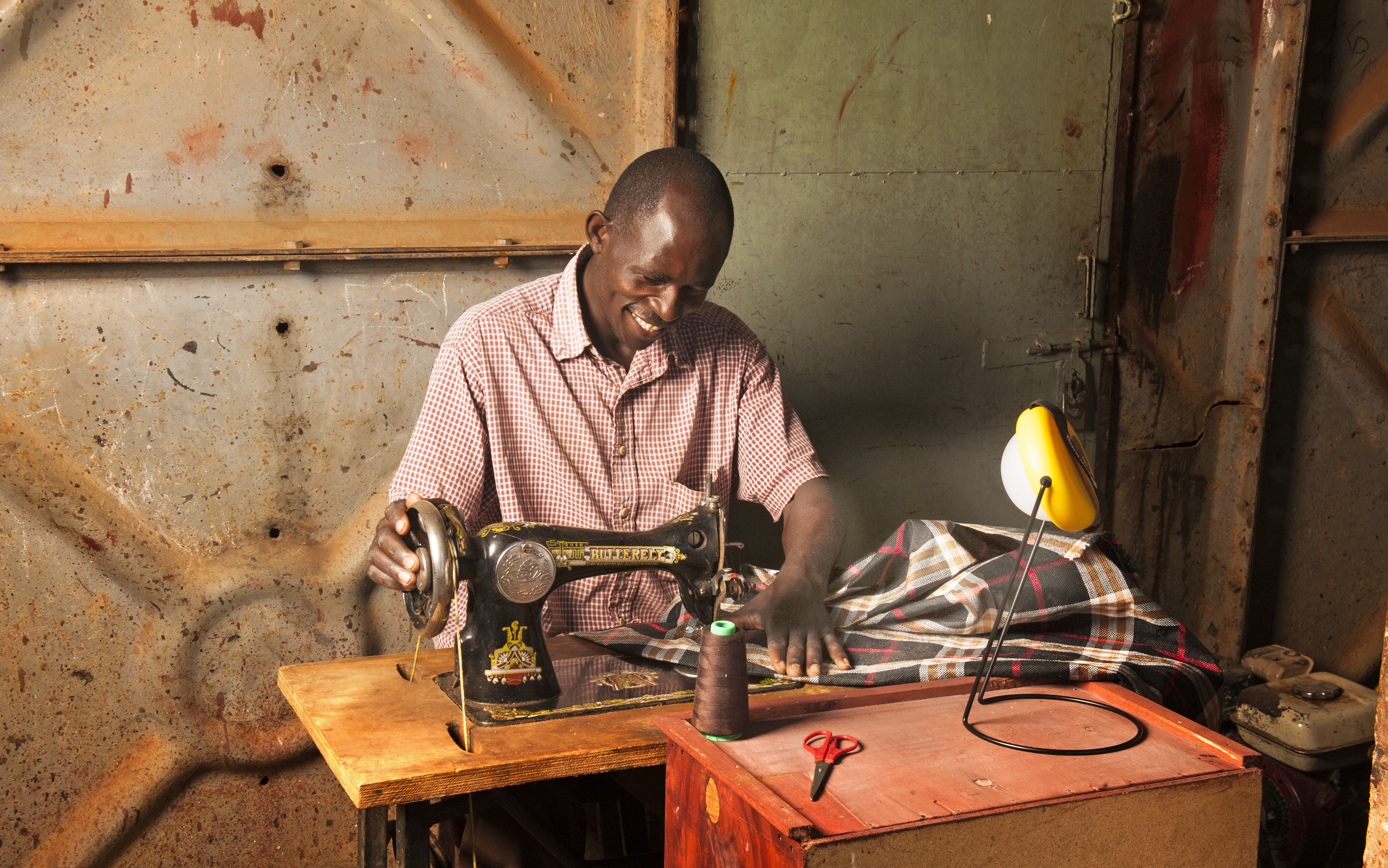
Many businesses have adopted Sun King’s products to secure reliable electricity access and mitigate the negative effects of power outages. A recent Sun King study, based on self-reported data from their clients, shows that about 12 % of their customers use their products for productive use. By ensuring uninterrupted operations, these solar solutions contribute to increased productivity and higher revenues. Over time, this enhanced business stability is expected to drive growth, leading to expanded operations and the creation of new employment opportunities.
Local bar
A small bar in Machakos, which previously relied on candles for lighting, recently transitioned to Sun King’s solar lighting system. This shift has eliminated safety hazards from dangerous and pollutive use of candles, reduced operating costs, and enabled the bar to extend its business hours, attracting more customers.
Since the installation of Sun King’s products, the bar’s employe has observed a noticeable increase in sales. If this positive trend continues, the business may soon need to hire an additional employee, highlighting the potential for solar energy to drive both business growth and job creation.
Development effects and theory of change
Since the start, Sun King Kenya has provided services to millions of households. In 2023 alone they provided over a million new products to customers in Kenya. Of this, over 220 000 were new solar home systems to households that had previously not had such access, and 870 000 units were other accessories such as lanterns and solar-powered fans.
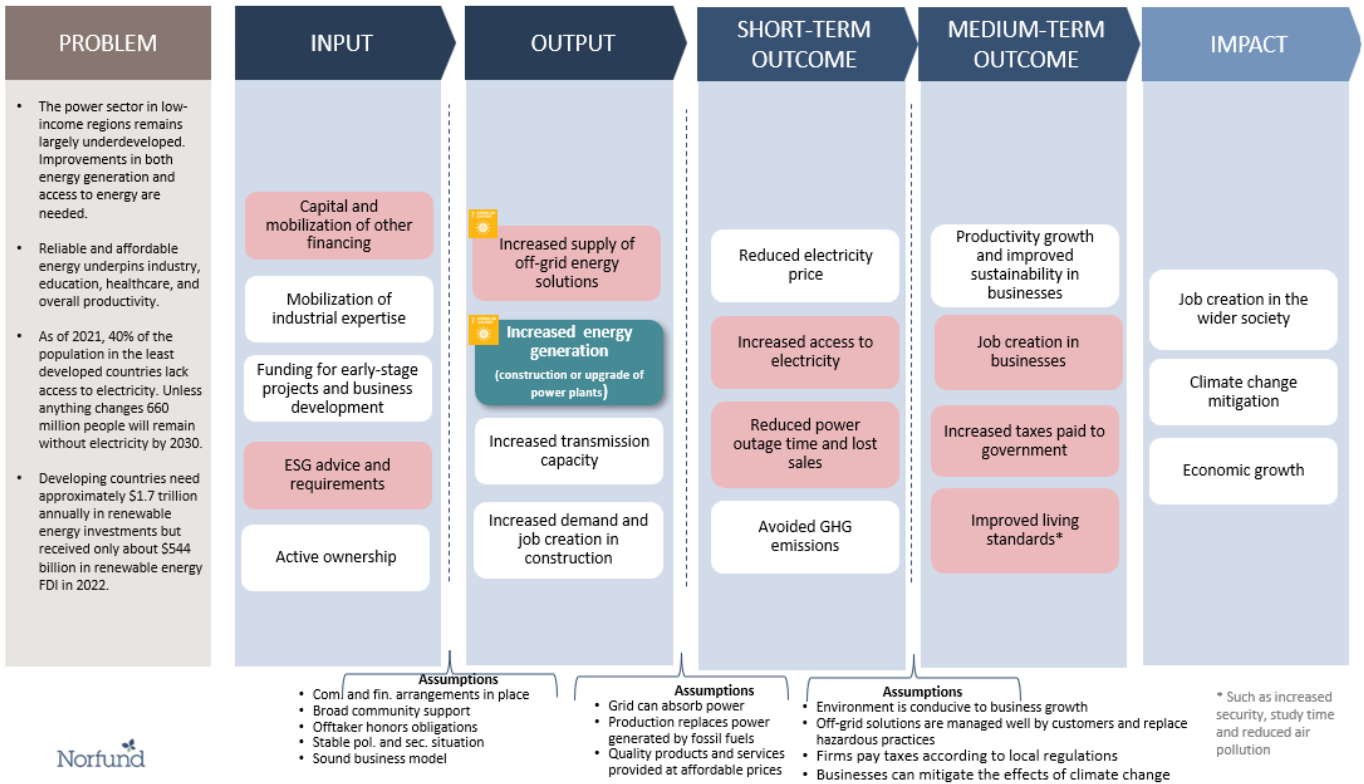
Norfund has theories of change for each of its investment areas, describing how our inputs are expected to lead to certain outputs, outcomes and in the end a desired set of impact goals. The theory of change is a comprehensive framework that outlines how and why a desired change is expected to happen in a particular context. The input is what Norfund provides as an investor, while the output is monitored during annual reporting. The outcomes are generally measured through case studies and other in-depth analysis on a case-to-case basis. The expected long-term outcomes and impacts are demonstrated through literature. In the below figure, the elements that are particularly relevant to Sun King are highlighted in red.
Norfund’s theory of change for Renewable Energy investments under the Development Mandate1
The expansion of off-grid energy solutions is expected to bring multiple benefits, including greater electricity access, reduced power outages, improved living standards, job creation, and increased tax revenues for the government. As part of our household and business visits to Sun King’s customers, we were able to observe some of these anticipated outcomes.
All three households we visited had purchased Sun King’s products and reported significantly improved access to electricity. This, in turn, has enhanced their quality of life in several ways, such as enabling children to study for longer hours, reducing reliance on costly and hazardous alternative energy sources, and improving overall household convenience.
The business we visited also demonstrated notable benefits from off-grid energy access. With more reliable electricity, the business was able to extend its operating hours, leading to increased sales and higher profitability. This expansion underscores how improved energy access can directly contribute to economic growth at the micro-level.
While visits to the households and the business did not provide direct evidence of increased tax contributions or job creation within the small, observed sample, it is anticipated, based on literature and experiences, that these benefits will materialize over time. Reliable electricity fosters productivity growth by reducing costs related to power outages and costly backup solutions, enabling businesses to scale, facilitating job creation. Additionally, access to electricity enhances educational outcomes by allowing students to study for extended periods, ultimately contributing to a more skilled workforce in the long run.
While the immediate effects of off-grid energy access are clear in terms of improved electricity availability and business performance, its broader economic impact, such as increased employment and tax contributions, is likely to emerge in the longer run.
Photo: Sun King
Conclusion and next steps for Sun King
Since its establishment, Sun King has demonstrated a strong ability to adapt its business model to changing conditions and the diverse needs of different countries. The company has expanded its reach, bringing electricity to more remote areas, and diversified its product offerings to include solar lanterns, entry-level solar home systems, solar systems with TVs, mobile phones, and solar-powered AC systems. This growth has been underpinned by a focus on market trends, competitor analysis, and extensive product piloting, which ensure financial predictability while maintaining affordability for customers.
Sun King’s operations in Kenya illustrate the transformative potential of sustainable energy solutions. With support from Norfund, Sun King has expanded its reach, improved the quality of life for millions of households and businesses, and fostered economic development. The positive impacts observed during our visits underscore the importance of continued support for such initiatives to ensure long-term prosperity and environmental sustainability for Kenyan communities.
Looking ahead, Sun King aims to replicate its success in Kenya across multiple other countries. To achieve this, it will be crucial to maintain access to local currency financing, enabling continued expansion and predictable repayment schemes. Ongoing adaptability, strong market analysis, and customer-centered innovation will remain essential as Sun King pursues its broader mission of delivering affordable solar energy solutions to underserved populations.
Climate Investment Fund makes its first exit
The Climate Investment Fund is selling its stake in a power line project in India, marking its first exit since its establishment in 2022.
As climate change intensifies, smallholder farmers are caught in a vicious cycle of low productivity and environmental degradation. The Climate Smart Fund offers a promising model that addresses poverty alleviation alongside climate mitigation and adaptation, equipping farmers with the tools they need to thrive sustainably.
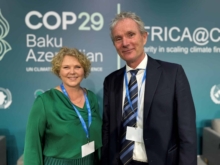
Anne-Beate Tvinnereim
Development Minister of Norway
speaking from COP 29
Konexa har en innovativ forretningsmodell, og vi er glade for å kunne bidra til Nigerias langsiktige sosiale og økonomiske utvikling med denne investeringen.
Birgit Edlefsen
Birgit Edlefsen
speaking from SVP, Norfund
>
“By selling when we are no longer needed and recycling the capital, we achieve more climate impact,”
Bjørnar Baugerud
Head of the Climate Investment Fund
Managed by Norfund, the Climate Investment Fund was set up in 2022 to help avoid greenhouse gas emissions through profitable investments in renewable energy in developing countries with high emissions. Three years later, the fund is making its first exit from a project.
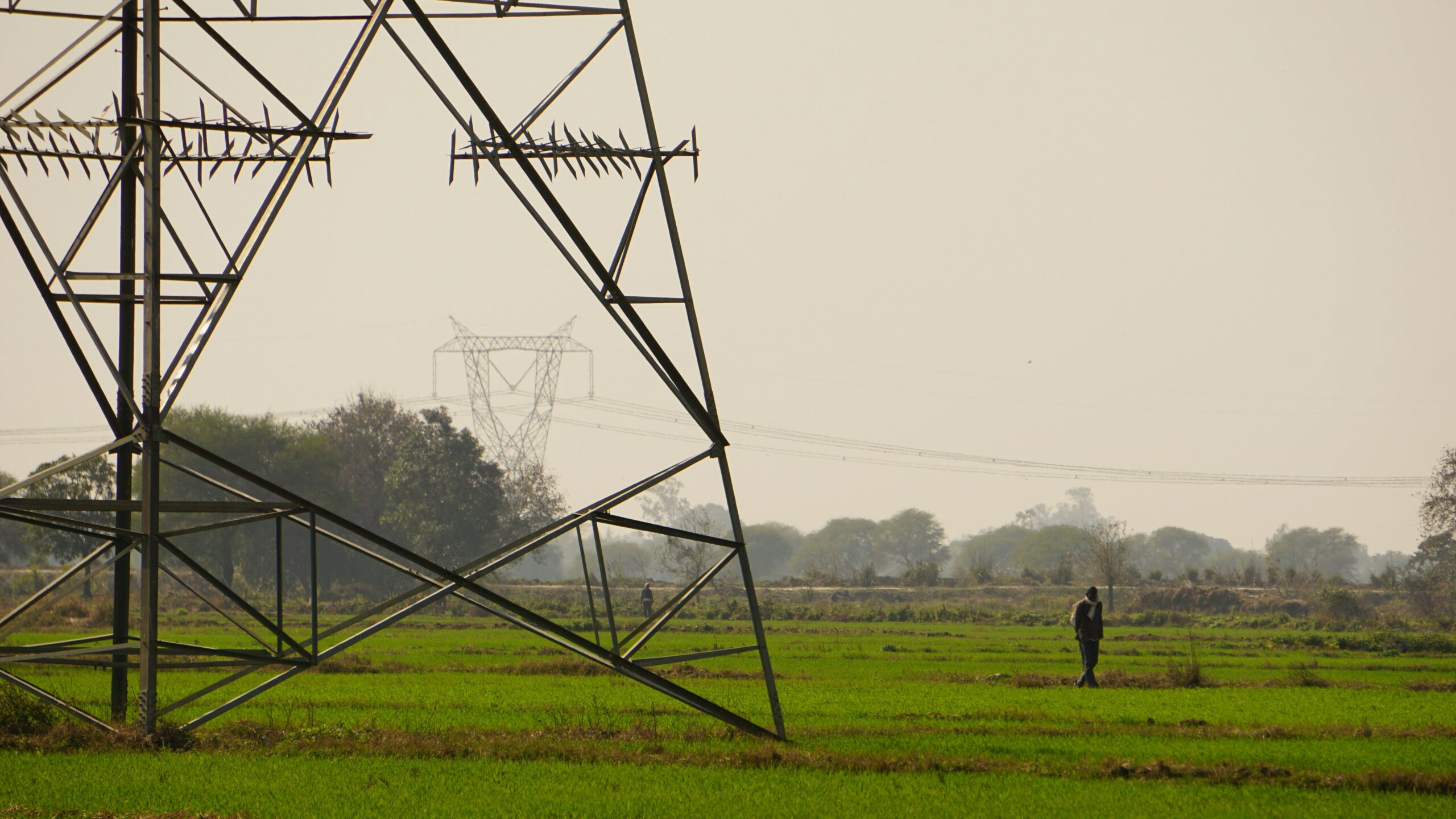
Connected 2.5 GW of wind power in India
In partnership with the Indian company ReNew Power, Norfund and Norway’s largest pension company KLP invested 900 million rupees (109 million NOK) in a power line project in the Koppal district of southern India in December 2022. The project was completed in October 2023.
“Through the investment, we have helped connect 2.5 GW of developed wind power to the national grid, enough to meet the needs of 7 million Indian households,” says Bjørnar Baugerud, head of the Climate Investment Fund at Norfund.
According to the Central Electricity Authority (CEA) in India, the country will need 170,000 kilometers of transmission lines and 47 GW of energy storage capacity (BESS) over the next eight years to phase in increased renewable power production.
Photo credit: Shruti Singh. Location: Uttar Pradesh, India.
Recycling with returns ensures efficient use of public capital
According to its mandate, the Climate Investment Fund is to “reinvest earned and freed-up funds from its investments.”
“As soon as we are no longer needed as an investor in a project, we will seek to sell to private entities so we can reuse the money and contribute more to avoiding emissions,” says Baugerud.
Plastic recycling creates jobs and gives women opportunities in Ghana
2,5 years after Norfund’s investment in Miniplast in Ghana, the company has doubled the amount of plastic recycled, created 700 new jobs and more than tripled the share of women in the workforce.
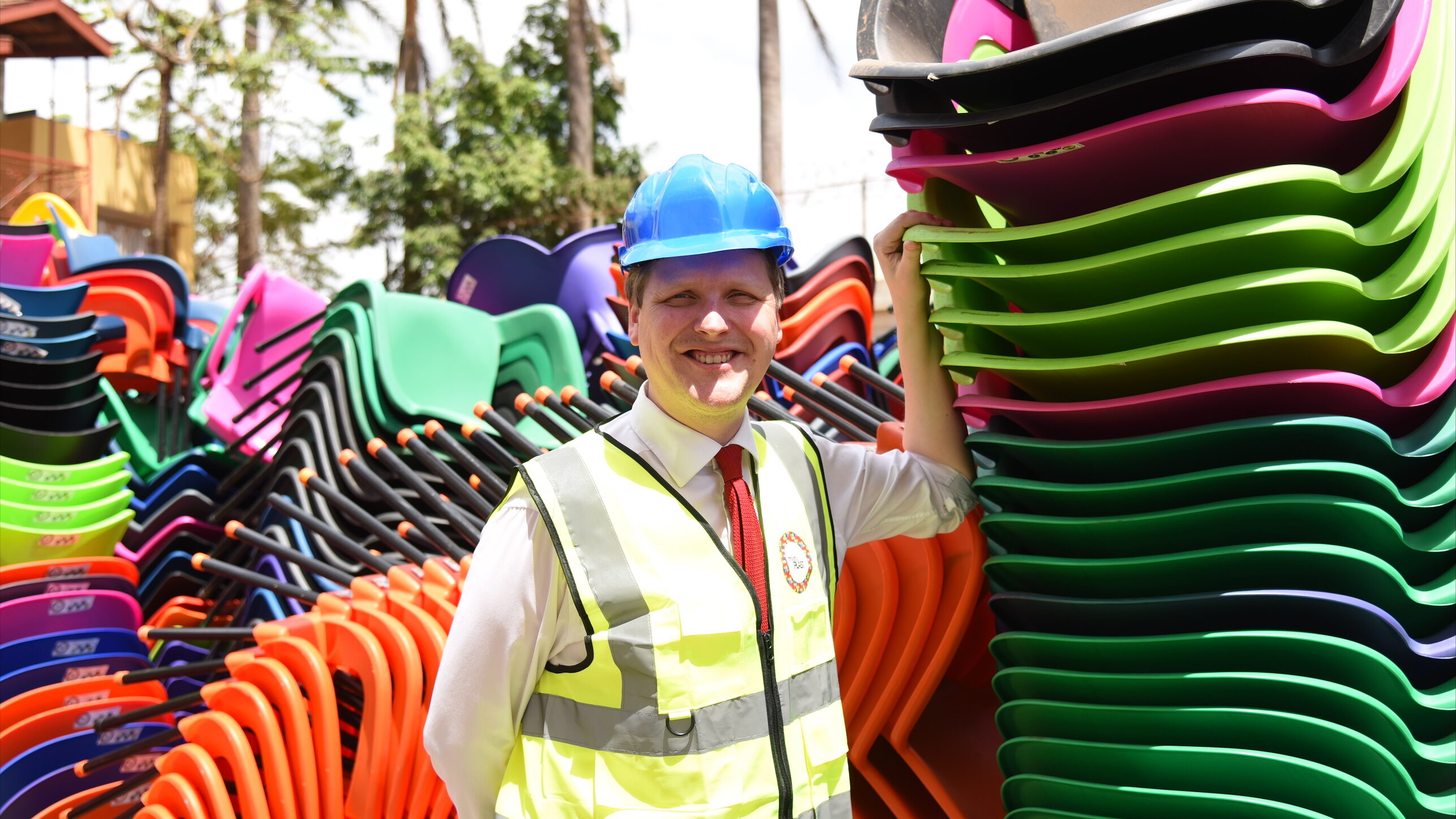
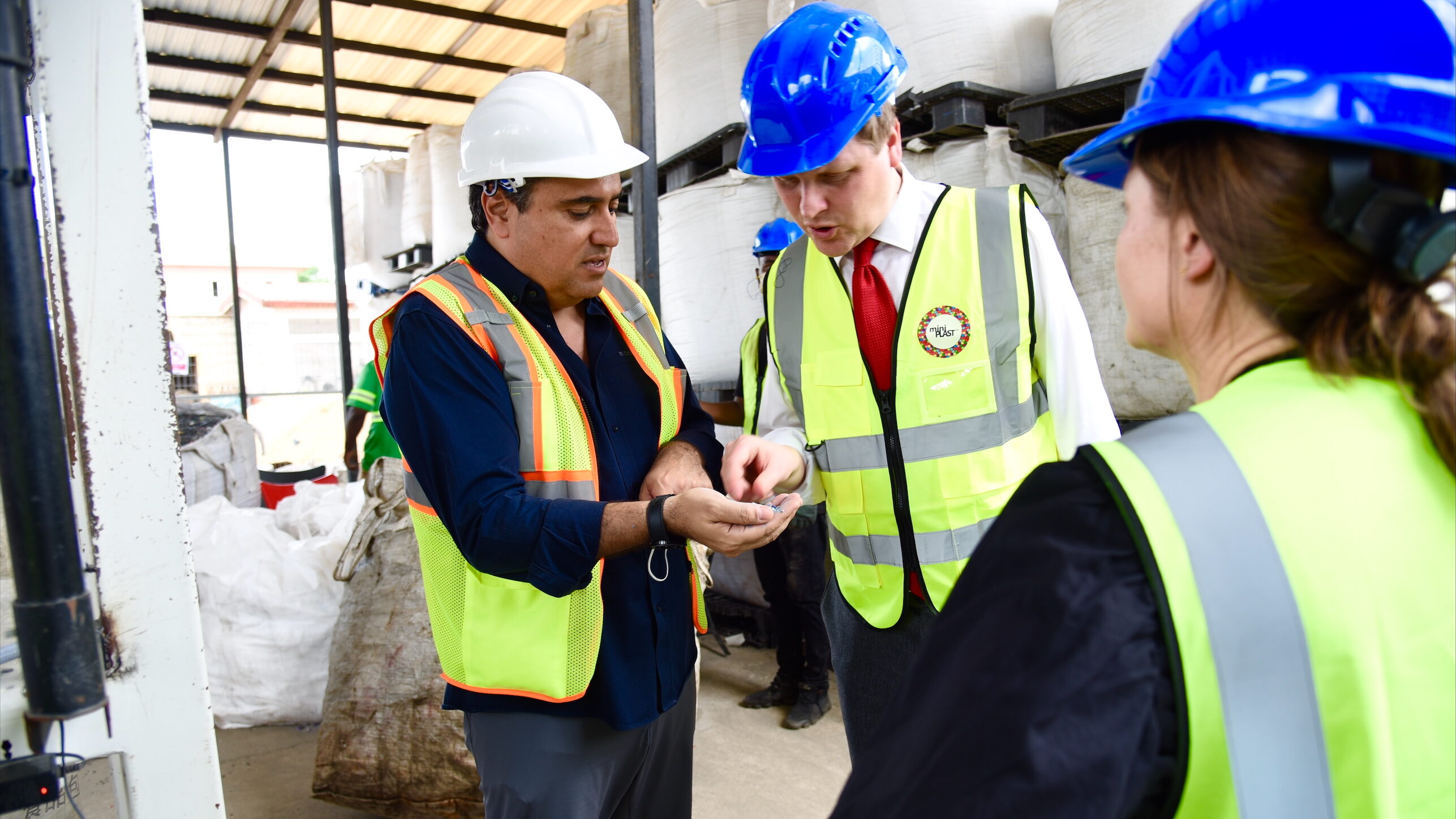
Åsmund Aukrust, Norway’s Minister of Development, visiting Miniplast 18th of March 2025.
«The investment in Miniplast showcases how we can attain multiple goals simultaneously. It is an inspiring example of how contributing to solving a significant environmental challenge through private initiatives, can also contribute to creating jobs and give more opportunities for women, which is an important goal for Norway”, said Åsmund Aukrust, Norway’s Minister of International Development, visiting the company in Ghana 18th March.
In July 2023 Norfund announced a USD 10.5 million investment in Miniplast Ghana Ltd, a leading plastics manufacturer based in Accra. The capital has gone to purchasing new machinery to increase the company’s capacity to use more locally sourced recycled materials to substitute imported plastic resins.
“At the end of 2023, we had 980 employees, of which 909 were men and 71 were women. Today we have 1700 employees of which more than 500 are women”, says Nadim Ghanem, CEO of Miniplast.
Nadim Ghanem and Åsmund Aukrust.
Poverty in Ghana had been on a downward trend since the 1990s but went on the rise after the COVID-19 pandemic. Weak economic growth and high inflation—particularly in food prices—have worsened living standards, pushing more people into poverty (World Bank).
“Having a job to go to and an income to live on is the way out of poverty for most people, whether in Norway or here in Ghana. Work for all is definitely “job number one” also in the Government’s efforts to fighting poverty at a global level,” says Minister Aukrust.
“Having a job making ends meet, is key to ending poverty all over the world. As people and companies are paying taxes, more resources can be put towards basic services such as health and education, making countries fend for their own people – the ultimate goal for international development”, said Minister Aukrust.
The minister is pleased to see how Miniplast has increased the share of women in the workforce.
“There will be no sustainable development if only half of the population is involved. Thus, gender equality and women’s inclusion in the workforce are essential to combat poverty,” said Aukrust.
Proving functioning models to fight plastic pollution
More than 171 trillion pieces of plastic are estimated to be floating in the world’s oceans and could further nearly triple by 2040. Establishing systems for collection of plastic waste is however complicated even in high-income countries. It is even more challenging in countries where waste regulation and producer responsibility are often lacking.
“Plastic recycling is necessary for the environment and obviously the right thing to do, but It is only viable here in Africa when it is economically viable”, says Nadim Ghanem, CEO of Miniplast.
Since Norfund’s investment, Miniplast has almost doubled the amount of recycled plastic in the production of new products from 800 tons in 2023 to 1500 tons in 2025 per month.
“The contributions of this investment may seem small compared to the overwhelming challenge of plastic pollution. However, by showcasing a functioning model like Miniplast, we believe we can enable the development of an industry and the promotion of a culture of waste management, while creating a large number of jobs, says Obafemi Awobokun, project manager for Miniplast in Norfund.
Increased standards on health, environment and safety
In partnership with Norfund, Miniplast has developed its capacity within health, environment and safety, and the company was recently certified as having world-class systems for Quality Management, Occupational Health and Safety Management, Environmental Management, and Food Safety Management (ISO 14001:2015, ISO 45001:2018, FSSC 22000 in 2024, in addition to ISO 9001).
“The certifications reflect Miniplast’s commitment to making a positive contribution to both the environment and society, but we would not have achieved this without our partnership with Norfund. We are confident that the development will support Miniplast in acquiring new customers, entering new markets, and developing new business lines”, says Nadim Ghanem, CEO of Miniplast.
The Norfund Conference 2025
The annual Norfund Conference was held on Thursday, May 15th, at Taket Steen & Strøm in Oslo.
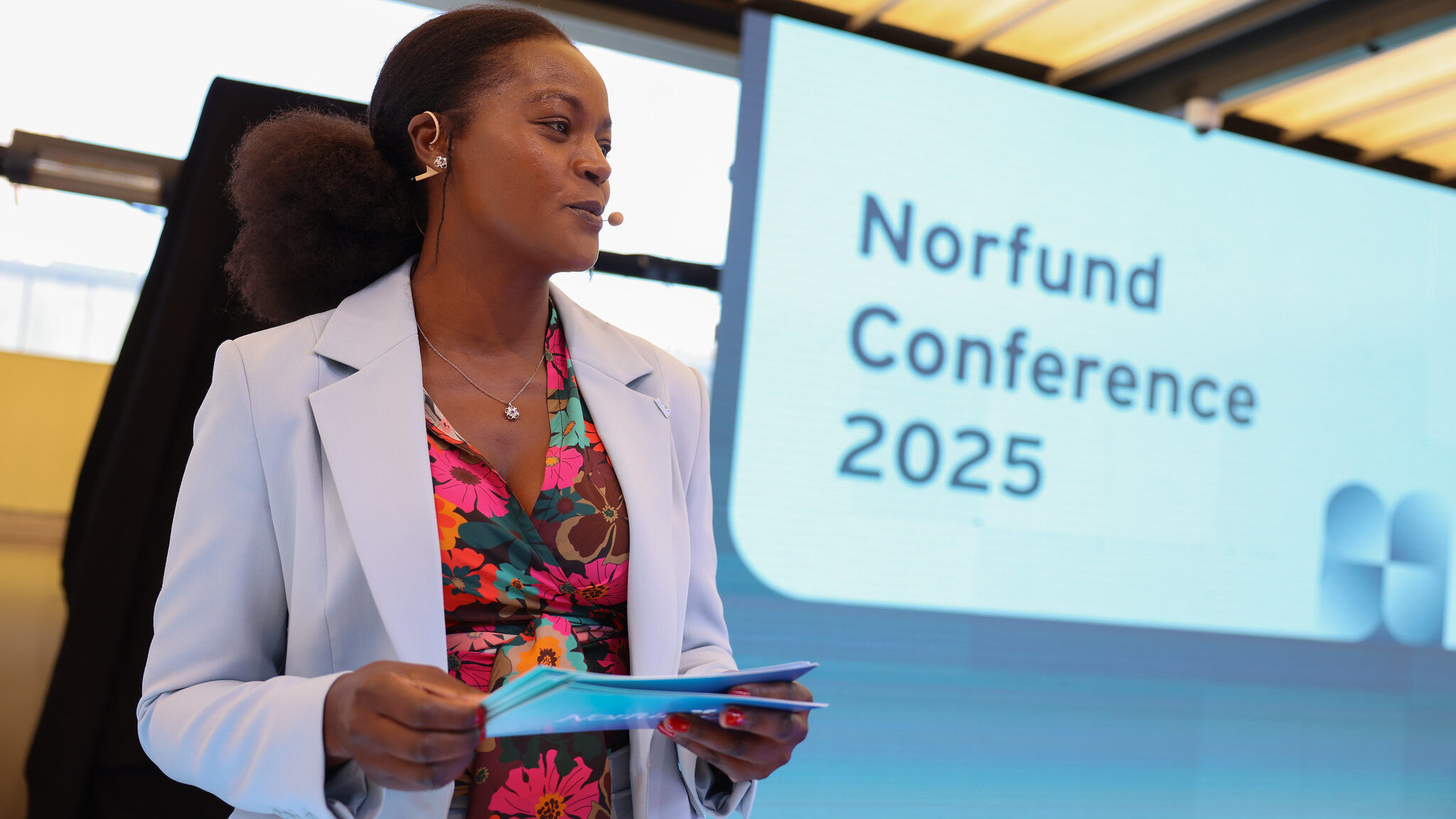
Ann Nkatha, Norfund’s East Africa Office Manager, hosted the conference.
We explored the risks and dilemmas we face in investment processes — including what happens when things go wrong. We delved into the compatibility between cutting climate emissions and making profitable investments, and asked whether recycling could be part of the solution. Participants met international experts, the Norfund team, our partners and portfolio companies.
Navid Rezvani, Bao Andre Nguyen, and Catherine Michelet’s performance set the tone for the day.
Navigating noise
This session navigated the noise of a rapidly changing international landscape to identify what truly matters for Norfund’s markets — and what is just background noise.
Keynote by Norfund CEO Tellef Thorleifsson
Panel conversation
Åsmund Aukrust, Minister of International Development
Runa Alam, Co-Founding Partner and CEO, Development Partners International
Reyburn Hendricks, CEO, H1 Holdings
Your call part 1
An interactive investment session gave the audience deeper insight into the risks and dilemmas involved in investing in developing countries.
Naana Winful Fynn, Regional Director West Africa, Norfund
Ylva Lindeberg, EVP at Norfund
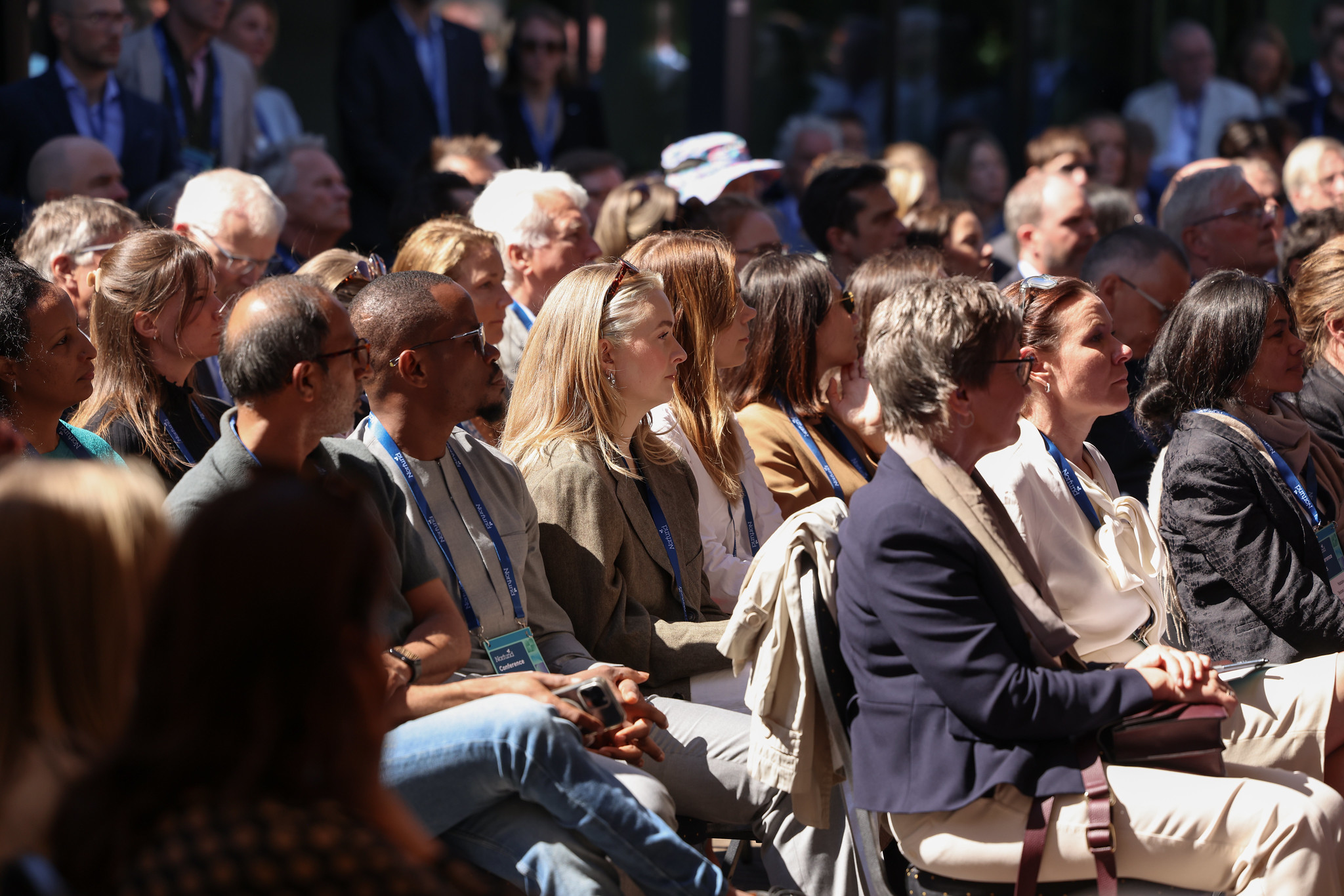
The audience
Will the market deliver the climate finance needs of emerging economies?
Despite the Climate Investment Fund outperforming expectations on both climate impact and financial returns, private investors remained hesitant — raising the question of whether a state-owned development fund can succeed where markets hold back, by delivering both profitability and meaningful impact.
Yngve Slyngstad, Board Chair, Industry Capital Partners
Saifuddin Dhorajiwala, Founder and Executive Director at Fourth Partner Energy
Bjørnar Baugerud, Head of the Climate Investment Fund at Norfund
Panel moderated by Åslaug Haga, Board Director at Norfund
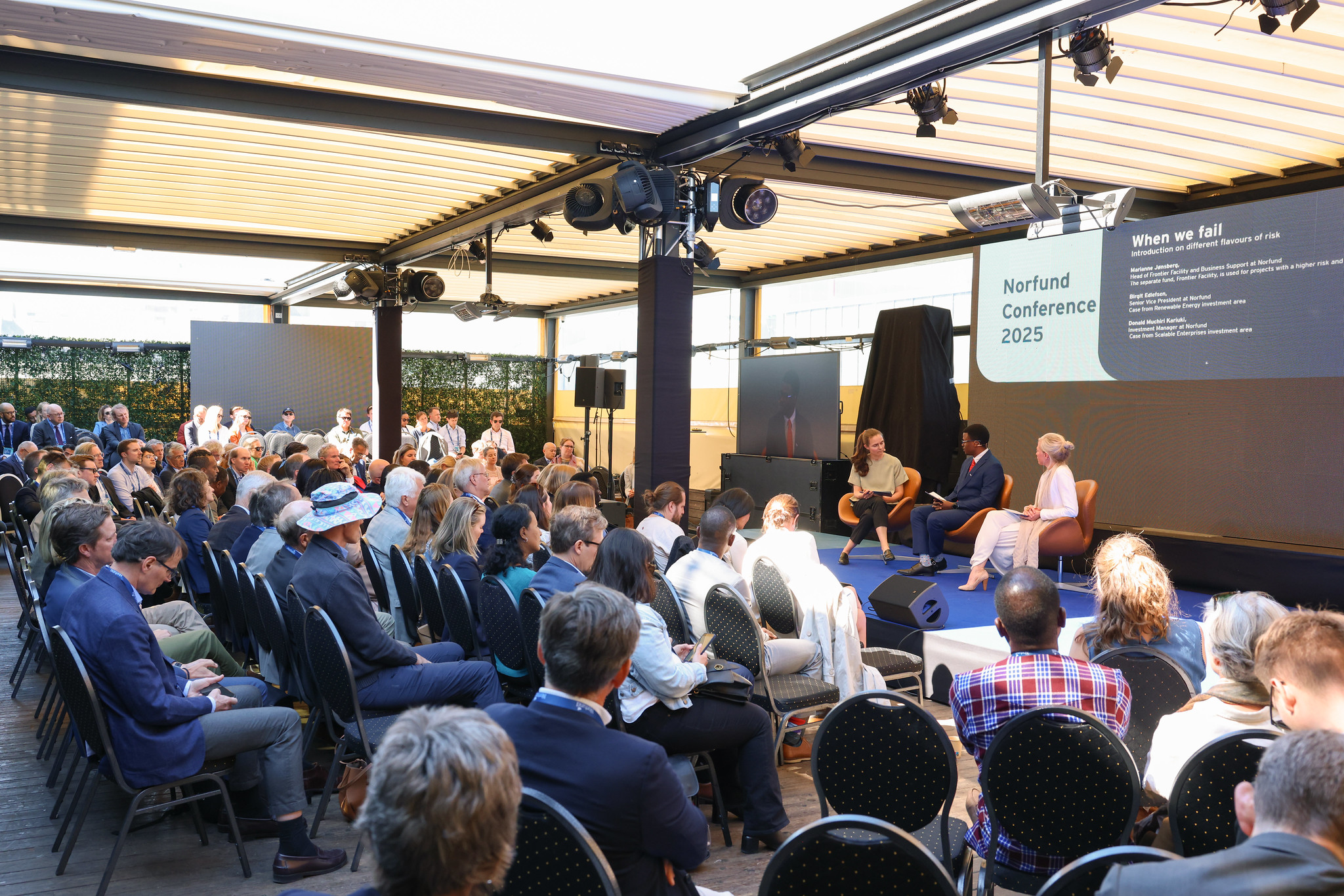
When we fail
Taking risks means sometimes failing — and this session explored what failure has looked like for Norfund, how lessons were drawn from past setbacks, and how these experiences helped shape stronger future investments.
Introduction on different flavours of risk
Marianne Jønsberg, Head of Business Support at Norfund
Case from Scalable Enterprises investment area
Donald Kariuki, Investment Manager at Norfund
Case from Renewable Energy investment area
Birgit Edlefsen, Senior Vice President at Norfund
Can we recycle out of our problems?
This session examined the complex role of recycling in the green transition. While materials like plastic and paper are vital to modern economies, they also drive pollution and deforestation. The discussion explored how recycling can be part of the solution—without becoming a vehicle for greenwashing or sidelining informal workers—and whether improved waste management can create new jobs without displacing the most vulnerable.
Olawale Adebiyi, CEO at WeCyclers
Karoline Andaur, CEO at WWF Norway
Carl Johan Wahlund, Senior Vice President at Norfund
Panel moderated by Vibeke Krohn, Head of TOMRA Textiles
Your call part 2
An interactive investment session gave the audience deeper insight into the risks and dilemmas involved in investing in developing countries.
Naana Winful Fynn, Regional Director West Africa, Norfund
Climate Smart Fund scales to tackle deforestation and climate adaptation in Indonesia
Rainforests are essential for storing carbon and mitigating climate change, yet two decades of palm oil expansion in Indonesia have driven significant forest loss. To help combat this, Abler Nordic has now secured a credit guarantee from Temasek Foundation to support its Climate Smart Fund, aimed at reducing deforestation, increasing smallholder farmer incomes, and building climate resilience in Indonesia.
The credit guarantee from Temasek Foundation— the philanthropic arm of Singapore’s government-owned Temasek International— will help lower financing costs for farmers, reduce risk for private investors, and allow Temasek to back an innovative solution that fosters sustainable farming practices and climate resilience in Indonesia.
Temasek Foundation’s backing, along with USD 10 million in pilot funding from Norway’s Ministry of Climate and Environment and Norfund’s guidance, shows how public funding sets the stage for blended finance as the fund scales to attract private investors and maximize climate impact.
“As climate change intensifies, smallholder farmers are caught in a vicious cycle of low productivity and environmental degradation. The Climate Smart Fund offers a promising model that addresses poverty alleviation alongside climate mitigation and adaptation, equipping farmers with the tools they need to thrive sustainably.”
Anne-Beate Tvinnereim, Development Minister of Norway, speaking from COP 29
The Climate Smart Fund provides long-term, affordable working capital to farmers cultivating coffee, cocoa and oil palms in Kalimantan and Sumatra. With limited yields, many of these farmers expand into forests, risking deforestation and loss of biodiversity.
To counteract this, the fund provides replanting loans, quality seeds, sustainable fertilizers, and climate-smart agricultural guidance, enabling farmers to sustainably increase yields and reduce forest encroachment. Satellite and on-ground monitoring cover 200,000 hectares of conservation zones to track encroachment.
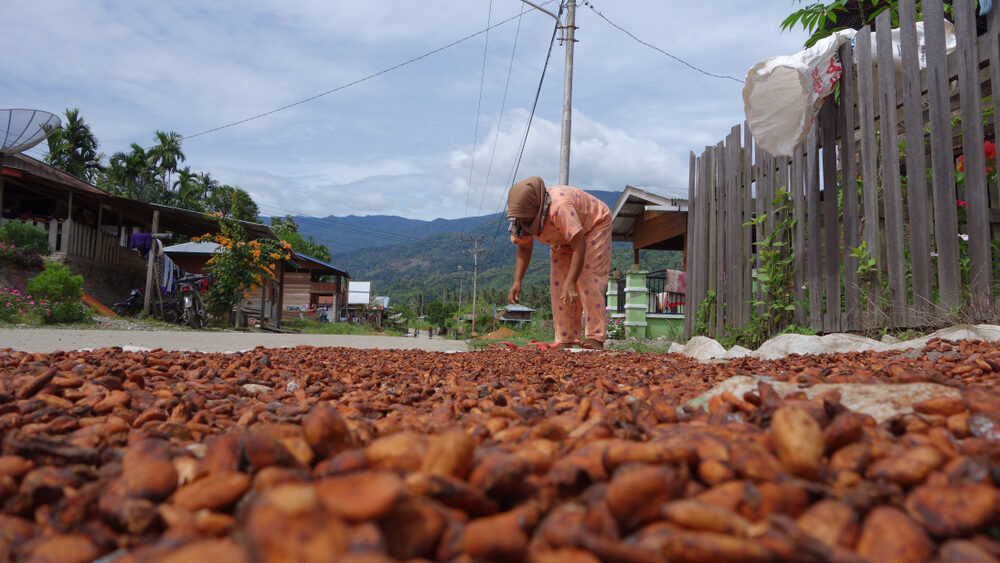
Cocoa farmers drying seeds in Sumatra, Indonesia. Photo credit: Taufik Sagoe.
To meet the urgent need for climate adaptation, intercropping strategies are used to diversify farmers’ incomes and build resilience. For cocoa and coffee farmers, climate-adaptive loans are provided through partnerships with Koltiva, Swisscontact, and ICRAF, facilitating shade-grown agroforestry systems. These systems combine cocoa and coffee with shade trees, creating cooler microclimates and conserving soil health—helping farmers adapt to rising temperatures and unpredictable rainfall, as well as generating extra income from diverse crops.
In palm oil cultivation, Abler Nordic and partners Livelihoods Fund, SNV, and Musim Mas are testing similar agroforestry models to replicate positive outcomes.
Farmer carrying oil palm on motorbike. Photo credit: Dika Hermawan.
Beyond climate mitigation and adaptation, the fund strengthens communities by helping farmers secure land rights, achieve global sustainability certifications, and improve traceability. In its pilot phase, the fund has trained 2,100 farmers and increased their annual incomes by typically 35%.
Participatory land-use planning has been completed in six villages, engaging 16,500 residents and covering over 100,000 hectares. Land rights for the first batch of farmers have been secured and 350 farmers have received Sustainable Certification, with 400 more registered for audit.
Now scaling to support 15,000 to 30,000 farmers by 2030, Abler Nordic aims to expand the Climate Smart Fund in the first close to USD 40 million through a combination of investor capital, guarantees, and grants. With Temasek Foundation’s credit guarantee offering private investors added confidence, the fund seeks to attract a blend of public and private financing to drive sustainable, climate-resilient agriculture across Indonesia.
Palm oil cultivation in Indonesia. Photo credit: Nazarizal Mohammad.
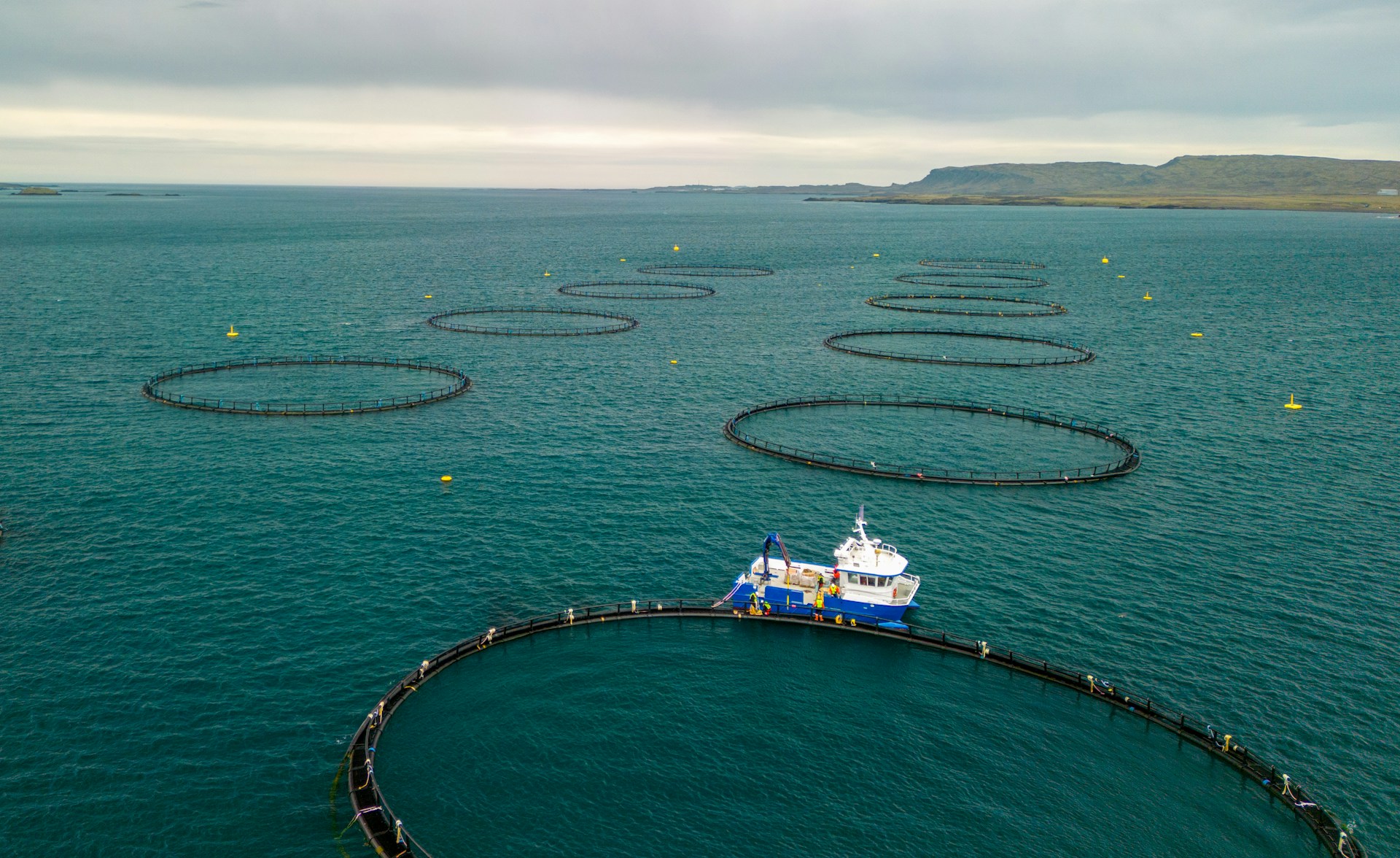
Investment in fish farming to create jobs and food security in Ghana
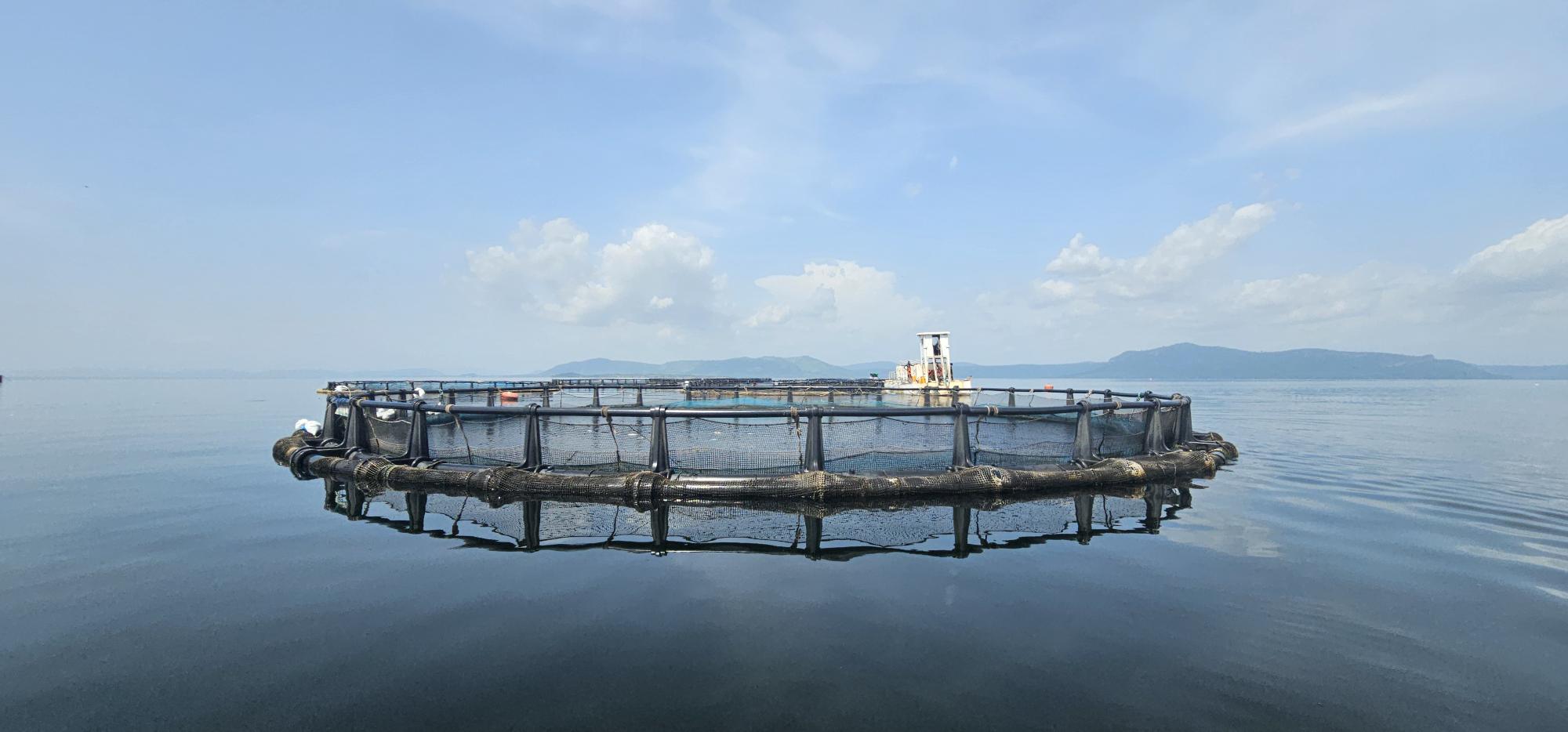
Through an investment in Tropo Farms, West Africa’s leading tilapia farm, Norfund will help create jobs and improve food security in Ghana.
The investment in Tropo Farms is made through the company AgDevCo, which specializes in the development of African agricultural businesses. Norfund became a co-owner of the company in February 2022.
The USD 10 million investment will help expand tilapia production in Ghana
“The investment will help to create new jobs while at the same time strengthening the production of an important protein source in Ghana,” says Ellen Cathrine Rasmussen, EVP Scalable Enterprises, who represents Norfund on the board of AgDevCo.
Tropo Farms is the leading tilapia fish producer in West Africa and among the largest in Sub-Saharan Africa. The company employs 917 people and supplies fish to the local market through about 3,000 market traders, the majority of whom are women.
Ghana has one of the highest fish consumption rates in Africa, consuming over 800,000 tonnes per year. This investment will boost the country’s aquaculture industry to satisfy the growing local demand for high quality, affordable fish as a sustainable alternative to wild catch and imports.
AgDevCo’s investment of $10m will finance the construction of a modern processing facility and other production equipment. This will increase the company’s capacity to 30,000 tonnes within five years, contributing to improved nutrition and food security in Ghana.
“This loan is a major milestone for Tropo Farms. It will expand our logistics and distribution network while bringing more benefits to the communities where we operate. We are pleased to partner with AgDevCo who brings flexible long-term capital to support our growth, as well as agribusiness expertise,” said Francisco Murillo, Tropo Farms CEO.
Tropo sees opportunities for further aquaculture projects in West Africa, which it plans to pursue with AgDevCo and other strategic co-investors.
$16 Million to grow Kenyan MSMEs: Abler Nordic & Norfund co-invest in Premier Credit
Abler Nordic and Norfund have each provided an $8 million USD senior loan in local currency to Premier Credit, a Kenyan microfinance institution focused on lending to micro, small, and medium enterprises (MSMEs) often overlooked by traditional banks.

Mature African customer purchasing bouquets of flowers from young businesswoman working out of open-air market stall.
This combined investment of $16 million USD aims to boost access to affordable finance for unbanked entrepreneurs in Kenya, aligning closely with Norfund and Abler Nordic’s shared goals of empowering low-income households and creating jobs.
“Supporting MSMEs with accessible, flexible working capital is even more critical than ever to safeguard livelihoods and drive job growth, amid the rising cost of living and post-COVID economic challenges. Premier Credit’s commitment to helping businesses in Kenya succeed is commendable, and we look forward to creating even greater value together with their strong management team,” said Godfrey Kaindoh, Investment Director and Africa Lead at Abler Nordic.
MSMEs in Kenya play a vital role in driving economic growth and reducing poverty, and contribute close to 40% to the country’s GDP. With over 7.4 million businesses employing nearly 15 million people, which accounts for over three-quarters of the workforce in Kenya, MSMEs are pivotal in creating jobs. Despite this, many MSMEs struggle to access working capital to sustain and grow their businesses due to stringent bank lending criteria and lack of credit history and collateral.
“Kenya is a key country for our investments, and partnering with Abler Nordic to support Premier Credit underscores our commitment to empowering entrepreneurs and boosting job creation in Kenya,” said Judy Kinyanjui, Investment Director for Financial Inclusion, Norfund.
Since starting in 2013, Premier Credit has enabled over 600,000 MSME entrepreneurs, particularly in remote areas and informal settlements, to access affordable financing through its nationwide presence. Close to 45% of Premier Credit’s customers are women and over 60% of customers live in rural areas. The company has shown impressive growth, maintaining profitability and a strong loan portfolio, with a 90% customer retention rate due to a relationship-based approach, fast turnaround times and flexible repayments.
“Premier Credit Kenya is honored to partner with Abler Nordic and Norfund, and this investment will strengthen our capacity to serve the diverse needs of micro and small businesses in Kenya,” said Gideon Nyaga, Managing Director of Premier Credit. “The funds will be allocated responsibly, ensuring that they have a meaningful impact on the businesses and communities we serve. As Premier Credit Kenya continues to grow and expand its reach, it remains committed to providing financial solutions that empower entrepreneurs, stimulate economic growth, and enhance livelihoods across Kenya.”
In addition to MSME loans, Premier Credit offers salary loans for households, pension loans, school development loans to low-cost private schools, and asset financing for water tanks and biodigesters, which convert organic waste into biogas for cooking and lighting, and bio-slurry for use as fertilizer.
The funding from Abler Nordic and Norfund will help Premier Credit continue to expand its geographic reach, increase its MSME portfolio, and diversify into sectors like education and agricultural value chains, beyond the current focus on trade and transport. Norfund and Abler Nordic will further assess how they can use Business Support and grants for technical assistance projects, to support the entrepreneurs and MSMEs beyond finance.
Norfund invests in new paper recycling facility
Norfund and I&M Bank have partnered to finance Kim-Fay East Africa Limited’s new recycling facility in Nairobi. This investment will create jobs, reduce waste and strengthen Kim-Fay’s position as a leading player in hygiene and household products in East Africa.
Norfund has invested USD 5.5 million in the form of a senior loan to Kim-Fay to support the construction of a new recycling facility. This loan, combined with financing from I&M Bank, is an important strategic step for the company.
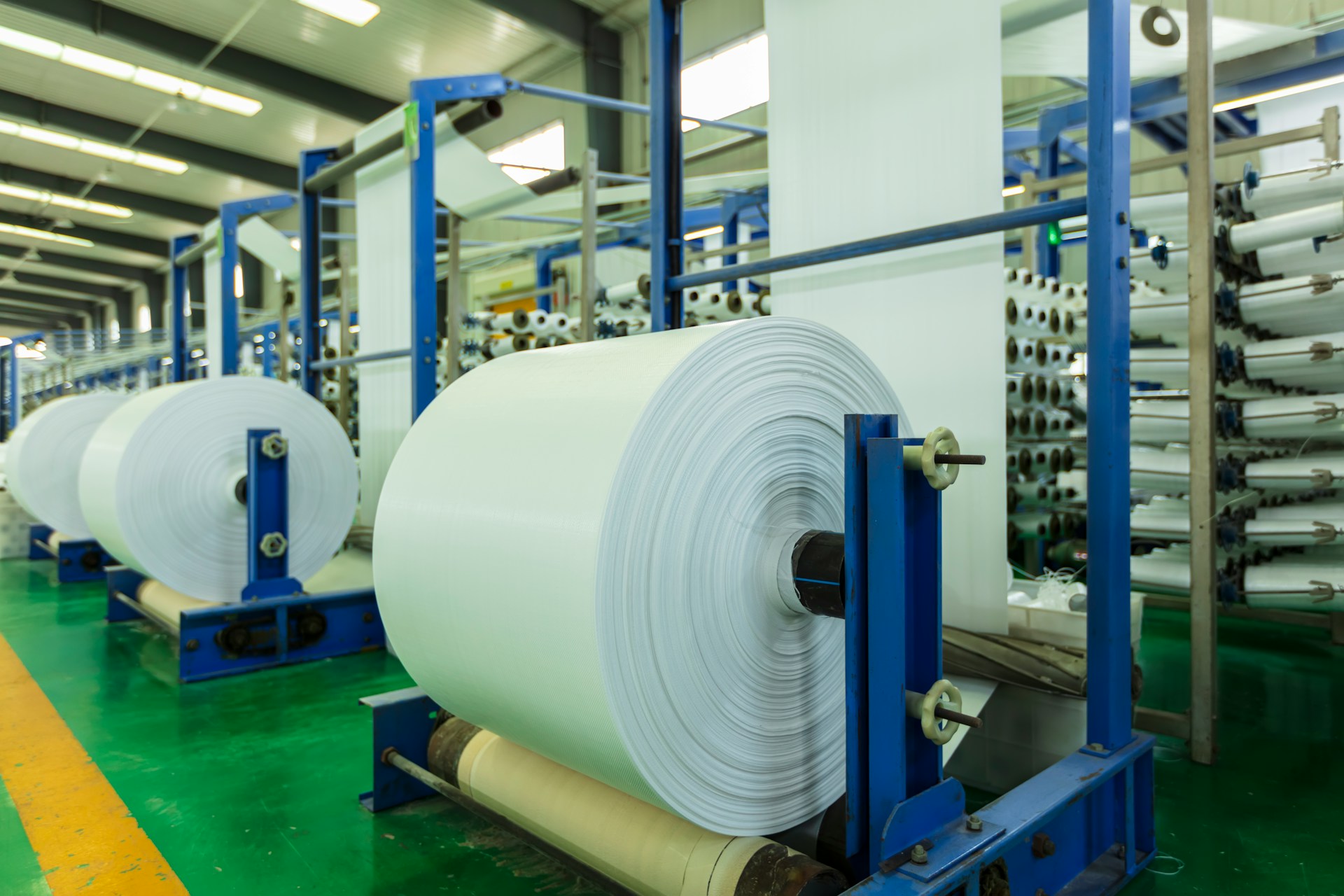
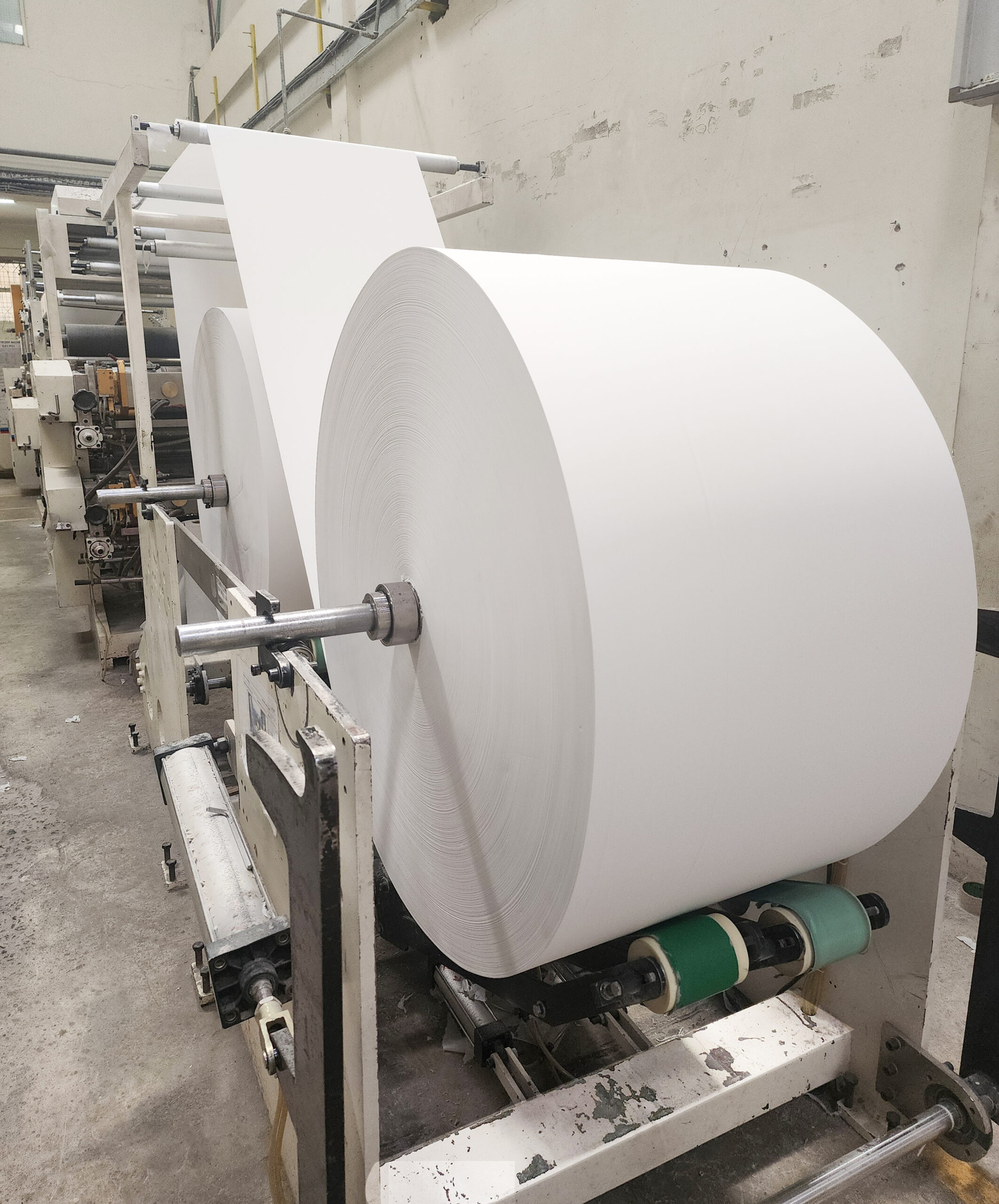
Kim-Fay is heavily reliant on importing virgin paper, which they process and sell in their East African markets. With the new recycling facility, expected to be completed by 2025, the company will use recycled wastepaper sourced from Kenya in the production of products. This is a significant step in the direction of a circular economy whilst reducing both import dependency and environmental impact.
Creating local jobs
The company aims to create around 300 permanent jobs in connection with the recycling facility. About 100 will be located at the facility, while the rest of the jobs will be generated through the collection and transport of wastepaper and other support functions.
“We are excited about this partnership with I&M Bank to finance Kim-Fay’s expansion and development of a state-of-the-art wastepaper recycling facility in Nairobi. This project aligns perfectly with Norfund’s mandate to support financially and environmentally sustainable and scalable enterprises in developing economies to create job opportunities for our young people and improve lives.”
William Nyaoke, Director in East Africa at Norfund
Expanding the access to affordable hygiene products
One of the goals of Kim-Fay’s expansion is to make important household products such as toilet paper, baby wipes and diapers affordable to lower-income groups. The demand for hygiene products is rapidly increasing, driven by a growing middle class in the region.
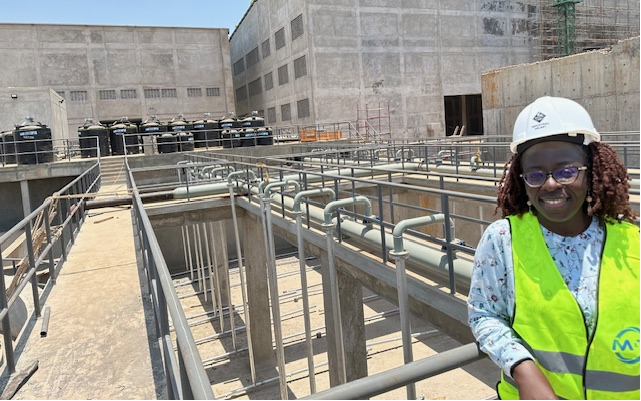
Lilian Simiyu, Investment Manager in Norfund, on a visit to the recycling facility.
Milestone for Kim Fay
Kim-Fay primarily operates in Kenya but also exports to Uganda, Tanzania, and Rwanda, and continues to expand its presence in East Africa.
Kim-Fay’s CEO, Raj Bains, expresses great satisfaction with the investment:
“We’re thrilled about Norfund and I&M Bank’s investment, which will facilitate the development of the reverse integration facility which will pave the way for Kim-Fay to enter a major sub-segment in the industry. We extend our gratitude to all stakeholders who contributed to this transaction, with special thanks to IMBC for their crucial support. This milestone represents a significant step toward transforming wastepaper, that would otherwise be discarded as garbage, into value added tissue paper and establishing a fair and transparent circular economy that will benefit all stakeholders, including bringing a very good product at an affordable price to the market.”