Norfund invests to increase financial inclusion in Honduras

The Norwegian development finance institution, Norfund, has invested 10 million USD in the Honduran bank Banco Popular. The bank specializes in microfinance and lending to small and medium sized enterprises.

Despite making progress in reducing poverty, Honduras still ranks as one of the poorest and most unequal countries in the region. As of 2023, 51.3% of the population lives below the national poverty line. Only 45% of the population has a bank account.

Mountains cover about three quarters of Honduras, making it complicated to reach the approximately 40% of the population that resides in rural areas with financial services. Banco Popular has about half of their clients in rural areas and serves them through its 41 offices around the country.

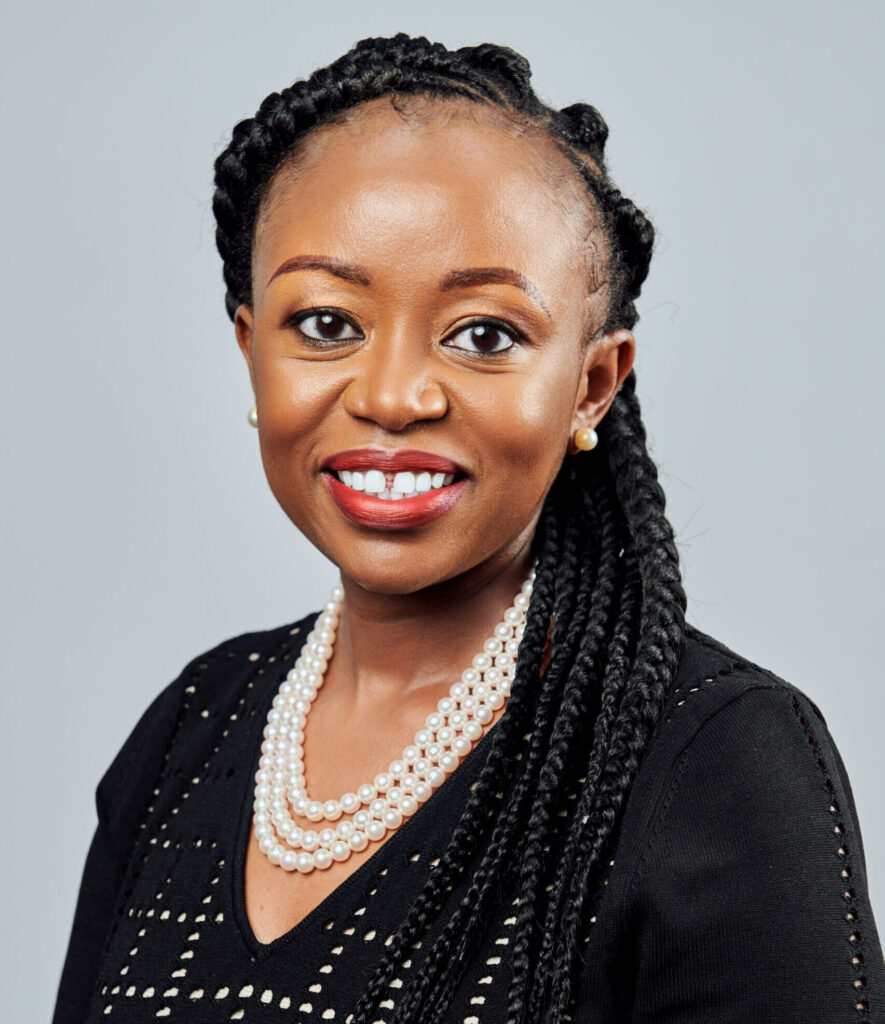
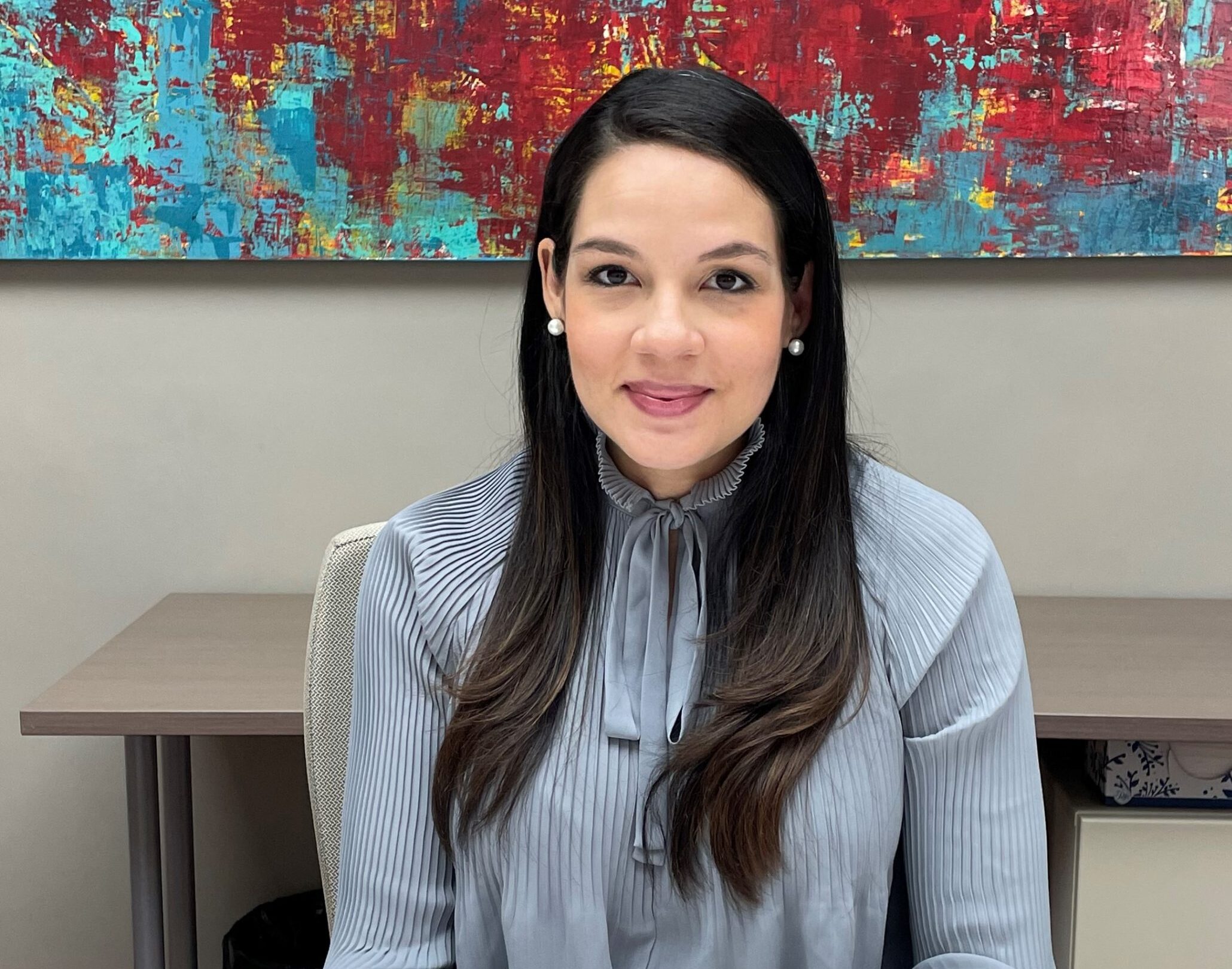
“We are very pleased with this investment in Banco Popular and look forward to following the financial and developmental results. Microentrepreneurs, when they have additional income, tend to favor their closest family environment, which we believe is crucial to reduce poverty.”

Says Maria Esther Boquin, Investment Manager in Norfund.

Micro and small businesses are key job creators and play a crucial role in driving the economic engine in Honduras. Norfund’s loan will support the bank’s medium-term financing, which will allow it to offer longer-term financing to micro and small business clients, helping to boost their growth potential and providing them with greater sustainability in their business models.

The investment is a senior loan given in the local currency, Honduran Lempira.

“Financing microfinance institutions in local currency is essential as it mitigates foreign exchange risk, safeguarding both the institutions and their clients from currency fluctuations that could otherwise result in financial instability.” Added Maria Esther Boquin.

The shareholders of Banco Popular consist of the Dutch and Belgian Development Finance Institutions, Triple Jump and Incofin.

Veolia and Norfund join forces in Africa

Norfund and French global environmental company Veolia are launching a joint development and financing platform to contribute to green industry in Africa through sustainable solutions for water, energy and waste management.

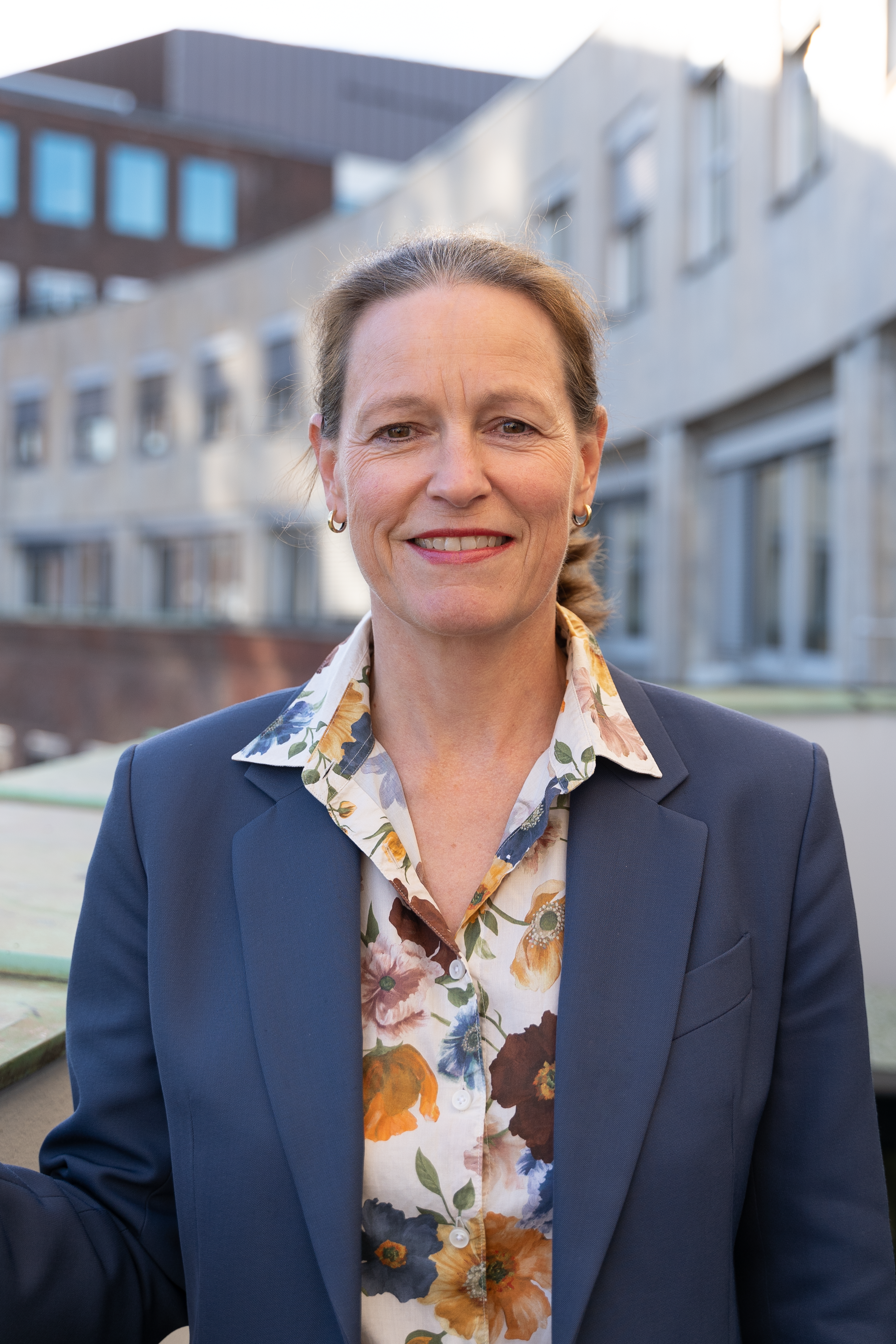
“Across the continent, African industry has a great need to ensure reliable and affordable access to energy and water, without increasing their environmental footprint, but companies often lack financing for the necessary investments. We are pleased to partner with such a strong global player as Veolia to develop sustainable solutions to these challenges.”

Ellen Rasmussen, Executive Vice Present for Scalable Enterprises at Norfund

Veolia employs 218,000 people on five continents in the management of water, waste and energy. Last year, the group provided 113 million people with drinking water, 103 million people with sanitation and treated of 63 million tons of waste, with a total turnover of EUR 45.3 billion. In Norway, the subsidiary Veolia PET Norge is responsible for the recycling of plastic bottles.

Now the French giant is working with Norfund, the Norwegian government’s investment fund for developing countries, to contribute to green industry in Africa.

“This type of collaboration that mobilizes industrial expertise and private capital is crucial for creating sustainable jobs that enable African countries to grow out of poverty while mitigating challenges related to climate, pollution and water scarcity”

Minister of international Development Anne-Beathe Tvinnereim

The partnership aims to develop, finance, build and operate solutions that offer low-carbon energy, optimized water cycle and sustainable waste management.

“The plan is to invest in projects ranging from €3 million to €50 million, and offer turnkey solutions through performance-based contracts, particularly targeting companies in resource-intensive sectors such as food and beverage, materials, chemicals and mining,” says Rasmussen.

Veolia has extensive experience from Africa, and together with Norfund, the company aims to support sustainable long-term growth through industrial development across the continent.

“As a leader in environmental services, Veolia is  As a leader in environmental services, Veolia is thrilled to combine its expertise with Norfund’s renowned commitment to invest in sustainable projects that drive development and innovation to green up African industries. As part of our GreenUp strategic program, Veolia will especially target REUSE and energy saving projects, offering decarbonized solutions like biomass to energy or Zero Liquid Discharge to the industry, on a continent facing water scarcity and a lack of reliable energy.

Philippe Bourdeaux, Delegated Zone Africa, Near & Middle East Director, Veolia

Norfund expands fintech investments to enhance financial inclusion

Norfund today announces its support with a $20 million commitment to a new Apis fund – the Apis Growth Markets Fund III. Apis Partners LLP (“Apis”) is a private equity firm investing in high-growth, tech-enabled financial services companies globally.

TymeBank is a portfolio company in one of Apis’s previous Growth Markets Funds.

Apis’ previous two Growth Markets Funds, which collectively raised commitments of around $850 million, have a proven track record of delivering both impactful and financial results. The new Apis fund will continue to focus on pivotal trends such as Cashless Payments, Embedded Finance, and Financial Inclusion, all of which enhance livelihoods in Africa and South/Southeast Asia.

“We are impressed by Apis’ professionalism and expertise in guiding the growth of promising mature FinTechs through its active and invaluable mentorship. Apis and Norfund share a strong commitment to improving financial inclusion in emerging markets. This partnership enables Norfund to develop our internal fintech expertise and offers opportunities for direct investments through co-investing with the fund.”

Espen Froyn , Senior Vice President for FI Africa in Norfund

Norfund’s fintech investment strategy

Recognizing the crucial role of Financial Technology (“FinTech”) in improving financial inclusion and reaching economically disadvantaged individuals and small businesses, Norfund broadened its investment focus in 2022 to include FinTech companies alongside banks, microfinance and other financial institutions. Norfund now actively supports financial inclusion-oriented FinTechs engaging in digital lending, neobanking, embedded finance, insurtech, and payment solutions across sub-Saharan Africa and Southeast Asia.

Norfund typically provides direct investments in high-quality FinTech companies, offering between $5-20 million in loans and equity to firms in their early growth stages, generally from Series A onwards. Since establishing the FinTech Investment Strategy, Norfund has invested in Wave Money, Lula Lend, Amartha, Funding Societies, and AwanTunai. Besides direct investment, Norfund also works with FinTech funds such as Quona Capital and Integra Partners, to extend its reach to promising early-phase FinTech companies.

Collaborating with Apis to augment Norfund’s FinTech investment strategy

Norfund’s investment in Apis Growth Markets Fund III represents a strategic decision to further diversify its portfolio into a broader set of mature and high-growth FinTechs that support individuals, entrepreneurs and established businesses with affordable and accessible financial services in emerging markets. Norfund’s commitment will help Apis reach its target fund size, especially at a time when fundraising has been challenging globally and particularly for emerging markets managers. The partnership will also provide Norfund with valuable insights from a leading industry investor.

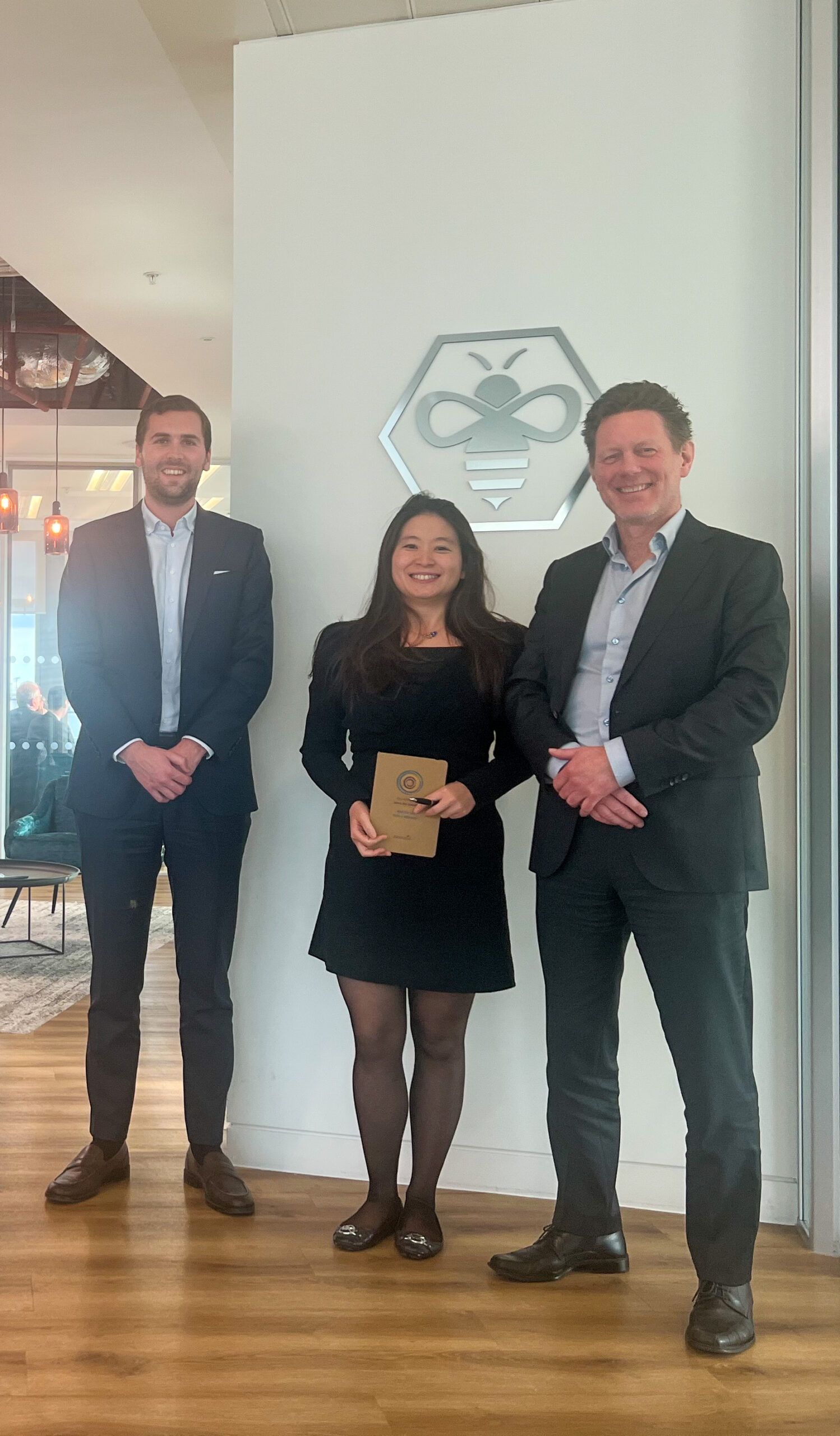
“Apis’ expertise in payment solutions and embedded finance is profound. Seamless and cashless digital payments can significantly boost productivity and enhance digital inclusion, an area where Apis truly excels. In addition, we recognize the vital role of embedded finance in helping entrepreneurs and small businesses access the productive assets they need to thrive. We look forward to seeing Apis bring essential capital to these crucial segments,”says Investment Manager Kathy Chang (middle).

Record growth in jobs and tax revenues from Norfund investments

“By supporting companies that create new jobs and finance public welfare through taxes, we see that we are helping to fight poverty in an effective, sustainable and scalable way,” says Tellef Thorleifsson, CEO of Norfund.

220 million unemployed people were looking for work in low- and lower middle-income countries in 2023, according to ILO.

At the end of 2023, as many as 625,000 people were employed in the companies in which Norfund has invested under its development mandate, either directly or through funds. Figures from investees Norfund has received reports from for two years in a row, show a net increase in new jobs of a record 9 per cent, or 37,200 new jobs, from 2022 to 2023. This is an increase of 52 per cent from 2022, when the figure was 24,500.

“Paid work is the sustainable way out of poverty, and in a challenging year for many poor countries, we are pleased to be able to report a record increase in the number of jobs,” says Tellef Thorleifsson, CEO at Norfund.

Norfund also invests in access to energy and financial services, crucial prerequisites for businesses to develop that create a large number of indirect jobs. The annual report shows that in 2023, 420,000 new households gained access to renewable energy through companies in Norfund’s portfolio, and the financial institutions in the portfolio served 11.5 million more customers.

Increased tax revenues for developing countries in debt crisis

In total, companies in the portfolio under Norfund’s development mandate paid a record NOK 32.7 billion in taxes in 2023. Of this, NOK 21.2 billion was in Africa. A comparison of the figures from the companies Norfund received reports from over two years shows an increase in total tax paid of NOK 3.6 billion.

Total tax revenues from the companies in the portfolio account for more than half of total Norwegian aid in 2023, while the increase in tax revenues from 2022 to 2023 alone is almost NOK 2 billion more than what Norfund was transferred to its development mandate in the same year (NOK 1.68 billion).

“Increased tax revenues are crucial for governments in poor countries to become independent of aid and be able to afford to provide basic services such as education, healthcare and infrastructure development, while at the same time being able to service debt”

Tellef Thorleifsson

The annual report shows that the return from Norfund’s development mandate was 1.8 per cent (IRR) in investment currency, giving an average return per year since inception of 4.8 per cent. In NOK, the return was 4.1 per cent in 2023, giving an average return of 7.8 per cent since inception.

Investing USD 20 million in solar energy for SMEs in India and South Africa

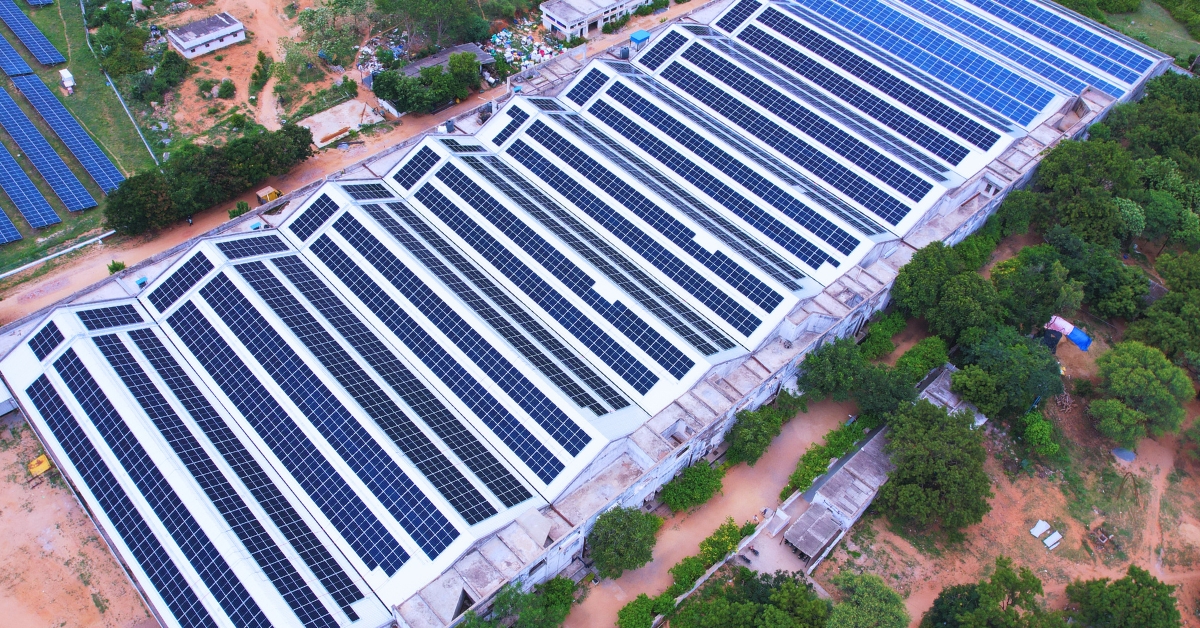
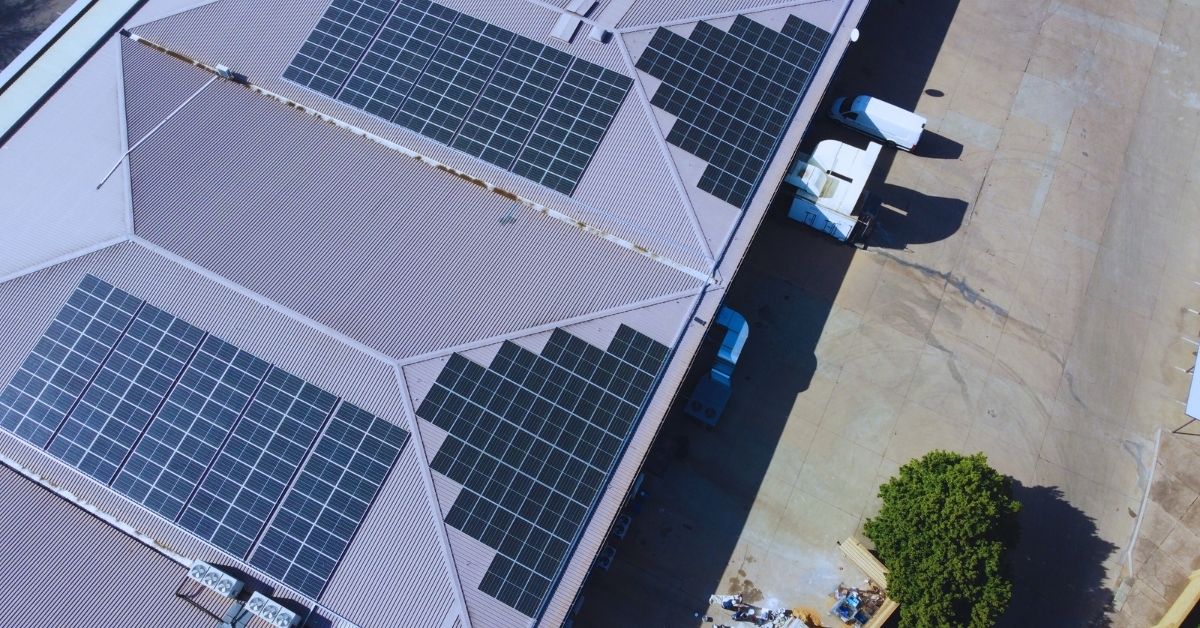
The Climate Investment Fund, managed by Norfund, is investing USD 20 million (NOK 210 million) in Candi Solar, a company that supplies solar energy to small and medium-sized enterprises in India and South Africa.

“There is great untapped potential in these countries in giving smaller businesses access to affordable and clean energy from solar power,” says Sofie Kamsvåg, Investment Manager at Norfund.

India and South Africa have need more energy as a result of strong growth in consumption, and coal is the largest source of energy. The Climate Investment Fund has previously invested in large solar and wind power plants in these countries, and in a company that supplies renewable energy to larger companies in India.

Now, for the first time, the fund is investing in a company aimed at smaller businesses. The USD 20 million investment in candi solar is part of a larger funding round totalling USD 38 million for the company, which was established in 2018. Kyuden International and STOA account for the rest of the sum.

“Electricity from rooftop solar is generally cheaper than what companies can buy from the grid, but small businesses often lack access to affordable enough capital to invest in these solutions”

Sofie Kamsvåg, Investment Manager Norfund

Candi solar has developed financial solutions specifically aimed at such businesses and can offer various deals tailored to their needs, including risk-sharing leases, credit repayments and loans.

“Our innovative solar and battery solutions and pioneering financial products accelerate our purpose of powering a more sustainable planet, one rooftop at a time”

Fabio Eucalipto, Co-founder and Director at candi solar.

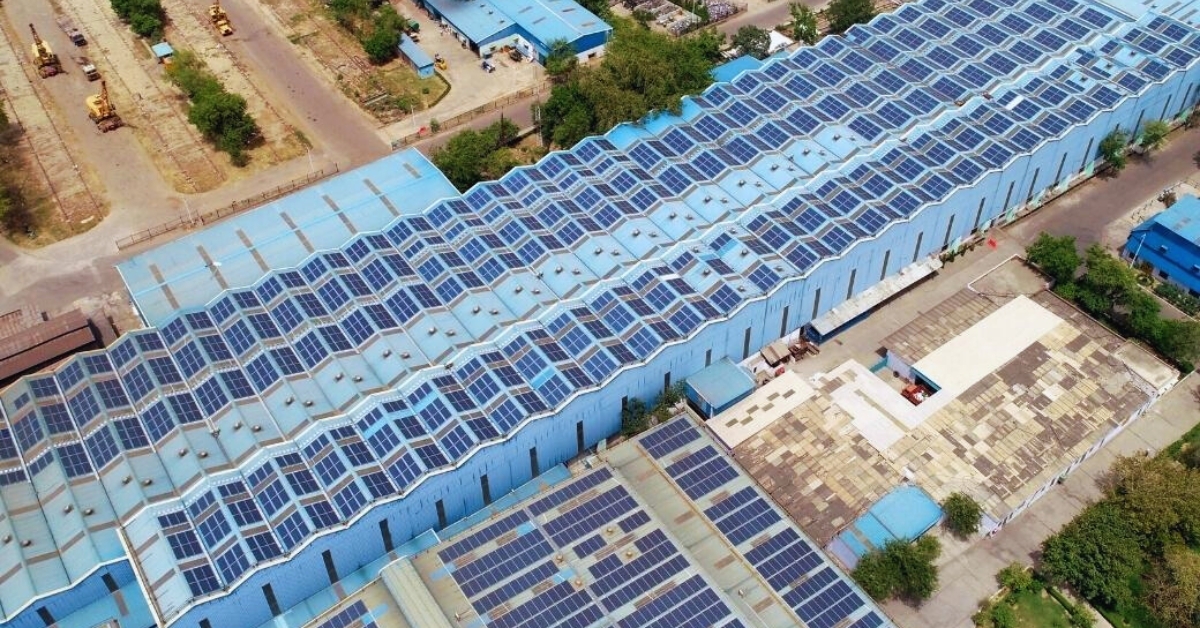
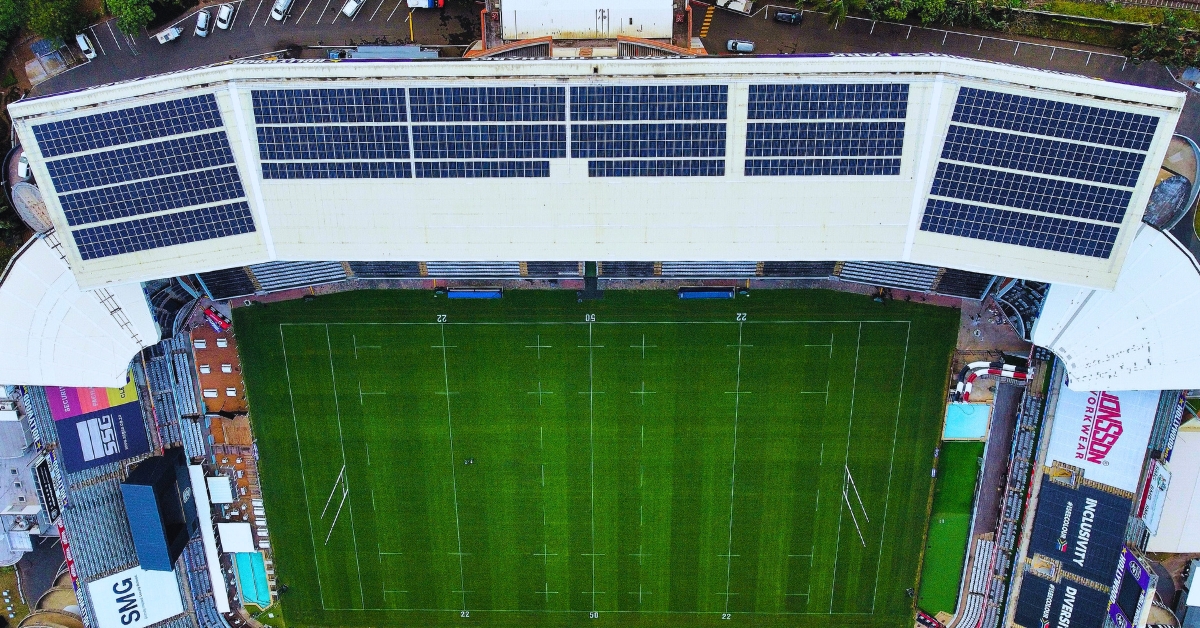
The companies candi has delivered solar solutions include everything from textile industry in India to one of South Africa’s largest rugby stadiums in Durban.

Access to affordable capital contributes to avoided emissions

Candi solar has so far delivered solutions with an average capacity of 600 kWp to over 100 companies in the two countries. In total, they have contracts for 112 MW of solar energy. With the capital from Norfund and the other partners, the company has set a target of building a further 200 MW in solar projects over the next two years.

The total expected energy production of 571 GWh will avoid 493,000 tonnes of CO2 annually, calculated based on the two countries’ current and planned energy mix. This is equivalent to the emissions of 250,000 Norwegian fossil-fuelled cars.

– The rapidly growing demand for energy in India and South Africa means that there is a major shortage of the capital needed to base growth on renewable energy. Solar energy delivered directly to smaller businesses is an important part of the solution,’ says Kamsvåg.

Norfund invests $20 million to provide microloans for Guatemalan entrepreneurs

Guatemala faces one of the highest poverty and inequality rates in the region, with a 55 % poverty rate. As Guatemala strives for economic stability and social progress, access to finance is needed to grow businesses that create jobs.

“Apart from the financial strength of the entity, what most moved me about Genesis was the development journey it seeks for each of its clients, most of which are from the base of the income pyramid. It begins with examining how well they and their family are in terms of basic needs before moving them towards loans for their micro businesses or offers a mix of funding to achieve both sets of objectives,” says Heidi Achong, Investment Director in Norfund.

The current client base of Génesis is more than 340,000 people, of whom 72% are women and 76% reside in rural areas.

“I was impressed to see how prepared their sales force is to assess their clients’ needs, in rural areas. Even integrating sales staff and financial education programs in indigenous languages. In Guatemala there are greater than 23 of these languages,” says Heidi Achong.

Génesis provides financial access, but also tailored guidance and training, empowering entrepreneurs to improve their businesses and enhance the quality of life for their families.

Together with the Dutch development finance institution FMO, Norfund and other investors are investing a total of 85 million USD in Génesis. The aim is to unlock the full potential of Guatemala’s microentrepreneurs, paving the way for inclusive growth and prosperity.

Profitable investments help avoid more than 1/6 of Norway’s emissions

Last year’s investments over Norfund’s Climate Investment Fund will help avoid greenhouse gas emissions equivalent to more than a sixth of Norway’s annual emissions, with annual financial returns so far above 20 %.

From Fourth Parner Energy in India.

Norfund’s investments through the Climate Investment Fund in 2023 of NOK 1.6 billion were invested in projects that will avoid 8.5 million tons of CO2 annually. This corresponds to more than one sixth of Norway’s annual emissions (48.9 million tons of CO2e in 2022). This is in addition to the projects financed in the fund’s first year in 2022, which will help avoid 6.2 million tons.

The Climate Investment Fund was established in 2022 to maximize avoided emissions through investments in renewable energy in emerging economies.

“This shows that the Climate Investment Fund is a very effective tool to accelerate the global energy transition. This type of contribution is crucial to mitigating the climate crisis. We are reminded daily that the crisis is hitting the world’s poorest hardest, and we have no time to lose in the fight against climate change,” says Minister of Development Anne Beathe Tvinnereim.

New figures from Norfund shows that the return from the Climate Investment Fund since its inception has been as much as 24.4 % (IRR) in investment currency, or 20.4 % in NOK. Over 25 years, Norfund’s investments in renewable energy have had an average annual return of 6 % in investment currency, and 9.8 % in Norwegian kroner. In comparison, NBIM reports an annual return of 6.1 % in the same period.

“Although these are figures from a very short period, it is an indication that it is possible to deliver better returns from the Climate Investment Fund than the already strong figures we have seen over time from Norfund’s energy investments,” says Thorleifsson.

Norfund’s Climate Investment Fund is also a key to mobilising private capital for developing countries. It was the main reason why Norway reached the target set at the climate summit in Glasgow in 2021 of doubling climate financing as early as 2022 – while the target was set for 2026.

Access to affordable capital pays big dividends in avoided emissions

Although the IEA expects strong growth in renewable energy in the coming years, it will not be enough to meet climate targets. The key challenge is the need to rapidly scale up renewable energy financing in developing countries and emerging economies, which have a huge need for more power generation in order to grow out of poverty. In the next 20 years, India alone will build as much as the entire EU has built today.

For all renewable energy, the cost comes as an upfront investment, while operation is almost free. Expensive capital as a result of higher perceived risk in emerging economies means that it can often still be profitable in the short term to choose coal and other fossil solutions, even though these have high and variable operating costs. The capital cost of large-scale solar energy, for example, is well over twice as high in emerging economies as in high-income countries, according to the IEA.

“Whether the world achieves its climate goals will largely depend on the extent to which these markets receive sufficient and affordable capital to tip the scales in favour of growth based on renewable energy,” says Thorleifsson.

Coal-based power generation in emerging economies accounted for more than 65% of the global increase in emissions in 2023.

Norfund with first FinTech equity investment in Indonesian AwanTunai

AwanTunai is a Jakarta based FinTech-company that offers solutions to increase access to capital for micro, small and medium sized enterprises in the supply chain of fast-moving consumer goods (FCMG). Norfund is investing up to 9.2 million USD in the company to help create more jobs in Indonesia. 

The Consumer Goods Industry in Indonesia is fragmented with a large number of SMEs and small retailers scattered throughout the country. Access to credit is low, and many SMEs do not have access to formal financing. Consumer goods, such as food or household products sold to consumers, remain manual with a limited share of sales done online.

“We have been impressed with how AwanTunai has been able to use FinTech to reach out to segments of the SME sector that are underserved or unbanked in Indonesia, and we are looking forward to support the company’s ambition to reach out to even more companies, allowing them to grow and create more jobs”, says Fay Chetnakarnkul, Regional Director for Asia in Norfund.

Ambitious founders

The founders Rama Notowidigo and Dino Setiawan started the company in 2017 with a mission to optimize the traditional and mainly manual consumer goods supply chain with technology and access to finance, in order to advance and develop communities in Indonesia. They did so after visiting areas where especially access to working capital was very limited and often only available from local loan sharks with extremely high interest rates.

“We’re proud at AwanTunai to be able to develop patented in-house machine learning innovations that has enabled us to successfully manage unsecured SME lending risk. The usual requirement for hard collateral to manage risk in SME lending has been a long running barrier to financial inclusion. We hope the unsecured SME lending innovation we’re scaling in Indonesia will eventually be deployed across other developing economies.” Says Dino Setiawan, co-founder and CEO of AwanTunai.

Several FinTech investments, but first time as equity

Norfund has previously given loans to FinTech companies such as Wave Mobile Money, operating in Senegal and the Ivory Coast, and Lula Lend, a tech-driven financial institution providing loans to small and medium-sized enterprises in South Africa.

The investment in AwanTunai is however the first equity investment in the FinTech sector. The investment will enable AwanTunai to scale up its operations and reach more unbanked and underserved companies. Other lead investors in this round include MUFG Innovation Partners (MUIP) and Finnfund.

“We look forward to supporting AwanTunai’s vision of creating a more inclusive and digital economy in Indonesia”, says Chetnakarnkul.

Norfund matched record for investing in developing countries

Norfund invested just over 6.5 billion NOK in developing countries in 2023. This is as much as the record year 2022, despite the fall in the world’s total investments.

“We have succeeded in maintaining a high level of our contributions to creating more jobs in some of the most challenging countries where high risk makes many investors hesitant to invest,”

Tellef Thorleifsson, CEO in norfund

Total foreign direct investment to developing countries fell last year by 9% to $841 billion, with a drop of 12% in developing countries in Asia and 1% in Africa, according to a report by UNCTAD.

Norfund’s investments have seen steady growth in recent years, despite demanding times characterized by, among other things, the pandemic. In 2020, investments increased by 20%, in 2021 by 10% and in 2022 by another 20%. In 2023, the record level of 6.5 billion from the year was thus maintained. Norfund’s total committed portfolio was 36.2 billion at the end of the year.

Invests 2.5 times the amount transferred from the state

Over the past two years, Norfund has received 1.68 billion for the fund’s development mandate and one billion for the Climate Investment Fund over the aid budget. The total annual investments are now 2.5 times the amount transferred from the state budget, as a result of freed up funds from returns and sales.

– By investing instead of giving the money away, we mobilize private capital and use the same funds several times, so we can help fight more poverty and climate change, says Thorleifsson.

Norfund was given responsibility for the new Climate Investment Fund aimed at avoiding emissions in developing countries in 2022. In 2023, Norfund invested 1.6 billion over this mandate in renewable energy in countries with a particularly high proportion of fossil energy in existing and planned power production.

– The need for capital for renewable energy in these markets has grown further as a result of more expensive capital and high gas prices, and we see great opportunities to make a significant difference, says Thorleifsson.

Over half of the investments goes to Africa

Above the development mandate, Norfund invested a further 1.4 billion in renewable energy. Norfund invested 2.3 billion in companies within financial inclusion, 812 million in companies within agriculture and industry, and 412 million in local and regional funds that invest directly in companies.

51% of Norfund’s investments over both mandates in 2023 went to Africa, 34% to Asia and 16% to Latin America. Of Norfund’s total committed portfolio, 62% was in Africa at the turn of the year.

– Through investments that provide access to energy and capital, as well as direct ownership in companies, we see that we can contribute to fighting poverty in an efficient, sustainable and scalable way, says Thorleifsson.

$98.7 million into new fund dedicated to growing African SMEs

Norfund, alongside IFC and other DFIs, has committed $15 million to the frontier investor XSML Capital and their new fund – African Rivers Fund IV (ARF IV), bringing total commitments so far to almost $100 million. The investment will address the scarcity of capital towards the SME segment in frontier markets in Africa.

One of XSML’s investments: The engineering company Geek that works with connecting Congo DRC (with a population the size of Western Europe) to the internet.

XSML Capital manages several private equity funds in Central and Eastern Africa and provides scarce risk capital to small and medium sized companies that operate in frontier markets such as DRC, Uganda and Angola. XSML is now raising its fourth fund, which allows them to double their investments and expand into new markets such as Zambia.

XSML specializes in helping talented African entrepreneurs in growing their business into sustainable medium and large companies. They have a track record of scaling up over 75 SMEs and initiating more than 150 business improvement projects, with investments ranging from US$ 300k to US$ 10m.

SMEs, making up 90% of African businesses that contributes significantly to GDP and job creation, often lack access to capital needed for developing their business.

“By investing in the fund, Norfund aims to empower local entrepreneurs to provide much needed goods and services in some of the least developed countries in Africa, while creating and sustaining viable jobs,”

Vegard Halvorsen, Investment Director in Norfund

The investment is aligned with Norfund’s strategy of bridging the financial gap that hampers the growth of these businesses.

Norfund invests together with Swedfund, British International Investment (BII), Dutch Entrepreneurial Development Bank (FMO), SIFEM and the International Finance Corporation (IFC).