Doubling our investments in CrossBoundary Energy to US$80 million
Norfund has committed an additional $40 million to expand its African C&I energy portfolio, reinforcing its support for the region’s growing energy needs in the commercial and industrial sectors.
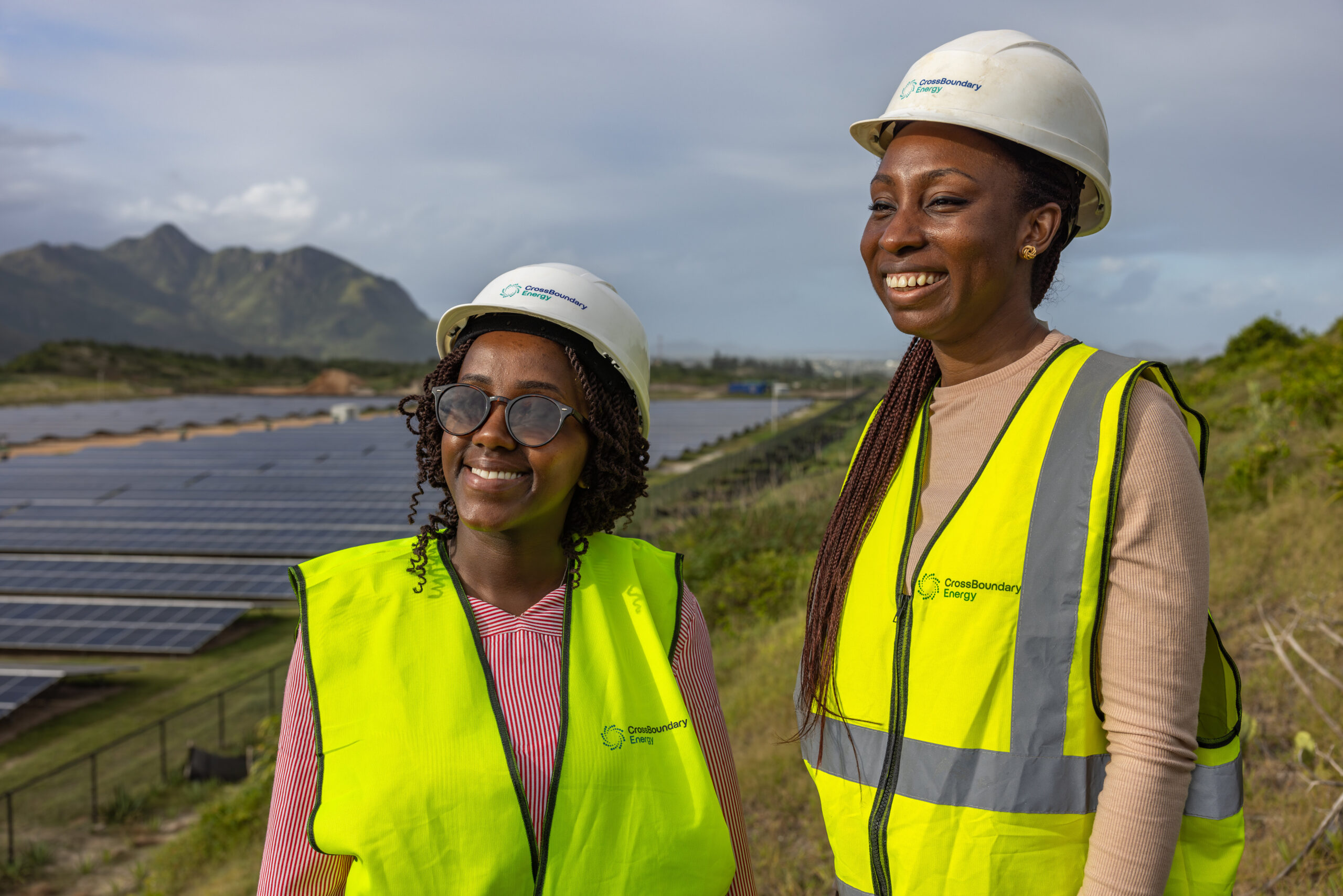
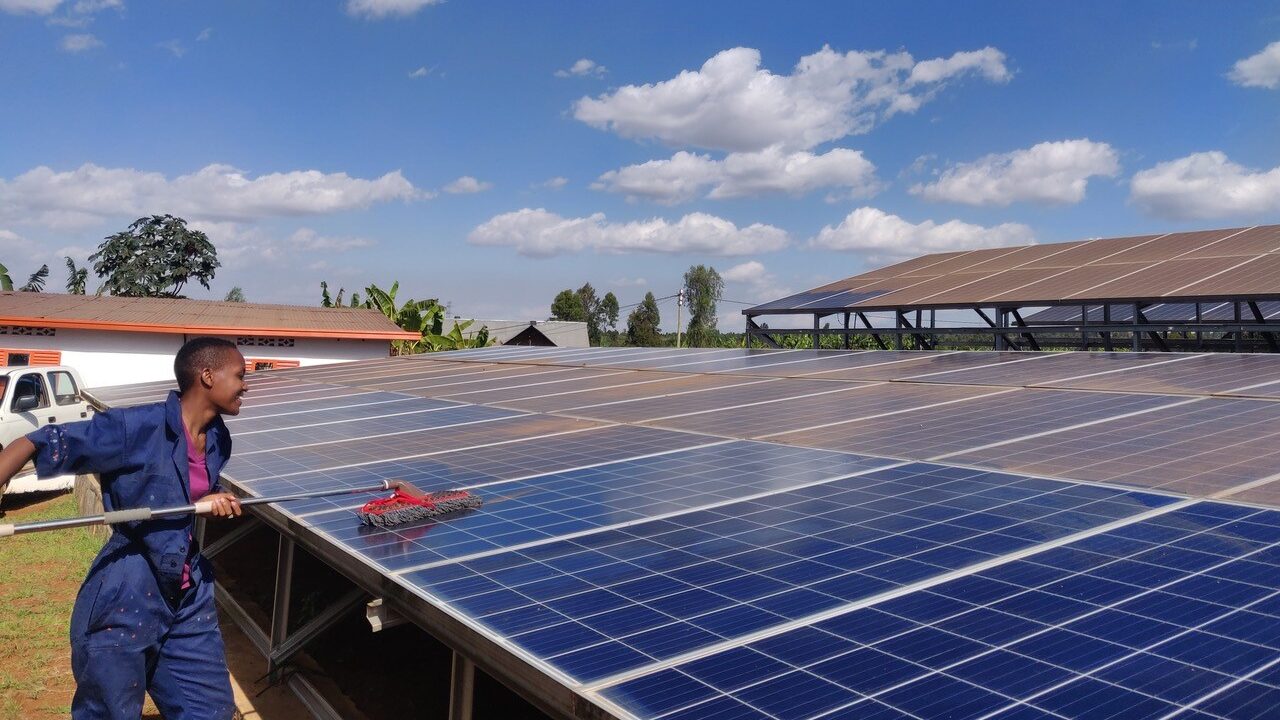
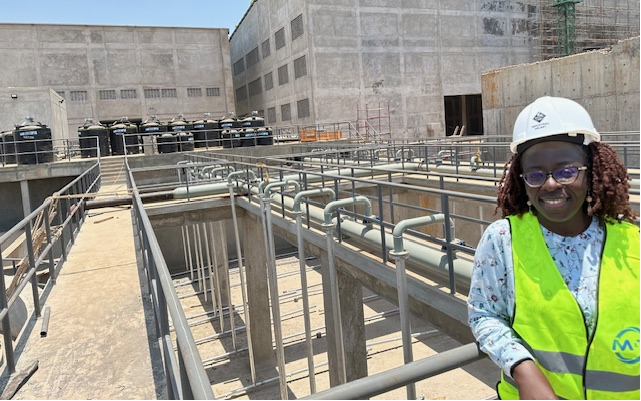
Senior ESG Manager, Maureen Kinuthia, and Head of ESG, Ifeoma Dika, visiting a solar plant in Madagascar.
Over the past year, CrossBoundary Energy has successfully grown its awarded portfolio to around US$680M across 18 African countries, comprising 500 MW of solar, wind, and thermal assets and over 600 MWh of battery energy storage solutions. The portfolio features large-scale renewable-led hybrid power plants for mines, rooftop and ground-mount solar PV plants for industrial clients, and distributed solar PV and battery power solutions for telecommunications sites.
“The need for innovative energy solutions in Africa is growing rapidly. CrossBoundary Energy is a leading provider of solutions that are poised to bolster clean energy capacity and job creation on the continent,”
Rivhatshinyi Mandavha
Senior Investment Manager at Norfund
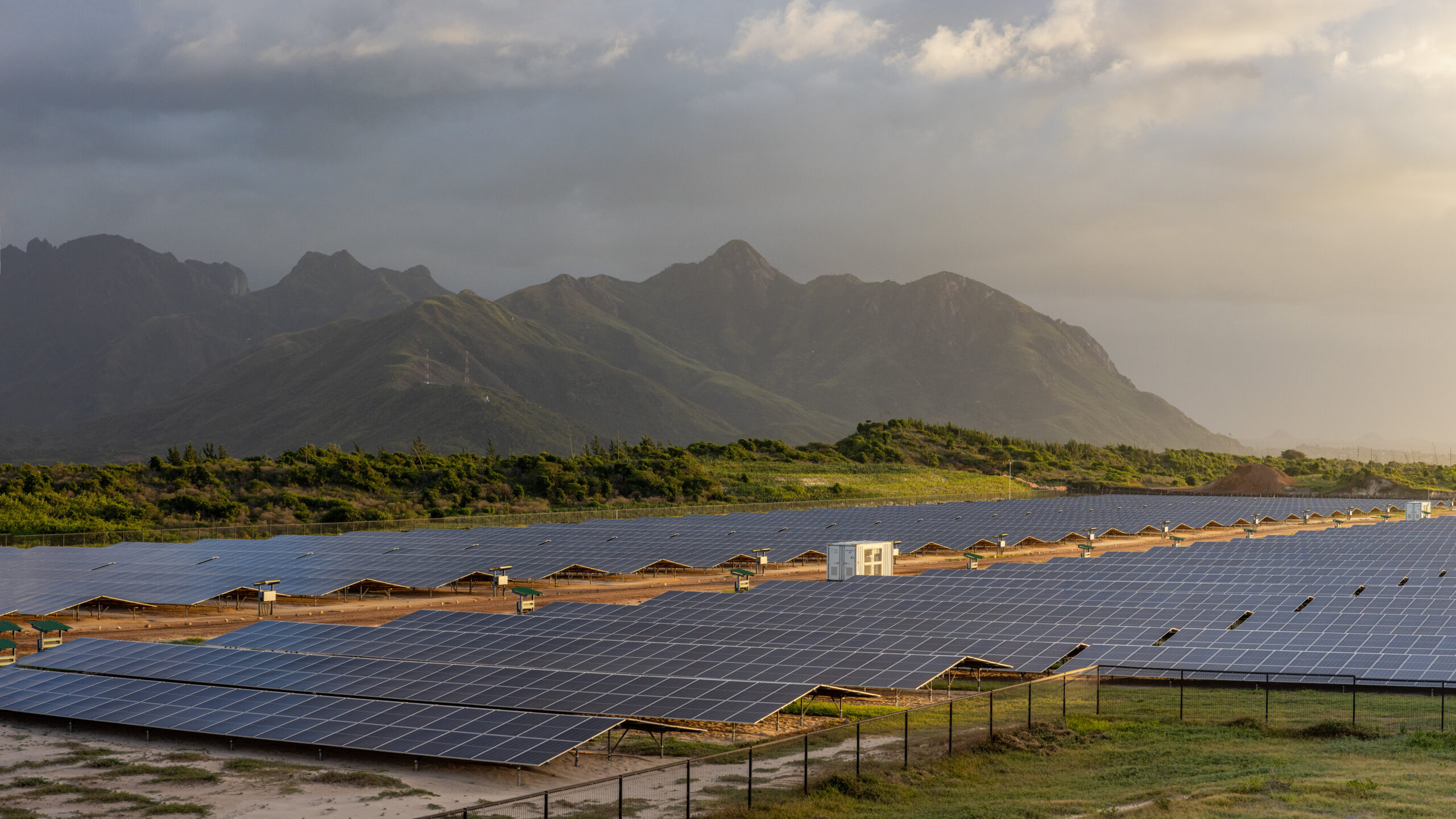
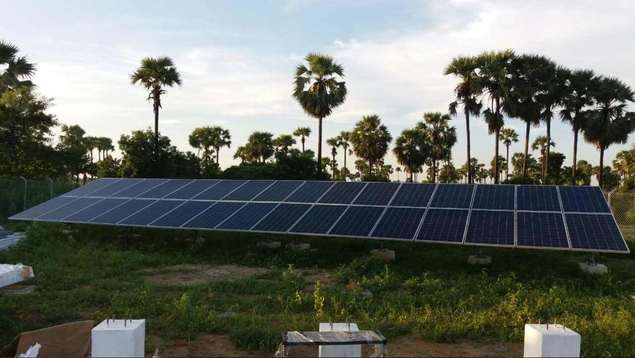
Solar Array at Rio Tinto QMM Mining Operations, Fort Dauphin, Madagascar.
“Norfund’s investment signifies a strong vote of confidence in CBE’s capability to meet the increasing demand of commercial and industrial customers for affordable, clean, and reliable power – the backbone of powering sustainable growth in key industries and economies across Africa.”
Muna Yuusuf, Associate Principal at CrossBoundary Energy
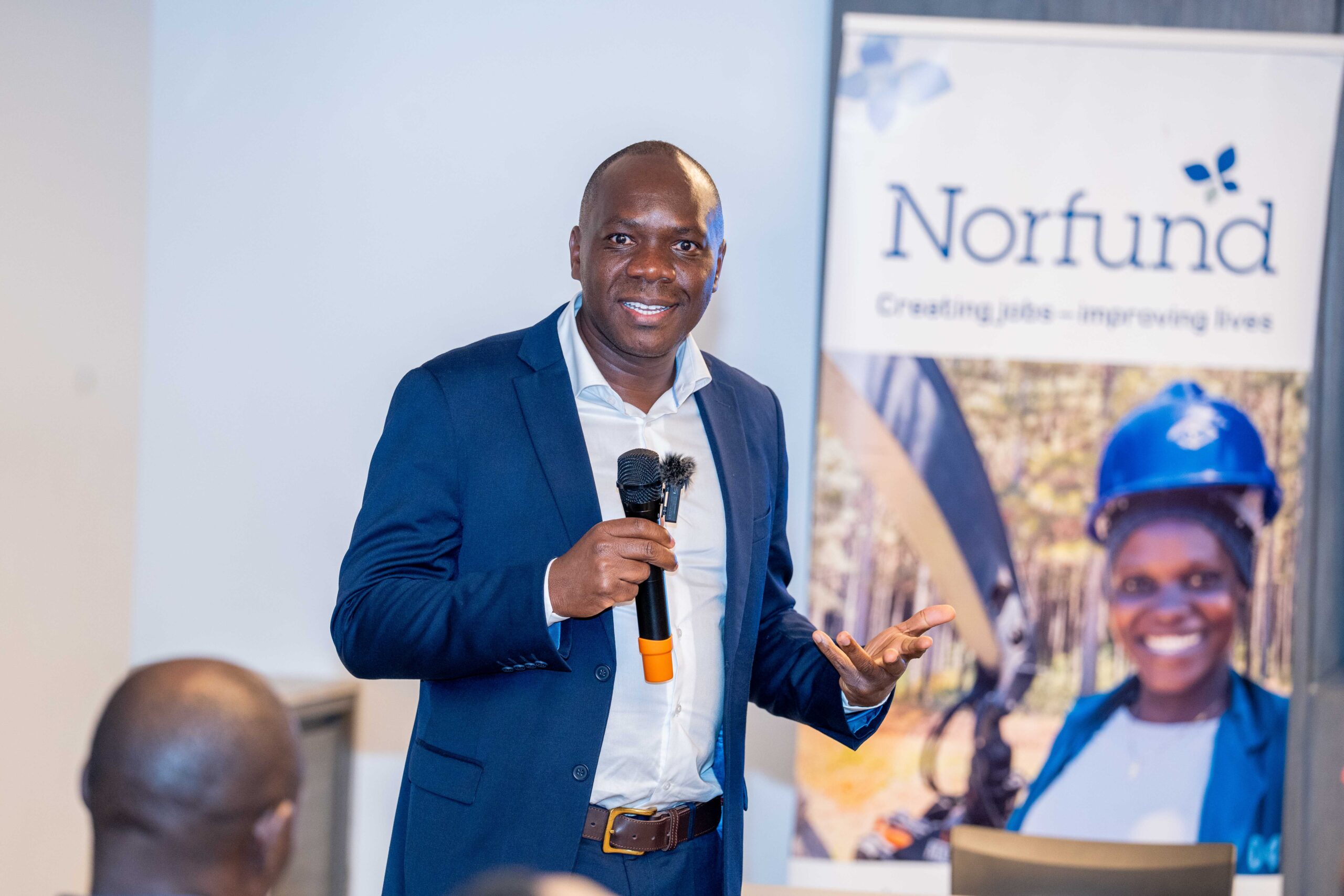
The annual Norfund Conference was held on Thursday, May 15th, at Taket Steen & Strøm in Oslo.
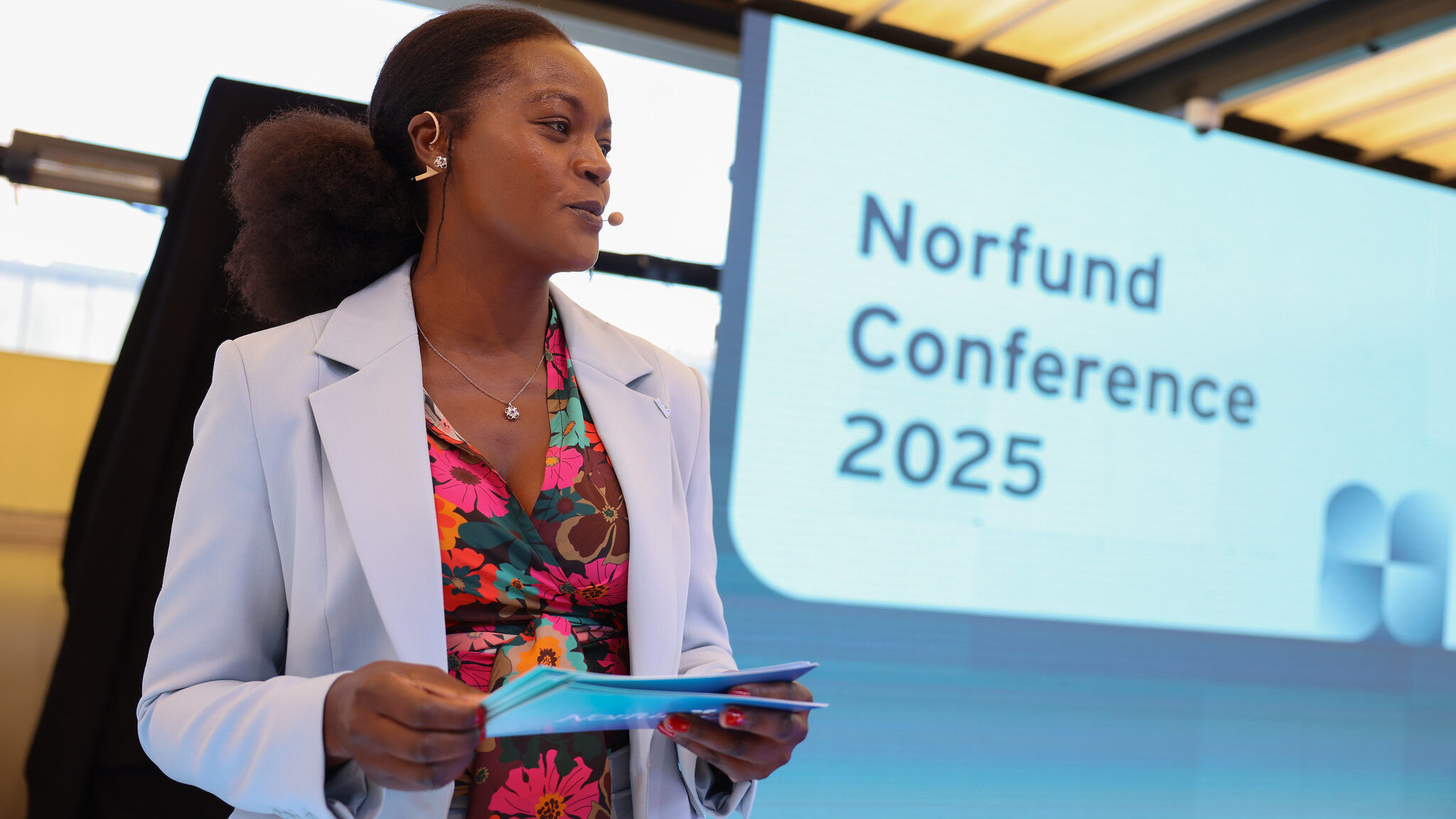
Ann Nkatha, Norfund’s East Africa Office Manager, hosted the conference.
We explored the risks and dilemmas we face in investment processes — including what happens when things go wrong. We delved into the compatibility between cutting climate emissions and making profitable investments, and asked whether recycling could be part of the solution. Participants met international experts, the Norfund team, our partners and portfolio companies.
Navid Rezvani, Bao Andre Nguyen, and Catherine Michelet’s performance set the tone for the day.
Navigating noise
This session navigated the noise of a rapidly changing international landscape to identify what truly matters for Norfund’s markets — and what is just background noise.
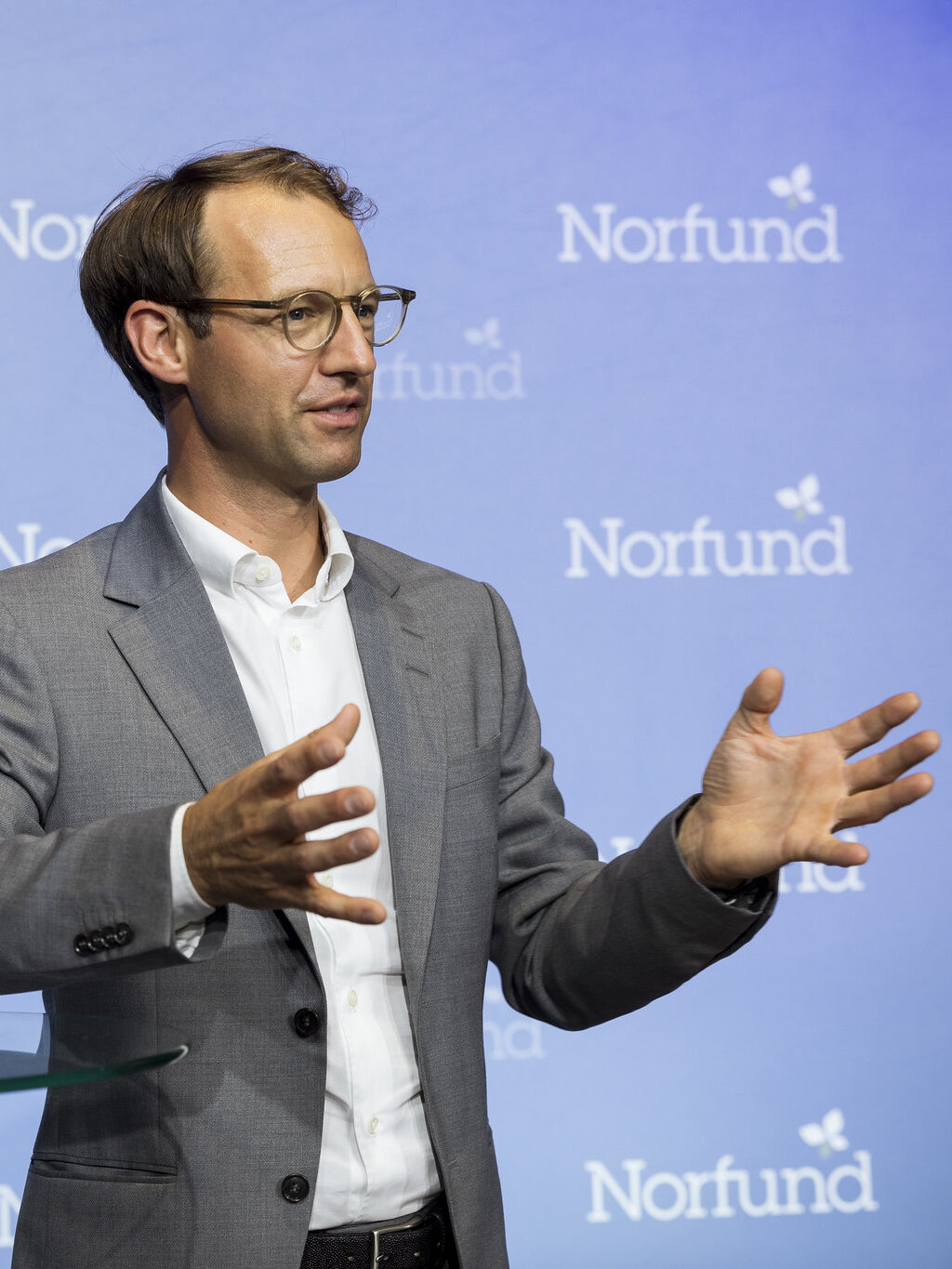
Keynote by Norfund CEO Tellef Thorleifsson
Panel conversation
Åsmund Aukrust, Minister of International Development
Runa Alam, Co-Founding Partner and CEO, Development Partners International
Reyburn Hendricks, CEO, H1 Holdings
Your call part 1
An interactive investment session gave the audience deeper insight into the risks and dilemmas involved in investing in developing countries.
Naana Winful Fynn, Regional Director West Africa, Norfund
Ylva Lindeberg, EVP at Norfund
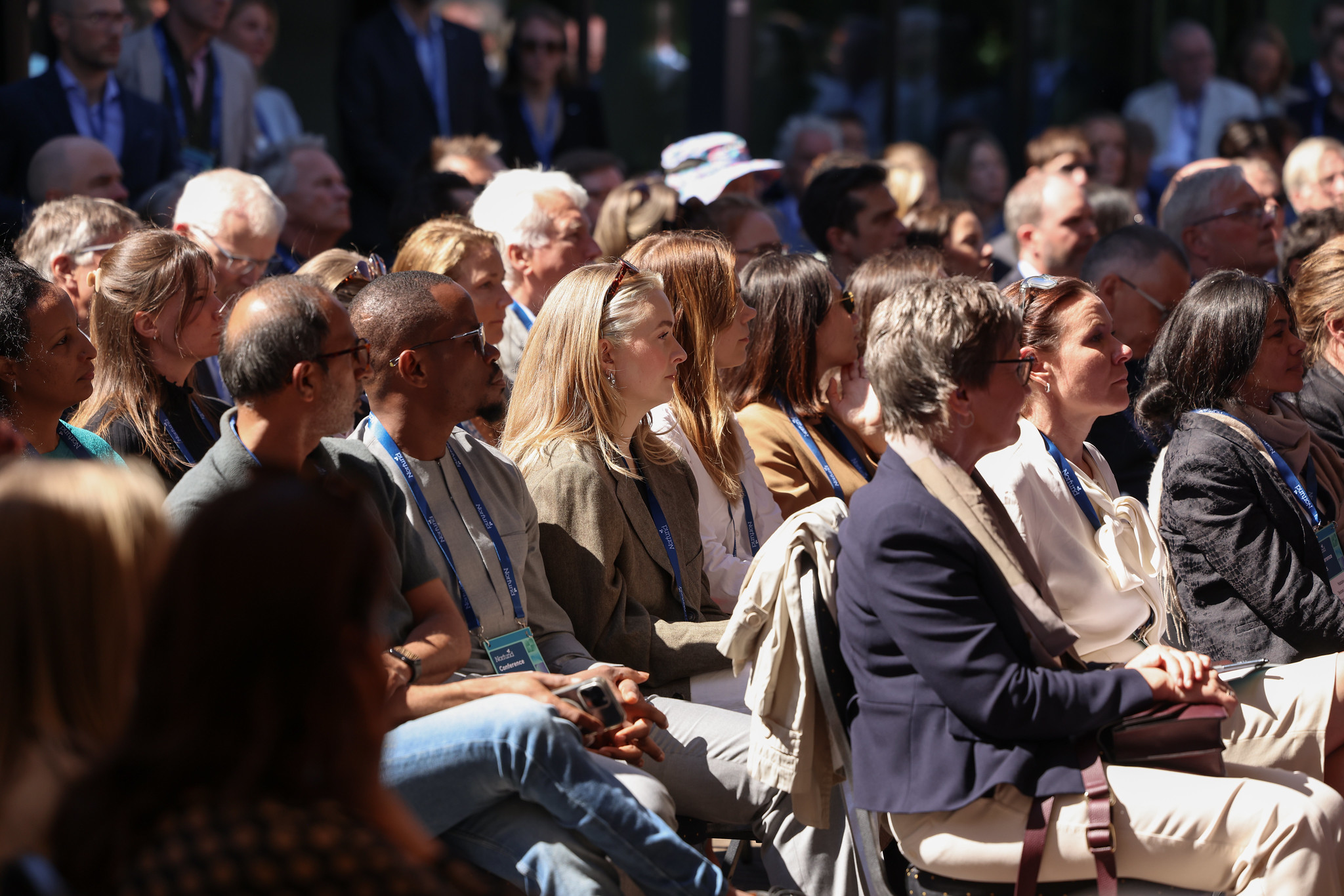
The audience
Will the market deliver the climate finance needs of emerging economies?
Despite the Climate Investment Fund outperforming expectations on both climate impact and financial returns, private investors remained hesitant — raising the question of whether a state-owned development fund can succeed where markets hold back, by delivering both profitability and meaningful impact.
Yngve Slyngstad, Board Chair, Industry Capital Partners
Saifuddin Dhorajiwala, Founder and Executive Director at Fourth Partner Energy
Bjørnar Baugerud, Head of the Climate Investment Fund at Norfund
Panel moderated by Åslaug Haga, Board Director at Norfund
When we fail
Taking risks means sometimes failing — and this session explored what failure has looked like for Norfund, how lessons were drawn from past setbacks, and how these experiences helped shape stronger future investments.
Introduction on different flavours of risk
Marianne Jønsberg, Head of Business Support at Norfund
Case from Scalable Enterprises investment area
Donald Kariuki, Investment Manager at Norfund
Case from Renewable Energy investment area
Birgit Edlefsen, Senior Vice President at Norfund
Can we recycle out of our problems?
This session examined the complex role of recycling in the green transition. While materials like plastic and paper are vital to modern economies, they also drive pollution and deforestation. The discussion explored how recycling can be part of the solution—without becoming a vehicle for greenwashing or sidelining informal workers—and whether improved waste management can create new jobs without displacing the most vulnerable.
Olawale Adebiyi, CEO at WeCyclers
Karoline Andaur, CEO at WWF Norway
Carl Johan Wahlund, Senior Vice President at Norfund
Panel moderated by Vibeke Krohn, Head of TOMRA Textiles
Your call part 2
An interactive investment session gave the audience deeper insight into the risks and dilemmas involved in investing in developing countries.
Naana Winful Fynn, Regional Director West Africa, Norfund
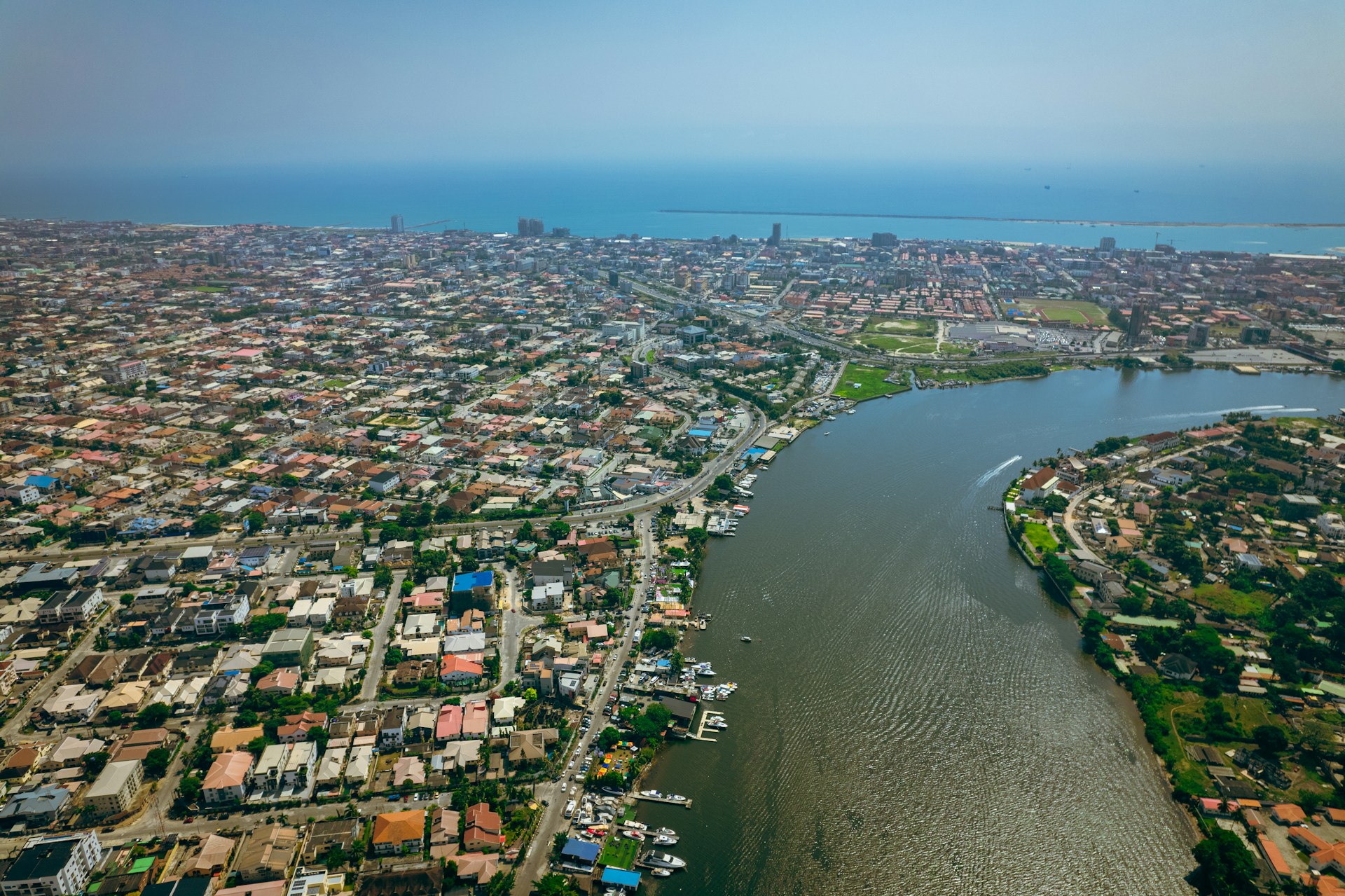
Norfund is investing NOK 235 million in The Urban Resilience Fund (TURF B), which focuses on sustainable urban infrastructure in rapidly growing cities.
Photo credit: TURF
“By supporting public transport, renewable energy systems, and efficient waste management, TURF contributes to economic growth and the development of sustainable cities,” says Carl Johan Wahlund, Senior Vice President for Green infrastructure at Norfund.
Today, more people live in cities than in rural areas, and by 2050, the world’s urban population will grow from the current 4.5 billion to 6.7 billion.
“The growth places immense pressure on cities’ already overstretched infrastructure, with challenges further intensified by the increasingly tangible effects of climate change,” says Wahlund.
TURF B is managed by Meridiam, a leading infrastructure expert managing over USD 22 billion globally across twelve funds.
“Meridiam and TURF B provide a unique approach to developing and building urban infrastructure in Africa, with the ability to advance projects from an early stage and maintain a long-term perspective,” says Wahlund.
Within TURF B, Meridiam focuses on specific African cities, exploring how the private sector can tackle public challenges through public-private partnerships (PPPs).
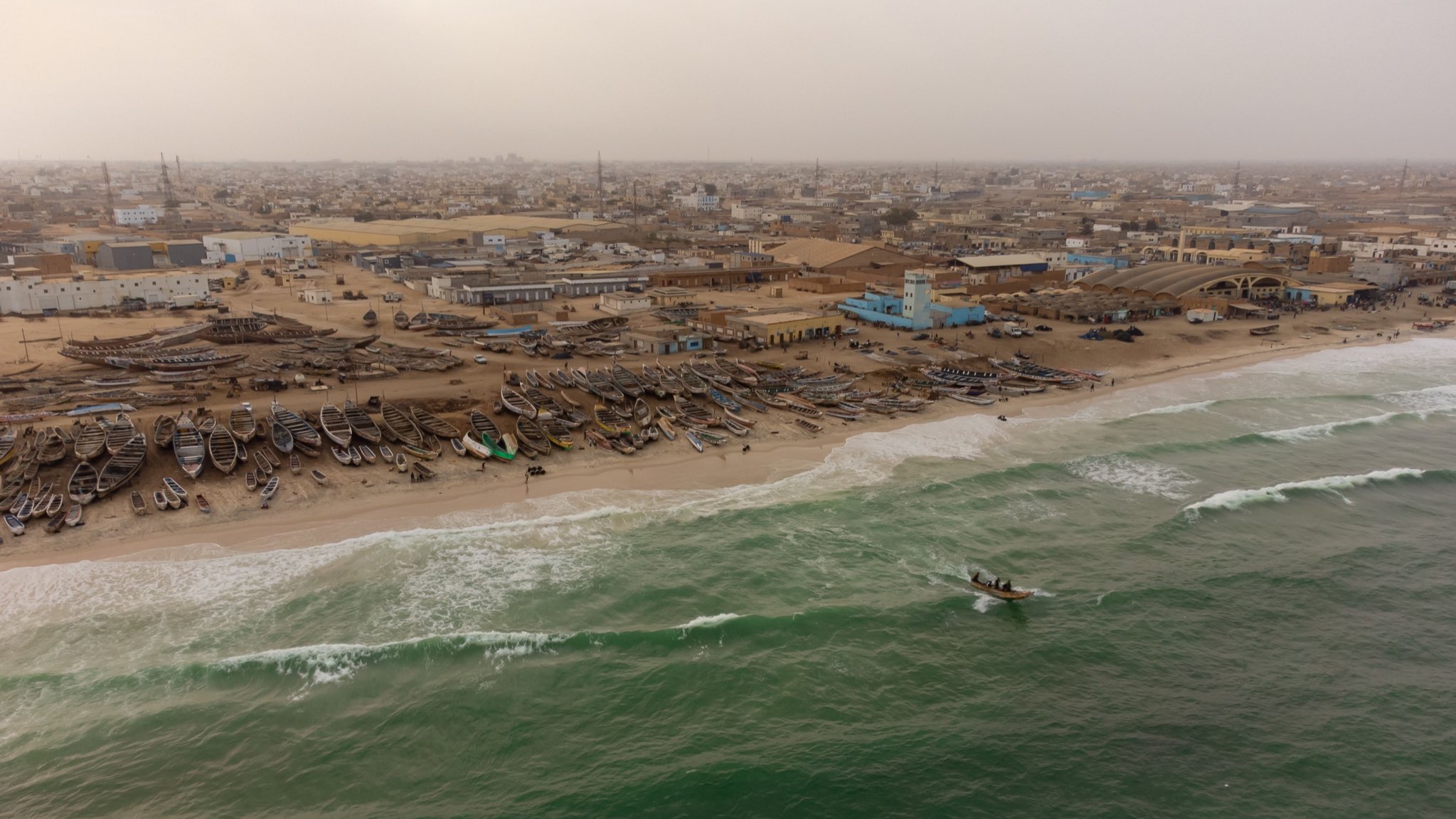
In Mauritania, Meridiam is already collaborating with the government to protect the capital, Nouakchott, from climate change-induced erosion and flooding while simultaneously developing the coastline for local communities. The €60 million project includes reinforcing sand dunes, constructing new walkways, implementing rainwater drainage systems, building a bypass road, reconstructing the fish market, and promoting new economic activities.
Focus on Green Infrastructure
The investment in TURF is part of Norfund’s focus on Green Infrastructure, which has been a prioritized investment area since 2020, emphasizing solutions in water supply and waste management.
“The team behind TURF B has specialized expertise in developing new projects in close collaboration with cities, which could also lead to direct investments from Norfund in the long term, where we can help accelerate solutions that build the sustainable cities of tomorrow,” says Wahlund.
“We knew this would be challenging, as water and waste are still very underdeveloped sectors in Sub-Saharan Africa. However, it has taken longer than expected to build this portfolio, as we have found few investment opportunities that meet our standards,” says Wahlund.
To develop new projects, Norfund has also started a collaboration with the global environmental company Veolia to establish a joint development and financing platform. The goal is to contribute to more environmentally friendly industries in Africa through sustainable solutions for water, energy, and waste management.
“We hope to see more investments in this field in the future,” says Wahlund.
Climate Smart Fund scales to tackle deforestation and climate adaptation in Indonesia
Rainforests are essential for storing carbon and mitigating climate change, yet two decades of palm oil expansion in Indonesia have driven significant forest loss. To help combat this, Abler Nordic has now secured a credit guarantee from Temasek Foundation to support its Climate Smart Fund, aimed at reducing deforestation, increasing smallholder farmer incomes, and building climate resilience in Indonesia.
The credit guarantee from Temasek Foundation— the philanthropic arm of Singapore’s government-owned Temasek International— will help lower financing costs for farmers, reduce risk for private investors, and allow Temasek to back an innovative solution that fosters sustainable farming practices and climate resilience in Indonesia.
Temasek Foundation’s backing, along with USD 10 million in pilot funding from Norway’s Ministry of Climate and Environment and Norfund’s guidance, shows how public funding sets the stage for blended finance as the fund scales to attract private investors and maximize climate impact.
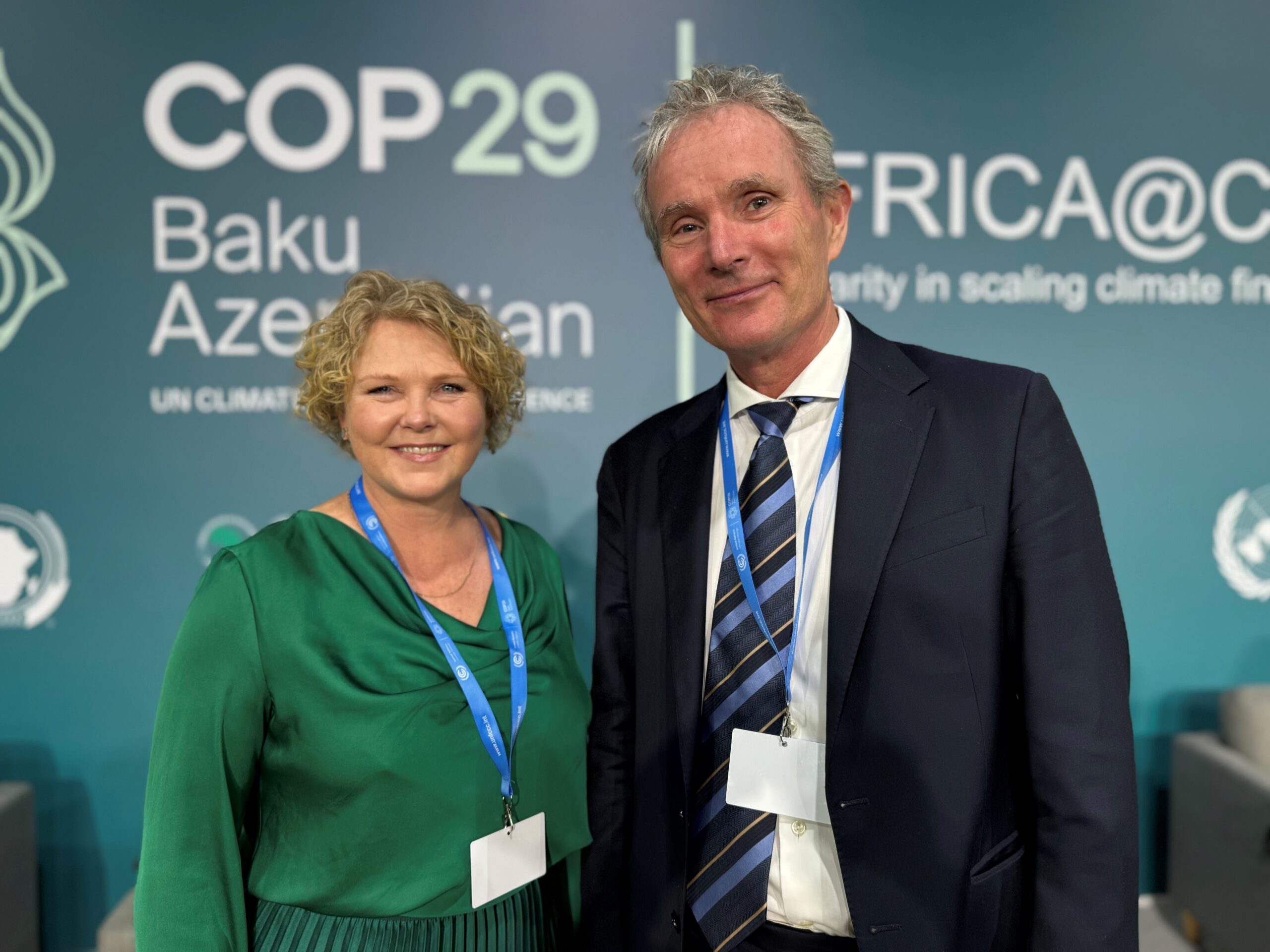
“As climate change intensifies, smallholder farmers are caught in a vicious cycle of low productivity and environmental degradation. The Climate Smart Fund offers a promising model that addresses poverty alleviation alongside climate mitigation and adaptation, equipping farmers with the tools they need to thrive sustainably.”
Anne-Beate Tvinnereim, Development Minister of Norway, speaking from COP 29
The Climate Smart Fund provides long-term, affordable working capital to farmers cultivating coffee, cocoa and oil palms in Kalimantan and Sumatra. With limited yields, many of these farmers expand into forests, risking deforestation and loss of biodiversity.
To counteract this, the fund provides replanting loans, quality seeds, sustainable fertilizers, and climate-smart agricultural guidance, enabling farmers to sustainably increase yields and reduce forest encroachment. Satellite and on-ground monitoring cover 200,000 hectares of conservation zones to track encroachment.
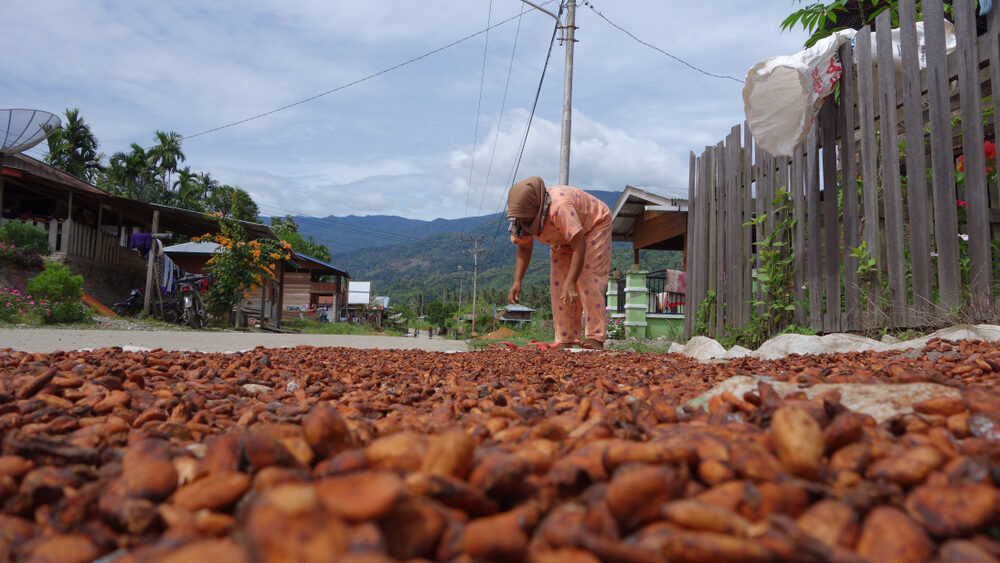
Cocoa farmers drying seeds in Sumatra, Indonesia. Photo credit: Taufik Sagoe.
To meet the urgent need for climate adaptation, intercropping strategies are used to diversify farmers’ incomes and build resilience. For cocoa and coffee farmers, climate-adaptive loans are provided through partnerships with Koltiva, Swisscontact, and ICRAF, facilitating shade-grown agroforestry systems. These systems combine cocoa and coffee with shade trees, creating cooler microclimates and conserving soil health—helping farmers adapt to rising temperatures and unpredictable rainfall, as well as generating extra income from diverse crops.
In palm oil cultivation, Abler Nordic and partners Livelihoods Fund, SNV, and Musim Mas are testing similar agroforestry models to replicate positive outcomes.
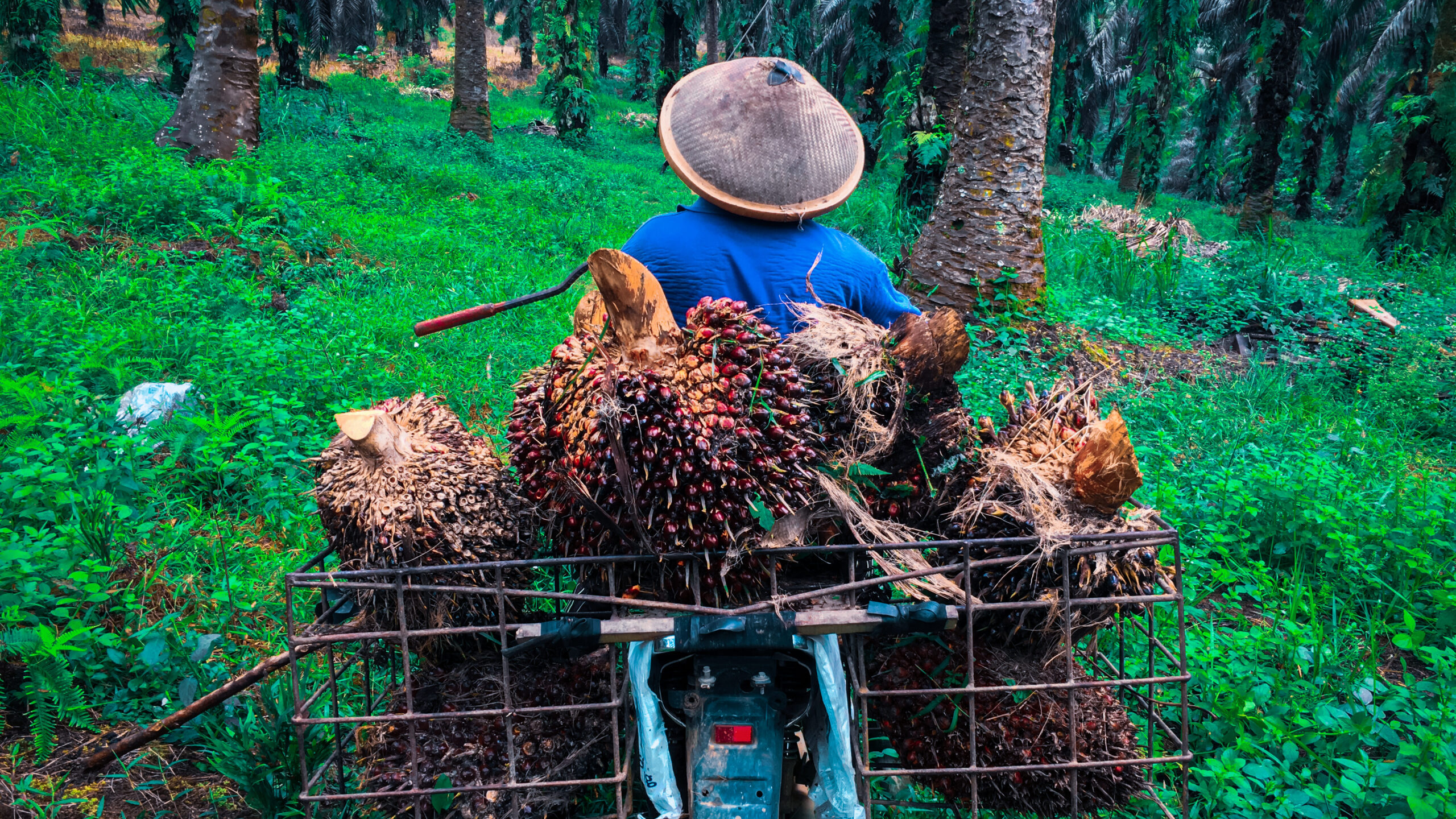
Farmer carrying oil palm on motorbike. Photo credit: Dika Hermawan.
Beyond climate mitigation and adaptation, the fund strengthens communities by helping farmers secure land rights, achieve global sustainability certifications, and improve traceability. In its pilot phase, the fund has trained 2,100 farmers and increased their annual incomes by typically 35%.
Participatory land-use planning has been completed in six villages, engaging 16,500 residents and covering over 100,000 hectares. Land rights for the first batch of farmers have been secured and 350 farmers have received Sustainable Certification, with 400 more registered for audit.
Now scaling to support 15,000 to 30,000 farmers by 2030, Abler Nordic aims to expand the Climate Smart Fund in the first close to USD 40 million through a combination of investor capital, guarantees, and grants. With Temasek Foundation’s credit guarantee offering private investors added confidence, the fund seeks to attract a blend of public and private financing to drive sustainable, climate-resilient agriculture across Indonesia.
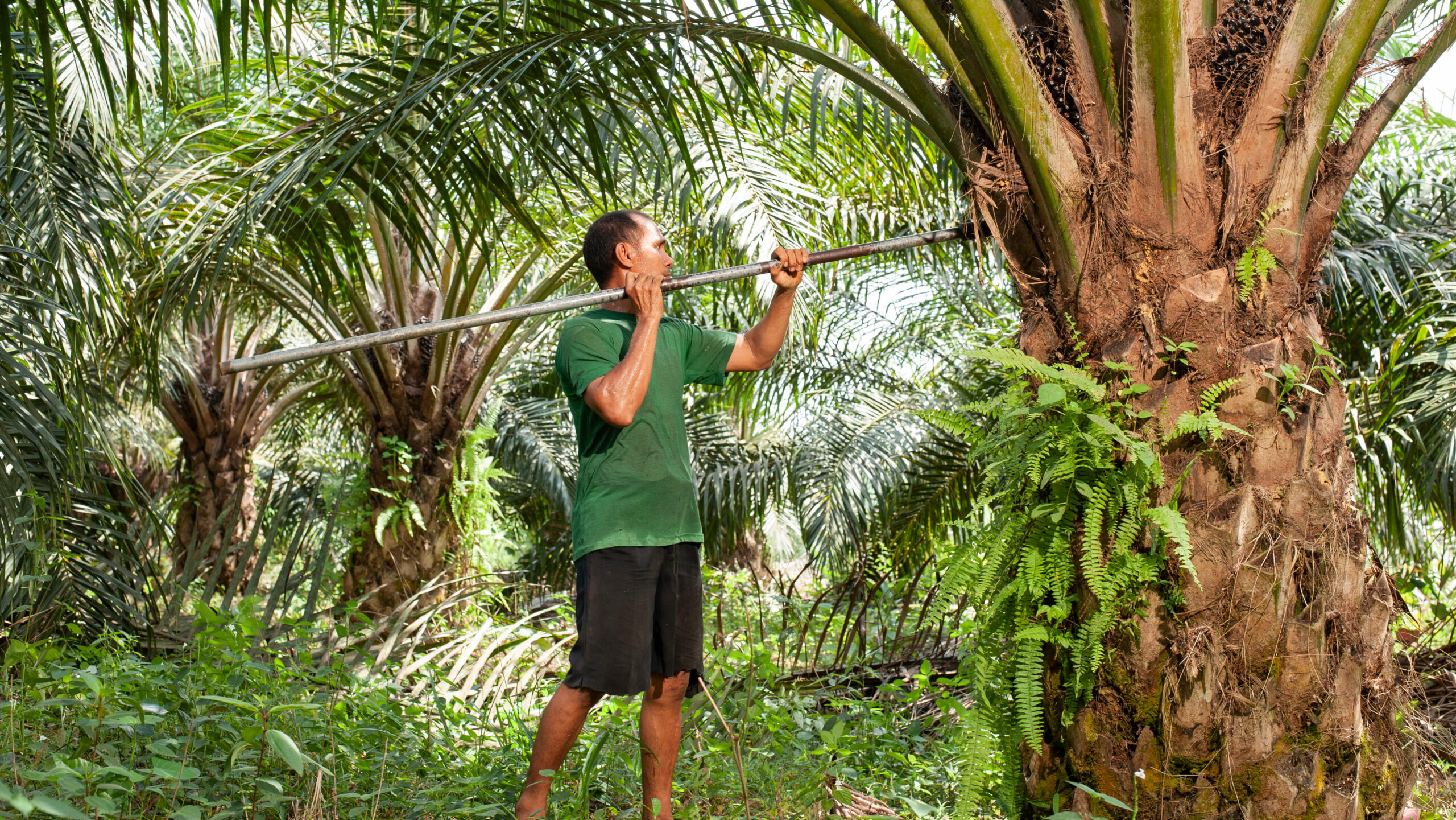
Palm oil cultivation in Indonesia. Photo credit: Nazarizal Mohammad.
New Fund Investment to deliver renewable energy to 7.7 million people
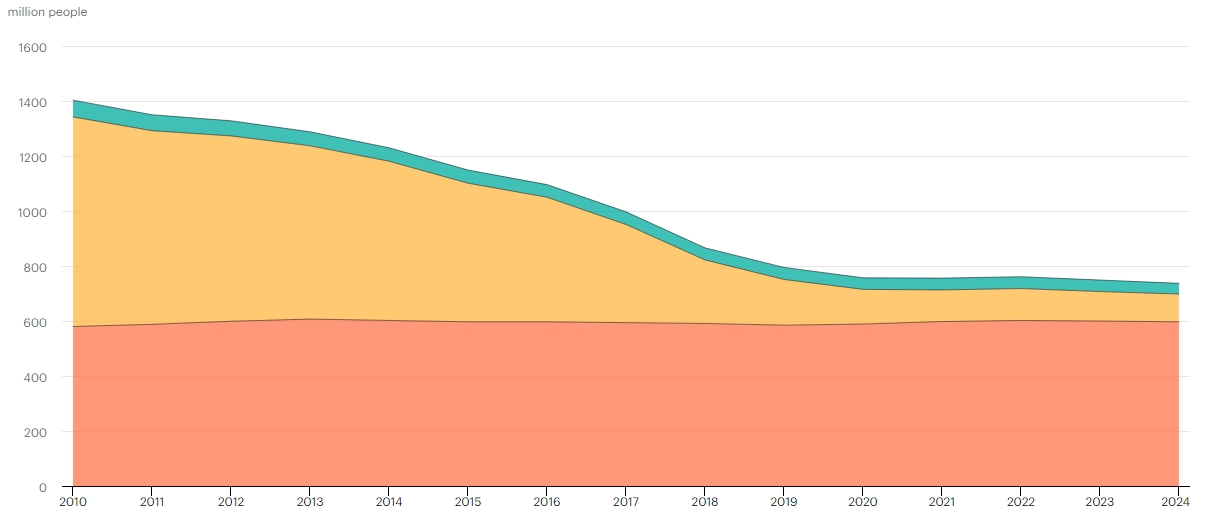
Through the investment in the REPP2 fund, Norfund will help provide 7.7 million people with access to renewable energy. Recent figures from theIEAshow that the number of people without electricity in Africa is now declining again, after two years of growth.
Photo credit: ARC Power
“This kind of investments is absolutely crucial for the world to combat both poverty and climate change,” says Minister of International Development Anne Beathe Tvinnereim.
The fund, called REPP2, amounts to a total of NOK 1.2 billion (USD 107 million). Norfund is investing NOK 166 million (USD 15 million) in the fund, which also includes contributions from the Green Climate Fund and FMO, the Dutch development finance institution. Norad is providing funding for technical assistance.
“The fund aims to develop 330 MW of new capacity, which will provide clean energy access to more than 7.7 million people,” says Tellef Thorleifsson, CEO of Norfund.
The fund is structured as a blended finance model, involving both public and commercial investors. It will invest in small-scale renewable energy projects in sub-Saharan Africa, including both grid-connected and off-grid solutions. The fund builds on a previous fund, REPP1, which amounted to USD 120 million and has made 57 investments since 2015.
Small-scale solutions are starting to make a significant impact in Africa
Since 2000, the number of people without access to electricity has decreased by 925 million, and 40 new countries have achieved near-universal access. In Africa, however, access has not kept pace with population growth, and from 2019 to 2022, the number of people without electricity on the continent increased. Africa now accounts for the majority of the approximately 750 million people worldwide who still lack access to electricity.
“It’s great to see that solar home systems, based on mobile payment plans, have become affordable enough to start making a significant impact on progress in Africa as well,” says Tvinnereim.
The IEA estimates that such solutions provided electricity access to over 43 million people in sub-Saharan Africa in 2023, representing 4 percent of the population. Altogether, they accounted for one-third of all new electricity connections on the continent in 2023, which totaled more than 6.5 million.
Affordable capital enables scaling up
The reduced cost of solar panels, batteries, and energy-efficient solutions makes it possible to offer electricity through rooftop solar systems at a repayment rate close to what many pay for kerosene. However, this model requires significant capital.
“Norfund has made several direct investments in such companies, and we have contributed to developing new financing methods that lower interest costs, making the systems affordable for more people,” says Thorleifsson.
One example is Sun King, which allows its customers to split payments via mobile or cash for as little as $0.15 per day. Approximately half of the customers are women.
In 2023, 420,000 new households gained access to electricity through the off-grid and mini-grid companies in which Norfund has invested (see Norfund’s annual report).
Thorleifsson points out that smaller power plants supplying electricity to the grid or local mini-grids are also necessary, but accessing capital for this type of investment is often challenging.
“We believe that this new fund can play an important role in enabling and unlocking financing for such projects as well,” says Thorleifsson.
Norfund and KLP invest NOK 1.1 billion in power grid development in India
The Climate Investment Fund and KLP are using the climate summit in Baku to announce a billion-dollar investment in a new platform for power grid development and energy storage in India.
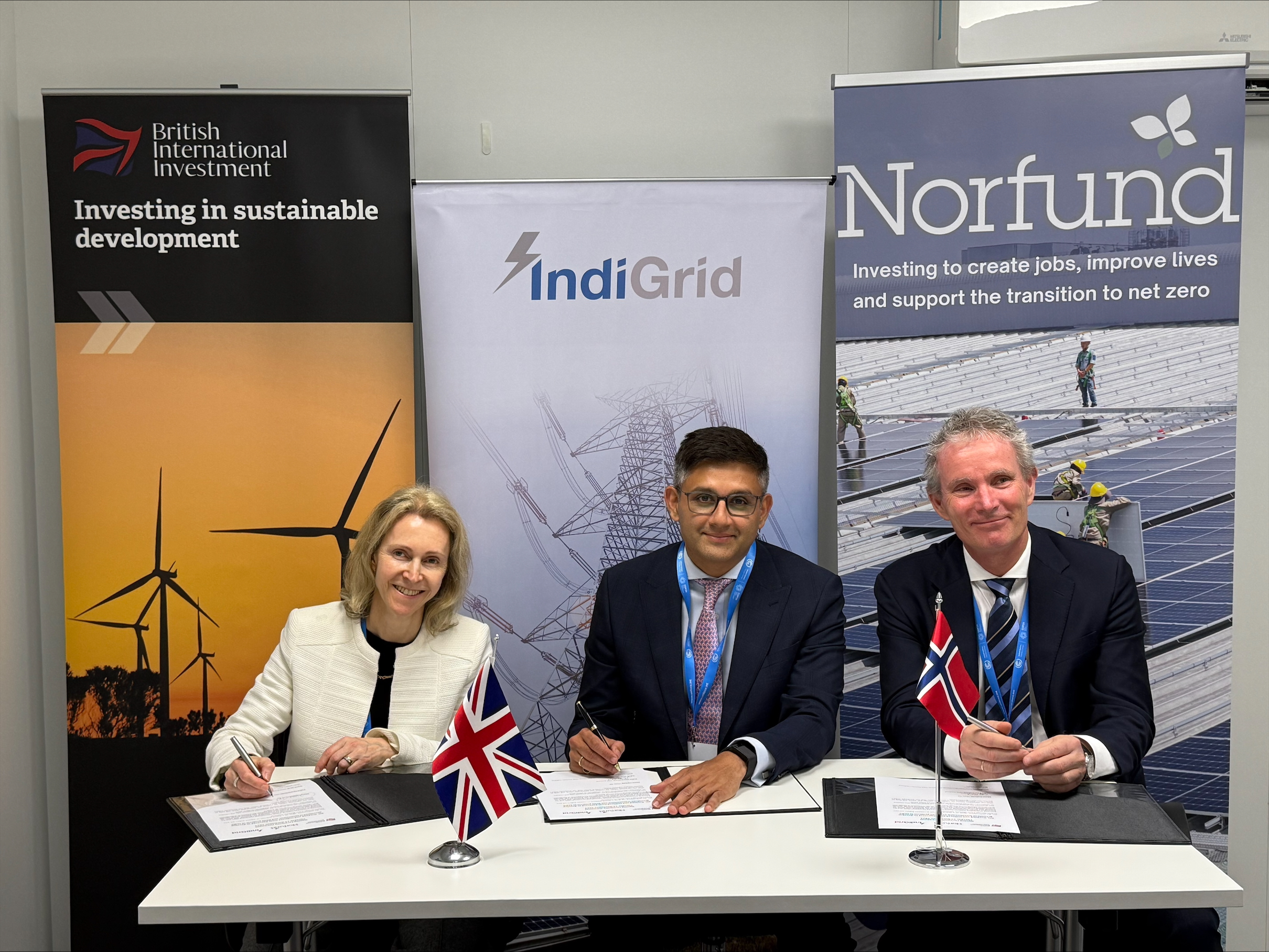
The partnership was signed at COP 29 with (from left) Diana Layfield, Chair, British International Investment, Harsh Shah, CEO, IndiGrid and Tellef Thorleifsson, CEO, Norfund.
“The investment is a good example of the type of international cooperation we need going forward to address climate challenges,” says Development Minister Anne Beathe Kristiansen Tvinnereim, who is representing Norway at the UN Climate Conference in Baku.
Climate financing and support for developing countries are key components of the cooperation under the Paris Agreement and a central focus of this year’s climate summit, nicknamed the “Finance COP.” A crucial factor is mobilizing more private capital through profitable investments. The Climate Investment Fund, managed by Norfund since 2022, is Norway’s most important tool for contributing to this effort.
“There will be no energy transition without investments in energy transmission. To succeed in replacing coal with solar and wind, we need both better grids and more storage. It is crucial that we succeed in mobilizing private capital for these types of investments, as the Climate Investment Fund is doing here,” says Tvinnereim.
A new IEA report warns that up to 15% of global solar and wind power production may remain unused by 2030 without increased investment in grids and storage.
India is among the countries where the need for such investments is particularly pressing. According to recent estimates from India’s Central Electricity Authority (CEA), the country will require 170,000 kilometers of transmission lines and 47 GW of energy storage capacity (BESS) over the next eight years to integrate increased renewable energy production.
“If India does not succeed in expanding its grid sufficiently, it will be impossible to meet this enormous demand with renewable energy, making it extremely difficult to mitigate the climate crisis,” says Tellef Thorleifsson, CEO of Norfund.
The new platform, EnerGrid, will focus on developing power grids and battery storage. The capital injected into the collaboration will enable EnerGrid to develop projects valued at approximately USD 1.2 billion over the coming years. Once commercial operations commence, the projects will be acquired by IndiGrid at a pre-agreed enterprise value.
KLP Brings in Private Capital
KLP, Norway’s largest pension company, has made several investments alongside Norfund, including through the joint investment venture KNI India AS, where Norfund holds 51% and KLP 49%.
KNI India is now investing NOK 1.1 billion (USD 100 million) to establish a new platform for investments in power grids and storage in India. The investment is being made in collaboration with British International Investment (BII), Norfund’s British counterpart, and IndiGrid, one of India’s leading power sector investors, each contributing USD 100 million.
“We firmly believe this project will generate strong returns for KLP’s owners while delivering significant benefits for the global climate,” says Sverre Thornes, CEO of KLP.
“To successfully mobilize private capital, it is essential to develop profitable investments. While these return figures reflect a short period and we expect them to decrease somewhat over time, both the numbers and KLP’s experiences demonstrate that climate investments can deliver an acceptable risk-adjusted return over the long term,” says Tellef Thorleifsson, CEO of Norfund.
India aims to reach 500 gigawatts of clean energy capacity by 2030. This will require annual additions of more than 40 gigawatts, three times the average annual deployment over the past five years, according to Bloomberg.
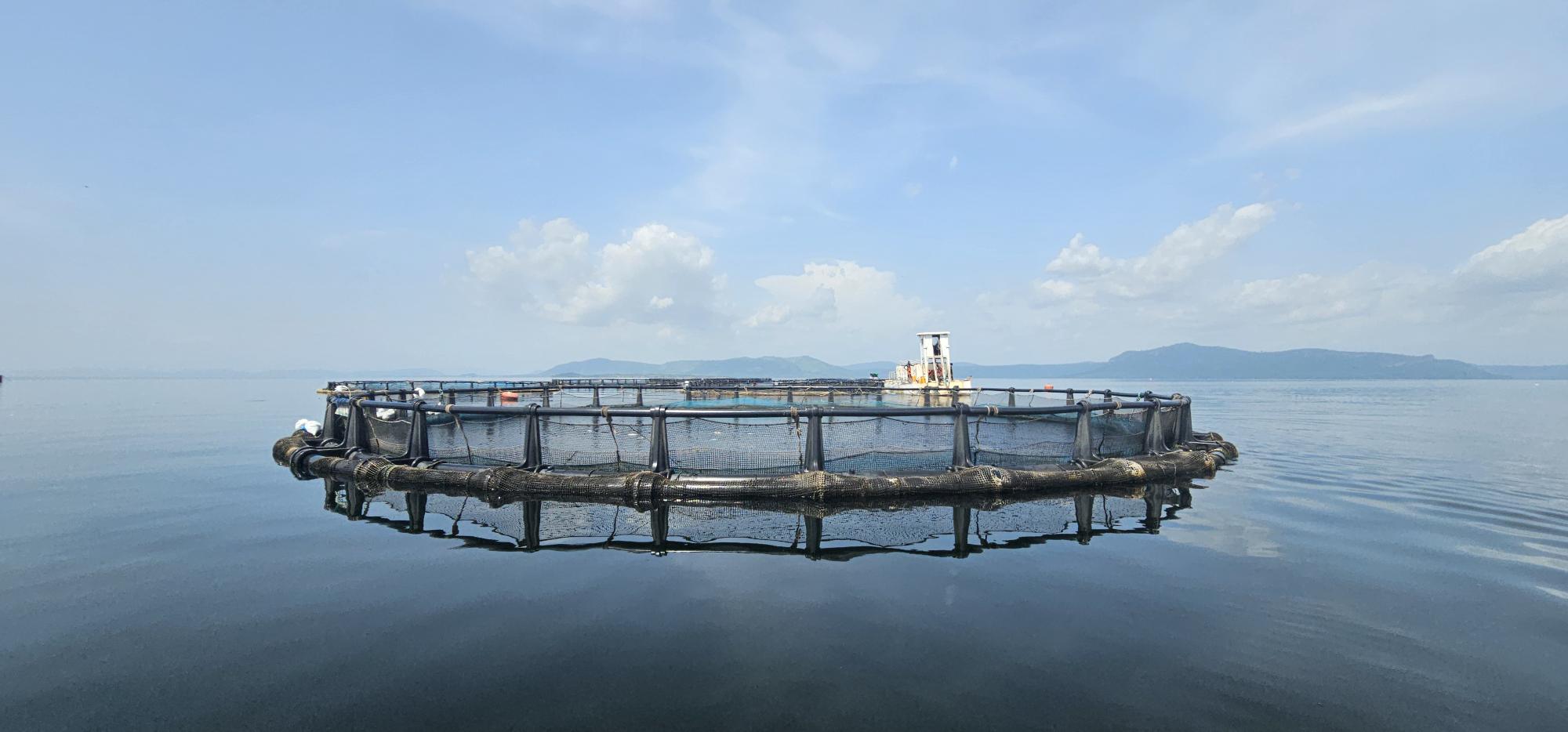
The investment in Tropo Farms is made through the company AgDevCo, which specializes in the development of African agricultural businesses. Norfund became a co-owner of the company in February 2022.
The USD 10 million investment will help expand tilapia production in Ghana
“The investment will help to create new jobs while at the same time strengthening the production of an important protein source in Ghana,” says Ellen Cathrine Rasmussen, EVP Scalable Enterprises, who represents Norfund on the board of AgDevCo.
Tropo Farms is the leading tilapia fish producer in West Africa and among the largest in Sub-Saharan Africa. The company employs 917 people and supplies fish to the local market through about 3,000 market traders, the majority of whom are women.
Ghana has one of the highest fish consumption rates in Africa, consuming over 800,000 tonnes per year. This investment will boost the country’s aquaculture industry to satisfy the growing local demand for high quality, affordable fish as a sustainable alternative to wild catch and imports.
AgDevCo’s investment of $10m will finance the construction of a modern processing facility and other production equipment. This will increase the company’s capacity to 30,000 tonnes within five years, contributing to improved nutrition and food security in Ghana.
“This loan is a major milestone for Tropo Farms. It will expand our logistics and distribution network while bringing more benefits to the communities where we operate. We are pleased to partner with AgDevCo who brings flexible long-term capital to support our growth, as well as agribusiness expertise,” said Francisco Murillo, Tropo Farms CEO.
Tropo sees opportunities for further aquaculture projects in West Africa, which it plans to pursue with AgDevCo and other strategic co-investors.
$16 Million to grow Kenyan MSMEs: Abler Nordic & Norfund co-invest in Premier Credit
Abler Nordic and Norfund have each provided an $8 million USD senior loan in local currency to Premier Credit, a Kenyan microfinance institution focused on lending to micro, small, and medium enterprises (MSMEs) often overlooked by traditional banks.

Mature African customer purchasing bouquets of flowers from young businesswoman working out of open-air market stall.
This combined investment of $16 million USD aims to boost access to affordable finance for unbanked entrepreneurs in Kenya, aligning closely with Norfund and Abler Nordic’s shared goals of empowering low-income households and creating jobs.
“Supporting MSMEs with accessible, flexible working capital is even more critical than ever to safeguard livelihoods and drive job growth, amid the rising cost of living and post-COVID economic challenges. Premier Credit’s commitment to helping businesses in Kenya succeed is commendable, and we look forward to creating even greater value together with their strong management team,” said Godfrey Kaindoh, Investment Director and Africa Lead at Abler Nordic.
MSMEs in Kenya play a vital role in driving economic growth and reducing poverty, and contribute close to 40% to the country’s GDP. With over 7.4 million businesses employing nearly 15 million people, which accounts for over three-quarters of the workforce in Kenya, MSMEs are pivotal in creating jobs. Despite this, many MSMEs struggle to access working capital to sustain and grow their businesses due to stringent bank lending criteria and lack of credit history and collateral.
“Kenya is a key country for our investments, and partnering with Abler Nordic to support Premier Credit underscores our commitment to empowering entrepreneurs and boosting job creation in Kenya,” said Judy Kinyanjui, Investment Director for Financial Inclusion, Norfund.
Since starting in 2013, Premier Credit has enabled over 600,000 MSME entrepreneurs, particularly in remote areas and informal settlements, to access affordable financing through its nationwide presence. Close to 45% of Premier Credit’s customers are women and over 60% of customers live in rural areas. The company has shown impressive growth, maintaining profitability and a strong loan portfolio, with a 90% customer retention rate due to a relationship-based approach, fast turnaround times and flexible repayments.
“Premier Credit Kenya is honored to partner with Abler Nordic and Norfund, and this investment will strengthen our capacity to serve the diverse needs of micro and small businesses in Kenya,” said Gideon Nyaga, Managing Director of Premier Credit. “The funds will be allocated responsibly, ensuring that they have a meaningful impact on the businesses and communities we serve. As Premier Credit Kenya continues to grow and expand its reach, it remains committed to providing financial solutions that empower entrepreneurs, stimulate economic growth, and enhance livelihoods across Kenya.”
In addition to MSME loans, Premier Credit offers salary loans for households, pension loans, school development loans to low-cost private schools, and asset financing for water tanks and biodigesters, which convert organic waste into biogas for cooking and lighting, and bio-slurry for use as fertilizer.
The funding from Abler Nordic and Norfund will help Premier Credit continue to expand its geographic reach, increase its MSME portfolio, and diversify into sectors like education and agricultural value chains, beyond the current focus on trade and transport. Norfund and Abler Nordic will further assess how they can use Business Support and grants for technical assistance projects, to support the entrepreneurs and MSMEs beyond finance.
Norfund invests in new paper recycling facility
Norfund and I&M Bank have partnered to finance Kim-Fay East Africa Limited’s new recycling facility in Nairobi. This investment will create jobs, reduce waste and strengthen Kim-Fay’s position as a leading player in hygiene and household products in East Africa.
Norfund has invested USD 5.5 million in the form of a senior loan to Kim-Fay to support the construction of a new recycling facility. This loan, combined with financing from I&M Bank, is an important strategic step for the company.
Kim-Fay is heavily reliant on importing virgin paper, which they process and sell in their East African markets. With the new recycling facility, expected to be completed by 2025, the company will use recycled wastepaper sourced from Kenya in the production of products. This is a significant step in the direction of a circular economy whilst reducing both import dependency and environmental impact.
Creating local jobs
The company aims to create around 300 permanent jobs in connection with the recycling facility. About 100 will be located at the facility, while the rest of the jobs will be generated through the collection and transport of wastepaper and other support functions.
“We are excited about this partnership with I&M Bank to finance Kim-Fay’s expansion and development of a state-of-the-art wastepaper recycling facility in Nairobi. This project aligns perfectly with Norfund’s mandate to support financially and environmentally sustainable and scalable enterprises in developing economies to create job opportunities for our young people and improve lives.”
William Nyaoke, Director in East Africa at Norfund
Expanding the access to affordable hygiene products
One of the goals of Kim-Fay’s expansion is to make important household products such as toilet paper, baby wipes and diapers affordable to lower-income groups. The demand for hygiene products is rapidly increasing, driven by a growing middle class in the region.
Lilian Simiyu, Investment Manager in Norfund, on a visit to the recycling facility.
Milestone for Kim Fay
Kim-Fay primarily operates in Kenya but also exports to Uganda, Tanzania, and Rwanda, and continues to expand its presence in East Africa.
Kim-Fay’s CEO, Raj Bains, expresses great satisfaction with the investment:
“We’re thrilled about Norfund and I&M Bank’s investment, which will facilitate the development of the reverse integration facility which will pave the way for Kim-Fay to enter a major sub-segment in the industry. We extend our gratitude to all stakeholders who contributed to this transaction, with special thanks to IMBC for their crucial support. This milestone represents a significant step toward transforming wastepaper, that would otherwise be discarded as garbage, into value added tissue paper and establishing a fair and transparent circular economy that will benefit all stakeholders, including bringing a very good product at an affordable price to the market.”
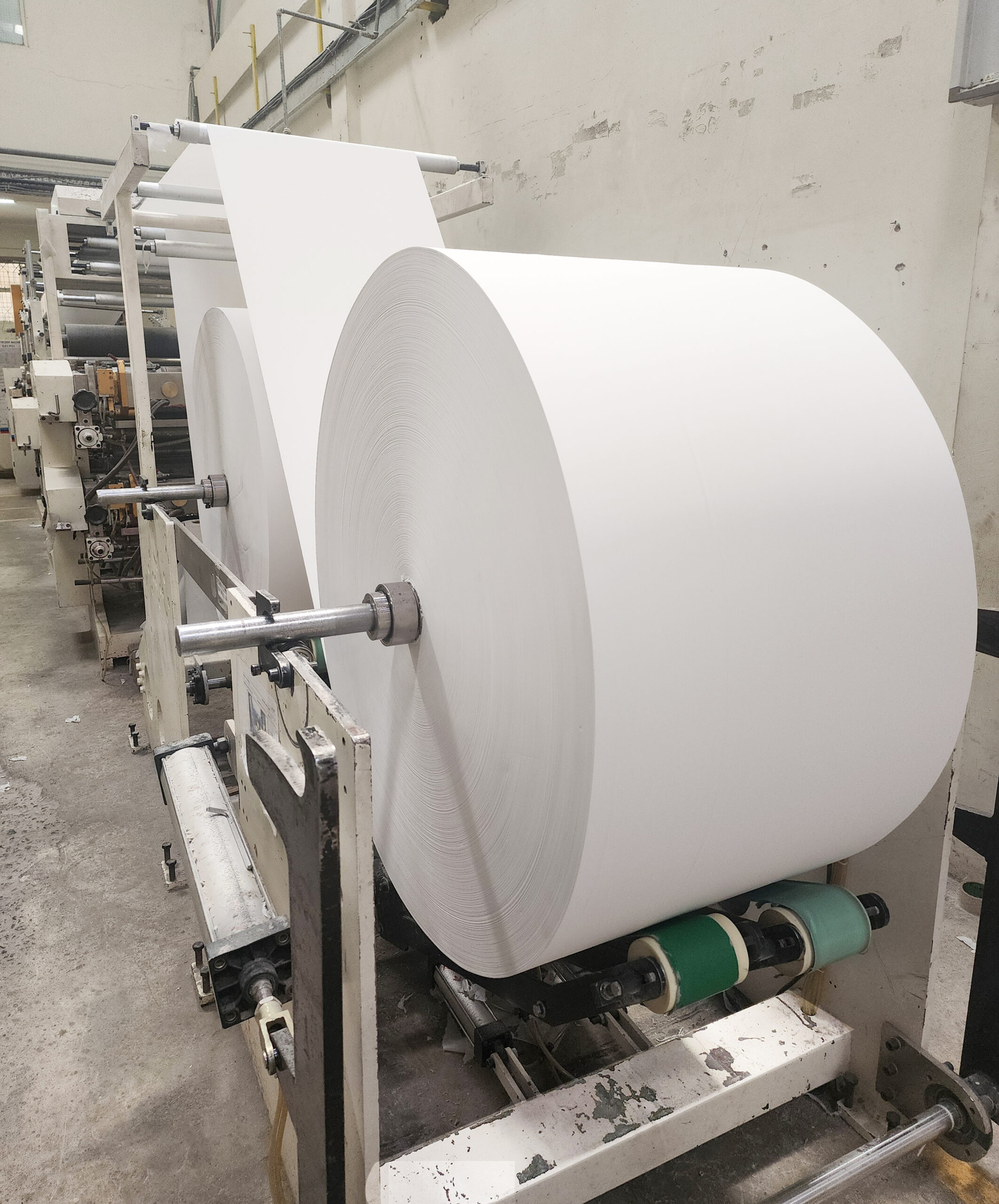
Paper production from recycled wastepaper.
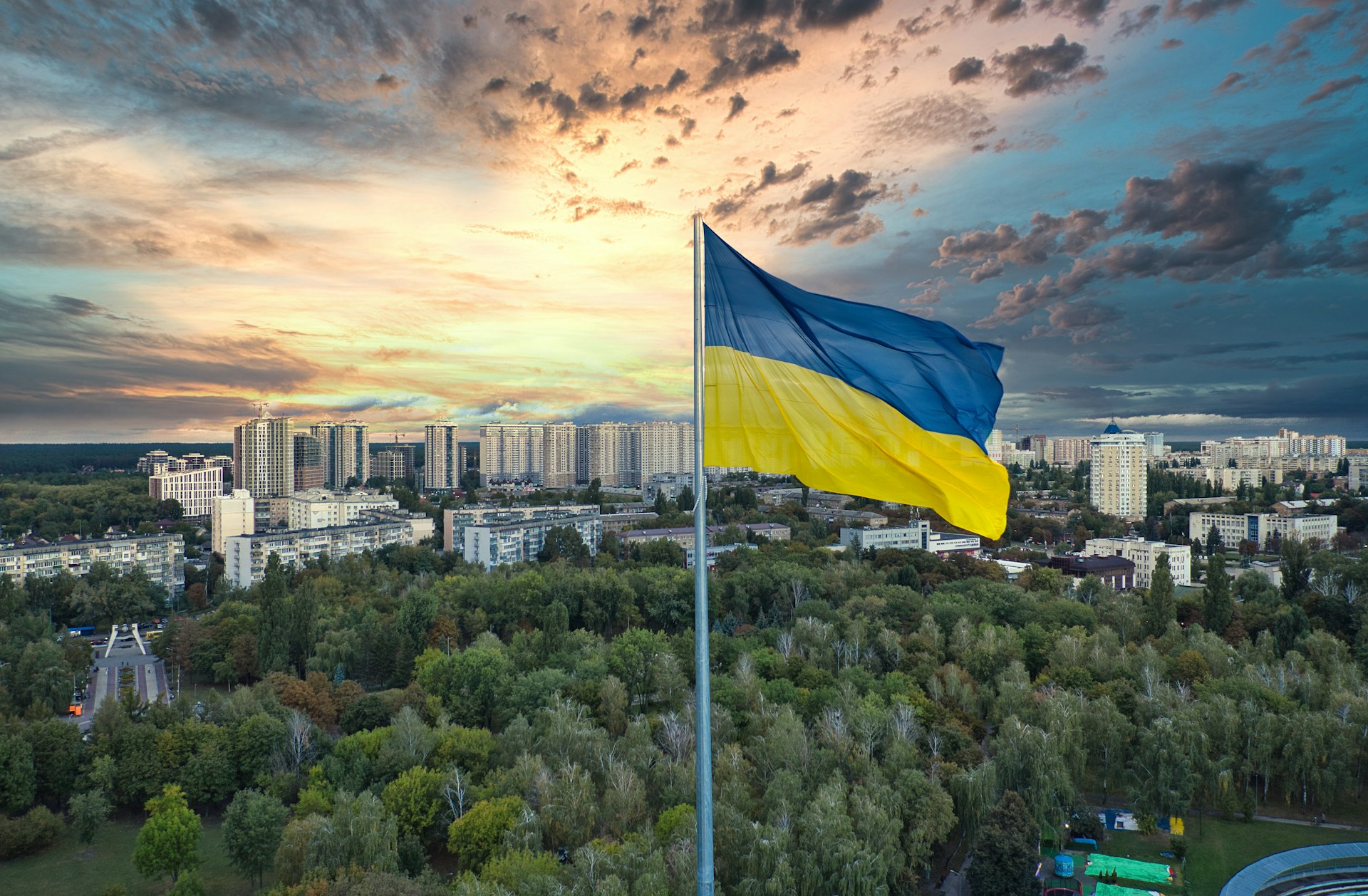
Norfund to receive funding to invest in Ukraine
Ukraine needs more private investment to meet the enormous needs created by Russia’s warfare. The Norwegian government is now providing funding from the Nansen Programme for Ukraine for Norfund to invest in the country.
Russia’s war against Ukraine has caused enormous material damage to homes, schools, roads and energy infrastructure. Ukraine therefore needs investments to rebuild what Russian attacks have destroyed, and to build a sustainable economy in a free and independent Ukraine.
Much of this must be financed with private capital, as public funds will not suffice and because much of the reconstruction will take place in areas with commercial potential.
– For many years, Norfund has succeeded in investing where many others do not dare, and where they can really make a difference. In Ukraine and in other developing countries, the gap between needs and available financing is growing. It is not possible to reduce the gap without having the private sector on board. Norfund’s investments make this possible,” says Anne Beathe Kristiansen Tvinnereim, Minister of Development Cooperation.
For 2024, the government proposes to set aside NOK 250 million for Norfund investments in Ukraine. The money comes from the Nansen Support Programme for Ukraine. The government aims to continue this effort in the coming years.
The private sector accounted for 70% of Ukrainian GDP before the full-scale invasion, and it has a key role in maintaining economic activity. Norfund prioritizes equity investments, which is key to be able to operate and develop vital and sustainable projects.
– We appreciate the confidence in Norfund’s ability to invest and deliver results in demanding markets. We look forward to getting started and contributing to help Ukraine in the difficult situation the country is facing,” says Tellef Thorleifsson, CEO of Norfund.