Case study: Empowering local communities In Uganda

Unreliable electricity supplies make it challenging to establish and grow enterprises in Uganda. The Ugandan government hopes to solve this by increasing the country’s hydro power generation capacity. Norfund has provided a loan for a new small hydropower plant, Rwimi, in western Uganda.

Background

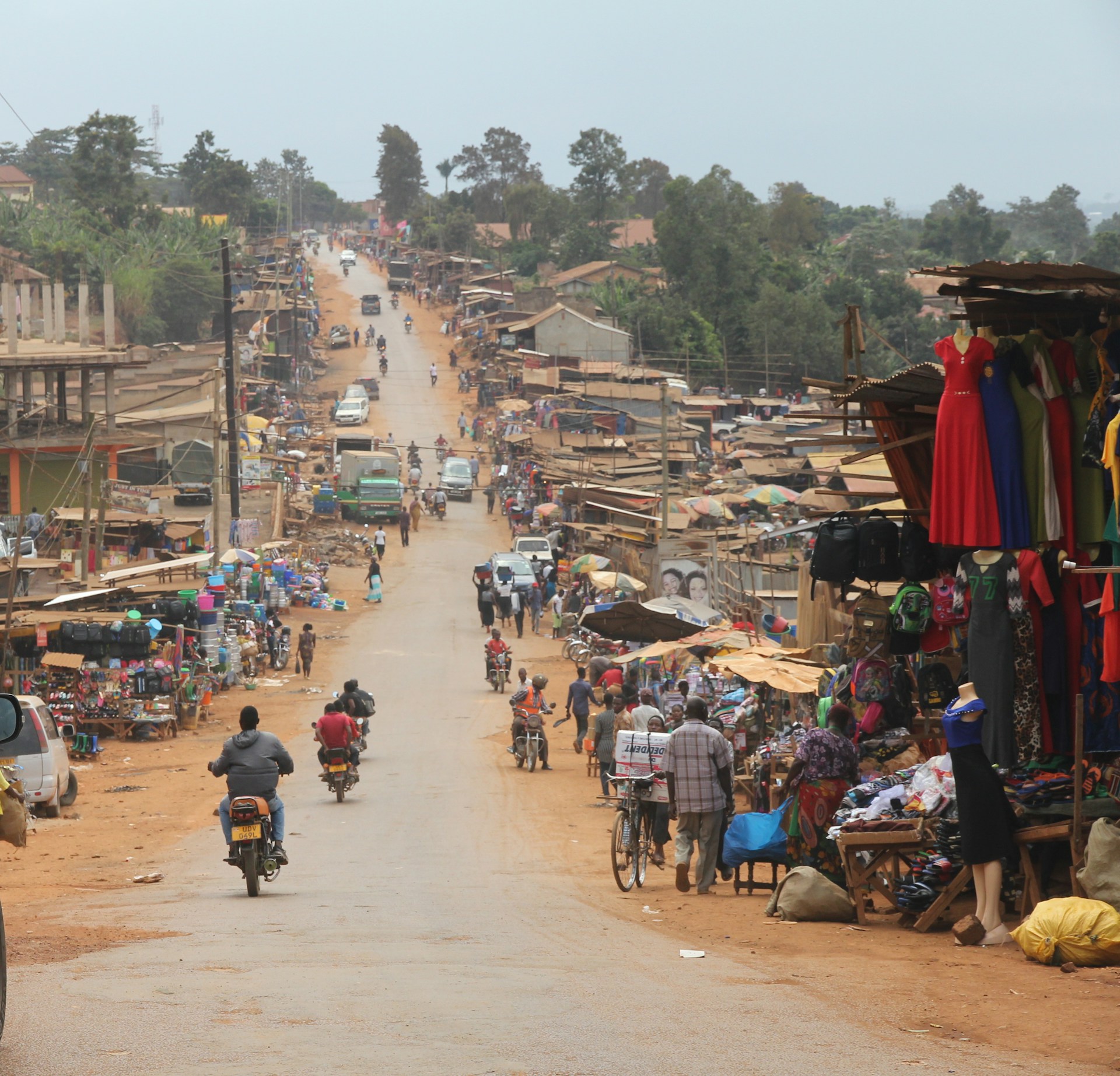
The power sector in Uganda is developing rapidly. Access to electricity increased from 9 percent to 26 percent between 2006 and 2016. However, the power supply is still unreliable in many regions, blackouts occur frequently and commercial and industrial enterprises consume two-thirds of the electricity. Therefore, there is a need for increased local generation.

26%

of the population had access to electricity in Uganda in 2016

Our Impact

Rwimi is a new 5.5 MW hydropower plant in western Uganda. Developed, built and operated by the Sri Lankan company, Eco Power, it is an excellent example of a well-functioning South-South collaboration. Norfund and the Belgian Investment Company for Developing countries (BIO) have debt financed the project, and supported the environmental and social performance of the project. The plant became operational in 2017 and is selling electricity to the Ugandan national transmission company UETCL. Rwimi will contribute to stabilising the Ugandan power system and increasing power supply to a growing economy.

“Electricity has greatly improved our community welfare through the provision of light and security, especially at night times. Electric power has reduced our cost of living”

Esther Muthaka, one of the local inhabitants in Rwimi.

GET Fit

Rwimi was one of the first projects selected under the Ugandan GET Fit Program – a program aiming to foster the development of small-scale renewable energy projects in Uganda, and providing a subsidy payable on top of the standard feed-in-tariffs. The programme is supported by international donors including the Norwegian Government.

Business Support

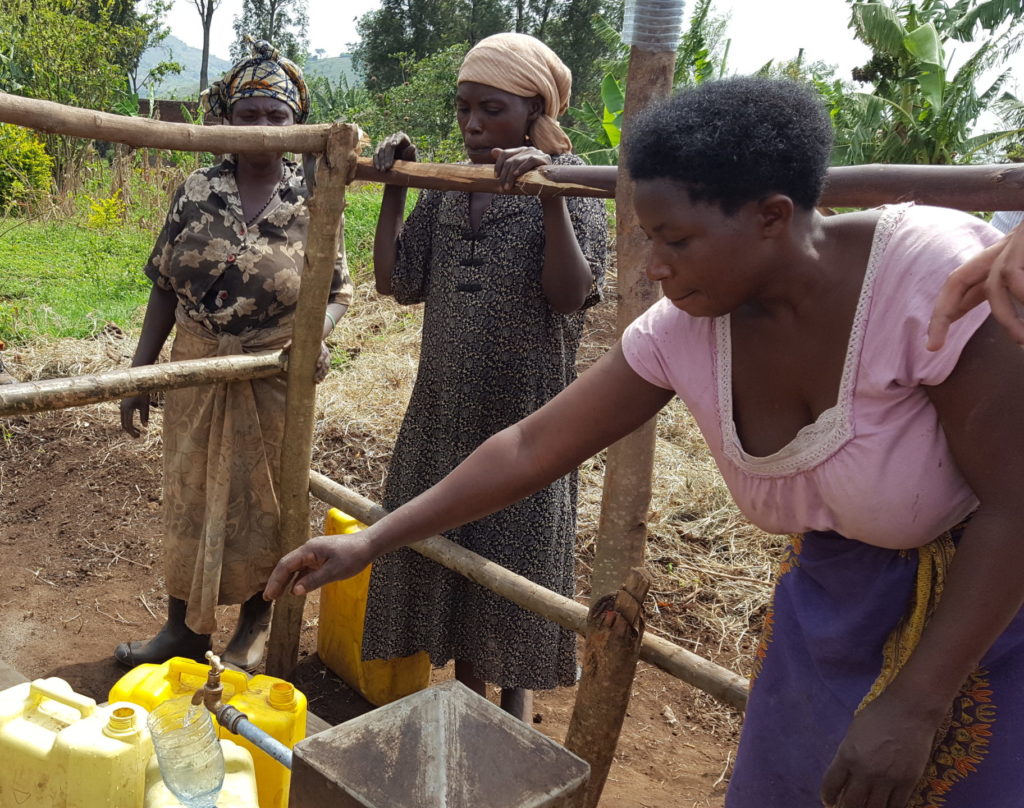
As a part of the project, Norfund’s grant facility supported the construction of a gravity water supply line, bringing clean water to a total of 6,771 people in 7 villages. The project was implemented in close cooperation with the local communities and is now managed by local water tap committees. This water supply project has improved the lives of local communities, mitigated one of the impacts of extracting water from the river, and helped support good relations with local communities.
Case study: Banking the unbanked in Kenya

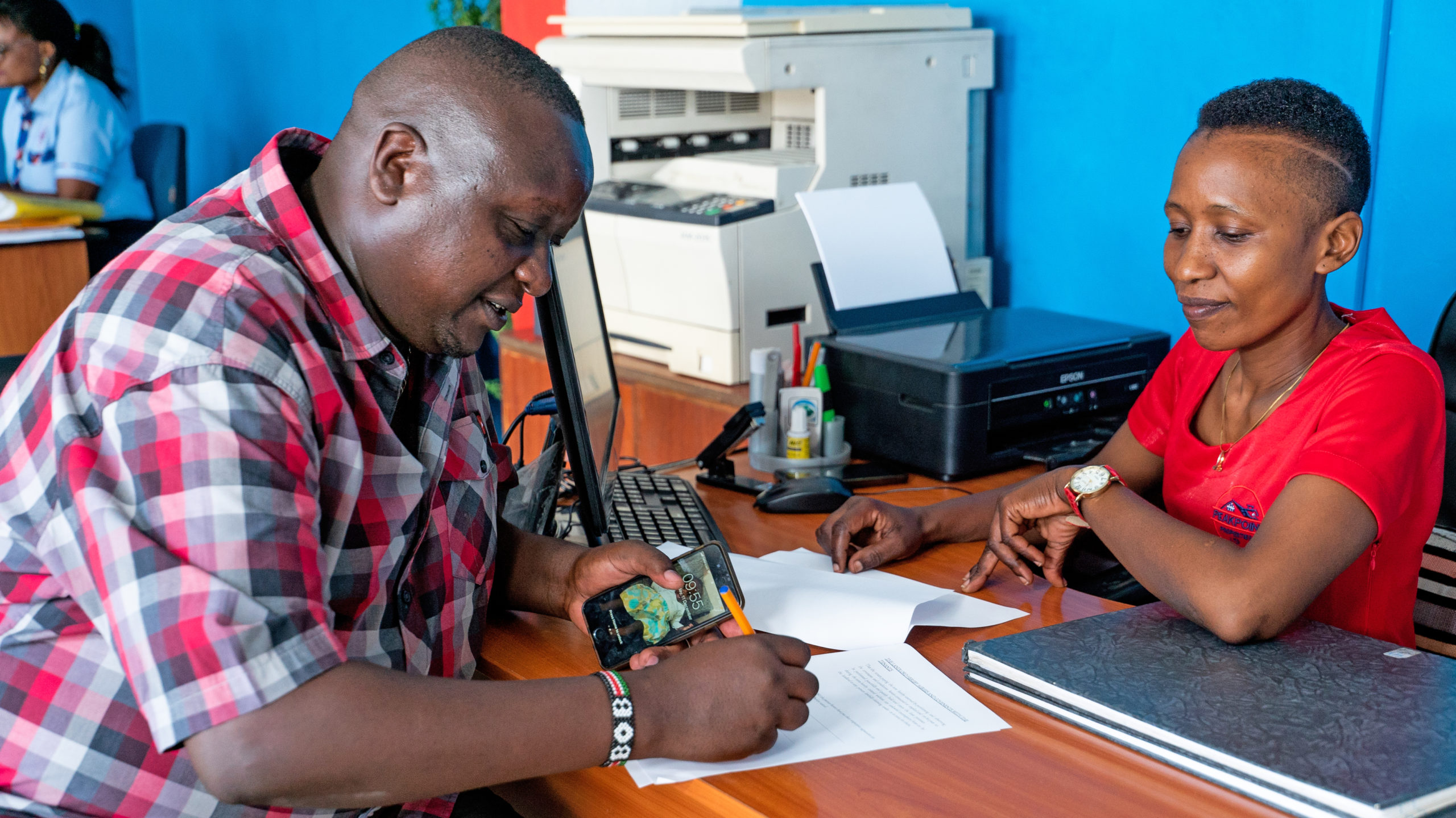
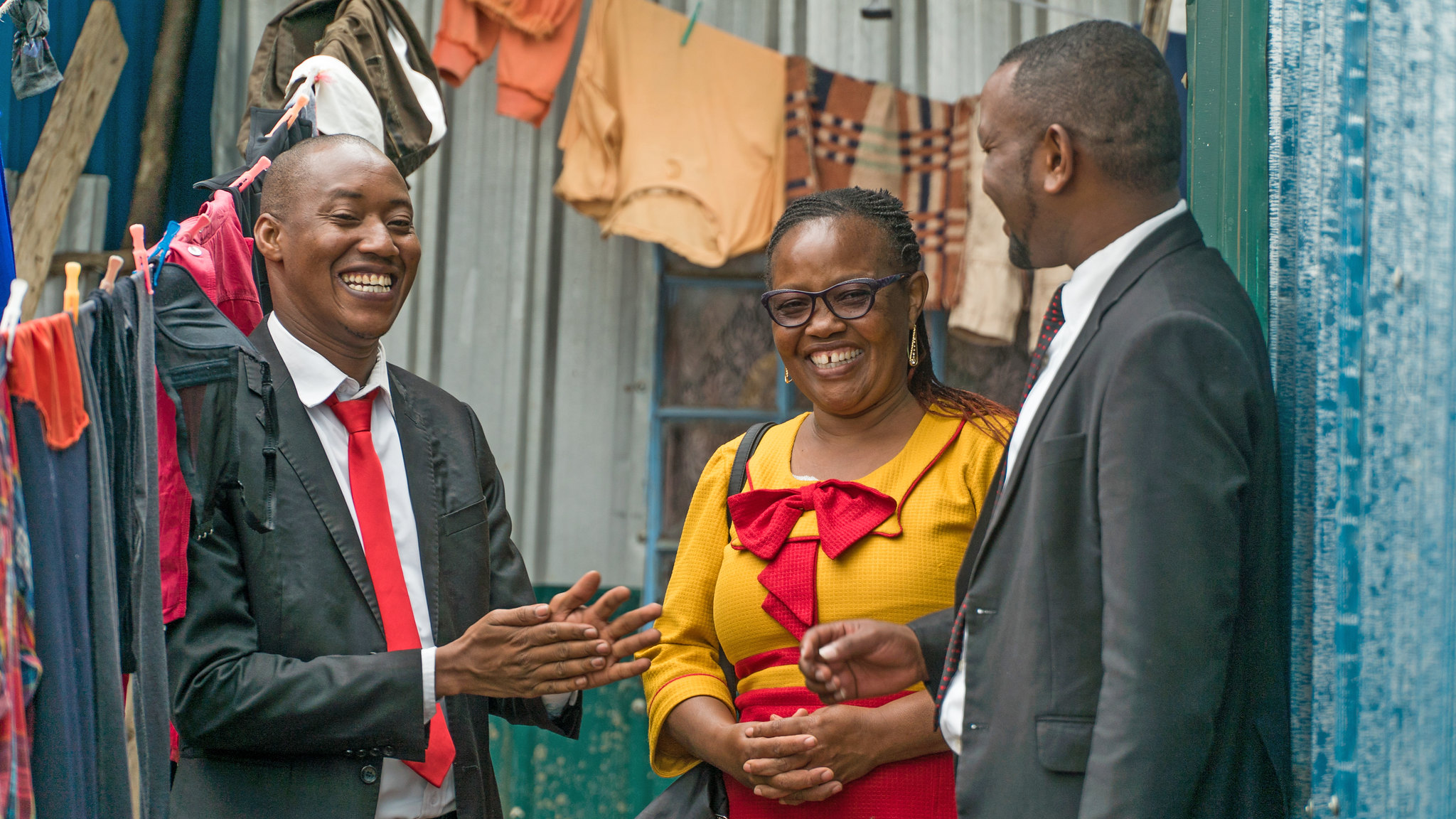
Equity Bank is Kenya’s second-largest bank and has more than 14 million customers. The bank is the leading inclusive bank in Africa. Its main customer segments are unbanked individuals, micro enterprises and SMEs – those typically described as as being at the “bottom of the pyramid”.

14.2million

customers

9.3billion USD

in assets

About Equity Bank

Equity Bank is the leading inclusive banking group in East Africa with over 10 million customer accounts and more than $9 billion in assets. Listed on the Nairobi Securities Exchange and the Uganda Securities Exchange.

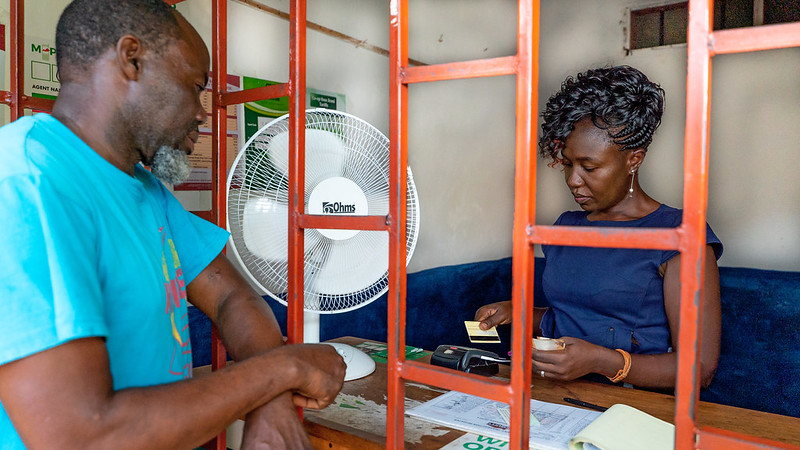
Equity Bank is also leading in financial innovation and was the first Kenyan bank to introduce EMV compliant ATM cards. It has played a leading role in championing agency banking in Kenya and continues to demystify banking by taking financial services to the door steps of citizens in Kenya, Uganda, Rwanda, Tanzania, South Sudan, and the Democratic Republic of Congo. In 2015, it launched a new mobile payment and banking platform for its customers, providing easier access to also small loans.

The unveiling of this new mobile platform is part of our 30-year journey of promoting financial inclusion. The company aims to increase the number of Kenyans with access to banking services to 90 percent and above

Dr. James Mwangi, ceo of Equity bank group

Our Impact

Equity Bank aims to transform the lives and livelihoods of people in East Africa socially and economically by providing modern and inclusive financial services. The bank is one of the few banks globally that has succeeded in developing a scalable, technology-driven business model for efficient, high quality service delivery to the mass market in a developing country.

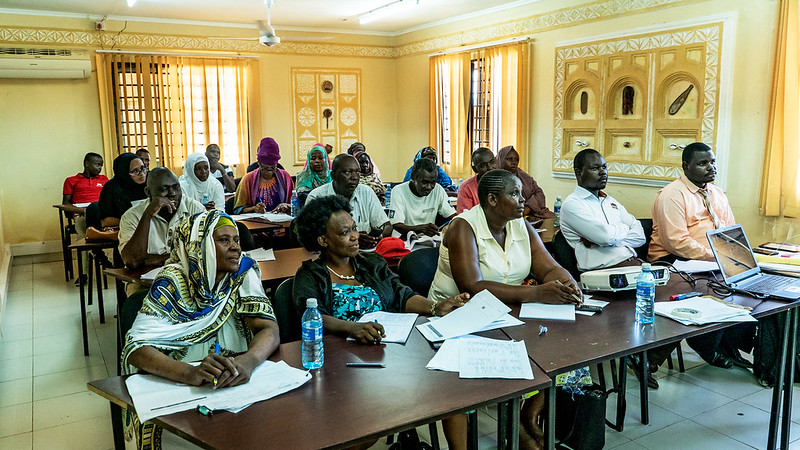
Equity Bank has a strong focus on women and youth, and provides adapted products and training programmes for both groups, including financial literacy training and entrepreneurship programs. Women are on the bank’s Board of Directors and in its top management team.

Expanding globally

Delivering quality financial services to a large market is capital intensive, and scale is therefore important to banks wishing to improve their efficiency, ensure the quality of their products, and deliver affordable financial solutions. Equity Bank is one of the few players globally that has grown to a level where they can carry the costs of developing high quality innovative banking services to the mass market in a developing country.

Active ownership

Norfund first invested in Equity Bank in 2014. The investment was later transferred to Arise – Norfund’s main vehicle for investments in financial institutions in Africa, established in 2016. Norfund is the biggest shareholder of Arise and has a seat in the board. In 2019, Norfund committed a direct loan to Equity Bank funding further growth.