Responsible banking

The Banco Promerica Group, a Norfund investee with banks in Nicaragua, Costa Rica and Ecuador, is among the first signatories of The Principles for Responsible Banking.

Banks can be agents of change and support the UN Sustainable Development Goals (SDGs) through their daily banking activities. To do so, the banks must be  clear about how their products and services create value for their customers, clients, investors, as well as society.

Banks shall have a positive influence in the communities we serve. This is one of the key components in Grupo Promerica’s strategy.

Ramiro Ortiz, Chairman of Banco Promerica Group 

The Principles for Responsible Banking provides a framework for sustainable banking, and helps banks to align its business strategy with SDGs.

The world is at a crossroads and each of us needs to play an active role in shaping the future. At Banco Promerica Costa Rica, we understand our responsibility to all our stakeholders and to the world. We are proud to endorse the Principles for Responsible Banking. 

John Keith, CEO, Banco Promerica Costa Rica

As part of Banco Promerica Costa Rica’s eagerness to contribute to the SDGs, Norfund will, through a 15MUSD sub-debt instrument, support their green lines initiative. The term is 10 years.

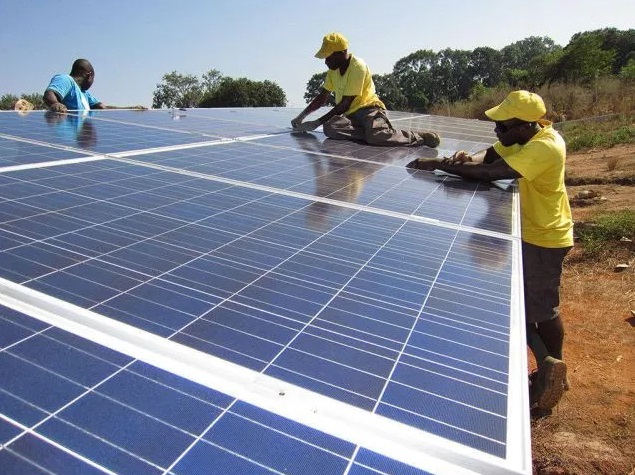
This is the first time in Central America that sub debt is provided to support green lines of which a majority is in clean energy. Focus is on providing funding for smaller PV clean energy projects in Costa Rica. In addition, the quasi-equity instrument will provide a strong value add as it unlocks additional funding.

We would like to thank Norfund sincerely for showing us the way and supporting us with financial resources, technical assistance, motivation and advice. Without this it would not have been possible to be the first Costa Rican bank signatory of “The Principles of Responsible Banking” at the United Nations.

John Keith, CEO, Banco Promerica Costa Rica

Case study: Increasing access to finance in Uganda

Case study: The first equity fund in Angola

In Angola’s post-civil war capital market, risk capital was unavailable to small and medium sized companies. Norfund therefore decided to establish Fundo de Investimento Privado – Angola (FIPA), Angola’s first private equity fund. Since the first closing in 2010, FIPA I and II have invested in six companies, including the integrated fishing operation, African Selection Trust.

Arise – Empowering African Banks

Arise is Norfund’s main vehicle for large scale equity investments in banks in Africa. It is a unique specialized investment company with a growing portfolio of leading financial institutions across sub-Saharan Africa.

Background

Arise was established in August 2016 when its four founding owners – Norfund, Rabobank, FMO and NorFinance – agreed to transfer their various equity holdings in financial institutions in sub-Saharan Africa.

The aim of founding Arise is to contribute to the building of economic growth and poverty reduction by developing strong and stable financial service providers. These will support retail enterprises, SMEs, companies in rural areas, and other clients lacking access to financial services. Arise will thereby strengthen their ability to empower themselves.
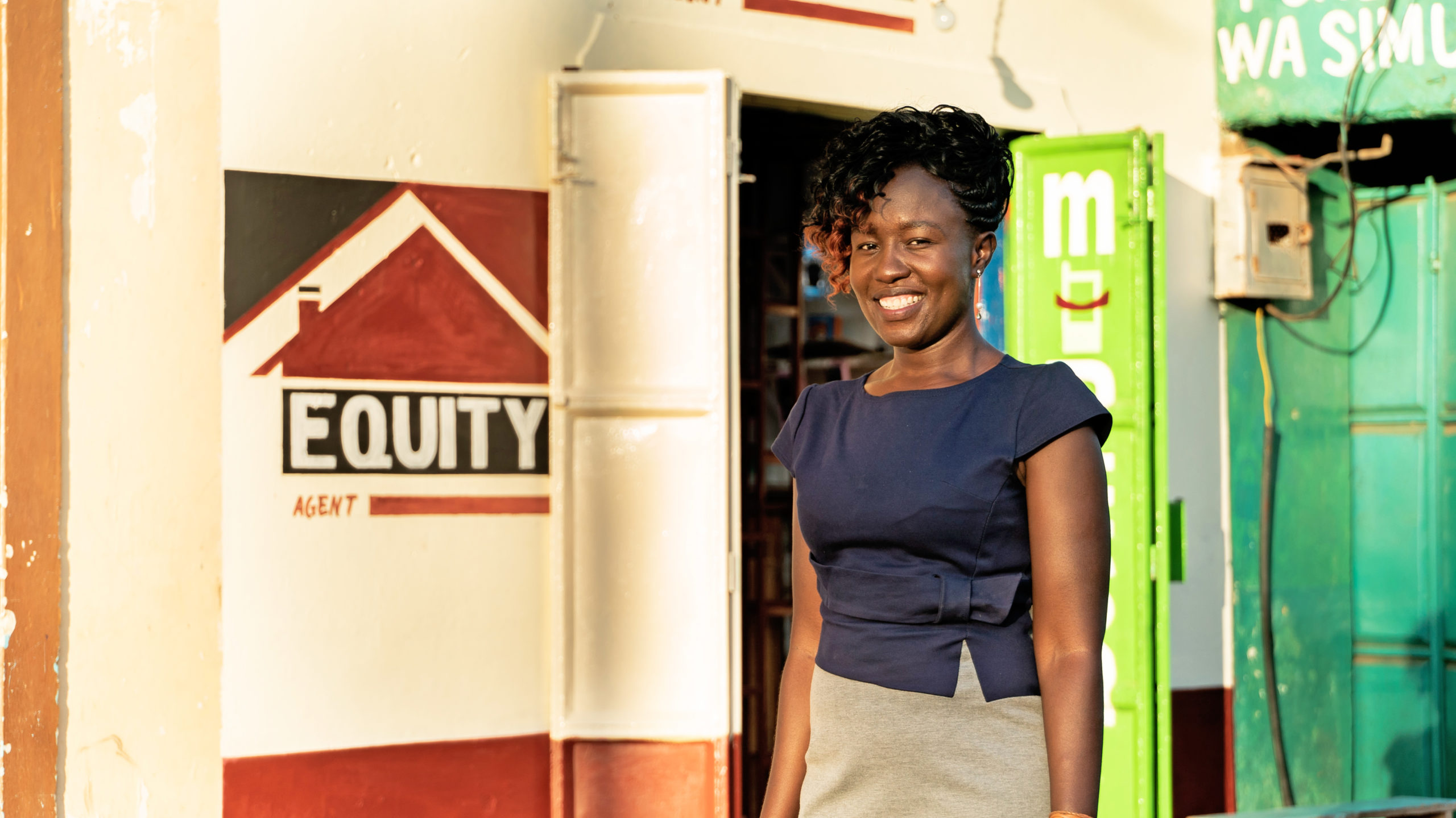
Arise has a 12% stake in Equity Bank Kenya and is the largest shareholder.

The mandate

The mandate of Arise is to invest and stimulate growth across all financial services sub-sectors within sub-Saharan Africa. The joint establishment of Arise allows each partner to contribute to development on a scale that is far beyond what each could achieve separately.

Arise is targeting financial institutions that focus on SME and the unbanked. Such institutions get less attention from capital providers. Arise’s investment in such institutions thus has a clear additional effect. These institutions will also receive assistance from Arise’s banking development team with regard to growth strategies and deploying new technologies. 

It is our conviction that larger banks have the ability to contribute more strongly to economic development than smaller institutions. However, the availability of sizable equity stakes in such larger institutions are rare and thus making Arise’s portfolio unique in an African context.

Investments

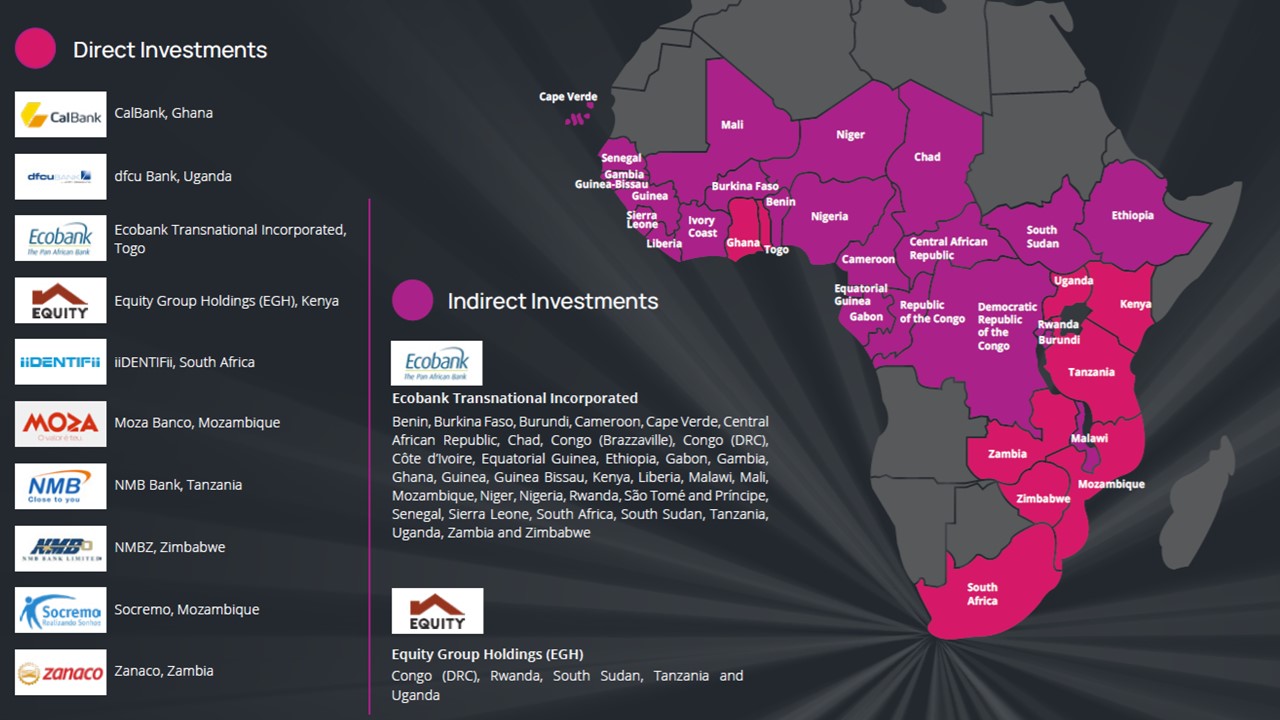
Arise provides capital and expertise to the growing financial sector across Sub-Saharan Africa. Arise is directly or indirectly invested in more than 30 countries across sub-Saharan Africa.

Since its inception Arise has made the following investments:

  • acquired a 28% shareholding in CAL Bank of Ghana in 2017
  • increased its shareholding in DFCU of Uganda to 59% in 2017 in connection with DFCU’s acquisition of Crane Bank
  • acquired a 30% stake in Moza Banco of Mozambique in 2018 through a capital raise a a merger with BTM Bank
  • acquired a 14% stake in pan-African Ecobank in August 2019
  • Providing a USD 7.5 million senior unsecured shareholder loan to Moza Banco in December 2019

Arise portfolio

Arise today has direct or indirect ownership in 18 top-3 financial institutions in SSA and presence in 38 countries in SSA.

  • CalBank 28% stake
  • Moza 30% stake
  • iiDENTIFii 20% stake
  • Ecobank 14% stake
  • Zanaco 45% stake
  • Equity Bank 12% stake
  • Socremo 35% stake
  • NMB Tanzania 35% stake
  • DFCU Bank 59% stake
  • NMB Zimbabwe 18% stake

Active Ownership

Arise gives priority to equity investments and is an active owner. It claims board positions in the investees, organises technical assistance programmes, supports investees financially and helps the banks to improve the services they provide to their clients. Arise focuses particularly on improving the compliance functions of investee companies and ensuring adherence to the highest environmental, social and governance standards.

Our impact

Setting up and following up an evergreen investment company with the size of Arise required investors with large and stable funding. Norfund is actively engaged in Arise through representation on the Supervisory Board and the Asset Management Committee. Norfund, together with FMO and Rabobank, established a technical assistance facility with Arise to further help Arise in influencing its companies. Furthermore, Norfund is clearly catalytic through the inclusion of NorFinance as investor in Arise.

Arise is targeting financial institutions that focus on SME and the unbanked. Such institutions get less attention from capital providers. Arise’s investment in such institutions thus has a clear additional effect. These institutions will also receive assistance from Arise’s banking development team with regard to growth strategies and deploying new technologies. 

Expected growth

It is anticipated that Arise will grow to a company with assets in excess of USD 1 billion by 2021.

Yoma MicroPower

Electrifying hundreds of telecommunication towers and rural communities across Myanmar.

Background

In 2017, Yoma Micro Power successfully completed a 10-plant pilot scheme in Sagaing Region whereby 10 telecommunications towers and four villages in off-grid areas were given access to electricity.

The same year, Yoma Strategic Holdings, IFC and Norfund entered  into a partnership with the aim to establish distributed generation micropower plants and mini-grids in Myanmar. 

Electricity infrastructure development is a priority for Myanmar to drive economic growth. According to the World Bank only 16 percent of rural households in Myanmar are connected to the power grid. The limited production and distribution of power severely hamper economic development and the powering of telecommunications towers.

16%
16

of rural households in Myanmar are connected to the power grid

The project

The purpose of the partnership with Yoma is to generate and distribute electricity to off-grid rural communities and telecommunications tower companies. The project expects to secure long-term power supply contracts with telecommunications towers and telecommunications network operators in off-grid locations, which will serve as the anchor tenant. Distribution generation micro power plants will be set up around such areas, powered by a combination of PV solar modules, diesel generators and energy storage solutions, with surrounding communities connected through mini-grids.

Our impact

The ambition is to scale up to more than two thousand micro power plants by 2022. The aim thereafter is to expand coverage to meaningfully serve millions of people in the country.

Lighting up Madagascar

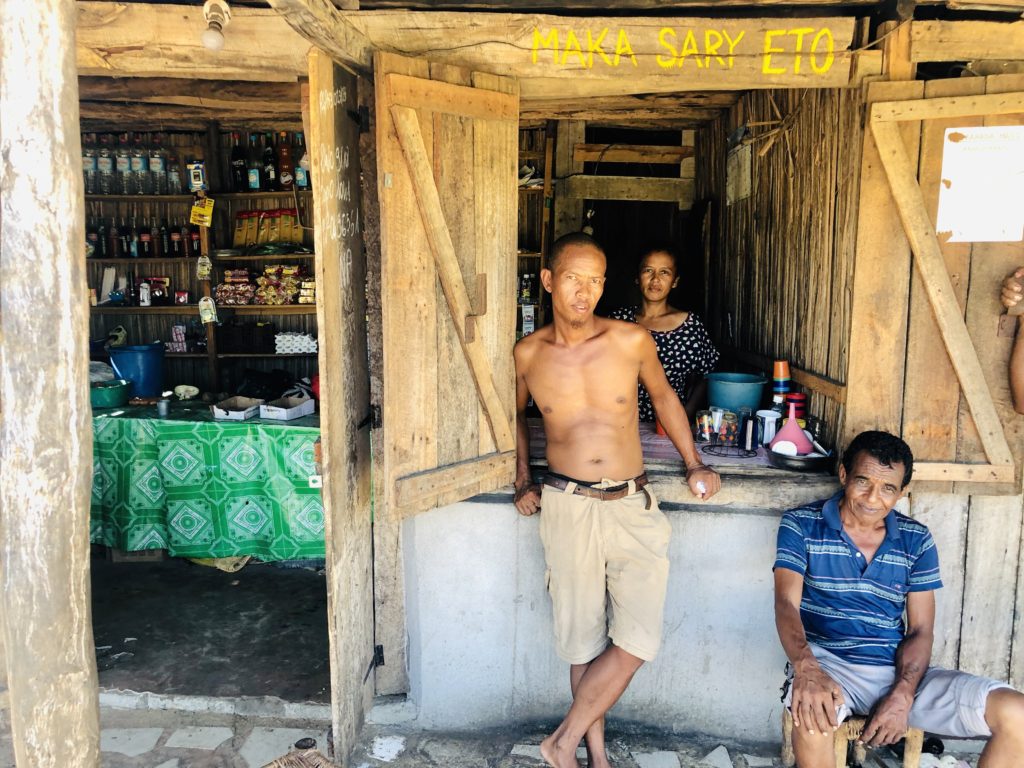
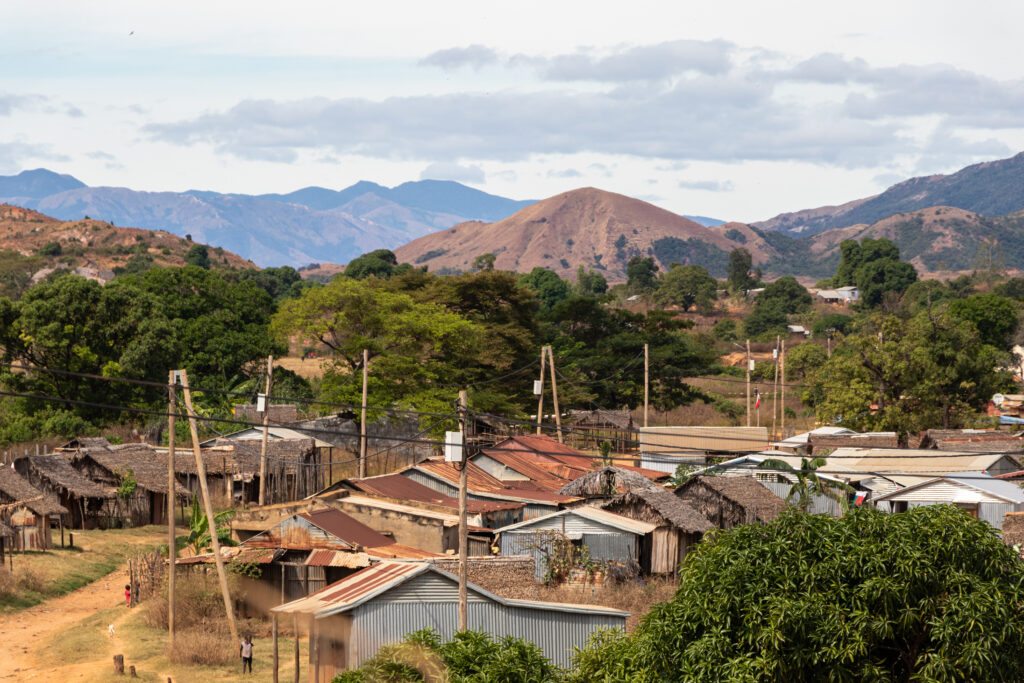
The mini-grid company We Light aims to build mini-grids in hundreds of villages in Madagascar, and thereby improve the rural populations access to cheaper and more reliable electricity – at work and at home. We Light will also explore opportunities elsewhere in Africa.

Background

Madagascar is one of the poorest countries in the world. With a population of 25 million people, about 80% live below the poverty line (less than 1,9 USD per day) and 77% lack access to electricity. 

In 2015, the Malagasy government published a new policy that targeted 70% grid electrification by 2035. However, recognizing that large parts of the country may remain beyond the reach of the national grid, the government of Madagascar is embracing the potential offered by off-grid technologies. 

80%
80

of the population in Madagascar live below the poverty line

77%
77

of the population in Madagascar lack access to electricity

Our Impact

In November 2019, Norfund closed an investment agreement with We Light, a company that provides access to renewable energy to un-electrified villages in Sub-Saharan Africa. The aim is to build mini-grids in hundreds of villages in Madagascar, and thereby improve the rural population’s access to cheaper and more reliable electricity – at work and at home. 

To date approximately 500 000 households have solar home systems in Madagascar. We Light’s hybrid plants, with solar, battery and diesel generators are very flexible and scalable. They can optimize electricity generation as best suited to the load pattern of the customers, and thereby be a reliable and cost effective source of electricity for the village.

For the rural population, this means amongst others that kerosene lamps can be replaced with safe lamps with improved light. Mobile phones and computers can be charged whenever needed, and the public information will become easily available through internet, TV and radio.  

The mini-grid will also improve electricity services for productive use, like that of a conventional national grid. Examples are use of electrically powered machines, tools and appliances, irrigation pumps and cold storage. This  will enable more businesses to grow, and thereby create more jobs and more local tax income.

Other uses may be public lightning, electricity to health centers, schools and public administration buildings. 

Experienced Partners

We Light is a company founded by Norfund, Sagemcom and Axian Group with plans to build mini-grids in several countries in Africa. Sagemcom is a French broadband, telecom and energy company with presence across the African continent. Axian is a Malagasy conglomerate active in the energy, telecom, finance and real estate sector and long-term partner of Sagemcom.

Together, these partners have the resources, technology and network it takes to execute this business plan. Sagemcom has delivered mini-grids as a contractor in many African countries, and Axian has a strong presence in Madagascar.

Mozambique’s First Large-Scale Solar Power Plant

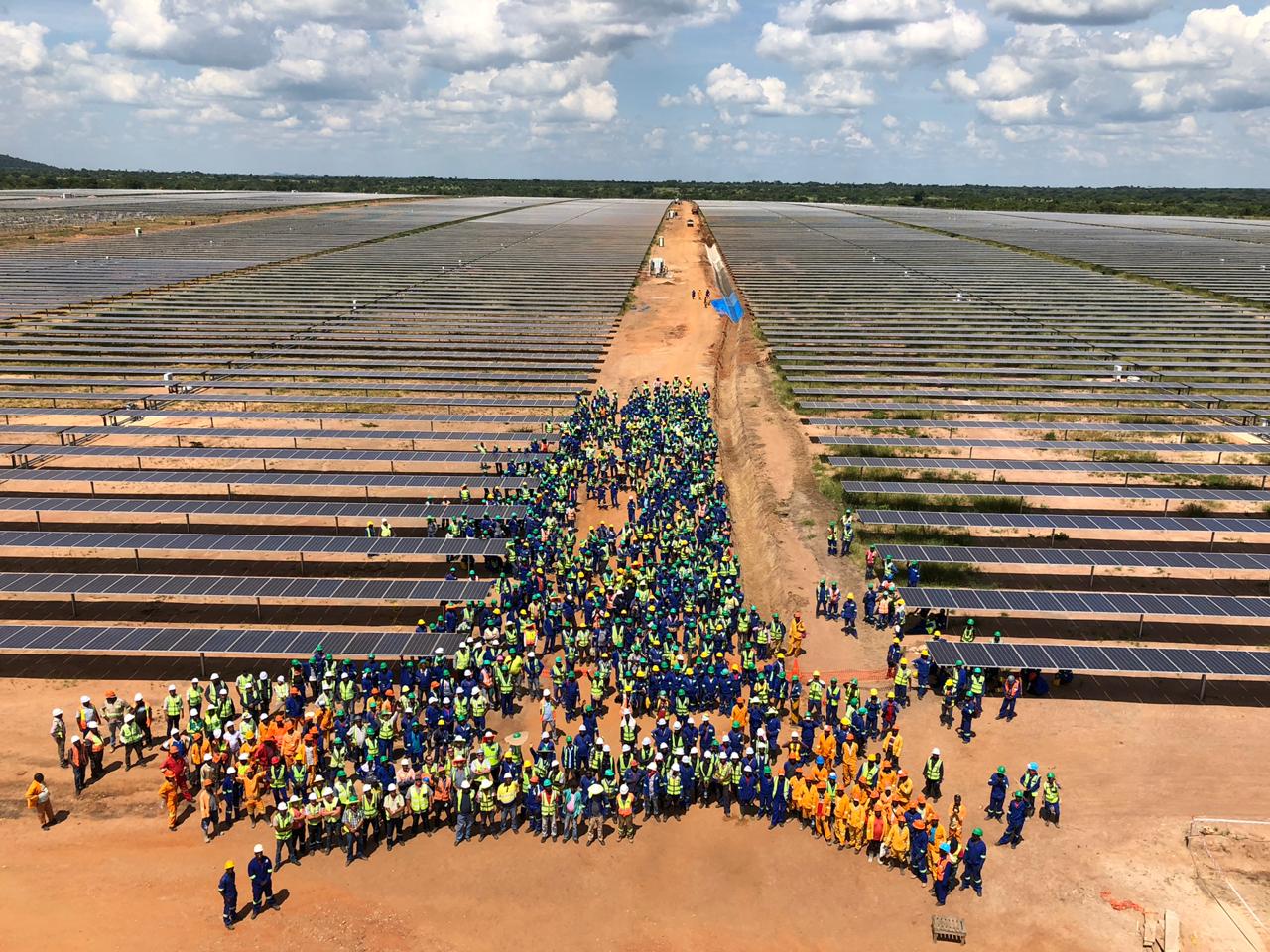
Capital and expertise from Scatec Solar, KLP and Norfund enabled the construction of Mozambique’s first large-scale solar power plant. Central Solar de Mocuba (CESOM) provides over 79 GWh of electricity annually, which is equivalent to the electricity consumption of more than 170,000 households in Mozambique.

Background

IN 2016 Scatec Solar and Norfund signed a Power Purchase Agreement that secured the sale of solar power over a 25-year period to the state-owned utility, Electricidade de Mozambique (EDM). The plant was built in the Zambezia Province in north-central Mozambique.

Lack of electricity

Mozambique is one of the poorest countries in the world and access to electricity is extremely limited. In rural areas only 6 percent of the population has an electricity supply. National demand for electricity is growing significantly due to industrial and commercial growth. Many district capitals depend on expensive and often unreliable diesel power generation, but Mozambique’s potential power generating capacity is substantial. Transmission bottlenecks mean that decentralised power plants based on local energy resources such as solar, hydro can be important in supplying remote regions.

This is an excellent example of how private-public partnerships can deliver renewable energy and support further economic growth in Mozambique. EDM and the Government of Mozambique have demonstrated strong leadership in taking this project forward, paving the way for further investments in renewable energy in the country

Raymond Carlsen, CEO Scatec Solar

The project

The Mocuba Project was part of the Government of Mozambique’s Economic and Social Development Plan for 2015/16. The Mocuba plant was identified as part of a least-cost supply plan to improve the capacity, reliability and diversity of electricity supplies in northern Mozambique.

The project contributes to the economic and social development of one of the Special Economic Development Zones designated by the Government of Mozambique, and facilitates new private sector investments. It was also a unique opportunity for EDM to gain technical, commercial and practical experience in utility-scale solar solutions.

Our impact

Central Solar de Mocuba has increased Mozambique’s energy generation capacity by 40 MW and will produce approximately 79 GWh per year. The project’s strategic location will reduce energy transmission losses and improve the security of energy supply in northern Mozambique and stabilize the grid. It is estimated that the power plant’s connection to the EDM grid will result in a seven percent improvement in the network default level.

At peak construction, 1,209 people worked on the site; 1,052 were hired locally. The job creation impact of power projects are created mainly through their effects on the wider economy and can only be estimated. Better, more reliable energy supplies, and fewer and shorter outages are helping to foster job creation and economic growth as new businesses are established and productivity improves.

The solar power plant will also result in a reduction of approximately 79,000 tonnes of CO2 emissions annually, compared to standard national grid emissions.

Case study: Empowering local communities In Uganda

Unreliable electricity supplies make it challenging to establish and grow enterprises in Uganda. The Ugandan government hopes to solve this by increasing the country’s hydro power generation capacity. Norfund has provided a loan for a new small hydropower plant, Rwimi, in western Uganda.

Background

The power sector in Uganda is developing rapidly. Access to electricity increased from 9 percent to 26 percent between 2006 and 2016. However, the power supply is still unreliable in many regions, blackouts occur frequently and commercial and industrial enterprises consume two-thirds of the electricity. Therefore, there is a need for increased local generation.

26%

of the population had access to electricity in Uganda in 2016

Our Impact

Rwimi is a new 5.5 MW hydropower plant in western Uganda. Developed, built and operated by the Sri Lankan company, Eco Power, it is an excellent example of a well-functioning South-South collaboration. Norfund and the Belgian Investment Company for Developing countries (BIO) have debt financed the project, and supported the environmental and social performance of the project. The plant became operational in 2017 and is selling electricity to the Ugandan national transmission company UETCL. Rwimi will contribute to stabilising the Ugandan power system and increasing power supply to a growing economy.

“Electricity has greatly improved our community welfare through the provision of light and security, especially at night times. Electric power has reduced our cost of living”

Esther Muthaka, one of the local inhabitants in Rwimi.

GET Fit

Rwimi was one of the first projects selected under the Ugandan GET Fit Program – a program aiming to foster the development of small-scale renewable energy projects in Uganda, and providing a subsidy payable on top of the standard feed-in-tariffs. The programme is supported by international donors including the Norwegian Government.

Business Support

As a part of the project, Norfund’s grant facility supported the construction of a gravity water supply line, bringing clean water to a total of 6,771 people in 7 villages. The project was implemented in close cooperation with the local communities and is now managed by local water tap committees. This water supply project has improved the lives of local communities, mitigated one of the impacts of extracting water from the river, and helped support good relations with local communities.

Case study: Banking the unbanked in Kenya

Equity Bank is Kenya’s second-largest bank and has more than 14 million customers. The bank is the leading inclusive bank in Africa. Its main customer segments are unbanked individuals, micro enterprises and SMEs – those typically described as as being at the “bottom of the pyramid”.

14.2million

customers

9.3billion USD

in assets

About Equity Bank

Equity Bank is the leading inclusive banking group in East Africa with over 10 million customer accounts and more than $9 billion in assets. Listed on the Nairobi Securities Exchange and the Uganda Securities Exchange.

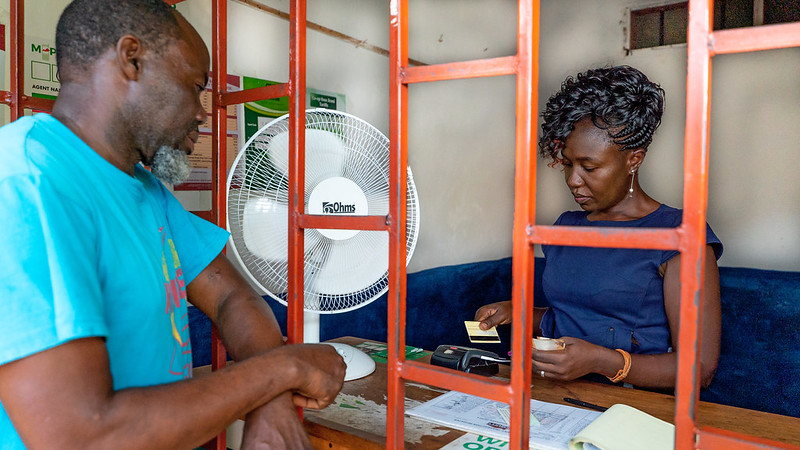
Equity Bank is also leading in financial innovation and was the first Kenyan bank to introduce EMV compliant ATM cards. It has played a leading role in championing agency banking in Kenya and continues to demystify banking by taking financial services to the door steps of citizens in Kenya, Uganda, Rwanda, Tanzania, South Sudan, and the Democratic Republic of Congo. In 2015, it launched a new mobile payment and banking platform for its customers, providing easier access to also small loans.

The unveiling of this new mobile platform is part of our 30-year journey of promoting financial inclusion. The company aims to increase the number of Kenyans with access to banking services to 90 percent and above

Dr. James Mwangi, ceo of Equity bank group

Our Impact

Equity Bank aims to transform the lives and livelihoods of people in East Africa socially and economically by providing modern and inclusive financial services. The bank is one of the few banks globally that has succeeded in developing a scalable, technology-driven business model for efficient, high quality service delivery to the mass market in a developing country.

Equity Bank has a strong focus on women and youth, and provides adapted products and training programmes for both groups, including financial literacy training and entrepreneurship programs. Women are on the bank’s Board of Directors and in its top management team.

Expanding globally

Delivering quality financial services to a large market is capital intensive, and scale is therefore important to banks wishing to improve their efficiency, ensure the quality of their products, and deliver affordable financial solutions. Equity Bank is one of the few players globally that has grown to a level where they can carry the costs of developing high quality innovative banking services to the mass market in a developing country.

Active ownership

Norfund first invested in Equity Bank in 2014. The investment was later transferred to Arise – Norfund’s main vehicle for investments in financial institutions in Africa, established in 2016. Norfund is the biggest shareholder of Arise and has a seat in the board. In 2019, Norfund committed a direct loan to Equity Bank funding further growth.