Enel and Norfund join forces to develop renewable projects in India

Rome, July 8th, 2020 – Enel Green Power, through its Indian subsidiary for renewables Enel Green Power India, and Norfund have signed a long term agreement to jointly finance, build and operate new renewable projects in India.
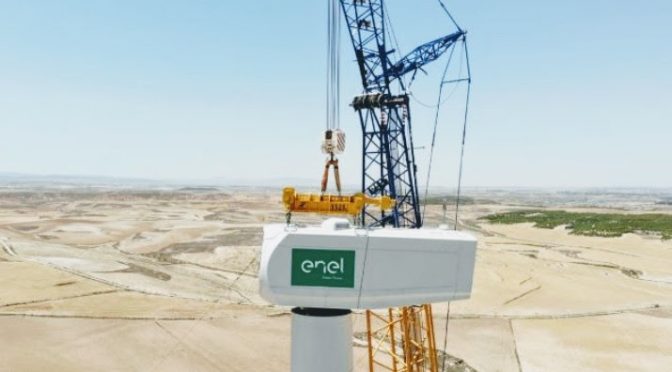
The agreement is a collaborative investment framework under which EGP India will be responsible for the development and construction of each project, while Norfund will have the right to invest in the projects once a specific milestone in their completion is reached, thus becoming equity partner with EGP India in the project. In addition, within the partnership, EGP India will support each project by providing technical services starting from the preliminary development activities.

This agreement gives us the opportunity to expand and strengthen our presence in India, after recently scoring our first win in a solar tender in the country.

Antonio Cammisecra, CEO of Enel Green Power.

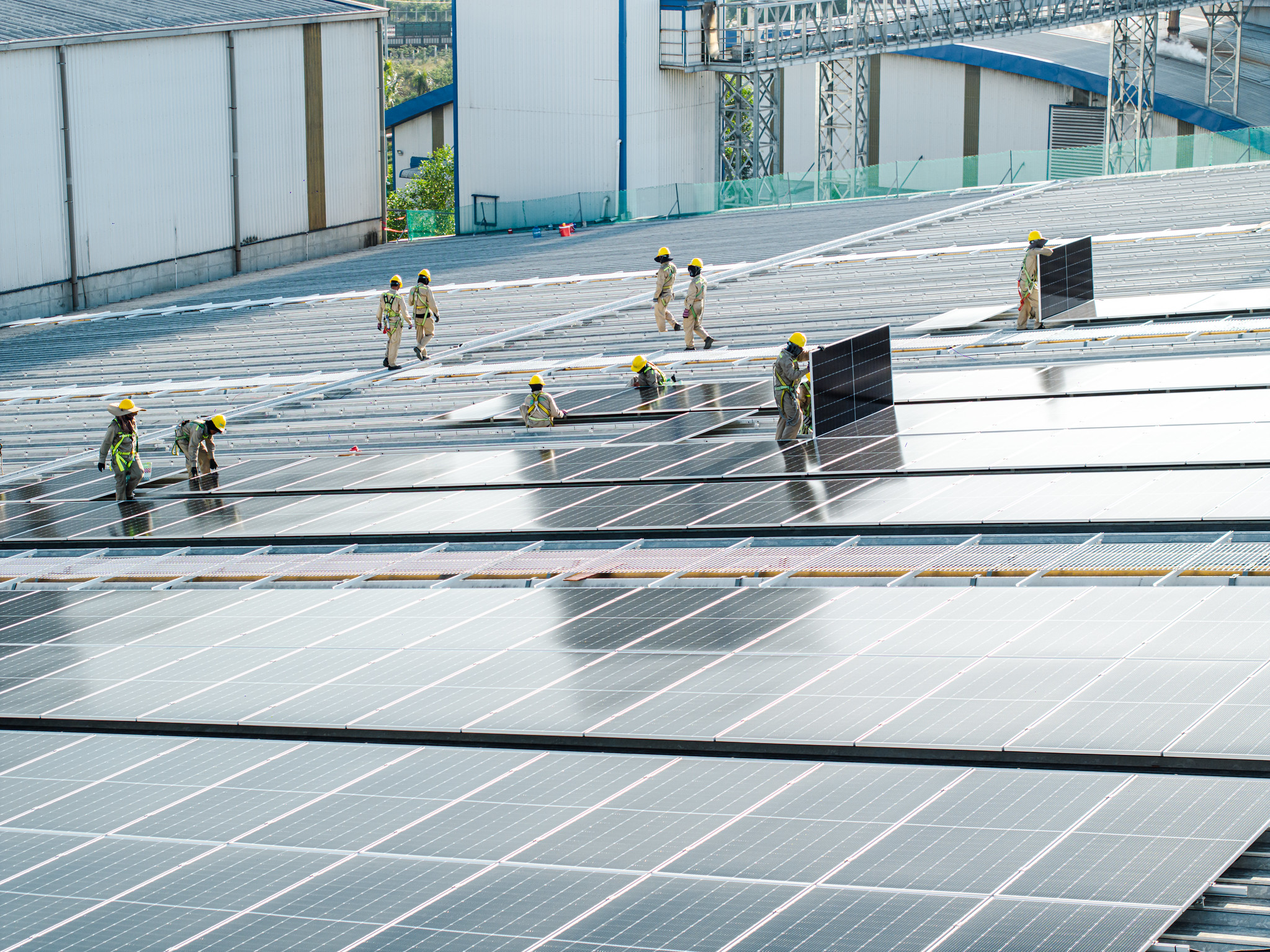
Through the agreement, the partners, in line with their sustainability, decarbonization and renewables targets, aim at boosting the development of a clean energy footprint in India, which is rich in renewable sources and has ambitious green energy goals. India’s government is committed to achieve 100 GW of solar and 60 GW of wind power generation capacity by 2022, up from around 35 GW of solar and about 38 GW of wind as of today.

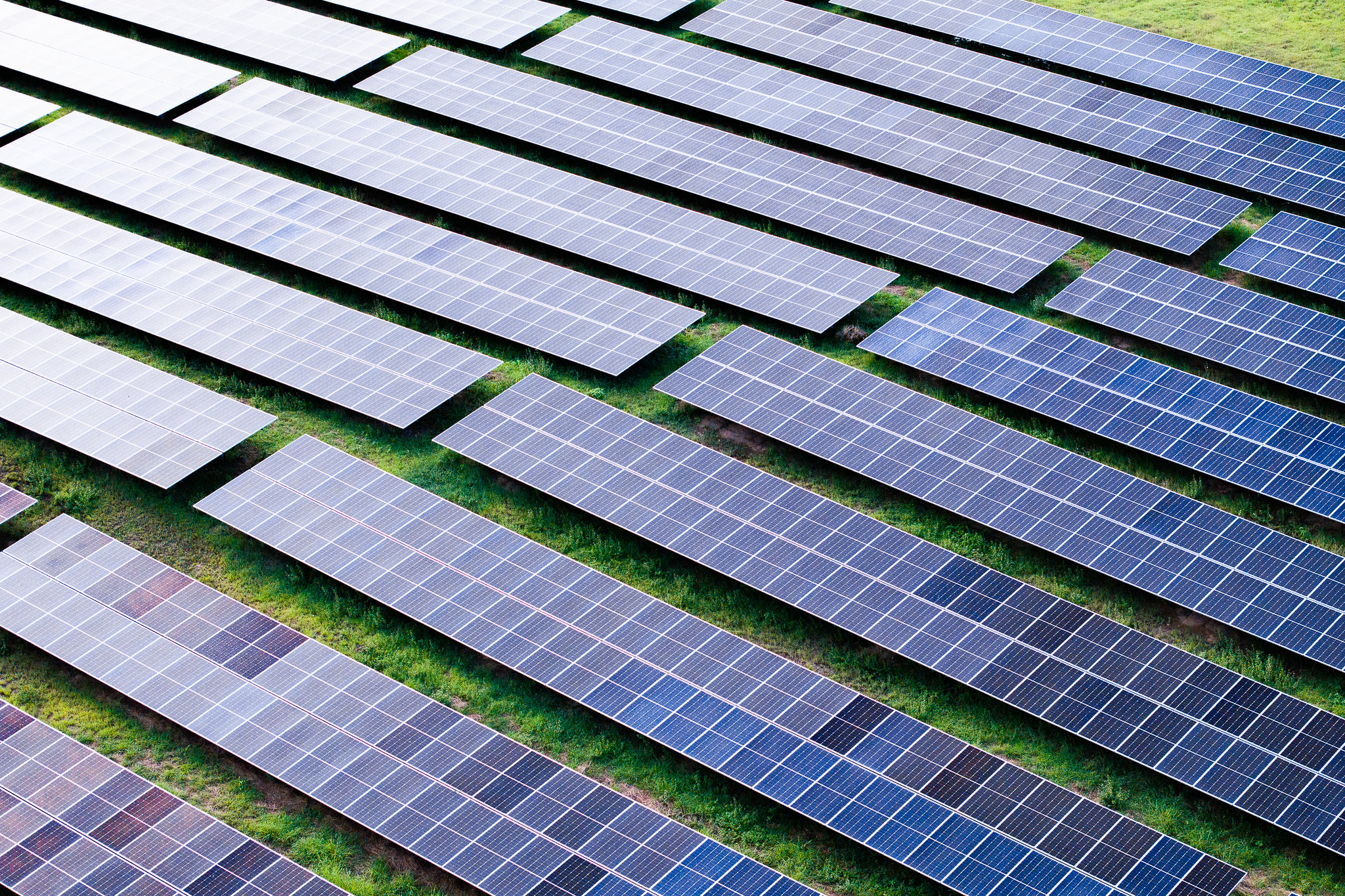
EGP India owns and operates 172 MW of wind capacity producing around 320 GWh per year in Gujarat and Maharashtra. The company was recently awarded the right to sign a 25-year energy supply contract for a 420 MW[1]solar project in Rajasthan, which will be the company’s first solar plant in the country, under the 2 GW Ninth Tranche of the national solar tender issued by the government company Solar Energy Corporation of India Limited.

By joining forces with an important partner such as Norfund, which shares our commitment towards sustainability and decarbonization, we will leverage on our technical expertise to harness the significant renewable growth potential of India, while contributing to the achievement of the country’s sustainable energy targets.

Antonio Cammisecra, CEO of Enel Green Power.

Norfund has a mandate to establish viable, profitable enterprises in developing countries, and invests in clean energy generation to enable economic growth and job creation. In 2019, Norfund financed 1,010 MW of new electricity gen­eration capacity, and Norfund’s portfolio has a total capacity of 5,866 MW. 

“For Norfund, the partnership represents an opportunity to play a role in providing much needed clean energy in an important market together with a world class industrial partner.

India has ambitious targets to increase the penetration of renewables, and there is a great need for more capital combined with technical expertise to realize them. By partnering with an experienced company like Enel Green Power, we believe we can contribute to both create jobs and promote the transition to renewables

Tellef Thorleifsson, CEO of Norfund.  
  • Enel Green Power and Norfund enter into a long-term, joint investment partnership to finance, build and operate new renewable projects in India
  • The agreement is aimed at boosting the development of renewables in India, in line with the sustainability, decarbonization and renewables targets of the companies and the country’s renewable energy goals
  • Enel Green Power will be responsible for the development and construction of each project that will be jointly financed and governed by both partners

About Enel Green Power

Enel Green Power, within the Enel Group, is dedicated to the development and operation of renewables across the world, with a presence in Europe, the Americas, Asia, Africa and Oceania. Enel Green Power is a global leader in the green energy sector with a managed capacity of over 46 GW across a generation mix that includes wind, solar, geothermal and hydropower, and is at the forefront of integrating innovative technologies into renewable power plants.
Assisting African tourist sector

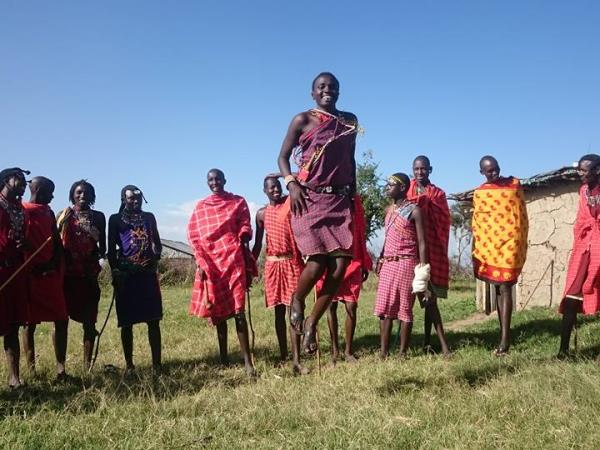
The tourist and leisure sectors have been deeply impacted by the COVID-19 pandemic. Asilia Africa, a market-leading safari operator in East Africa, has seen demand vanish temporarily and needs access to funds to maintain its social and wildlife responsibilities during the crisis. IFU and Norfund have jointly provided USD nine million in debt financing.

In 2019, Africa’s tourism industry was the second fastest growing in the world and employed more than 24 million people on the continent.

For many years, Asilia’s 19 safari lodges in Kenya and Tanzania have been giving tourists a unique experience and insight into the wildlife and people of East Africa. The company offers eco-safari experiences that contribute to the conservation of the environment as well as the development of local communities.  However, overnight tourists stopped arriving because of COVID-19, with serious consequences for the company, its employees and the funding for conservation and community projects.

1 out of 3 jobs are at risk in Africa as a result of Covid-19. Sustainable African companies need emergency-funding now to overcome this crisis and to ensure that the positive economic and social development we have seen the last 20 years, among others thanks to development aid, is not lost

Tellef Thorleifsson, CEO Norfund

Minimizing negativ effects of Covid-19

To minimize the negative effects, the owners of Asilia have endeavoured to balance considerations to the future business and the current impact on local communities. Consequently, the company has managed to sustain 750 out of 900 jobs. Moreover, the company has continued funding its social and wildlife projects within the local communities.

Liquidity constraints

The combination of running expenses and no revenue puts serious constraints on the liquidity of a company like Asilia. To fund Asilia during the COVID-19 crisis and sustain the impact until the safari tourism is back to normal, IFU and Norfund have provided debt of USD nine million in total. 

Asilia is grateful for the support of Norfund and IFU as we continue to navigate the unprecedented effects COVID-19 has left on the safari and tourism industries. It is with thanks to them, our committed staff and our partners that we are ready to play our part in the recovery and development of our industry beyond the negative effects of the virus

Jeroen Harderwijk, Co-Founder and CEO of Asilia

– Asilia is a very professional and well-managed safari operator with a high degree of social responsibility and a sustainable approach to tourism, which is in line with IFU’s aim to creating high impact when investing in private businesses. Our goal is to assist Asilia in emerging even stronger after the crisis enabling them to further extend their positive impact said Emil Sierczynski, Senior Investment Manager, IFU.

Building Back Cleaner, Greener & Better

Climate change is among the greatest impediments to development.
Climate impacts can push 100 million people into poverty by 2030 – unless we act right now.

View the Norfund Conference 2020 part 1 and 2 here:

At a time when the impacts of the Covid-19 dominate our thoughts it is important that we start planning for how to build back cleaner, greener and better.   

Join us on the 1st and 3rd of September in discussing what must be done to meet the urgent need for increased energy-access in developing countries – with the aim to reduce poverty – while incorporating climate action. When done correctly, climate action can unlock new economic opportunities and create much needed jobs.

Due to Covid-19, the traditional Norfund Conference is replaced with two virtual conferences.

September 1st at 13.30 (CEST)

Part 1: Building Back Cleaner – Increasing access to renewable energy

  • The energy outlook for the developing world
  • Increasing access to energy while striving for net zero emissions
  • How to channel a larger part of the global capital flows into climate related investments in the developing world?

September 3rd at 13.30 (CEST)

Part 2: Building Back Greener & Better – building climate resilient communities and companies

  • Emerging from the Covid-19 crisis while building a climate change resilient future
  • Challenges and opportunities in implementing the Paris Agreement
  • How to deal with transition risk when investing in developing countries

Speakers

Relevant pages:

Pandemic and African economies – Bringing back jobs

1 out of 3 jobs are at risk in Africa due to the Covid-19 crisis! In the recorded webinar below, you can hear reflections on what needs to be done to bring the jobs back.

Listen to , among others, Chief Commentator Martin Wolf from the Financial Times, DFCU Bank CEO Mathias Katambe, the Norwegian minister of International Development Dag-Inge Ulstein and Norfund CEO Tellef Thorleifsson. 

Webinar

Recorded webinar 18.6.2020

Program

  • Update: The economic situation in Africa as a result of the Corona Pandemic by Martin Wolf, Financial Times                         
  • Helping African companies survive Covid-19; the role of African Banks, by Mathias Katamba, DFCU Bank
  • Panel conversation: How to bring back jobs in Africa?

Short video with examples from Kenya

A two-minutes video describing the challenges for SMEs as a result of the Covid-19 crisis

Article: Less talk – more action

Speakers:

Norfund has been exposed to a serious case of fraud

Oslo, May 13th, 2020

Norfund has been exposed to a serious case of fraud through an advanced data breach. We are now cooperating closely with the police and other relevant authorities to get a full overview of the situation and to pursue and protect our interests. We have already introduced measures to strengthen our routines and halted all payments.

“This is a very unfortunate situation. We now have to get a full overview of the chain of events in order to get to the bottom of this. Based on findings, we will introduce further measures and strengthen routines to prevent this from happening again”

Chair of the board of directors, olaug svara

Norfund has been exposed to a serious case of fraud through an advanced data breach. There are still many details that require further investigation, but as of today we can say that a series of events have enabled this fraud. We are now working to get a full overview of the sequence of events and take appropriate measures to strengthen our routines and systems in order to prevent this from happening again. The fact that this has happened shows that our existing systems and routines were not secure enough.

Advanced data breach

Through an advance data breach, the defrauders were able to access information concerning a loan of USD 10 million (approx. 100 million NOK) from Norfund to a microfinance institution in Cambodia. The defrauders manipulated and falsified information exchange between Norfund and the borrowing institution over time in a way that was realistic in structure, content and use of language. Documents and payment details were falsified.

As a result of this extensive manipulation of communication, the defrauders were successful in diverting funds to an account not belonging to the intended recipient. The name of the account holder was the same as the name of the microfinance institution in Cambodia. The funds have been diverted to Mexico. The fraud took place on the 16th of March. The fact that the defrauders were able to manipulate the communication between Norfund and the intended recipient was a major contributing factor in delaying detection. The fraud was discovered on the 30th of April, as the scammers initiated a new fraud attempt. This attempt was discovered and prevented. So far, Norfund has not uncovered any further fraud attempts beyond the two above mentioned incidents.

“This is a grave incident. The fraud clearly shows that we, as an international investor and development organisation, through active use of digital channels are vulnerable. The fact that this has happened shows that our systems and routines are not good enough. We have taken immediate and serious action to correct this”

CEO, Tellef Thorleifsson

Norfund immediately established a crisis management team, informed our owner, the Ministry of Foreign Affairs, and contacted the police. We are now dedicating considerable resources to get the full overview and are systematically reviewing internal routines and control measures. Norfund is collaborating closely with the police, our bank DNB and other relevant authorities. A report has been filed with the police.

Norfund’s Board of Directors has engaged PwC to undertake an external, independent evaluation of company routines and security systems.

An increasing problem for Norwegian companies

The Norwegian Centre for Information Security, the Norwegian National Authority for Investigation and Prosecution of Economic and Environmental Crime and DNB are among those who have highlighted this type of fraud cases as an increasing problem for Norwegian companies and that the number of unreported or undiscovered cases likely is high. Norfund hopes that by being open about this incident we can contribute to reducing the risk of others being victims of similar fraudulent activities.

DNBs head of fraud prevention, Terje A. Fjeldvær states that “Fraud cases of this kind are performed by very sophisticated criminals. With access to e-mail communication between two parties, they can familiarize themselves with how the parties correspond. The payments they initiate therefore deviate very little from ordinary payments performed by the victimized company and become very hard to detect and prevent.”

Transparency is important to Norfund

It is very important to us to be open and transparent on this issue, not least to reduce the risk that others become victims of similar fraudulent activities. We did not go public with this at an earlier stage due to police advice with regards to the ongoing investigation.

A press briefing is scheduled for today at 15:00 at Norfund’s head office in Oslo, Fridtjof Nansens Plass 4. CEO Tellef Thorleifsson, other staff members from Norfund and representatives from DNB will be present to make statements and take questions. Due to infection control measures, seating will be limited. Please submit a request for participation to inger.nygaard@norfund.no.

Corona Battlefield Africa

By Erik Solheim

So far, Africa has not been severely affected by the virus directly. Only one country in Sub-Saharan Africa has more than a hundred dead, South Africa. We do not know if this will last, it depends on the reason why Africa has been less severely hit. But Africa may suffer more than any other continent from the economic fall out of the virus. Tens of millions of jobs are at risk.

As a result of the corona, 2020 may be the first year since 1998 when poverty increases on earth, much of this growth will occur in Africa.

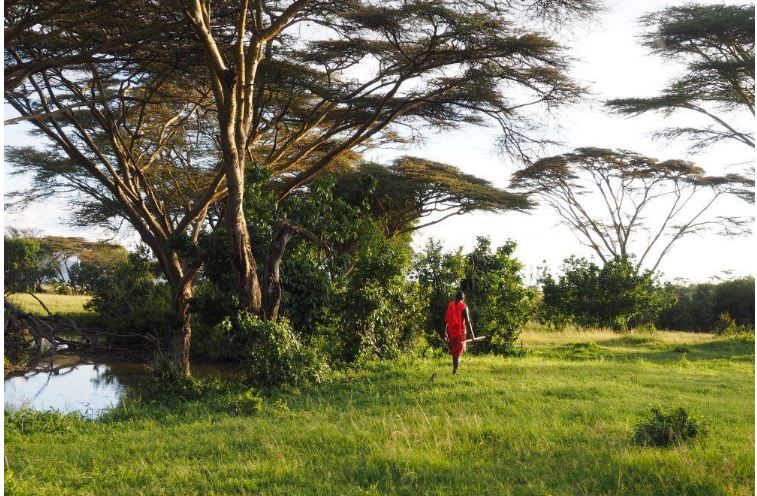
For more than twenty years, my friend the Norwegian entrepreneur Svein Wilhelmsen has given countless tourists unforgettable experiences on the savannas in Kenya. As Svein’s guest in Kenya, you can see the cheetahs and the lions hunting for their prey, hippos clumping together in the rivers. You can admire majestic elephants and follow the world’s greatest animal trek – millions of wildebeest on the way between Tanzania and Kenya. Masai Mara has perhaps the richest wildlife anywhere on the globe. The safari tourists provide much-needed income to Kenya.

Svein Wilhelmsen has a dual vision. He wants to take care of the beautiful landscape and the iconic animals and he will create development and jobs for the local people. These two are closely linked. Unless the poor Masai see the benefits of protecting elephants and rhinos, they will easily turn to poaching to earn some small income that way.

Now everything Svein and hundreds of partners have built up is in danger. The corona crisis has hit Kenya like a lightning strike. The country is closed down. Hardly a guest is coming. Revenue is at zero. Thousands of families who have built their future on tourism and nature conservation are without income. Basecamp Explorer and other tourist companies are struggling to survive. What should tour guides, hotel workers, drivers and people getting rental income from the land in the protected areas do now?

In all of Africa’s countries you will find countless small businesses struggling, just like Svein Wilhelmsen’s Basecamp.

It is these small businesses and the informal sector that keeps Africa going, ensuring income for most. They are entrepreneurs in the digital economy, they cultivate agricultural goods, they bring tourists, plant trees, or build roads. Some are employed on formal terms. Others have a looser connection to the labor market. In Burkina Faso, 77% of the population is considered unemployed. But that does not mean they do not work. Those who do not work in Africa, do not eat either.

Europe must help save Africa’s many small businesses through the corona crisis. That is the theme of a call I and twenty current and former ministers have written to Europe’s leaders.

One million young people enter the job market in Africa every month. Everyone wants a job. Of those who are part of the economy, few have jobs in regular businesses. Most are in the informal sector, trying to feed on random jobs, selling something, helping in family agriculture or in so many other imaginative ways.

The West’s assistance to Africa is small money, but still important. The size is perhaps best illustrated by the fact that the US plans to borrow three trillion dollars in the second quarter. This corresponds to sixty times all aid from all western countries to the entire African continent this year.

When resources are scarce, it is important that they are used properly. Africa’s governments do not have reserves to meet the corona crisis. The United States can print dollars. China has large savings. Norway has the Oil Fund. African governments often start with a lot of debt. They have little or no savings, tiny budgets. The West must contribute debt relief and save African business through the acute crisis. Africa must be helped to provide a political response to the crisis.

Companies that go bankrupt during the corona crisis cannot give jobs to people afterwards. African jobs are not in the public but in the private sector. Hardly anything is more important now than saving profitable and productive companies through the crisis.

The European Development Finance Institutions are our most important instrument in this. In Norway we have Norfund, but there are fifteen sister funds in other European countries. Europe must invest more capital in these funds and Europe’s states must contribute with risk sharing.

This is also in our own long-term interest if we want to reduce immigration pressure on Europe. It is often said in the European debate that we must help people where they are, not take them to Norway. I agree with this thought. But then we have to do it, not just say it. European governments can respond by enabling Development Finance Institutions to save companies and jobs in Africa during this critical year.

Then, in 2021, Svein Wilhelmsen can again invite tourists to his magic campfires. Hundreds of thousands of other small businesses can provide jobs for Africa’s young and rapidly growing population.

European Co-operation, COVID-19 and how to save jobs in Africa

Africa faces a massive recession due to the Covid-19 pandemic; around 20 million jobs may be lost. International experts are therefore calling on European governments to act. European development finance institutions are in the best position to act swiftly in support of the private sector in vulnerable countries.

04.05.2020

Covid-19 has hit Africa. Governments are shutting down normal life. The IMF, the World Bank, the African Development Bank and their donors are stepping up the fight against the virus by creating financing mechanisms to support cash stretched governments across the continent. This is much needed – and urgent.

Africa is facing a dramatic recession

Africa is already facing a dramatic recession, perhaps even worse than Europe. Estimates indicate that at least 20 million jobs may be lost. Much depends on how quickly and decisively we act. Job losses and the resulting destitution will multiply the death toll from the disease. In Europe, governments have responded at home both by addressing the catastrophic threat to health and life, and by simultaneously opening up nearly unlimited credit lines to tackle the existential threat to business from the economic standstill. Most African governments do not have the fiscal space to respond in this way and, across lower income countries, 90% of jobs are in the private sector. For the poor, often in low income and vulnerable jobs, the future looks grim. Women and girls are disproportionally affected.

Firms in the formal sector are vital for prosperity

Firms in the formal sector are vital for prosperity and Africa is already desperately short of them. Such firms are able to organise a workforce to reap economies of scale and specialisation, and raise finance for investment. The huge adverse shock that has hit Africa risks pushing many of them into bankruptcy. This would result in a large loss of organisational capital for their societies. Since private capital is flowing out of the continent, and governments lack both the finance and the organisational links to provide informed finance to firms, development finance institutions (DFIs) are the vital front line in the struggle to preserve them. The institutions in Europe best suited to help the private sector in Africa are the DFIs. There are 15 DFIs in Europe – government owned and supported institutions that foster private sector development. They have EUR 15 billion invested in Africa, reaching thousands of companies, and already fund many banks operating throughout the continent.

Africa needs a comprehensive policy response from OECD

Africa needs a policy response as far-reaching and comprehensive as that being taken across the OECD economies: this includes job-support and actions to save existing businesses from immediately closing. If not, Covid-19 itself will set development in Africa back a decade or more. While some support for African nations from international donors has been announced, this support concentrates primarily on the public sector, and what is still missing is a vigorous response to support the private sector and jobs, which face an unprecedented disaster. The private sector in Africa plays an outsize role in providing employment, relative to more developed economies. When even large and profitable firms in rich economies need support to stay afloat, the plight of firms in Africa, which suffer from a chronic shortage of credit and liquidity even in more stable times, is far worse. Unless something is done quickly, many profitable and productive firms will disappear, wiping out years of jobs growth and economic development driven by private enterprise.

The important role of DFIs

The DFIs have rightly taken urgent measures to protect staff and to put plans in place to support client’s immediate needs. But DFIs also must assess the situation in Africa and the required response in the medium to long term, until the virus has been eliminated. DFIs should be countercyclical at a time when private financial flows have come to a sudden stop, and should lead other investors back into African markets on the other side of the crisis. In order to do this, they will need support. Most DFIs have some room on their balance sheets to respond but often not enough to be fully countercyclical during times of high uncertainty. They need a combination of risk-sharing, capital and new flexibility to respond beyond their capacities in the current stressed situation. DFIs must make this case to their boards and owners and make proposals for a more robust response to the crisis.

Signatories

  • José Antonio Alonso, Professor of Applied Economics, Complutense University of Madrid (Spain)
  • Erik Berglöf, Professor, Director Institute of Global Affairs, LSE
  • Paul Collier, Professor of Economics and Public Policy, Oxford University (UK)
  • Alexander De Croo, Deputy Prime Minister, and Minister of Finance and Development Cooperation (Belgium)
  • Guilherme D’Oliveira Martins, Former Member of Parliament, Minister of Presidency and Minister of Finance (Portugal)
  • Stephany J. Griffith-Jones, Financial Markets Program Director, Columbia University
  • Nanno Kleiterp, Honorary Chairman of EDFI (Netherlands)
  • Norbert Kloppenburg, Former member of the management board of KfW (Germany)
  • Bert Koenders, Former Foreign Minister (Netherlands)
  • Benoit Leguet, CEO of I4CE, Institute for Climate Economics (France)
  • Mogens Lykketoft, Former Minister, Speaker, UNGA President (Denmark)
  • Kanini Mutooni, Managing Director, Toniic Institute
  • Franco Passacantando, Senior fellow at the LUISS School of European Political Economy in Rome (Italy)
  • Johann Schneider-Ammann, Former President (Swiss Confederation)
  • Erik Solheim, Former Minister of the Environment and International Development (Norway)
  • Vera Songwe, Executive Secretary, UN Economic Commission for Africa
  • Lars Thunell, former CEO of IFC (Sweden)
  • Erkki Tuomioja, Member of Parliament, former Minister for Foreign Affairs (Finland)
  • Bruno Wenn, Chairman of EDFI (Germany)
  • Thomas Wieser, Chair, High-Level Wise Persons group on the European financial architecture for development (Austria)

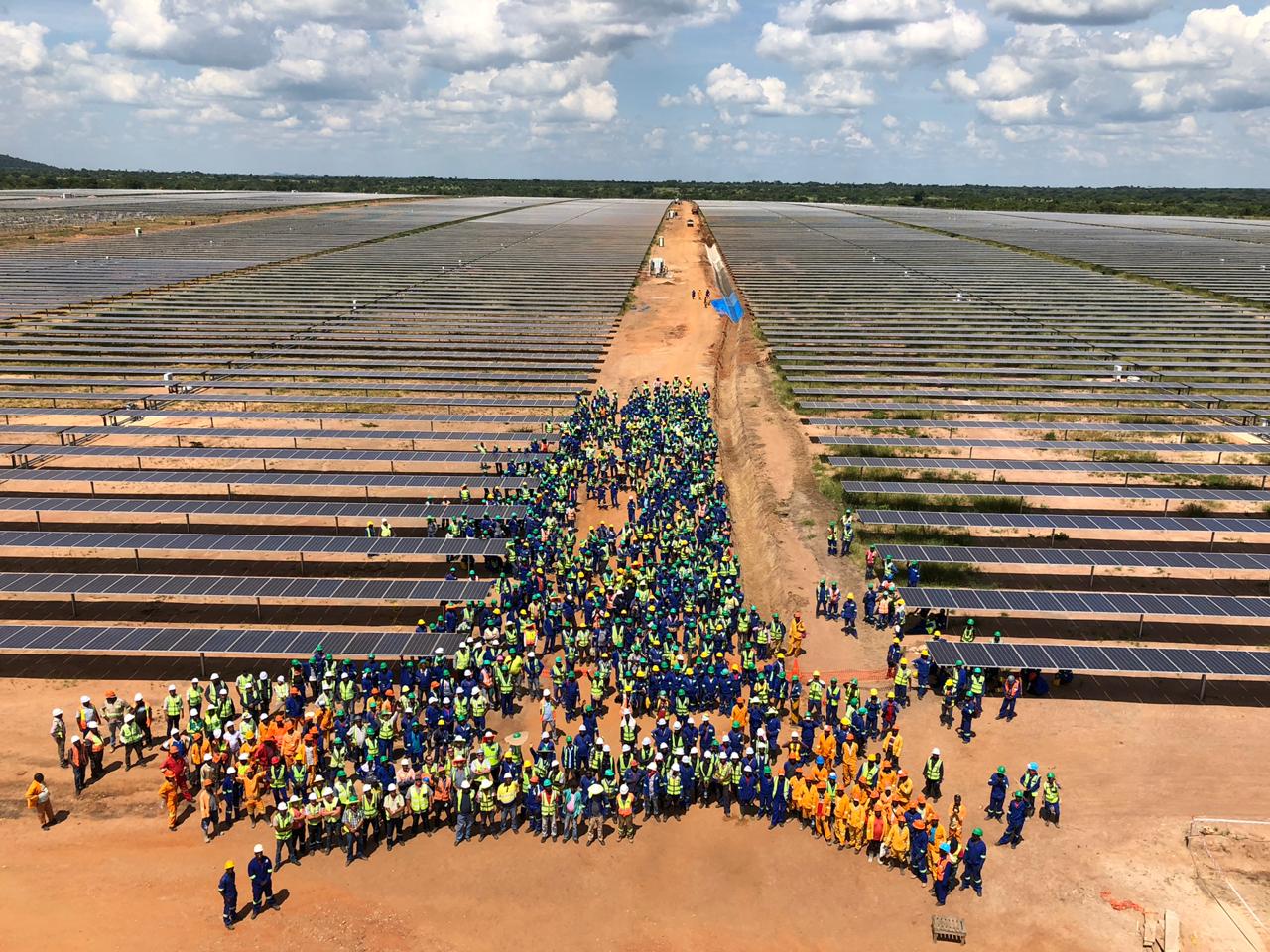
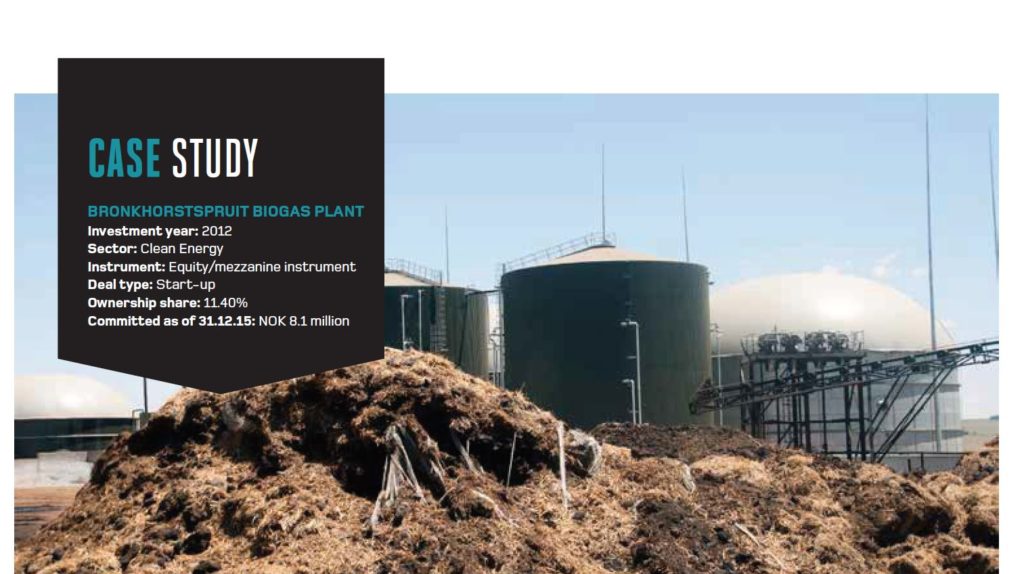
Case study: Central Solar de Mocuba

Bio2Watt

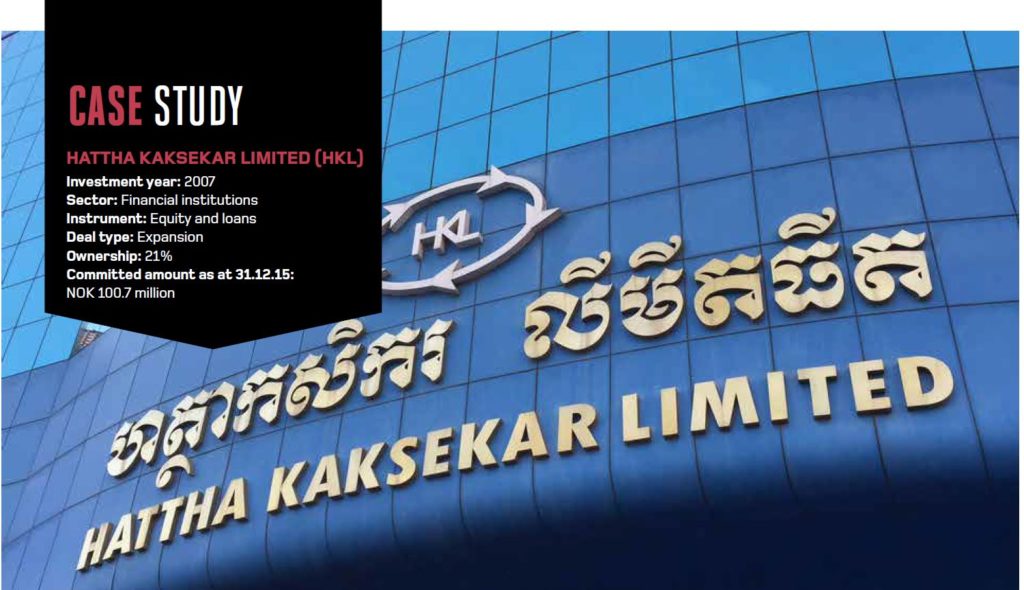
Hattha Kaksekar Ltd.

According to the Cambodia Industrial Development Policy 2015–2025 issued by the Cambodian government, limited access to capital is one of the key obstacles to continued economic growth, poverty reduction and the development of the country’s industrial sector. Hattha Kaksekar Limited, a Norfund investee as of 2007, is contributing to increased access to finance for micro-, small- and medium-sized enterprises in Cambodia.