The first-ever, multi, foreign shareholding transaction in a local bank in Myanmar

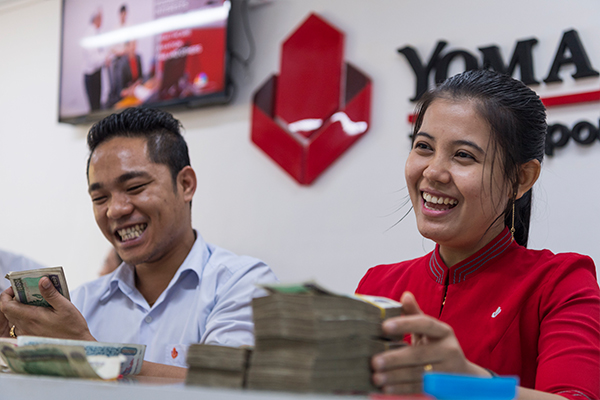
Norfund has acquired 10% share in Yoma Bank, one of the largest private banks in Myanmar.

The investment

The acquisition is made together with an affiliate of GIC, Greenwood Capital Pte Ltd and is the first-ever, multi, foreign shareholding transaction in a local bank in Myanmar.

The investment is part of a capital restructuring plan to support Yoma Bank’s future growth, to improve its corporate governance and to accelerate its continual support to Myanmar entrepreneurs and business owners with long-term capital needs.

The International Finance Corporation (IFC) converted its loan to Yoma Bank into equity in 2019. Today, the three international institutions represent 34% of shareholding in the bank. The total value of the transactions is around 90.3 million USD.

While the demand for credit solutions continues to grow, the new foreign investment will accelerate our investment into new technology, new partnerships and new ways of banking our target segments. This will help us to promote sustainable economic development in Myanmar

Dean Cleland, CEO of Yoma Bank

In addition to above transactions and subject to the completion of additional shares acquisition, First Myanmar Investment Company Limited (FMI) will also increase its shareholding in Yoma Bank to 61.99% and remains as the largest shareholder of Yoma Bank.

Need for increased access to financial services

Myanmar is one of Norfund’s priority countries and Norfund has been actively developing investment opportunities in the country since 2011.  Myanmar is a least-developed country with a population of around 54 million whereof 70% live in rural areas. The banking sector penetration is low. Only 26% of adults have an account at a formal financial institution (Global FINDEX Report 2017). The main source of financing for small entrepreneurs is still through informal lenders. Lack of access to capital is thereby a major barrier for small entrepreneurs to develop their businesses.

Focus on mobile financial services

With the country’s long-term economic development agenda, the Myanmar Sustainable Development Plan 2018-30, the government has identified a number of strategies aimed at boosting liberalisation and financial inclusion. The government has intensified its focus on banking sector reforms, and the country’s rapid expansion in smartphone penetration has prompted a shift in focus towards mobile financial services products.

Yoma Bank is a dynamic, professionally-managed bank with a strategy that is in line with Norfund’s mandate.  We are pleased to be part of this rare investment opportunity in Myanmar and look forward to being an active investor

FAY CHETNA, Norfund REGIONAL DIRECTOR ASIA

Yoma Bank is among top 5 banks in Myanmar, and it is widely considered as one of the most dynamic and professionally managed commercial banks in Myanmar. The growth strategy is technology centric with the goal of serving the mass market and SMEs. Over the past five years and a half, the Bank has impressively grown its loan book by 20 times – from 60 million USD in March 2013 to 1.185 billion USD in June 2019.

Providing agricultural equipment in Malawi

Farming and Engineering Services Limited, FES, is the single largest investor in Malawi’s agricultural equipment industry.

Together with Phatisa Food Fund 2, Norfund and other co-investors have acquired the Malawian provider of agricultural equipment and services Farming and Engineering Services Limited (FES).

Supporting growth & expansion to neighboring countries

Norfund has committed an equity and loan investment of up to USD 12.6 million to FES. The investment will support the company’s growth strategy and help it expand its business model to neighboring countries.

FES’ impact objectives are to mechanise African agriculture, ensure food security and enhance farmer profitability – which is aligned with the UN Sustainability goals.

Providing high-tech agricultural solutions

FES provides a wide range of high-tech agricultural solutions including:

  • precision and low-till farming;
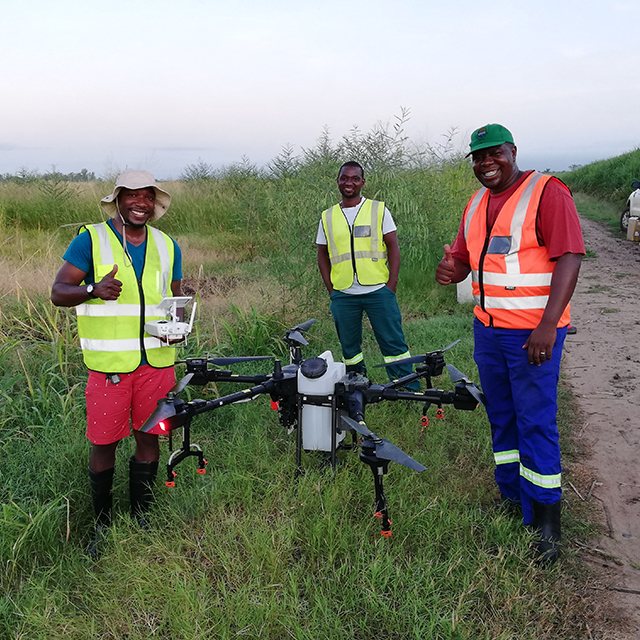
  • drone technology for crop analysis and crop protection;
  • irrigation systems including water management solutions;
  • contracting services.

Located in a region where resources are limited and input costs high, FES has expanded its offering to include a comprehensive range of climate-resilient precision agricultural solutions. FES is the sole distributor of several well-known and trusted brands, including Massey Ferguson, Komatsu, AJ Power and Toyota Forklift.

The company was also the initiator of Malawi’s first independent soil- and leaf-testing facility, AgriLab,  which allows farmers to test, manage and control their soil, leaf and water quality. This initiative contributes to improved yields and crop quality, increased revenue and reduced input costs.

This transaction is a vote of confidence in the entire FES team. Over the years we have evolved from purely an equipment supplier to an integrated agricultural solutions provider that continuously looks at ways to expand our offering to assist our clients. With the support of our new partners, FES looks forward to the new growth chapter that awaits us.”

Mike Aldworth, Group Managing Director of FES

Expanding into Zambia

As part of the company’s expansion strategy, FES is acquiring the business assets of agricultural equipment supplier BHBW Zambia. On the back of this, AGCO has agreed to award FES the Massey Ferguson and Challenger franchises for Zambia. FES intends to replicate its successful model of equipment dealership with precision contract farming and other agricultural solutions in Zambia.

FES is a world-class operation in a developing country. This investment is fully in line with Norfund’s mandate to support economic growth and development impact in these countries. We look forward to being an active, strategic minority investor in FES and supporting its regional growth ambitions.”

Olav AkRawi, Senior Associate, Norfund

Watch the video:

Get an insight into the impact of Norfund’s investment in FES

Joining Forces to Respond to COVID-19

The Development Finance Institutions (DFIs) of 16 OECD countries, grouped under the DFI Alliance, issued a joint statement to announce they will work together to respond to the COVID-19 global pandemic in developing countries. The group will work collaboratively to bring liquidity to the market, support companies impacted by the virus, and promote new investment in global health, safety, and economic sustainability.

Read the full statement below:

“The Development Finance Institutions (DFIs) of 16 OECD countries, grouped under the DFI Alliance, are committed to working collaboratively to meet the unprecedented global demands resulting from the outbreak of COVID-19. This unparalleled health crisis will seriously impact developing countries in ways that will impede their economic and social progress.

The ability of DFIs to mobilize significant financial resources and bring technical expertise to private sector enterprises in emerging and frontier markets will be more important than ever. The DFI Alliance members, through enhanced cooperation and the leveraging of pooled resources, will focus on reducing the impact of COVID-19 on essential business activities in these countries.

Together, DFIs are working around the world to help resolve current liquidity issues in financial sectors, support the viability of existing companies impacted by the virus, and promote new investment in goods and services necessary to global health, safety, and economic sustainability. The DFI Alliance is developing mechanisms designed to sustain companies, return them to full production, and restore employment opportunities essential to the societies in which they operate.

In addition, the DFI Alliance is identifying opportunities to finance the local private sector response to the health crisis with the goal of speeding recovery. These DFIs commit to working together to identify where needs in the private sector are greatest and to find solutions that will reduce the impact of COVID-19 around the world.”

About the DFI Alliance

U.S. International Development Finance Corporation (DFC), FinDev Canada, and the Association of European Development Finance Institutions (EDFI*), currently counting 15 “bilateral” member institutions within the field of development finance for the private sector in emerging and frontier markets, formed the “DFI Alliance” in 2019 as a framework for their active cooperative engagement. These DFIs all hold high standards for corporate governance, sustainability and impact management, and seek to act as role models for other investors.

About EDFI, the Association of European Development Finance Institutions

EDFI promotes the work of 15 bilateral European development finance institutions that invest in the private sector in emerging and frontier markets to create jobs, boost growth, and fight poverty and climate change. Since EDFI was set up in 1992, its members have invested in app. 15,000 projects, and they now manage a combined investment portfolio of US$50 billion across financial services, clean energy, industry and many other sectors in more than 100 countries. A significant share of this portfolio is climate finance. An important part of EDFI’s work is to promote financial cooperation between its members and with the EU institutions, and for this purpose EDFI has established the EDFI Management Company and other joint financing facilities.  

For more information, visit www.edfi.eu

* EDFI member institutions: BIO (Belgium), BMI/SBI (Belgium), CDC (United Kingdom), Cofides (Spain), KfW-DEG (Germany), Finnfund (Finland), FMO (The Netherlands), IFU (Denmark), Norfund (Norway), Austrian Development Bank OeEB (Austria), PROPARCO (France), Sifem (Switzerland), Simest and CDP International Development Finance (Italy), Sofid (Portugal), and Swedfund (Sweden).

About DFC

U.S. International Development Finance Corporation (DFC) is America’s development bank. DFC partners with the private sector to finance solutions to the most critical challenges facing the developing world today. We invest across sectors including energy, healthcare, critical infrastructure, and technology. DFC also provides financing for small businesses and women entrepreneurs in order to create jobs in emerging markets. DFC investments adhere to high standards and respect the environment, human rights, and worker rights.

About FinDev Canada

The Development Finance Institute Canada Inc., operating under the FinDev Canada brand, is a Canadian institution dedicated to providing financial services to the private sector in developing countries with the aim of combating poverty through economic growth by focusing on three main themes: economic development through job creation, women economic empowerment, and climate change mitigation. The Development Finance Institute Canada Inc. is a wholly owned subsidiary of Export Development Canada (EDC). Find out more about FinDev Canada here.

Relevant articles

Breakthrough Renewable Energy Project in Myanmar

Yoma Micro Power has set up its 250th solar-hybrid power plant in rural Myanmar, expected to deliver power 25,000 people across the country.

An innovative business model

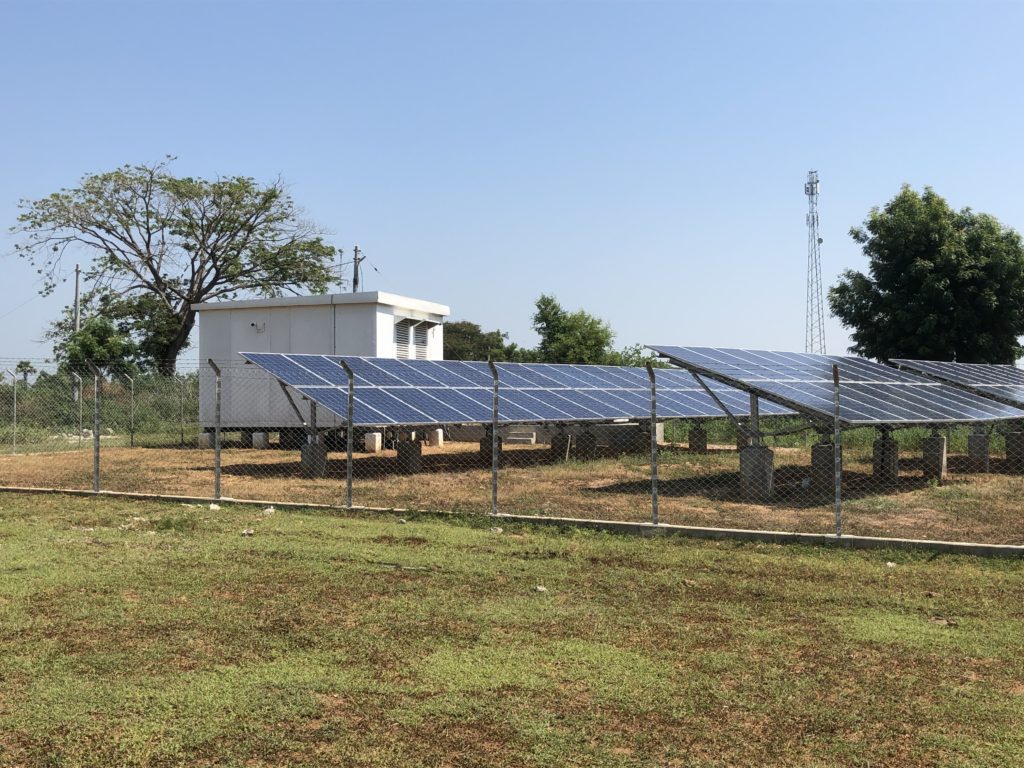
Under an innovative business model, Yoma Micro Power uses solar-hybrid plants to generate and distribute affordable, reliable and clean energy to telecom towers, as well as to deliver much needed energy to people not connected to the grid.

With a population of close to 54 million, Myanmar has become one of Asia’s most rapidly growing economies, showing a 6.4% GDP growth rate in 2016–17.

However, lack of access to electricity is a major barrier for companies to be established and grow. Off-grid solutions play a critical role as less than 40 percent of Myanmar’s people have access to the national grid.

Building 250 solar-hybrid power plants in a year is a rema”innrkable achievement and one which puts Yoma Micro Power at the forefront globally in terms of delivering and distributing electricity in off-grid areas

Alakesh Chetia, CEO, Yoma Micro Power

With Yoma Micro Power’s pioneering business model in Myanmar, mobile network operators and tower companies are the anchor clients, buying the electricity generated by the hybrid systems at a cost lower than diesel. The connection is then extended to nearby communities, including households, schools, shops and businesses, through mini-grid distribution networks.

Medium term plans for Yoma Micro Power are to build thousands of hybrid power plants and provide electricity to hundreds of villages, in addition to dedicated renewable energy installation for large commercial consumers.

Rural households can pay for the electricity service using cash or Wave Money, Myanmar’s leading mobile financial technology provider, bringing electrical and financial inclusion together in rural Myanmar.

Photo: Julian Ray

Reducing CO2 emissions

Spread across an area of 175,000 square kilometres, the solar-hybrid plants are powering 250 off-grid telecom towers, which had previously relied on diesel power. It’s estimated the 250 hybrid-power plants will offset more than 5,000 tons of greenhouse gas emissions annually.

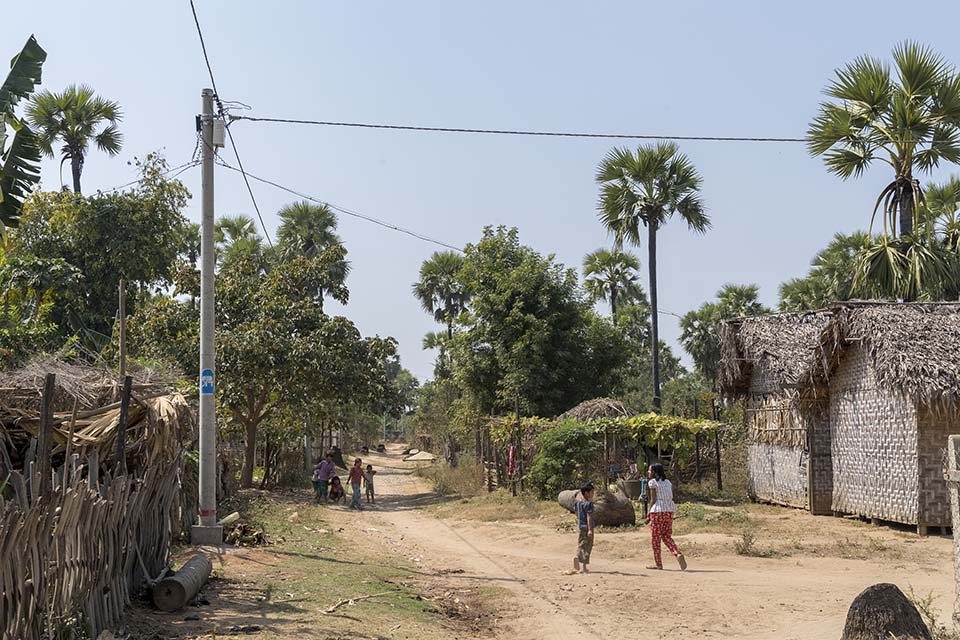
The 25,000 people, living in about 25 villages, expected to benefit from the solar-hybrid systems near the telecom towers previously had no choice but to rely on diesel, liquid fuels including kerosene, and candles for their lighting needs

Norfund as investor

Norfund has been an equity investor in Yoma Micro Power since the establishment in 2017. In March last year, after a successful pilot project that built 10 power plants in 2017-2018, the rollout process building 250 power plants started. The success of this rollout demonstrates the scalability of Yoma Micro Power’s business model.

With the solid team and partners in Yoma Micro Power, we are optimistic about further expansion of its activities, to the benefit of businesses and households in Myanmar.

Pål Helgesen, Investment Director of Norfund

This business model will contribute bringing much needed Foreign Direct Investment into Myanmar and augment its electricity generation and distribution infrastructure.

Relevant articles

The Facility for Energy Inclusion

FEI is a financing platform spearheaded by the African Development Bank, Norfund and partners to catalyze financial support for innovative energy access solutions.

The facility (FEI) is a new Debt Fund for small-scale renewable energy in Africa. The aim is to contribute to the electrification of Africa.

We look forward to seeing FEI catalyze financing for new energy sector business models and accelerate our efforts to electrify Africa!

Wale Shonibare, Acting Vice-President of the Power, Energy, Climate & Green Growth Complex at the African Development Bank

The Facility is designed to support small-scale Independent Power Producers (IPPs) delivering power to the grid, mini-grids and captive power projects. Priority will be given to projects in Sub-Saharan countries with lower electricity access rates.

Providing various debt products

The Facility provides various debt products including corporate and project loans, construction/bridge loans and mezzanine finance, in both hard and local currencies. Eligible investments are projects using renewable energy technology with capital expenditures of less than US$ 30 million and a capacity below 25MW.

FEI is managed by Lion’s Head Global Partners Asset Management, a fund manager focused on bringing innovative financial solutions to emerging markets and selected through an international competitive process.

Norfund’s commitment

Norfund has committed USD 23 million in FEI, of which USD 20 million as ordinary equity and USD 3 million as a junior equity tranche.

Norfund is pleased to participate in this new facility which makes debt financing available to smaller scale renewable power projects in Africa. We anticipate that the facility will be successful in attracting private capital to this segment of the market

Mark Davis, Executive Vice President Clean Energy, Norfund

Other relevant stories:

Investing in FinTech companies for financial inclusion

The Accion Quona Inclusion Fund will invest in financial technology companies to increase access to financial services for businesses and consumers in developing countries.

Quona Capital is a venture firm focused on financial inclusion in emerging markets. Early March 2020, Quona announced the final close of a new fund, The Accion Quona Inclusion Fund.

The aim is to support the development of new digital technologies that can enable better, faster, and cheaper ways to meet the needs for financial services in Latin America, Africa, India and Southeast Asia.

Access to high quality, affordable financial services is essential for social and economic development, gender equality, resilience, and livelihoods.

50%

of world population lack access to financial services

21%

of firms in Sub-Saharan Africa have a bank account

Quona leverages a strategic relationship with Accion, a nonprofit financial inclusion pioneer, which is sponsor, general partner and anchor investor of the Accion Quona Inclusion Fund.

Our portfolio of promising business models promoting financial inclusion in emerging markets demonstrates the connection between profit and purpose. Fintech for inclusion brings marginalized consumers and small businesses to the mainstream and can inspire even more entrepreneurial problem-solving in traditionally underserved communities

Monica Brand Engel, Quona Capital co-founder and partner

Norfund’s investment in the Fund

Fintech has a significant impact on the financial industry, and potential ability to increase financial inclusion and promote more suitable and affordable products for low income groups. Investing in fintech funds and companies is an integrated part of Norfund’s strategy to participate in the growth and expansion of this sector.

Norfund’s investment in the Accion Quona Inclusion Fund will contribute to scaling up an expanding reach of an already established fund manager which is strongly aligned with Norfund’s objectives and strategy.

Norfund and the Coronavirus

Norfund keeps up the daily business and support affected portfolio companies, while following instructions from the Norwegian government to help prevent the spread of the Coronavirus.

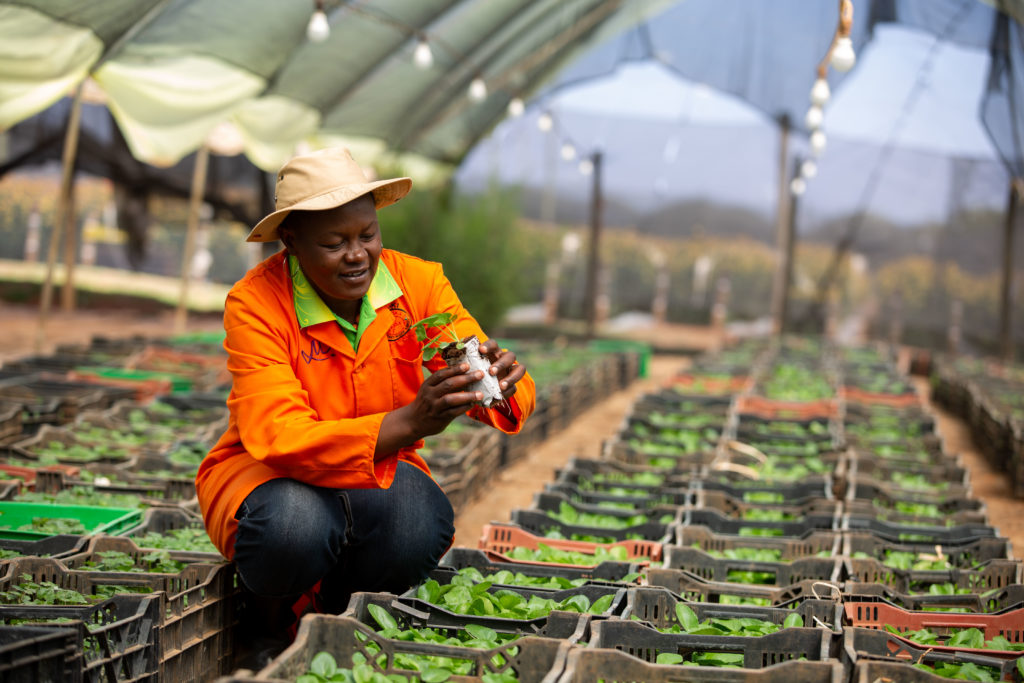
The East African flower-producer and -exporter, Marginpar, lost almost all income when the flower stock marked in Amsterdam closed down due to the corona crisis.

The coronavirus is seriously affecting the financial markets, and volatility is to be expected for quite some time. A number of Norfund’s investee companies will most likely be affected. We are staying in touch with them, monitoring the developments and helping them prepare pro-active measures when needed.

We keep up the daily business although all Norfund staff work from home and international travels are cancelled. Each of the Norfund offices, our head quarter in Norway and our five regional offices, are manned with a minimum staffing to make sure that vital functions are delivered.

Increased Access to Finance for Female Entrepreneurs

¼ of the world’s women lack access to financial services. This is one of the major barriers facing women entrepreneurs in marginalised communities across the world.

In many African countries, financial systems are designed by and for men. Increased focus on female entrepreneurs will expand the market for financial services while improving the lives of women and their communities.

If we don’t take time to understand the female entrepreneurs, we will lose out of a lot of untapped power

Ms Silwamba, Head of Retail Cavmont Bank Zambia

According to research from the Bank of New York Mellon, giving women better access to finance could unlock $330 billion in annual global revenue.

How Norfund contribute to increased financial inclusion:

Scatec Solar Upington

A new solar power complex in South Africa is completed.

DCIM100MEDIADJI_0054.JPG

Background

South Africa has significant potential to increase the share of renewable energy in its energy mix. Today, the country generates 93 percent of its electricity from coal. At the same time, increasing economic growth and a lack of investment in power plants are causing shortages in the electricity supply.

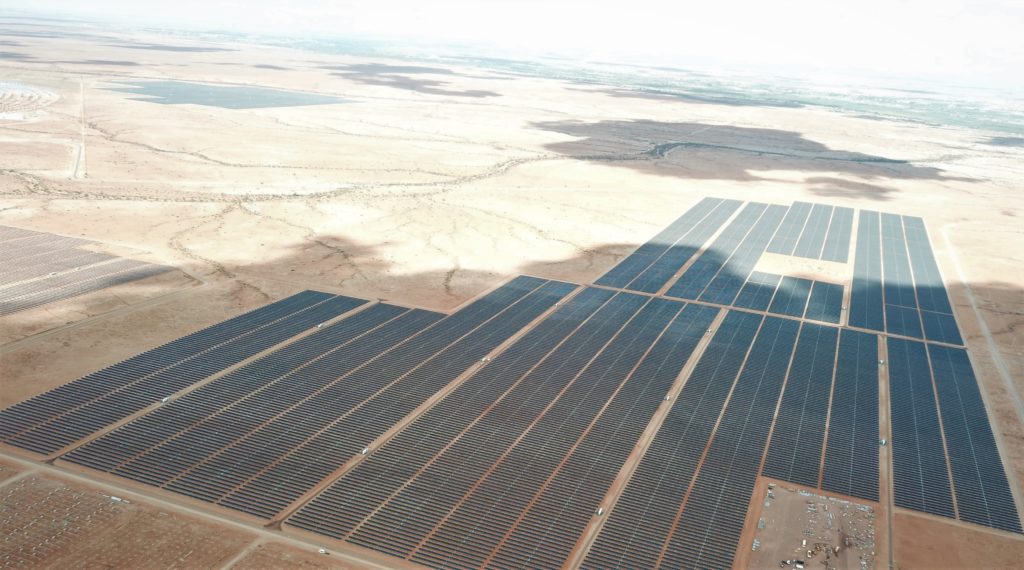
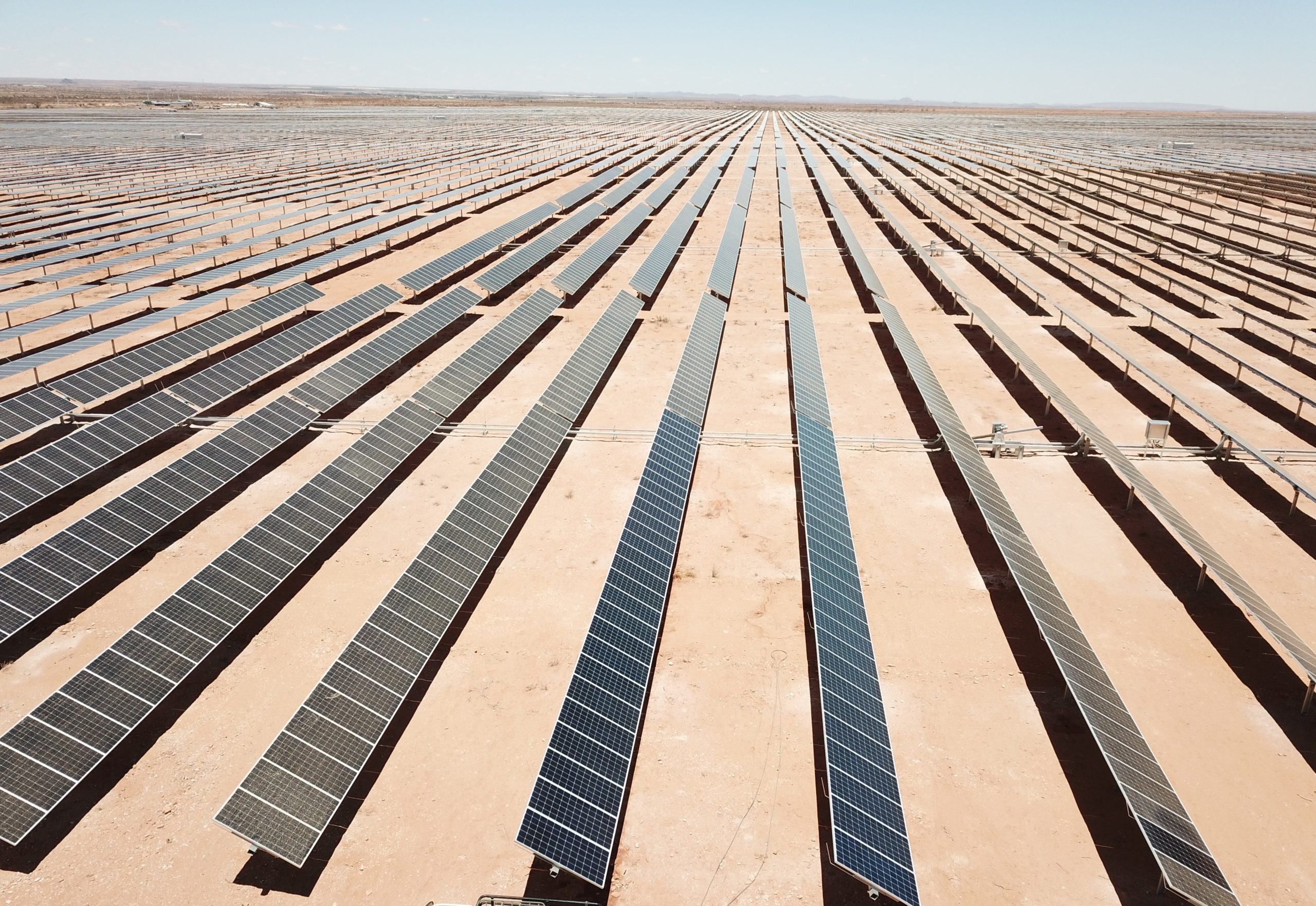
Scatec Solar Upington is a 258 MW solar power complex was completed 6th of April 2020 in South Africa. The three facilities are situated on adjacent plots, 25 km outside of Upington in the Northern Cape, South Africa.

Providing energy for 120.000 households

The project is brought online earlier than planned. When completed, the complex will provide clean energy for around 120,000 households and lead to the abatement of more than 600,000 tonnes of CO² emissions annually.

We are proud to have achieved this major milestone. Power supply is considered critical infrastructure, and we are pleased to be supporting South African power supply with renewable energy.

Raymond Carlsen, CEO of Scatec Solar

Co-Investors

Scatec Solar owns 42%, Norfund holds 18%, the surrounding Community of Upington 5% and H1 Holdings, a black-owned and managed company based in South Africa, holds the remaining 35% of the equity. 

New sources of revenue for avocado farmers in Tanzania

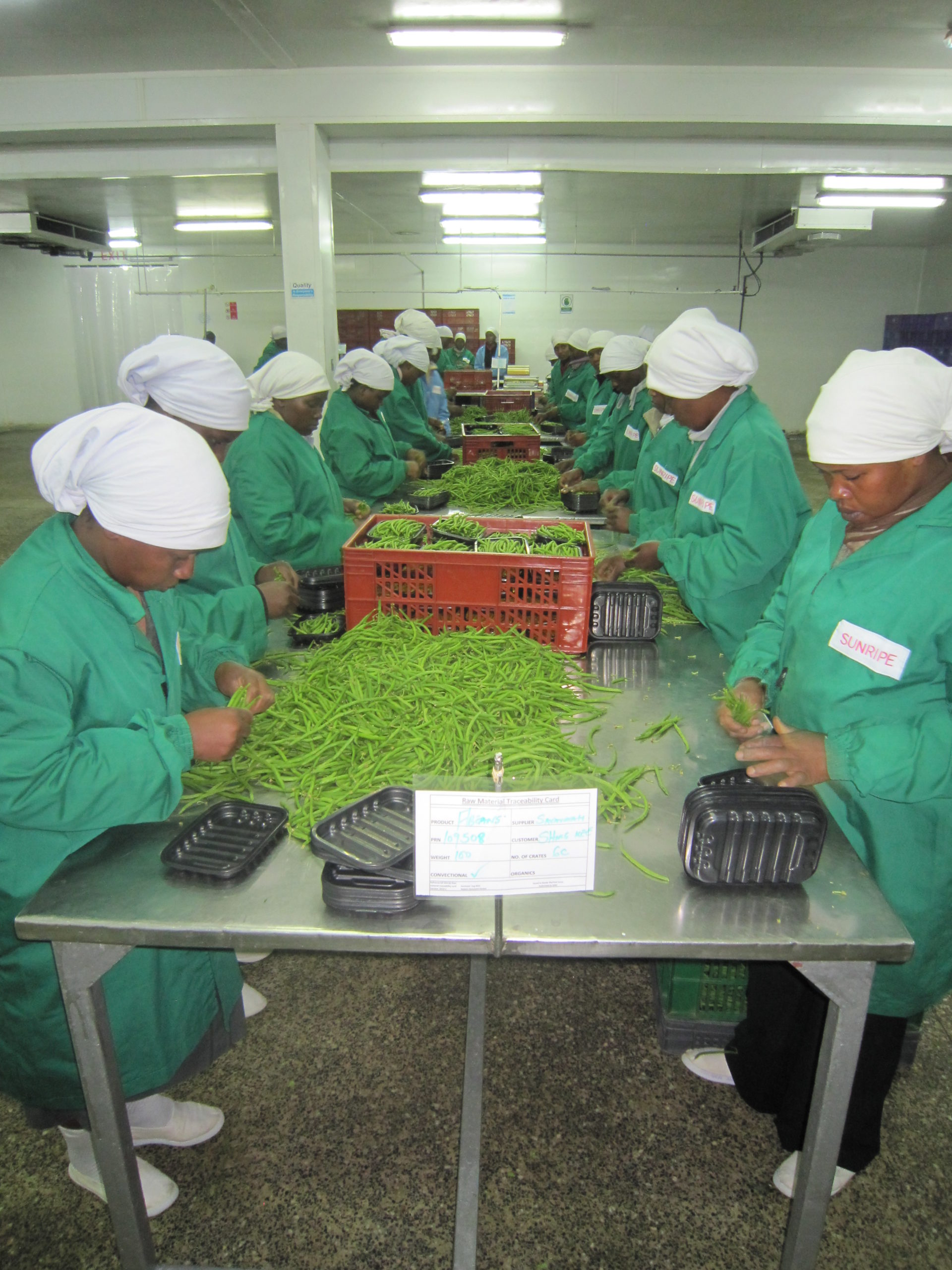
Africado is an agricultural investment that has succeeded in commercializing a traditionally low-value crop. New techniques and agricultural training are creating jobs and new sources of revenue for small-scale avocado farmers in Tanzania. Norfund’s investment enabled them to expand production and reach export markets.

Background

Established in 2007 around the Kilimanjaro area in Tanzania, Africado has developed and grown as a business from start up to becoming the largest fruit exporter in Tanzania, producing and exporting Hass avocado to the EU. The company works with over 2000 small-scale outgrowers. In 2009 Norfund committed 26 MNOK and provided 40% of the equity required for the project.

Poverty Reduction Strategy

The investment in Africado is consistent with the Government of Tanzania’s poverty reduction strategy.

Reducing vulnerability

The farm is generating important export revenues to Tanzania. Avocados were introduced as a new agricultural product that provides sales revenues in an area that previously was dominated by coffee-growing. In view of the fluctuations in the coffee prices, a broader-based industrial structure reduces the vulnerability of the farmers.

Development effects