Investment in cement manufacturing to create jobs and reduce carbon emissions
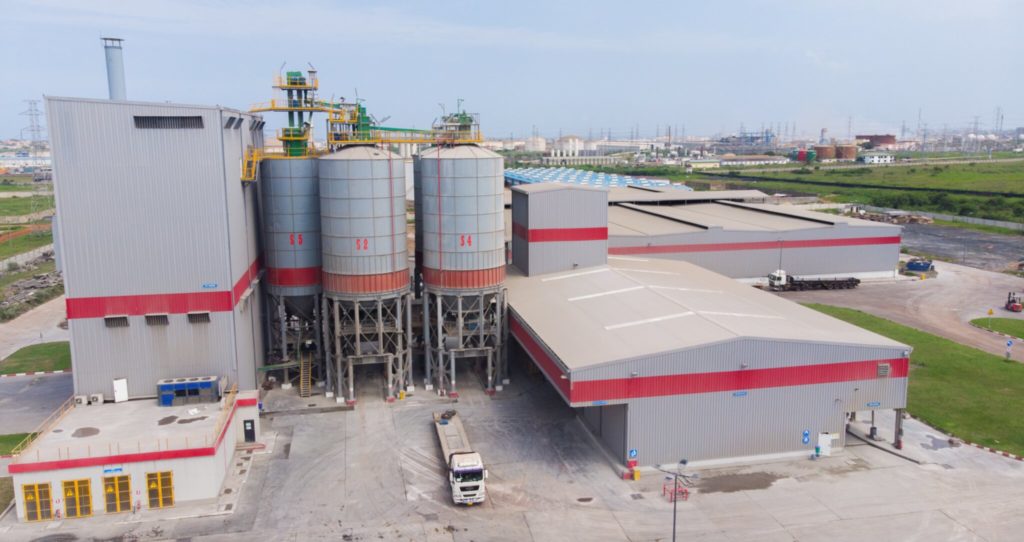
An investment of 7.5 million USD in a cement producer in Ghana will contribute to creating jobs while reducing emissions.
Photo: CBI
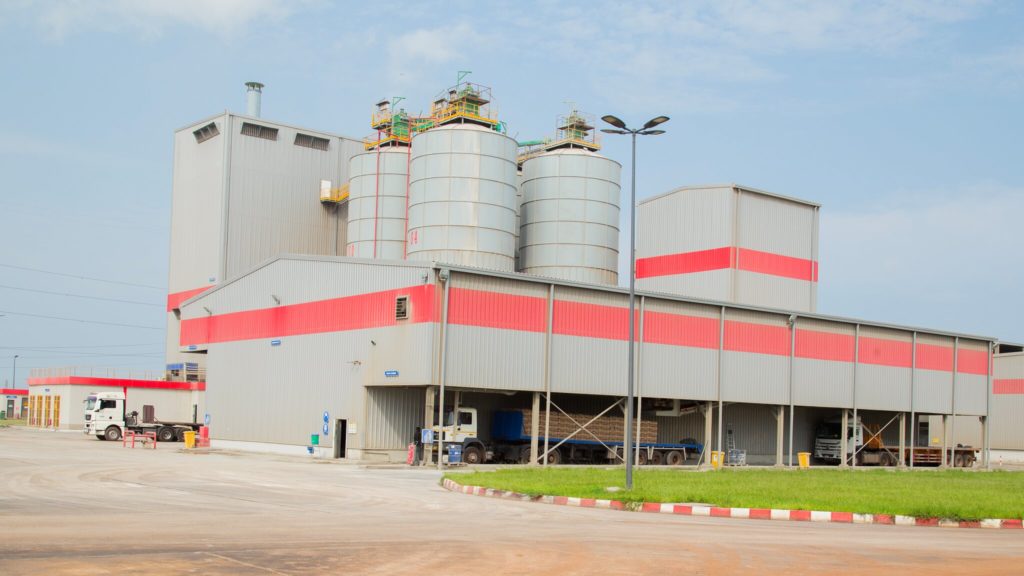
Continental Blue Investments Ghana Limited (CBI) operates a facility in Tema in Ghana that produces 550,000 tons of cement per year for industrial and residential construction and infrastructure.
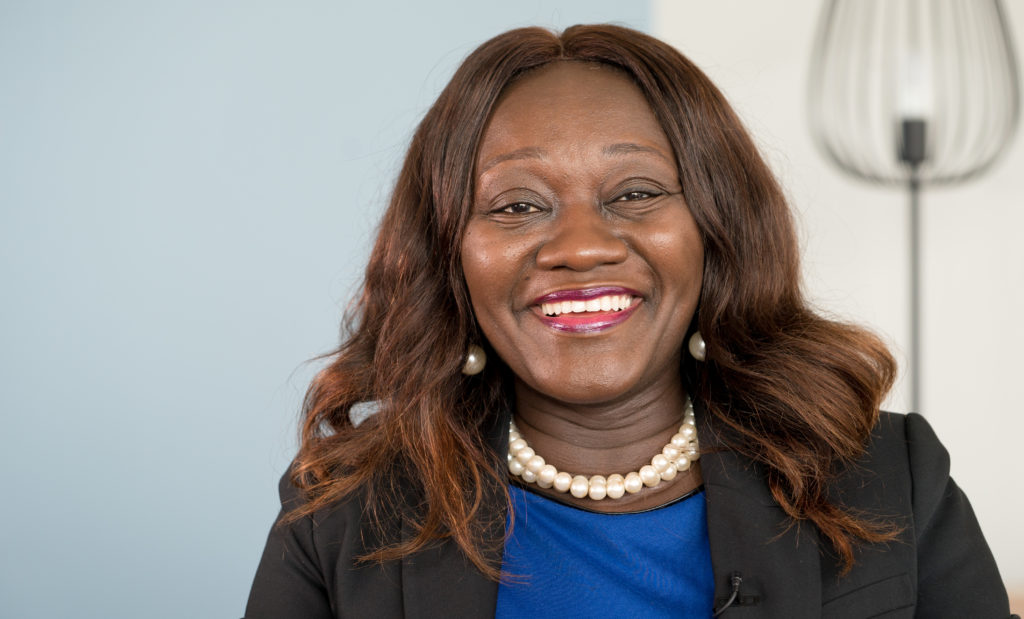
“Cement is an essential input for a growing economy, but the production is also a major source of climate gas emissions. By investing in state-of-the-art technology that cuts emissions, while increasing local sourcing and production, we aim to contribute to development, the company’s growth and to climate mitigation”, says Naana Winful Fynn, Regional Director for West Africa for Norfund.
Cement accounts for about 7% of the world’s CO2 emissions. Most of the emissions come from the production of clinker, the most important input factor in cement. Through new technology, however, a significant part of the clinker can be replaced with calcined clay.
By building a 405,000 tons per annum clay calcination unit, CBI will significantly reduce CO2 emissions from the production and increase local sourcing. The project will be the world’s largest clay calcination production unit. By replacing 30-40% of the clinker in the final product, it is expected to cut up to 20% of the overall CO2 emissions from the production of the cement compared to current practices, and 30-40% compared to standard production of Ordinary Portland Cement (including the production of imported clinker), which will mean estimated avoided emissions of 300 000 tCO2e/year.
“Ghana is the perfect location for using clay as an environmentally friendly alternative to clinker, as West Africa is traditionally a clinker- and cement importing region due to the lack of suitable limestone reserves. Calcined clay cement is one of the most sustainable alternatives to traditional clinker-based cement,” says Frédéric Albrecht, CEO at CBI Ghana Ltd.
CBI will be the first company in Ghana to introduce this technology, and the company plans to increase its footprint in underserved markets in Ghana by more than doubling its total cement production capacity from 555,000 tons to 1.4 metric tons per year.
CBI is already one of Ghana’s top five producers of cement and directly employs over 120 people. The company has demonstrated strong growth since inception in 2018 and notable resilience during the Covid-19 crisis.
Norfund is investing alongside the Danish Investment Fund for Developing Countries (IFU) and the engineering firm FLSmidth as equity investors, with Société-Générale providing senior debt that is guaranteed by the Danish Export Agency. FLSmidth will also serve as the EPC provider of the calcined clay plant.
“We are excited to partner with and support CBI’s leadership team, its Board and existing investors, and look forward to actively working with these stakeholders and our co-investor partners IFU and FLSmidth to support this proactive company in their market-leading effort to reduce carbon emissions in an essential sector for development. The added benefits of local value addition, job creation and import substitution for Ghana are of utmost importance to us as well.”
Naana Winful Fynn, Regional Director for West Africa for Norfund
New investment in Banco Promerica for SME and green line portfolio
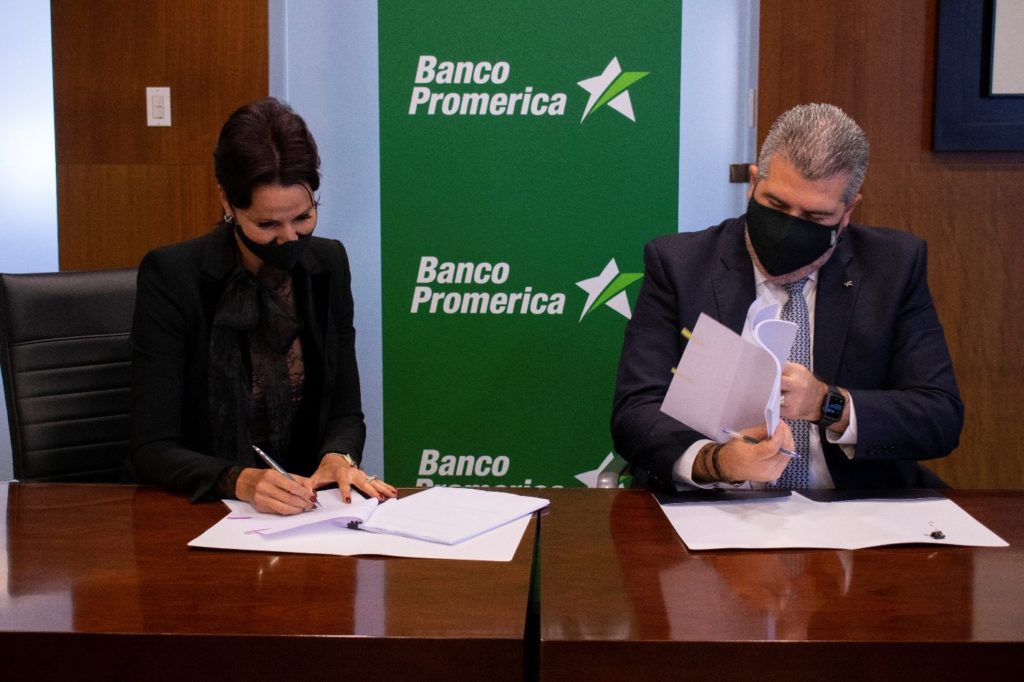
Norfund has committed 15 million USD in a senior unsecured loan to Banco Promerica Guatemala. The loan will be used by the bank to continue building its SME and green line portfolio and 3 million USD of the loan will be used specifically for contributing to financing renewable energy projects, principally solar projects.
October 2021, At left Heidi Achong, Investment Manager Norfund and at right CEO of Banco Promerica El Salvador, Lazaro Figueroa.
This is Norfund’s third investment into the Promerica Group, one of the largest financial groups in Central America with its origins in Nicaragua and with a footprint in 9 different countries across Latin America and the Caribbean.
Banco Promerica Guatemala started operating in 2007 with the acquisition of Bancasol, an institution founded in 1995. It has since grown into a mid-sized universal bank, with total assets of over 2.5 billion USD.
The Promerica Group was the first banking group in the Central American region to adopt the United Nations Environment Programme’s Principles for Responsible Banking which offer the banks the framework to align their strategy with the Sustainable Development Goals and the Paris Climate Agreement.
Promerica continues to build its green strategy both on the asset and liability side supported by green funding from Norfund and other DFIs and through technical assistance programs.
Heidi Achong, Investment Manager at Norfund, is Project Manager for the Promerica Group of Banks. “Globally, banks are important intermediaries of green debt instruments that are setting climate related targets alongside governments, funds and institutional investors.”
Through our investments, Norfund supports financial institutions to enable them to play this vital role also in low to middle income countries.
Heidi Achong, Investment Manager at Norfund
In October 2021 Norfund also closed a similar line of USD 10MM for Banco Promerica El Salvador. To date the Promerica Group has been able to build a total portfolio of green loans of USD 408MM using funding from a mix of development finance institutions.
Banco Promerica Costa Rica, a Norfund investee since 2018, was the first regional bank to approach Norfund with a well-developed proactive plan of in total 60 million USD to directly support SMEs during the pandemic.
Globeleq’s Central Termica de Temane breaks ground
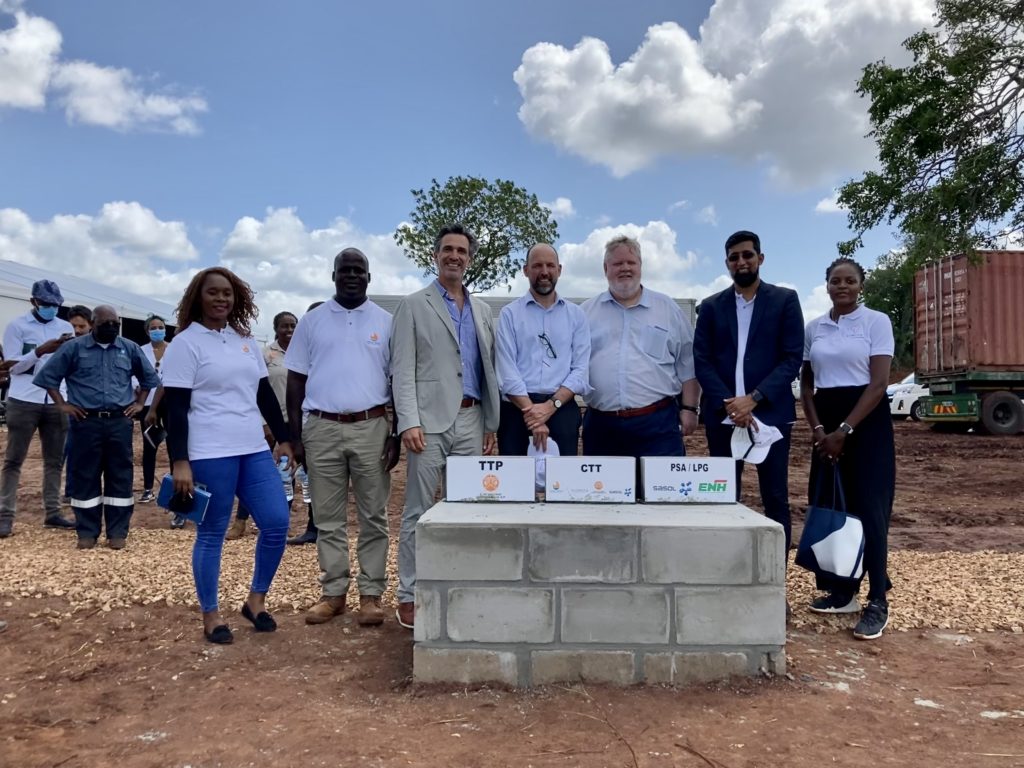
The groundbreaking ceremony for Globeleq’s Central Termica de Temane (CTT) power project took place today in Inhambane Province, Mozambique. The project will contribute about 14% of the electricity supply capacity available to meet demand in Mozambique.
Located at Temane in Inhambane Province, the project consists of a 450 MW gas-fired power plant which will supply power to Electricidade de Moçambique under a 25-year tolling agreement. CTT is expected to provide electricity to meet the demand of 1.5 million households.
The project is aligned with the Paris Agreement and will support Mozambique’s longer-term sustainable energy transition to net-zero by 2050. CTT’s flexible technical and commercial configuration allows for a variable supply of baseload and dispatchable power and will deliver complementary power so that Mozambique can maximise renewable energy generation projects on its grid and pursue lower carbon energy development.
The Minister of Mineral Resources and Energy, Hon. Ernesto Max Elias Tonela addressed the project’s Paris alignment in an interview: “As a country that is at risk from the worst effects of climate change, our government fully supports the Paris Agreement. We are working on our long-term decarbonization plans in line with that Agreement and CTT is fully in line with our transition which also includes developing hydro, solar and wind projects.”
CTT also secures the first phase of the interconnection of the southern grid to the central and northern grids of Mozambique. This will establish a corridor of electrification and ensure a more stable and secure grid and enable the connection of future renewable generation projects.
Earlier this month it was announced that Globeleq had been awarded the prestigious “2021 Sponsor of the Year – Europe and Africa” and the “Power Deal of the Year – Africa” for closing the Central Tèrmica de Temane.
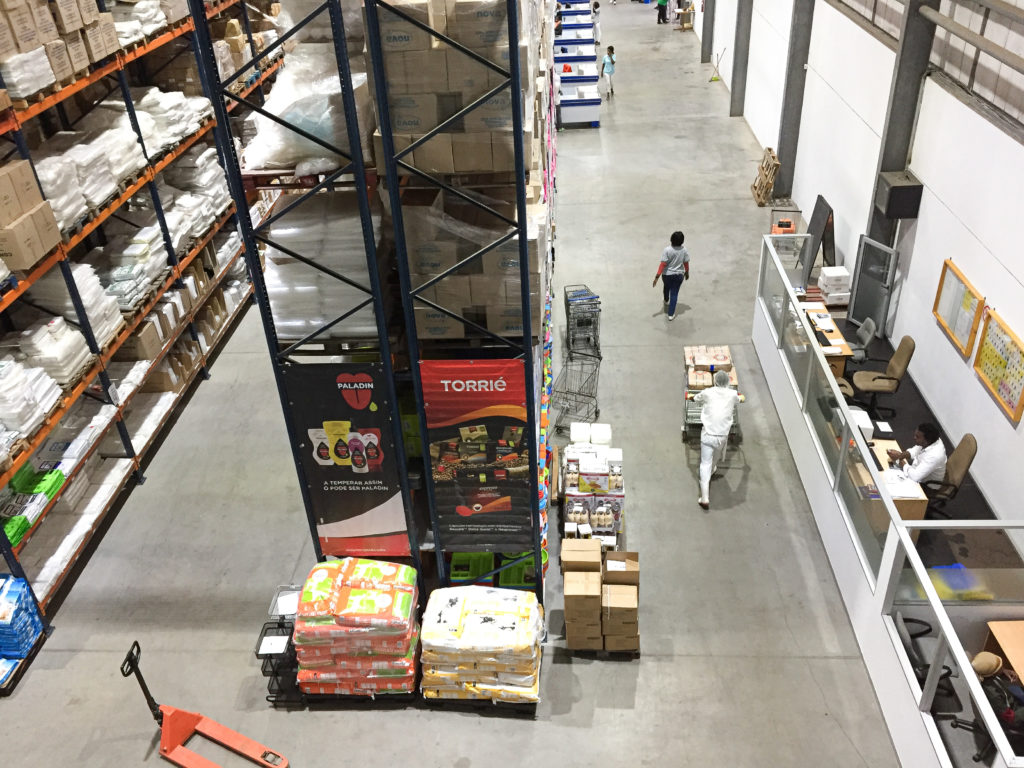
A new joint investment between Norfund and Zebu Investment Partners aims to strengthen the food value chain in Mozambique, catalysing the creation of more jobs and increasing food security in the country.
Photo: Terramar
Norfund has signed a 6 million USD equity investment in Terramar, an importer, distributor, and wholesaler of frozen and chilled foods, drinks and other fast moving consumer products to the formal and informal markets. Terramar is headquartered in Maputo, the capital of Mozambique. The investment is in partnership with Zebu Investment Partners, a private equity fund operating out of Johannesburg and Accra, who signed a 12 million USD equity investment.
The joint investment aims to secure an important player in Mozambique’s food supply chain. By increasing sourcing from local and regional markets, one of the goals is to contribute to the development of local supply chains In Mozambique and reduce reliance on imports. Eventual expansion of the company will also reach areas of the country that are generally underserved.
A catalyst for development of value chains that increase food security
Despite progress in the country, a large proportion of Mozambique’s population is malnourished, and the country is dependent on food imports. However, the country has vast potential to increase food production through increased productivity in the agricultural sector.
Terramar is one of Mozambique’s largest wholesalers of food, as well as a distributor of household general merchandise, such as paperware and cleaning materials. A large part of their products are currently sourced internationally and regionally, including from Europe and South Africa, but Norfund sees great opportunities for growing the share of the sourcing from domestic and other regional producers.
Terramar also has one of the largest capacity freezers in Mozambique. These kind of cold chains are crucial for reducing food waste, and thereby contributing to food security.
Norfund aims to invest in companies that give farmers, processors, and manufacturers access to markets for their products. We believe that Terramar can be an important catalyst for the development of the value chains needed, making further investments in the sector viable.
Simbah Mutasa, regional director for Southern Africa in Norfund.
Norfund will be an active owner, in close cooperation with Zebu, and will nominate a member to the board who will contribute to the professionalism of the business and add technical and governance competencies.
A versatile operator with potential for growth
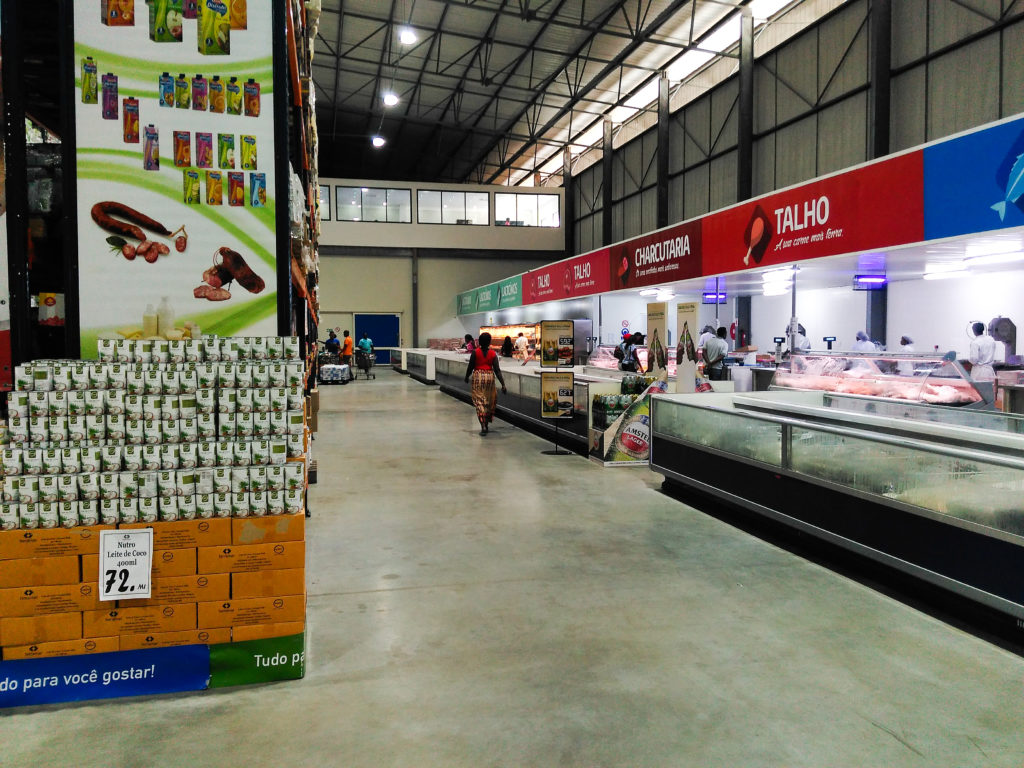
Terramar has well-managed operations with key infrastructure in place. The company has one of the largest cold storage capacity in Mozambique. Terramar’s main customers include supermarkets, wholesalers, hotels, restaurants, catering companies and the informal market. Terramar also has its own in-house brands: Nutro for foods and Newfresh for non-edible groceries.
Photo: Terramar
The food and beverage market in Mozambique was estimated to be 1.4 bn USD in 2020 and is projected to grow up to 2.4 bn USD by 2025. Norfund sees great potential for further growth for the company.
“Terramar supplies customers with quality, affordable products. By contributing to the development of the company we can create more much needed jobs, while increasing Mozambique’s food security,” says Mutasa.
Growth in dairy production increases Malawian farmers’ incomes
One year after Norfund invested in Lilongwe Dairy in Malawi the company is processing more product, working with more farmers, and reaching more customers.
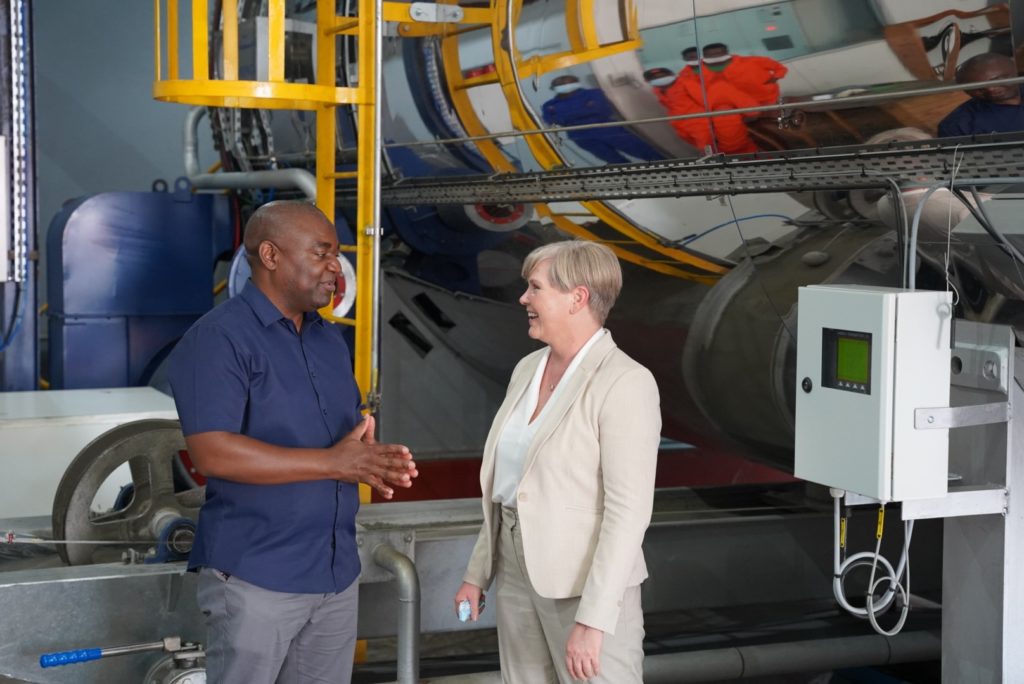
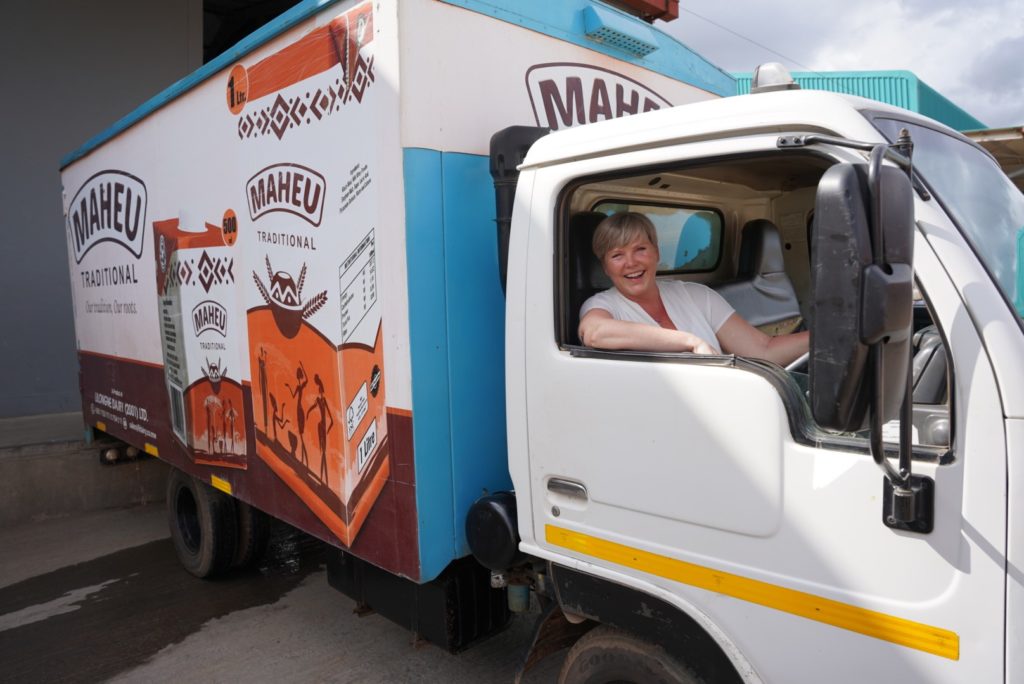
Minister of International Development Anne Beathe Tvinnereim and Edwin Chilundo, General Manager Operations at Lilongwe Dairy i Malawi.
“This is a perfect example of how we can contribute in a scalable and sustainable way. With this we are creating jobs, developing agriculture, increasing the incomes of smallholder farmers, and improving food security”, says Minister of International Development Anne Beathe Tvinnereim.
This week she visited Malawi and Lilongwe Dairy, a family-owned company that has grown to be Malawi’s leading dairy producer. Norfund invested 52 million NOK in the company one year ago to finance an expansion of production.
One year later the dairy has grown markedly:
Milk intake has increased by 18% (from 26.5 million liters in 2020 to 31.4 million in 2021). In 2022 an estimated 16% growth (36.4 million liters) is expected.
The number of smallholder famers delivering milk to the dairy has increased by 11% (from 7980 in 2020 to 8890 in 2021), with an estimated 10% (9800) growth expected in 2022.
The number of direct employees has increased by 16%, from 403 to 468 in 2021, and there could be an estimated 11% increase to 520 in 2022.
With access to more capital the dairy has been able to invest in more storage, an increase in pasteurisation capacity, new packing machines, and a better distribution apparatus.
“As an active investor Norfund works closely with leadership and owners, and contributes to professionalising the company, finding good leaders, and securing high standards: environmental, social, and developmental.”
Nikolai Johns, investment director and Lilongwe contact at Norfund
Just before Christmas Norfund increased its investment in the dairy by 36 million NOK in order to finance further growth of the company based on raw products from local farmers.
Increased incomes for smallholder farmers
“These kind of investments in the food value chain are the key to unlocking the enormous agricultural potential in Africa”, says Tvinnereim.
Norfund is also continuing work with a project aimed at improving capacity and productivity of smallholder farmers that deliver to the dairy. Most of them own one to three cows each; the project involves, in part, financing storage tanks and more milk cows, as well as training in industry best practices.
“By providing farmers the opportunity to sell their milk Lilongwe Dairy is giving thousands of famers more stability and diversified income which can be used to invest further in their farms and improve their families’ living standards”, says Tvinnereim.
Increased food security
A large number of Malawi’s population is malnourished (18.8%), and local production only makes up 65% of all dairy production in Malawi. The rest is covered by imports. There is a large potential in the country to reduce dependence on imports and increase food security.
“This kind of investing is also an important tool to improve food security and access to nutritious food in a country like Malawi,” says Tvinnereim.
Avoiding aid dependency
Norfund always invests with a goal of contributing to development of profitable business, which in turn can attract private investors once Norfund’s capital and active ownership is no longer needed.
“This is a very effective, scalable, and sustainable way to contribute to development, while at the same time avoiding aid dependency”, says Tvinnereim.
“The path out of poverty is through sustainable economic growth. Increased private investment is crucial for that growth, and Norfund is our most valuable tool for this work,” she added.
Norfund and CDC Group join forces to back renewable power development in South Africa
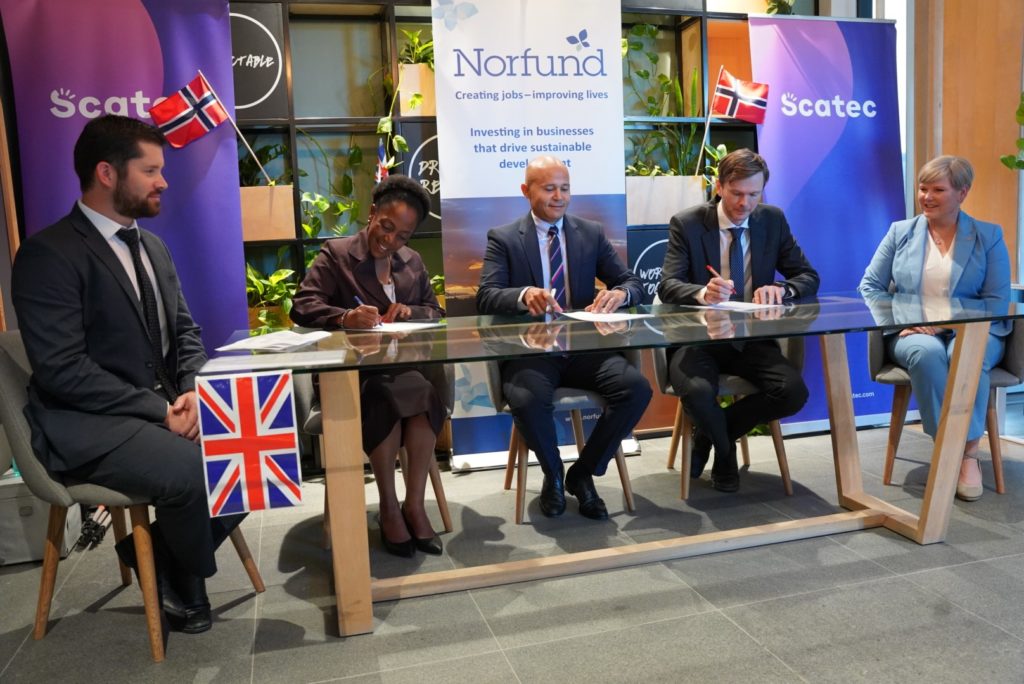
Norfund and CDC Group, the UK’s development finance institution, are today announcing a commitment to invest ZAR 600 million in H1 Capital (Norfund 360 million and CDC 240 million) – a South-African Black-owned and managed renewables investment and development company.
The transaction represents a joint vision by the DFIs to mobilise climate finance to Africa and back clean infrastructure projects across the continent. The investment from Norfund and CDC, which will soon be renamed British International Investment (BII), will help to improve access to clean and affordable energy in South Africa. The increase in clean energy supply will provide consistent power to cities, villages, townships, businesses and farms, thereby increasing productivity and encouraging economic growth.
South Africa has tremendous economic potential. The government has set an ambitious target to generate 20GW of new renewable capacity over the next decade to address power shortages and decarbonise the power generation fleet, where 86 per cent of the country’s energy mix is thermal.
The development finance institutions (DFIs) are investing ZAR 600 million in H1 Capital.
Investment to add c. 2.4 Gigawatt (GW) of gross renewable capacity in South Africa, expanding access to power and contributing to the avoidance of 6,2 million tons of CO2 annually.
The commitment will enhance the economic participation of wider communities, and marks CDC’s first direct investment in a Broad-based Black Economic Empowerment (BBEE) company in South Africa.
The deal will be the first investment under Norway’s new Climate Investment Fund, managed by Norfund
This investment will support the country’s clean energy goals, as it will enable H1 Capital to fund a pipeline of over 2.4 GW of new wind and solar projects, generating approximately 6,400 GWh per year. This will contribute to avoiding annual emissions of 6,2 million tons of CO2[1], and help to accelerate South Africa’s transition to clean energy.
H1 Capital is a development partner of choice, owing to the company’s expertise on several renewable power projects and its deep commitment to energy sustainability. As a Broad-based Black Economic Empowerment (BBEE) company, H1 Capital’s inclusive approach provides clean energy solutions that enhances the participation of the wider communities in the economy, helping to transform the lives and livelihoods of marginalised groups in South Africa.
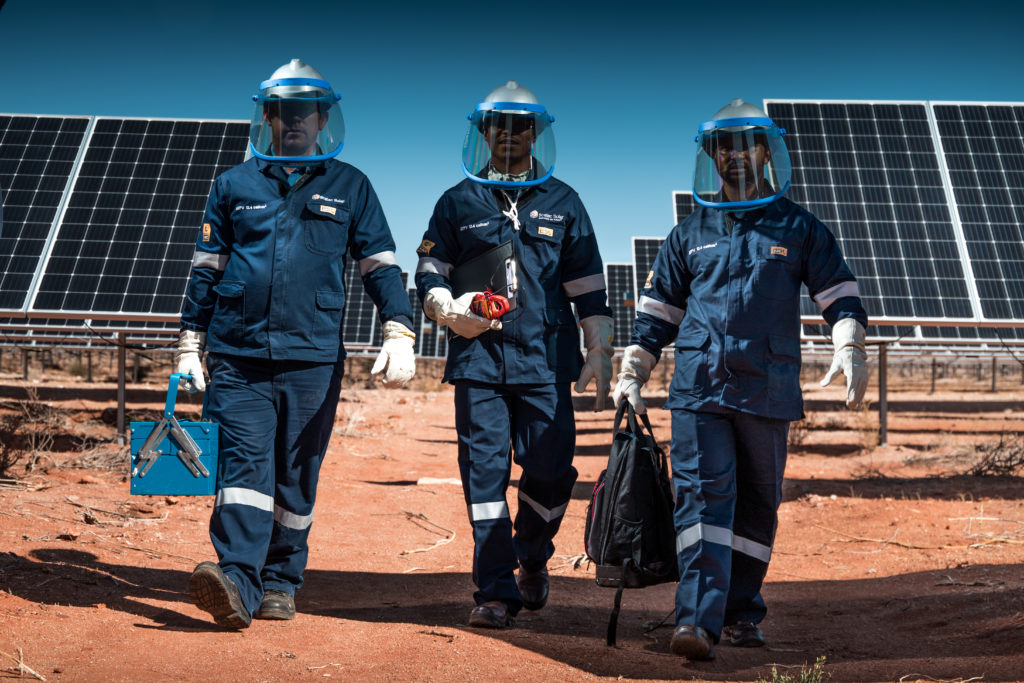
Image: Scatec. Location: Upington Solar Complex.
The investment in H1 Capital demonstrates commitment by the UK and Norway to act on pledges made at COP26 – scaling climate finance to Africa and deepening collaboration on solutions that will meet the continent’s needs and address the climate emergency. At the summit, Norway announced the creation of a new climate investment fund to be managed by Norfund, and this capital to H1 Capital will be the first investment under the new fund.
This commitment from the DFIs helps contribute to the UN’s Sustainable Goals (SDG 7) on affordable and clean energy, (SDG 8) on good jobs and economic growth and climate action (SDG 13). The transaction also qualifies for the 2X challenge, which seeks to support businesses that provide women in emerging economies with access to leadership opportunities, quality employment, and products and services that enhance their economic participation and inclusion. Moreover, the investment aligns with South Africa’s ambitions and steps toward securing a just transition to a low-carbon economy.
Tellef Thorleifsson, CEO of Norfund, commented: “At Norfund we are honoured that the Norwegian government has entrusted us with the responsibility of managing the new climate investment fund. We are delighted to be able to put the money to work quickly and effectively through what will be the first investment under the new mandate, with our existing partners in H1 and CDC, in projects in line with the energy plans of the South African government”
Anne Beathe Tvinnereim, Norwegian Minister of International Development, commented: “I believe that the new Norwegian climate investment fund managed by Norfund will be our most efficient tool to help accelerate the global clean energy transition, making it possible to base necessary development on renewable energy and limit the climate crises devastating impacts on the world’s poor. I am confident that this first investment under the new climate mandate will be the first of many mutually beneficial partnerships that contribute to a just transition in South Africa and in the other markets that Norfund aims to prioritize”.
Nick O’Donohoe, Chief Executive of CDC Group, commented: “We are delighted to once again partner with Norfund on this investment in H1 Capital, which will help increase clean energy access for people, communities, and businesses across South Africa. This investment marks another key step toward fulfilling our pledge to devote greater capital to fund clean infrastructure and to support markets like South Africa on their path toward a just transition. This investment signals our strengthened relationship with South Africa and clearly signals Britain’s commitment to help accelerate economic productivity and inclusive growth for Africa’s green recovery.”
UK Minister for Africa, Vicky Ford, said: “South Africa’s target to generate 20GW of new renewable capacity over the next ten years is indicative of the country’s bold steps toward securing a net-zero future for itself. $16million of UK investment in H1 Capital demonstrates our continued commitment to remaining a strong partner for Africa, to help address the urgent climate challenge, and promote clean and equitable growth that will ensure African economies can build back better.”
“Investments like this reaffirm and follow on from the commitment we have made to South Africa’s low-carbon transition through the $8.5 billion multi-donor Just Energy Transition Partnership.”
Reyburn Hendricks, Chief Executive Officer of H1 Capital, commented:
“H1 is excited to be able to partner with Norfund and CDC to achieve our purpose of improving the quality of lives. South Africa needs access to long-term, patient capital to develop the large-scale energy projects required for reliable, clean power supply and economic development. H1 hopes that the partnership fostered with Norfund and CDC can be replicated with other players and projects in Sub-Saharan Africa”.
[1] Calculated using the “IFI Default grid factors 2021 v3.1” (Combined Margin for South Africa): https://unfccc.int/climate-action/sectoral-engagement/ifis-harmonization-of-standards-for-ghg-accounting/ifi-twg-list-of-methodologies
Norfund Partners with Norsk Solar to meet growing demand for renewable power in Vietnam
Norfund is joining Norsk Solar and Nordic Impact Cooperation (NIC) as investors in the 11 MW solar plant portfolio recently constructed by Norsk Solar in Vietnam.
NIC is a joint venture between Norsk Solar and Finnfund, a development financier and impact investor majority-owned by the Finnish state.
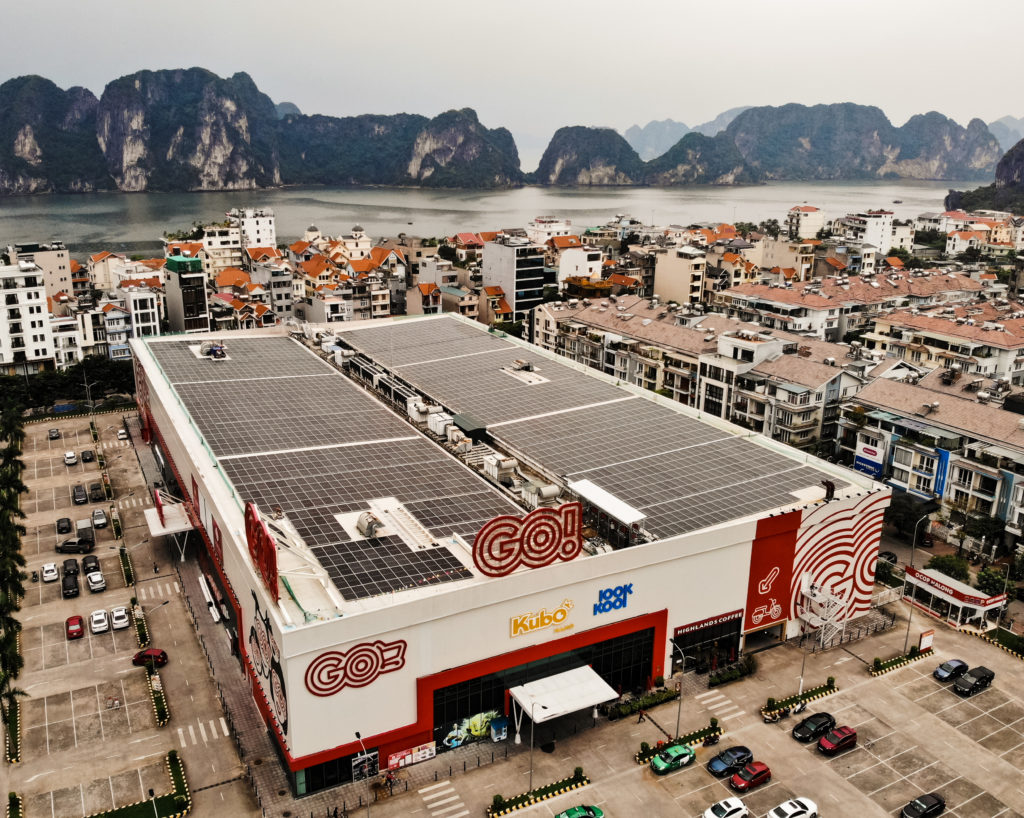
The investment establishes a new partnership between Norfund, Norsk Solar and Finnfund and gives Norfund a 35 percent ownership stake in one of the largest single-client rooftop solar PV systems in Vietnam. The 11 MW project was built on-site at shopping centres owned by Central Retail, one of southeast Asia’s largest retail conglomerates. A long-term Power Purchase Agreement has been signed with Norsk Solar.
“Norsk Solar is proud to include Norfund as an investor in our newly built corporate solar project in Vietnam. The involvement of two state impact investors, both Norfund and Finnfund, is a validation of our business model and strengthens our capability to expand in southeast Asia,” says Øyvind L. Vesterdal, CEO of Norsk Solar.
Norfund has been following closely the positive development of Norsk Solar, and we are delighted to see yet another Norwegian developer of renewable energy succeeding in establishing itself in developing markets. The partnership with an important company such as Central Retail in Vietnam is a confirmation of what they have accomplished. We are happy to partner with Norsk Solar in offering capital and competence that contribute to increased access to affordable, clean energy, enabling job creation and avoiding CO2-emissions.
Inge Stølen, Senior Investment Manager in Norfund
Meeting the increasing corporate demand for clean electricity
Norfund’s current investment and Finnfund’s existing partnership with Norsk Solar via NIC demonstrate that Nordic state impact investors are supporting the energy transition with innovative financing platforms for distributed generation and non-utility investments. Under NIC, EUR 15 million has been earmarked exclusively for Norsk Solar projects within the C&I segment and other related projects across developing markets. Adding Norfund as a new partner in Vietnam will further support Norsk Solar’s expansion and help meet the rapidly growing corporate demand for electricity.
About the project
The project consists of 11 solar power facilities built on top of shopping centres owned by Central Retail in Vietnam.
The first facilities were finished and started producing power in December 2021.
More than 300,000 Mwh of clean power will be produced, avoiding 198,000 tonnes of CO2 emissions.
“Our mission, to give companies the power to choose renewable energy, is in full alignment with Norfund’s goal of reducing poverty and fighting climate change. By joining forces we can do even more to support sustainable growth in developing countries, help create new jobs and reduce emissions while also securing long-term recurring revenues for all investors,” says Vesterdal.
Will offset up to 200,000 tonnes of carbon emissions
Vietnam is one of the countries where investments in renewable power solutions can benefit the climate most, as more than half its electricity supply is from coal. The Norsk Solar power plants that Norfund is investing in will generate over 300,000 MWh of clean electricity and contribute to offsetting more than 198,000 tonnes of CO2 emissions over the systems’ lifetimes.
About Norsk Solar
Norsk Solar delivers the power to build a better world. They provide clean, renewable solar solutions to corporate and industrial (C&I) entities in emerging markets. Their high-quality solar PV solutions produce cost-efficient and reliable electricity, helping companies meet their sustainability targets by cutting carbon emissions.
Norsk Solar has over 100 MW in operation or under development in emerging markets and is a fast-growing independent solar power producer, targeting 2 GW under management in 2025.
The company was established in 2017 in Stavanger, Norway, and today has more than 30 employees representing 15 nationalities. Norsk Solar has a presence in Norway, South Africa, Brazil, and Vietnam. Read more at www.norsksolar.com.
Norfund invests 20 million USD in African agriculture and food production
Norfund has invested 20 m USD of equity in AgDevCo, a specialist investor focusing on developing African agribusiness.
Tropha Farm, an AgDevCo investment in northern Malawi.
AgDevCo has invested in 80 agribusinesses since it was established in 2010, and today has a portfolio worth 150 m USD, spread over nine countries in Africa: Ghana, Ivory Coast, Kenya, Mozambique, Malawi, Rwanda, Tanzania, Uganda, and Zambia.
The organisation aims to build a thriving commercial African agricultural sector, while also promoting resilience, gender equality, and the production of quality and nutritious food. AgDevDo invests across the agricultural value chain and works with a variety of sectors and crops.
The UK’s CDC (soon to be British International Investment), and the U.S. International Development Finance Corporation also committed 50 m of equity and 20 m of senior debt, respectively.
In Sub-Saharan Africa more than 70% of the population harvests their food daily. Investments in local value chains which develop agriculture and market access can have development effects such as increased income, job creation, and better food security.
Active ownership
Norfund joins AgDevCo as an active co-owner, together with the British CDC and American DFC.
“Norfund is very pleased to partner with AgDevCo to deliver on our joint mission: to create jobs and improve lives by investing in businesses that drive sustainable development”, says Ellen Cathrine Rasmussen, EVP, Scalable Enterprises. “More than half of Sub-Saharan Africa’s population work in agriculture, yet Africa does not produce enough food to feed the continent. The investment in AgDevCo will create jobs, increase food production, improve climate change resilience, and promote gender equality.”
Rasmussen has previous experience from Yara working in Africa and will join the organisation’s board.
“The AgDevCo team’s skills, networks and achievements are impressive – and I look forward to working with them”
Ellen Cathrine Rasmussen, EVP, Scalable Enterprises
Building value chains – such as macadamia nuts in Malawi
AgDevCo was established in 2009 with initial endowment funding from the UK government. The organisation has already created more than 15,000 jobs and increased the incomes of 750,000 smallholder farmers.
With over a decade of experience, the organisation is now poised to focus on commercial investments which can establish profitable businesses on an even larger scale.
“In addition to obtaining capital, AgDevCo helps the businesses it invests in by offering professional and technical support related to for example climate and gender”, says Rasumussen.
AgDevCo’s investments usually range between 2 million to 10 million USD. AgDevCo works in a variety of sectors and crops, including high-value export crops like avocados and macadamias, nutritious food industries for domestic markets, and affordable meat protein like poultry and fisheries. Portfolio companies are involved throughout the food sector from primary production, through processing to retail.
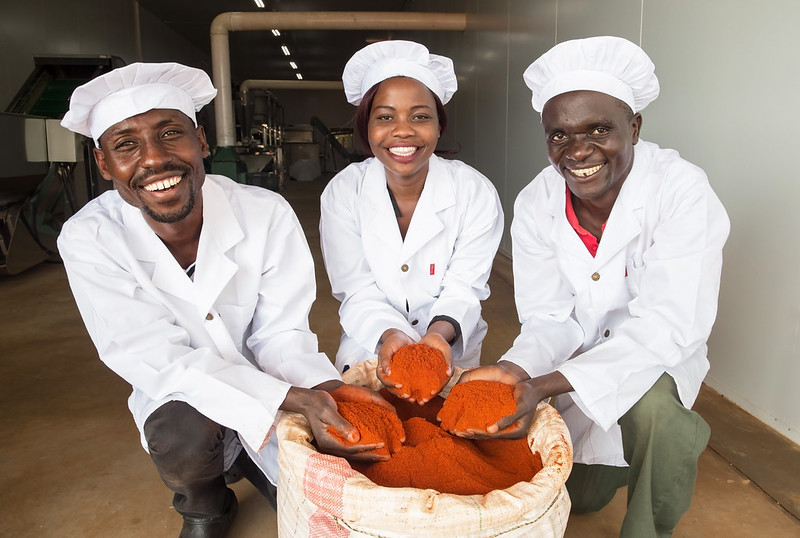
Paprika processing plant, Malawi.
One example is Tropha in Malawi, which produces macadamia nuts, chillies, and paprika. Tropha connects 2500 smallholder farmers to the market. In order to generate income while the macadamia trees are growing, Tropha has ensured year-round irrigation so that the smallholders can grow chillies and peppers for paprika. AgDevCo also worked with Tropha to teach the farmers about integrated pest control.
Milestone for AgDevCo
Securing investment from CDC, Norfund and DFC is a major milestone in AgDevCo’s history”, say Keith Palmer, AgDevCo’s founder and Chairman. “We are excited that our vision is shared by our new funders, who recognise the important contribution that AgDevCo investments can make to productivity, sustainability, and inclusivity in Africa. Their funding marks the beginning of a partnership in which AgDevCo will use its sector specialism, drawing on our new funders’ networks and resources, to increase the number of impactful investments in African agriculture.”
Record Year for Norfund Despite Pandemic
Norfund increased investments by 10% to a record 5.3 billion NOK in 2021.
“We’re proud that even in the middle of the pandemic we have increased our contributions toward job creation and fighting poverty”, says CEO Tellef Thorleifsson.
In the beginning of the pandemic in 2020 Norfund also increased investments by 20% to 4.8 billion NOK. In 2021 investments increased by another 10%, to 5.3 billion.
Invested three times the awarded budget
Norfund was awarded 1.68 billion NOK in last year’s development budget but invested three times as much.
“We can see how effective it is to make a difference though investing this money instead of giving it away. By reinvesting our returns and profits we can use that money again and again, creating even more job opportunities”, says Thorleifsson.
In total Norfund made 32 new investments and 13 follow-on investments in existing companies. Clean energy was the biggest investment area with 2.7 billion NOK in new investments. The remaining capital was invested in scalable enterprises and financial institutions. Norfund also made its first investment related to water supply.
European development finance institutions recovering
European DFIs also report that new investment commitments in 2021 recovered to pre-pandemic levels at EUR 9 billion with a record EUR 4 billion in Africa, demonstrating a strong contribution to European development priorities. Read more here.
Defied the pandemic
Foto: Hanne Marie Lenth Solbø / Norfund
“We are particularly glad to have increased the pace of our investments the last two years. It has been even more important during the pandemic to create jobs and prevent job losses”, says Thorleifsson. “That has also made our work more challenging.”
A Norad report released this week shows that over 700 million people lived in extreme poverty in 2021. That is over 50 million more than in 2019 and nearly 100 million more than there would have been without the pandemic.
Plans for growth through 2022
For many years Norfund has focused on renewable energy as an avenue for creating new jobs and fighting poverty. The impact of those kinds of investments on emmissions and climate change led to Norfund being awarded aministration of the climate investment fund.
“There is a massive need for increased investment in renewable energy, agricultural business, and banks that can reach out to smaller companies. We’re ready to increase our investments significantly in 2022”, says Thorleifsson.
Related articles:
New Globeleq Solar Plant supplying enough power for 250,000 Kenyans
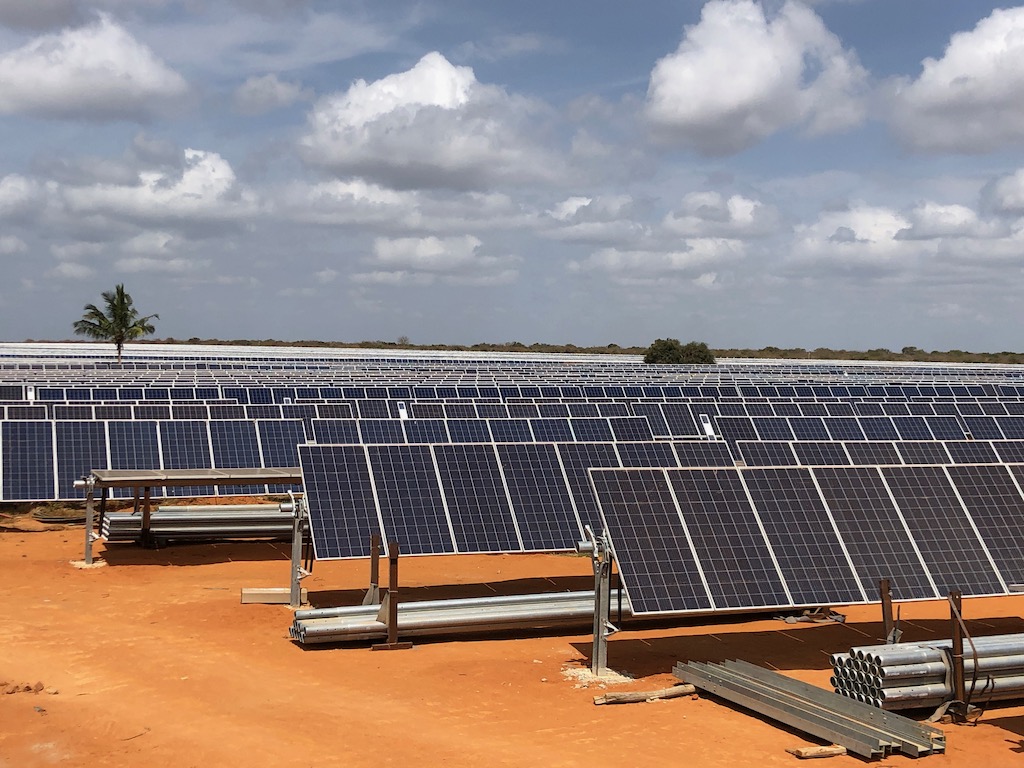
The new Malindi Solar photovoltaic plant is Globeleq’s tenth operational solar PV plant in Africa.
Malindi Solar plant.
In 2015 Norfund and CDC partnered to invest in Globeleq as a vehicle to develop new energy projects that help meet the demand for power across Sub-Saharan Africa. Globeleq is the leading independent power company in Africa. The company operates in South Africa, Tanzania, Kenya, Cote d’Ivoire and Cameroon, and currently generates almost 1,500 MW. It has more than 2,500 MW under development across Sub-Saharan Africa.
Globeleq and its project partner, Africa Energy Development Corporation (AEDC), report that Malindi has been supplying 40 MWac of power into the national grid since 14 December 2021.
“We are very pleased that Globeleq is delivering on the ambitions to develop more renewable energy across Sub-Saharan Africa, and this power plant represents another important milestone”
Lisa Huun Thomsen, Senior Investment Manager in Norfund
Located in Kenya, the power plant is delivering enough clean and renewable power to supply approximately 250,000 residential customers and will avoid 44,500 tons of CO2-equivalent emissions annually.
Made up of 157,000 photovoltaic panels, it is one of the first independent power producer-owned utility scale solar plants in Kenya and the only renewable power plant located in the country’s coastal area.
The US$69 million solar plant is in Langobaya, Malindi District, Kilifi County, about 120 km northeast of Mombasa. Construction began in 2019. Electricity is being sold through a 20-year agreement with the national distribution company, Kenya Power. The project also included the construction of a new 220 kV Weru substation which has already been handed over to Kenya Power and is now a part of the national grid infrastructure.