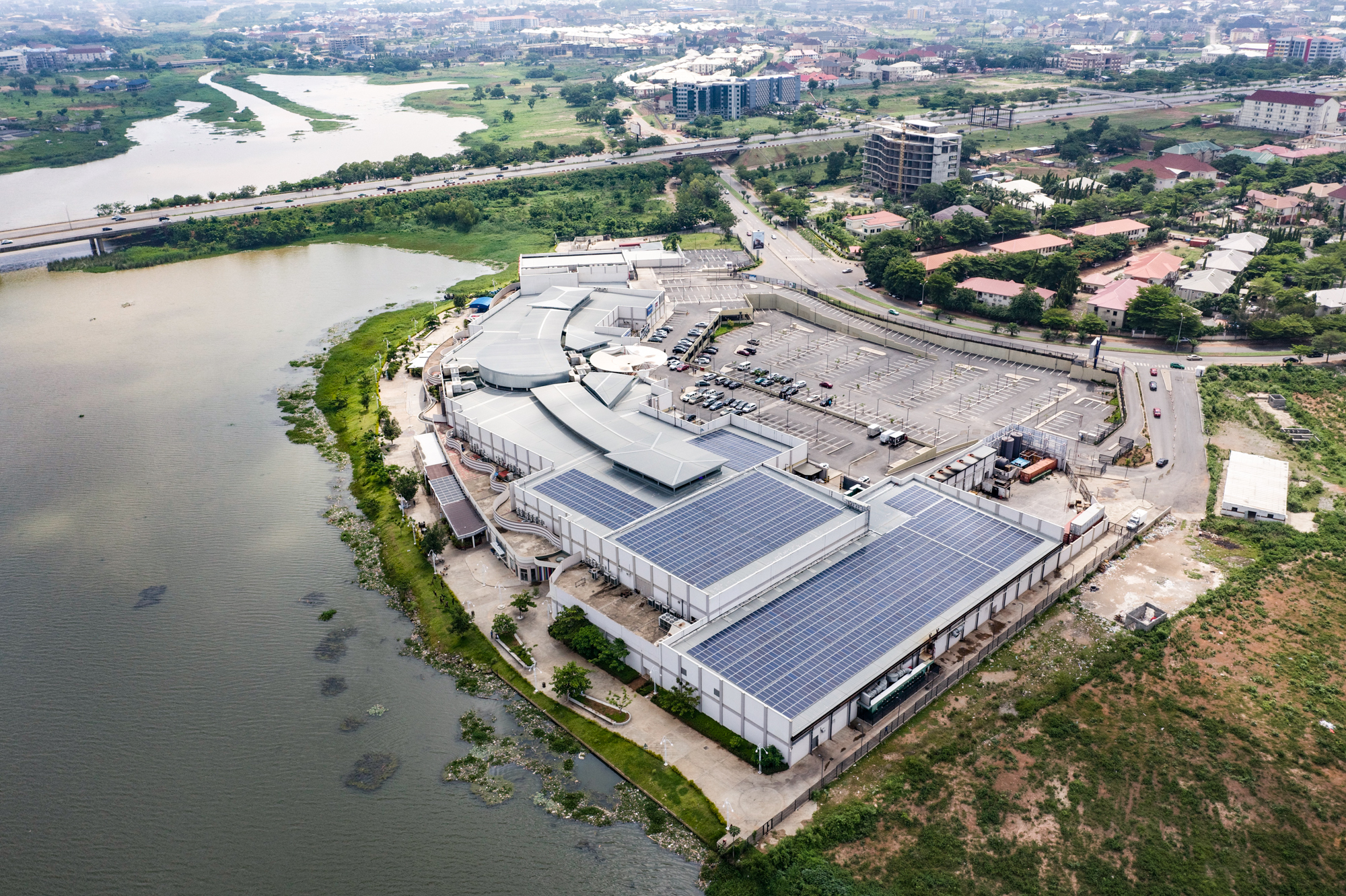
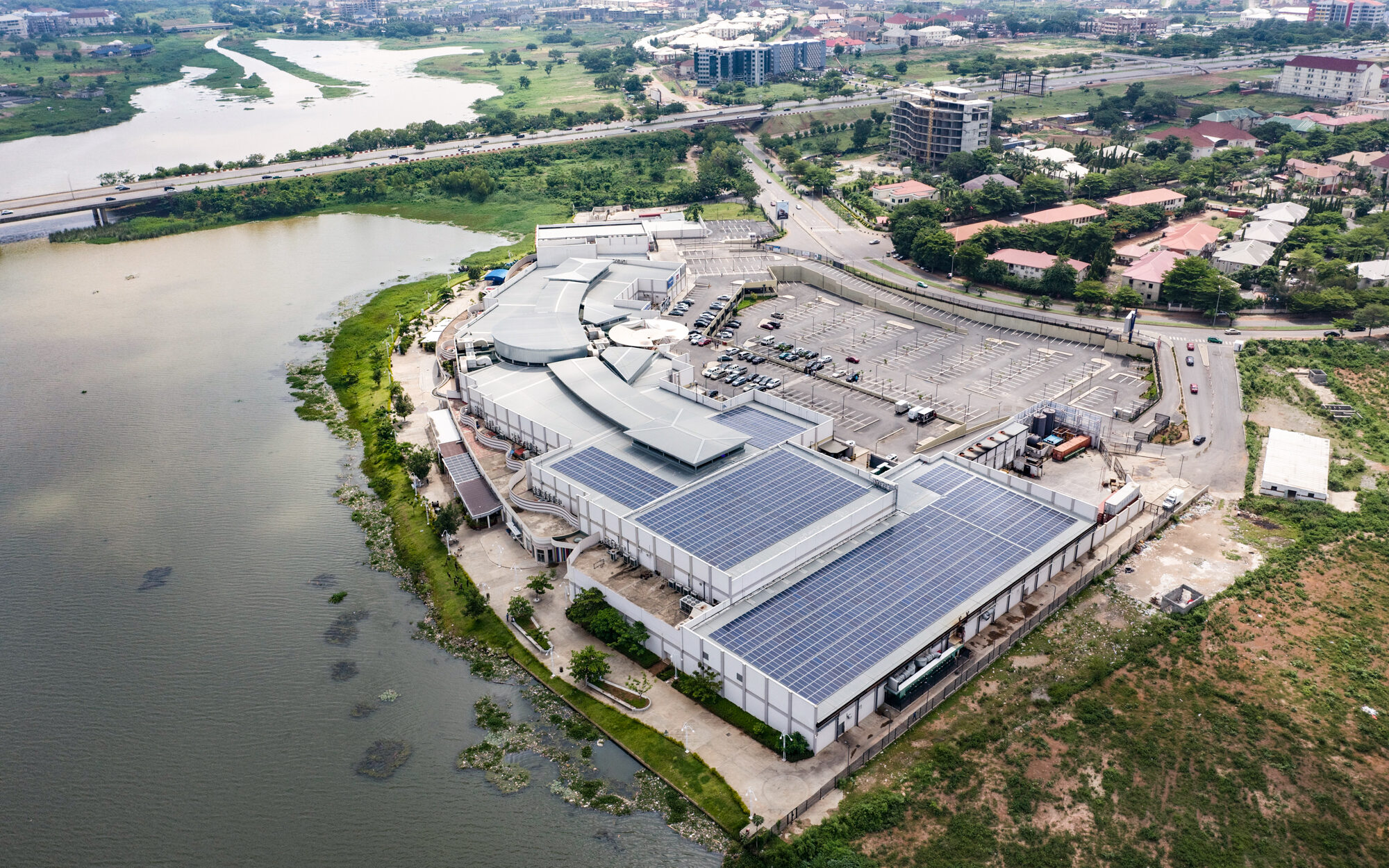
Norfund and KLP, Norway’s largest pension company, will together invest USD 40 million in equity in CrossBoundary Energy (CBE), a leading developer, owner, and operator of commercial and industrial renewable energy systems in Africa. The investment will be made through the joint company KLP Norfund Investments AS.
This commitment will allow CrossBoundary Energy to further scale its investments in renewable energy solutions for commercial and industrial businesses across Africa.
The $40M commitment is a continuation of Norfund and KLP’s earlier investments in the C&I sector and endorses the scale and maturity of the distributed generation sector in Africa.
CrossBoundary Energy provides tailored, fully financed renewable energy solutions to its corporate customers, allowing them to avoid upfront capital expenditure and technical risks, whilst still benefitting from cheaper, cleaner, and more reliable power.
We believe that distributed renewables are playing a critical role in driving towards the clean and sustainable growth of the commercial and industrial sector across Africa. The cost savings offered by renewable energy, coupled with the reliability of battery energy storage systems, allow companies like CrossBoundary Energy to provide the business sector with immediate cost savings whilst significantly reducing their emissions.
Kristoffer Valvik, Investment Manager, Norfund
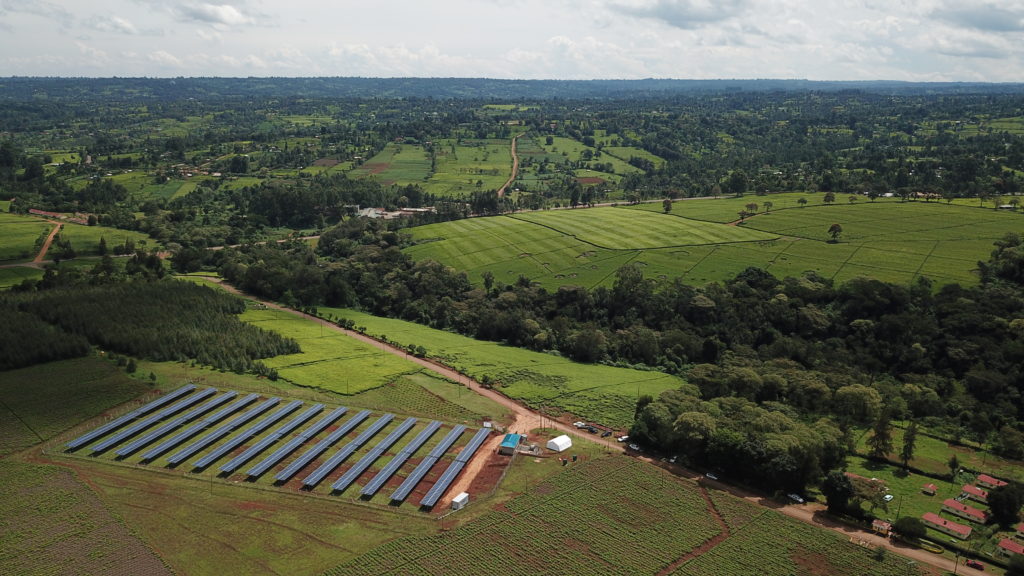
CrossBoundary Energy is currently delivering a portfolio of$188M in projects for 30 corporate customers across 14 countries in Africa, comprising 150 MWp of solar PV assets, 50 MWh of battery energy storage assets, and 12 MW of wind assets.
CrossBoundary Energy is the renewable energy provider of choice for a number of market-leading companies present in Africa, including Unilever, Diageo, Rio Tinto, Heineken, and AB InBev.
We are very excited to welcome Norfund and KLP as investors. Their commitment is aligned with our belief that the business sector across Africa should be able to benefit from cheaper, cleaner and more reliable power. This investment validates CrossBoundary Energy’s position as a trusted provider of customer-centric renewable energy solutions to the African business community. We look forward to drawing on Norfund’s significant experience as seek to deliver an operational portfolio of over $300M in assets within the next 5 years.
Pieter Joubert, President and Chief Investment Officer, CrossBoundary Energy
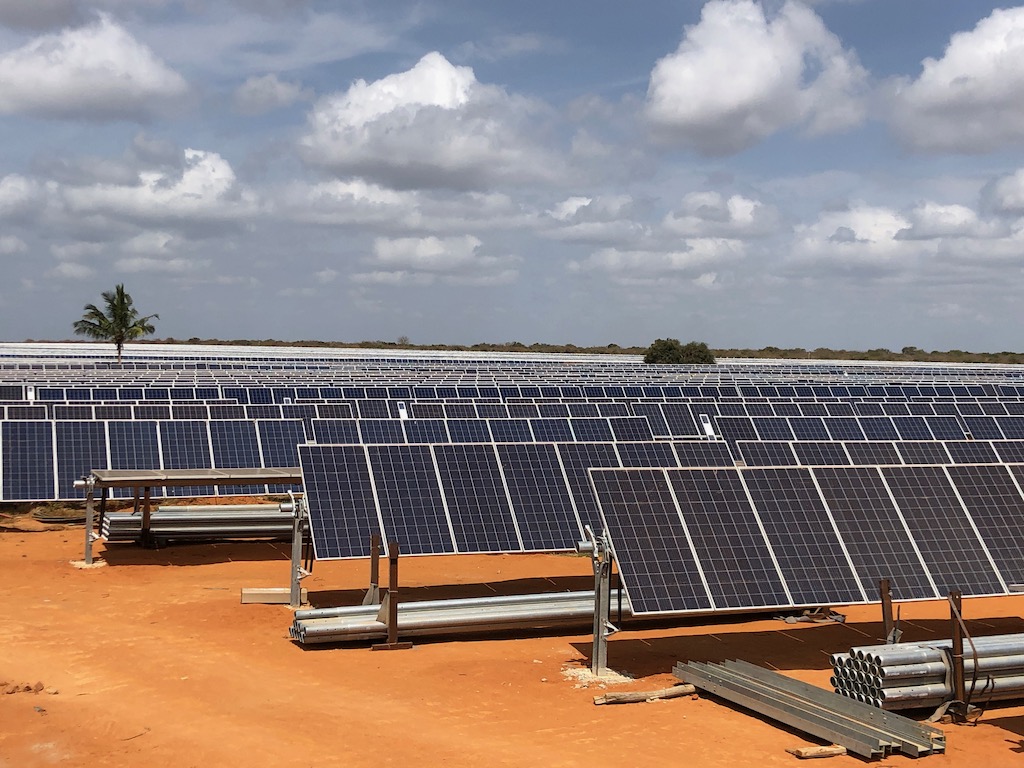
Unilever Tea Kenya ground mount single-axis tracking solar installation in Kericho, Kenya. Photo credit: CrossBoundary Energy
Boris Johnson announces British-Norwegian partnership for hydropower
British International Investment will invest up to 200 million USD into the joint venture between Norfund and Scatec to jointly provide capital to develop Africa’s hydropower sector. Norfund commits a further 100 million USD.
“It’s great to announce that BII is putting 160 million pounds into hydropower in Africa, creating 180,000 jobs,” said Prime Minister Boris Johnson when announcing the deal at the Commonwealth Business Forum in Rwanda. “I see a fantastic future for all of us in these initiatives. We want to be the partner of choice for our African friends as you transform millions of lives.”
Last year Norfund sold SN Power, a 20-year project which had become a powerful actor in hydropower in developing countries, to Scatec. As part of the agreement Norfund retained 49% ownership in the company’s portfolio in Africa as a joint venture. Now BII, the UK development finance institution, is joining the partnership.
Norfund has been developing hydropower since the fund’s inception. This will however be the largest investment in hydropower in BII’s 74-year history, with up to $200m of capital committed over the next several years. Norfund is seeding the partnership with their existing share in their joint venture with Scatec and further capital commitments of up to $100m over the next several years. The investment extends and compliments BII’s and Norfund’s existing commitments and partnerships to powering Africa, through Globeleq, a 2.3GW IPP company in which BII and Norfund are shareholders, and the joint investment the two development finance institutions have in H1 Capital – a South-African black-owned and managed renewables investment and development company.
Norfund and BII now together hold a 49% stake in Scatec’s African hydropower portfolio, which includes a mixture of operating assets as well as a number of assets under development, including the proposed 205MW Ruzizi III hydropower plant, which will provide power to Rwanda, Burundi and DRC, the 120MW Volobe hydropower plant in Madagascar and the 350MW Mpatamanga project in Malawi among others. All assets under development are aligned with the Paris agreement and demonstrate the partnership’s commitment to supporting the respective countries in their net zero pathways.
The projects are expected to support the creation of 180,000 jobs, avoid at least 270,000 tCO2e of GHG emissions annually, and could provide enough clean electricity to meet the equivalent demand of over 3 million people.
“If we are going to succeed at stopping climate change and fighting poverty, we must bring climate and development policies closer together. I am glad that the UK is now joining this work by creating renewable energy and economic growth in some of the poorest countries in Africa”
Minister of International Development Anne Beathe Tvinnereim.
“The expansion of dispatchable renewables is critical to support the integration of more wind and solar energy in Africa. We are delighted to be able to join forces with BII in our partnership with Scatec, to further scale up our ability to provide clean and affordable energy through hydropower, enabling economic development and job creation, while avoiding emissions,” says Mark Davis, Executive Vice President Clean Energy in Norfund.
Norfund is an Eco-Lighthouse!
In May this year, Norfund was certified as an Eco-Lighthouse!
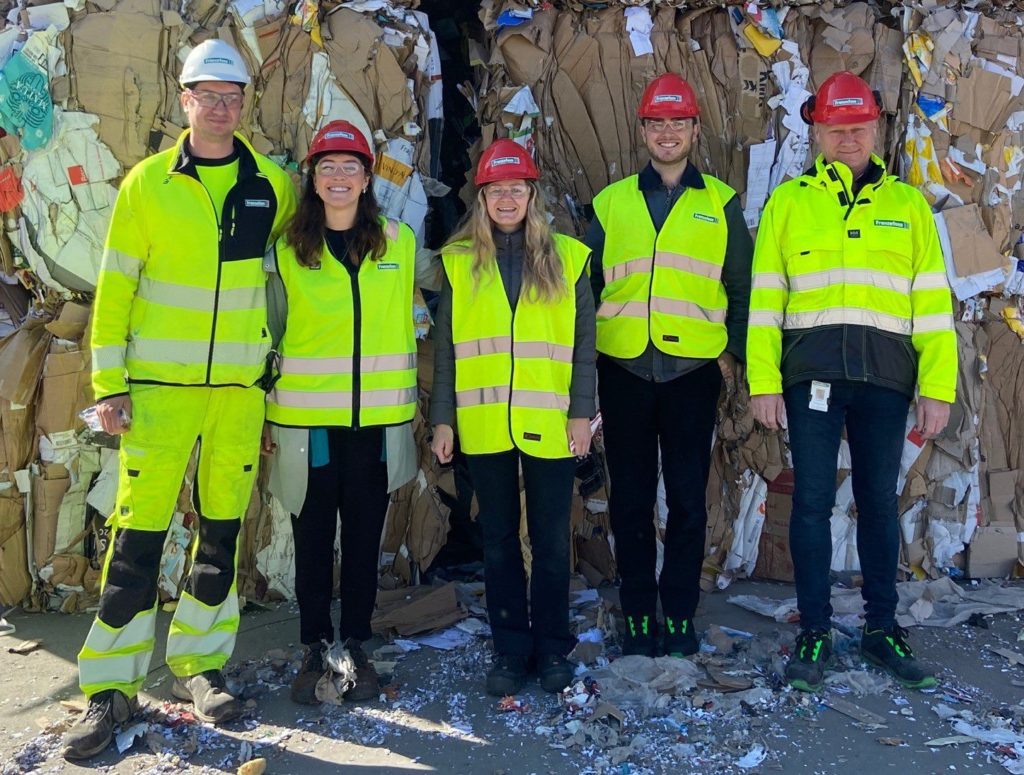
Visiting Franzefoss at Haraldrud.
The Eco-Lighthouse certification scheme is a concrete and effective tool that helps us make smart and profitable environmental choices. To achieve certification under the Eco-Lighthouse scheme, Norfund had to satisfy both the General Industry Criteria, the canteen criteria and the criteria specific to the finance sector.
CO2 footprint for Norfund’s own operations equaled 257,13 tons of CO2 in 2021. As 2021 was not a normal year for Norfund, and travel was restricted to a minimum, we have reported on 2019 emissions as well, where our operations equaled 919,38 tons of CO2.
Some of the members of the working group visited Franzefoss at Haraldrud some weeks ago, to get an understanding of the waste process from being collected at our office to being recycled (pictured).
For 2021, Norfund reports for the Oslo office only. Our aim for 2022 is to be able to report on behalf of the whole organisation.
Kudos to the working group Santhosigan Thamotharampillai, Elida Nordgaard Unneberg, Kari Offerdal, Peder Heiberg Sverdrup, and Andrea Kristin Edlund, who have been working pragmatically on improvements since January!
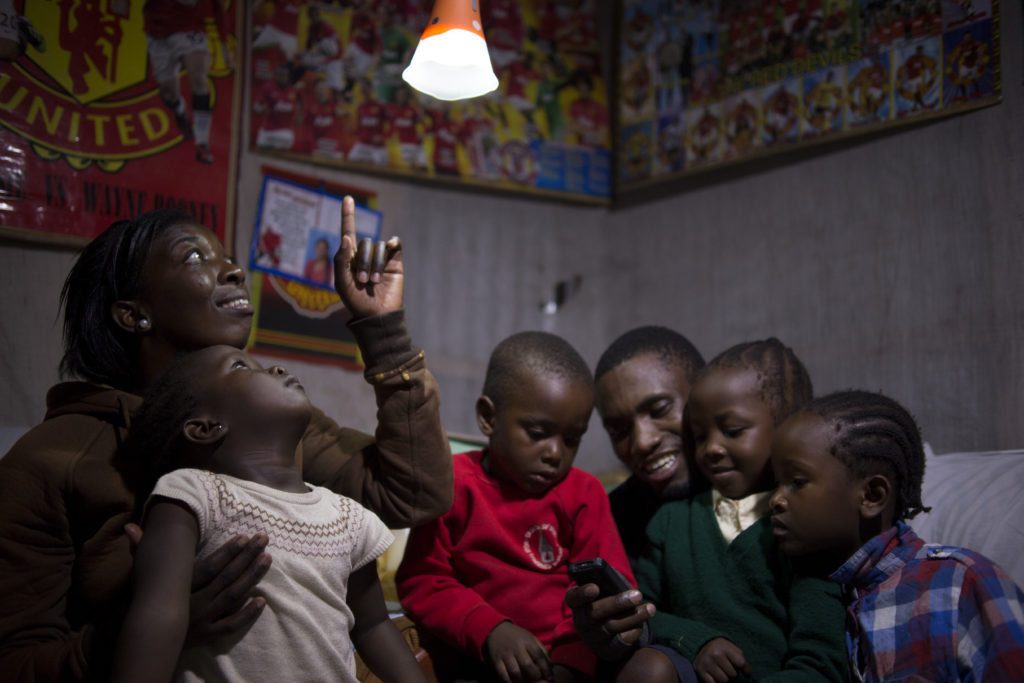
Increased support for d.light solar home systems in East Africa
Norfund invests in a new financing vehicle that is the largest off-balance-sheet financing facility of its kind in the industry, paving the way for d.light to sustainably expand its operations across Africa.
Norfund’s invests in the new facility together with the U. S. International Development Finance Corporation (DFC), responsAbility’s managed Funds, and Oikocredit.
Since 2016, Norfund has been an equity investor in d.light – one of the largest players in off-grid solar energy. Last year Norfund also joined DFC as a senior lender in the BLK1 structure, which is a local currency impact financing vehicle dedicated to providing d.light’s solar home systems business with access to on-going, flexible and sustainable receivables funding.
Flexible working capital
The new BLK2 structure is an off-balance sheet financing vehicle that provides d.light with flexible working capital, enabling the company to provide consumer financing and make its products universally available and affordable for customers, most of whom live below the poverty line and lack access to reliable power.
The facility will finance a range of products that drive quality-of-life improvements, from solar home systems to high-efficiency appliances and smartphones. BLK2 is the largest off-balance-sheet facility in the industry thus far, and comes on the heels of d.light celebrating 125 million lives impacted globally.
We are especially pleased that we through this deal are able to provide capital in local currency, to reduce borrowing costs and make it possible for d.light to give increased quality of life through solar energy to even more people.
Mark Davis, EVP Clean Energy at Norfund
BLK 2 has been structured to provide d.light with multi-currency financing up to the equivalent of USD 238 million in face value of receivables over a two-year commitment period, giving the company continued access to sustainable and affordable receivable financing for its Kenyan business with a plan to expand to other African countries in the near future.
The structure is expected to directly impact over 2.8 million lives including the over 1.9 million people with improved access to clean and modern energy who, together, will reduce over 600,000 tons of CO2 emissions.
Providing energy to millions of new households
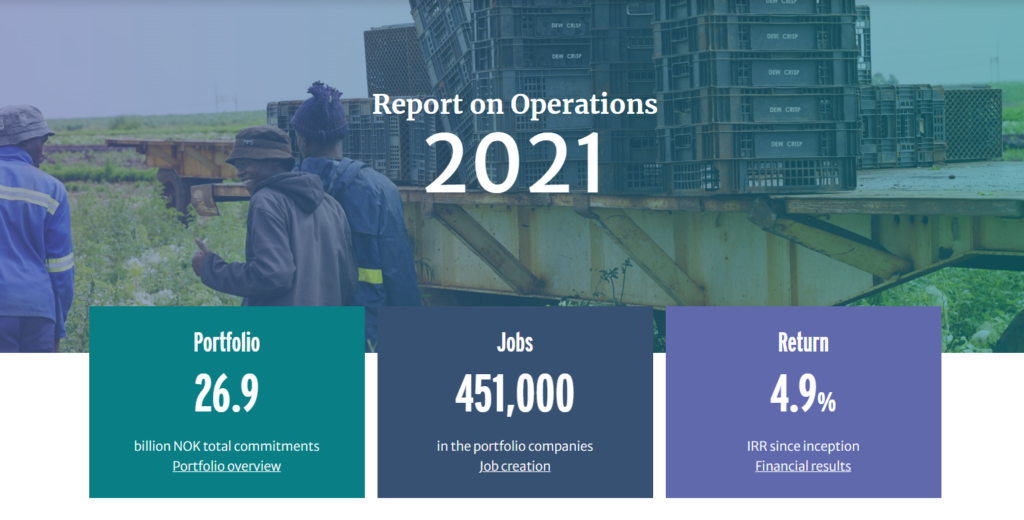
Norfund’s newly released report on operations, shows that Norfund’s investees provided 3.5 million new households with access to electricity in 2021. The increase is mainly due to solar home systems providing energy directly to people living outside the grid.
The needs are great however. According to the IEA, the number of people without access to energy increased by 2% to 768 million in 2021, after annual declines from 1.6 billion in 2000. The increase is primarily in Africa, where the development has not kept pace with population growth following the pandemic.
Report on Operations 2021
This year we’re marking 25 years of Norfund. In the latest Report on Operations we highlight jobs created, energy access increase, access to financial services, and a timeline of the last quarter century.
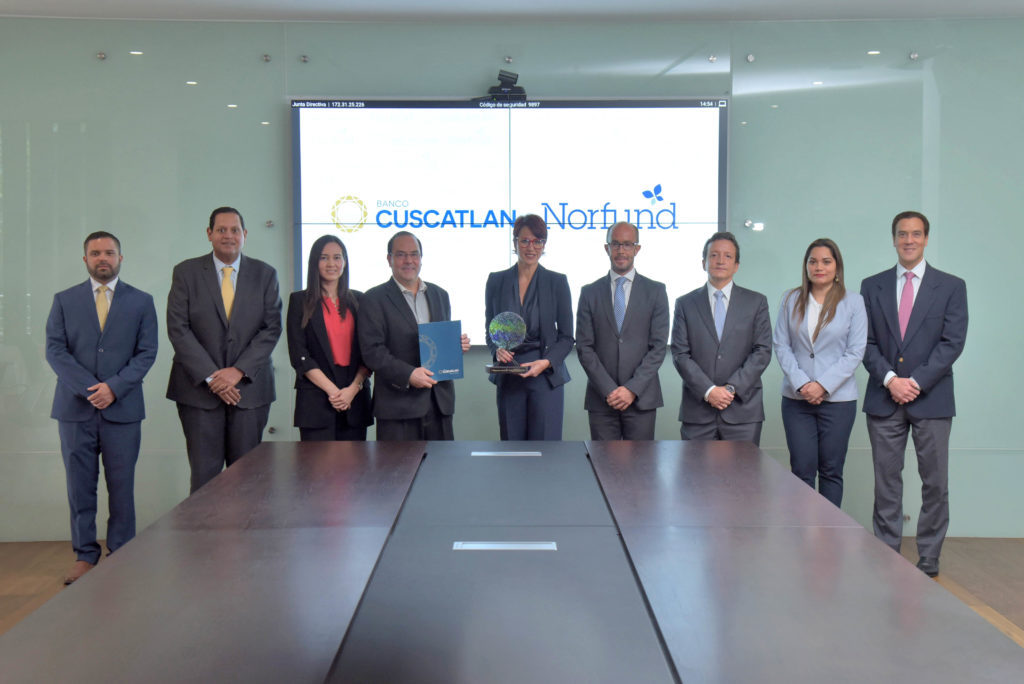
Norfund invests in Salvadorian bank to finance SMEs and renewables
Norfund has approved a USD 20 million loan to Banco Cuscatlán in El Salvador to increase the bank’s ability to provide loans to small and medium-sized enterprises and renewable energy projects.
Small and medium-sized enterprises (SMEs) are an important driver for growth in El Salvador’s economy, accounting for at least 43% of total output and 70% of employment, in what has traditionally been a remittance, consumer driven economy. The country is however one of the markets with the lowest levels of financial inclusion in Central America, with just 30% of the adult population holding bank accounts.
Banco Cuscatlán is the second largest bank in El Salvador. It has already had a growth of 20% of its portfolio of SME clients since 2019, and the bank has set a goal of increasing the SME loan portfolio by a further 12% per year over the next 5 years.
The bank is also working on developing a pipeline of green projects including renewable energy, energy efficiency, and environmental certification.
Norfund’s USD 20 million loan will complement the bank’s existing funding strategy, which is mainly driven by short term funding in the form of deposits, enabling more medium-term SME funding to strengthen the country’s productive sectors. The plan is that 25% of the capital that Norfund is providing will go to funding renewable energy.
By investing in Banco Cuscatlán, we can contribute to eliminate poverty by providing financing through financial institutions to small and medium companies and by offering green lines that promote the use of renewable energy in industry and commerce. We are pleased to partner with Banco Cuscatlán as the bank is taking concrete steps in building their sustainability framework even further.
Maria Esther Boquin, Investment Manager, Norfund
Norfund Conference 2022: Challenges and Dilemmas
The need for investments in developing countries is perhaps greater than ever. But succeeding with such investments is not easy. As we mark our 25th anniversary, the Norfund Conference will be a conversation about the challenges and dilemmas we face in our mission to create jobs and improve lives.
Together with international experts, Norfund’s own experienced team, representatives of our partners and investee companies, as well as leading Norwegian politicians, we will take a deeper look at:
How do we know if we make a difference?
Scaling renewables – at what cost?
Should we stay or should we go?
Can a commercial investor make a lasting difference in African agriculture?
Norfund invests in South African integrated food business
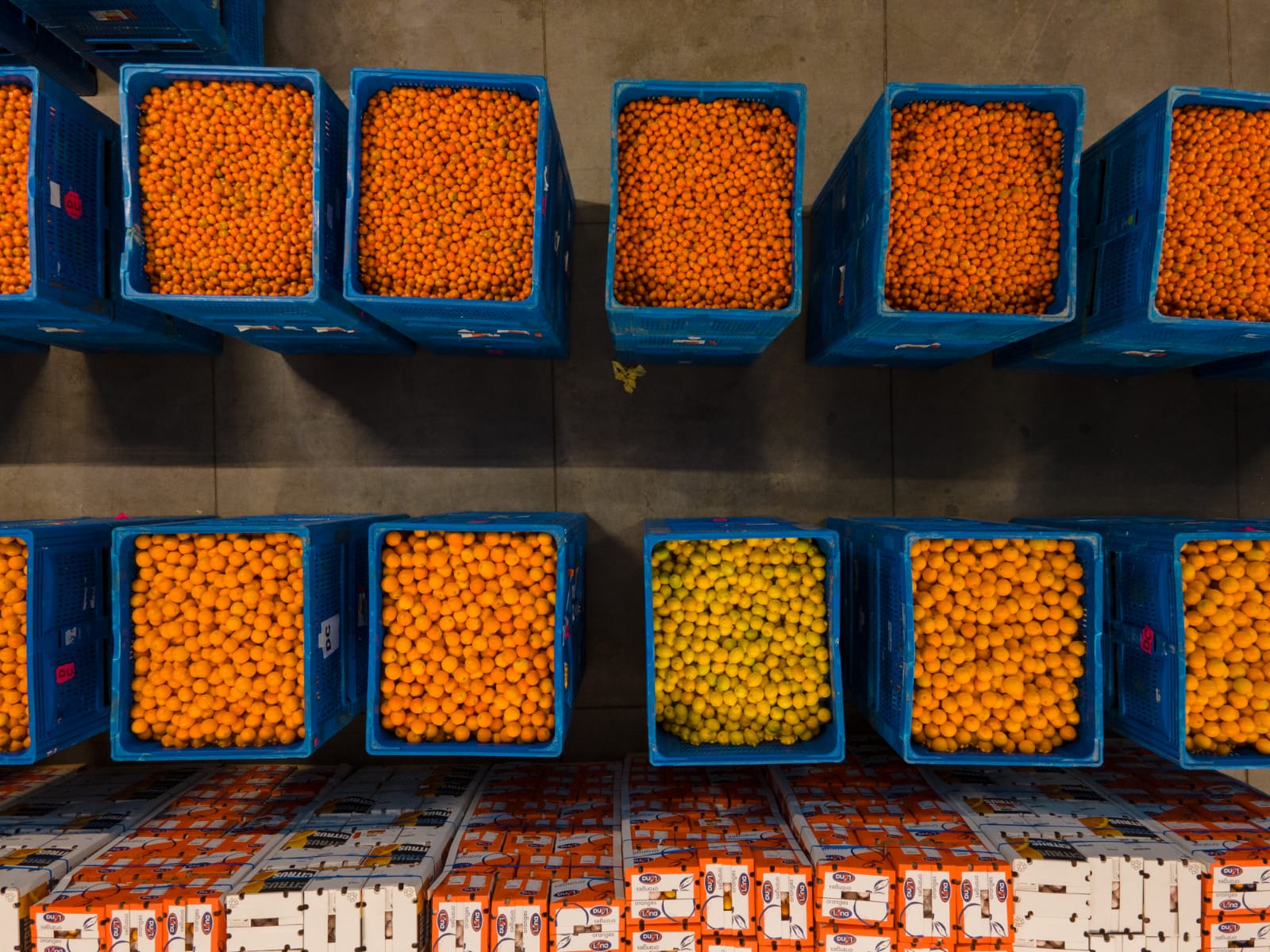
Norfund is investing in the South African-based citrus and fresh-produce exporter Lona Group.
The investment is made together with Phatisa Food Fund 2, and British International Investment (BII, formerly known as CDC Group) and Finnfund. Norfund, BII and Finnfund are also co-investors in Phatisa Food Fund 2, that was raised last year.
“We are impressed with the sophisticated supply chain Lona has developed, covering producers, logistics, and cold stores. By investing in their world-class facilities, processes and expertise, we believe we can contribute to providing food security, while creating much needed jobs, in line with Norfund’s strategy of investing in agricultural value chains”
Andreas Davidsen, Vice President and head of Agribusiness and Manufacturing
Activities across the food value chain
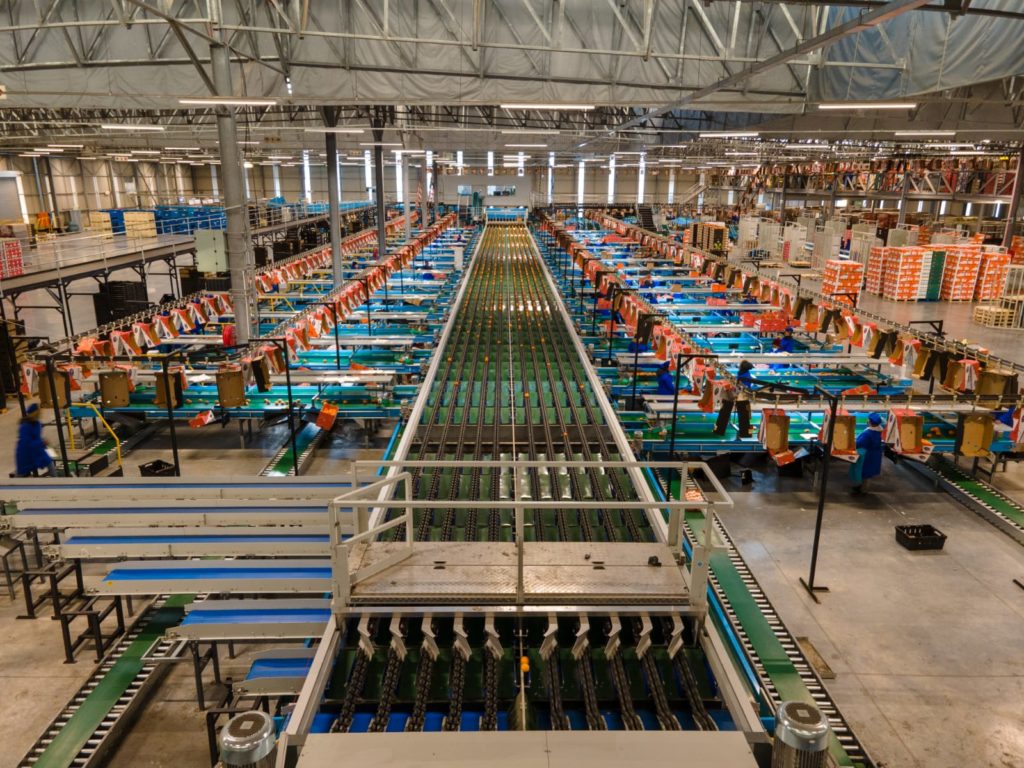
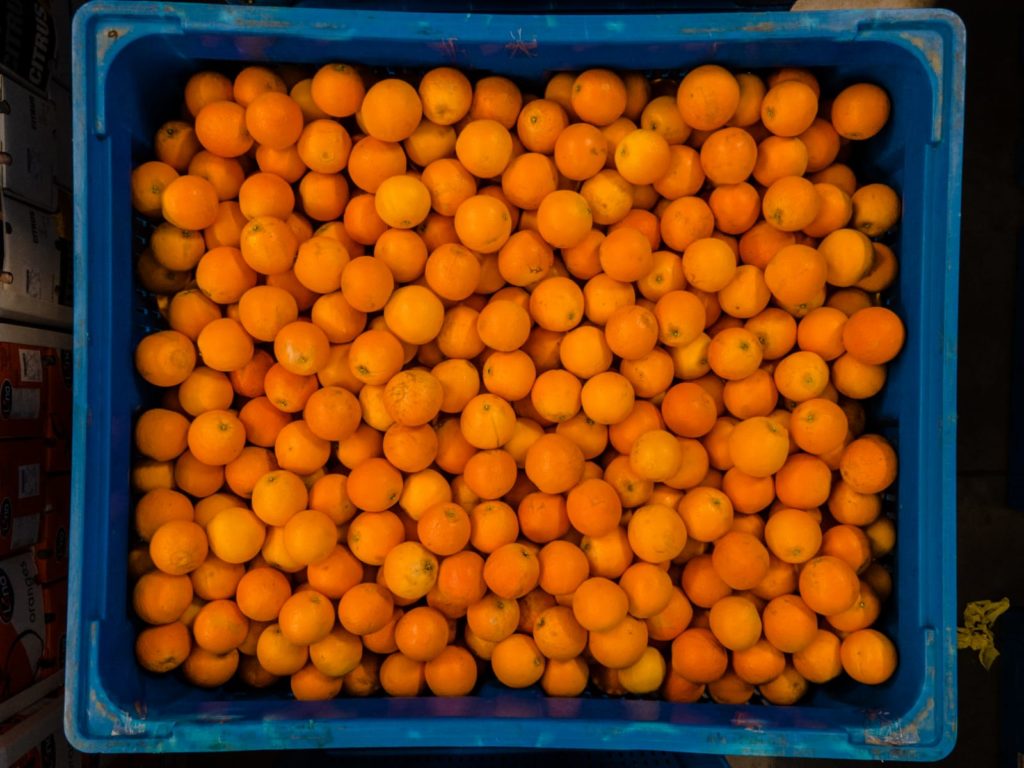
As one of the largest integrated fruit businesses in South Africa, the Lona Group is involved in activities across the food value chain, from: farming, aggregating and packing fruit (citrus, mango, grape, olives, and stonefruit), to: cold storage and logistics, marketing fruit for export and domestic consumption, plus fruit and vegetable processing. With line of sight across the entire value chain, Lona has tight controls, traceability, and reknowned reliability amongst customers.
Beyond its own fruit production, Lona also provides an integrated platform for other producers. Plus, the business has expanded to value-add products, such as dried fruit through its two M-Pak facilities, Veggie Crisps, and the local leader in table olives – Cape Olive. More recently, it acquired a majority stake in the Unlimited Group – an integrated producer, packer, processor, exporter and importer of fresh fruit, vegetables and nuts.
Established by CEO, Spencer Johnson, in 1996 from his father’s garage, Lona now exports c. 5 million cartons of citrus, in addition to a significant volume of other fresh produce each year – predominantly to the UK and Europe, North America, the Middle East, Asia, and increasingly to the rest of the African continent.
Investing to reduce food waste and improve climate resilience
Beyond its farming and packhouse operations in the Western and Eastern Cape, Mpumalanga, Limpopo and Zimbabwe, Lona has developed some of the most advanced automated cold storage facilities on the continent. These provide Lona and their third-party customers with a state-of-the-art and efficient cold chain, thus ensuring fruit has a longer shelf life, and reducing food waste.
It is envisaged that the consortium’s expansion capital will be used to further improve Lona’s facilities, particularly the building of new packhouses, orchard netting to protect crops from adverse weather, the development of new innovative fruit and value-add products, as well as making the business more climate resilient whilst reducing its carbon footprint.
The Climate Investment Fund is operative
Norway’s new climate investment fund is now operational, following the adoption of new instructions as well as the revision of the Norfund Act and Norfund’s articles of association. The fund will be Norway’s most important tool in accelerating the global energy transition by investing in renewable energy in developing countries with large emissions from coal and other fossil power production.
The recommendation from the Foreign Affairs and Defense Committee, which was published Thursday 19th May, was unanimous on the amendments to the Norfund Act that make it possible for Norfund to manage the new fund.
– We have no time to lose in the fight against climate change. Having operationalized the new climate investment fund in record time, the money can now be put towards crucial investments in renewable energy in developing countries, says Minister of Development Anne Beathe Tvinnereim.
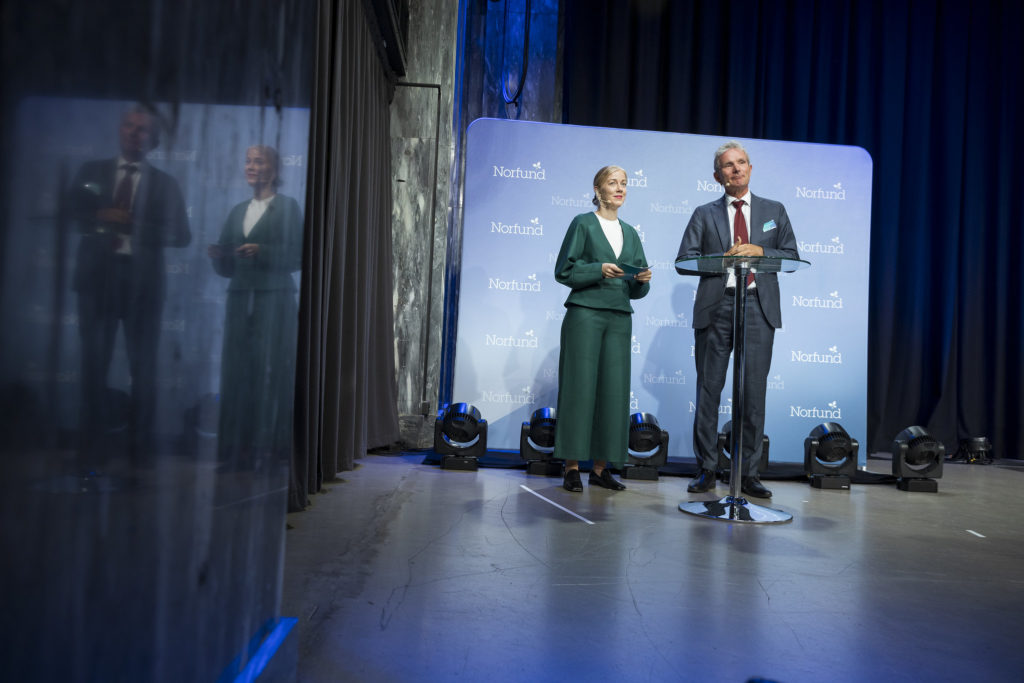
Olaug Svarva, chair of the Board of Norfund; Anne Beathe Tvinnereim, Minister of International Development; Simbah Mutasa, Regional Director Norfund Southern Africa
The fund will be capitalized with NOK 2 billion each year for the next five years and will be managed by Norfund. Norfund’s experience and network in the relevant countries has made it possible to quickly get started with the fund, following the Government’s decision to establish it in December last year.
– The Climate Investment Fund will play a central role in fulfilling the Government’s ambition to double our annual global climate financing. I am confident that Norfund will manage the fund in such a way that we get the maximum climate effect out of every NOK we allocate, says Tvinnereim.
New instructions ready
The new instructions state that “The purpose of the Climate Investment Fund is to contribute to reducing or avoiding greenhouse gas emissions by investing in renewable energy in developing countries with large emissions from coal and other fossil fuel production”. As with Norfund’s usual operations, the goal is to help activate investments “that would otherwise not be made”.
– We are pleased to get started quickly on covering more of the vast need we see for investments in renewable energy in developing countries and pursue some of the great opportunities we see in countries where we already work, says Tellef Thorleifsson, CEO of Norfund.
According to the IEA, annual investments in renewable energy in developing countries must expand by more than seven times, from the current level of 150 billion dollars to over 1000 billion from 2026 to 2030, if we are to reach the 1.5-degree target.
“A sharp upscaling of investments in renewable energy is needed to prevent climate change from making it impossible to fight poverty and making our planet uninhabitable,” says Tvinnereim.
New strategy with clear ambitions
The board of Norfund has now adopted a strategy for the fund, with clear ambitions. Thorleifsson says that the climate investment fund will contribute to:
Financing 9 GW of new renewable energy
Avoiding more than 14 million tonnes of annual CO2 emissions – equivalent to 30% of Norway’s annual emissions
Contributing to total financing of NOK 10 for every NOK invested by the fund.
Prioritizes South Africa and seven countries in Asia
According to the instructions, the Climate Investment Fund’s funds can be used “in all ODA-approved countries”, i.e., countries that are approved recipients of assistance in accordance with OECD / DAC guidelines. However, the fund will primarily “seek investments in countries where greenhouse gas emissions are or are expected to be large, and where climate investments can contribute to moving away from coal power and other fossil energy production.”
– In the strategy adopted by the board, we have chosen to prioritize eight of our existing strategy countries, in order to benefit from Norfund’s existing expertise and networks, says Thorleifsson.
Based on an assessment of climate impact, additionality and feasibility, Norfund has chosen to prioritize South Africa, India, Vietnam, the Philippines, Cambodia, Indonesia, Sri Lanka and Bangladesh.
– In these countries, we have already identified investment opportunities of more than NOK 8 billion. We also remain open to future investments in other countries where we can have a high climate effect and work with strong partners, says Thorleifsson.
Rapid recycling of equity to maximize impact
Norfund will prioritize investments in the production and development of renewable energy, as well as areas closely tied to this, such as battery storage.
– In the pipeline we have at the moment there are several large projects in solar and wind, but also hydropower, and we are already looking at opportunities in offshore wind, says Thorleifsson.
Norfund will primarily invest in equity, with a 20-35% ownership interest, and the individual investments will be around 50-150 million dollars. The choice of investments will be governed by where Norfund has competence and can make the largest possible difference.
– We have a clear goal of being able to recycle capital quickly, in order to maximize the climate impact. We will thus invest with the goal of exit, and actively seek to sell ourselves out of mature investments, in order to be able to use the capital for new investments, says Thorleifsson.
The management of the fund
Norfund will manage the Climate Investment Fund on behalf of the Ministry of Foreign Affairs. The investments under the Climate Investment Fund will be made under Norfund’s own name, but the fund’s investments and portfolio will be managed separately from Norfund’s other activities.
The board of Norfund is responsible for ensuring that the management is handled in line with the adopted framework for the fund. Norfund will prepare separate reporting and accounts for the fund, including contributions to expected and actual avoided greenhouse gas emissions.
Processing of cashew nuts to create 2000 new jobs in Cote d’Ivoire
Norfund is investing 10 million USDto finance a cashew processing plant in Cote d’Ivoire.
Valency International Trading SARL (“Valency CIV”) is a subsidiary of Singapore-based Valency International Pte Ltd (Valency Group), which is a diversified, integrated supply chain manager in agri commodities and agri inputs with subsidiaries in 15 countries. The agri-commodities sourced from African farmers through Valency’s value chain are marketed internationally in 38 countries.
Cashew nuts are Cote d’Ivoire’s third largest export commodity, generating an estimated USD 800m in revenues in 2020. The country is the world’s largest producer of raw cashew nuts, and in 2020 it exported over 660,000 tonnes.
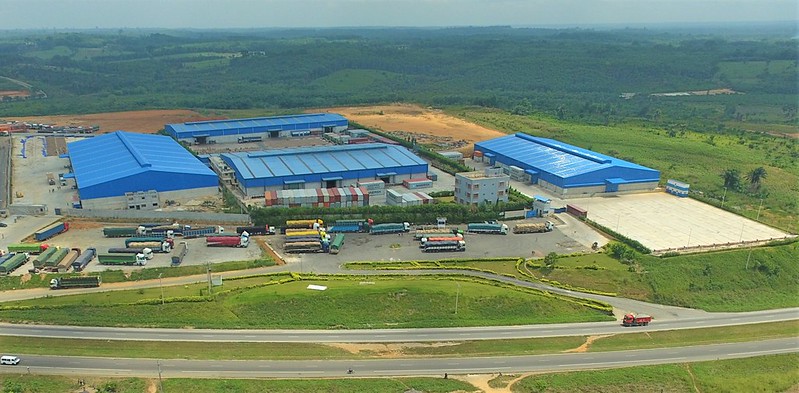
Norfund is providing a 10 million USD loan out of 20 million USD to Valency CIV to build an integrated local processing hub, which includes the construction of a cashew processing plant with a capacity of 45,000 tonnes per year on the outskirts of Abidjan, with plans for being a key participant in the cashew value chain in Cote d’Ivoire.
Though the share of nuts being processed locally in Cote d’Ivoire has increased in the last few years, in 2020 it stood at only 12%, significantly lower than countries like Mozambique and Ghana. Valency is currently exporting raw cashew nuts to Asia for processing before they get shipped as cashew kernel primarily to Europe, the Middle East and the USA.
“By enabling Valency to develop a vertically integrated cashew value chain through the establishment of local processing, Norfund invests in the creation of sustainable local jobs and promotes local content via ‘value retention’ in the country. The investment fits into Cote d’Ivoire’s national cashew processing policy and represents an opportunity to support a competent management team with deep sector expertise and a commitment to build sustainable and responsible sector practice”
Fabrice Mpollo, Investment Manager at Norfund
Photo: Valency
“We are very grateful to have a partner like Norfund who shares in our vision and has joined us in our endeavor to establish a strong cashew value chain in Cote d’Ivoire. Through this project, Valency will support cashew growers/farmers in the region, enhance sustainability and improve livelihood through addition of skilled jobs. The cashew processing plant is in line with our shared vision outlined as part of Valency’s Food Ingredients strategy, and commitment to develop a long-term sustainable business model in Africa”, says Sumit Jain, Chief Executive Officer at Valency International Group.
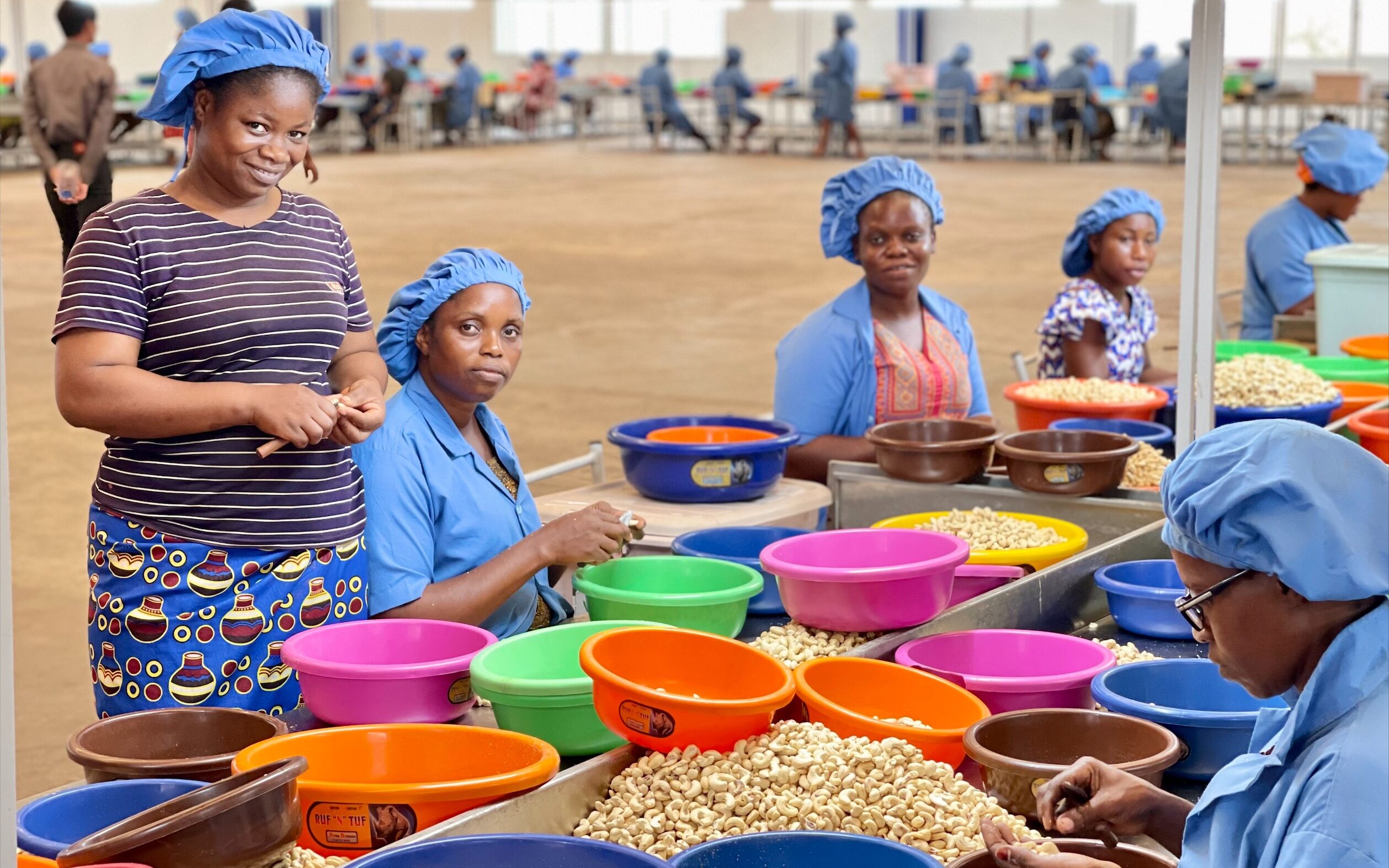
Norfund expects to see the employment of a workforce of over 2000, with 25% in permanent contracts at the factory and 75% in shorter term contracts as skilled labor required annually for processing. Women are expected to fill approximately 80% of the jobs. The investment will also contribute to increased local tax contribution.
The Valency Group has already established profitable trading across West Africa and cashew processing business in Nigeria, and the planned investment will be its second on the continent. This follows similar cashew processing projects successfully executed by the group in India and Vietnam.
Norfund will follow up on this work through taking up a position as Board Observer, in collaboration with Finnfund, its Finnish sister fund, who is providing a loan of the same size under the same terms.
“We are excited to support the leadership team at Valency International, and this investment marks an important milestone for Norfund, as our first direct investment in Cote d’Ivoire. We look forward to continuing to deliver on our mandate to drive development and create additional jobs by investing in and supporting companies in the Agribusiness and Manufacturing, Renewable Energy, Financial Institutions and Green Infrastructure sectors in Cote d’Ivoire”
Naana Winful Fynn, Regional Director for West Africa for Norfund.
About Valency
Valency International Pte Limited (Valency International) is an international integrated supply chain manager with its headquarters situated in Singapore. In a short span of time, Valency International has expanded its network across various continents. We are present across agri value chain from origination and supply chain, processing, branded retail to B2B distribution. For more information, please visit www.valencyinternational.com