Efficient logistic solutions supply rural areas in East Africa with healthcare and telecommunication
Background
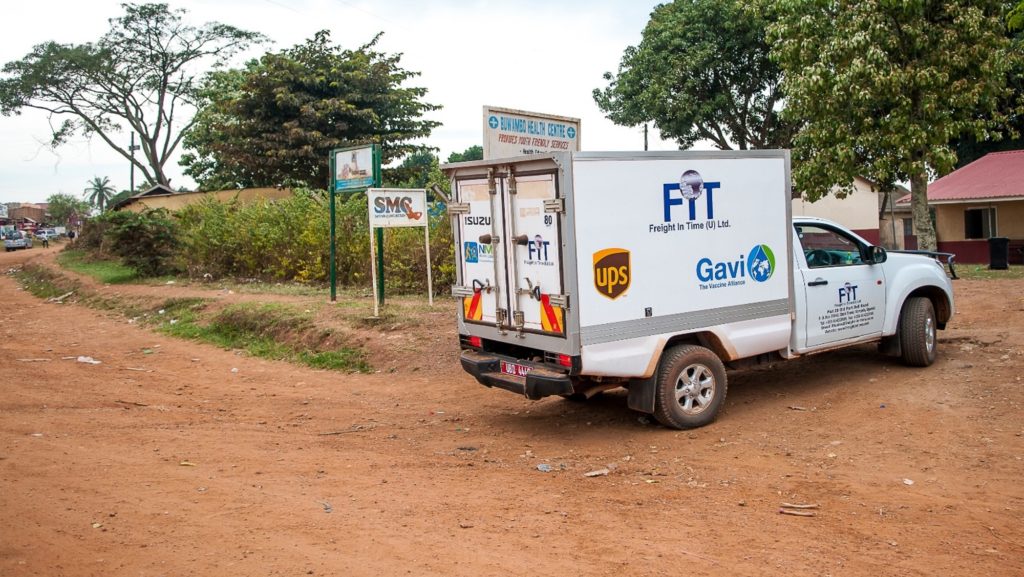
Freight in Time (FiT) is a family owned entity founded in 1965. In the last years, FiT has developed its capabilities to provide services in sea and air transport, important brokerage services, warehousing and distribution. FiT has created a large regional footprint and has an office network in 8 countries within the East African region. With Norfund’s investment of 68 MNOK in loan and equity in 2015 FiT expanded their supply chain logistics focusing on temperature-controlled warehousing and distribution for third parties, and area which is underserved in East Africa.
Valuable Partnership with Gavi
Gavi – the Vaccine Alliance, is a public-private partnership committed to saving children’s lives and protecting people’s health by increasing access to new and underused vaccines for children living in the world’s poorest countries. Gavi has developed distribution and logistics partners all over the world to distribute vaccines. In 2019, FiT was approached by Gavi to assist with the last mile delivery in some districts in Uganda to reach the underserved remote and rural poor. See film for more information.
Our Impact
It is expected that Norfund’s investment will contribute to the creation of new jobs in the East Africa region, generate tax revenues and also provide efficient logistics solutions to a number of industries including agriculture and the humanitarian sector. Norfund’s involvement will promote good corporate governance standards by transforming a family business into a professionally run company.
Creating thousands of new jobs in Nigeria
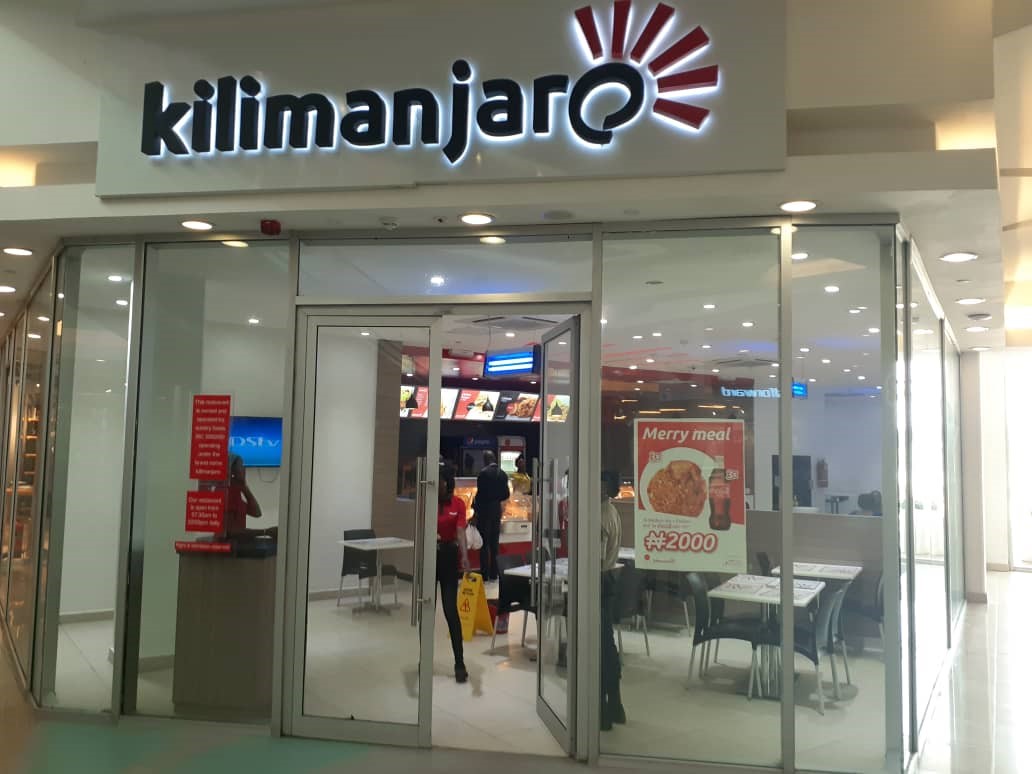
Kilimanjaro is one of Sundry Foods’ restaurant brands.
Norfund’s investment in the Nigerian company Sundry Foods Limited is an example of how investments in African Scalable Enterprises will contribute to job creation.
Creating new jobs is an absolute prerequisite for fighting poverty, reaching gender equality and adapting to climate change. The importance of creating 470 million new jobs in Africa before 2030 is on everybody’s minds these days. Not so many have the answers to how this can be achieved.
Larger companies create more jobs
Analysis from Norfund’s portfolio show that larger companies are an engine of growth and job creation. They are often more productive, recruit more staff and pay higher wages than smaller companies. Further, larger companies are more likely to be able to compete on the global stage and maintain market share in the face of foreign competitors.
In most parts of sub-Saharan Africa, there is a considerable lack of large enterprises. Based on this, Norfund aims to invest in African enterprises in the manufacturing and agribusiness sector that have clear growth potential.
Job creation in large companies makes a hell of a difference when aiming for development
Tellef Thorleifsson, CEO Norfund
Sundry Foods creates jobs in Nigeria
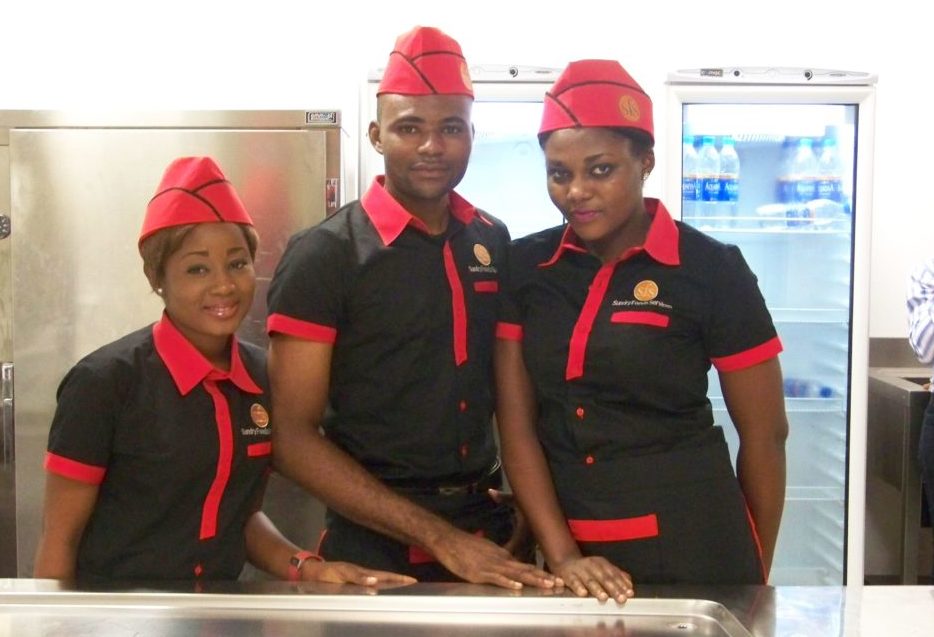
Sundry Foods Limited is one of Norfund’s investment companies within the Scalable Enterprise investment area. The company has experienced phenomenal growth the past few years and has close to 50 restaurants, bakeries and catering units spread across Nigeria.
Today, Sundry Foods employs about 2000 staff (approximately 1,600 at the time of Norfund’s investment in 2019). As the demand is growing, it plans further expansion. Over the next 7 years, the company will probably create another 3000 jobs.
Stephanie Keenam is the 27-year-old manager of a Kilimanjaro restaurant (trading name for Sundry Foods’ restaurants) in Abuja. She says that working in Sundry Foods has helped her connect with people on a different level and to have an optimistic view of the future.
Having a good job is important because it gives you an identity not just a name. It provides financial stability and security. It improves your confidence level when dealing with people and it provides additional perks like training, leave compensations and health cover
Stephanie Keenam, restaurant manager
Sundry Foods is one of the top Quick Service Restaurant brands in Nigeria by market share. Its restaurants serve popular Nigerian and contemporary dishes presented in a buffet style format in clean, brightly appointed restaurants. Sourcing 90 per cent of their raw material locally, their planned expansion in the form of new stores will also contribute to increased demand for agricultural goods from farmers in Nigeria.
A role model within an informal business sector
The majority of the fast food businesses in Nigeria operate in the informal market, often offering poor working conditions. Sundry Foods is different. The management team, that is purely Nigerian, aims to become a role model in regards of good governance and offering decent jobs. Founder and CEO of Sundry Foods, Ebele Enunwa believes that with Norfund as an investor, the company is better equipped to pursue the next phase of their growth story.
We will be working together to build Nigeria’s premier food company based on the highest levels of systems, food standards and business ethics.
Ebele Enunwa, Founder and CEO of Sundry Foods
Active ownership
Norfund will be an active owner and expects to add value to Sundry Foods among others by supporting its ongoing work on incorporating the IFC Performance Standards and becoming a role model on the environmental, social and governance fronts.
The investment in Sundry Foods marks one of Norfund’s first investments in Nigeria. During this journey we will contribute to creating jobs for many Nigerians and support managers, such as Stephanie, who says:
I am eager to continue developing my managerial skills and in the next five years I will be recognized as an expert in restaurant operations. I’ve noticed that one can grow from being a restaurant manager into becoming an Operations Head, and I know I have the capacity to function at such a level
STEPHANIE KEENAM, RESTAURANT MANAGER
Other relevant Stories:
Agrivision – A staple food producer in Zambia
The government of Zambia has identified agriculture as a priority sector for achieving economic development and reducing poverty. Agrivision is a vertically integrated agribusiness company operating in Zambia. Norfund’s investment has supported the company’s expansion, thereby contributing to increased food production, job creation and increased market access for smallholders.
The Fanisi Venture Capital Fund invests private equity and venture capital in businesses that have substantial growth potential. Norfund was instrumental in establishing Fanisi, investing both in the management company and the fund. Haltons Pharmacy is a Fanisi investee company and provides quality medicines and medical advice in Kenya through a national network of outlets.
Increasing access to capital for MSMes in Cambodia
Hattha Kaksekar Limited
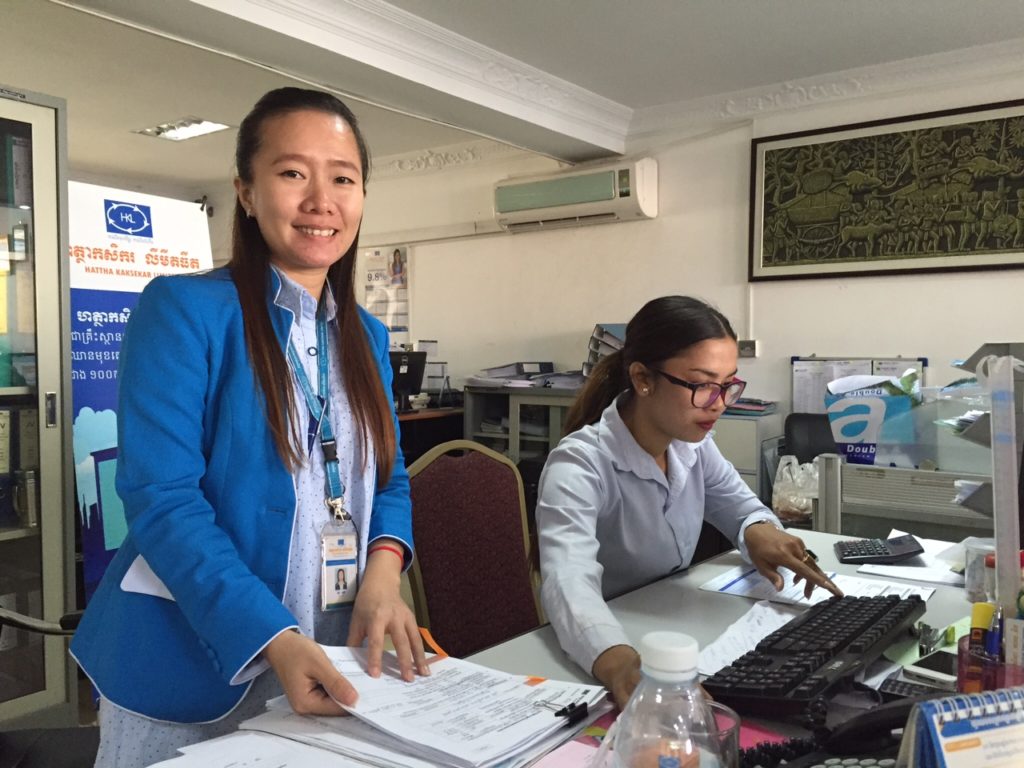
Limited access to capital is one of the key obstacles to growth in Cambodia. Norfund has supported the expansion of the microfinance institution Hattha Kaksekar Limited, thereby contributing to increased access to finance, financial literacy and job creation. In 2016 the institution was ready for investment from an experienced shareholder in the banking sector, and Norfund sold our shares.
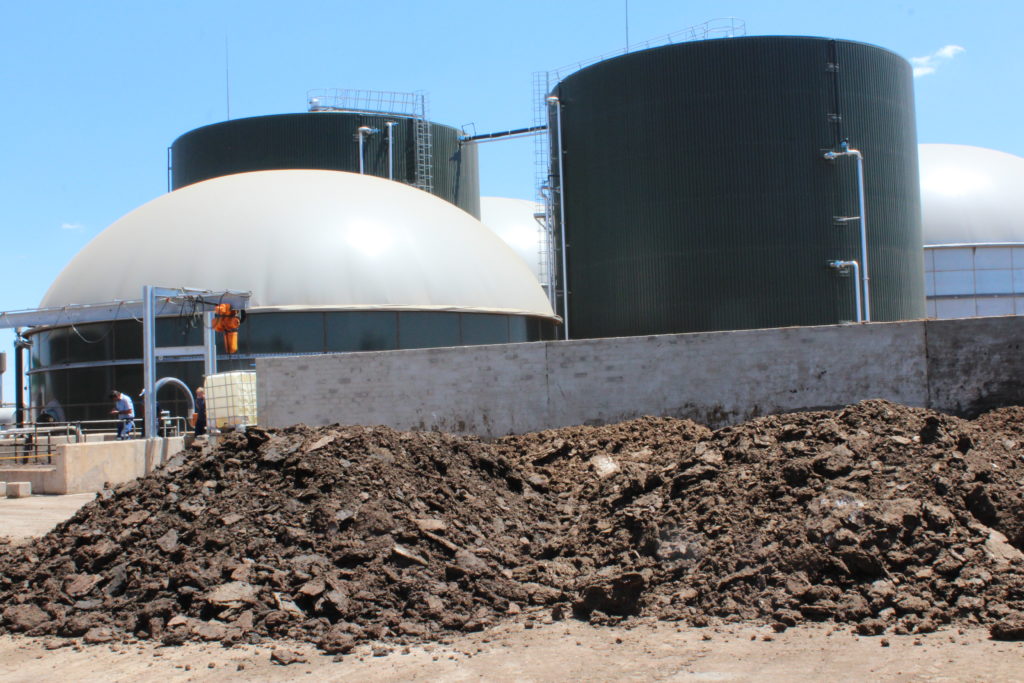
Energy constraints are impeding South Africa’s economic growth. The new Bio2Watt biogas plant produces electricity from organic waste, and is helping to reduce both the nations electricity deficit and the amount of landfill waste. Norfund provided project development financing, a third of the equity capital required and played an instrumental role in structuring the deal.
The climate in East Africa is well-suited to flower production, and the potential for growth in the sector is high. Norfund’s investment in Marginpar enabled the acquisition and development of several underperforming farms in Kenya and Ethiopia which have secured decent jobs.
Lack of access to capital is a major barrier for micro and small entrepreneurs in Myanmar to develop their businesses. Although the demand for capital is high, the microfinance industry is underdeveloped.
Informal Lenders
In Myanmar, only 26 percent of adults have an account at a formal financial institution. Banks seldom lend to micro and small companies (MSMEs), and although microfinance companies were legalised in 2011, the number of microfinance institutions is low. Informal lenders are thereby still the main source of financing for most entrepreneurs.
26%
of the adult population in Myanmar have a bank account at a formal institution
Lacking Formal Institutions
Lack of access to capital is also a main reason why microfinance institutions have limited ability to give loans and expand in Myanmar. In 2013, Norfund was the first international lender to a Myanmar-based microfinance operator. The loan was invested in Proximity Design, a social enterprise that had supported rural farmers and families in Myanmar since 2004.
New Commitments
In 2018, Norfund made several new commitments in Myanmar’s microfinance sector.
Norfund and two international partners, succeeded in creating a new, innovative funding agreement for a microfinance institution named Myanmar Finance International Limited (MFIL).
What is unique with this agreement is that it opens up for one of Myanmar’s largest banks, Yoma Bank, to give loans to MFIL due to that Norfund and partners are providing the security the bank requires. With this agreement, MFIL will be able to double its loans portfolio and reach more than 100,000 micro entrepreneurs in Myanmar.
“We are excited by the opportunity to work with Yoma
Bank to further increase our outreach to continue to grow
our business”
Mr. Po Yort, Managing Director of MFIL
Rural Financing
A follow-on equity investment to another microfinance institution, Advans MFI Myanmar, was closed in 2018. Advans MFI Myanmar is an experienced actor with focus on rural financing. Norfund’s equity investment will enable the company to attract additional funding to grow its loan book.
66%
live in rural areas in Myanmar
Our goal is to serve clients who have insufficient
access to formal banking services, with the ultimate
aim of contributing to private-sector led economic
and social progress in Myanmar.”
Jana Kadian, CEO of Advans Myanmar
Norfund made an investment in 2018 in the Myanmar Opportunities Fund II, an investment fund targeting SMEs in Myanmar.
Relevant articles:
How it is to be a new employee at Norfund
This year Norfund introduced an internship program. Four enthusiastic graduates get to experience how it is to work in a development finance institution. In the following weeks the interns will give a quick look into how life is in Norfund. Following is their first letter.
By Axel Ryder Schøyen (Intern)
Sore legs and eager minds!
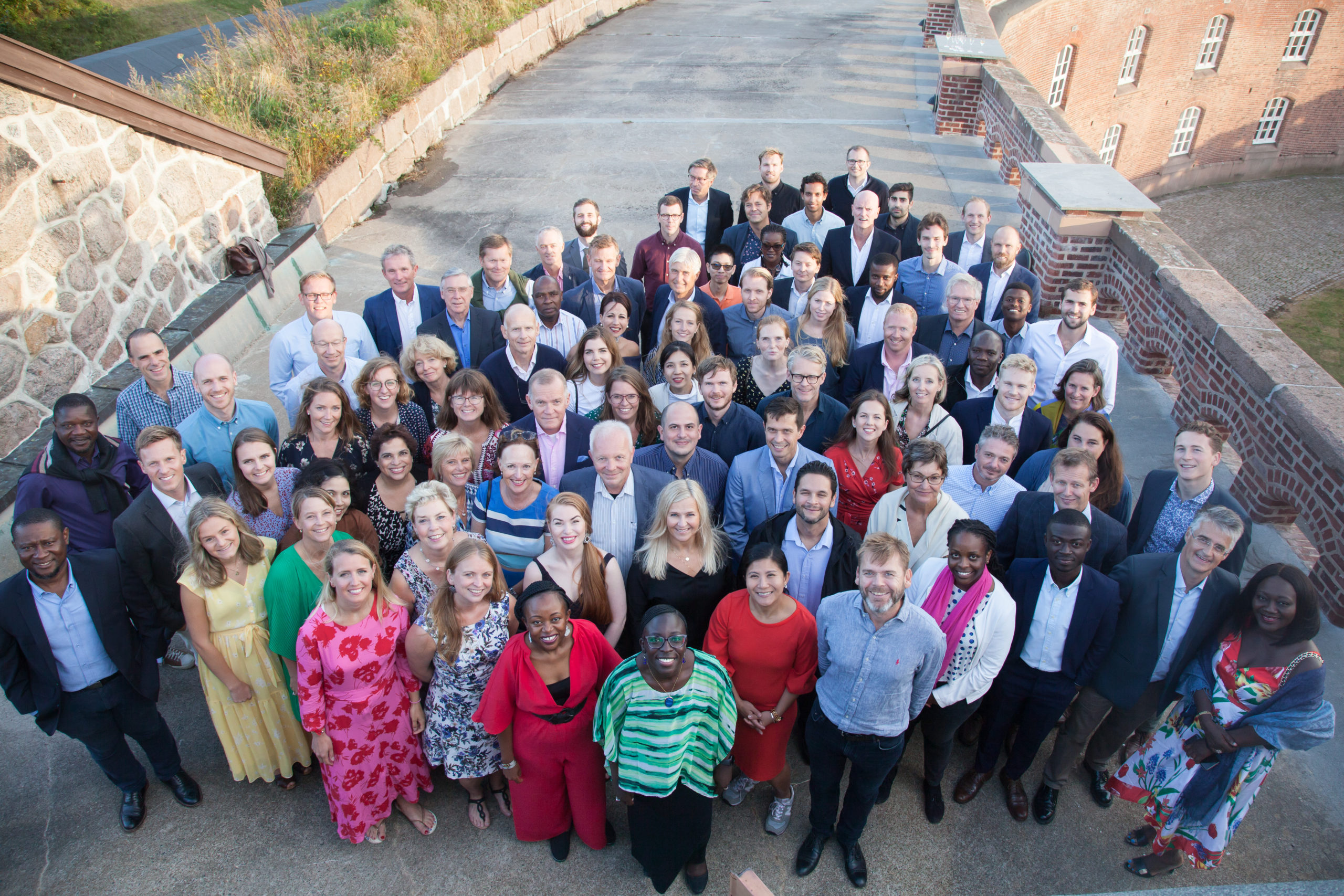
We are now eight weeks into our internship at Norfund and what a journey it’s been so far! From attending exciting conferences to travelling to Kenya and Nigeria this internship has showed us what Norfund is all about.
Intense first weeks
During our first week we were warmly greeted by the Norfund team, and it didn’t take long until we understood what a great place Norfund is. We got right down to business with a great introduction to how Norfund operates and what a Development Finance Institution does. We quickly recognized the passion for development in Norfund.
Filled up with new knowledge, we set off for Beitostølen for some team building after work on Friday. It was a great way to get to know our colleagues better and we quickly understood that Norfund does not joke around when it comes to hiking.
The Norfund Week
With sore legs from our hike we jumped right into Norfund week the following Monday. This was an amazing week, full of activities and interesting sessions. We got to meet all our colleagues from the regional offices in Africa, Central America and Asia and learn from their valuable experience.
With Norfund’s new strategy there was a lot of useful discussions on how to collaborate to achieve our goals and it was valuable to understand how difficult it is to invest in some of Norfund’s regions. It is safe to say that we were blown away by the competency in the organization.
In addition to this, the Norfund Conference was a highlight of the week providing a great introduction to the valuable work Norfund does. Lectures from some of our portfolio companies, together with the Minister for development demonstrated the imperative importance of Norfund’s investments with regards to job creation. The theme of this year’s conference was Moving Money – Improving lives, which we found very fitting to Norfund’s role.
It’s safe to say that we were proud to have an employer with 304,000 jobs in its portfolio.
Back to reality
After a hectic start we started diving into the different projects we had been assigned. We all work on different projects, but work together on a country analysis of Senegal, which is one of Norfund’s new core countries. Did you know that 60% of the population in Senegal is under 24 years old? Or that Switzerland is Senegal’s second largest export destination?
Going forward we will be busy working with our respective projects but will provide updates from some exciting projects.
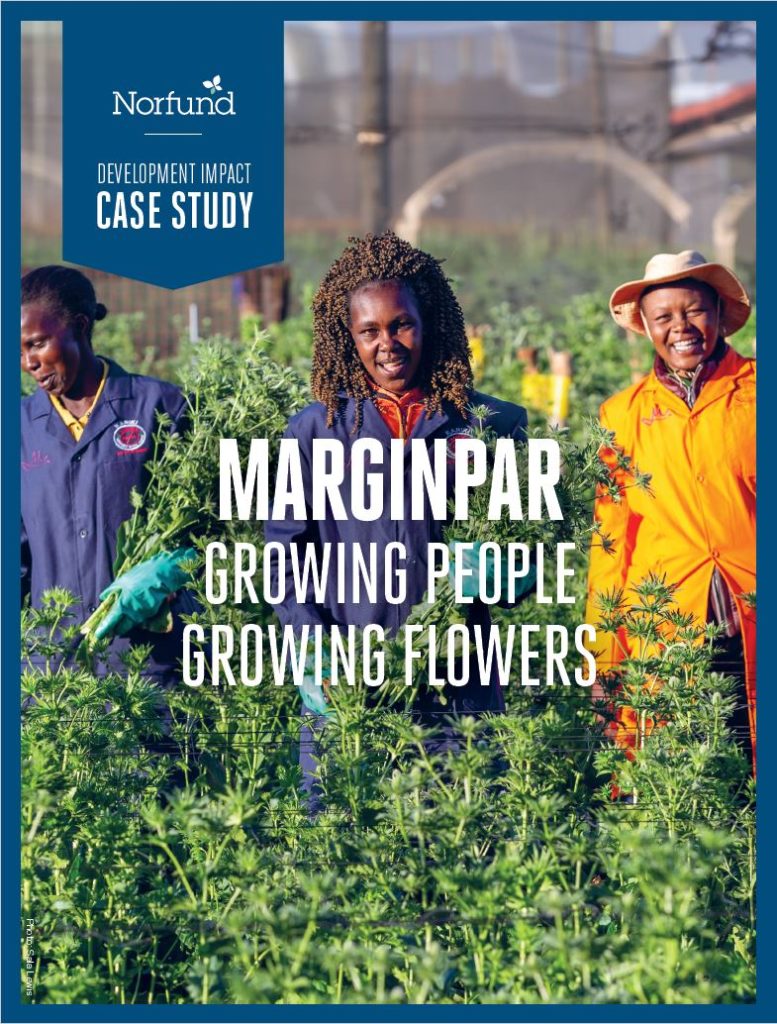
Case study: Growing people growing flowers
In East Africa, the climate is well-suited to flower production, and the potential for growth is high. Norfund’s new investment supports the utilization of this growth potential.
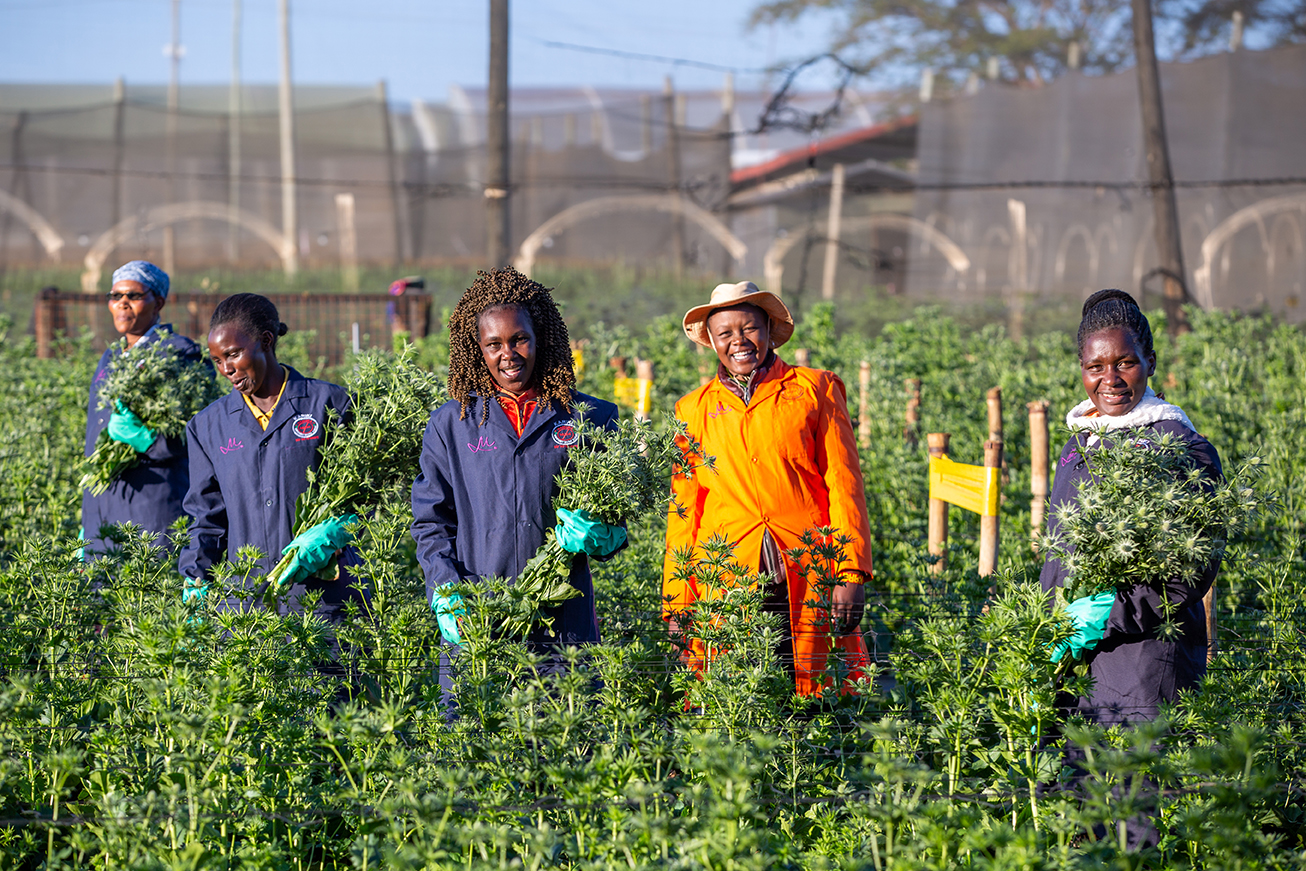
Kenya is one of the biggest flower exporters in the world. The industry employs around 100,000 people directly, and 2 million people indirectly. One of the most successful and profitable flower businesses is Kariki Ltd Kenya. They are specialising in the production and marketing of selected summer flowers. Marginpar BV is a successful Dutch flower import agent. They hold exclusive rights to import of a number of summer flower varieties from growers – such as Kariki – in Kenya, Ethiopia, Tanzania and Zimbabwe.
Cooperation = productivity
To strengthen its position, Kariki Ltd wanted to acquire two underperforming producers of summer flowers in Kenya and Ethiopia. To increase the company’s access to international markets and improve efficiency of their distribution, they also wanted a closer integration with their distribution partner Marginpar BV. In 2018, Norfund allocated USD 8.5 million in equity through Kariki Ltd for them to acquire the two East African flower producers Carzan Flowers Kenya and Marginpar Ethiopia, as well as the Dutch import agent Marginpar BV.
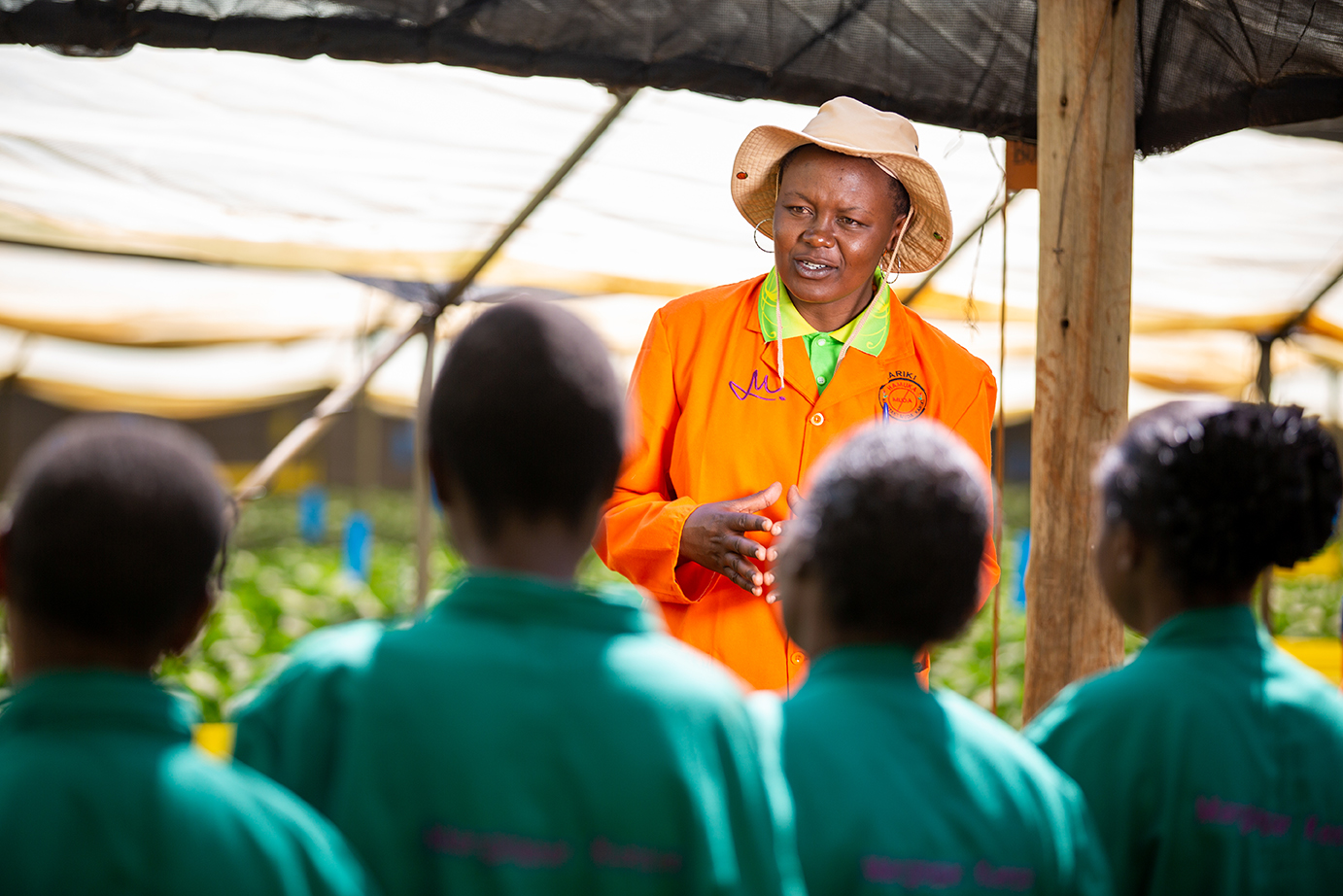
“Kariki’s high productivity and positive development is a result of the implementation of the Japanese leadership model Kaizen,” says CEO Richard Fernandes.
This has resulted in a new consortium, known as the Marginpar Group, which will facilitate a common strategy of sustainable growth and innovation. Norfund will provide expertise in business development and focus on the company’s development and monitoring of corporate governance and environmental and social issues.
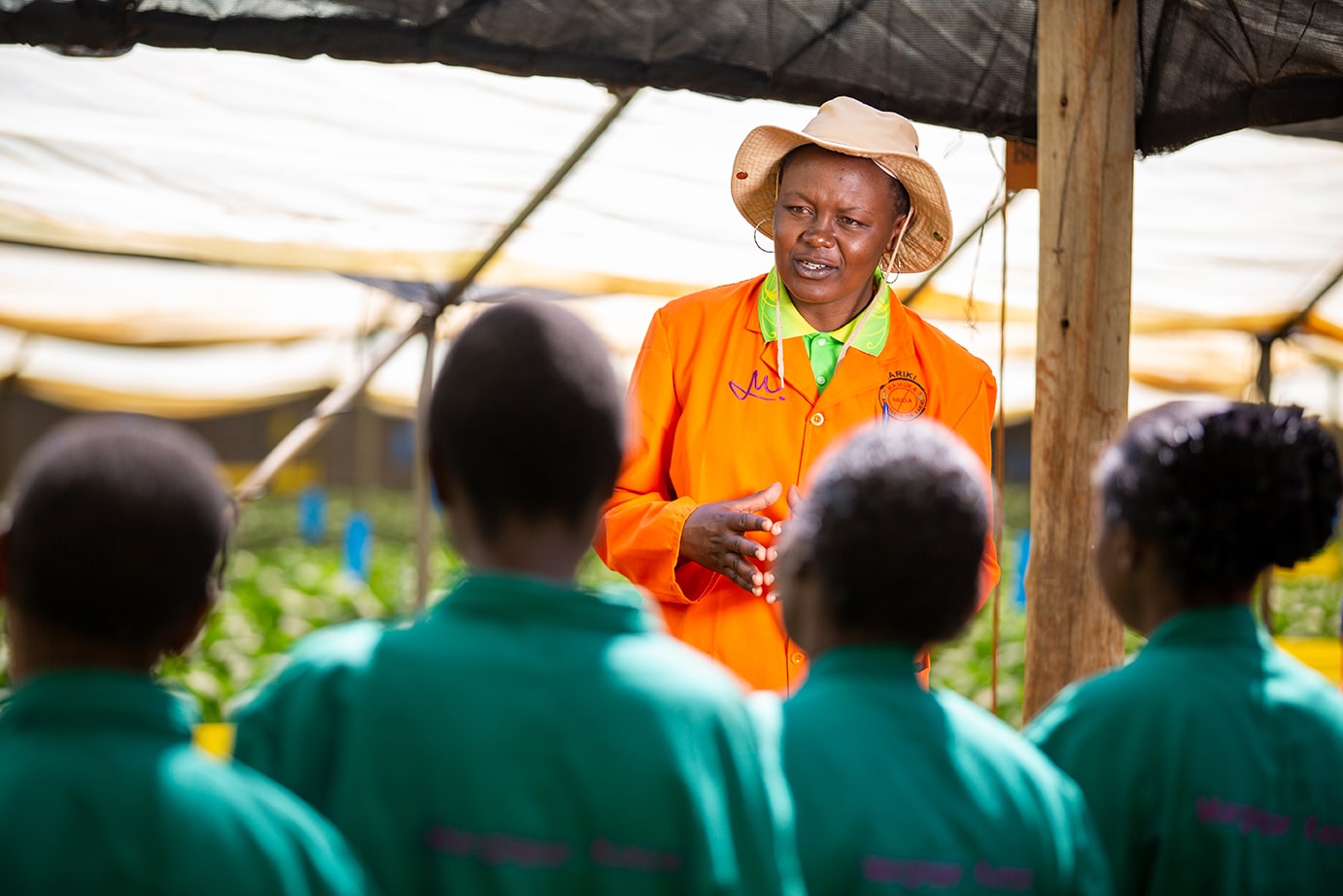
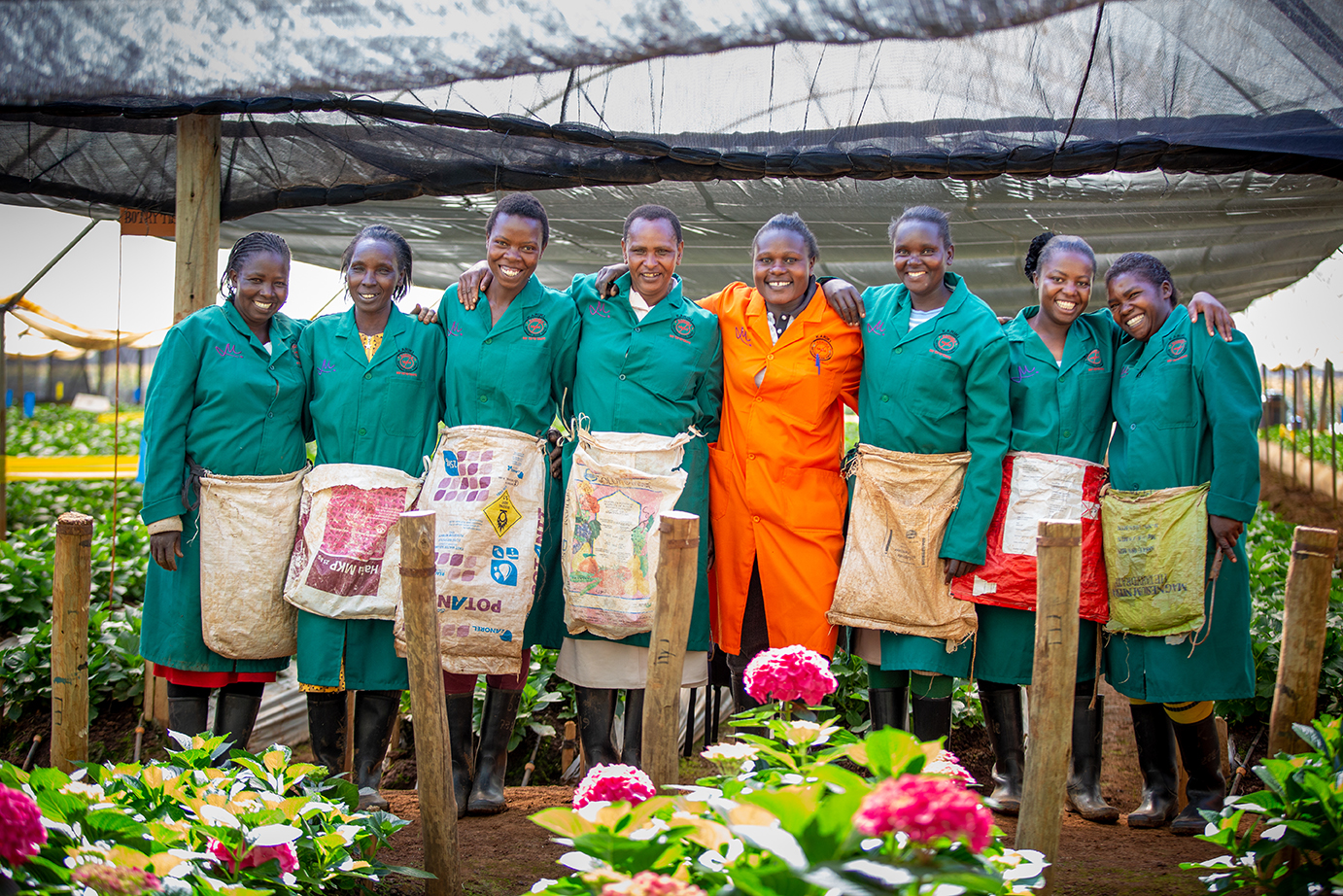
In Kariki Ltd, the workers are called ‘the value adders’.
The Kaizen model
The Kaizen model stresses the importance of delegating responsibility to the workers – the ‘value adders’. Following the acquisitions in 2018, the kaizen management model was also introduced to the new assets in the Marginpar Group, now comprising more than 2,800 permanent staff in Kenya and Ethiopia. “We grow people, our people grow flowers” is their new common motto and it has already contributed to increases in productivity.
Business Support
We believe that implementing the Kaizen model in Ethiopia will empower and strengthen Marginpar’s employees. This will give higher productivity and better financial results for Marginpar, and better working conditions and satisfaction for their workers. With co-funding from Norfund’s Business Support, the Kaizen Institute will be contracted to implement the Kaizen model on all Marginpar farms in Ethiopia during 2020.