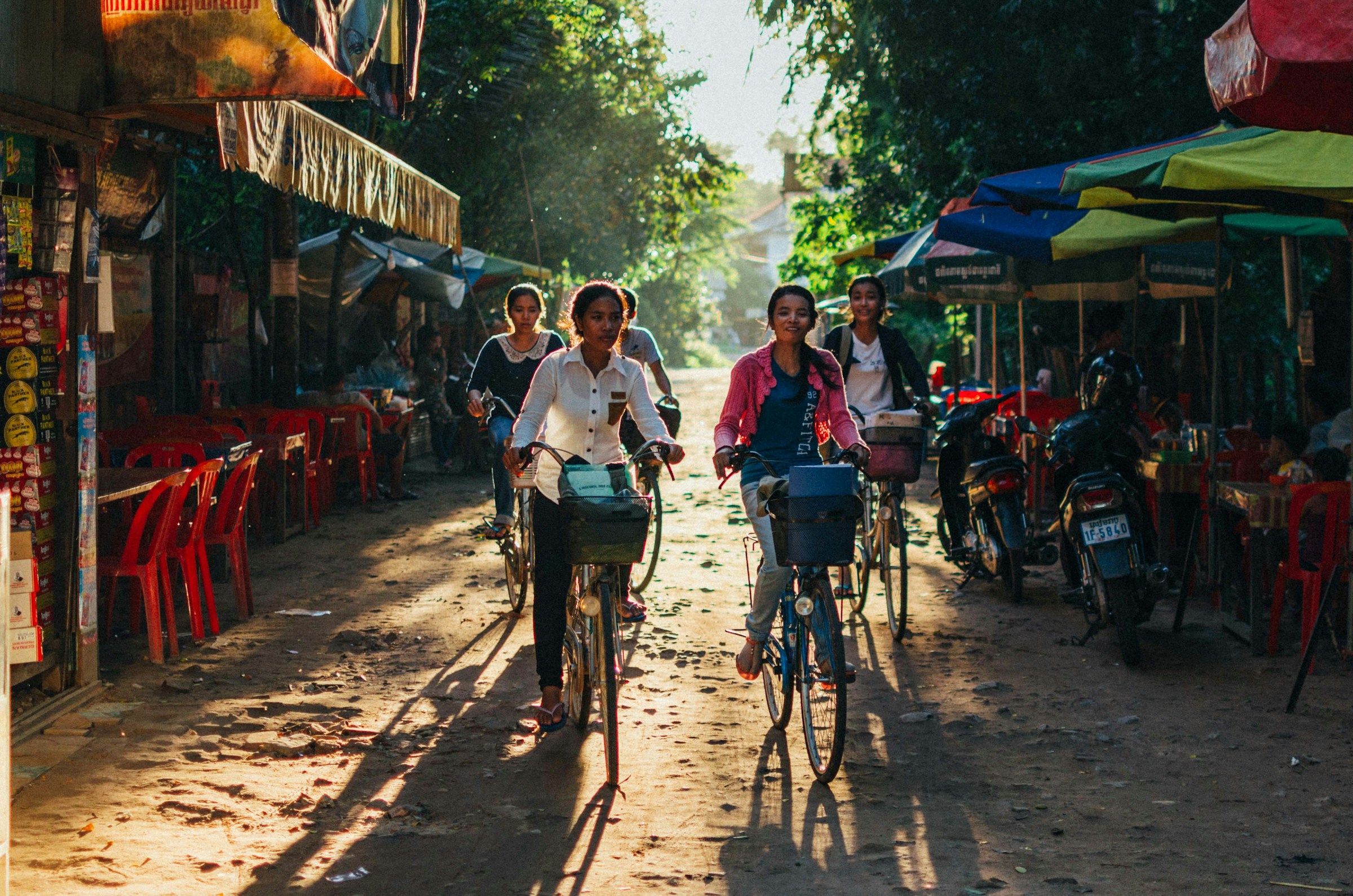
Norfund’s Bangkok office opened in 2011 with one desk. Fifteen years later it is the fund’s largest regional office, and commitments in Asia have reached USD 1.48 billion (NOK 13.5 billion), close to USD 100 million a year.
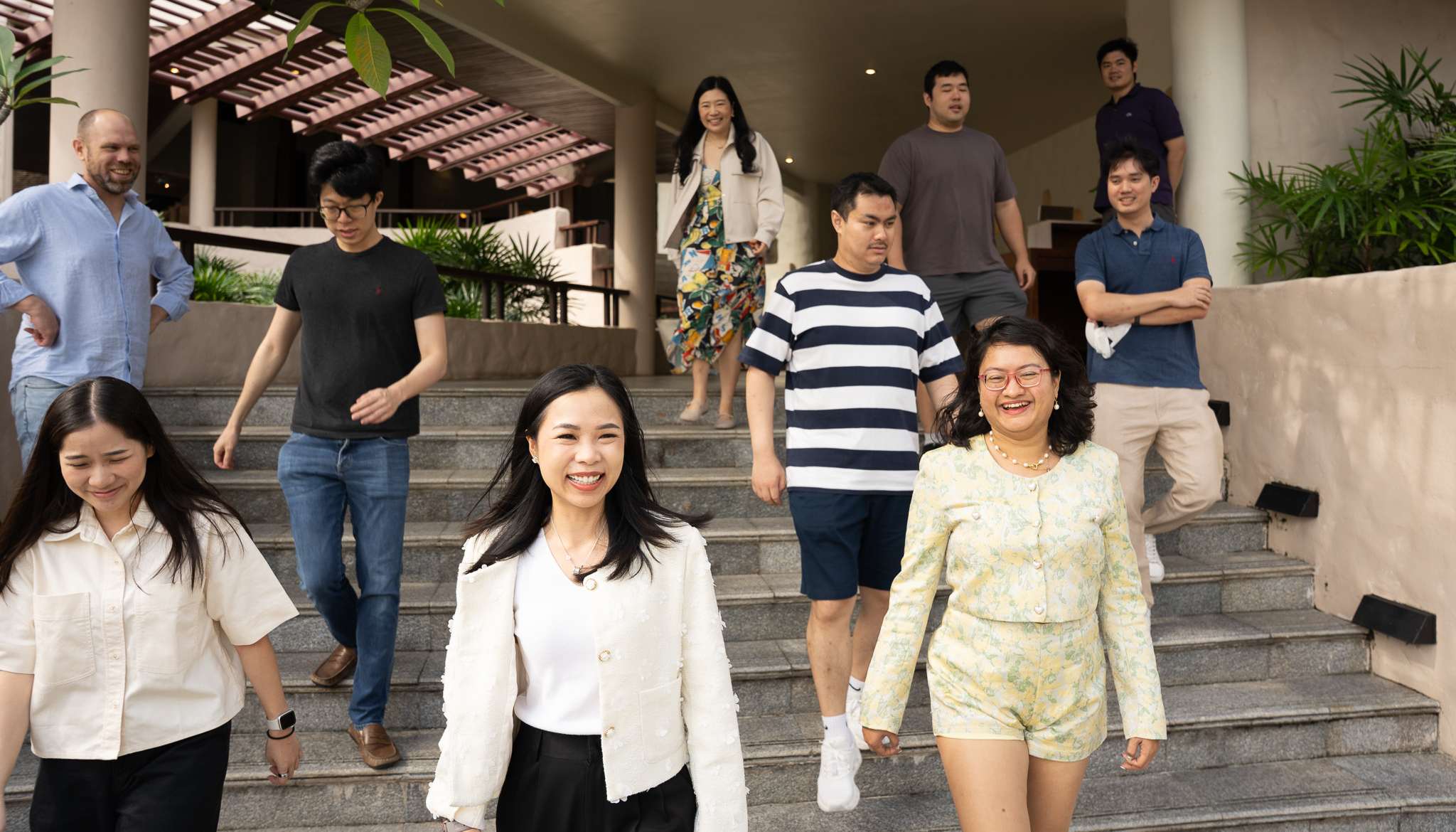
“I am so proud of what this team and our partners have built in fifteen years, and we are only getting started! Asia needs job creation at scale and cleaner energy mixes in countries that are still dependent on coal. We know these markets, we have strong partners, and we want to do far more in the decade ahead,”
Fay Chetnakarnkul
Regional Director in Asia

Financial inclusion: USD 690 million
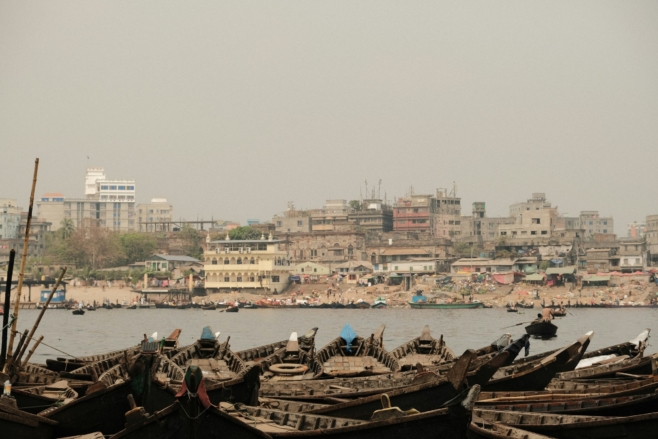
Norfund invests in banks and microfinance institutions, which lend the money on to small businesses and households. An investment in a bank such as Mutual Trust Bank in Bangladesh ends up as working capital for a garment supplier, or as stock for a shop owner who can then hire a second employee.
The financial institutions in Norfund’s Asian portfolio served around 36 million clients in 2025.
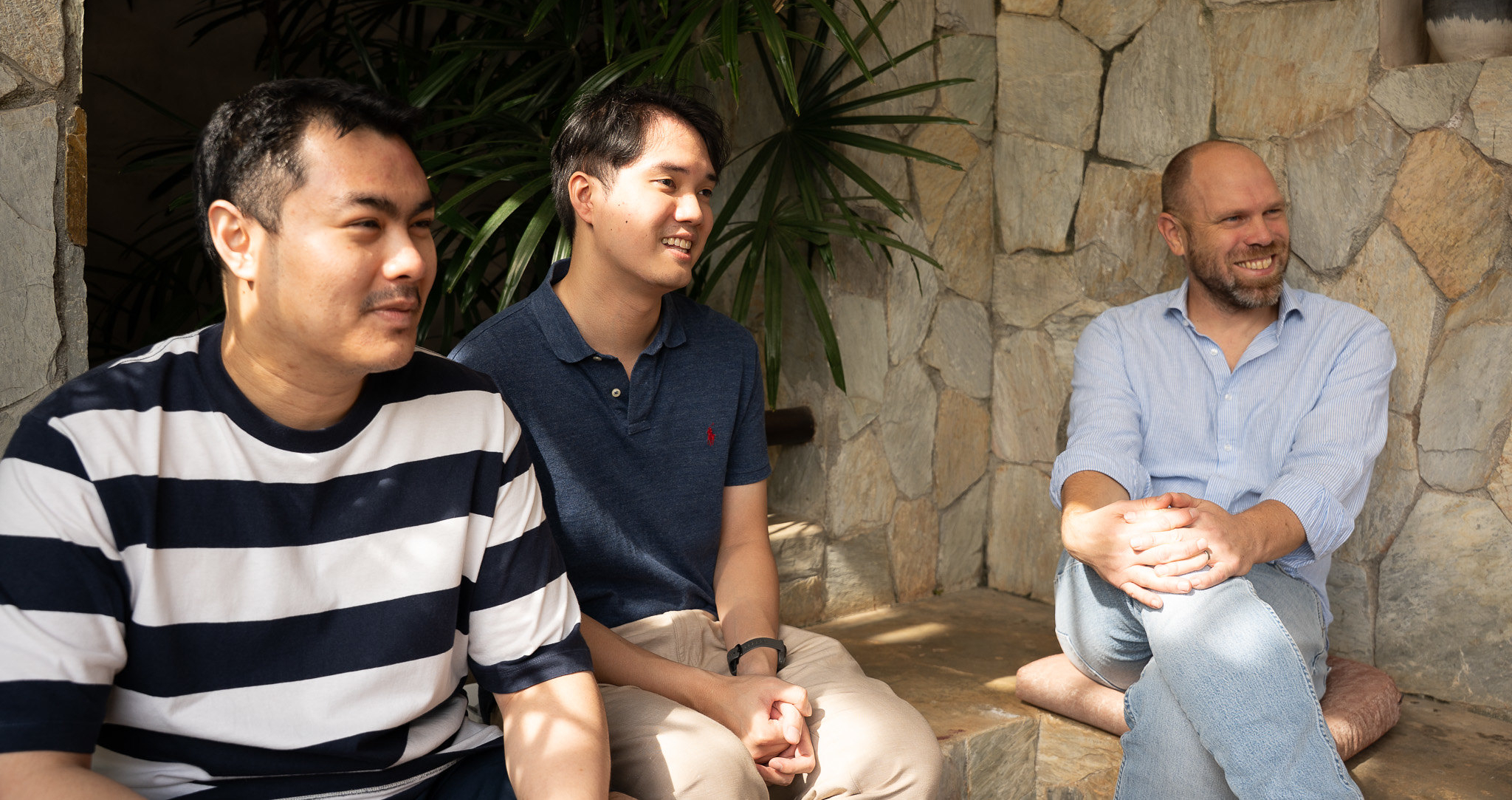
Renewable energy: USD 793 million
The renewable energy portfolio in Asia covers rooftop solar, hydropower, utility-scale plants and specialised funds. To take a few examples: in Indonesia, Norfund has invested in the rooftop solar company Xurya and provided early-phase funding for the 12 MW Lobu Dolom hydropower project in Sulawesi, developed with Tinfos. In Cambodia, Norfund has lent to Prime Road Solar, and through the fund SEACEF II it backs early-stage clean energy companies across Southeast Asia.
Why the two belong together
Around 560 million young people will reach working age in South Asia, East Asia and the Pacific over the next decade, almost half of the total across all developing countries. Most of the jobs they need will come from small businesses, which need credit to grow and power to run. Much of that power still comes from coal, so financing clean energy helps these economies grow while they move towards net zero.
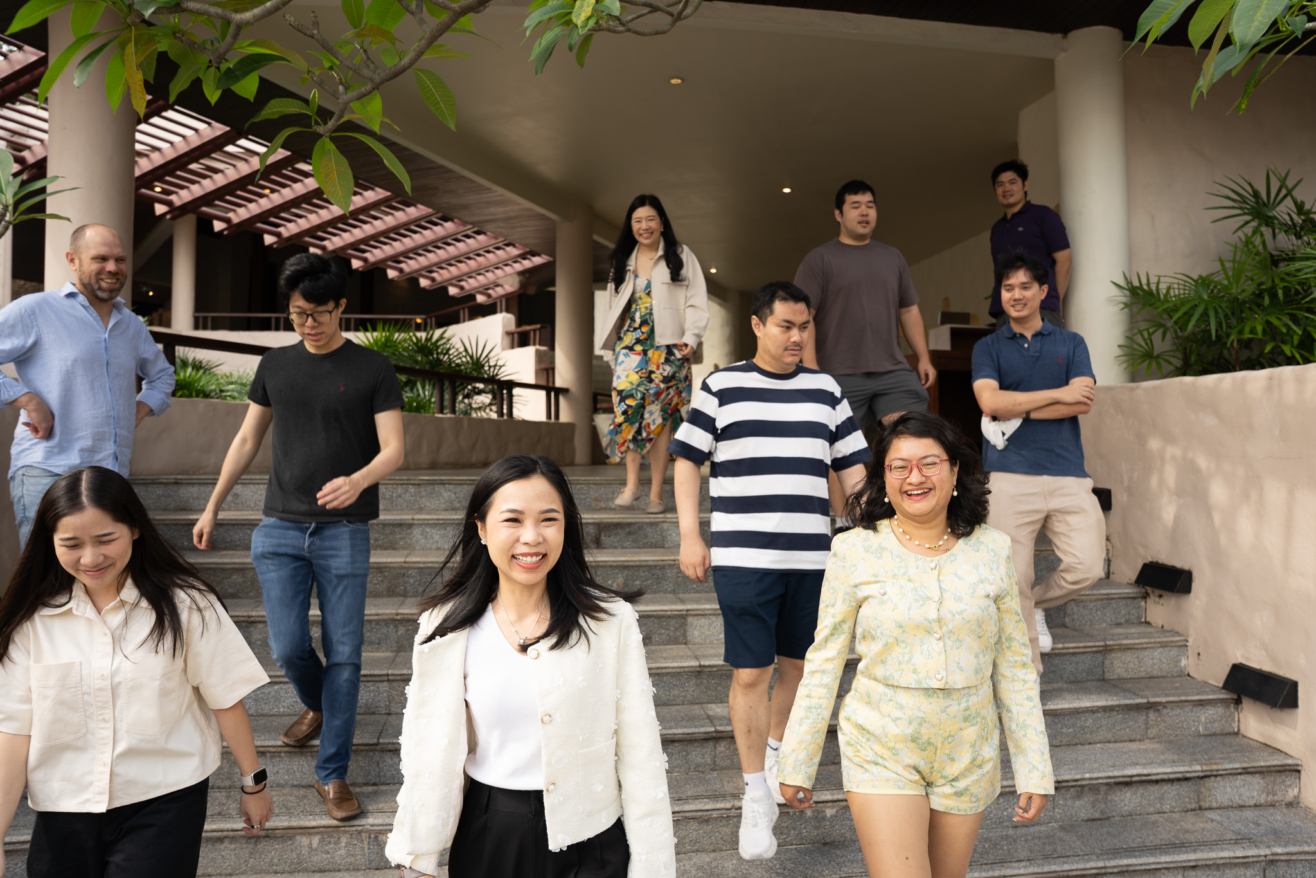
 November 24, 2026
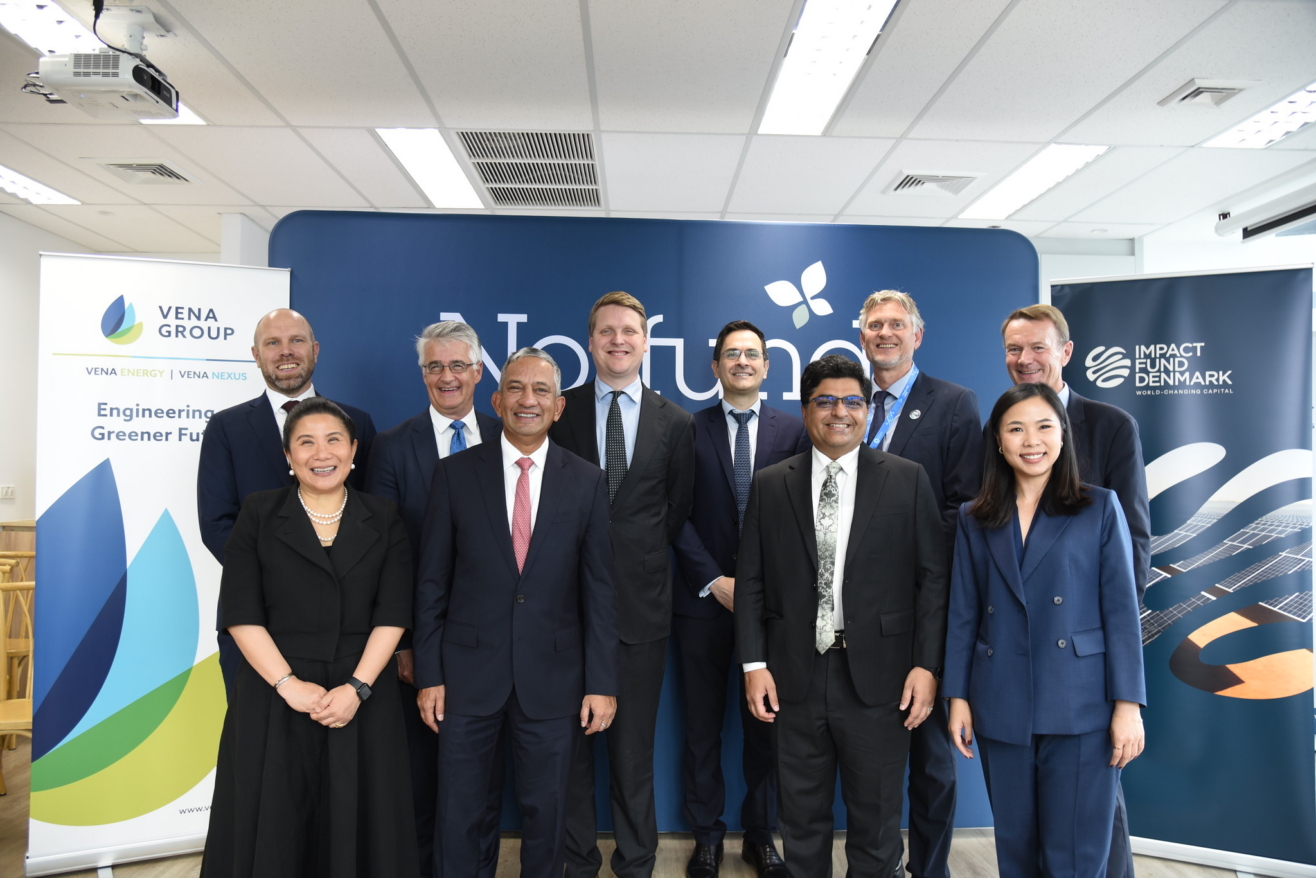
Celebrating 15 years on the ground in Asia
 June 30, 2026
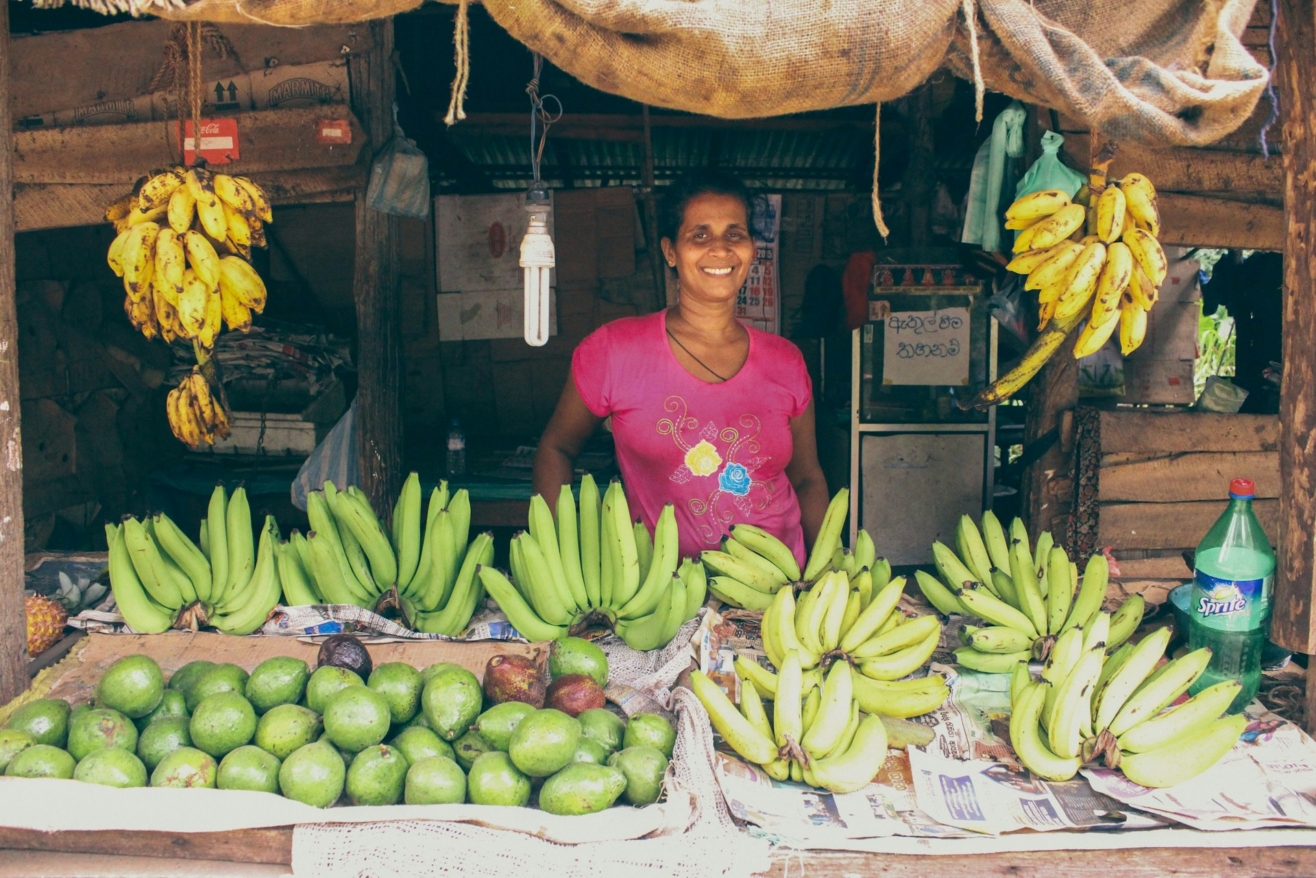
Increasing financial inclusion in Sri Lanka
 February 10, 2026
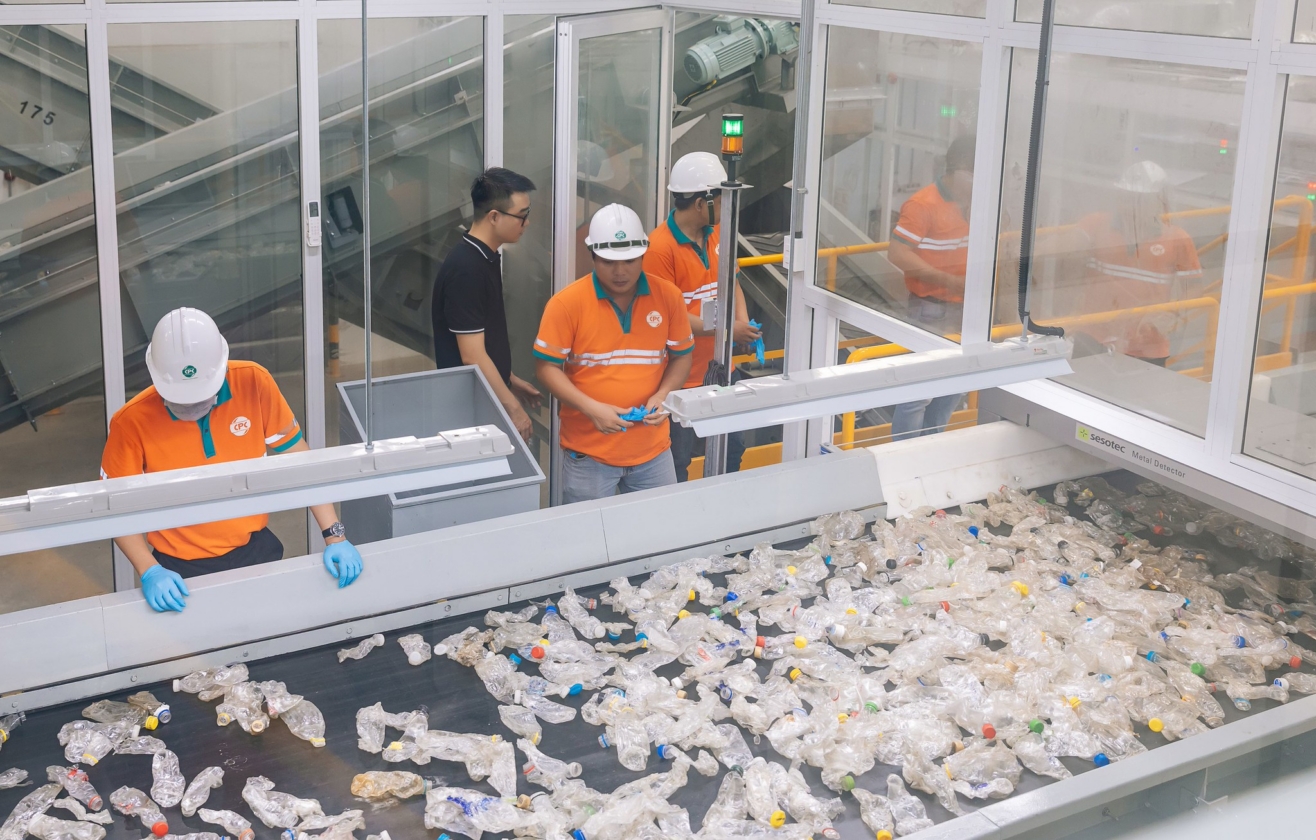
Expanding plastic recycling in Vietnam
 January 22, 2026
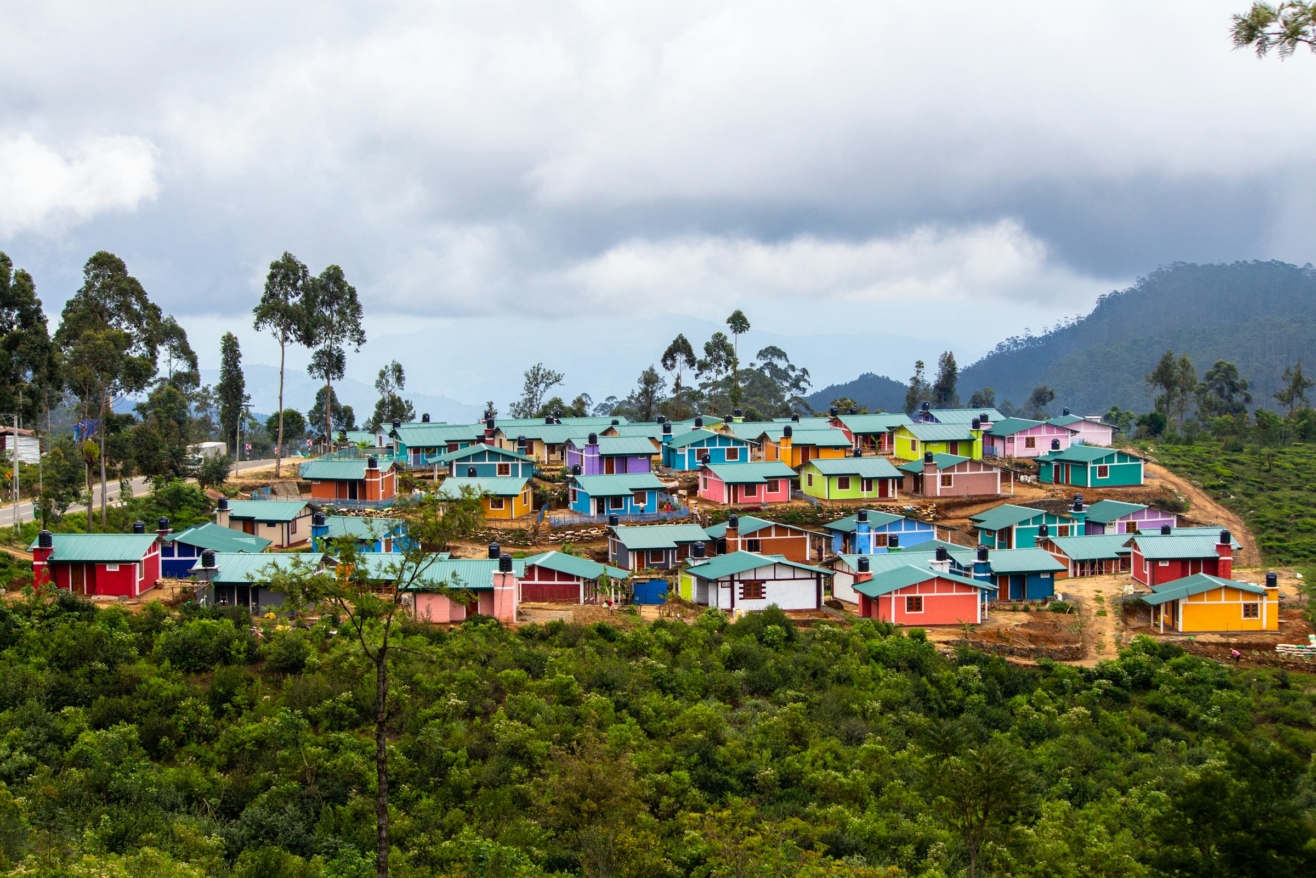
Expanding access to insurance across Sri Lanka
 February 20, 2025
Expanding financial inclusion in Bangladesh


 July 1, 2024