Sub-Saharan African fund aims to create 2000 jobs in food and agriculture

By investing across the African food value chain, a new fund aims to create 2000 new jobs and increase food supply.

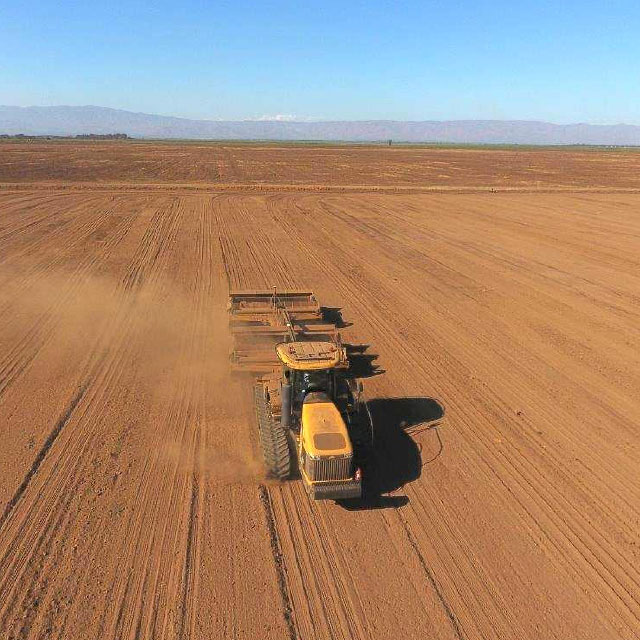
A group of development finance institutions (DFIs) – CDC Group, Norfund, Finnfund, FinDev Canada and BIO – announce an $82 million joint commitment to Phatisa Food Fund 2, managed by Phatisa. PFF 2 will invest across the African food value chain, considering investments in mechanisation, inputs, poultry and meat production, food processing and manufacturing, logistics, aggregation and distribution across Sub-Saharan Africa.

Norfund has committed $20m to the investment that aims to strengthen and increase food supply, local production and distribution across the region.

The Fund has reached a final close of $143m, bringing DFIs and commercial investors together to boost the supply of quality food in Sub-Saharan Africa – where an estimated 239 million people are affected by food insecurity.

Norfund is happy to be part of this opportunity to invest in businesses that are expected to create a large number of jobs and increased business opportunities within the food production space across Sub-Saharan Africa.

Olav Akrawi, Project Manager in Scalable Enterprises Norfund

The Fund, via its investment in companies in the food value chain, targets over 90,000 small-holder farmers and micro-entrepreneurs and aims to create over 2,000 permanent jobs and sustain another 10,000 jobs. The investment follows the success of Phatisa’s African Agriculture Fund (AAF), which has created more than 1,800 jobs and benefitted 86,000 farmers operating in over 20 markets across the continent.

Building on AAF, Phatisa Food Fund 2 will enable small-holder farmers and micro-entrepreneurs to develop their skills, broadening access to markets and economic opportunities. The new fund will also address access to, and affordability of products among farmers and promote smart agricultural methods – enhancing crop resilience, reducing food loss and waste by 50% in the companies it finances, while increasing outputs, yields and incomes.

Norfund has already co-invested with the fund in a Malawian provider of agricultural equipment and services, Farming and Engineering Services Limited (FES).

– The Fund’s plans are aligned with Norfund’s strategy, directing its focus towards companies with strong financial prospects that will contribute to economic growth and improve the value chain in the food and agri-sector, says Olav Akrawi, project manager in Norfund.

Investment in Malawian dairy to increase income for small farmers

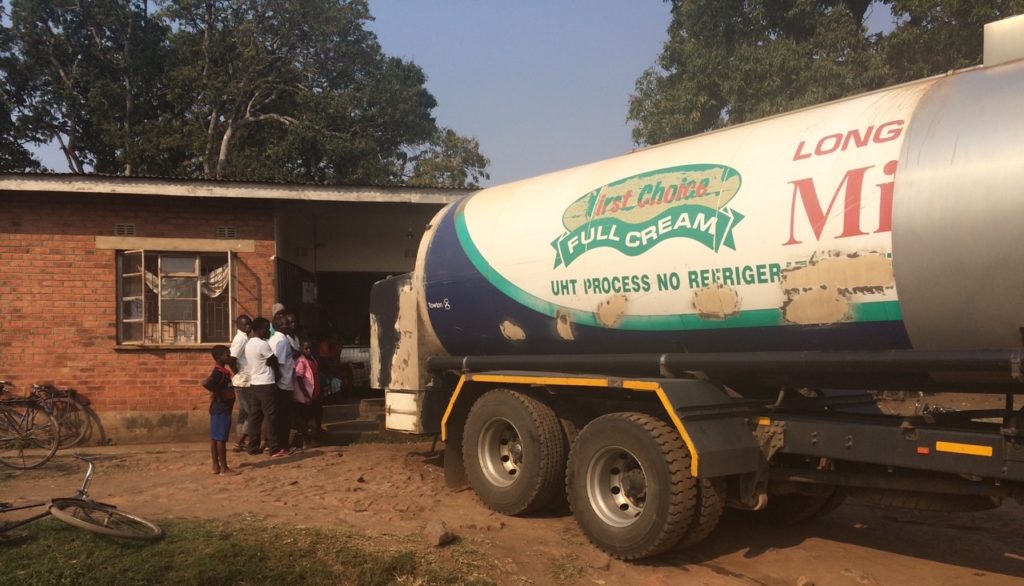
By investing in Lilongwe Dairy in Malawi, Norfund will contribute to increased income for small scale farmers and access to locally produced dairy products to the Malawian population.

Norfund has recently committed 5.8 million USD in Lilongwe Dairy in Malawi.

The aim is to contribute, through capital and active ownership, to sustainability and growth of the dairy. This will further help providing stable income to farmers and meeting the increasing demand for dairy products – with local production.

Buying milk from 10.000 smallholder farmers

Lilongwe Dairy receives milk from over 10,000 small farmers, who are organized in 36 cooperatives.

By developing the dairy business, Norfund will contribute to many small scale farmers getting a turnover on their milk production, and thus increased income. This could help them work their way out of poverty.

Ellen Cathrine Rasmussen, leder avdeling for vekstkraftige virksomheter i Norfund

By facilitating increased production and higher quality based on locally produced milk, the investment will also help to replace imports. This strengthens both food security and Malawi’s trade balance.

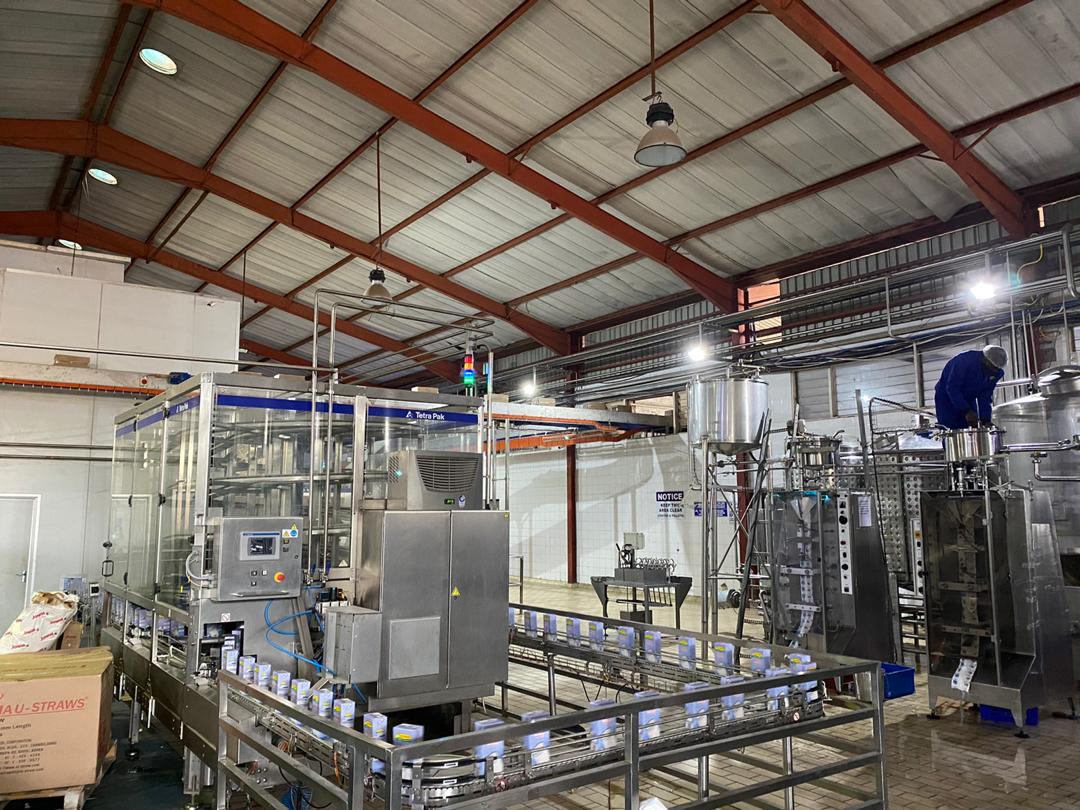
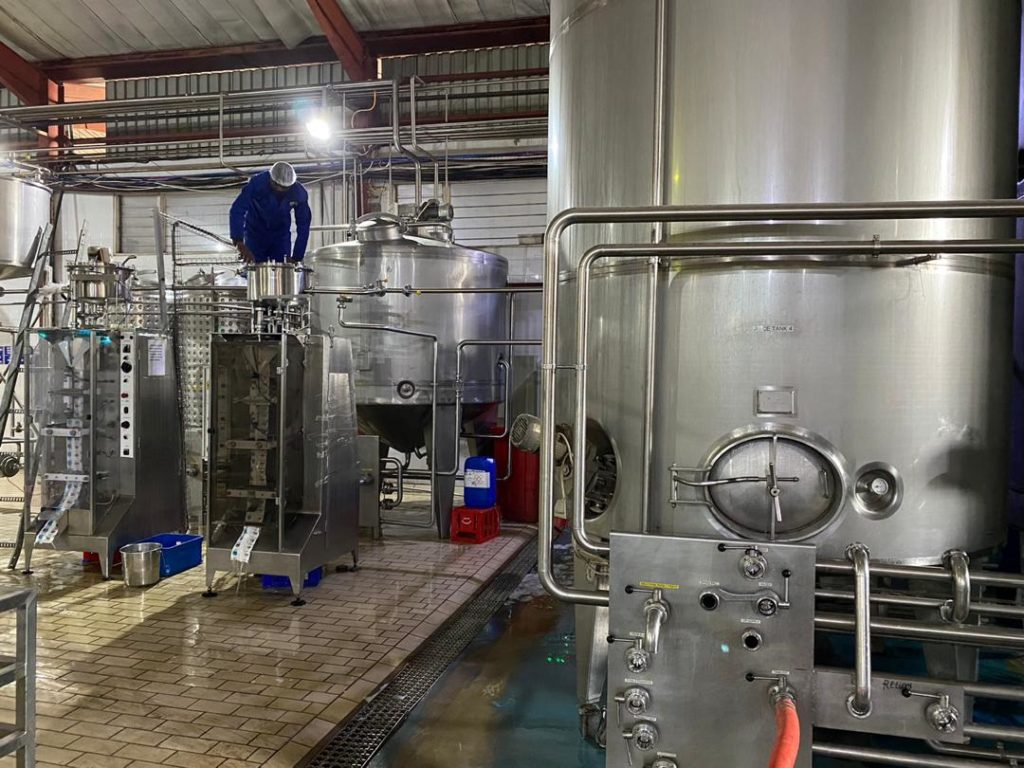
With access to more capital, the dairy will invest in larger warehouses, increased pasteurization capacity, new packaging machines and improved distribution equipment to consumers.

-Through active ownership, Norfund will also contribute to professionalising the operation of the company by introducing better structures and control mechanisms, and put in place systems for food safety and waste management, which can both reduce expenses and increase revenues, says Rasmussen.

Making it more attractive to produce milk

Malawi is one of the world’s least developed countries, and is ranked 174th out of 189 countries on the UN Development Index. The agricultural sector accounts for 28 per cent of GDP and almost 65 per cent of total employment in Malawi.

A large part of Malawi’s population is malnourished (18.8%). Increased consumption of dairy products can be a positive contribution. The market is currently quite small, but strong growth is expected in the next few years.

Most of the farmers who supply milk to the dairy have only 1 to 3 cows each.

Low prices and lack of knowledge on how to achieve high quality milk have so far made it unattractive for small farmers to invest in milk production. Lilongwe Dairy wants to provide financing to smallholders so that they can buy more cows and invest in better capacity. Norfund also plans to contribute by co-financing cows and training for new smallholders through Norfund’s Business Support program.

For many small scale farmers in Malawi, diversification and extra income through the supply of milk can be an important insurance if the crop fails or other income is lost.

Investing in the agribusiness value chain

Norfund’s purpose is to create jobs and improve living conditions by investing in companies that promote sustainable development. The state fund has invested in the agricultural sector over several years. A few years ago, the strategy was changed, in the direction of investing more in companies higher up in the value chain.

– We see that we can make a big difference by investing in companies that make it possible for small scale farmers to sell their products, says Rasmussen.

This is Norfund’s first investment in a dairy, but it may offer Norfund an opportunity to learn and grow in the sector.

Investments in financial institutions to strengthen agriculture sector

Norfund also contributes to developing jobs in small and medium-sized enterprises, including in agriculture, by investing in banks.

Historically, traditional banks in Africa have had a low share of the loan portfolio for primary agriculture and for the agriculture value chain. Many African banks lack expertise in the area and do not have suitable loan products for such small customers.

Norfund has established the platform company Arise, which owns banks with operations in 33 countries in Africa, including Malawi, together with its Dutch sister fund, FMO, and Rabobank, a Dutch bank with special expertise in agriculture.

It is an important focus area for Arise to help banks develop customized loan products for farmers. From 2018 to 2019 alone, the banks in Arise’s portfolio had an increase in lending to primary agriculture of 10%.

Norfund also invests in microfinance, with 2.7 million loan customers in 2019. These also reach a large number of small scale farmers and micro-enterprises related to agricultural production.

Innovative financing will provide electricity to 1.9 million people

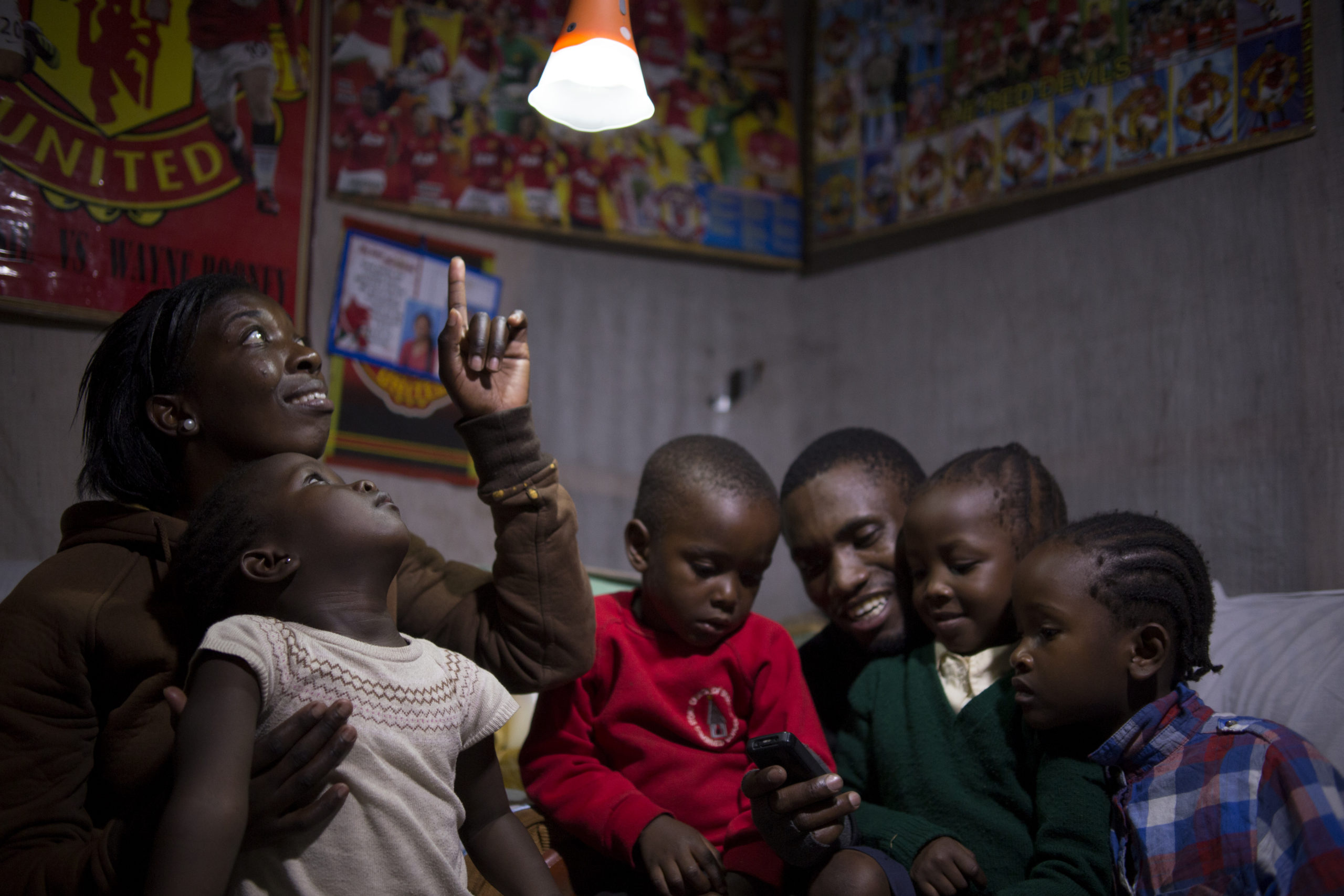
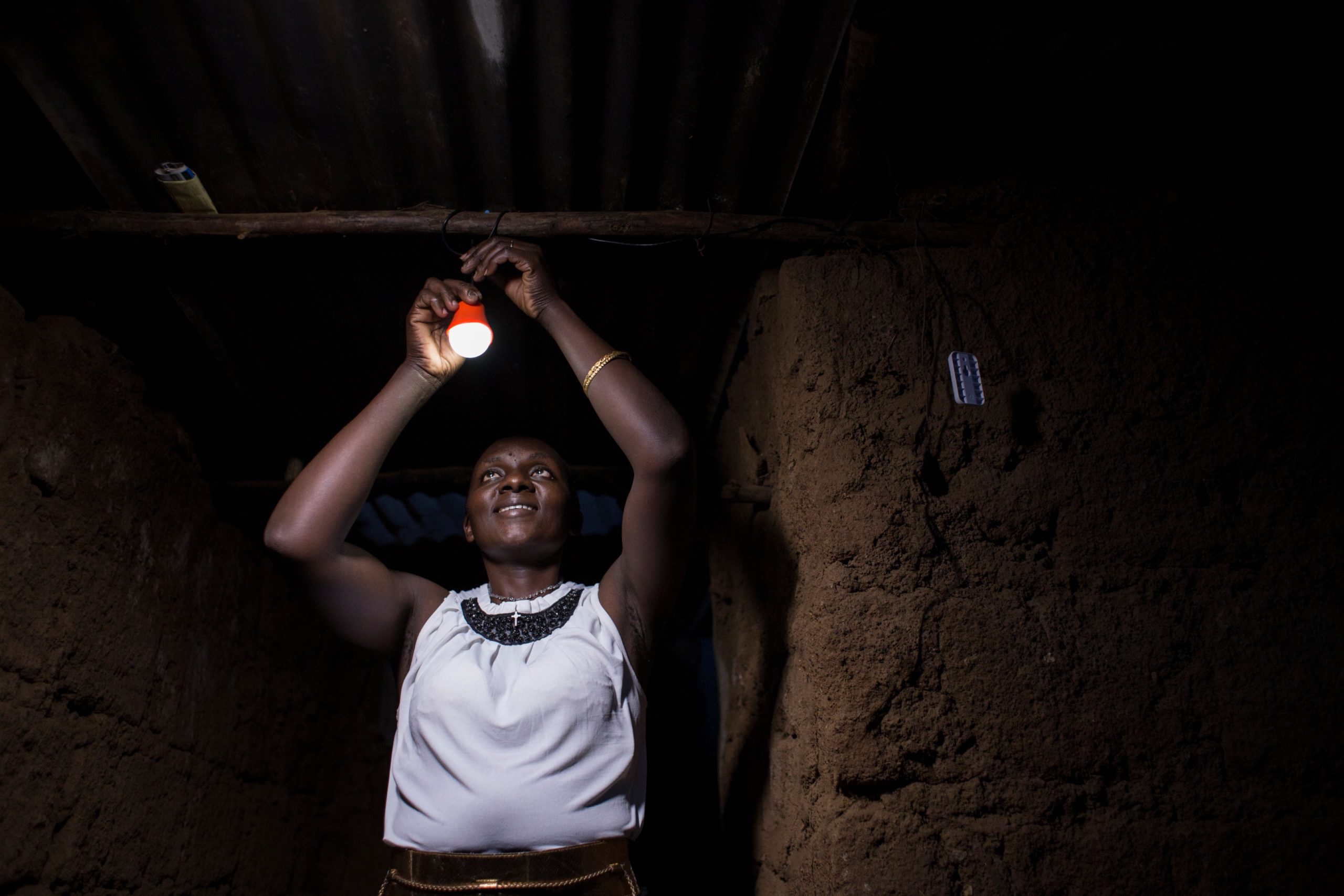
Solar energy in combination with batteries provides new opportunities for people in developing countries without access to the grid . Through a new financing facility, Norfund will contribute to as many as 1.9 million people gaining access to electricity.

The combination of increasingly cheaper solar panels, batteries, LED lamps and other energy-efficient products has made distributed solar solutions more accessible in the world’s poorest countries.

Norfund is now entering into a new facility, that will enable the solar energy provider d.light to provide electricity to as many as 1.9 million people.

Poor households buy their own solar systems

d.light’s business model is that the consumer buys a solar system which they pay down via their mobile phone. While the household previously spent the corresponding amount weekly on kerosene, they now spend the money on becoming owners of their own solar system. Once the system is paid off, they will have free power.

Flexible working capital enables d.light to offer more solar systems

With this business model, where the customers have a long repayment period, d’light becomes dependent on borrowing a lot of money. The interest d.light must pay from the solar system is sent from the manufacturer until it is repaid by the customer, is decisive for how affordable solutions can be offered – and thus how many can access them.

Since 2016, Norfund has been an equity investor in d.light – one of the largest players in off-grid solar energy. Norfund has now contributed to a new innovative solution to ensure the company access to flexible and affordable working capital.

While d.light until now have had to work hard constantly applying for new small bank loans, the new facility from Norfund will finance the purchase of d.light’s accounts receivable. This means that it takes shorter time from d.light pays its suppliers, until they get the money back into their account.

Kristoffer Valvik, Senior Associate – Clean Energy in Norfund.

The new solution also allows the company to plan long-term based, knowing that they have capital available at a reasonable price.

The company that Norfund has financed is called Brighter Life Kenya 1 Limited. It is structured to provide d.light Kenya financing in local currency, Kenyan shillings.

– Postponing the handling of outstanding loans in this way is a well-known way of protecting a business against credit risk and reducing working capital requirements here in Norway. However, as far as we know, this is the first time this has been done on this scale within decentralized energy in developing countries, says Valvik.

The investment is expected to contribute to:

  • improved energy access and economic inclusion for 1.9 million people who do not have access to the grid in Kenya
  • NOK 800 million in increased revenues for the Kenyan economy
  • Over 600,000 tonnes of CO2 in avoided emissions

Norfund’s loan is in addition to the loan United States International Development Finance Corporation (DFC) contributed in June 2020 of NOK 170 million. Norfund’s entry with NOK 128 million means a significant strengthening.

Relevant articles

Increased funding for solar solutions in Nigeria and Ghana

New funding will enable Starsight to continue to deliver its market leading energy-as-a-service hybrid solar solutions to commercial and industrial customers in Nigeria and Ghana.

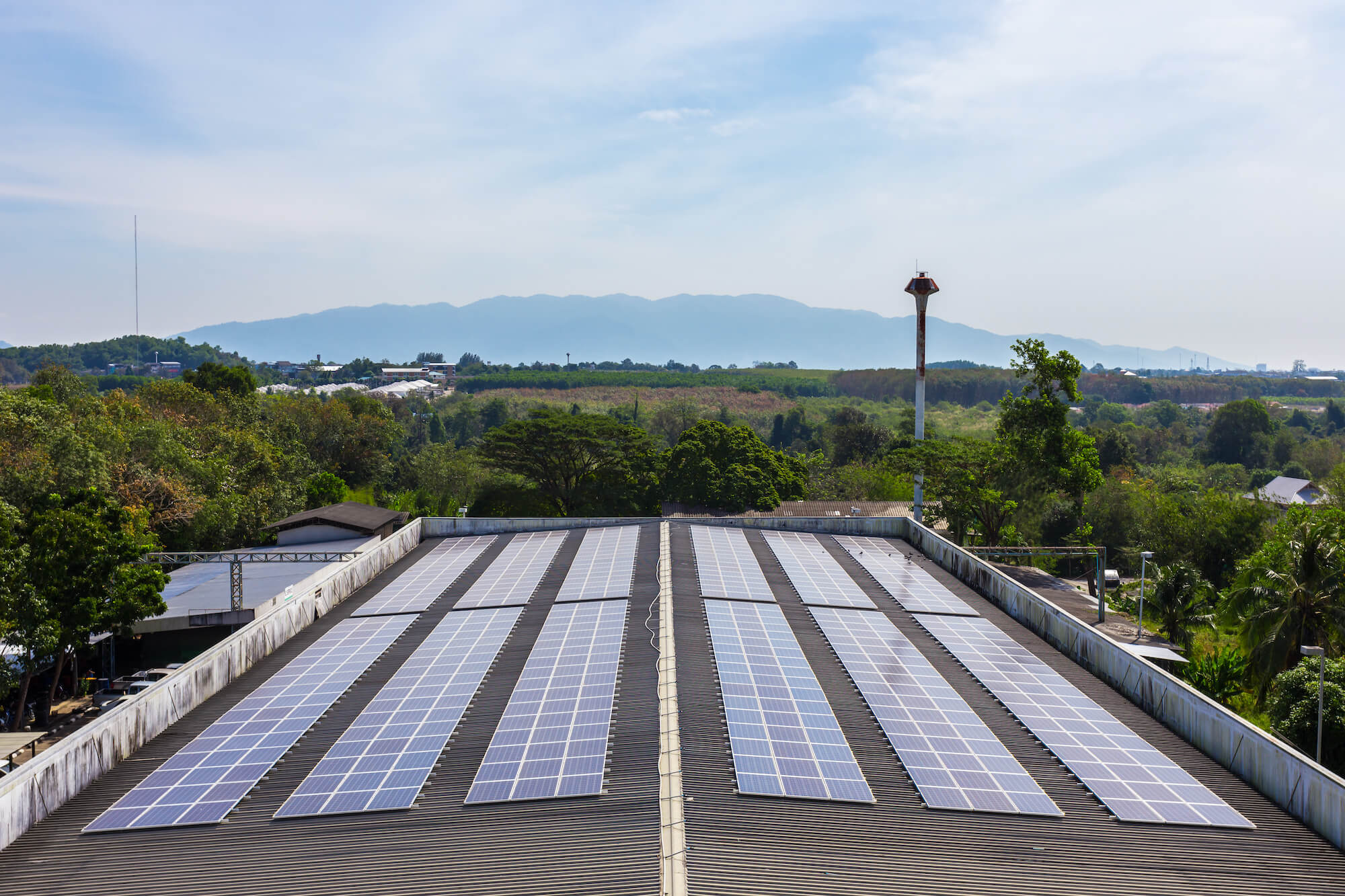
Starsight, Finnfund, and Norfund closed the original $10 million facility in June 2019. Since then, Starsight has expanded its portfolio to over 500 sites, 36 MW of installed generating capacity, and 28 MWh of storage capacity across Nigeria and Ghana.

Every Starsight client benefits from the company’s end-to-end service, 99% uptime guarantee, and freed capex, while making their businesses green and sustainable.

Senior debt facility increased to USD 20 mill

Today, Starsight annonsed in a pressrelease that Finnfund and Norfund have increased their senior debt facility from $10 million to $20 million.

Tony Carr, Starsight’s CEO, commented, “We are proud of our continued relationship with our partners at Finnfund and Norfund, and we value their confidence in Starsight’s world-class team, value offering, and service reputation. As we expand from Nigeria to Ghana and beyond, this funding will be key to our ability to swiftly deploy hybrid-solar solutions to new C&I customers. Starsight is uniquely positioned to remain a market leader thanks to this backing from the Nordic DFI’s, as well as our equity investors Helios Investment Partners and Africa Infrastructure Investment Managers.”

We are delighted to see Starsight grow and expand into new markets. By replicating its success from Nigeria into Ghana, the company has enlarged its positive impact on cutting both energy costs and climate emissions, enabling job creation while contributing to a more sustainable development. We are proud to be able to continue to support Starsight on this path

Birgit Edlefsen, Norfund’s Senior Investment Manager

About Starsight

Founded in 2015, Starsight is the leading West African Commercial & Industrial (C&I) energy-as-a-service provider. It has deployed approximately 36 MW of generation assets and 28 MWh of storage at over 500 sites in all Nigerian states and Ghana.

The Company’s team of highly experienced professionals provides power solutions to a diverse clientele, including banks, gas stations, schools, and large commercial agricultural companies. Starsight’s proprietary smart technology optimizes energy consumption enabling customers to significantly reduce energy costs and boost profitability without incurring any upfront expense.

Starsight delivers an end-to-end service, starting with assessing a client’s energy needs to the installation and maintenance of a renewable energy solution. This is then followed by ongoing technical support. Starsight’s long-term relationships with its blue-chip clients reflect the quality of its in-house engineering, procurement, and construction services, along with the reliability of its operations, maintenance, and customer service. Together these provide customers with the peace of mind that all their power-related issues are in trustworthy hands.

Starsight has consistently maintained the highest ESG credentials and continues to reduce its customers’ carbon footprint and harmful diesel emissions. The Company is backed by Helios Investment Partners and Africa Infrastructure Investment Managers.

Relevant articles

Boosting economic recovery and creating jobs in Central America

In December 2020, in the middle of the Covid-19 pandemic, a new growth capital fund for fast growing small and medium-sized enterprises in Central America, CASEIF IV, was launched.

The objective is to boost the economic recovery and create jobs in Central America, Panama, Colombia, and the Dominican Republic. 

These countries have all been severely affected by the Covid-19 pandemic and the hurricanes that hit the region the previous months.

This new regional initiative will support the economic reactivation through investments in sustainable companies that create local jobs and opportunities – especially for women.

The establishment of CASEIF IV LP in the midst of the pandemic has been challenging, but it is precisely about promoting job creation and boosting opportunities for women.

Erick Lagos, Director General,
LAFISE Investment Management

About the new fund, CASEIF IV :

This new fund brings innovative ways to finance medium-sized companies facing high-growth and expansion stages.  Among these, it features mezzanine loan instruments, whose flexible terms allow for a better tuning to the specific needs of each business, thus allowing a robust and sustainable growth for the companies that receive them.   

In addition to seeking the typical profitability and sustainability investment criteria, CASEIF IV LP has adhered to the 2x challenge and will strive to promote gender equality policies in all its investments and finance women-led companies.

CASEIF IV is managed by LAFISE Investment Management (LIM) which was established by Norfund and LAFISE Group in year 2000. This new Fund is the 4th in the CASEIF Funds family.  It was launched with an initial closing of US$  40  million.  The total fund size is expected to reach US$75 million by the end of 2021.   

11.000 new jobs are already created

In year 2000, LAFISE Investment Management (LIM) was the first regionally managed fund for SMEs in Central America. Norfund initiated the fund because this is an important tool for creating a large number of local and sustainable jobs.  

During the past 20 years LIM has managed 33 investments in different sectors and industries in 8 countries.

40%

female staff in the CASEIF portfolio

The investments have directly and indirectly contributed to the creation of more than 11.000 new jobs, whereof 40% are occupied by women. 70% of the companies in the portfolio are exporters which have grown into regional operations.

Increased female management at Newvana in Costa Rica

Newvana is a food and beverage company in Costa Rica that was acquired by CASEIF III in 2016. As part of the investment agreement, CASEIF required the company to develop a code of ethics. This approved in 2017 and included among others the promotion of gender equality in the organization.

Since then, Newvana has made several initiatives to promote gender equality through leadership, equal opportunities, inclusion and promoting women to managerial positions and to different types of committees. In 2018, they also implemented an inclusive scholarship program in which 44% of the participants were women.

And the results are considerable:

  • Today, women represent 50% of line management – compared to 30% in 2016
  • 40% of the total workforce are female

45% business growth in two years at Meat Depot in Dominican Republic

Meat Depot is a combined butcher shop and kitchen-diner brand in the Dominican Republic. In 2018, Meat Depot partnered with CASEIF III by receiving a mezzanine equivalent facility.

Since then, the company has also received technical support in areas such as accounting, HR, quality assurance and marketing. Thanks to the additional funding, Meat Depot was able to acquire more efficient equipment, triple the manufacturing capacity and to build a new cold-storage facility. The business grew with more than 45% in 2019, and they had a similar path ready for 2020. But then Covid-19 hit the region. Despite the difficult circumstances, the company has been able to move forward also in 2020, although in a slower speed.  

I would like to thank the CASEIF staff for all their support, and I truly believe, when the pandemic is over, we will emerge strengthened.

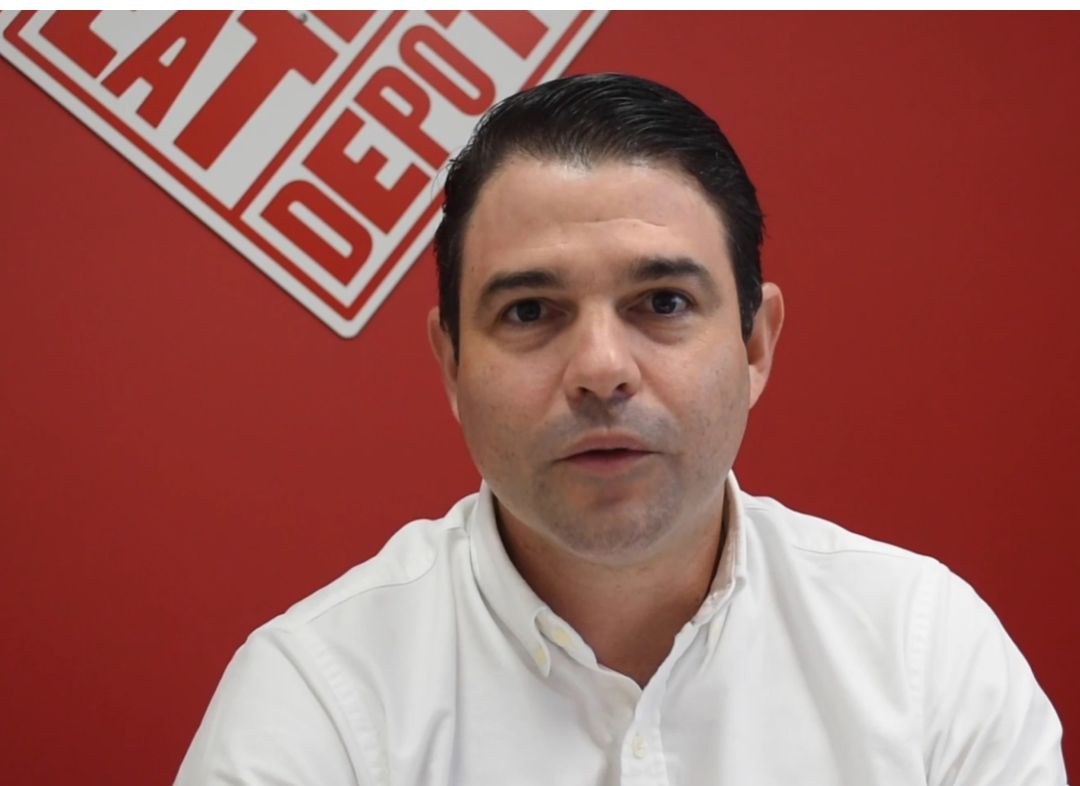
Victor Martinez, Founder and CEO of Meat Depot

Norfund’s contribution

Since year 2000, Norfund has invested in total USDM 19.5 in CASEIF I, II and III.

Now, in 2020, Norfund has signed on as Limited Partners of CASEIF IV with a commitment of USDM 20. The due diligence for CASEIF IV was among the first done virtually due to the COVID 19 restrictions.

Norfund was also a founder and minority shareholder in the General Partner entity of the fund, Lafise Investment Management and has supported with a role on advisory committees and as an observer at the Board level. Norfund also provided technical assistance to LIM which has been used to help the SMEs strengthen their accounting and financial reporting standards as well as their ESG and occupational health and safety standards.

Replacing diesel with solar in African telecom towers

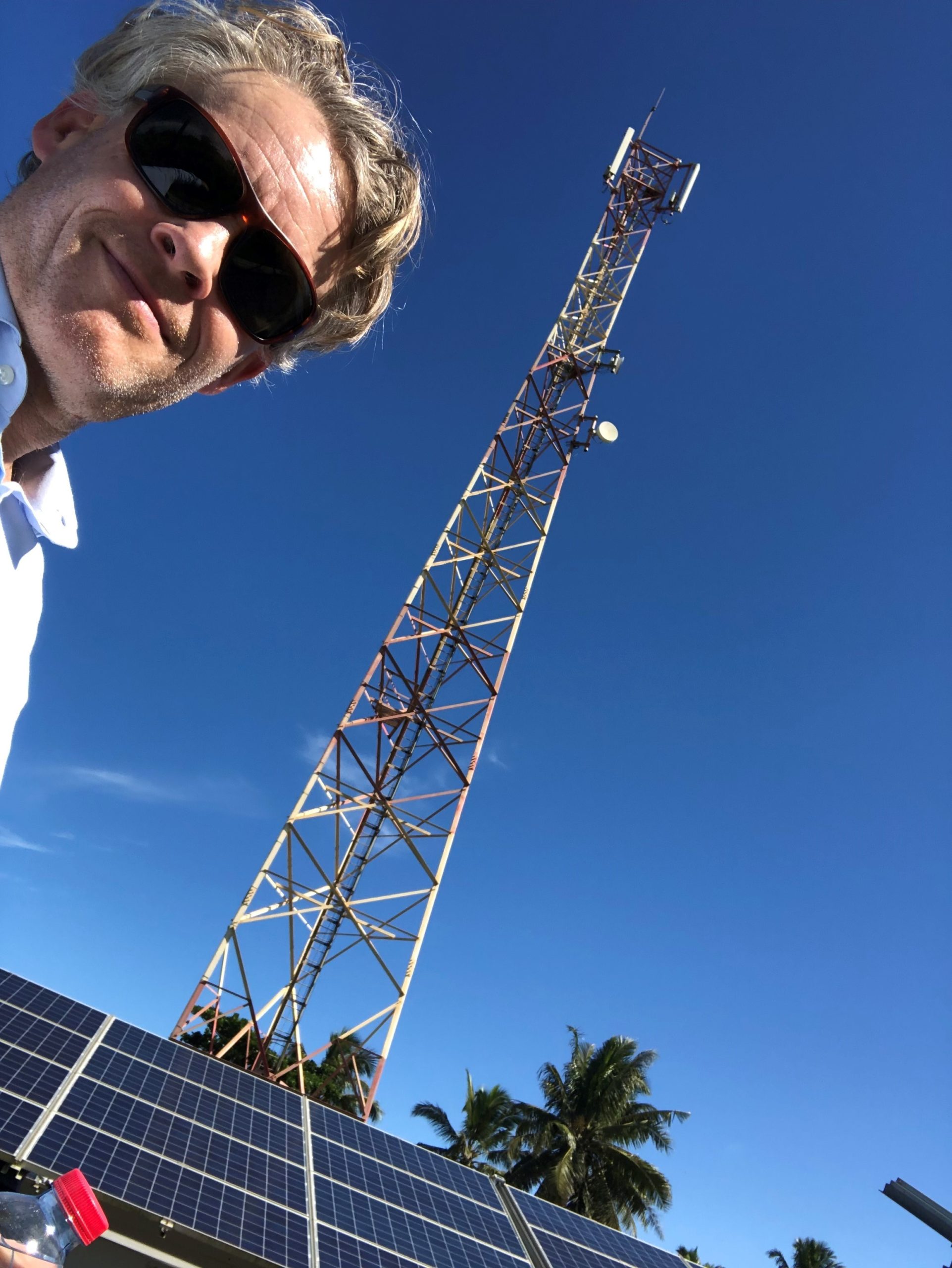
Evolution II Fund, Norfund and Sagemcom have closed an US$35 million commitment to establish ESCOTEL and enable affordable, cleaner energy services for African mobile telecom operators.

The new company ESCOTEL will provide clean energy services to mobile tower owners and operators in Africa.

Inspired Evolution, an Africa-focused investment advisory firm that specialises in clean and renewable energy, led the US$35 million equity investment by its Evolution II Fund and co-investors, Norfund and Sagemcom, with the aim to establish and finance ESCOTEL.

Supplying energy systems for 900 telecom towers

ESCOTEL will initially supply, install, operate and maintain decentralised solar and storage hybrid power systems for a portfolio of around 900 telecom sites in Sierra Leone, Liberia and over time the Democratic Republic of Congo.

Norfund is delighted to take part in this investment. With a new business model, telecom operators will be provided with locally generated renewable energy . This will enable the telecom operators to free up their investment capabilities for building new telecom sites and increasing coverage. ESCOTEL’s activities will thus support the fast-growing digital and telecom economy that is essential to create more jobs in the region – in a sustainable manner.

Pål Helgesen, Investment Director – Clean Energy at Norfund

Avoiding 16.000 tons CO2 annually

ESCOTEL will provide the most up to date power solutions for telecom networks all over Africa, and thereby contribute to increased mobile service quality, reduced cost of ownership, and decreased CO2 emissions.

The business model is to hybridise existing power systems of telecom sites with the supply, installation, and operations of solar and storage power systems, as well as to deploy these cleaner power systems to new telecom sites.

This will abate more than 6,240 tons of CO2  every year in Sierra Leone, and 10,092 tons of CO2  every year in Liberia.

Norfund’s contribution

Norfund has committed US$10 million alongside US$20 million from Evolution II and US$5 million from Sagemcom Energy & Telecom.

Norfund have played a central role since the initial stages of this venture and have participated in the structuring of the business.

Relevant articles:

Equity Bank wins Global SME bank award

Equity Bank aims at empowering small and medium sized businesses in East Africa by increasing their access to credit and financial services. This week, Equity Bank won the 2020 SME Bank of the year at the Global SME Finance Award.

Lack of access to finance is regarded as the most important constraint to the development of businesses in low income countries.

With over 14.2 million customers, the Equity Group is one of the biggest banks in East and Central Africa. The bank operates in Kenya, Rwanda, Uganda, South Sudan, Tanzania, DRC Congo and Ethiopia.

Equity Bank has, through its products and services, continued to empower small and medium sized businesses and has transformed them into instruments of driving value across the society

james Mwangi, ceo equity group

The SME business forms the spine of Equity Group’s business portfolio. By the end of 2019, SMEs accounted for more than 60% of Equity’s loan and 78% of total deposits.

On the 23rd of November, Equity won the 2020 SME Bank of the Year at the Global SME Finance Awards. The award is managed by World Bank’s IFC and recognises outstanding achievements of financial institutions and fintech companies in delivering exceptional products and services to their SME clients.

Equity Bank loans enabled Florence to flee poverty and start a profitable business

Without loans from Equity Bank, Florence Wanjiru Kirika wouldn’t have been able to start her local business in Kenya.

Some years ago, Florence Wanjiru Kirika was a poor, young widow left alone with two schoolchildren. Paying school fees was a struggle every month. Florence owned a plot of land and her dream was to build a house with rooms for rent and to become self sufficient. However, with no access to capital, there was no way to get started.

Things changed the day two Equity Bank agents visited her village, stopped and listened to her dream. As a new bank client, with no business expertise, Florence got a small loan of 100.000 Kenyan shilling. She used the loan to build a small house with four rooms and installed electricity, running water and clean bathrooms and toilets. The rooms became popular and were all quickly rented out, which enabled Florence to earn enough income to pay off her first loan before the time. She was then granted new loans, and gradually she has built additional buildings with more rooms for rent.

Equity bank is a bank for those who want to work from small to big. They work with me, visit me to see how the business is going and push me up.

Florence

Today, Florence is a successful businesswomen. She has plans to expand her properties and also to build some office spaces. Paying school fees is no longer a problem.

Norfund has been invested in Equity Bank since 2014. In 2016, the investment was transferred to Arise – Norfund’s main vehicle for investments in financial institutions in Africa. In 2018, Norfund committed a additional direct loan to Equity Bank funding further growth.

Equity Group initiatives to protect medics from Covid-19

“COVID-19 has challenged the normal operations for many SMEs in Kenya and across Africa. As a leading financial institution, we remain committed to training SMEs, availing opportunities for growth and helping them recover because together, we can build a resilient economy and a greater world,” Dr. Mwangi said.

Through the Equity Group Foundation, the group has contributed to helping public hospitals and medical students during the Covid-19 pandemic. Together with Kenya COVID-19 Fund Board, the Equity Group Foundation commenced the distribution of locally manufactured personal protective equipment (PPE) to public hospitals across all 47 counties in Kenya including all final year medical and dental students. This is done as part of its sustained efforts to protect medics from the COVID-19 virus.

We saw the need to support and reinforce the efforts by the Ministry of Health and the Kenya COVID-19 Fund Board in strengthening the health response through protecting our heroes who are at the forefront of serving Kenyans.

James Mwangi, CEO equity group

“We chose to also include medical and dental final year students who are eager to complete their training be posted across the country to serve as interns where they are needed.  The PPEs donated will protect them and will also allow them to continue with their duties without worrying about their safety as they complete their noble duties.” said Dr. Mwangi.

Relevant articles:

Exit Analysis

Norfund’s mandate is to support the creation and expansion of viable and sustainable businesses to create employment in developing countries. In order to investigate delivery on the mandate, we have performed an analysis of the status of Norfund’s exited companies by end 2019.

The Survey and Analysis

The first exit analysis was performed in 2015. In 2019, a second analysis was undertaken, with standardized definitions and parameters to allow for continuous updates of the dataset and comparability over time.

In the exit analysis, companies are followed from time of investment to three years after Norfund’s exit to understand whether they survive, and if they thrive.

  • Survival: Survival rate is tracked during Norfund’s holding period and three years after Norfund exited the investment (post-exit).
  • Performance: The second aspect considered is company performance in job creation, financial indicators and other development impacts, tracked during holding period and 3 years post-exit.

Key Results

1. Norfund investments have a healthy survival rate, both during and after ownership.

During the holding period, the survival rate for investments is above 80 per cent. Three years after exit, more than 4/5 of companies that were active at time of exit are still active.

13 companies were liquidated by the 3-year post-exit mark, of which nine during our holding period and four after exit.

2. Performance in surviving companies is solid, both during and after Norfund’s investment.

Overall, exited companies saw a doubling or more in revenue, net income and job creation from entry to exit, with double digit growth rates for most companies.

* Growth rate for job creation excluding the investee BRAC was +64% during holding period and +33% post-exit
** Dataset excludes liquidations

The overall post-exit performance showed healthy growth three years after Norfund’s exit with continued, though less steep, growth for many companies.

*** Post-exit dataset covers companies with available data (17 companies on net income and revenue, 14 on employment)

As Norfund enters in order to create or expand companies, this pattern is perfectly aligned with expectations and an indication that Norfund is successful in delivering on its mandate.

3. A clear relationship between healthy returns and job creation.

For Norfund to truly succeed on job creation and sustainable businesses, it is essential to achieve healthy returns.

Positive IRR for Norfund is associated with higher annual growth in employment for companies during the holding period. The data indicates a positive but diminishing impact on job creation once IRR reaches a certain level.

This suggests that a sensible ambition is to achieve healthy, rather than maximum returns at the portfolio level.

Data limitations

The current analysis is undertaken primarily as a self-assessment and learning tool and has several data limitations. As such, the results are considered indicative, rather than conclusive.

There are plans to expand and improve on the dataset in the future to address these limitations and over time make findings more robust. Limitations include:
• Limited number of observations
• Data quality limitations
• Exclusion of exits to and in platforms

Building market leaders in ESG

Improving environmental, social and governance (ESG) performance of our clients is critical to Norfund’s sustainability ambitions.  Not only do high ESG standards help to mitigate risk, but they also help to identify and maximise opportunities to add value to business.

One of the ways Norfund helps firms to achieve best practice standards is through our ESG workshop programme, which provides hands-on support and practical advice.

CDC started organising these workshops in 2010, and Norfund has been a partner and provided financial support since 2017 .

Helping managers integrate ESG performance

The first years, the workshops focused on helping fund managers to integrate ESG into their investment process. However, we realised there was a lack of expertise about the role that private equity funds could play to drive good ESG performance within their portfolio companies, and that they could use their position as a leading investor to share experiences and good practice. Since then, the workshop programme has become the largest of its kind in emerging markets, reaching a significant proportion of the private equity industry in the areas where CDC and Norfund invest, particularly in Africa.

As the programme has grown, it has been adapted to meet the needs of participants and expanding the topics covered.

Learning by sharing

For example, the revised and expanded version of the programme that CDC and Norfund launched caters not only to fund managers, but also to companies where we invest directly, and those we invest in through private equity funds. The inclusion of portfolio companies has brought diverse experiences and points of view to the table, which has led to dynamic and productive discussions. The workshops use a strong ‘learning by sharing’ approach building on shared experiences and using examples from participants. Businesses often have a small ESG team of one or two people, so these sessions are an opportunity to bring a much larger group together to talk about common challenges and ways they can create value in their business. It is extremely useful for participants to see how similar challenges are addressed by other companies.  

“Strengthening the ESG capabilities of our clients enables them to improve performance and to meet Norfund’s ambitious expectations,”

Tim Lund, Senior Sustainability Advisor at Norfund

“Strengthening the ESG capabilities also makes our dialogue with companies on sustainability matters so much easier, ” Tim Lund explains.

New technical sessions focus on climate change, human resource management, emerging ESG issues such as data privacy or the circular economy, and a session on integrating impact measurement. These complement our existing training on topics such as how to integrate ESG in the investment cycle, establishing an effective Environmental and Social Management System (ESMS), board oversight of ESG and women’s economic empowerment. These sessions continue to evolve to reflect emerging practice and knowledge.

Supporting small and first-time fund managers in emerging markets

The revised workshop programme also reflects a focus on supporting smaller and first-time fund managers in emerging markets, who often face tougher ESG challenges because of contextual risks and circumstances such as weak legislative frameworks or poor enforcement of ESG legislation. These workshops aim to drive ESG value beyond compliance, by encouraging participants to think about ESG not just through the lens of risk mitigation but also through the lens of opportunity and value addition.

One example of a fund manager we’ve supported through our workshops is Ascent Capital Africa, which invests in promising businesses across East Africa through its Ascent Rift Valley Fund. The Ascent team – along with representatives from the fund’s investee companies – attended our training sessions in Kenya. One of these sessions formed the basis for how Ascent now incorporates ESG considerations into their investment process.

We really used that training to set up a template for how we look at environmental and social considerations at screening, during due diligence, and also when we’re monitoring investments

Marieke Geurts, Investment Director at Ascent.

From theory to implementation

Ascent aren’t the only Fund Manager applying lessons from our workshops; in a follow-up survey to CDCs most recent workshop, two-thirds of participants said that they planned to apply lessons from the workshops in their work within the month, and over one-third confirmed that they had already implemented changes in their company’s ESG practice as a result of the training.

Online training due to Covid-19

As a consequence of COVID-19, CDC and Norfund are now moving these workshops online, to a virtual training that keeps as much of the interactivity and implementation focused learning experience as possible.

We recently ran sessions exploring how COVID-19 affects the ESG and business integrity investment processes of fund managers. For portfolio companies, the training focused on using the ESG management system as an essential tool to navigate changing social and environmental dynamics during the pandemic.

For more informationabout our workshop programme, please contact:

Relevant articles

Emergency loans help SMEs overcome Covid-19

Banco Promerica Costa Rica, a Norfund investee, is proactively seeking a Covid-19 emergency response for its small and medium sized (SMEs) clients.

Costa Rica has been hit hard by the impact of COVID-19, as have all other countries in Central America. The Costa Rican government responded quickly by introducing strong containment measures and succeeded to flatten the curve and reduce the number of deaths.

However, these measures slowed economic progress and has resulted in a sharp contraction of the economy[1].

Banks halt SME loans

Shaken by the number of businesses that were being forced to shut down or operate at 50% due to the pandemic lockdowns, most banks in Costa Rica halted their lending to small and medium sized businesses (SMEs). Thousands of jobs are now at risk.

The Central Bank of Costa Rica states that 7000 companies have already frozen employee contracts with 118,000 people.

Banco Promerica takes a different approach

Banco Promerica Costa Rica took a different approach. The bank, a Norfund investee since 2018, aims to secure thousands of local jobs by supporting the SME-clients that operate in the hardest affected sectors (agriculture, tourism, consumer- and retail- goods and entertainment). The intention is to help them maintain their employment contracts.

Will extend loans to 300 SMEs and save over 6000 jobs

With this initiative, Banco Promerica Costa Rica was the first regional bank to approach Norfund with a well-developed proactive plan of in total USDM60 to directly support SMEs during the crisis.


As an investment manager it was particularly motivating to be able to immediately work on mobilizing capital to entities at the very start of the crisis.

Heidi achong, investment manager, norfund regional office costa rica

Heidi explains that Norfund appreciated the request, but conditioned that the bank would need to line up an additional 5/6 of their total liquidity project from other lenders – and they did!

FMO, Proparco, Blue Orchard, the IFC and others provided individual facilities. However, none of the other lenders provided tier 2 capital, so the subordinated loan from Norfund was particularly attractive because it also bolstered the capital adequacy of the bank.

With this USDM 60 facility in place, Banco Promerica Costa Rica aims to extend loans to almost 300 SMEs in highly affected sectors to cover their operational expenses for 4- 6 months . It is expected that this facility will save more than 6000 jobs.

Norfund’s contribution

Norfund has extended two facilities to Banco Promerica Costa Rica since the start of the Covid-19 crisis. The first was a USDM 3 subordinated loan to bolster the bank’s capital adequacy position given the expected increase in non-performing loans due to the economic repercussions of the crisis.  The other was a USDM7 senior unsecured loan for liquidity purposes to be used 100% for on lending to SMEs in Costa Rica to cover up to 6 months operational expenses including payroll and operational expenses.

Relevant articles:


[1] https://www.worldbank.org/en/news/press-release/2020/06/25/apoyo-del-banco-mundial-a-costa-rica-para-promover-la-recuperacion-economica-y-un-desarrollo-bajo-en-carbono